Last updated November 17, 2026


Free written scope consultation - allowances, timeline, and change-order rules on paper before a single trade is scheduled
Kitchen Remodeling Warning Signs Every Homeowner Should Know
In California, the Contractors State License Board logged over 20,000 contractor complaints in a recent year, and kitchen remodels sit among the top three categories homeowners file about. The people who got burned weren’t naive. They were reasonable homeowners who read a clean bid, heard confident answers, and signed before they knew what to look for. The danger rarely announces itself. It shows up as a polished estimate with no material specs, a deposit request that breaks state law, and a contractor who goes quiet the week after the check clears. This guide walks through the contractual and behavioral signals that predict job abandonment in Los Angeles before a single cabinet comes off the wall.
Quick Answer
The biggest red flags in kitchen remodeling are bids without line-item material specs, deposit demands above California’s 10% or $1,000 cap, vague scope language, unlicensed subcontractors, and a contractor who won’t show permit history. Any one of these is a warning. Two or more together usually means walk away. A trustworthy contractor puts the price in writing before work starts, pulls permits in their own name, and hands you a written guarantee when the job closes.
Styles & brands we work with
- Kitchen remodeling
- Bathroom remodeling
- Home additions & ADU
- Roofing
- Windows & doors
- Driveway & pavers
- Fence
Table of Contents
- Red Flag 1: A Bid With No Material Specs
- Red Flag 2: The Deposit That Breaks State Law
- Red Flag 3: Vague Scope of Work Language
- Red Flag 4: Subcontractors You Can’t Verify
- Red Flag 5: No Permit History You Can Check
- Behavioral Signals That Predict Abandonment
- The Checks to Run Before You Sign
- Common Mistakes to Avoid
Red Flag 1: A Bid With No Material Specs
A bid that reads “kitchen cabinets and counters – $18,400” isn’t a bid. It’s a placeholder. Without a brand, model, finish, and SKU written on the page, nothing stops a contractor from swapping in a cheaper line after the contract is signed, and nothing gives you grounds to object when they do. That single gap causes more disputes than almost any other, and in our experience it’s the first thing that separates a real estimate from a fishing expedition.
A real line-item bid for a Los Angeles kitchen looks like this:
- Cabinetry: manufacturer name, door style, wood or finish color, box construction, and the model line (for example, KraftMaid or Wellborn).
- Countertops: slab material and thickness, edge profile, and the brand (Cambria and Caesarstone are common in Los Angeles homes because they hold up to heat and sun exposure near west-facing windows).
- Fixtures: faucet and sink model numbers from a named maker such as Kohler or Moen.
- Labor: demolition, framing, drywall, tile, and finish broken out separately, not folded into one lump.
- Allowances: every allowance amount stated in dollars, with the process for change orders spelled out.
Ask why each spec was chosen. A contractor who can explain the substrate under your tile or why a particular door profile is right for the space knows the job. One who shrugs and says “it’s all good stuff” is selling you a number, not a kitchen. For a full walkthrough of what a proper scope covers, see our page on Kitchen Remodeling in Los Angeles.
Red Flag 2: The Deposit That Breaks State Law
California caps deposits on home improvement contracts at 10% of the total price or $1,000, whichever is less. That’s not a guideline; it’s the rule under Business and Professions Code section 7159.2. A contractor who asks for 30% down or “half upfront to secure materials” is either unfamiliar with the law or willing to break it, and both are reasons to stop the conversation.
Watch for these deposit patterns:
- Large cash deposits requested before any contract is signed in writing.
- Deposit creep – the number starts at 10% and climbs as the start date nears.
- Cash-only requests with no receipt or invoice trail.
- Pressure to pay for materials upfront when the materials could be ordered on a standard schedule.
There are legitimate progress payments during a kitchen remodel, tied to defined milestones like demolition complete, rough-in inspected, cabinets installed, and final walkthrough. Each one should appear in the written contract before work begins. If the payment schedule isn’t on paper, there is no schedule. Our team at Bradford Remodeling Co Los Angeles puts the price in writing before any tool comes out, and the payment milestones are part of that same document.
Red Flag 3: Vague Scope of Work Language
“Kitchen cabinets and counters” is a phrase that will cost you money. A binding scope of work doesn’t describe categories; it describes objects. Cabinets have a brand, a door style, a finish, and a box dimension. Counters have a slab name, a thickness, an edge profile, and a seam plan. Tile has a size, a grout line, and a substrate. If those things aren’t in writing, they’re negotiable after the fact, and the negotiation always favors the side holding the deposit.
Here’s what a binding scope of work actually specifies:
- Demolition: what comes out, what stays, and how debris gets hauled away.
- Framing and rough-in: where the new plumbing and electrical lines run, and who inspects them.
- Substrate: the backer board or underlayment under your counters and floor. This matters in Los Angeles because of moisture near the slab and the shifting that comes with older homes in neighborhoods like Silver Lake and Echo Park.
- Cabinetry: model line, dimensions, door style, finish, and the installation method (shimmed and scribed to the wall vs. floated).
- Surfaces: slab brand, thickness, edge profile, and where seams fall.
- Finish work: paint, trim, caulk lines, and the final clean.
Ask the contractor to walk you through the scope line by line. A pro will welcome it. A red-flag contractor will say “don’t worry, we’ll handle all that” – which is the closest thing to a confession you’ll get before signing.
Red Flag 4: Subcontractors You Can’t Verify
Your general contractor holds the license, but the tile setter, electrician, and plumber on the job carry their own. In California, anyone doing work over $500 must hold a CSLB license in the correct classification for that trade. Ask for those license numbers in writing before the crew shows up, then verify each one at the CSLB website. It takes about two minutes per name.
Three questions you should always ask about subs:
- Who is doing the electrical? Get the license number and confirm the classification.
- Who is doing the tile? Tile setters are sometimes unlicensed helpers under a GC’s umbrella, which is legal in some configurations and not in others. Get it clarified.
- Is the crew background-checked? You’re letting strangers into your home for weeks. A contractor who can’t tell you who’s walking through the door hasn’t done the basic screening.
Bradford Remodeling Co Los Angeles runs background-checked, uniformed technicians on every job, with identity and conduct standards set at the Garrison Partners level. That’s the difference between a phone number on a flyer and a crew you can name.
Red Flag 5: No Permit History You Can Check
A kitchen remodel that moves plumbing, electrical, or load-bearing walls requires permits through the Los Angeles Department of Building and Safety (LADBS). Pulling permits protects you in three ways: the work gets inspected, the record survives the sale of the house, and any hidden problem gets caught before the drywall goes back up. A contractor who suggests skipping permits “to save time” is telling you exactly how much their paperwork is worth.
Here’s how to check a contractor’s permit history in Los Angeles before signing:
- Ask for the contractor’s CSLB license number in writing.
- Search that number on the CSLB website to confirm active status, classification, and any disciplinary actions.
- Log the contractor’s name or license number into LADBS records and review recent permits they’ve pulled in the city.
- Cross-check whether those permits closed out or were left open.
- Ask the contractor to show you two recent kitchen permits with matching addresses, and verify the addresses.
Contractors who pull permits in their own name have a trail. Contractors who don’t have zero record, which is the whole point. If the history doesn’t exist, the work probably doesn’t either.
Behavioral Signals That Predict Abandonment
The contractual red flags get most of the attention, but the behavioral ones show up first if you know what to watch. The classic abandonment pattern is a contractor who answers every call in week one, answers half in week two, and stops answering after the deposit. There’s usually a specific moment it starts, and it’s almost always before you notice.
Watch for these, especially in Los Angeles where the market is busy and the good crews are booked:
- Same-day pressure to sign. “I’ve got a slot opening up, but I need your signature today.” Real schedulers give you a week to think it over.
- No written estimate, only a verbal one. A number that lives in the air is a number that can change.
- No references you can call. Ask for three recent customers, then actually call them.
- No physical address or working business phone. Live-person phone coverage during business hours is the baseline.
- Cash-only with no invoice. You want a paper trail on everything.
- The deposit is the last time you see them on time. The first week of a job is the tell.
We’ve seen homeowners in the Valley and on the Westside get caught by exactly this pattern. The bid looked clean. The contractor was charming. The deposit cleared. Then four weeks of silence, a subcontractor showing up with no license, and a half-demolished kitchen sitting under plastic while the homeowner called the CSLB. That’s the outcome this guide exists to prevent. If you want a plain-language view of what disciplined general contracting looks like, read our General Contractor in Los Angeles page.
The Checks to Run Before You Sign
Run these five checks in order before you sign anything. They take an afternoon and they’ll save you tens of thousands.
- Verify the license. Go to the CSLB website and confirm the license is active, in the right classification, and free of disciplinary flags.
- Check the permit trail. Review LADBS records for the contractor’s name or license number and look for recent kitchen permits that closed out.
- Call three past customers. Ask specifically how the contractor handled the closing week – that’s where sloppy work shows.
- Read the contract for deposit and guarantee terms. Deposit must be 10% or $1,000, whichever is less. The guarantee needs a specific term: how long, what it covers, and how claims work.
- Confirm the crew is background-checked. Ask what screening each person on your job has passed.
A proper guarantee has a duration and a process. At Bradford Remodeling Co Los Angeles, every completed project carries the 365-Day Done Right Promise. If the work fails inside that one-year window, we come back and correct it at no charge. That’s a specific promise with a specific term, not a handshake and a hope.
Common Mistakes to Avoid
- Choosing the lowest bid. The lowest number is usually the one with the most missing line items. Compare bids line by line, not at the bottom.
- Paying a deposit without a written contract. California law caps deposits at 10% or $1,000, whichever is less, and the contract must exist before any money changes hands.
- Skipping the reference calls. Los Angeles has a lot of contractors with clean websites and no verifiable recent jobs. Three phone calls tell you more than three references on a website ever will.
- Accepting verbal scope changes. Every change, including the small ones, goes in writing with a price attached. No exceptions.
- Not asking who the subs are. Electrical, plumbing, and tile all need their own license numbers for work over $500, and you should have those numbers before the truck arrives.
- Letting permits slide. In Los Angeles, unpermitted work becomes a problem at resale and a bigger problem if an inspection is triggered by a neighbor’s project. Pull the permits.
- Believing a “lifetime” guarantee. Ask for the duration in writing, the conditions, and the return process. If the answer takes more than a minute, the guarantee is a slogan.
See the difference
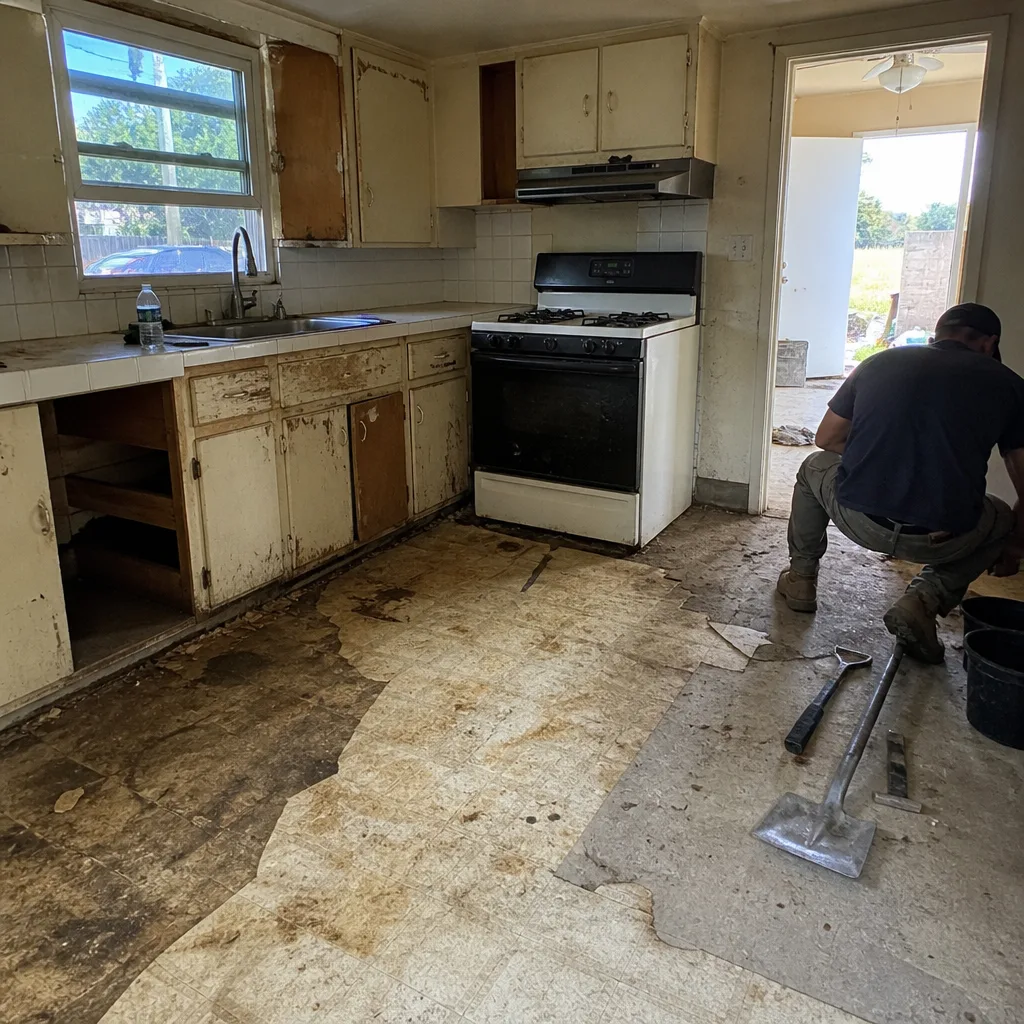 Before
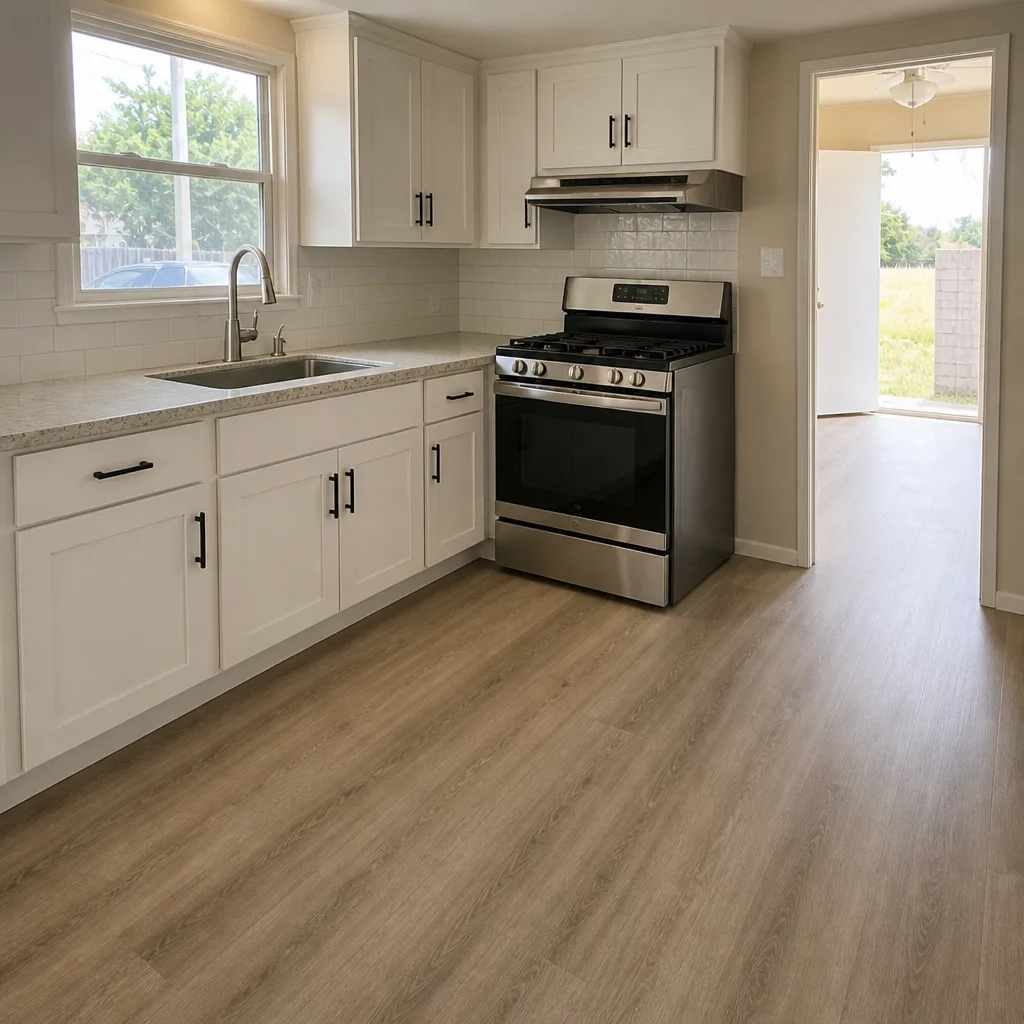 After
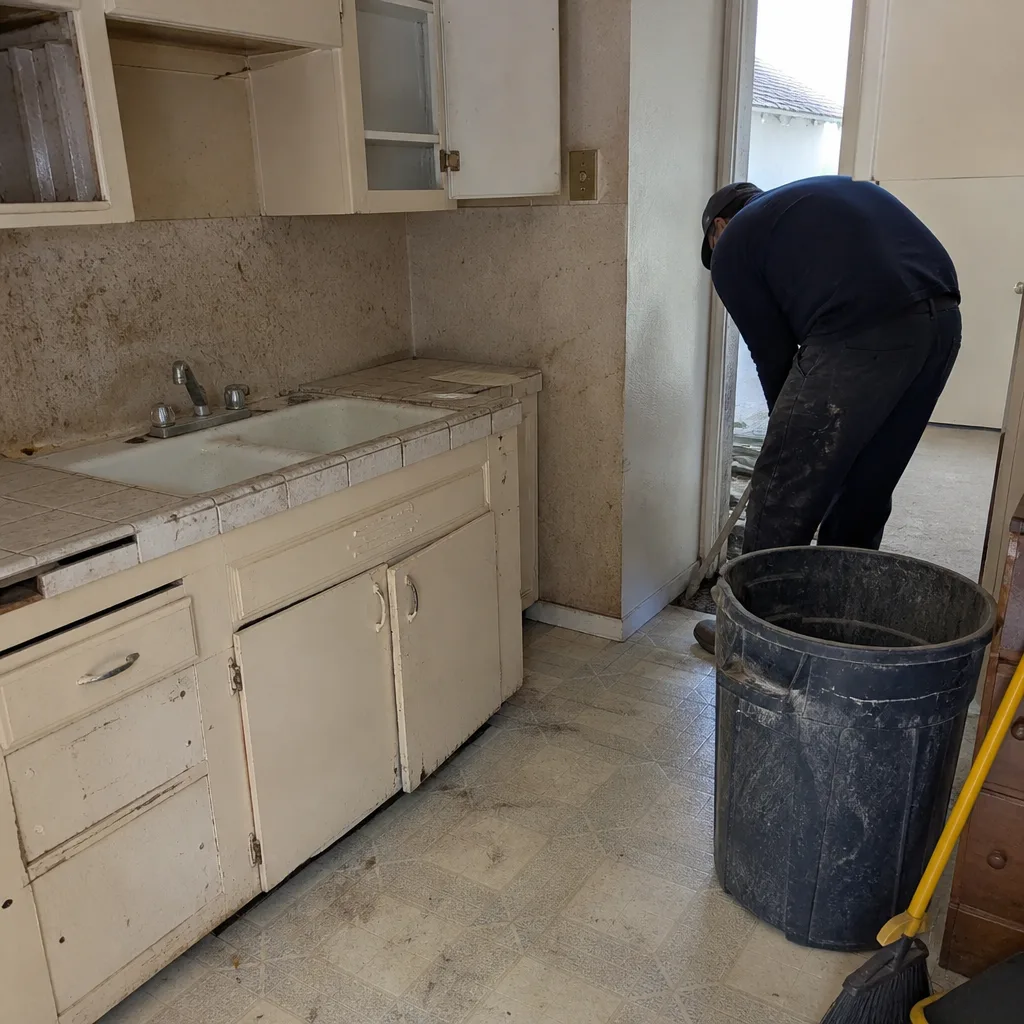 Before
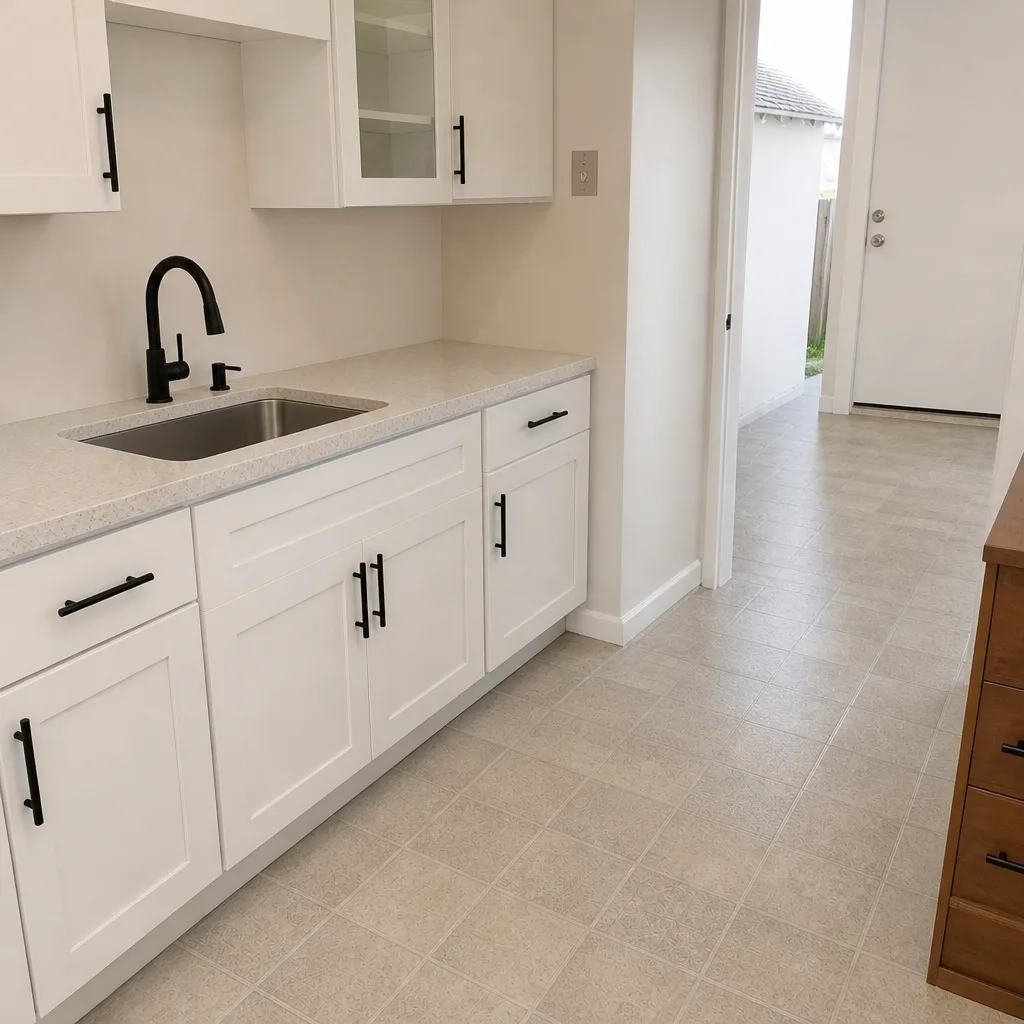 After
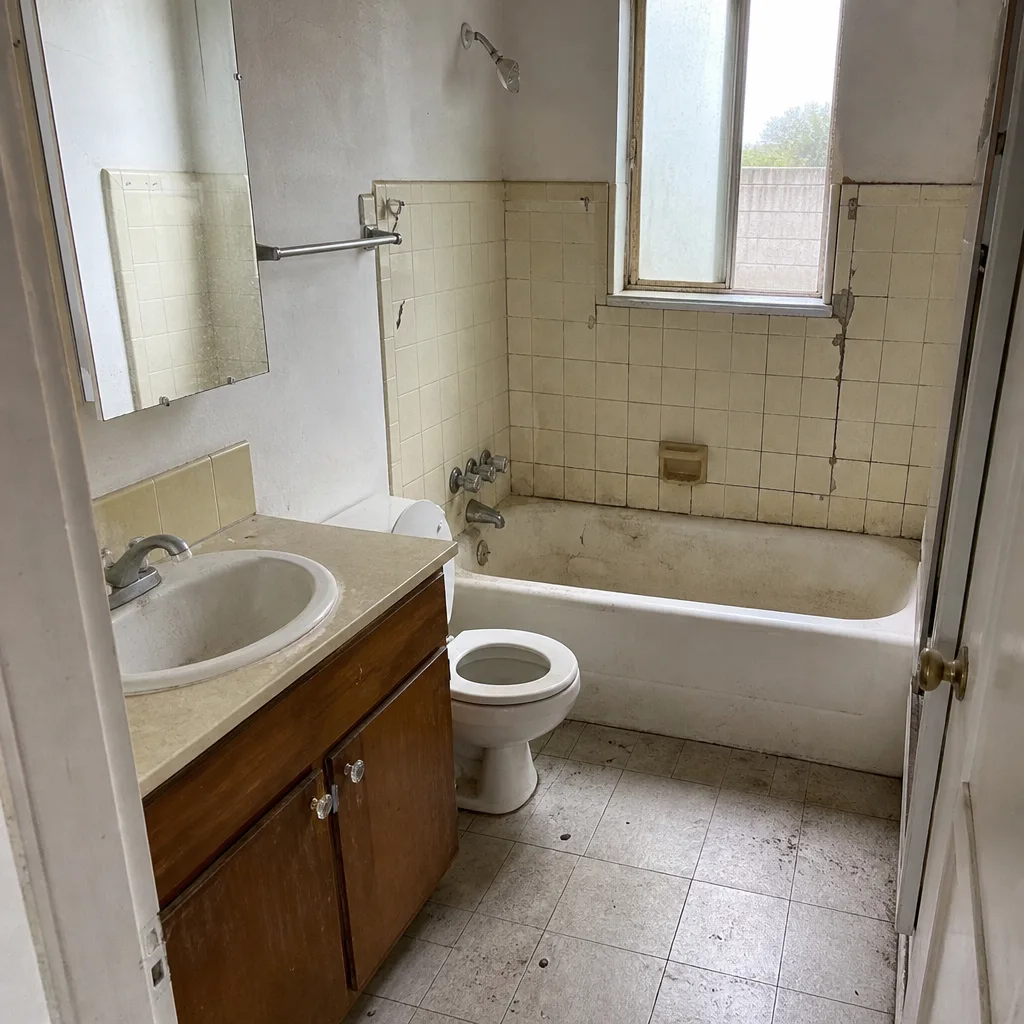 Before
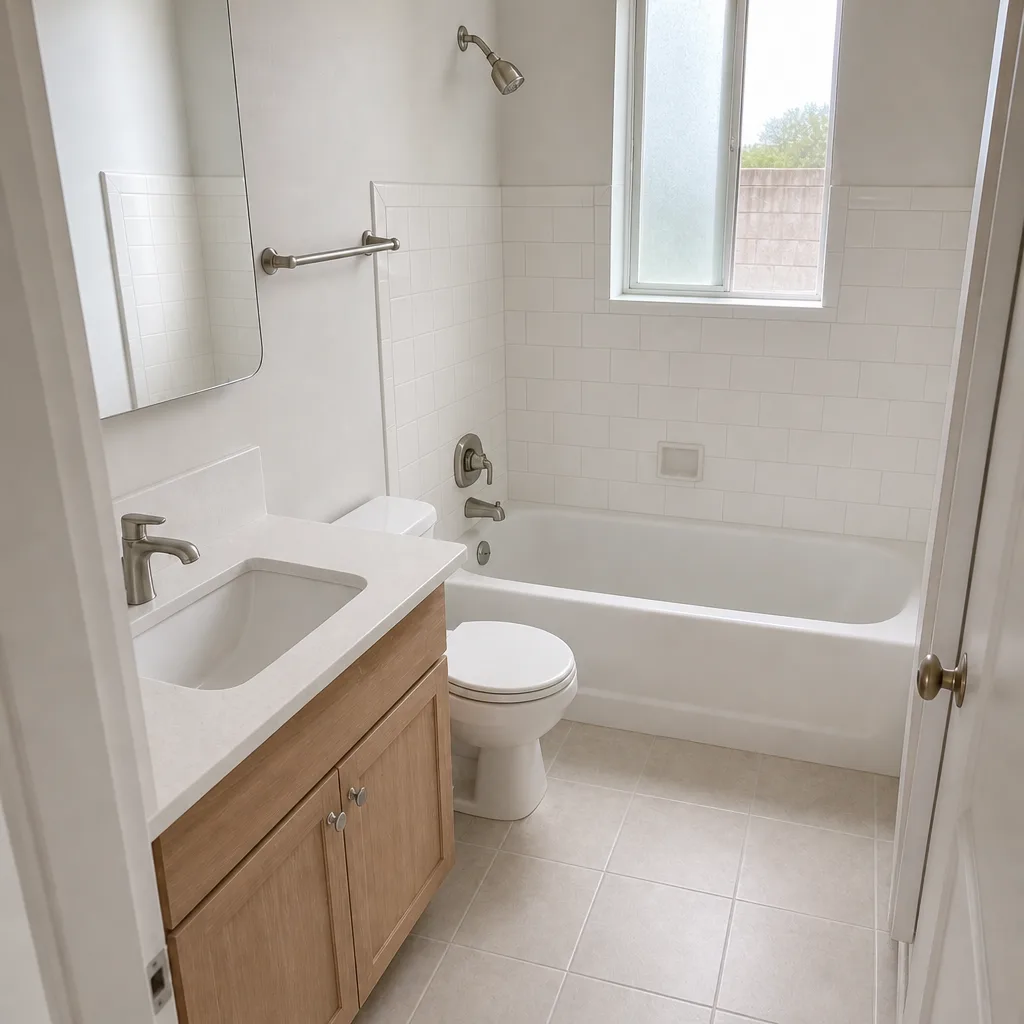 After
When to Call a Professional
Call a professional if any of these apply: you’re missing line-item material specs, your deposit request exceeds 10% or $1,000, the scope language is vague, subcontractor licenses aren’t available, the contractor can’t show a LADBS permit history, or the phone goes to voicemail when you need a straight answer. Any one is a reason to pause. Two or more together is a reason to move to the next call. If you’re already inside a project that’s gone sideways and the work is half finished, stop payments that aren’t tied to completed milestones and get the contract reviewed before you write another check. Bradford Remodeling Co Los Angeles offers free estimates to homeowners throughout Los Angeles – call (844) 343-6681 for a written price before work begins.
Frequently Asked Questions

The biggest single red flag is a bid with no line-item material specs. A bid that says “cabinets and counters” without naming the brand, model, finish, or dimensions leaves the contractor free to swap in cheaper materials after you sign, and leaves you with no contractual grounds to object. A real bid names KraftMaid, Wellborn, or whichever line was specified, with model numbers and installation method written down.
California caps deposits on home improvement contracts at 10% of the total price or $1,000, whichever is less, under Business and Professions Code section 7159.2. A demand above that threshold is itself a legal red flag. Progress payments during the job are allowed but must be tied to defined milestones in the written contract.
Ask for the contractor’s CSLB license number in writing, then verify it on the CSLB website. Look for active status, the correct classification for kitchen work, and any disciplinary actions. Confirm each subcontractor’s license number the same way – anyone working over $500 must hold their own license in the correct classification.
Yes. The Los Angeles Department of Building and Safety maintains public permit records you can search by contractor name or license number. Look for recent kitchen permits and check whether they closed out. A contractor with a clean LADBS trail has nothing to hide. A contractor with no records at all is telling you how they operate.
A written guarantee needs three things: a duration, a scope of what’s covered, and a process for making a claim. A phrase like “fully guaranteed” is meaningless. Bradford Remodeling Co Los Angeles gives every completed project the 365-Day Done Right Promise, which covers a full year and commits us to return and correct failed work at no charge inside that window.
Yes. Unlicensed subs carry real risk, including invalid insurance and no CSLB recourse if the work fails. Ask for each subcontractor’s license number before the job starts and verify it on the CSLB website. Kitchen remodels in Los Angeles touch plumbing, electrical, and tile work, and all three typically require licensed trades.
The Bottom Line
The contractors who take deposits and disappear rarely look dangerous. They look organized, confident, and ready to start Monday. What separates them from a disciplined crew isn’t personality – it’s paperwork. A written price before work starts. Line-item material specs with brand and model. A deposit within the legal cap. Verifiable licenses on every trade. Pulled permits with a public history. Written progress milestones and a dated guarantee. If any of those are missing, you’re not looking at a remodeling estimate. You’re looking at a placeholder waiting to become an invoice. Get the price in writing before the first tool comes out, and you’ll never be the homeowner calling the CSLB on a Friday afternoon.
Contact
Bradford Remodeling Co Los Angeles is a member of the Garrison Partners family, established in 2004, independently owned and operated, and held to The Garrison Standard. Our technicians have up to 22 years of experience, and every project gets a written price before work begins and the 365-Day Done Right Promise at close. If you’re planning a kitchen remodel in Los Angeles and want to plan against a checklist instead of a pitch, call (844) 343-6681 for a free estimate. A live person answers the phone, and if you’re weighing the whole-house picture too, our Bathroom Remodeling in Los Angeles page is a useful companion read. You can also start at our Bradford Remodeling Co Los Angeles home page to see how we work.
Written by the team at Bradford Remodeling Co Los Angeles.