Last updated November 17, 2026

Free written scope consultation - allowances, timeline, and change-order rules on paper before a single trade is scheduled
Seasonal Construction Care for Los Angeles: Year-Round Homeowner’s Guide
Most Los Angeles homeowners brace for rain in December. The window that actually causes the most water intrusion damage here runs May through July, when marine-layer humidity cycles in and out of micro-gaps that a dry autumn never revealed. Stucco absorbs that daily moisture load, window head flashing quietly wicks it inward, and roof penetrations that passed a visual check in October start staining a ceiling by August. Los Angeles doesn’t run on four traditional seasons. It runs on four distinct risk windows, each stressing a home’s envelope in a different direction. This guide walks the calendar: what fails when, what to inspect, and how to sequence contractor work around the local permit and inspection cycle so you’re not the homeowner caught mid-project when the calendar turns.
Quick Answer
Los Angeles homes need four separate seasonal checkpoints rather than one annual inspection: a May-July marine-layer moisture check on stucco, flashing and roof penetrations; an August-October fire-season prep pass covering attic vents, ember-resistant weatherstripping and HVAC intakes; a 48-hour inspection after any Santa Ana wind event; and a January-February rain-window evaluation of roof, grading and foundation drainage done before a storm series rather than after. Skipping any one of these windows is how small envelope failures become five-figure repairs.
Styles & brands we work with
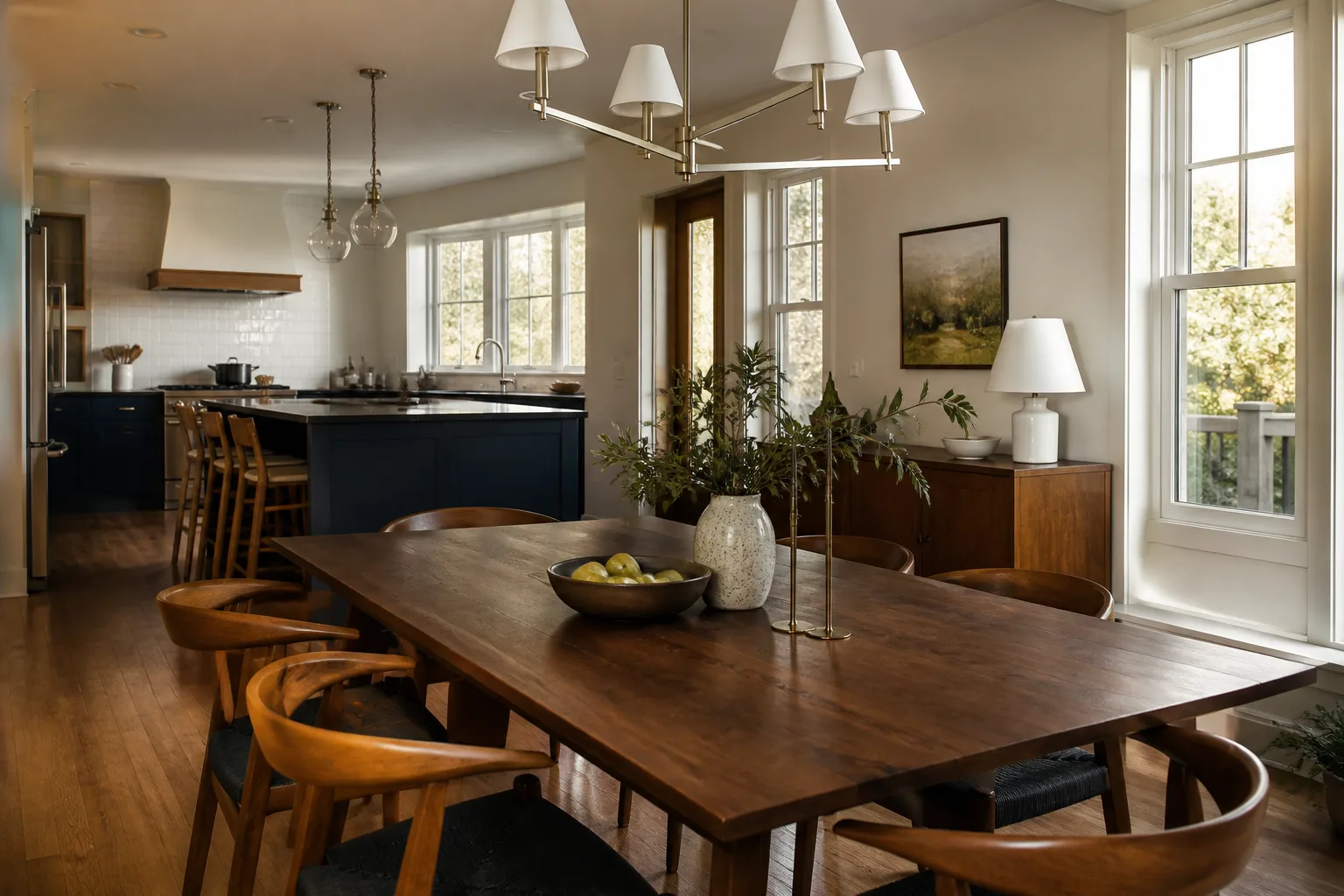
- Kitchen remodeling
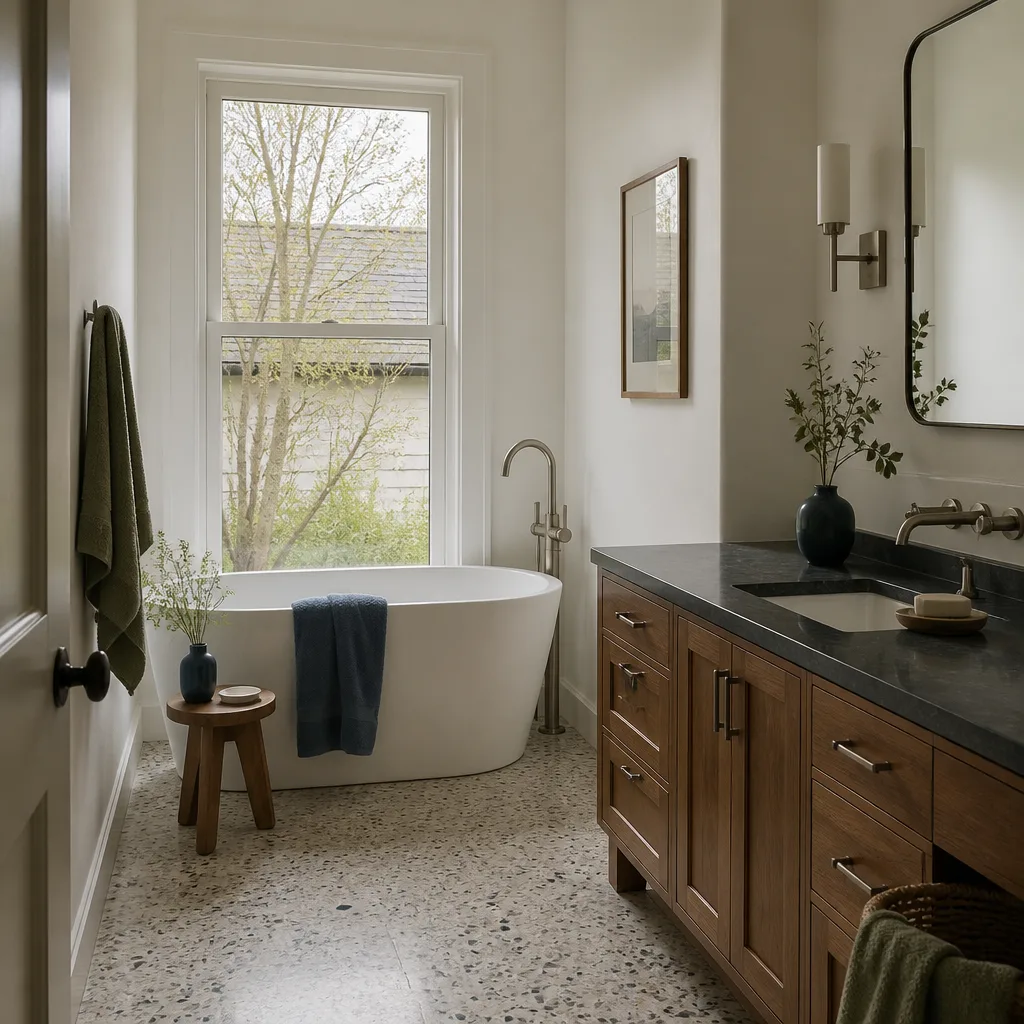
- Bathroom remodeling
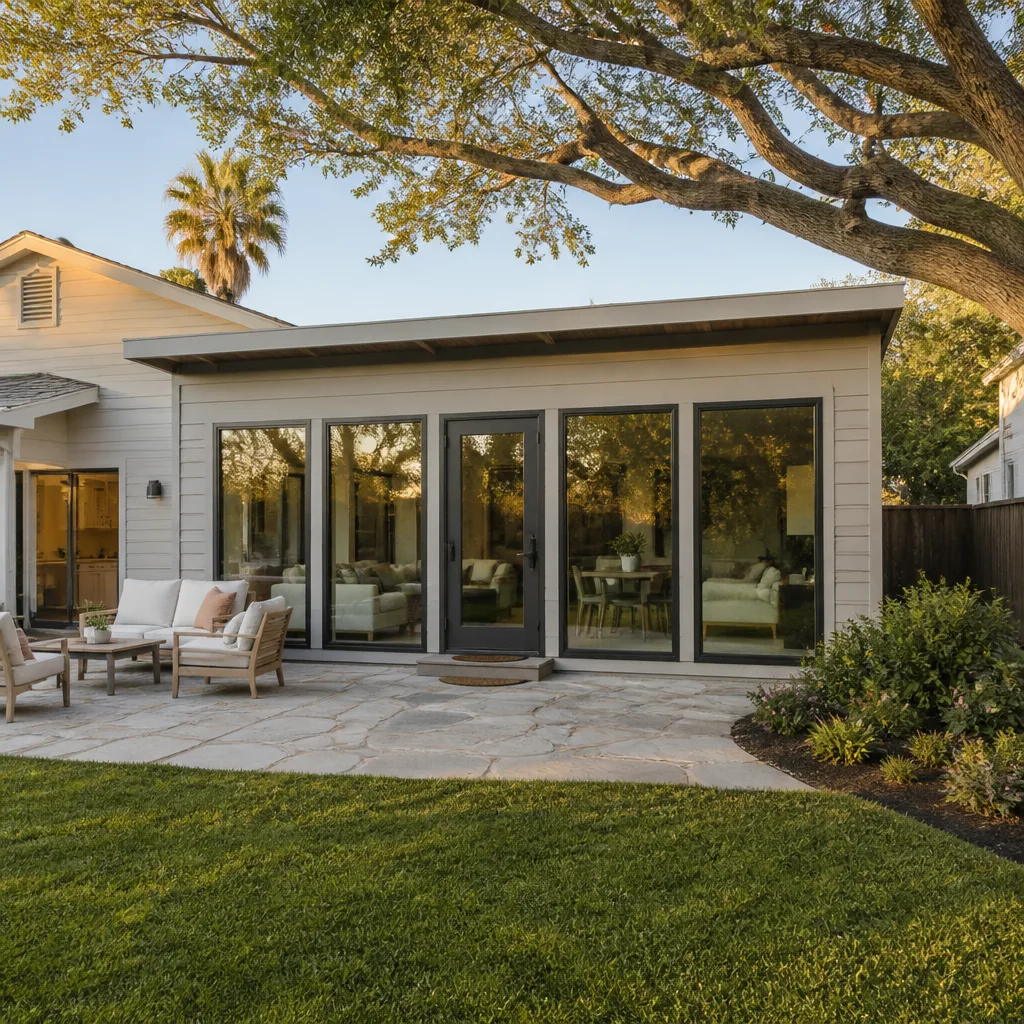
- Home additions & ADU
- Roofing
- Windows & doors
- Driveway & pavers
- Fence
Table of Contents
- The May-July Marine-Layer Moisture Window
- August-October Fire-Season Prep Beyond Brush Clearance
- The Santa Ana Wind Event Checklist: First 48 Hours
- The January-February Rain Window: Evaluate Before the Storm
- Sequencing Contractor Work Around LA’s Permit Calendar
- Envelope Checks by Building Component
- Common Mistakes to Avoid
- When to Call a Professional
The May-July Marine-Layer Moisture Window
June gloom gets talked about as a comfort issue. For a building envelope, it’s a moisture-cycle issue, and it runs longer than the name suggests. From roughly mid-May through July, coastal and near-coastal Los Angeles neighborhoods sit under a marine layer that deposits moisture on exterior surfaces every night and evaporates it every afternoon. That wet-dry cycling is more punishing to certain assemblies than a single heavy rainstorm, because it repeats daily and works on gaps measured in fractions of an inch.
Three locations catch most of it. Stucco at parapet walls and around window and door openings, where hairline cracks open as the wall heats and cools. Window head flashing, especially at openings that face the marine flow and where the original flashing was lapped incorrectly or sealed with caulk instead of properly stepped. And roof penetrations: plumbing vents, furnace flues, skylight curbs and any satellite or solar mount, where the sealant collar dries and shrinks through a rainless summer and the marine layer finds the gap first.
What we look for during this window:
- Chalky or efflorescent staining on stucco, which signals moisture moving through the wall rather than sitting on the surface.
- Soft or swollen trim at window heads, especially south- and west-facing openings.
- Interior paint bubbling or a faint musty smell near window corners that appears in the morning and fades by afternoon.
- Stained sheathing visible from the attic at plumbing vents and flue collars.
This is the window where a $300 flashing repair prevents a $4,000 drywall and framing repair later. It’s also the window where a full exterior assessment makes the most sense, because the failure is active and visible rather than dormant. If you’re already planning a larger exterior upgrade, our General Contractor in Los Angeles team can fold the moisture assessment into the scoping so you’re fixing the cause, not just the symptom.
August-October Fire-Season Prep Beyond Brush Clearance
Brush clearance is the part of fire prep everyone knows and most homeowners already handle. What gets missed is the part that decides whether a home survives an ember-driven fire: the openings. Most structure loss in wildland-urban interface fires comes from ember intrusion, not from a wall of flame reaching the house. Embers are small, they travel far ahead of the fire front, and they find every 1/8-inch gap in the envelope.
By August, before the first Santa Ana event of the year, four things deserve a hard look:
- Attic venting mesh. Standard 1/4-inch mesh stops rodents and lets embers straight through. Vents should be fitted with 1/8-inch or finer corrosion-resistant mesh, or upgraded to ember-resistant vent assemblies. Check gable-end, soffit, ridge and foundation vents.
- Ember-resistant weatherstripping. Garage doors, exterior doors and any operable window should close against an intact, flexible seal. A dried-out or missing sweep at the bottom of a garage door is a direct ember path into the largest void in the house.
- HVAC intake evaluation. Return-air intakes and any exterior combustion-air intake can pull embers and smoke into the system. Verify screening and, where the system draws from outside, confirm the intake is protected and the filter housing seals.
- Roof and gutter debris. Pine needles and dried leaf litter in valleys and gutters are ember catch points. Clear them before October, not after the first red-flag warning.
Los Angeles sits in a fire regime where the dangerous months overlap with the driest part of the year, and the Santa Ana season can start earlier than the calendar suggests. Doing this work in August gives you margin. If you’re planning exterior work anyway, our team installs James Hardie siding and GAF roofing systems, and we can specify ember-resistant venting and weatherstripping into the scope so the assembly is documented from the start.
The Santa Ana Wind Event Checklist: First 48 Hours
Santa Ana events are the most misread risk on the Los Angeles calendar. The wind itself does damage, but the compounding damage happens in the 48 hours after it stops, when a lifted shingle, a cracked flashing seam or a loosened ridge cap sits open until the next moisture event. What we see after a strong event is almost always a small wind failure that became a water failure two weeks later.
Here’s what to inspect within 48 hours of a major wind event, in order of consequence:
- Roof from the ground. Look for lifted or creased shingle tabs, missing ridge caps, and any change in the roofline at valleys and hips. Binoculars are fine; don’t walk a roof.
- Flashing at wall-roof intersections. Wind-driven debris and pressure changes work on step flashing and counterflashing. Check for separation at chimneys and sidewalls.
- Fascia and soffit. Soffit panels that have shifted or popped expose the attic to ember and water intrusion. Fascia attachment is worth checking anywhere you see a gap.
- Windows and doors. Confirm no cracked glazing, no pulled weatherstripping, and that operable windows still latch tight against the seal.
- Trees and hardscape. Limbs over the roof and any shifted hardscape that could have redirected water toward the foundation.
If anything on that list looks off, get it documented with photos and a written scope before you file anything or authorize a repair. The 48-hour window matters because insurance and warranty claims go better with a timestamp. It also matters because a $200 flashing repair done promptly is the whole point.
The January-February Rain Window: Evaluate Before the Storm, Not After
Los Angeles gets the bulk of its annual rainfall in a short, intense window, and the storms arrive as series. A series is what breaks things, because the ground saturates and each subsequent storm finds the weakest path. The homeowners who come out of a rain window clean are the ones who evaluated in November and December, before the first series, not the ones who called in February with water in a hallway.
Evaluate these three systems before the rain:
- Roof. Check for cracked or missing shingles, deteriorated pipe boots, and any flashing that stepped back from the wall. If the roof is past its service life, replacing it in dry weather beats repairing it in a storm.
- Grading. The ground should slope away from the foundation at roughly a 6-inch drop over the first 10 feet. Settled soil, new hardscape and added planting beds all change the grade, and a flat or negative slope directs water straight to the foundation.
- Foundation drainage. Verify that downspouts discharge well away from the house, that any area drains and swales are clear, and that there’s no ponding against the stem wall after a moderate rain.
We regularly see Los Angeles homeowners spend on interior finishes while the grade against the back wall ponds every January. Fix the water first. If you’re planning a remodel that touches the exterior, sequencing the drainage and envelope work ahead of interior finishes saves you from redoing finishes later. Our Bathroom Remodeling in Los Angeles work always starts with the envelope and waterproofing for exactly this reason.
Sequencing Contractor Work Around LA’s Permit Calendar
Los Angeles permitting has a rhythm, and planning a project without accounting for it is how a four-week job turns into a ten-week one. Two slowdowns matter most. The first is December, when inspection scheduling and plan-check review thin out around the holidays. The second is any period following a major fire or evacuation event, when permitting resources get redirected and review timelines stretch unpredictably.
The practical sequence:
- Scope and design in the dry months. Finalize drawings and material selections before you file. Changes after submittal reset the review clock.
- File ahead of the December slowdown. If your project needs plan check, submit by early fall so review doesn’t stall into the holiday window.
- Schedule rough-in inspections early in the week. Monday and Tuesday slots are easier to book and give you room for a re-inspection if something needs correction.
- Build the envelope and exterior work in the dry window. Roofing, siding and exterior painting belong in the April-through-October stretch, not mid-rain-series.
- Hold interior finish work for the wet months if you have the choice. Interior work is less weather-sensitive, so it’s a sensible use of January and February.
A contractor who knows the local calendar builds this into the written schedule. A written price before work starts, with the inspection milestones named, is how you avoid surprise delays showing up as surprise invoices. Our Kitchen Remodeling in Los Angeles projects are sequenced around exactly this rhythm, and every one carries a written price before the first tool comes out.
Envelope Checks by Building Component
If you’d rather inspect by system than by season, this is the checklist that covers the year. Run it once in spring and once in early fall.
- Stucco and exterior wall. Walk the wall at eye level and again close to the ground. Hairline cracks under 1/8 inch are normal; anything wider, or any crack that repeats on both sides of an opening, gets documented and sealed by a professional.
- Windows. Open and close every operable unit. Check the head flashing line from outside. Failed seals and fogged insulated glass are common in Los Angeles’s daily temperature swing, and window systems from manufacturers like ES Windows and Mr-Glass can be serviced or replaced without reworking the whole wall.
- Roof and penetrations. Check every boot, collar, curb and vent stack. Re-seal with the correct product for the roof type, not a universal caulk.
- Attic. Look for staining on sheathing and any daylight at penetrations. This is where early water intrusion shows up before it reaches a ceiling.
- Drainage and foundation. Confirm grade, downspout discharge, and no ponding at the stem wall.
- HVAC and vents. Confirm screening, filter condition, and that exterior intakes are protected.
Documenting each component with photos and dates creates a record you can hand to a contractor, an insurer or a buyer. That record is worth as much as the repair itself.
Common Mistakes to Avoid
- Treating December as the only rain-window deadline. The May-July marine layer does more cumulative envelope damage in Los Angeles than the January storms do, because it repeats daily. Homeowners who only check the roof in December miss the flashing failures that have been active for six months.
- Skipping the 48-hour wind inspection. A lifted ridge cap or a separated step flashing is a minor repair if addressed promptly and a water-intrusion claim if left until the next rain series. The 48-hour window is the whole point.
- Clearing brush and calling fire prep done. Attic vent mesh, garage door weatherstripping and HVAC intakes decide whether an ember front finds an opening. Brush clearance handles the flame; the envelope handles the embers.
- Ignoring grade changes from new hardscape or planting. A new patio or a raised planting bed can quietly reverse the slope against the foundation. Re-check grade after any exterior change.
- Filing plans in December. Plan check and inspection scheduling slow meaningfully around the holidays. Submit in early fall so your project doesn’t stall through the slow window.
- Authorizing repairs without a written scope. Verbal scope is how a $300 repair becomes a $3,000 invoice at the door. Every price should be in writing before any work starts, with the scope named line by line.
- Assuming a passed visual check means the envelope is sound. Moisture moves through gaps you can’t see from the ground. A documented inspection with photos at each penetration is how you actually know.
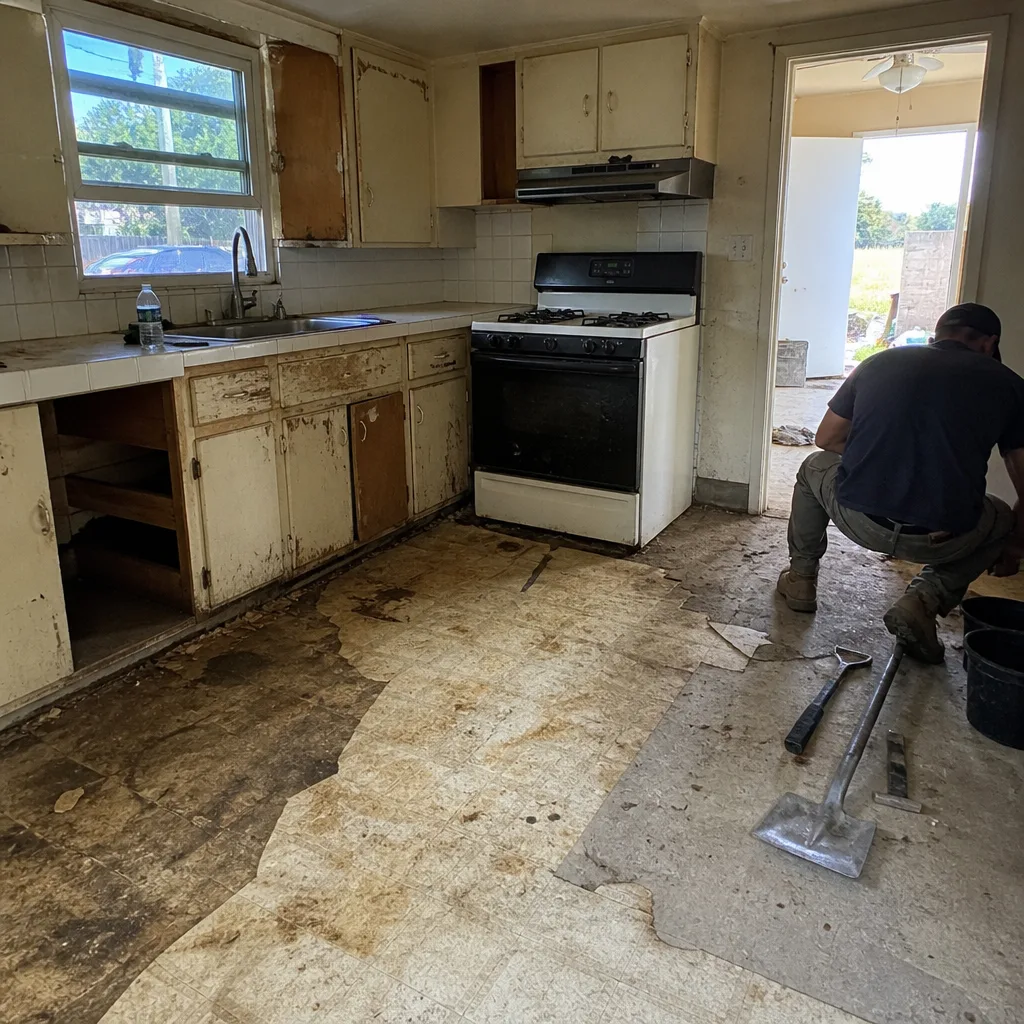
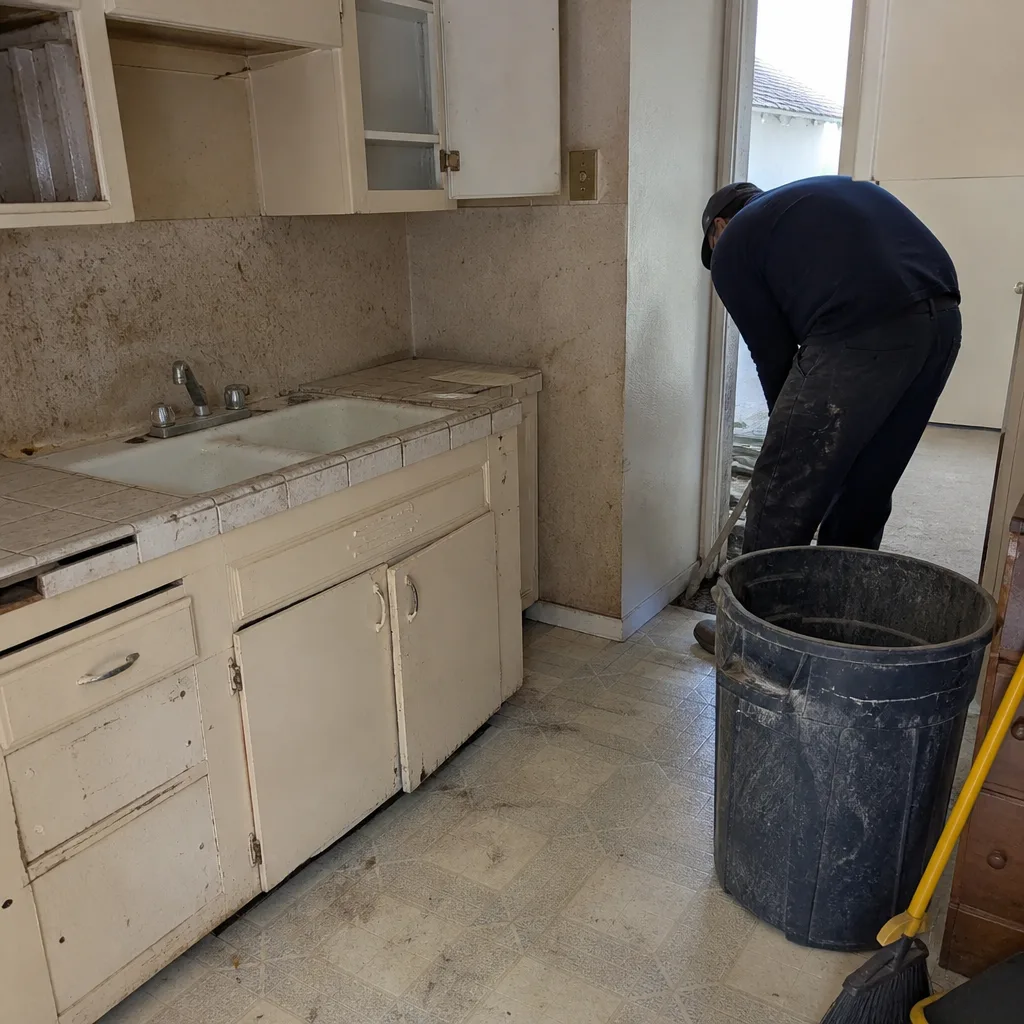
See the difference
 Before
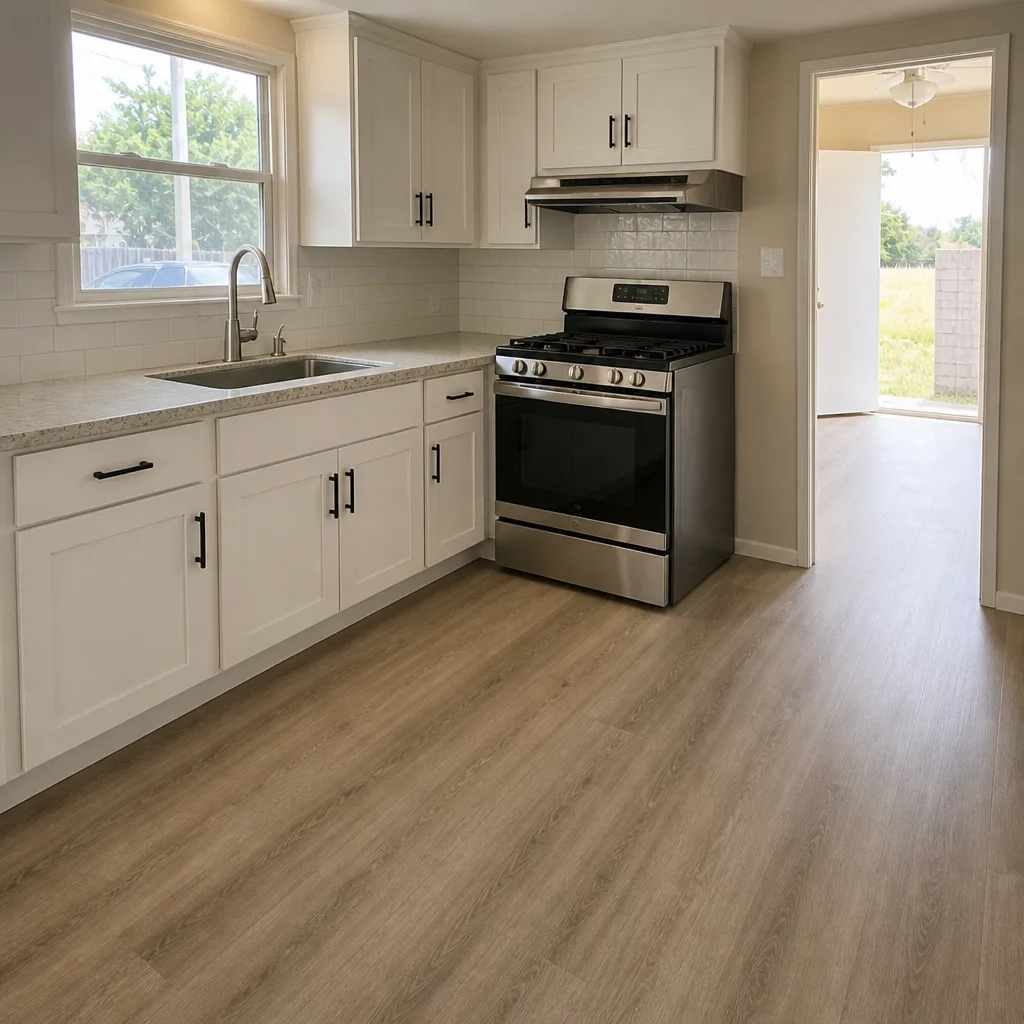 After
 Before
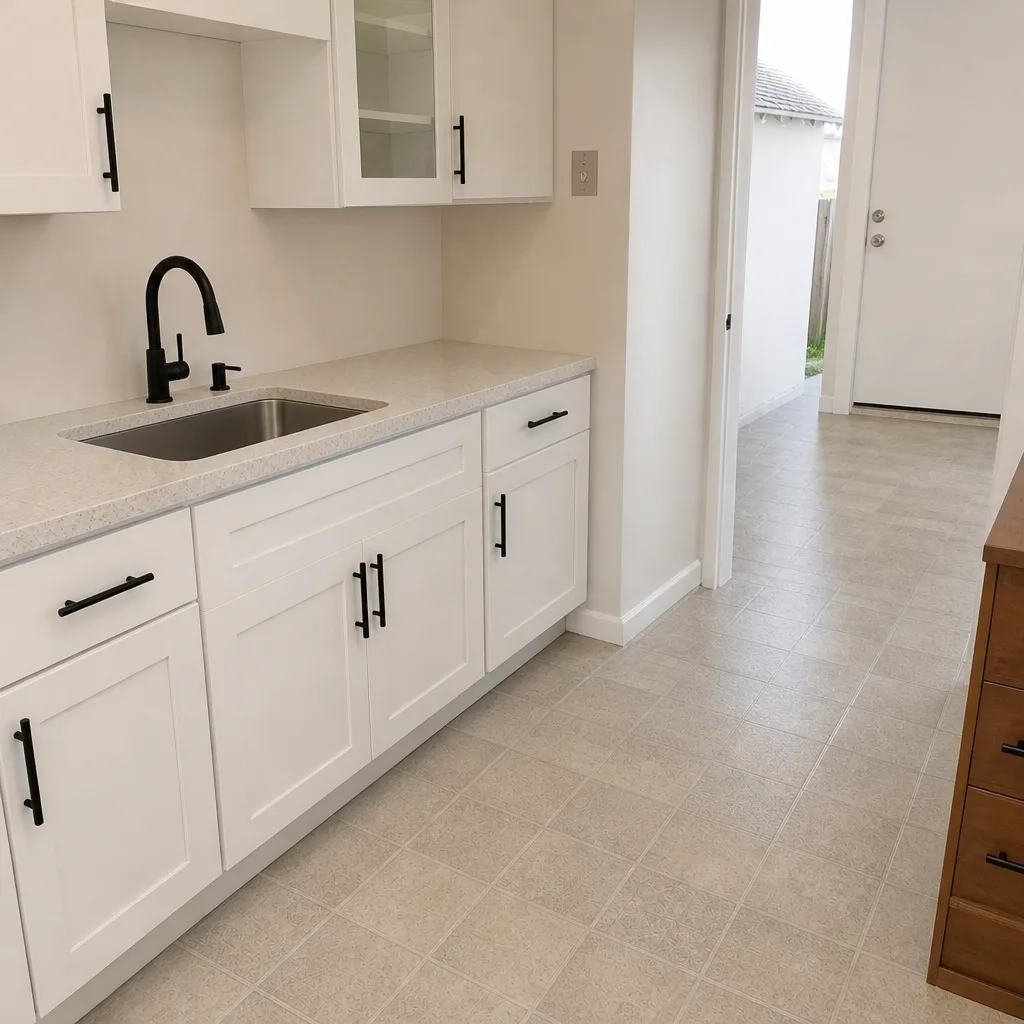 After
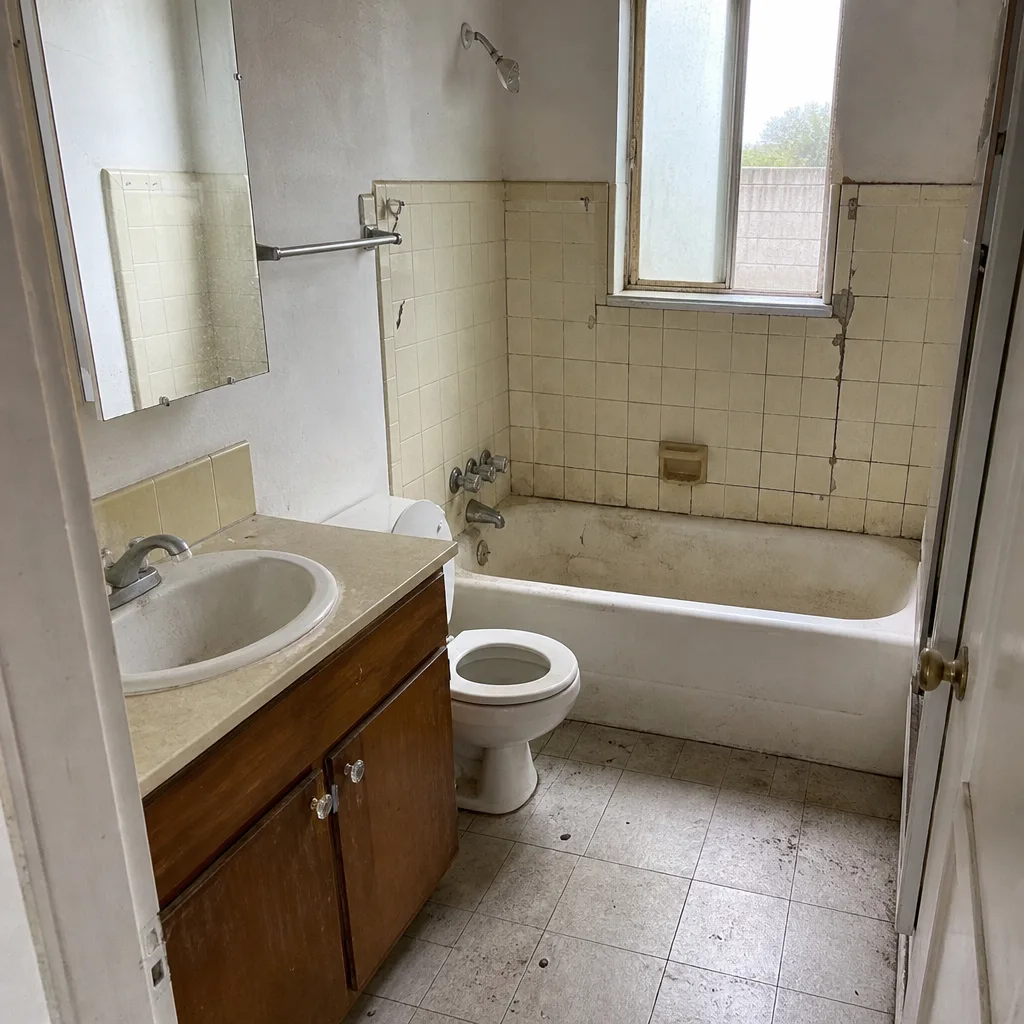 Before
 After
When to Call a Professional
Some checks are homeowner work: clearing gutters, confirming downspout discharge, noticing staining. Some are not. Call a professional when you find active moisture staining on interior surfaces, when flashing or roof penetrations look separated, when you can’t confirm grade or foundation drainage, when you’re planning exterior work that touches the envelope, or when a Santa Ana event has left you with any roof or flashing question you can’t answer from the ground. The same applies to any window or door replacement where the opening has to be re-flashed rather than swapped in place. Roof work and any task that puts you on a ladder or a roof is a professional job, not a homeowner one; the fall risk is real and the repair cost of a misinstalled flashing is higher than the call-out. Bradford Remodeling Co Los Angeles offers free estimates in Los Angeles – call (844) 343-6681.
Frequently Asked Questions
The highest-value task is the May-July marine-layer moisture check on stucco, window head flashing and roof penetrations, because it catches water intrusion before bulk rain ever arrives. It’s followed closely by the 48-hour post-Santa Ana inspection, which prevents wind damage from becoming water damage. Call (844) 343-6681 for a free estimate if you want the full envelope assessed.
Schedule roofing, siding and exterior painting in the April-through-October dry stretch, and file any required permits by early fall so plan check doesn’t stall into the December slowdown. Exterior work done in the dry window means no rain series lands on an open assembly. Call (844) 343-6681 to talk through a schedule.
Twice a year: once in spring before the marine-layer season and once in early fall before fire season, plus a prompt inspection within 48 hours of any major wind event. That cadence catches the small failures before they compound. If you’d rather have it documented by a professional, call (844) 343-6681 – estimates are free.
Repairs that don’t change the assembly usually don’t, but replacements and any structural alteration generally do, and the specific requirement depends on the scope and jurisdiction. We pull permits and pass inspections as part of the project, and the written scope names what’s required before work begins. Call (844) 343-6681 to confirm your project’s requirements.
No. Every Bradford Remodeling Co Los Angeles project receives a written price before any work begins, with no numbers that move at the door, and every completed project carries the 365-Day Done Right Promise: if the work fails within that full year, we return and correct it at no charge. Call (844) 343-6681 for a free estimate.
A professional envelope assessment is typically a single visit with a written report; discrete repairs like flashing or vent upgrades often complete in a day, while roofing or window replacement runs longer and gets scheduled around your written scope. A crew chief gives you the real schedule, not a guess. Call (844) 343-6681 to schedule your free estimate.
The Bottom Line
Los Angeles doesn’t have a maintenance season; it has four risk windows, and each one stresses your home in a different direction. The May-July marine layer is the one that does the most water damage, the August-October fire prep is about embers more than brush, the Santa Ana 48-hour inspection is where small wind failures get contained, and the January-February rain window should be evaluated before the storm, not after. Sequence any permit-dependent work around the December slowdown and the post-fire-event stretch. And put every scope and price in writing before the first tool comes out. That’s what squared away looks like: a clean site, a documented scope, and a signed written guarantee in your hand. If you want the whole calendar handled by one crew, see our Bradford Remodeling Co Los Angeles home page.
Bradford Remodeling Co Los Angeles works with a documented roster of name-brand materials, including James Hardie exterior products, GAF roofing systems and ES Windows and Mr-Glass window systems, so specifications stay traceable and quality isn’t left to guesswork. Our technicians have up to 22 years of experience, and they’re background-checked and uniformed on every job, so you know exactly who’s walking through your door before the crew arrives. A live person answers the phone 24/7, not a voicemail. Call (844) 343-6681 for a free estimate, and you’ll get a written price before any work begins, backed by the 365-Day Done Right Promise.
Written by the team at Bradford Remodeling Co Los Angeles.