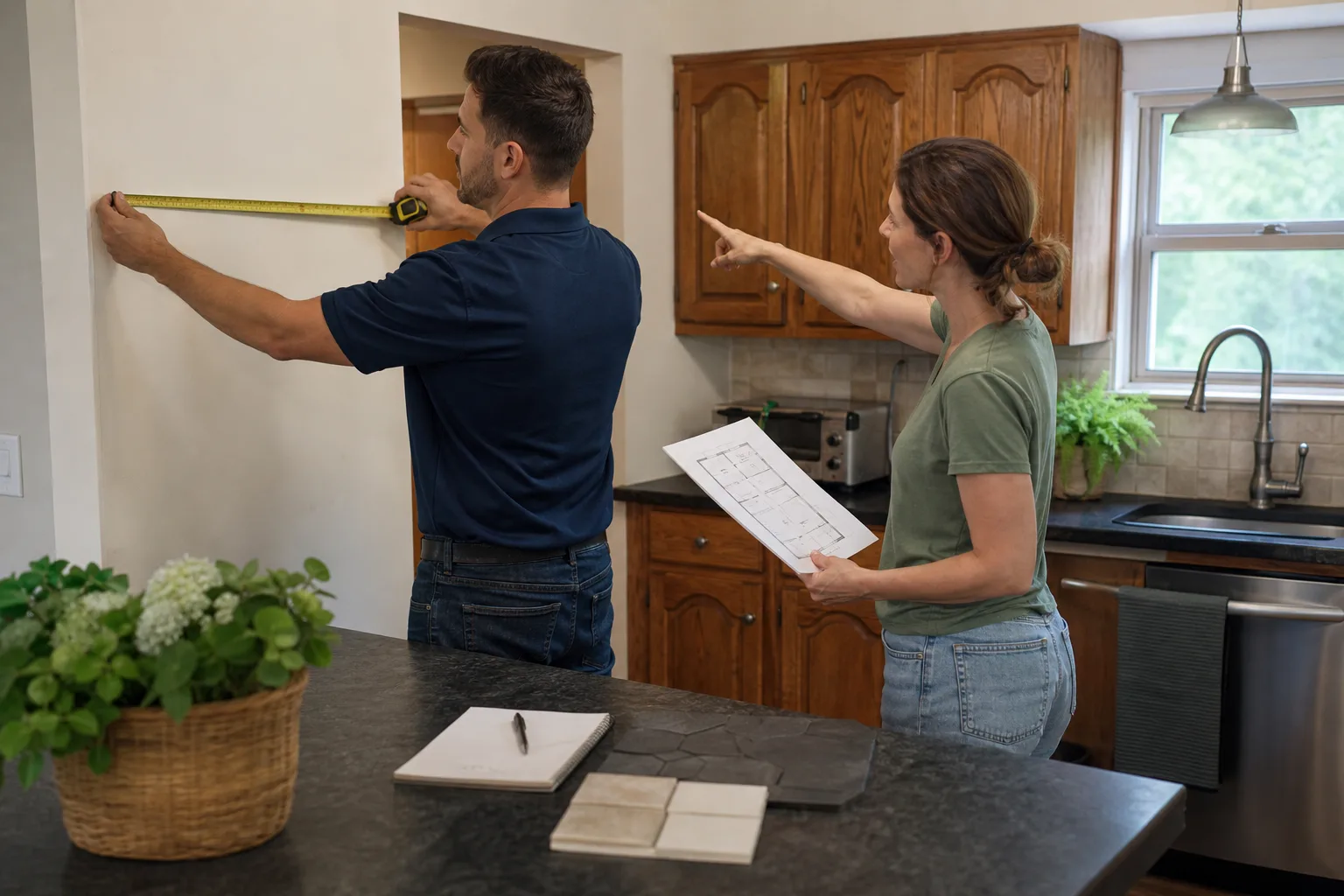
Last updated November 17, 2026







Free written scope consultation - allowances, timeline, and change-order rules on paper before a single trade is scheduled
Kitchen Remodeling Troubleshooting: Common Problems and How to Fix Them
A kitchen warranty that says “one year on workmanship” is nearly meaningless without a written list of what workmanship covers. That’s the part nobody reads until a grout line opens in month eight. Here’s the pattern we see across Los Angeles: the three most common post-remodel calls are cracked grout, cabinet doors that won’t close, and a GFI outlet that keeps tripping, and most contractors file all three under “normal settling.” This guide shows you how to tell a real defect from ordinary movement, how to document it, and what to do when a contractor goes quiet. You’ll also learn how to describe a problem so the person on the phone knows exactly what to send.
Quick Answer
Most kitchen remodel problems after completion are workmanship issues, not settling: cracked grout at a seam, cabinet doors that drift out of alignment, and tripping GFI outlets account for the majority of callback requests, and in our experience nearly all trace back to installation sequence or substrate prep rather than materials failing. The fix is a written warranty claim that names the defect, cites the warranty language, and sets a response deadline. Getting that on paper is what separates a two-week repair from a six-month standoff.
Styles & brands we work with
- Kitchen remodeling
- Bathroom remodeling
- Home additions & ADU
- Roofing
- Windows & doors
- Driveway & pavers
- Fence
Table of Contents
- What should a kitchen remodel warranty actually cover?
- Cracked grout or a real tile defect: how to tell the difference
- Why your kitchen GFI keeps tripping (and how to describe it correctly)
- Cabinet doors and drawers: hinge adjustment vs. installation error
- How to submit a warranty claim in writing
- When the contractor goes silent
- Common mistakes to avoid
- When to call a professional
What should a kitchen remodel warranty actually cover?
A real warranty names categories, not slogans. “One year on workmanship” means nothing if it doesn’t spell out what workmanship is. Ask for the specific list before work begins, in writing, and keep it with your contract. A sound warranty separates three buckets: defect corrections, adjustment visits, and maintenance the homeowner owns.
Defect corrections typically include loose or failed tile, failed caulk at seams inside the warranty period, cabinet boxes out of square, doors that rub because the box was racked during installation, and electrical work that fails to function as installed. Those sit on the contractor.
Adjustment visits cover hinge tension, drawer glide alignment, and self-closing action. A disciplined contractor includes one or two of these within the first six months at no charge. These aren’t repairs; they’re the last mile.
Homeowner maintenance is real: caulk around a sink edge that sees daily water, minor grout discoloration, and surface scuffs. Nobody should call a contractor for these.
The distinction matters because it’s where disputes start. If the warranty never defines a defect, the contractor has room to call everything settling. Bradford Remodeling operates under the 365-Day Done Right Promise, which states plainly that if completed work fails inside the guarantee period, we return and correct it at no charge. That’s a defined commitment with a defined window, and it’s signed before tools come out.
Los Angeles homeowners have an extra wrinkle here. Condo and HOA kitchens in neighborhoods like Sherman Oaks and West Hollywood often have association rules about who can touch shared plumbing and electrical walls. Ask for warranty language that anticipates that, because the plumber who can legally open a wall in a single-family home may not be the same trade allowed inside a multi-unit building.
Cracked grout or a real tile defect: how to tell the difference
Grout cracks. That’s normal in small, isolated places, particularly at the joint where a backsplash meets a countertop, because that joint moves. What isn’t normal is a crack that follows a straight line through the middle of a field of tile, or a tile with a hollow ring when you tap it gently with a knuckle. Those are indicators, not decoration.
Use this checklist to sort it out before you call:
- Look at the shape. Hairline cracks along a perimeter or where two surfaces meet are usually movement at a flexible joint. Cracks that zigzag through the field or connect multiple intersections point at the substrate.
- Tap test. A dry, hollow sound means the thinset (the adhesive layer under the tile) didn’t bond fully. That’s installation, not settling.
- Check the caulk line. If the caulk is brittle and lifting, the joint underneath may not have proper backing, or the caulk was applied over a damp surface.
- Note the season. In Los Angeles, indoor humidity stays mild, but west-facing kitchen walls in places like Culver City take late-afternoon sun that expands the framing. Cracks that reappear every late summer often point at expansion rather than a bad mix.
For our part, we look for the substrate before recommending anything. A cracked tile installed over a properly prepped, flat substrate with the right thinset is a repair. A cracked field of tile over an under-flattened floor is a redo, and no caulk gun solves it. If your contractor proposes popping in a single new tile without checking the substrate, ask why in writing.
If the crack is at a seam between two materials, ask whether an uncoupling membrane was installed. Membranes let the floor move independently of the tile. That’s the trade’s real word for it, and knowing it means the person on the other end of the phone knows they’re talking to someone paying attention.
Why your kitchen GFI keeps tripping (and how to describe it correctly)
A kitchen GFI (ground fault circuit interrupter, the outlet with the reset buttons) that trips immediately after a remodel is almost never a defective outlet. In our experience, it’s a wiring sequence issue: typically a downstream outlet, a dishwasher, or a disposal sharing the load-side terminals in a way that puts two circuit paths on one protector. The symptom is a trip that happens with a specific appliance, not on every plug-in.
When you call, this is what helps the electrician on the other end actually fix it:
- Say which outlet trips and which appliances were running at the time.
- Say whether it trips immediately on reset or after a few minutes of use. Instant means wiring; delayed means load.
- Note whether the downstream outlets (the ones that go dead when it trips) include the disposal, the dishwasher, or the range hood.
- Mention whether the trip started after a specific appliance was plugged in for the first time.
Do not reset a GFI repeatedly and continue using the circuit if it keeps tripping. Electrical work is one area where we tell homeowners plainly to stop and call a licensed technician, not to keep poking at it. The outlet itself is a safety device and a tripping protector can hide a real fault. In older Los Angeles kitchens (pre-1980s homes in areas like Palms or Mar Vista), the box may also be fed from a panel that doesn’t match the label inside the door, so an electrician will usually open the panel and confirm the breaker before touching the outlet.
The good news: sequence issues are usually a same-day diagnostic and a straightforward repair once the circuit is mapped. Get it documented while the work is inside the warranty window, because unresolved electricals are the kind of item that gets a contractor to return for free once, but not twice.
Cabinet doors and drawers: hinge adjustment vs. installation error
A door that rubs or sags doesn’t automatically mean a defective cabinet. It might mean a hinge that simply needs adjustment, which is homeowner maintenance. It might also mean the cabinet box was installed out of square, which is a contractor warranty item. The difference is visible and you can check it in two minutes.
Hinge adjustment (lower stakes). The door height is off by a few millimeters at one corner, the door still closes, and the screws on the hinge plate turn freely. A Phillips screwdriver and turn of the adjustment cam is often the whole fix. Most brand-name cabinetry we install, including KraftMaid and Wellborn, uses adjustable European concealed hinges, and the adjustment screw rarely needs a technician.
Installation error (call it in). The door catches at the top on one side and the bottom on the other. The gap between doors is wider at one end than the other along the same cabinet. A drawer front sits crooked against the frame. When you place a level on the cabinet face, it runs off. Those are box squareness and mounting problems, and they don’t come from a hinge.
Write it down like this: “Upper cabinet left of the range, left door rubs the frame at the top corner, gap along the right edge is 6mm at top and 2mm at bottom, drawer below scrapes on the right.” That sentence gets you a technician with the right tools. “The cabinets are bad” gets you a phone call.
Los Angeles heat and dry air are worth noting here. Kitchens with west or south exposure in areas like the San Fernando Valley take long, hot afternoons that can cause solid-wood doors to move; a door that swells in July and settles in October is normal and shouldn’t be planed until you’ve seen both seasons. A door that rubs evenly in every season is not movement, and a disciplined contractor should treat it as installation.
How to submit a warranty claim in writing
Most warranty disputes don’t start because the contractor refuses to fix something. They start because nobody wrote down what was broken, when, and by when. A written claim with a paper trail does three things: it preserves the record, it forces a specific response window, and it removes any claim of ambiguity later. Here’s the process we recommend.
- Photograph the defect. Take a wide shot showing the room, then a close-up with a tape measure or coin for scale. Timestamped, fresh, and shot in good light.
- Write the claim in a single email or letter. Reference the original contract or job ticket number, the install date, and the warranty language you’re relying on. Then state the defect in plain terms: “The grout along the countertop seam is cracked and pulling away across a 40-inch span.”
- Attach the photos. No more than six. One or two clear shots beat a dozen blurry ones.
- Name a response deadline. “Please confirm receipt and schedule an inspection within 10 business days.” That’s reasonable, not aggressive.
- Send by a channel that produces a receipt. Email plus a follow-up call on a recorded job line, or a certified letter if it’s the first contact after a long silence.
- Keep a copy and a log. Every call, every date, every name. This is the document that matters if the matter escalates.
This isn’t a demand letter, and it isn’t an escalation. It’s a professional paper trail. A written claim that names a specific problem and a specific window is how any disciplined contractor operates. Under The Garrison Standard, The Garrison Code puts every price and every guarantee in writing before work begins, which means a claim has a written promise to point at instead of a verbal one.
When the contractor goes silent
The warranty call gets no answer. The follow-up email gets no reply. This is the stage where most homeowners either give up or jump straight to a lawyer, and both cost more than the middle path. In California, the middle path has three real steps: the Contractors State License Board (CSLB) complaint, small claims court, and a written demand letter.
The CSLB complaint. The CSLB licenses contractors and investigates complaints against licensed ones. File online or by mail with your contract, photos, and the record you kept. If the contractor is licensed, this gets attention; a disciplinary record is expensive, and conscientious operators respond before it opens.
Small claims court. In California, small claims court handles claims up to a set dollar limit (currently $12,500 for a natural person, and lower for business entities) and doesn’t require a lawyer. It’s designed for exactly this: a defined defect the contractor won’t correct. Bring the written warranty, the claim, and the log.
A demand letter. Sometimes the letter is the whole fix. A clear, dated demand with an itemized cost of correction, a deadline, and a stated intention to file with the CSLB or in small claims changes the response within days more often than anyone expects. Keep it factual. No insults, no threats of litigation against anyone personally.
The common thread across all three: the document trail you built in the previous section is your leverage. If you followed it, you’re ahead. If you didn’t, start now and don’t rely on memory.
Common Mistakes to Avoid
- Accepting a verbal warranty. A “one year on workmanship” promise over the phone has no defined defects, no start date, and no written process. Ask for the document before work begins and keep it. Los Angeles has plenty of contractors; finding one that puts the guarantee on paper is worth the extra hour.
- Diagnosing on the phone. “My tile is cracked” pulls the wrong response. Photograph the issue and describe it by shape and location. That gets the right trade the first visit.
- Resetting a tripping GFI repeatedly. It’s a safety device and repeated trips mean something is wrong with the circuit. Stop and call a licensed electrician.
- Confusing a hinge adjustment with an installation error. A drawer that’s slightly off is a screwdriver job. A door that rubs on the whole face is not.
- Waiting until the warranty period is nearly up. Warranty windows are short. If you notice a defect in month ten, submit it in month ten, not month twelve, so there’s room for the inspection and repair.
- Escalating to a legal threat on the first call. It freezes the conversation. Start with a written claim and a defined deadline. Escalate only after that.
- Assuming HOA or condo rules allow the contractor in. In parts of Los Angeles, a shared-wall kitchen can’t be opened without association sign-off. Line that up before the crew’s scheduled, not the morning of.
See the difference
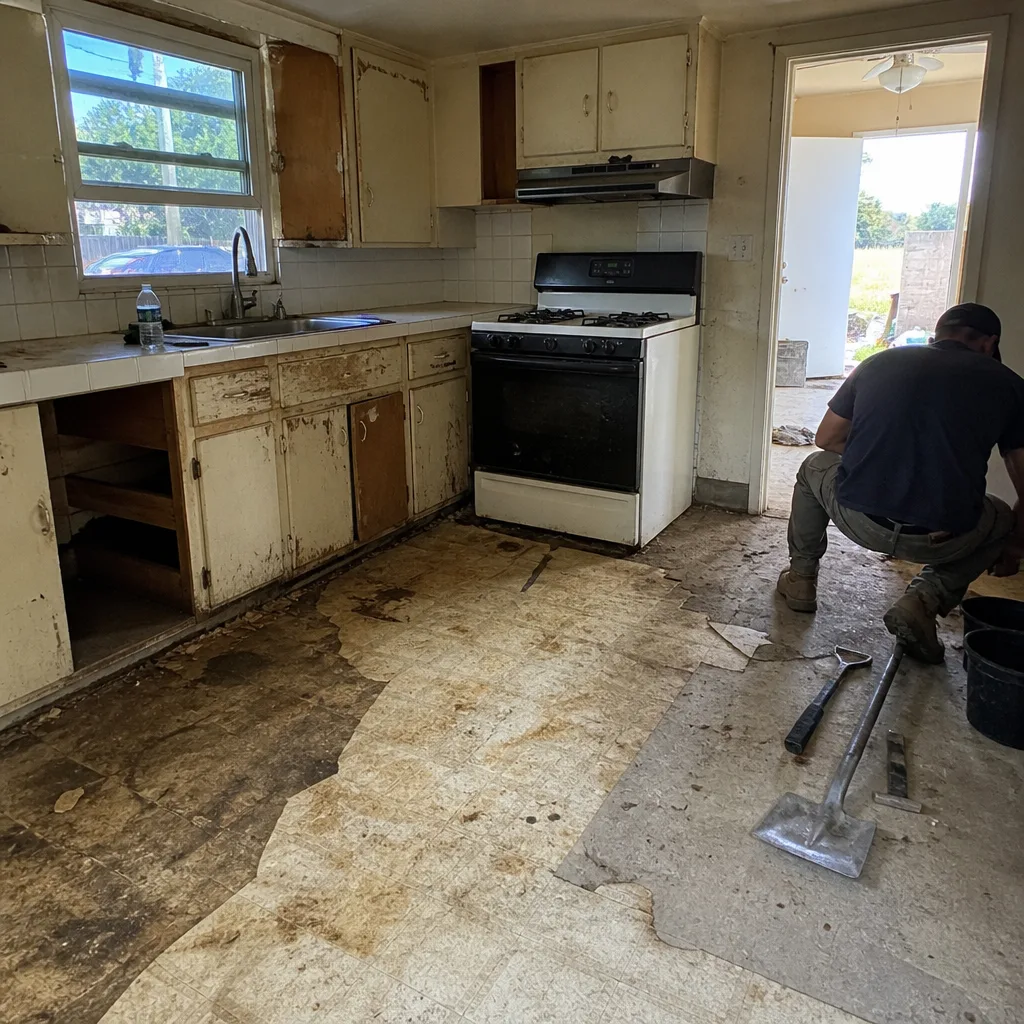 Before
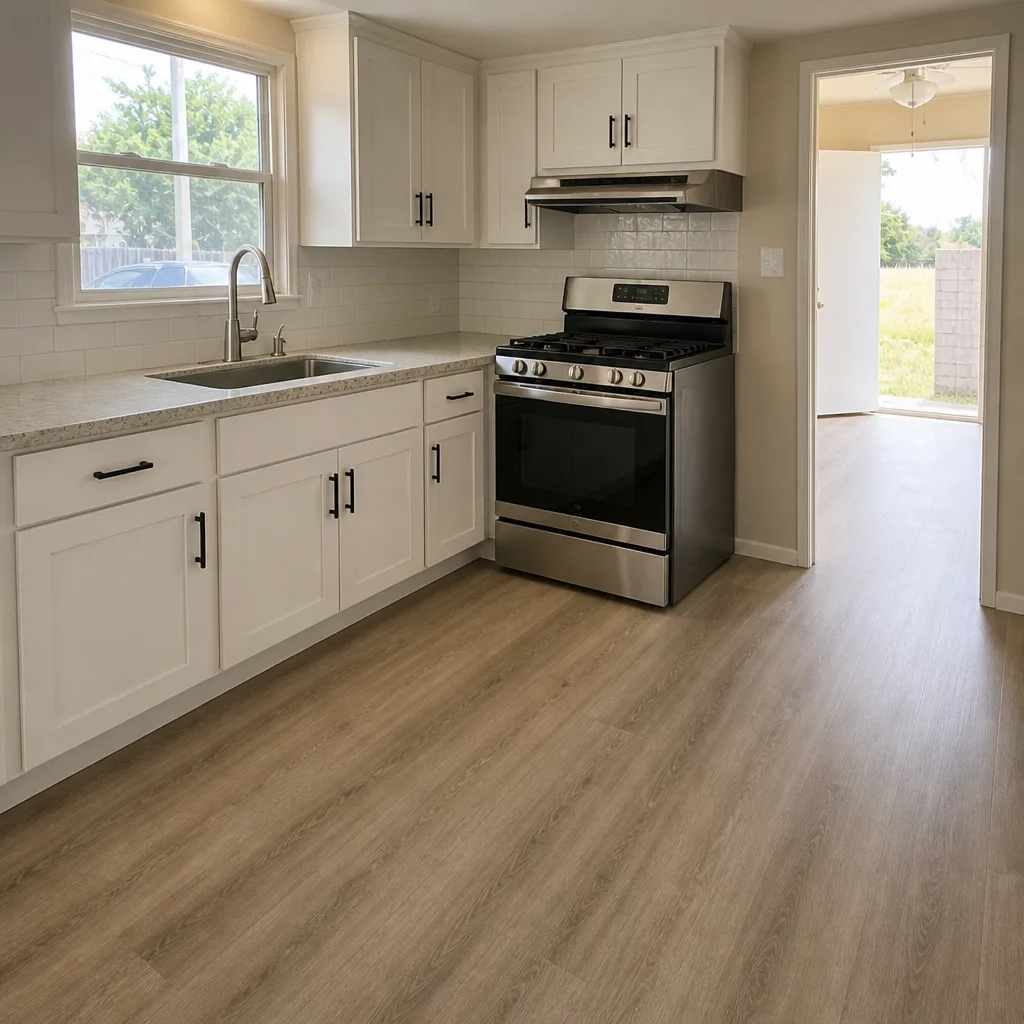 After
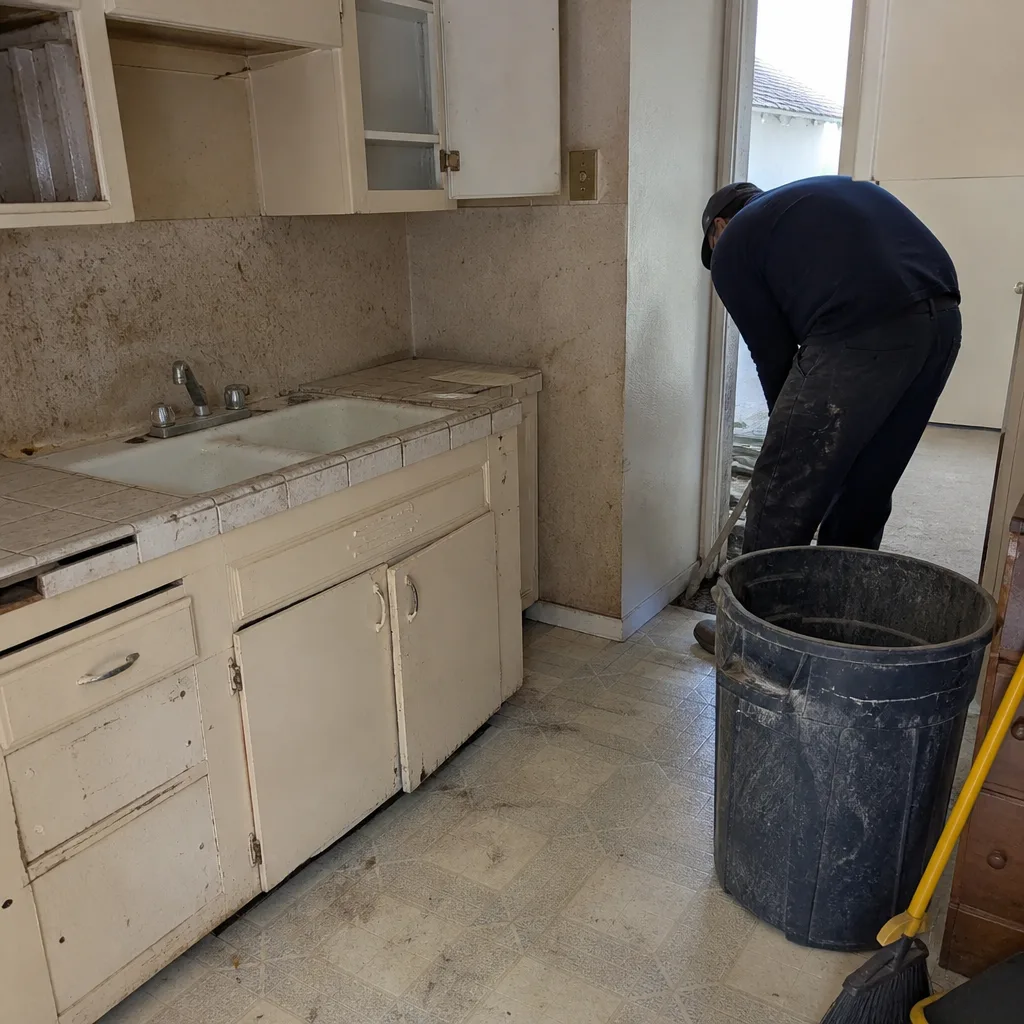 Before
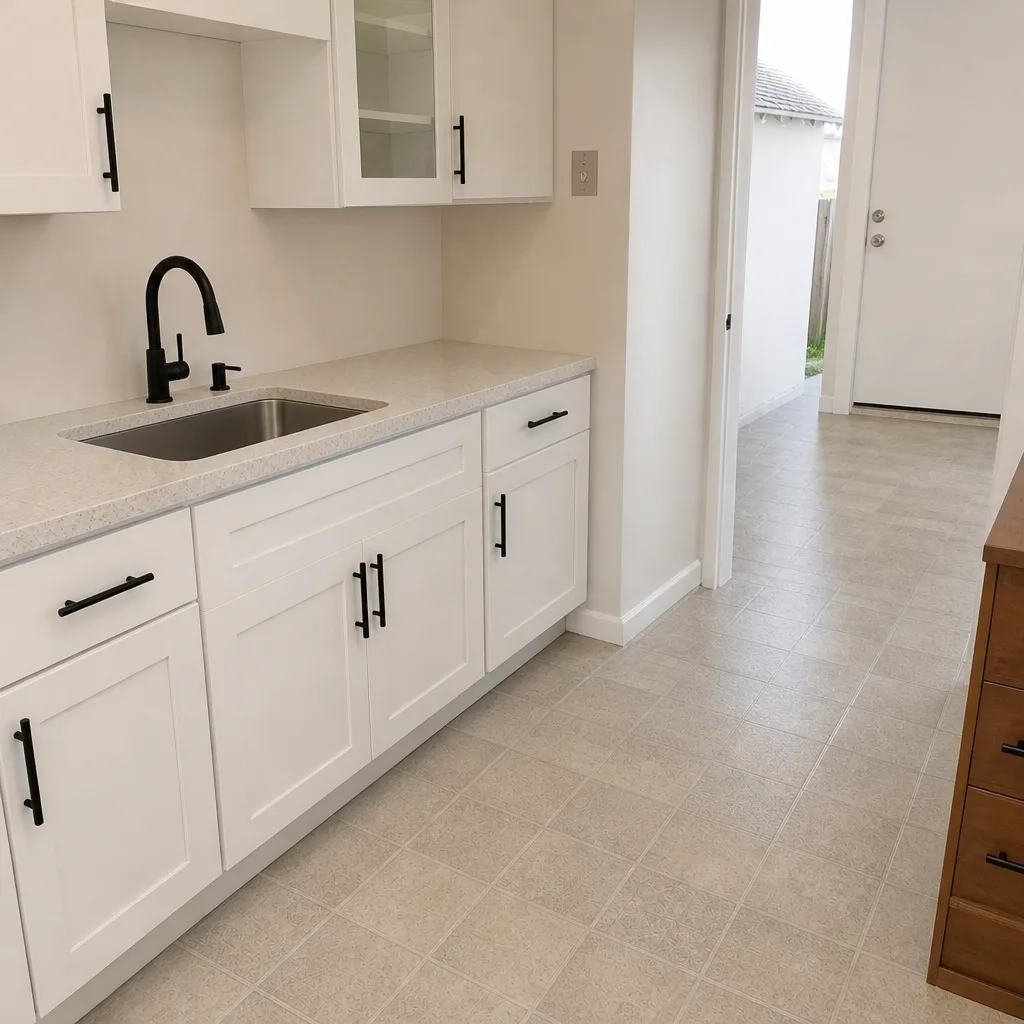 After
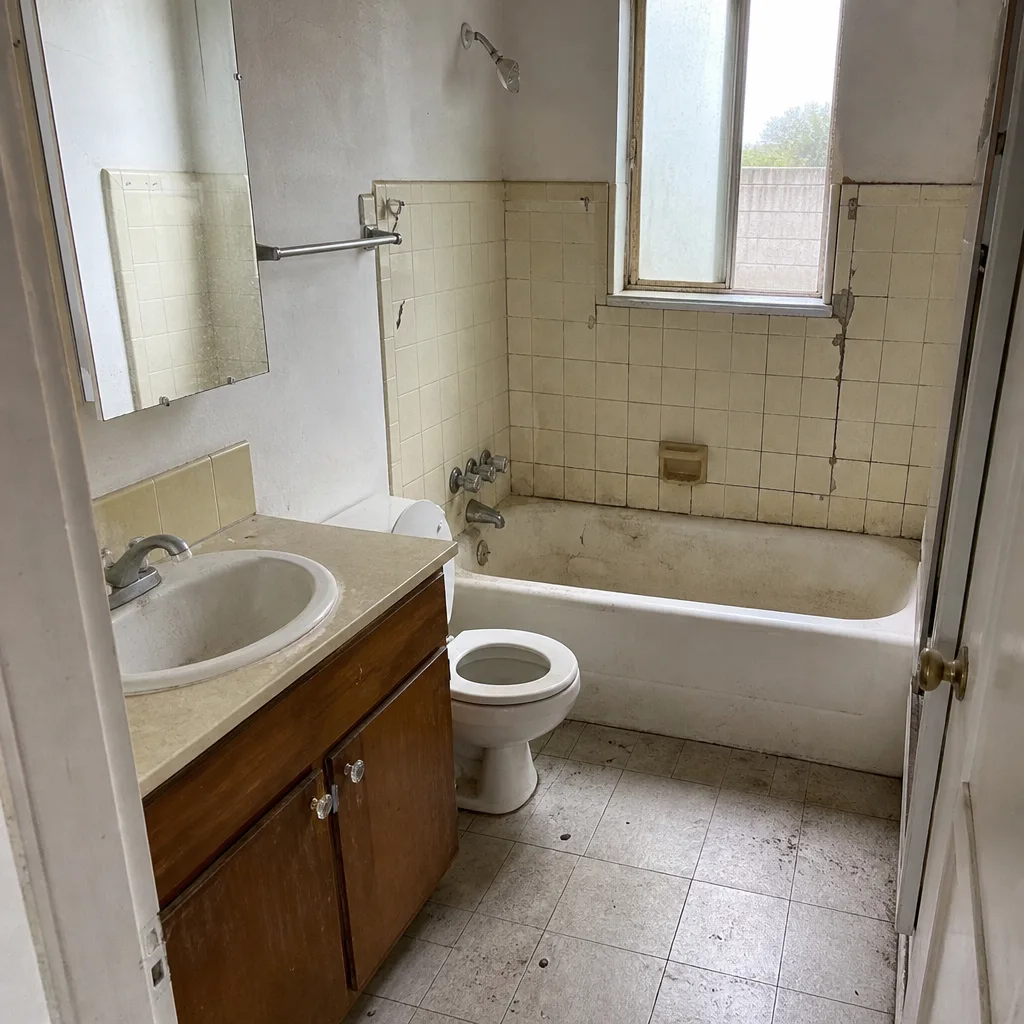 Before
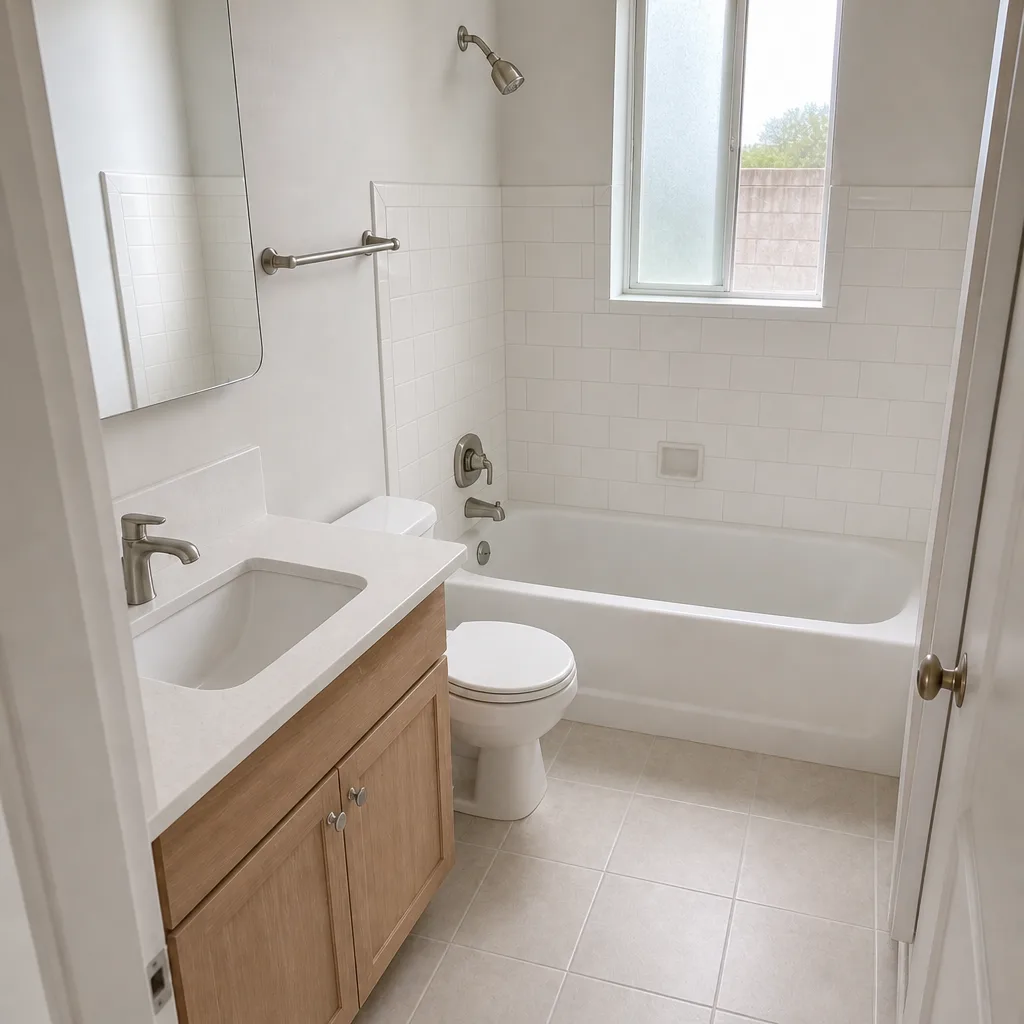 After
When to Call a Professional
Call a professional for electrical faults, plumbing leaks inside a wall, or any trip that repeats after reset. Call for tile that rings hollow underfoot or has a field crack. Call for cabinets that are out of level or square, not just out of alignment. Those cross the line from maintenance into the guarantee. If you’re planning a new kitchen in Los Angeles and want to know what a disciplined warranty actually looks like before you hire anyone, start there; our kitchen remodeling in Los Angeles page explains the process, and our broader general contractor in Los Angeles service covers the rest of the house. Bradford Remodeling Co Los Angeles offers free estimates in Los Angeles – call (844) 343-6681. Every written price is fixed with no numbers that move at the door, and our technicians have up to 22 years of experience.
Frequently Asked Questions

Workmanship defects are repeatable and consistent: a door that rubs the frame in every season, a tile that rings hollow, or a grout crack through the middle of a field rather than at a joint. Normal settlement is isolated and seasonal, usually at a flexible joint where two materials meet. If the problem is in the same place regardless of weather, it’s a defect and worth a written claim.
Usually no. In a kitchen remodel, a tripping GFI is almost always a wiring sequence issue: an outlet, dishwasher, or disposal is sharing the load side of the protector in a way that creates a second path. It’s a licensed electrician’s diagnostic, and it’s typically a straight repair. Don’t keep resetting it. Call your contractor and describe which outlet trips and which appliances were running.
Hinge adjustment is usually homeowner maintenance, but a disciplined contractor will handle one adjustment visit in the first six months at no charge. That’s the last mile of installation. A cabinet box out of square is a different category and is a warranty item. Note the difference before you call.
File a complaint with the CSLB, which licenses and investigates California contractors, and keep your written claim and log ready. In California, small claims court handles claims up to the current dollar limit and doesn’t require a lawyer. A written demand letter with a deadline and an itemized cost of correction often resolves it before either step is needed.
Only if the crack is a workmanship defect and the warranty defines that term in writing. A field crack from poor substrate prep is covered; a hairline crack at a moveable joint may be classified as normal. That’s why the written list of covered defects matters more than the length of the warranty. Call (844) 343-6681 for an exact quote on a warranty-backed kitchen – estimates are free.
Most written workmanship warranties run between one and two years for finishing trades, and the exact window varies by contractor and scope. Bradford Remodeling covers completed work for a full 365 days under the 365-Day Done Right Promise. If the work fails inside that window, we return, correct it, and there’s no charge.
The Bottom Line
The expensive problems in a kitchen remodel show up months later, when a seam opens and the warranty terms turn out to be vague. The fix isn’t complicated: insist on a written warranty that defines defects, document every issue with photos and a dated claim, and know your escalation path. Manage the paper trail and most of these problems get corrected inside the guarantee window. Ignore it and you’ll be the one paying to repair a job that should have been done right the first time. For the kitchen itself, our Bradford Remodeling Co Los Angeles home page is the place to start. And if you’re comparing bathroom work alongside the kitchen, our bathroom remodeling in Los Angeles service follows the same written-price and written-guarantee standards.
Homeowners who’ve been burned by no-shows and surprise invoices tend to value one thing above all: getting the guarantee in writing before tools come out. That’s The Garrison Standard. Live person on the phone, free estimate, and a written price with no moving numbers. We work with documented brand partners (KraftMaid, Wellborn, Cambria, Caesarstone, Kohler, Moen among them, plus Buffalo fence systems through Bufftech and Belgard hardscaping where the job extends outside) so specifications are traceable and quality isn’t left to guesswork.
Call (844) 343-6681 for a free estimate. Give us the scope and the address, and you’ll get a written number that doesn’t move – and a 365-Day Done Right Promise behind every completed project.
Written by the team at Bradford Remodeling Co Los Angeles.