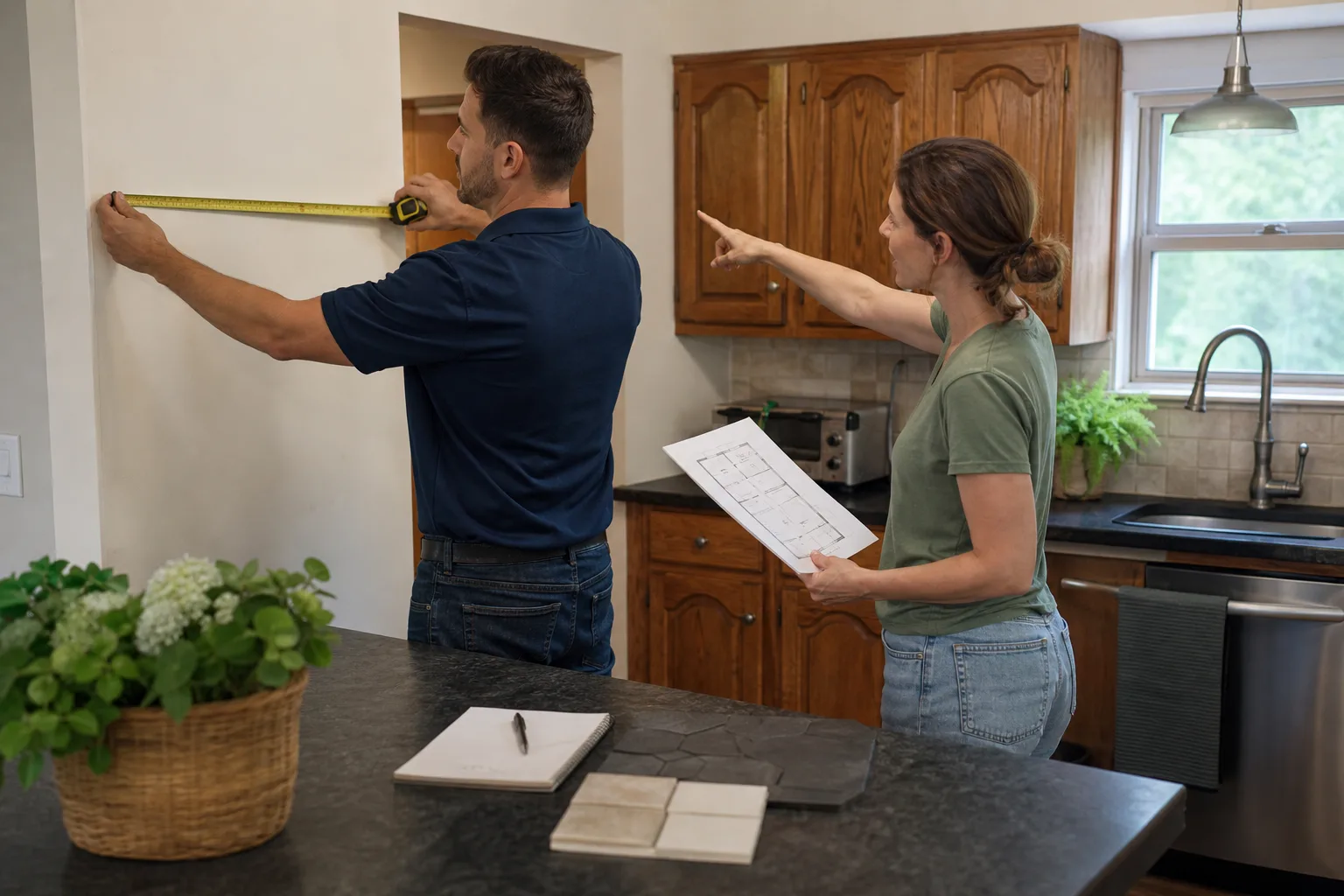
Free written scope consultation - allowances, timeline, and change-order rules on paper before a single trade is scheduled
Styles & brands we work with
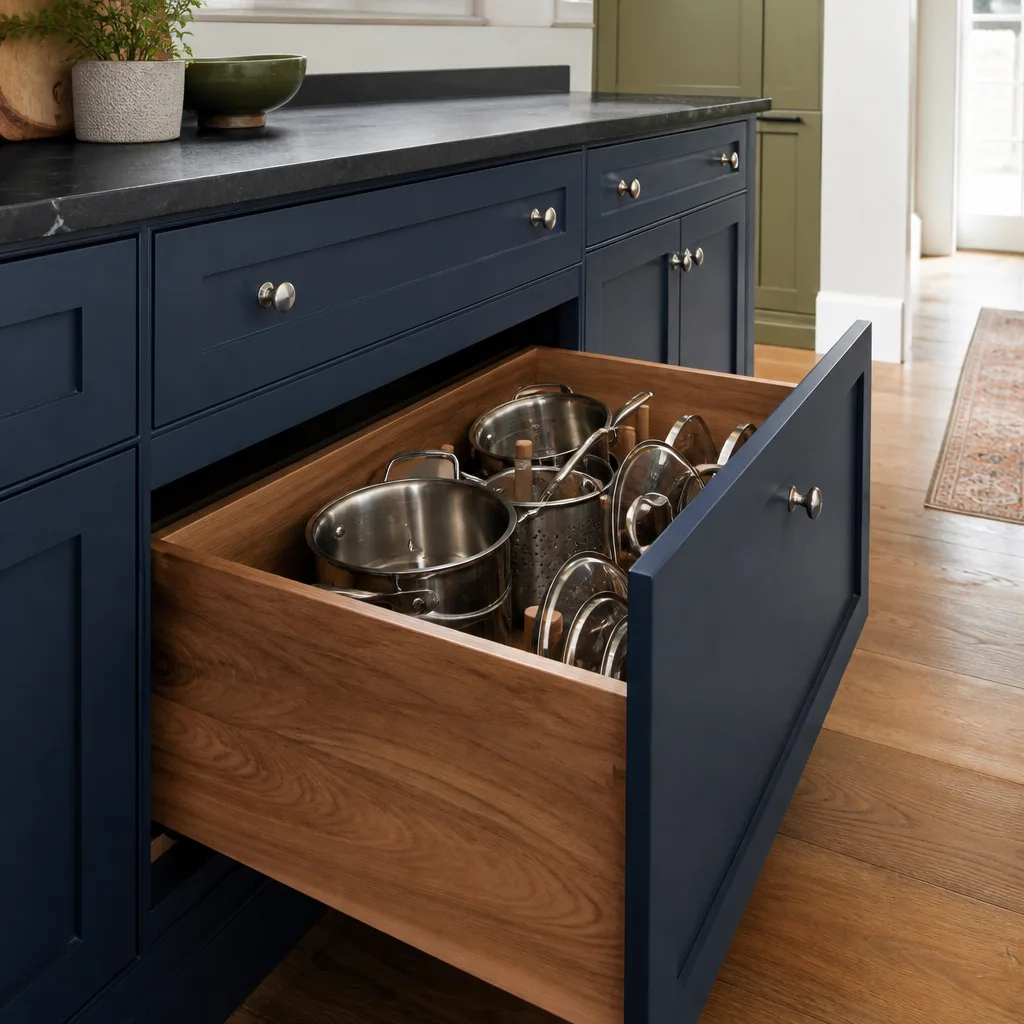
- Kitchen remodeling
- Bathroom remodeling
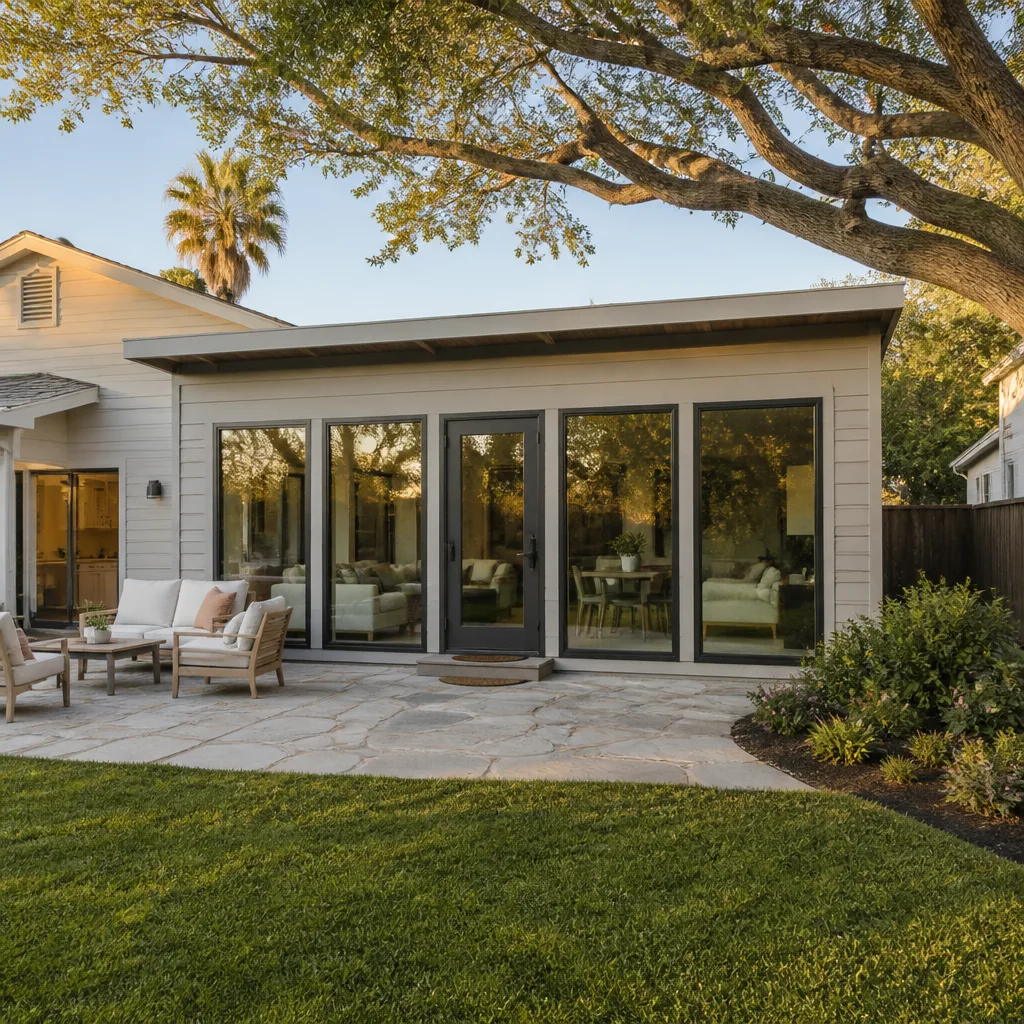
- Home additions & ADU
- Roofing
- Windows & doors
- Driveway & pavers
- Fence
See the difference
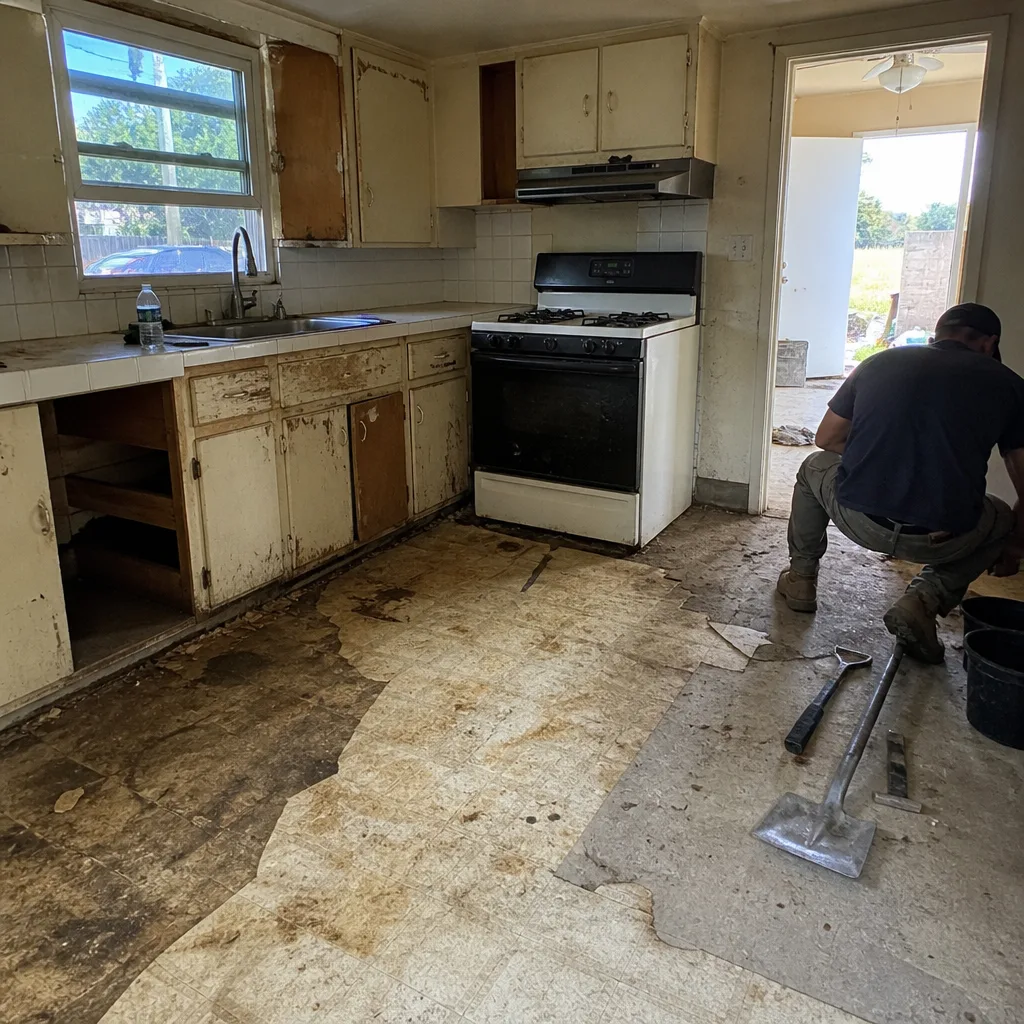 Before
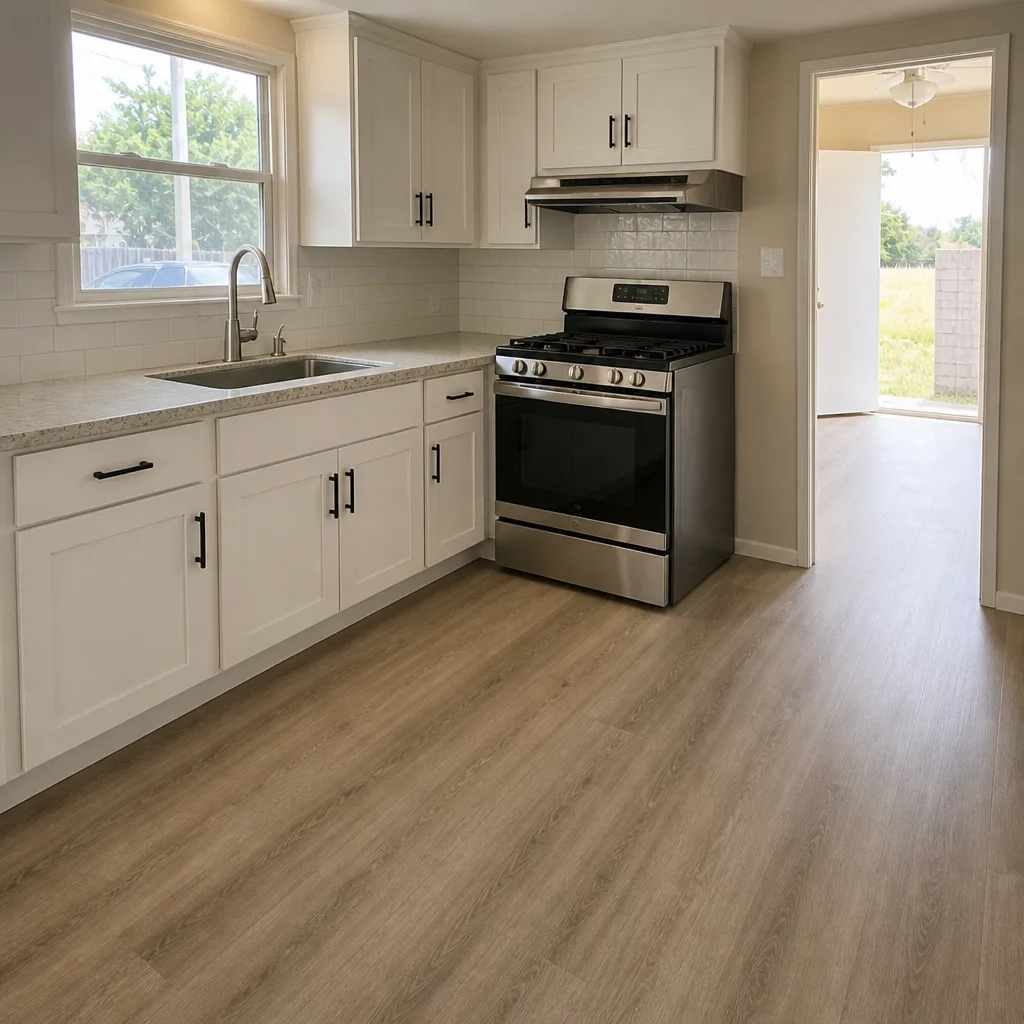 After
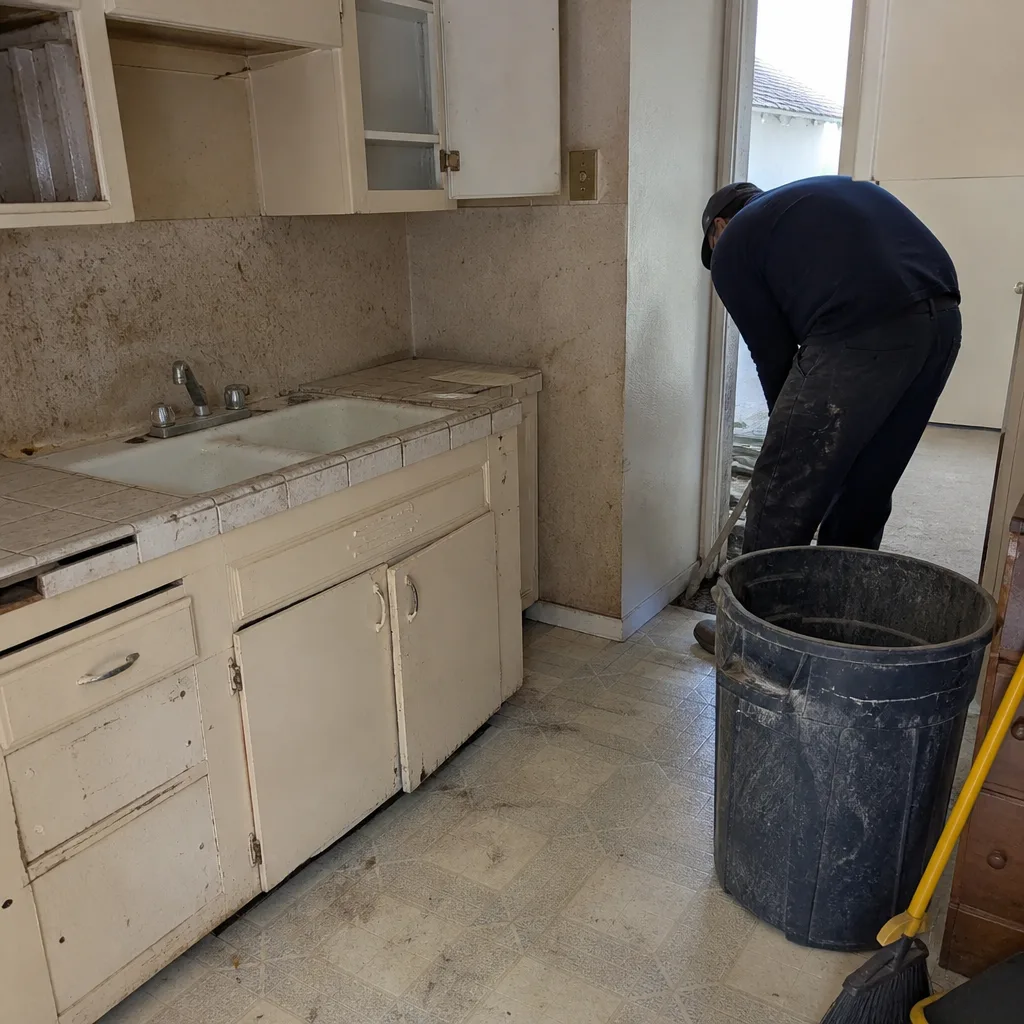 Before
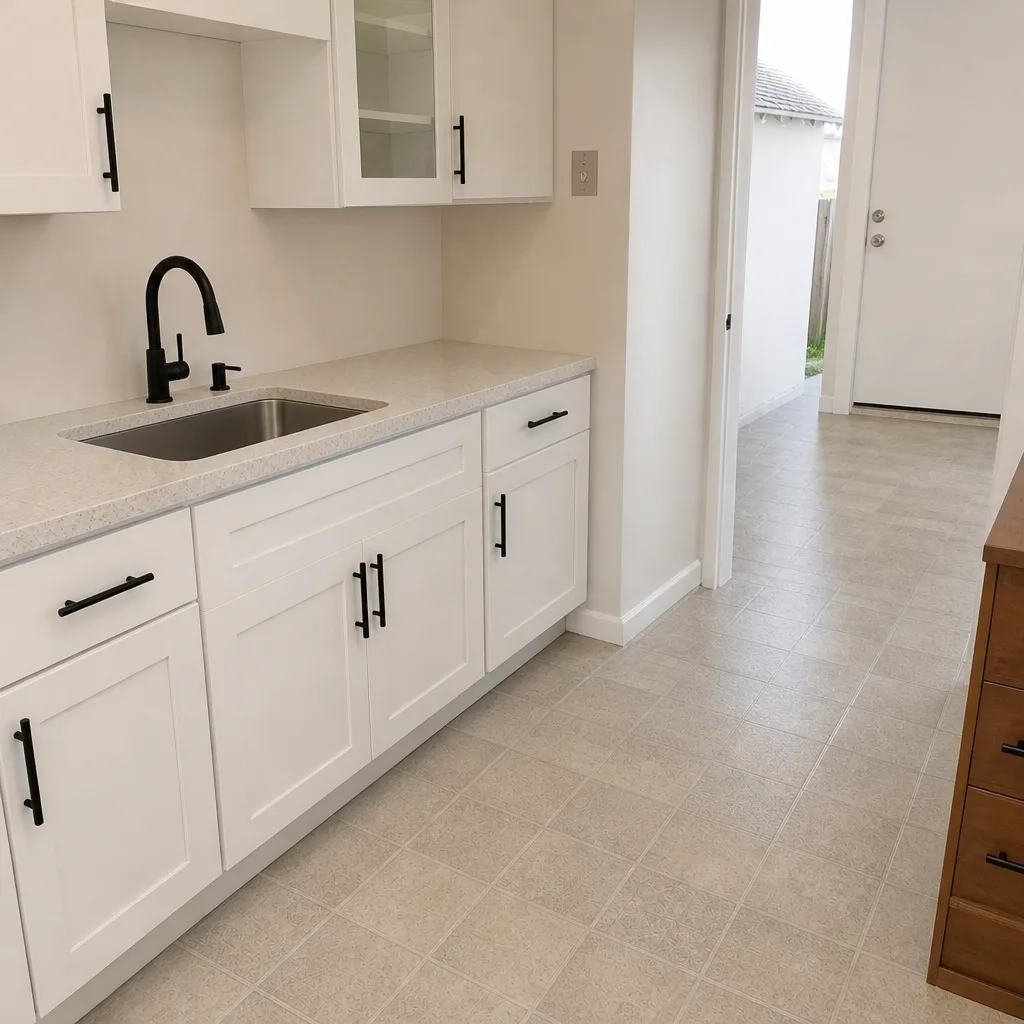 After
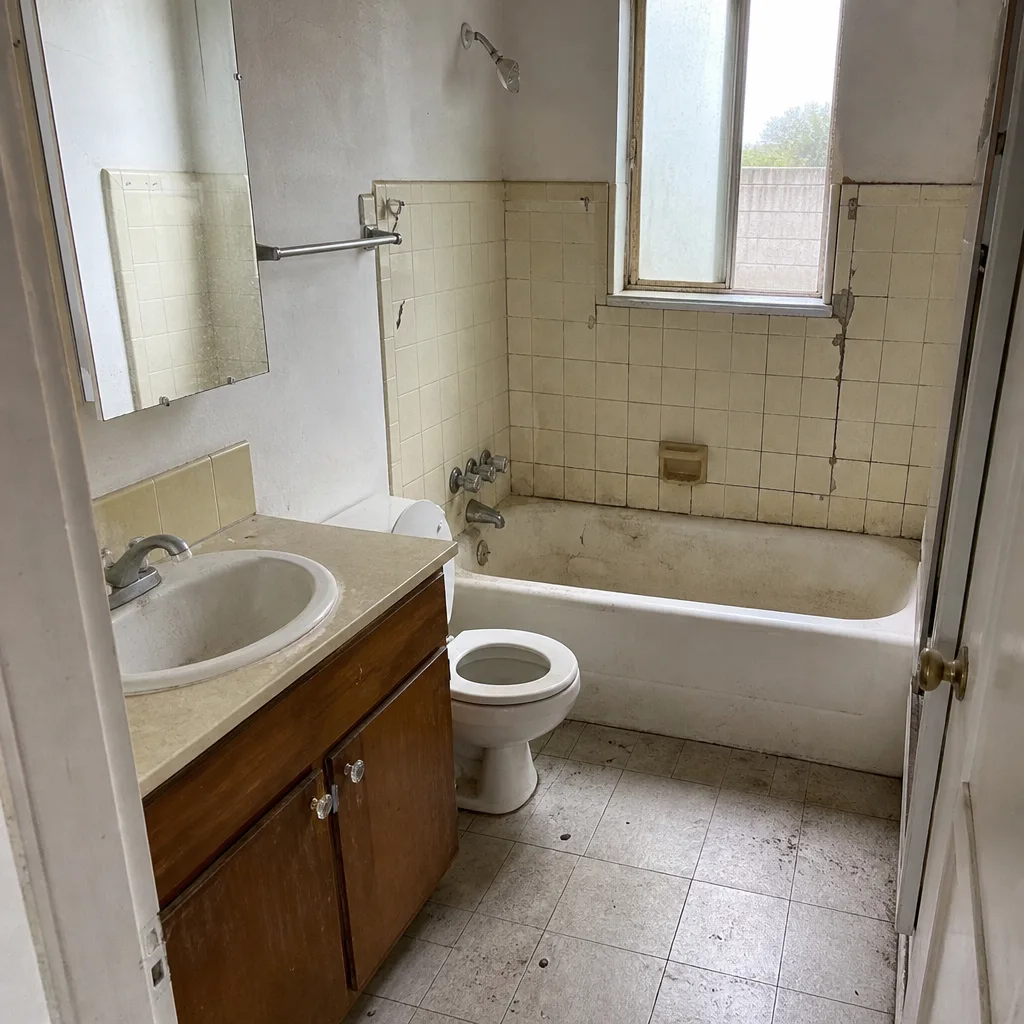 Before
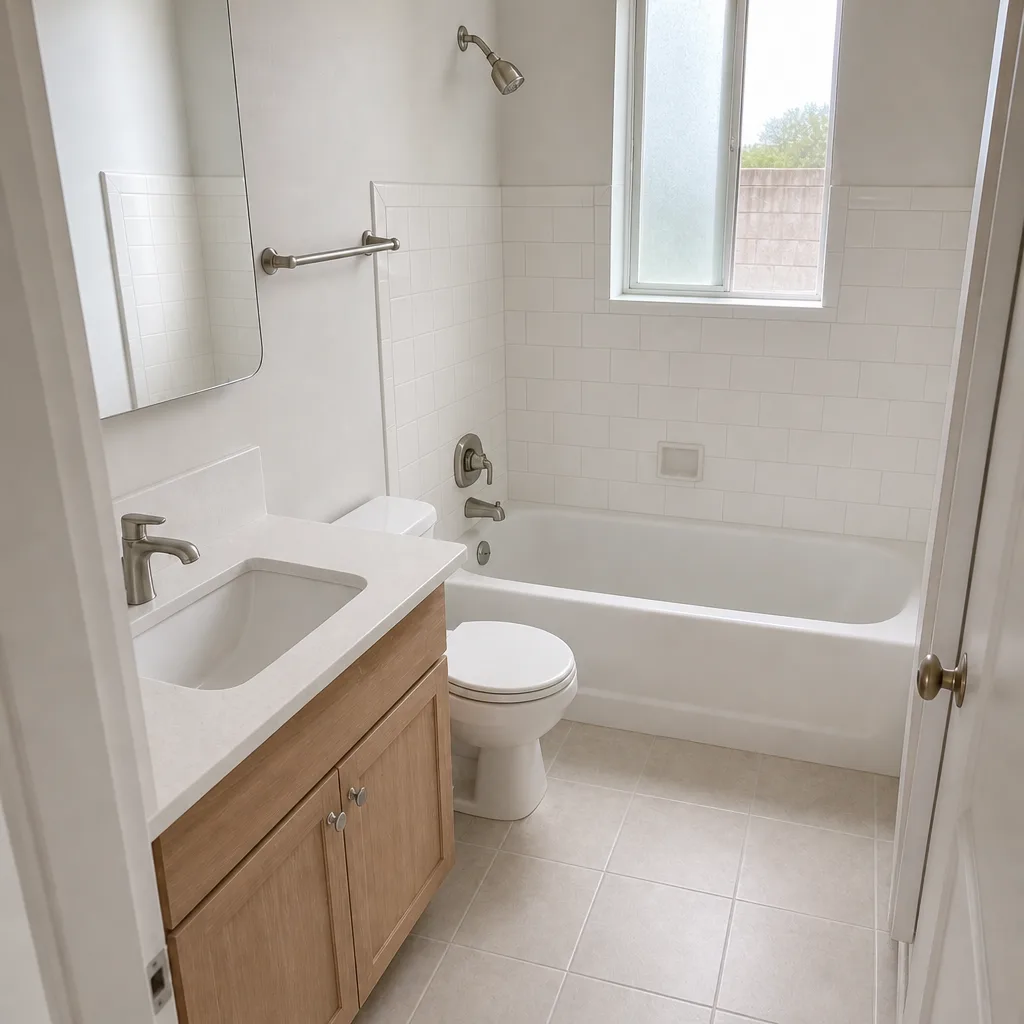 After
How to Choose a General Contractor in Los Angeles, CA: Look Past the License to the Permit Record
Ask any candidate contractor how many LADBS permits they pulled in the last 12 months, how they handle a plan-check correction notice, and whether they use an expediter. A licensed, insured contractor with good references can still stall your project for months if they’ve never worked through Los Angeles Department of Building and Safety plan check. In Los Angeles, permitting fluency is a vetting criterion as important as the CSLB license number. Call (844) 343-6681 and we’ll walk you through the questions to ask before you sign anything.
The usual advice – verify the license, confirm insurance, check references – is correct, and it’s also incomplete. Here’s what it misses, and how to test for it.
Why the Standard Checklist Doesn’t Catch the Expensive Failures in Los Angeles
Los Angeles construction sits at the intersection of two forces: some of the oldest continuously inhabited residential fabric in the country – pre-1933 brick, unreinforced masonry, 1920s Spanish Colonial and Craftsman bungalows in Mid-City and the Eastside – sitting on an active seismic zone, funneled through a permitting process run by LADBS that is slower and more discretionary than almost anywhere else. Every project here is really a seismic-retrofit, hillside-grading, or soft-story conversation wrapped in a plan-check timeline measured in months.
A contractor can be fully licensed, insured, and well-reviewed and still cost you six months and $30,000 because they didn’t know your 1929 bungalow would trigger a non-conforming structure review, or because they’ve never responded to a correction notice and let the permit sit. The license proves they’re allowed to work. The permit record proves they can actually get your project through.
Build a Los Angeles-Specific Vetting Checklist
This is the list beyond CSLB verification. Ask each question out loud during the interview and write down the answer.
- How many LADBS permits have you pulled in the last 12 months? A real number, not “plenty.” For a kitchen or bathroom remodel in Los Angeles, permits are routine; for an addition, an ADU, or anything touching structure, they aren’t. A contractor who pulls permits constantly knows the counter staff, the typical review cycles, and the difference between a plan that sails through and one that sits.
- What’s your typical plan-check correction rate? First-submittal corrections are normal at LADBS. A contractor who says they’ve never had a correction is either not pulling permits or not telling you the truth. What you want is someone who can describe how they respond to corrections and how long it usually takes.
- Do you use an expediter? An expediter is a licensed runner who walks plans through the department, tracks corrections, and moves paperwork faster than a crew chief can between jobs. It’s a legitimate, common practice at LADBS, not a shortcut around the code. A contractor with an established expediter relationship usually gets you through plan check faster.
- How do you handle a hillside or non-conforming-structure review? If your property is in the Hollywood Hills or the Santa Monica Mountains, ask directly. The city’s hillside ordinance and “basement” excavation rules mean a cantilevered deck and a steep lot can trigger geotechnical reports and slope-density scrutiny that flatland jobs never see. In Mid-City, the same question applies to non-conforming lots and pre-war structures.
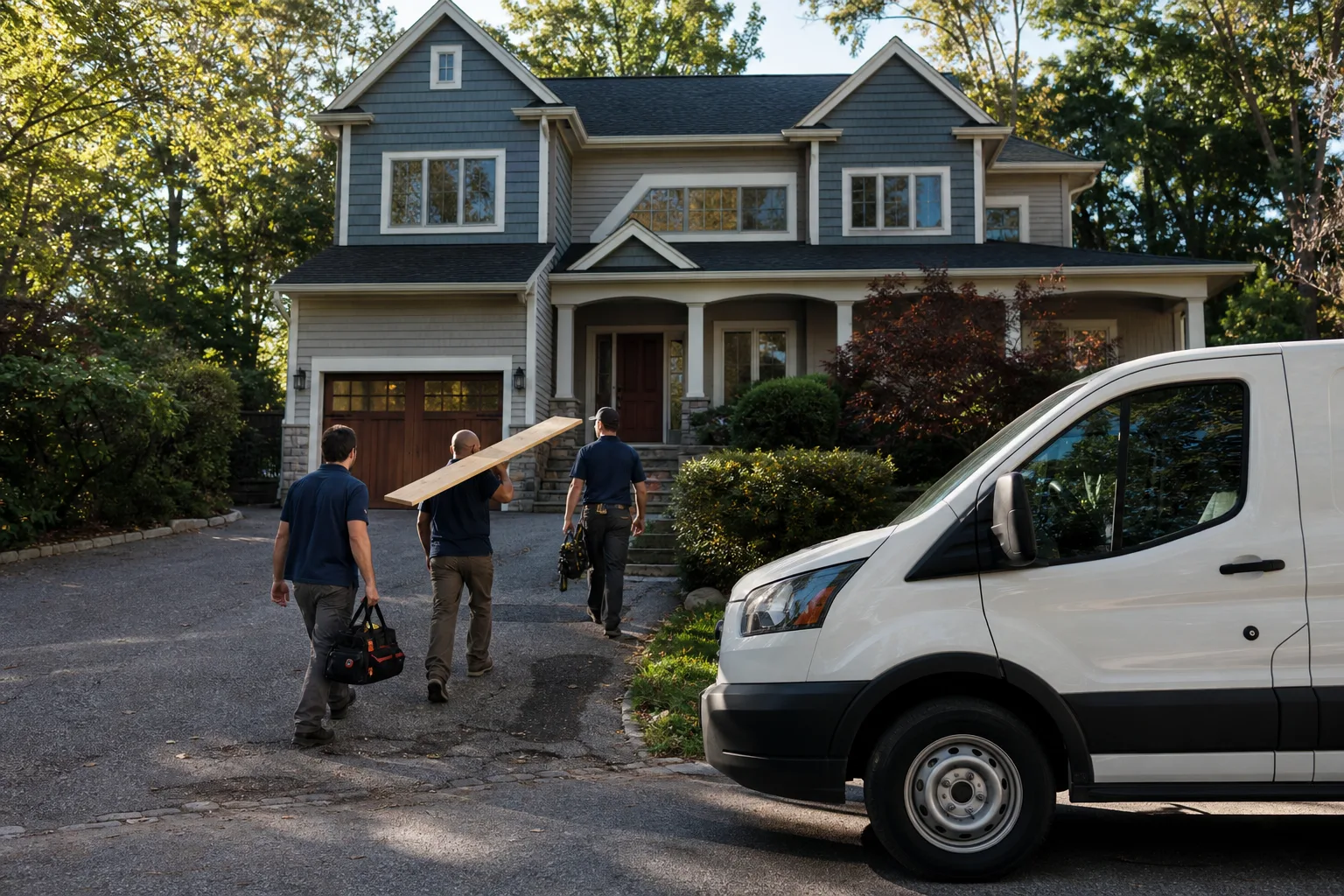
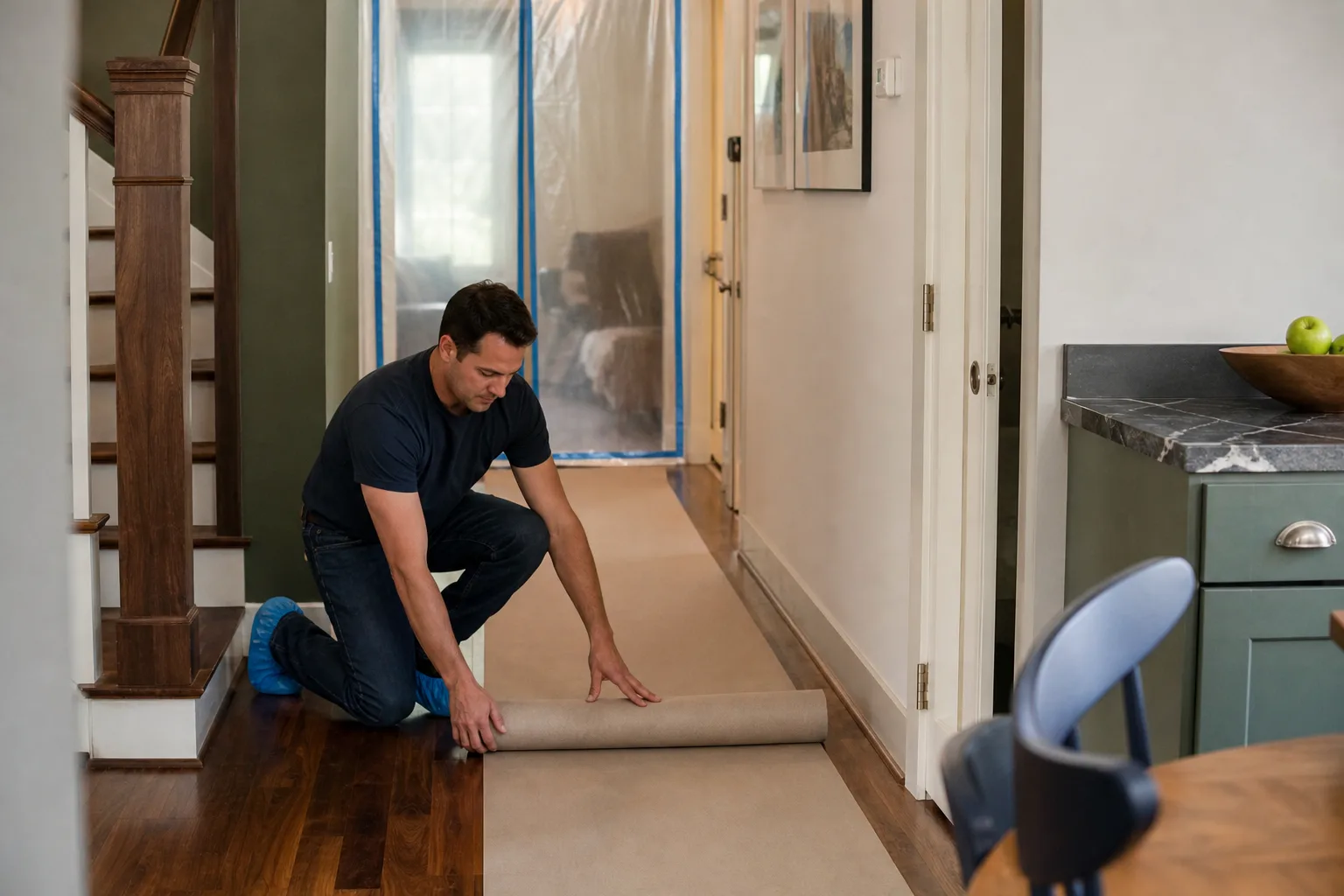
- Are your crew members background-checked? Ask, then ask how you’d verify it. A contractor who can point to a screening standard – not just “yeah, they’re good guys” – is telling you the truth. Why it matters: a stranger with a key to your house for six weeks is a different risk than a stranger who mows your lawn once. Bradford Remodeling Co Los Angeles puts background-checked, uniformed technicians on every job, and homeowners know exactly who is walking through the door before the crew arrives.
The Written Contract Test: What a Real Bid Looks Like
In California, any home improvement contract over $500 has to meet specific legal requirements – a written scope, a schedule, a payment schedule, the license number, and a three-day right to cancel, among other items. That’s the legal floor. The question is what’s above it.
A contractor who gives you an itemized scope, named materials, and a written guarantee before work starts is demonstrably more accountable than one who hands you a lump-sum bid on a napkin. Ask for the scope broken out by line item – demolition, framing, rough-in, finishes – and ask for the brand and model of every fixture, cabinet, and surface. That itemization is what makes a change order honest or dishonest.
What Legitimate vs. Illegitimate Change Orders Look Like
A legitimate change order covers new scope the homeowner requested mid-project, or genuine hidden conditions nobody could see on the site walk – rotted framing behind a wall, a slab that isn’t level, knob-and-tube wiring the inspector flagged. An illegitimate change order covers scope the contractor should have identified on the site walk and priced into the original bid. In Los Angeles, that second category is where budgets quietly blow up.
The way to eliminate the second category is a written price before any work starts. Bradford’s model is built on that: a written price before the first tool comes out, every time, with no numbers that move at the door. When the scope is itemized and the price is fixed, the only change orders left are the legitimate ones.
How to Test the Promises Before You Sign
Anyone can put a guarantee on a website. Test it while you’re still in the interview.
- Ask what the guarantee covers and for how long. Bradford’s answer is The Garrison Standard’s 365-Day Done Right Promise: every completed project carries a full-year written guarantee, and if the work fails inside that window, we return and correct it at no charge. Get the terms in writing, in the contract, not just in the brochure.
- Call the phone number. A live person answers Bradford’s line 24 hours a day, 7 days a week, not a voicemail or a callback queue. Call on a Sunday and see who picks up. If a contractor’s phone goes to voicemail during business hours, it’ll go to voicemail during a problem.
- Ask about the documented brand roster. Bradford works with KraftMaid and Wellborn cabinetry, Cambria and Caesarstone surfaces, Kohler and Moen fixtures, GAF and James Hardie exterior products, Therma-Tru doors, and Belgard hardscaping, among others. Brand names matter because they come with manufacturer specs and warranties that back our own guarantee. A contractor who can’t name the brands they plan to install is planning to install whatever’s cheapest that day.
This is core to what The Garrison Standard is: trust, given to you in writing. Bradford Remodeling Co Los Angeles operates as an independently owned and operated member of the Garrison Partners family, held to that standard on every job, and our technicians have up to 22 years of experience.
What It Costs: Los Angeles Ranges Before You Interview Anyone
An honest vendor doesn’t hide the numbers. Here’s a rough market range for common Los Angeles projects, so you can sanity-check any bid you receive against the market:
| Project | Typical Los Angeles range |
|---|---|
| Kitchen remodel | $16,520-$53,100 |
| Bathroom remodel | $10,620-$33,040 |
| Home addition | $53,100-$153,400 |
| ADU construction | $106,200-$259,600 |
| Garage conversion | $35,400-$94,400 |
| Roof replacement | $9,440-$23,600 |
| Window replacement | $5,310-$17,700 |
A bid well below the low end of these ranges isn’t a deal – it’s a signal. Ask what’s excluded from the scope, then walk away if the answer is vague. A bid at the low end with a written price, an itemized scope, and a name-brand material list is a real contractor. A bid well above the top with the same scope is a real contractor with a good markup habit. Start with the overview of how we work, then check the numbers against your own property.
Common Local Scenarios Where Vetting Goes Wrong
Some Los Angeles projects carry built-in risk that a generic vetting checklist won’t catch:
- A soft-story retrofit. A 1960s wood-frame apartment building with tuck-under carports sits squarely in the Soft-Story Ordinance. A contractor who doesn’t know the retrofit engineering requirement will quote a price that looks great and won’t hold.
- A hillside addition in the Hollywood Hills or Santa Monica Mountains. Geotechnical reports, slope-density scrutiny, and basement excavation rules can double the permitting timeline. Ask any candidate what a geotech report usually runs and how they schedule around it.
- A wildland-urban interface addition in the Valley fringe. The dry Mediterranean climate and Santa Ana wind season make chaparral a fire hazard, so construction at the edge of the hills must meet Wildland-Urban Interface and Chapter 7A requirements. A contractor who installs standard windows where Chapter 7A applies will fail final inspection.
- Any project on expansive clay soil. Long dry summers drive clay movement that cracks foundations and slabs. If a contractor doesn’t mention soil, ask about it.
FAQs
Yes. California law requires a CSLB-licensed contractor for any home improvement project over $500. But the license is the floor, not the ceiling: an unlicensed contractor can’t pull permits at LADBS anyway, which means any structural or addition work they touch is a compliance problem long before it’s a quality problem.
Ask the contractor directly for the number of LADBS permits pulled in the last 12 months, and call LADBS to confirm the permit record for any completed job you’re considering. A contractor with a real permit history won’t hesitate to share it. Call (844) 343-6681 if you want a second read on a bid you’ve already received.
Yes, and ask how you’d verify it. A contractor who can point to a screening standard, not just reassurance, is being honest. Crews in your home for weeks are a different kind of risk than a tradesperson dropping by once, so the question is worth asking out loud before you sign.
It depends on the scope: a kitchen remodel typically runs $16,520-$53,100, a bathroom remodel $10,620-$33,040, and an ADU $106,200-$259,600. What matters more than the range is whether the price is written before work starts. Bradford’s price is written before any work begins – call (844) 343-6681 for a free estimate and a written number.
Get a Written Price Before You Choose
If you’d rather have it looked at, Bradford Remodeling Co Los Angeles offers a no-pressure assessment in Los Angeles – call (844) 343-6681. We’ll come out, walk the property, ask the questions we’d want answered, and put a written price and a written guarantee in your hands before you sign anything.
Written by the team at Bradford Remodeling Co Los Angeles, serving Los Angeles, CA.