



Free written scope consultation - allowances, timeline, and change-order rules on paper before a single trade is scheduled
Styles & brands we work with
- Kitchen remodeling
- Bathroom remodeling
- Home additions & ADU
- Roofing
- Windows & doors
- Driveway & pavers
- Fence
See the difference
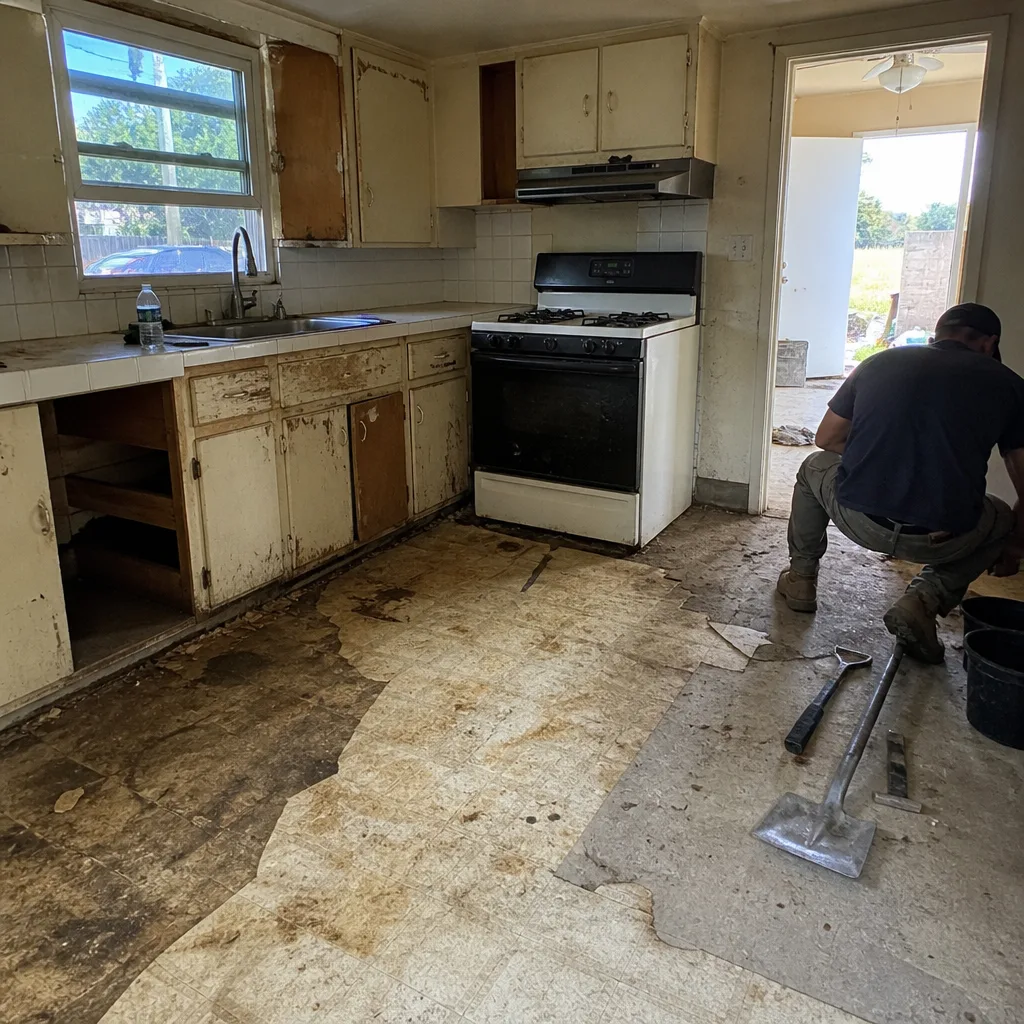 Before
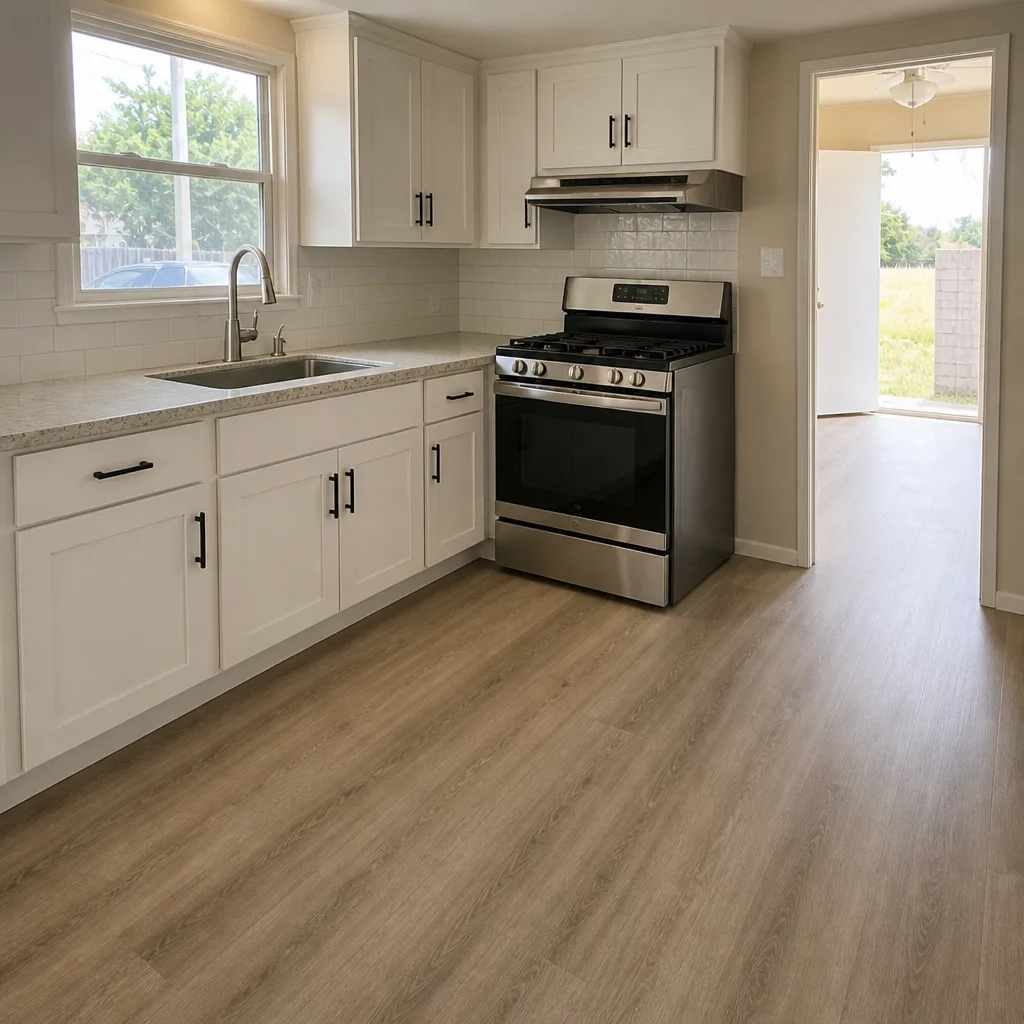 After
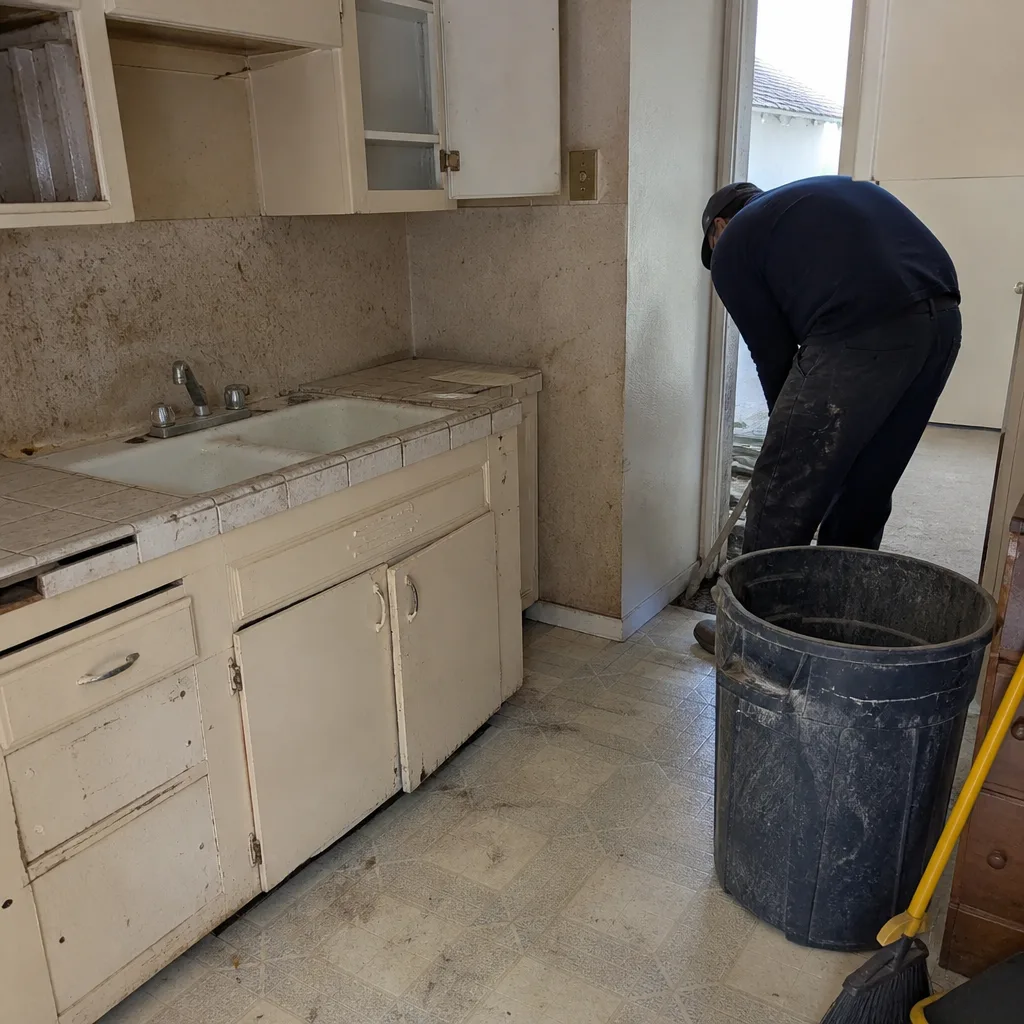 Before
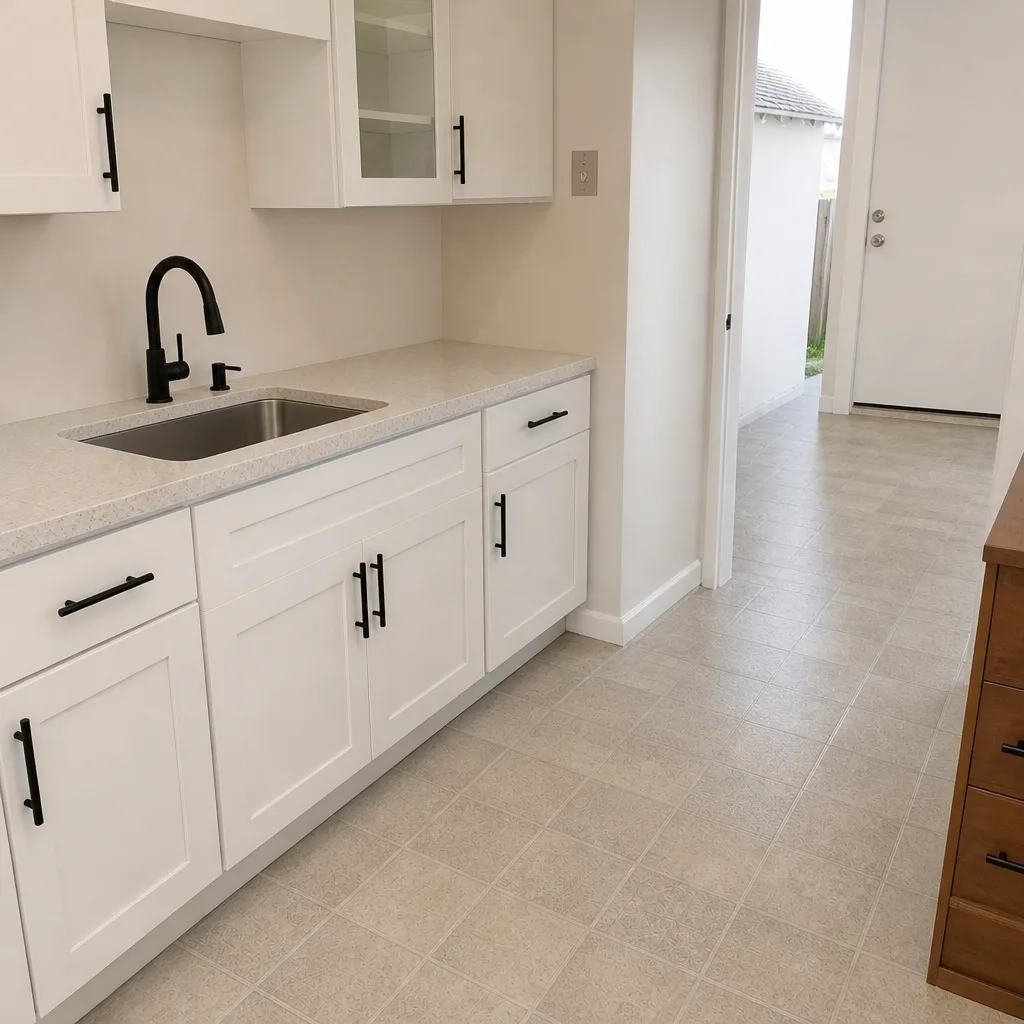 After
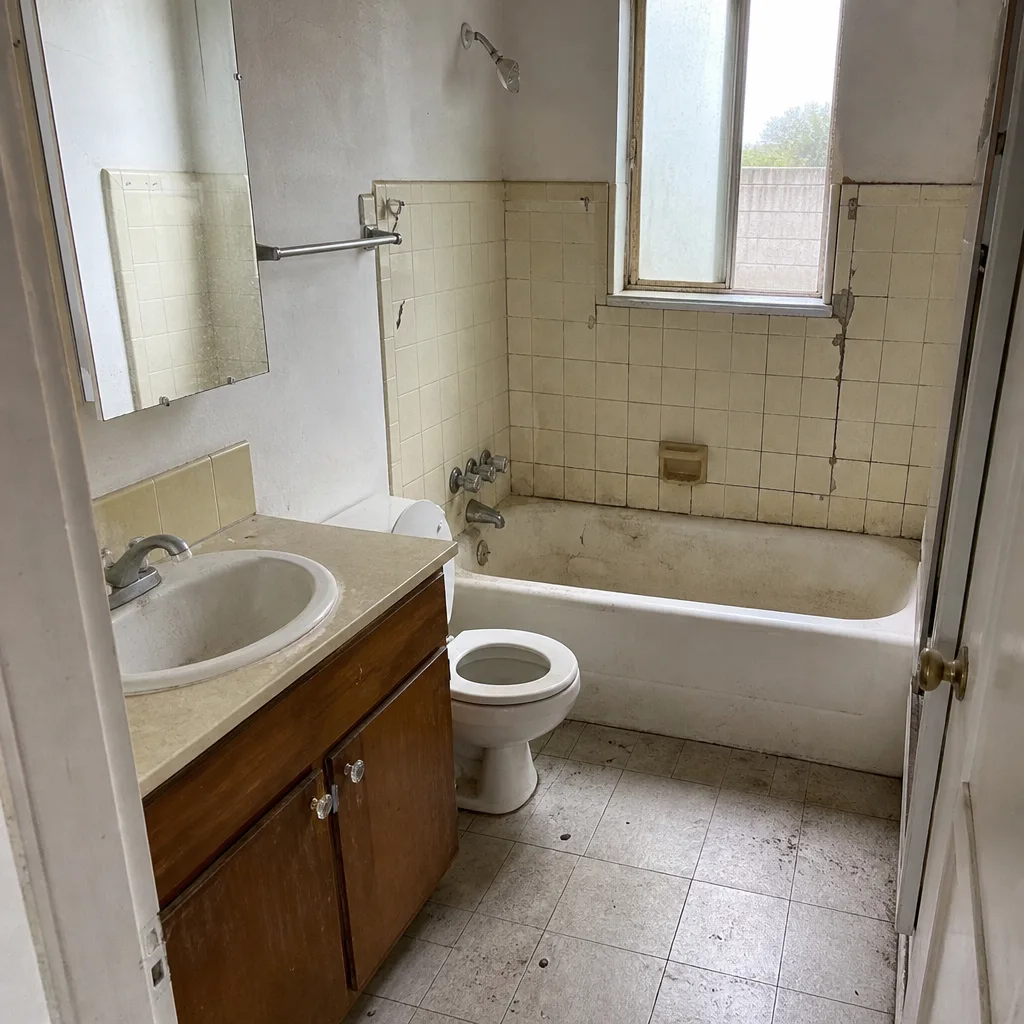 Before
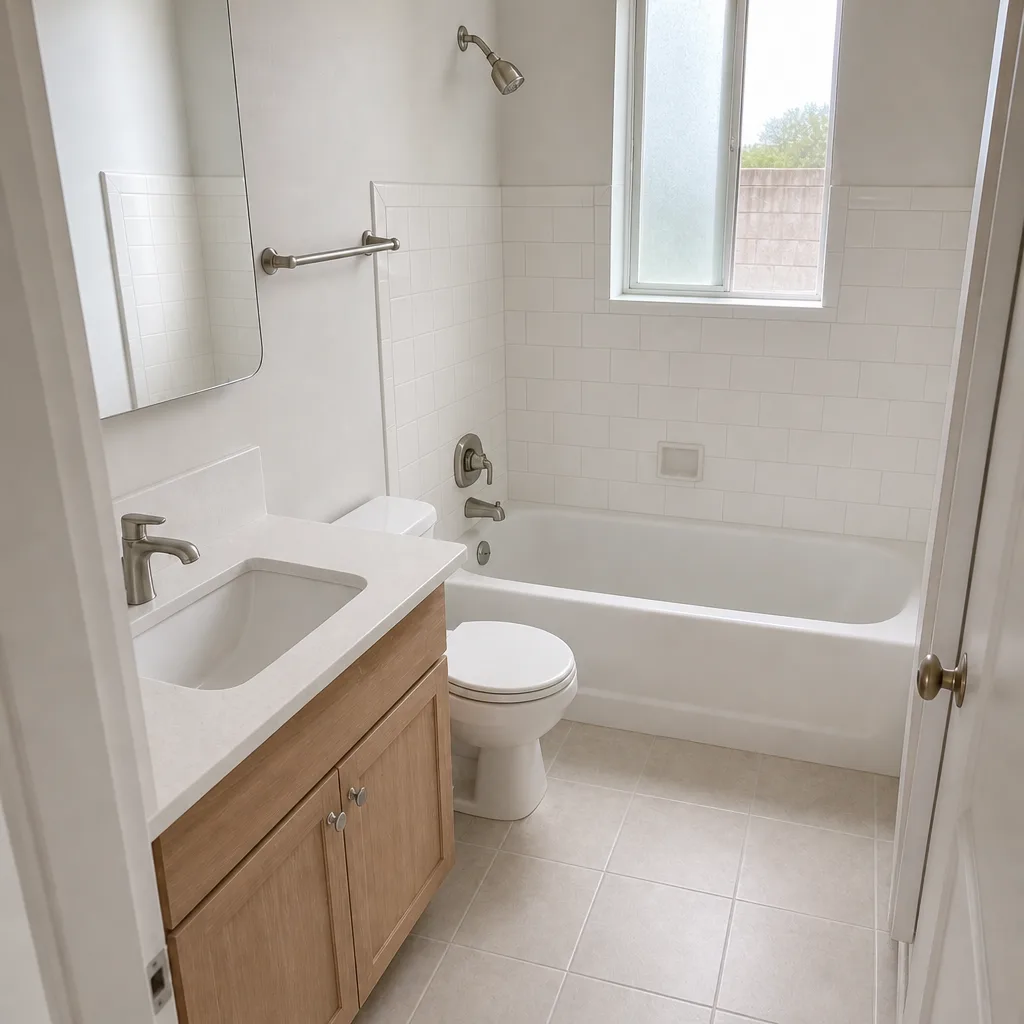 After
General Contractor vs. Handyman in Los Angeles: Who Can Legally Do the Work?
Choose a licensed general contractor whenever the job crosses California’s $500 combined labor-and-materials threshold, touches structure, electrical, plumbing, or requires an LADBS permit. Choose a handyman only for clearly cosmetic, under-threshold tasks with no permit implications. In practice, that means most meaningful work in a Los Angeles home goes to a general contractor. California Business and Professions Code §7048 draws this line, and it’s enforced by license law, permit records, and title reports. Call (844) 343-6681 to talk through which side your project lands on.
Why the $500 Rule Decides Most Jobs Before Skill Even Enters the Conversation
Section 7048 of the Business and Professions Code sets a $500 threshold on combined labor and materials for unlicensed work. That sounds generous until you price out a real Los Angeles job. A licensed plumber’s service call can brush up against that number before a single fixture is set. Labor on a two-day tile job in a Mid-City bathroom clears it comfortably. Swap a light switch or a receptacle cover and you’re fine. Run new wire to a fixture or add a circuit and you’ve crossed into work that legally requires a C-license or a general B-license.
What that looks like in practice:
- Bathroom tile replacement in a Spanish Colonial bath: almost always over $500, requires a licensed contractor.
- Any electrical work beyond swapping a device: requires a licensed electrician, not a handyman.
- Structural wall modification: never a handyman job, always permits, always engineering.
- Cosmetic repairs (patching drywall, painting a room, re-caulking): usually under threshold and fine for a handyman.
The skill question matters less than most homeowners realize. Plenty of handymen can set tile beautifully. The question is who carries the license, the bond, and the insurance when something goes wrong. We go deeper into which framework to choose in our guide to planning a Los Angeles remodel the right way.
The Permit and Inspection Gap Nobody Explains Up Front
A handyman cannot pull an LADBS building permit. Full stop. That means work done without a permit in Los Angeles, particularly on pre-1933 Craftsman and Spanish Colonial homes, gets flagged on the property record. When you sell, that unpermitted addition is a material disclosure item. You either disclose it (and take the hit on offers) or retroactively permit it (often at significant cost and delay).
LADBS plan-check is already slower and more discretionary here than almost anywhere in the country. The collision of the city’s oldest residential stock with an active seismic zone makes every permit review a soft-story, retrofit, or hillside-grading conversation wrapped in a months-long timeline. Skip the permit and you don’t skip the review; you just defer it to the worst possible moment.
Real Los Angeles Prices, So the $500 Line Has a Reference Point
| Job | Typical Los Angeles Range | Who Should Do It |
|---|---|---|
| Backsplash installation | $945-$2,950 | Licensed contractor |
| Bathroom vanity installation | $945-$3,540 | Licensed contractor |
| Shower replacement | $3,540-$10,030 | Licensed contractor |
| Small bathroom remodel | $5,900-$14,160 | Licensed contractor |
| Cabinet installation | $4,720-$15,340 | Licensed contractor |
| Kitchen remodel | $16,520-$53,100 | Licensed contractor |
| ADU construction | $106,200-$259,600 | Licensed contractor, engineering required |
Notice that even the smallest line item on that table clears the threshold. A backsplash at $945 is already over the $500 legal ceiling for unlicensed work. That’s the practical effect of §7048 in Los Angeles, where material costs run high and labor follows. Our bathroom remodeling guide breaks down what a permitted job looks like from demolition to inspection.

Seismic Liability, Insurance, and the Chain That Breaks When a Handyman Touches Structure
In a city where lateral loads and foundation conditions decide whether a house survives an earthquake, work on structural elements by an unlicensed person with no engineer of record creates a liability gap. If a Hollywood Hills post-and-beam or a Koreatown soft-story building is modified and then an event hits, your homeowner’s insurance policy may not cover the resulting damage. The chain of responsibility broke the moment unpermitted structural work was completed.
The insurance and bond difference is just as concrete. A licensed general contractor carries general liability insurance and a contractor’s bond. An unlicensed handyman typically carries neither. Under California’s hired-contractor rules, that puts the homeowner on the hook for on-site injuries. You become the liable party in a way you never intended when you agreed to the cheaper bid.
Bradford Remodeling Co Los Angeles puts the license number and insurance certificate in your hands before any work begins, not after you ask. Crew members are background-checked and uniformed, and every job is documented with a written price before a single tool comes out. That last part is The Garrison Standard: no numbers that move at the door, no surprise invoices, a signed scope in writing.
Side-by-Side: What Each Option Actually Delivers
| Licensed General Contractor | Handyman | |
|---|---|---|
| Can pull LADBS permits | Yes | No |
| Legal for work over $500 combined | Yes | No |
| Carries general liability insurance | Yes | Usually not |
| Contractor’s bond | Yes | Usually not |
| Can legally touch structural or electrical | Yes | No |
| Written guarantee on completed work | 365-Day Done Right Promise | Varies, often verbal |
| Best fit | Remodels, additions, permitted work | Cosmetic tasks under threshold |
Bradford’s 365-Day Done Right Promise covers every completed project with a written guarantee for a full year. If the work fails inside that window, we return and correct it at no charge. The materials roster matters here too: KraftMaid and Wellborn cabinetry, Cambria and Caesarstone surfaces, Kohler and Moen fixtures, GAF roofing, James Hardie siding, Therma-Tru doors. Traceable specifications with manufacturer warranties that back the guarantee we put in writing. Roofing jobs, for example, are specified in our roof replacement page with the same document-everything discipline.
When a Handyman Is Actually the Right Call
We’re not going to tell you every job needs a general contractor, because that isn’t true. A handyman is the sensible choice for:
- Painting a single room or patching nail holes
- Re-caulking a tub or shower surround
- Hanging shelves, mounting a TV, swapping a faucet
- Adjusting a sticking door or repairing a fence board
- Any task where materials and labor combined stay clearly under $500
The trouble starts when a homeowner’s “small job” list quietly grows into a permitted scope. That bathroom refresh becomes a shower replacement ($3,540-$10,030) with rough-in plumbing and a permit. That kitchen “just needs new cabinets” turns into cabinet installation ($4,720-$15,340) plus countertop, backsplash, and an electrical upgrade. At that point the handyman can’t legally finish the job, and neither can you.
For anything beyond cosmetics, our kitchen remodeling page and home addition page show what a permitted, engineered scope actually involves. Our technicians have up to 22 years of experience, and the crew walks you through exactly which line items trigger a permit before you sign anything. If hillside grading or a cantilevered deck enters the picture, that’s a geotechnical report and slope-density review, and nothing happens without a licensed contractor leading it.
FAQs
The handyman looks cheaper on the invoice, but the gap narrows fast once permits, insurance, and future disclosure enter the picture. An unpermitted job that has to be retroactively permitted at sale often costs more than doing it right the first time. Call (844) 343-6681 for a written price on a permitted scope; the estimate is free and nothing moves until you approve it in writing.
No. California Business and Professions Code §7048 sets the threshold at $500 combined labor and materials, and any job above it requires a licensed contractor. In Los Angeles, where a licensed tradesperson’s service call can approach that number alone, most real repairs clear the line. When you’re unsure, call us and we’ll tell you plainly whether a job needs a license or not.
The work gets flagged on the property record and becomes a material disclosure item when you sell. You’ll either disclose the unpermitted addition or pay to retroactively permit it through LADBS, which is slower and costlier than permitting it up front. Bradford handles the permitting and inspection sequence from day one, and the written price you get before work starts covers that scope. Call (844) 343-6681 to walk through your project.
We handle them. Every Bradford Remodeling project runs on The Garrison Standard: a written price before any work starts, permits pulled and inspections scheduled as part of the documented scope, and a signed 365-Day Done Right Promise in your hand at close. Crews are background-checked and uniformed, and someone answers the phone live, 24/7. Call (844) 343-6681 for a no-pressure assessment.
Talk Through Your Project Before You Decide
If you’d rather have it looked at, Bradford Remodeling Co Los Angeles offers a no-pressure assessment in Los Angeles. We’ll tell you straight whether a handyman can legally handle it or whether the scope needs a licensed contractor. Call (844) 343-6681 for a free estimate, and you’ll leave the call with a written price range and a clear next step.
Written by the team at Bradford Remodeling Co Los Angeles, serving Los Angeles, CA.