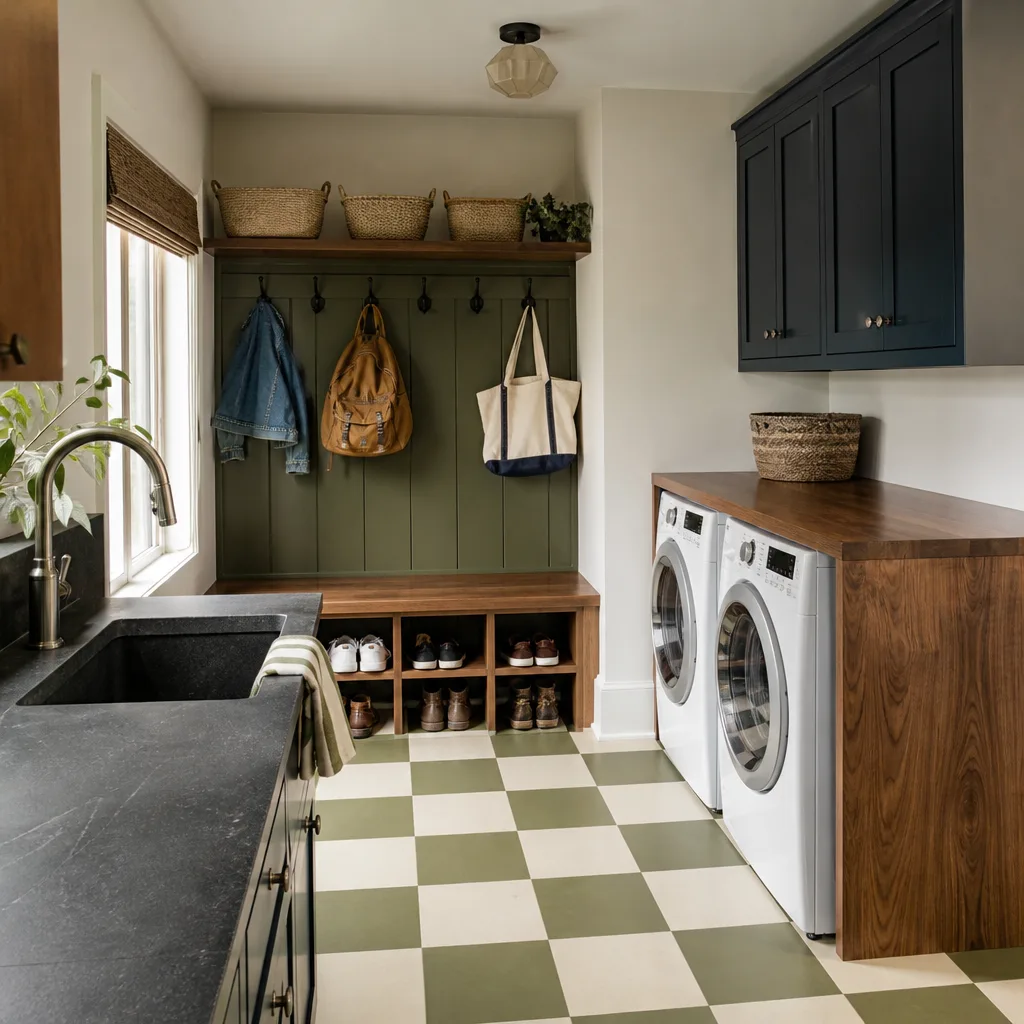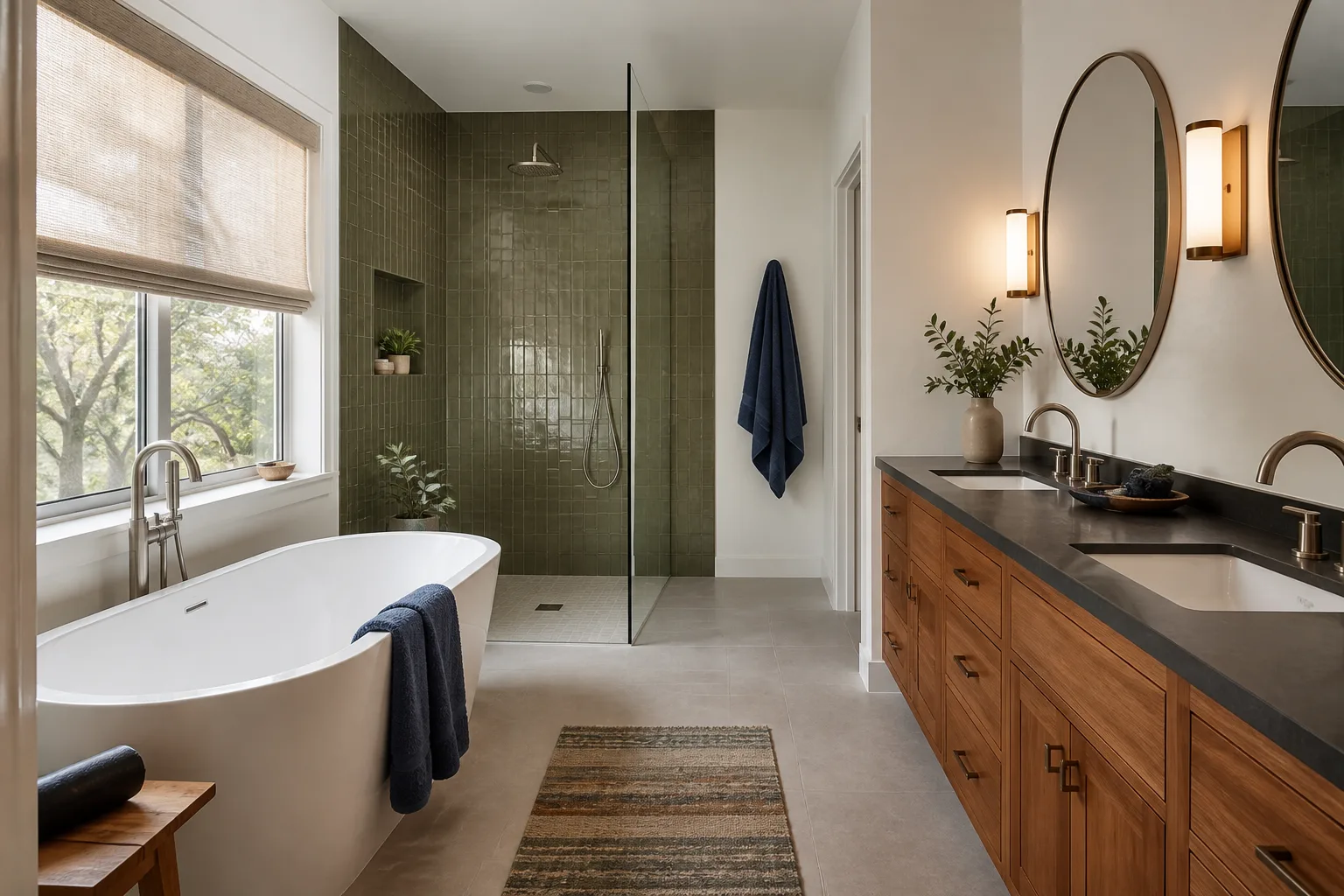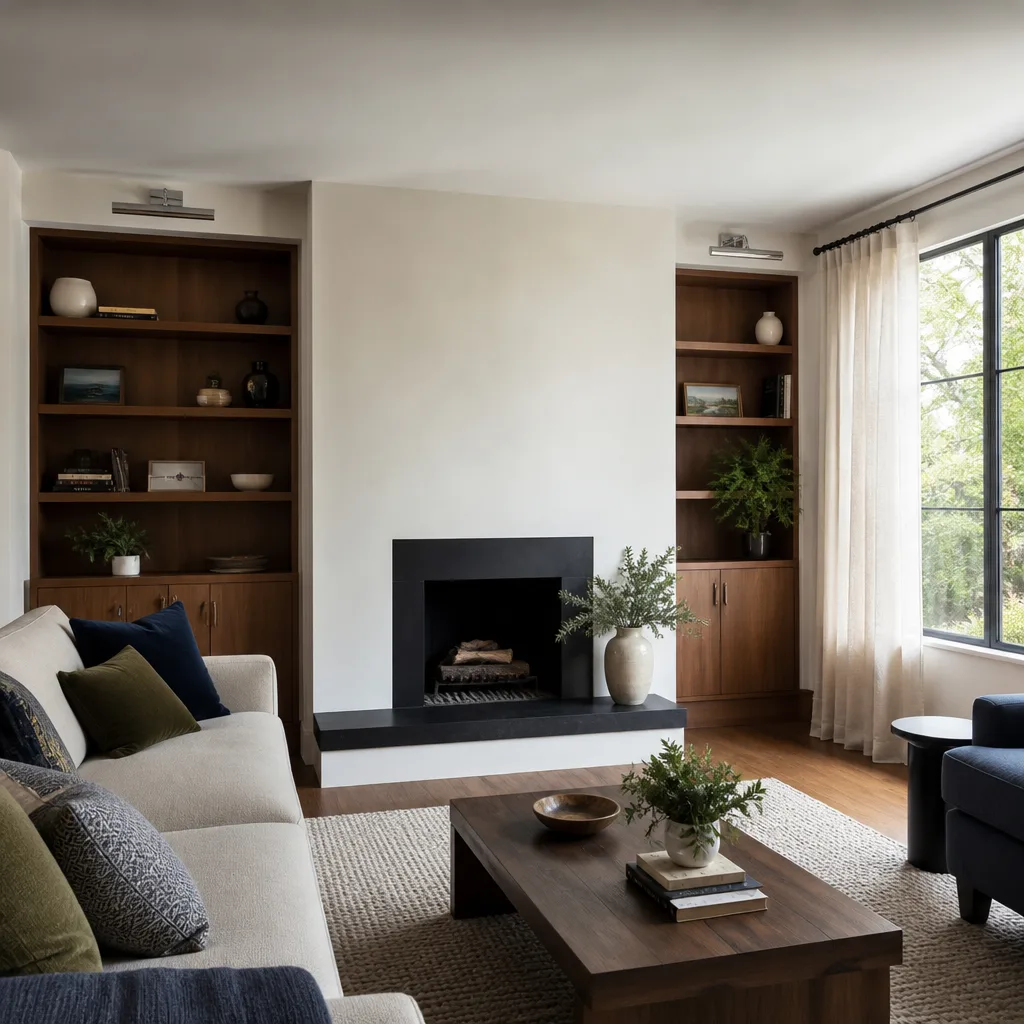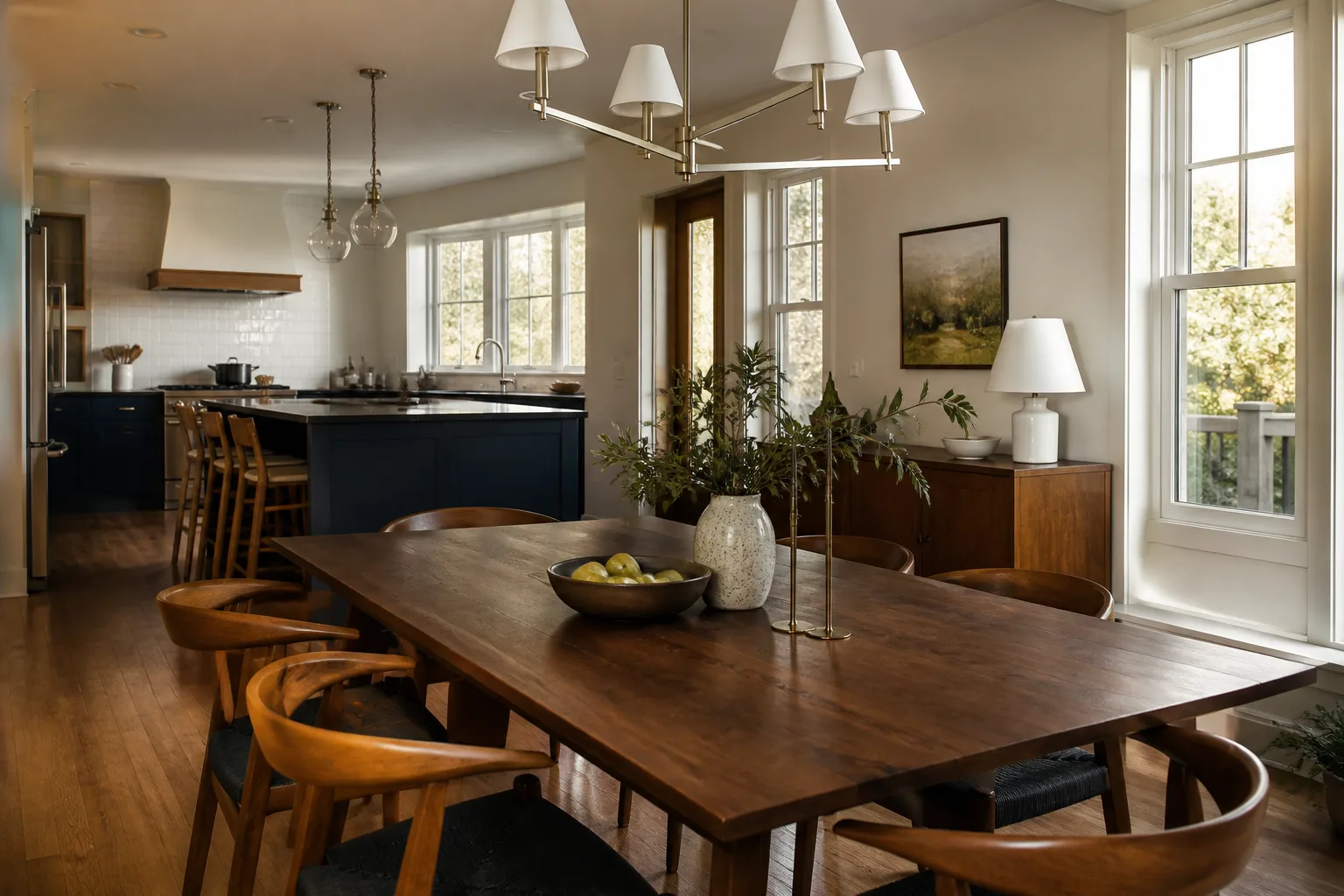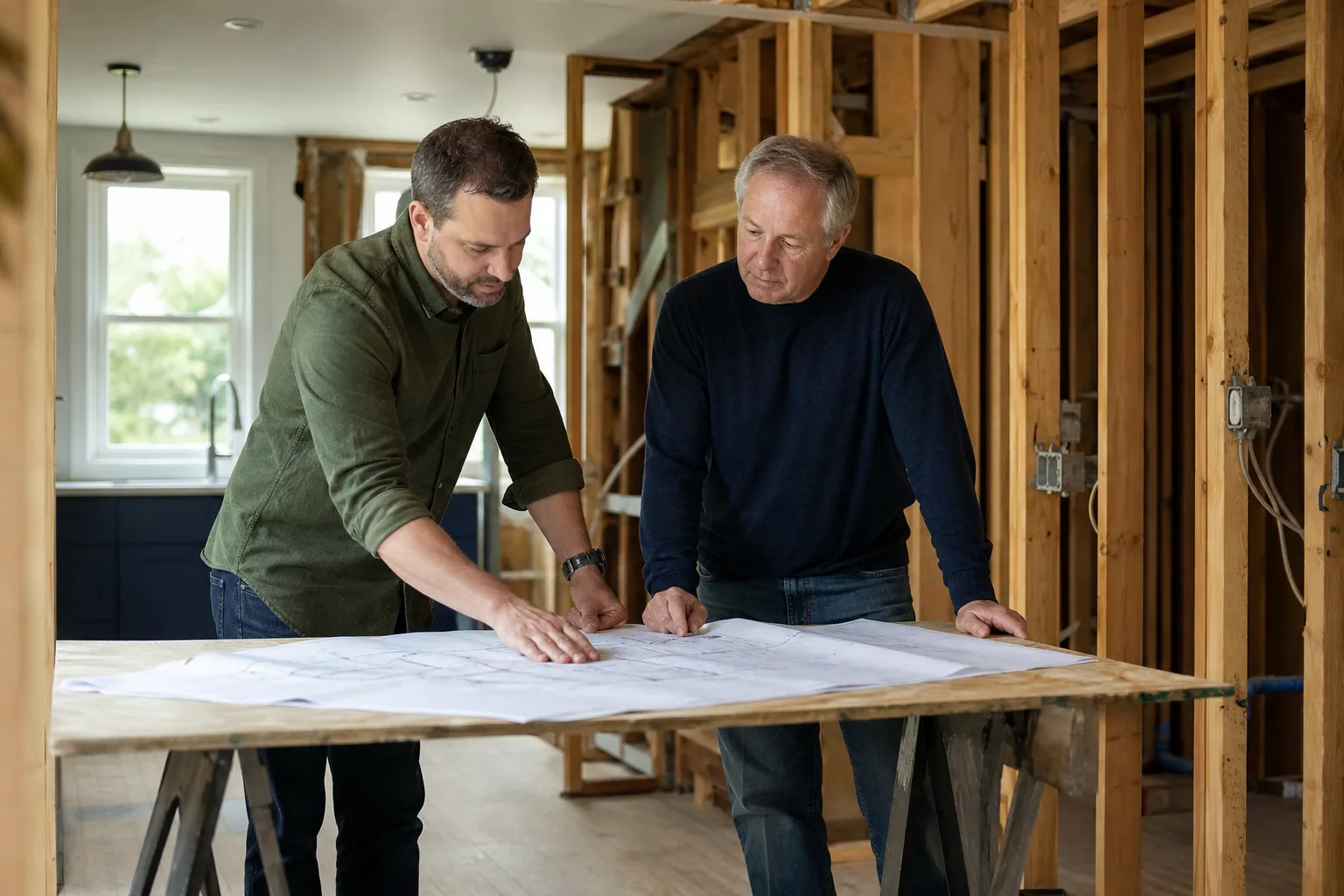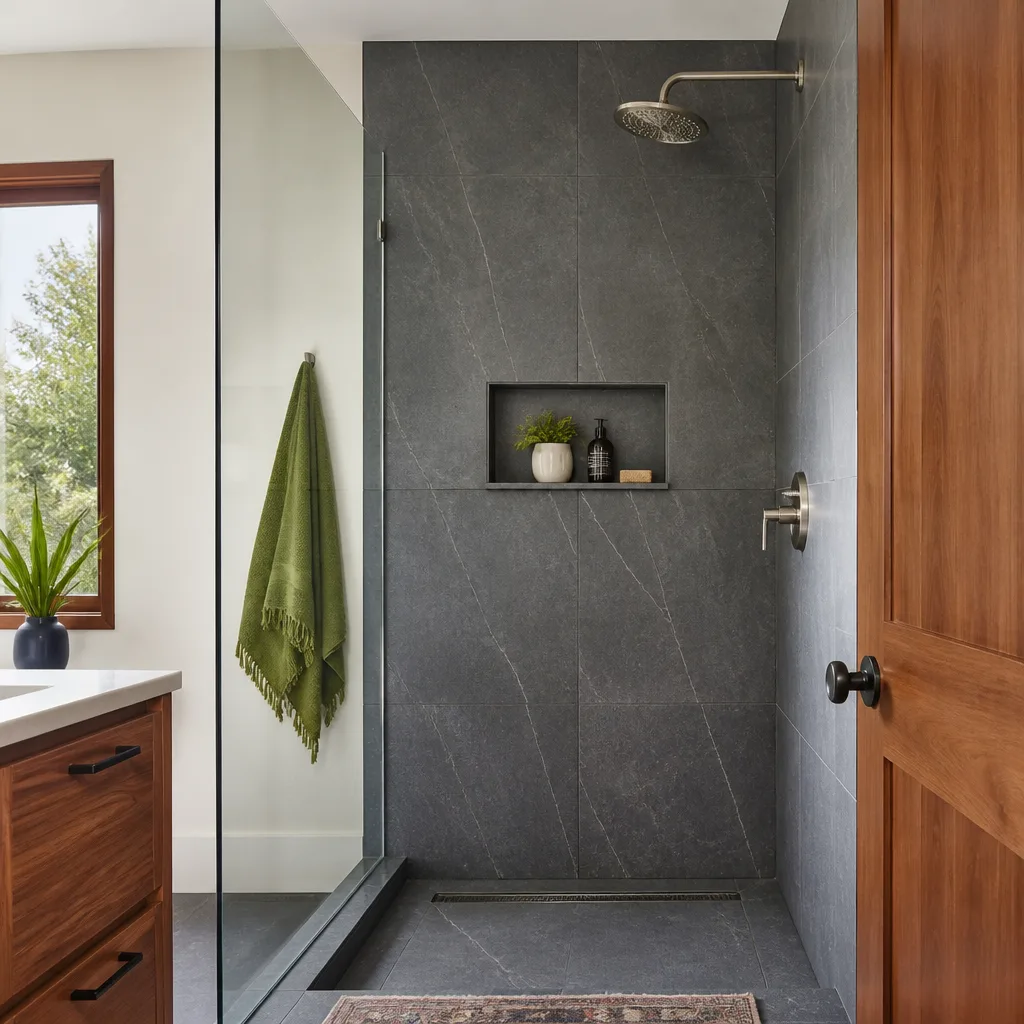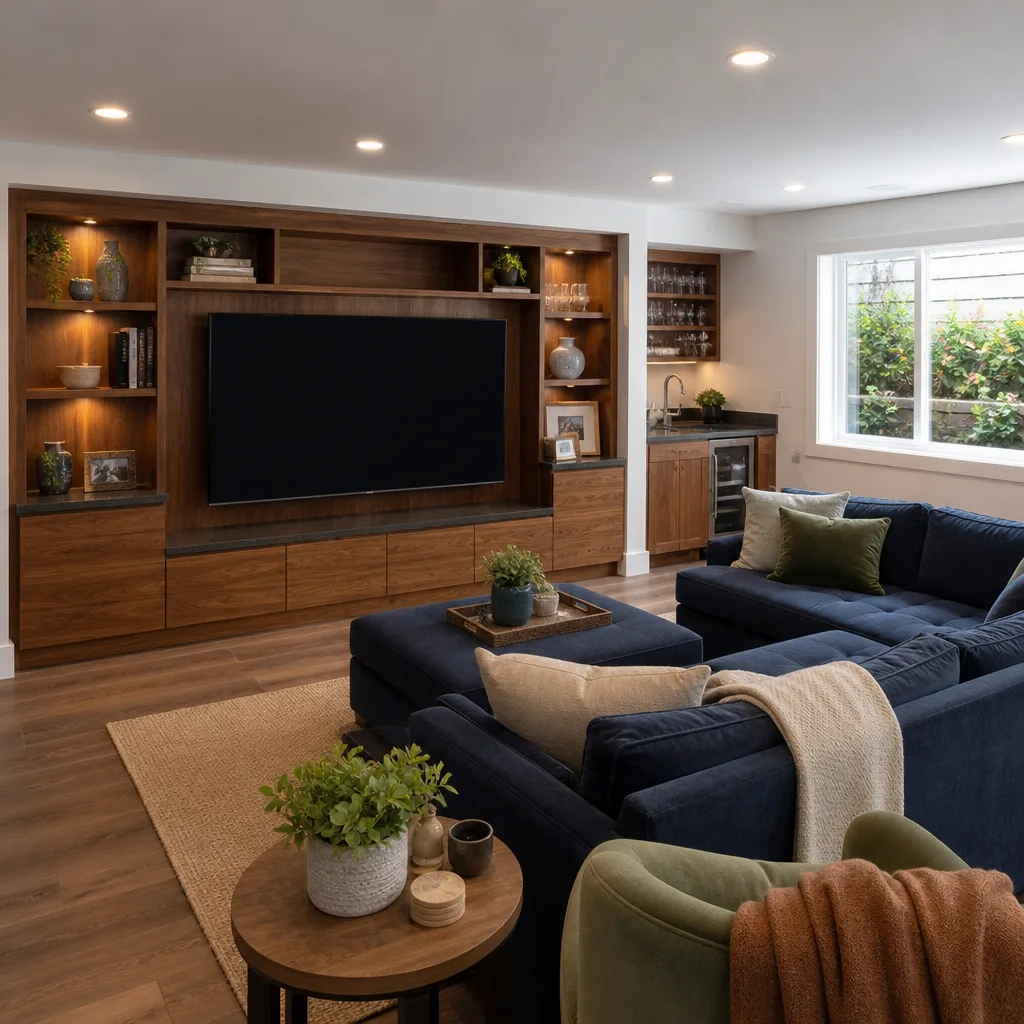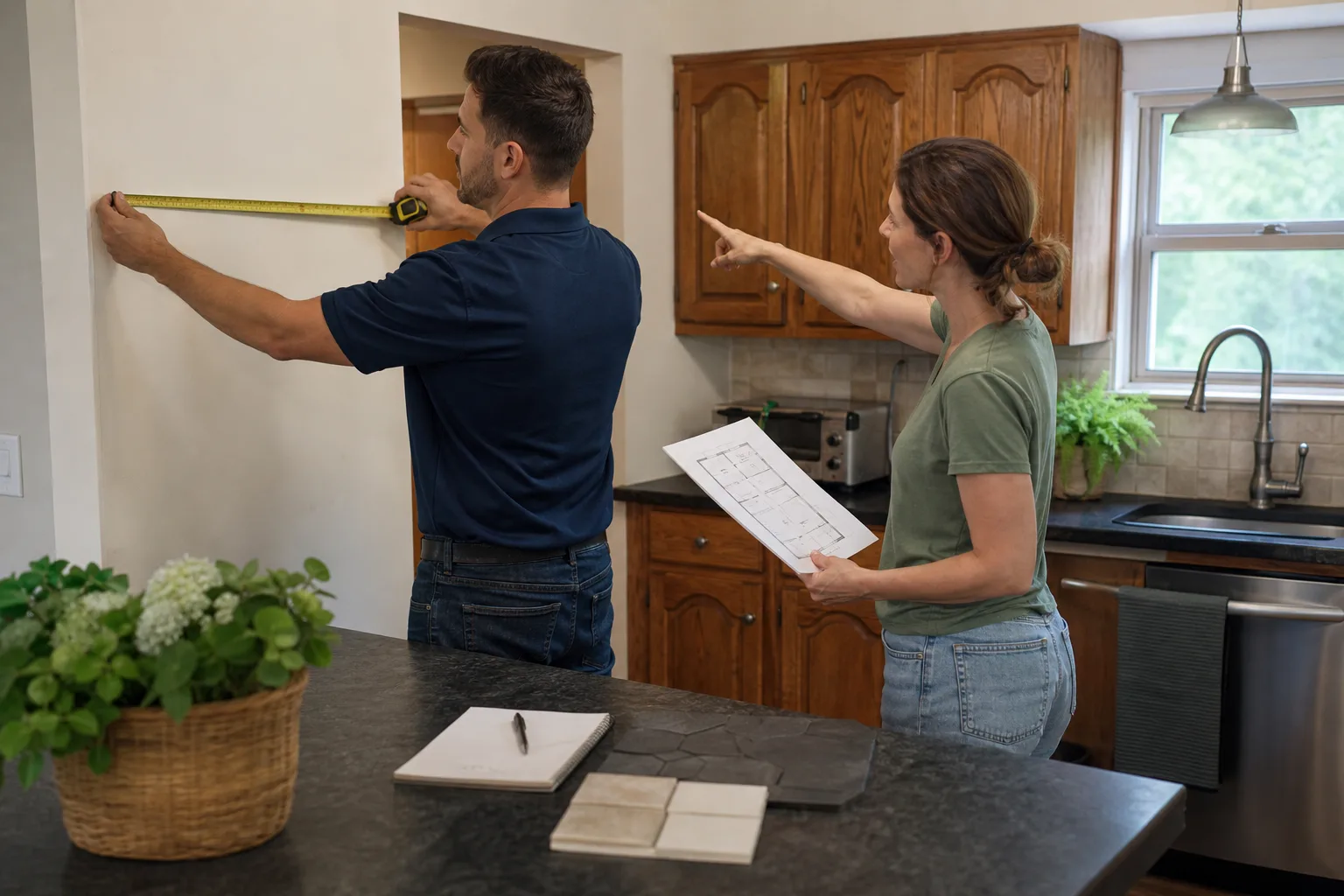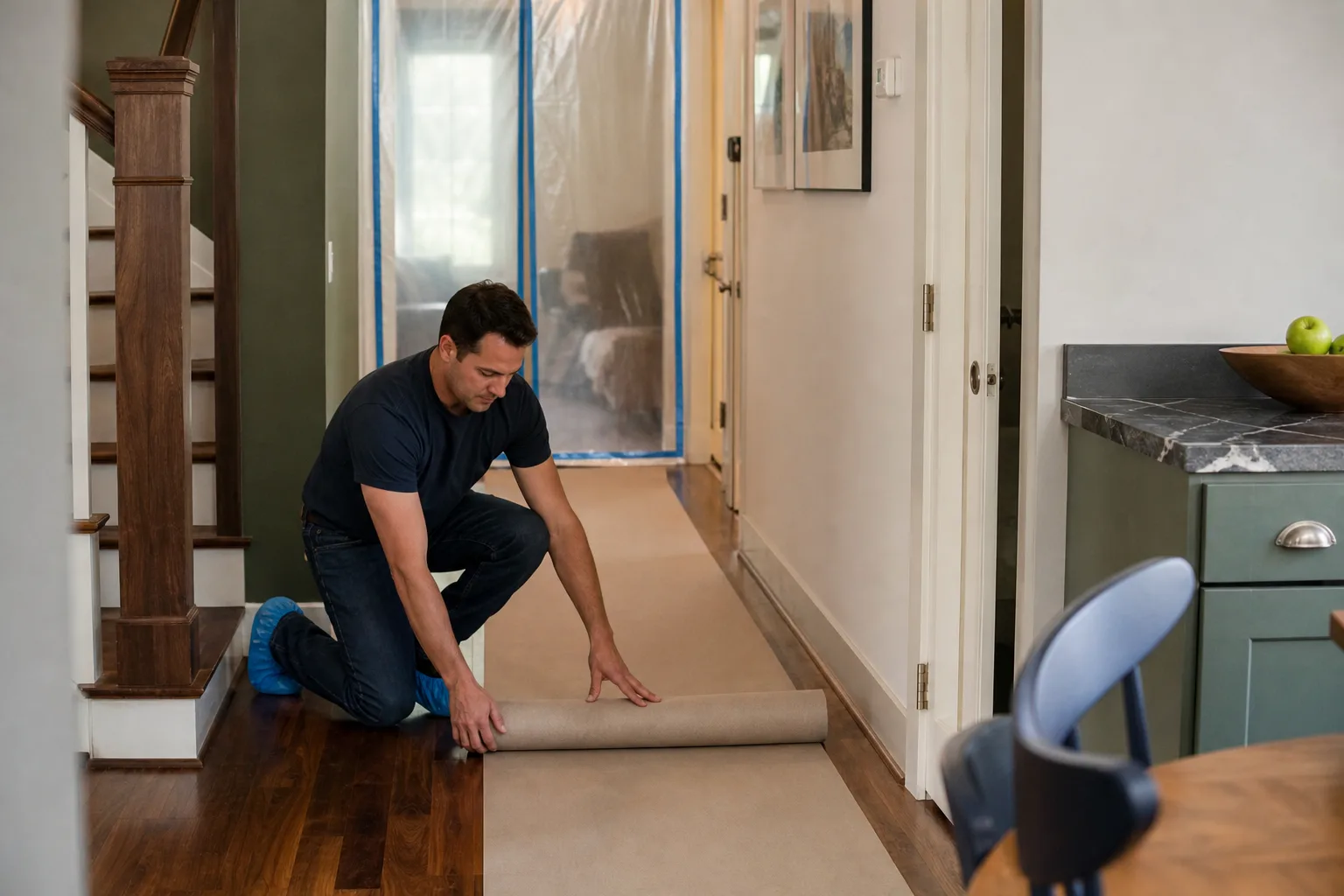
Free written scope consultation - allowances, timeline, and change-order rules on paper before a single trade is scheduled
Styles & brands we work with
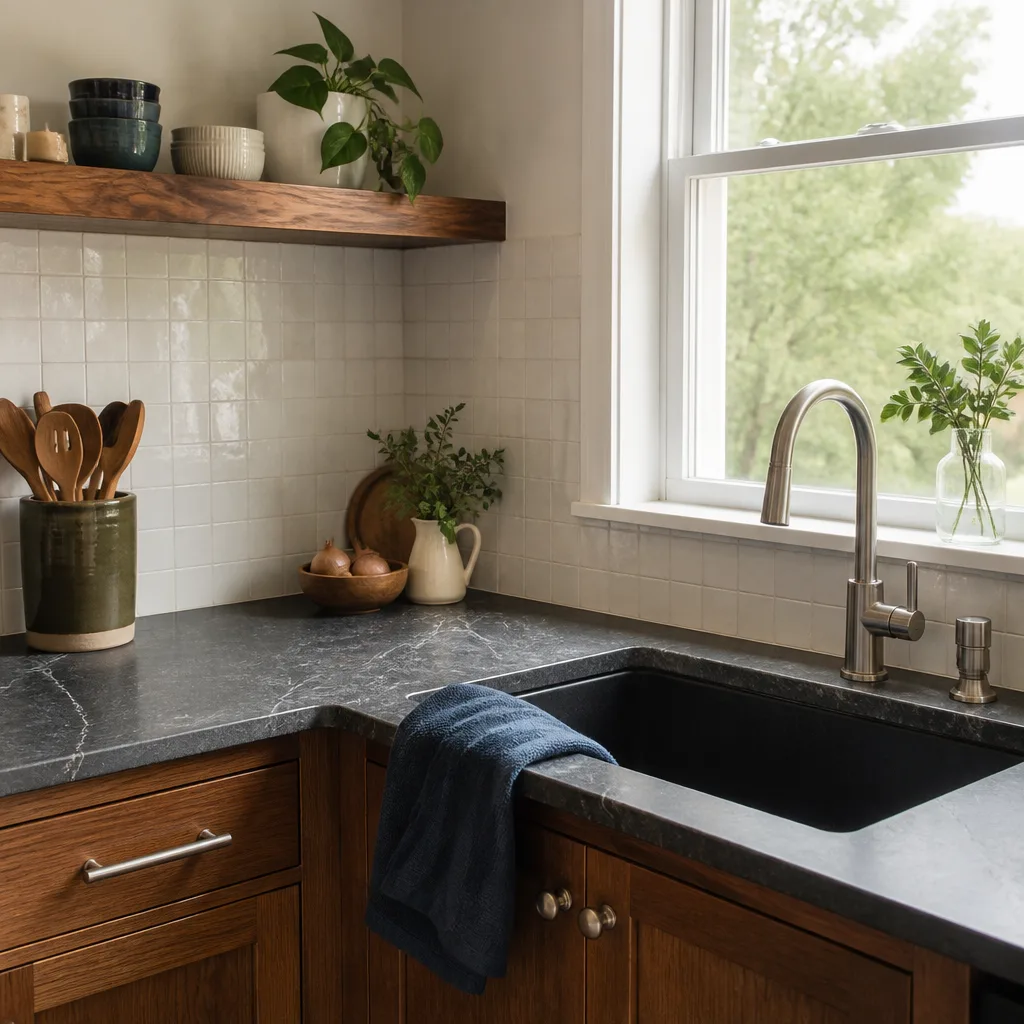
- Kitchen remodeling
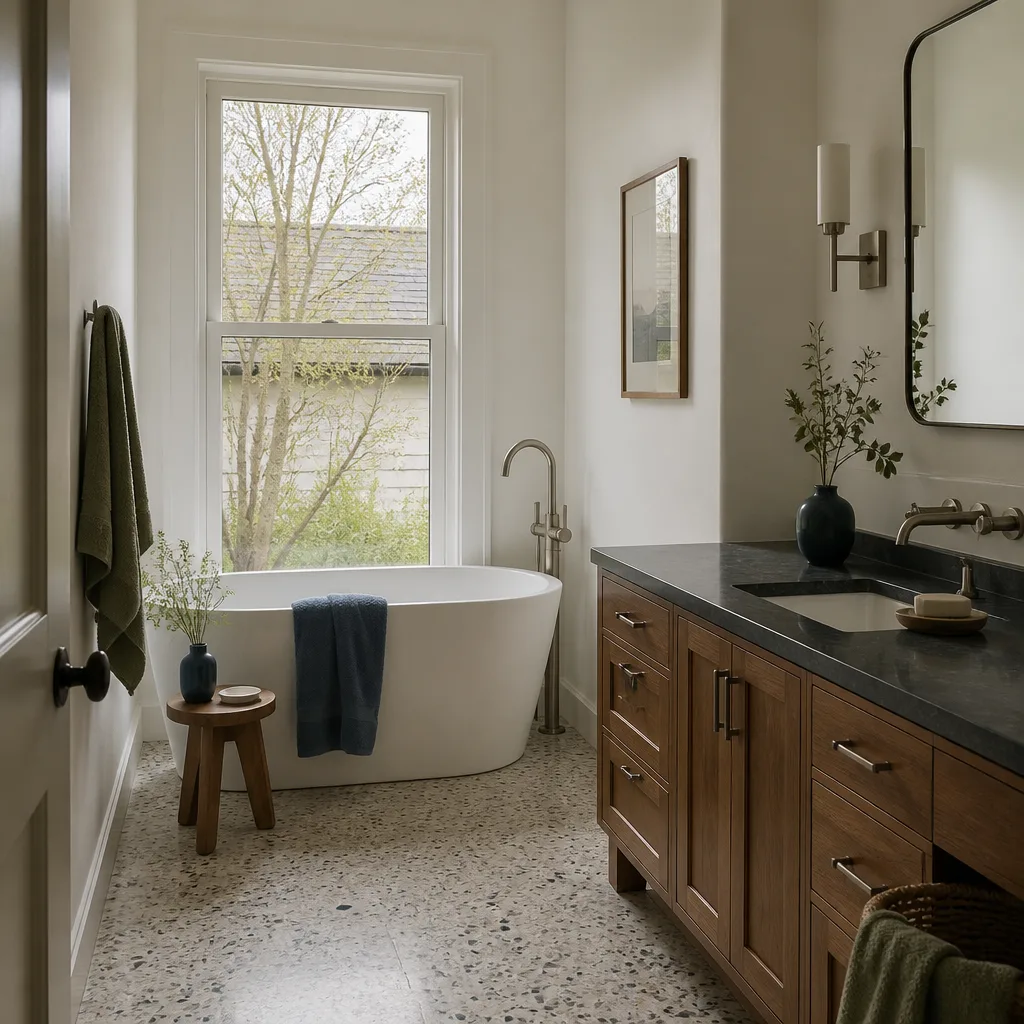
- Bathroom remodeling
- Home additions & ADU
- Roofing
- Windows & doors
- Driveway & pavers
- Fence
See the difference
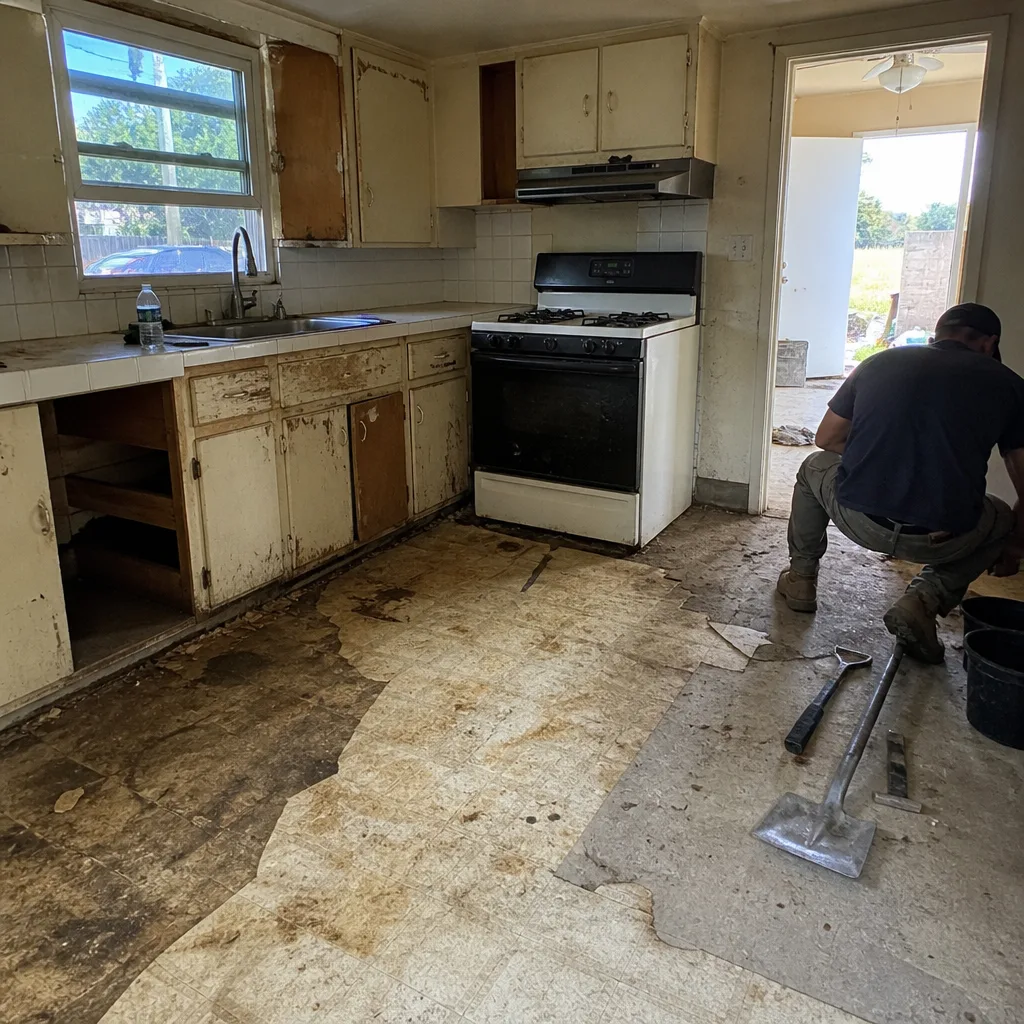 Before
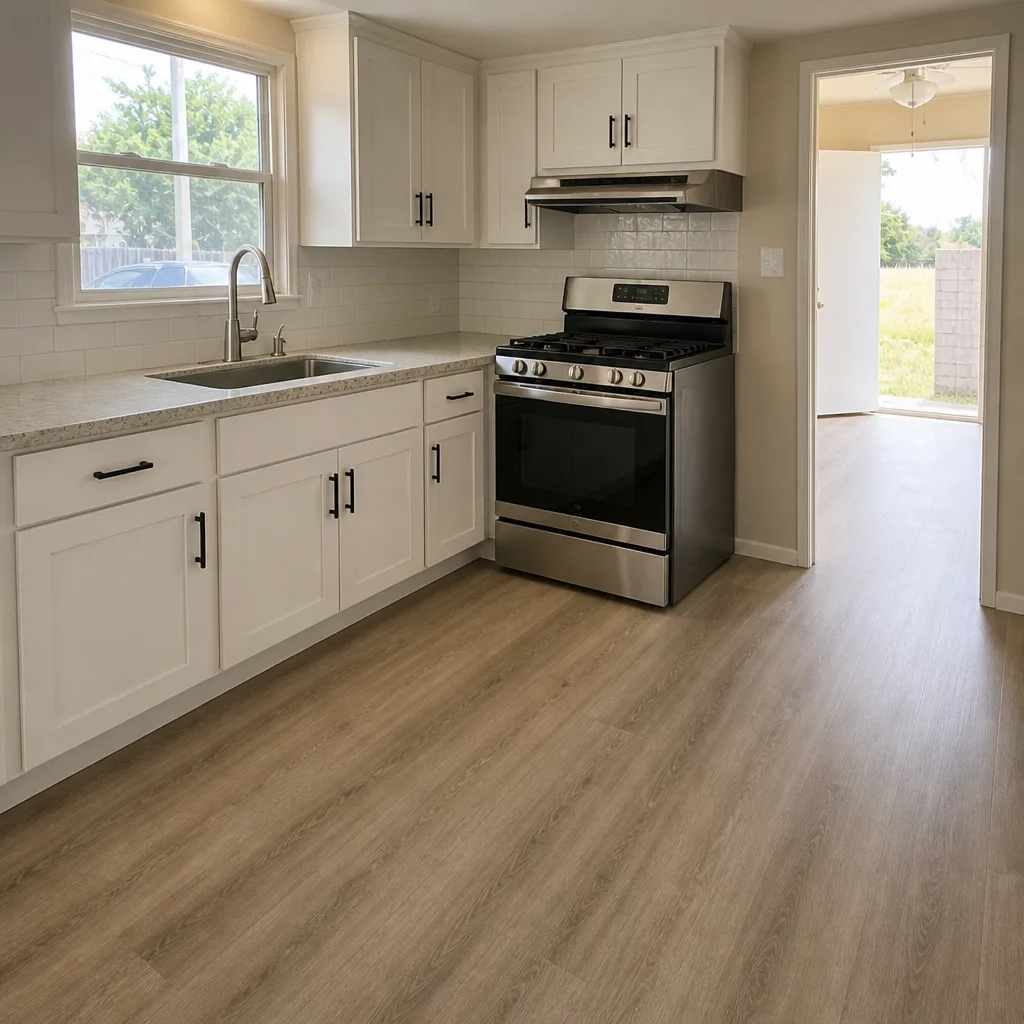 After
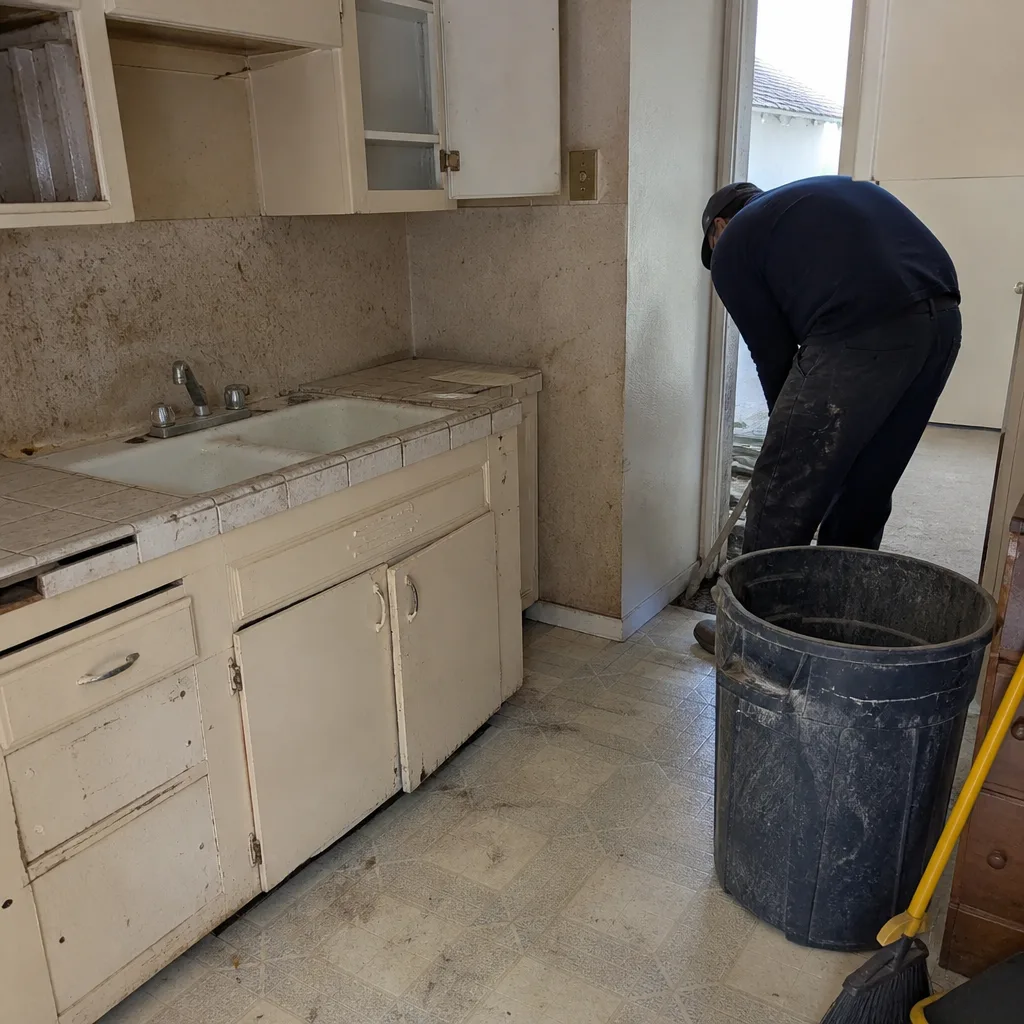 Before
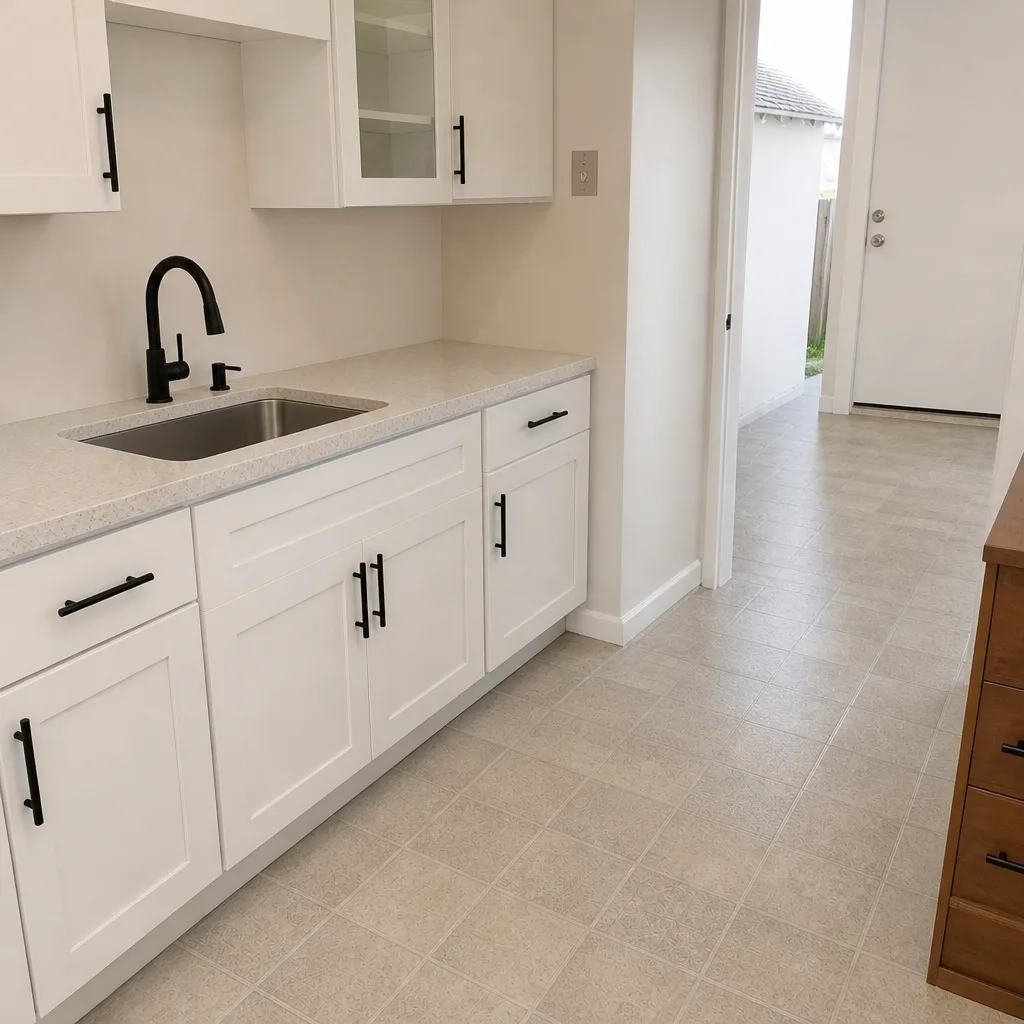 After
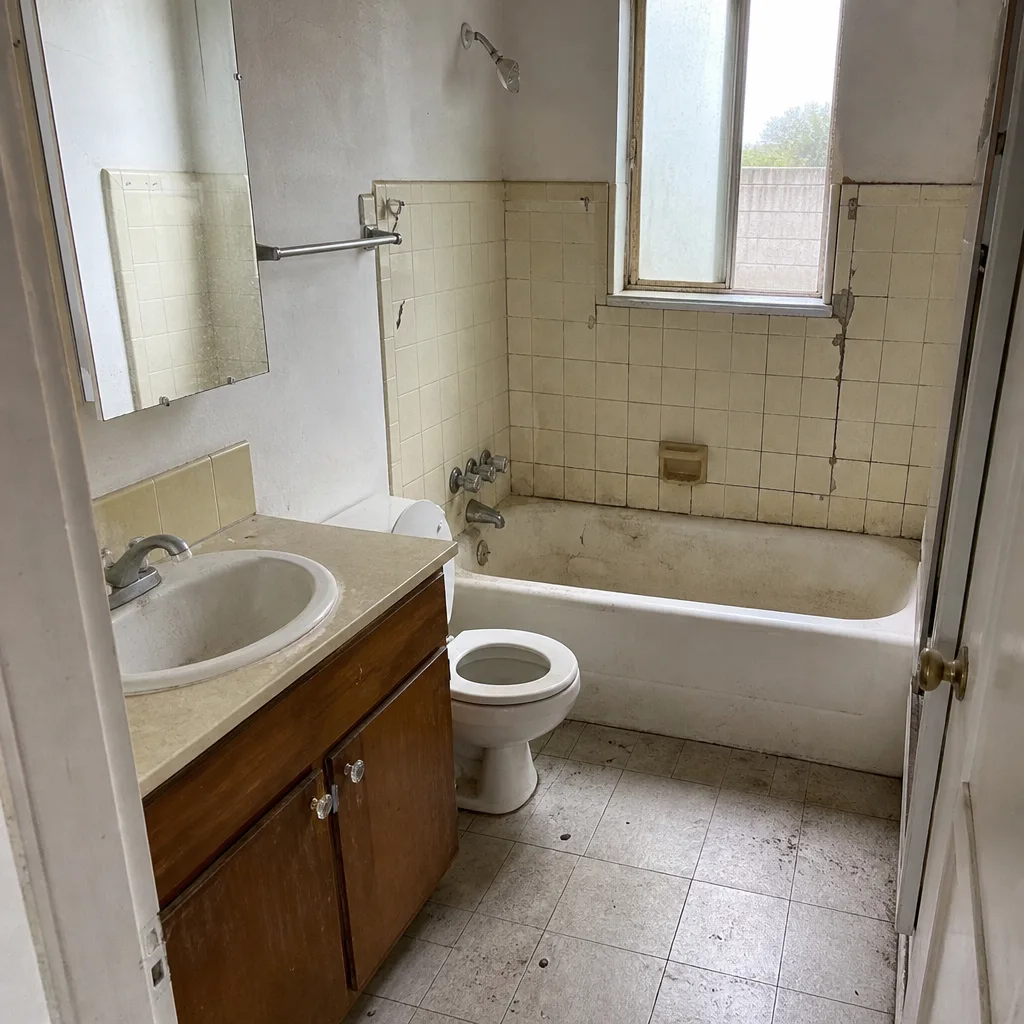 Before
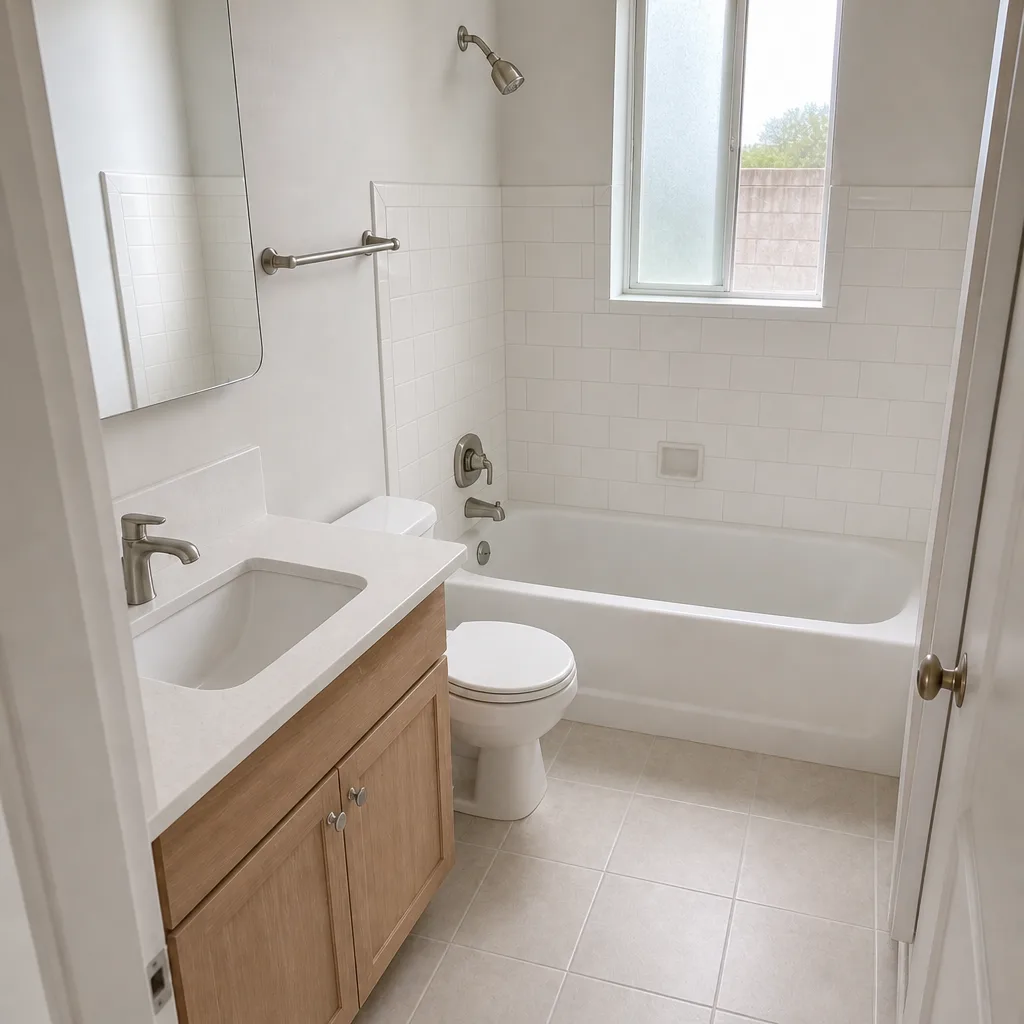 After
What It Actually Costs to Hire a General Contractor in Los Angeles
Hiring a general contractor in Los Angeles usually runs 15% to 20% of the total project cost as the GC’s overhead and profit, on top of hard construction costs and permit fees. On a kitchen remodel at the $16,520-$53,100 range, that fee is the easy number to quote. It’s also the smallest budget variable you’ll face. The LADBS plan-check timeline, seismic upgrade triggers, and hillside grading rules move your budget far more than any contractor’s markup. Call (844) 343-6681 for a written, pre-work price that neutralizes those unknowns before tools come out.
Key Takeaways
- GC overhead and profit lands at 15-20% of hard costs, and it’s the most predictable line on your budget.
- Plan-check delays, seismic hold-points, and expansive clay discoveries are the variables that actually swing a Los Angeles budget.
- Pre-1933 Spanish Colonial and Craftsman homes in Mid-City often trigger an “existing non-conforming structure” review at LADBS.
- A written price before work starts is the only tool that turns plan-check discoveries into the contractor’s problem instead of a mid-demo change order.
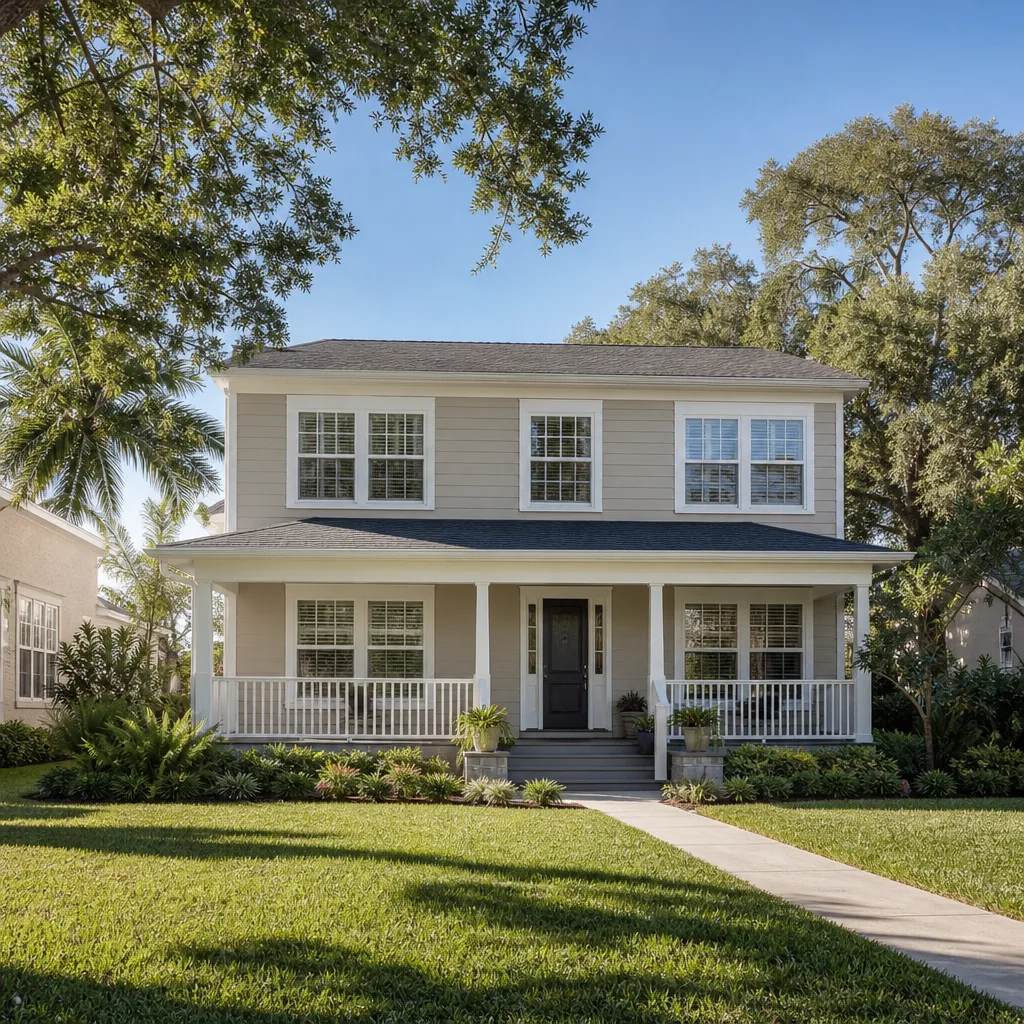
Why the GC Fee Is Not Your Real Cost Problem in Los Angeles
A 15% markup sounds like the cost to watch. It isn’t. The 90-to-120-day LADBS plan-check window that stalls your permit, and the soil report a hillside lot can force on you before a single footing is poured, will move your budget more than any contractor’s fee. Los Angeles construction sits on some of the oldest continuously inhabited residential fabric in the country, much of it pre-1933 brick and unreinforced masonry, all of it on an active seismic zone. Every project here is really a seismic-retrofit, hillside-grading, or soft-story conversation wrapped in a plan-check timeline measured in months.
That timeline is where budgets leak. A GC who carries overhead and a crew schedule has to re-mobilize when a permit slips from three weeks to four months. Materials get re-priced. Subcontractors book other work. A contractor who didn’t scope those delays into their number passes them to you later. Our general contracting approach starts by putting those contingencies in the contract before the first signature.
The Three Cost Layers in an LA Project
Most national cost calculators stop at layer one. A real Los Angeles budget has three.
- GC overhead and profit (15-20%). This covers supervision, scheduling, insurance, and margin. Straightforward, and the one line you can compare across bids.
- Hard permit and plan-check fees. LADBS publishes its fee schedule, so these are knowable. Plan-check fees for a kitchen or bath remodel typically run in the low hundreds of dollars, whole-home remodels and additions climb into the thousands, and an ADU or home addition pulls plan-check, zoning, and sometimes geotechnical review into one larger stack. These are fixed and quotable.
- Contingency triggers unique to Los Angeles. Seismic hold-points on an older home. Expansive clay soil discovered under a foundation, common after long dry summers. Wildland-Urban Interface and Chapter 7A fire-rating upgrades for anything in the Hollywood Hills or the Valley fringe. These are the lines that turn a fixed bid into a moving target.
What a Plan-Check Delay Really Costs a GC
A four-month permit instead of a three-week one carries real money: carrying costs on the job, a re-mobilization fee when the crew returns, and material re-pricing between the bid and the pour date. Bradford Remodeling Co Los Angeles writes those contingencies into the scope document so the price you sign is the price you pay. That’s the core of The Garrison Standard, and it’s why the guaranteed number is in writing before any prep begins.
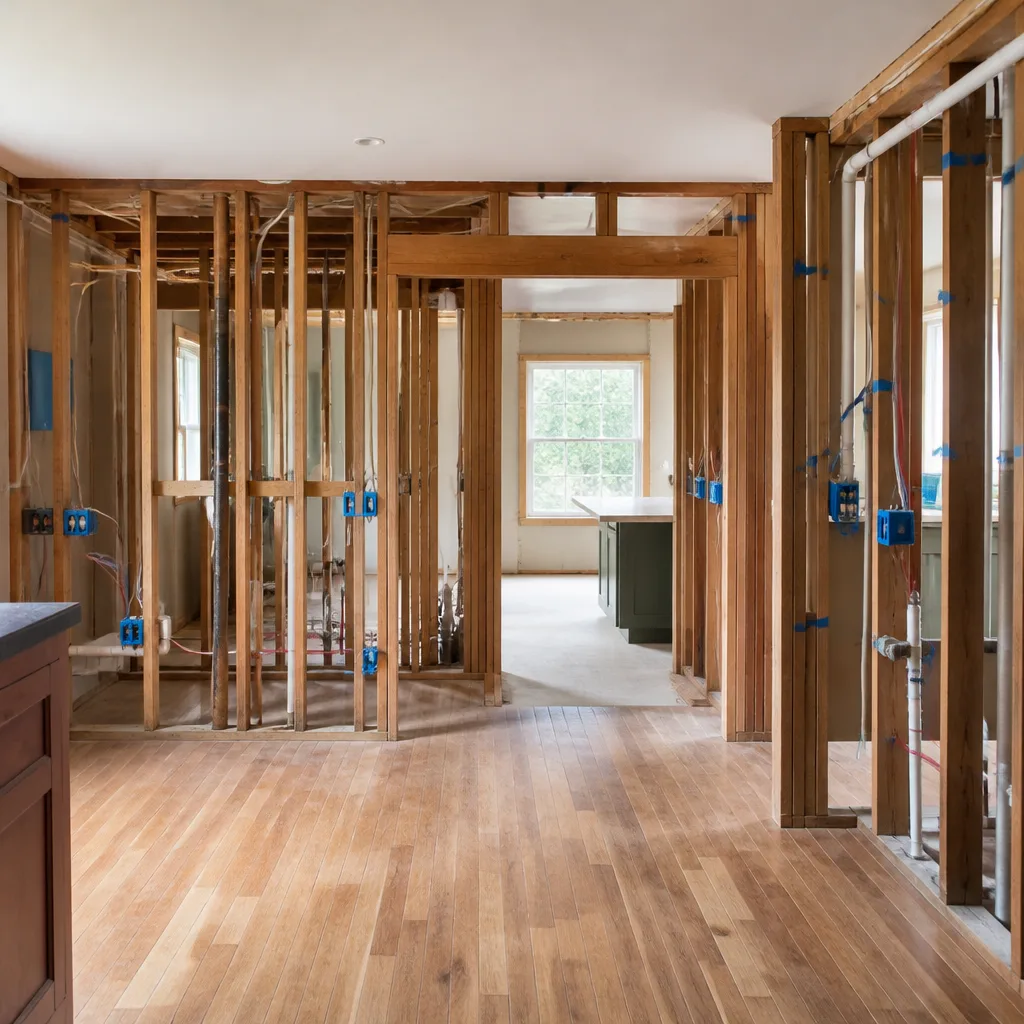
How a No-Move-at-the-Door Price Insulates You
The most common Los Angeles surprise isn’t the markup. It’s the contractor who bids low, then invoices separately for “required” seismic blocking or CalGreen compliance items that were always on the scope. Those aren’t discoveries. They were knowable from the start.
A written price that doesn’t move at the door fixes this by forcing the contractor to scope the seismic hold-points, the fire-rating upgrades, and the CalGreen line items up front. If Bradford should have scoped something and didn’t, that’s our problem to absorb, not a change order handed over mid-demo. Every completed project also carries the 365-Day Done Right Promise: a full-year written guarantee, and if the work fails inside that window, we come back and correct it at no charge.
Local Scenarios That Rewrite a Budget
Some Los Angeles jobs trigger reviews a flatland project never sees. A few we run into regularly:
- Mid-City bungalows. A 1920s Spanish Colonial or Craftsman that’s been added onto over the decades often triggers an LADBS “existing non-conforming structure” review. No national cost calculator reflects this, and it can add plan-check cycles before framing even starts.
- Hollywood Hills and Santa Monica Mountains. A cantilevered deck on a steep lot can trigger a geotechnical report and slope-density scrutiny under the city’s hillside ordinance and “basement” excavation rules.
- Koreatown and Hollywood dingbats. Mid-century buildings with tuck-under carports sit squarely in the soft-story retrofit conversation, and older wood-frame structures there carry their own engineering costs.
- Valley postwar tract homes. Expansive clay movement after long dry summers shows up as foundation and drainage issues, especially after a heavy winter rain.
Your material roster matters here too. A documented specification list makes scope traceable: KraftMaid and Wellborn cabinetry, Cambria and Caesarstone surfaces, and Kohler or Moen fixtures leave nothing to guesswork when the plan-check reviewer asks what’s going in. It also means the numbers on your written price hold, because the products behind them have manufacturer specs and warranties that back our own guarantee.
Los Angeles Cost Reference by Project Type
These are market-calibrated ranges for the construction itself. Add the GC fee and LADBS fees on top to reach your all-in number.
| Project | Typical Cost Range |
|---|---|
| Kitchen remodel | $16,520-$53,100 |
| Small kitchen remodel | $10,620-$23,600 |
| Bathroom remodel | $10,620-$33,040 |
| Small bathroom remodel | $5,900-$14,160 |
| Home addition | $53,100-$153,400 |
| ADU construction | $106,200-$259,600 |
| Garage conversion | $35,400-$94,400 |
| Cabinet installation | $4,720-$15,340 |
| Countertop installation | $2,360-$7,670 |
| Roof replacement | $9,440-$23,600 |
| Window replacement | $5,310-$17,700 |
Compare those to a kitchen remodeling page or a bathroom remodeling breakdown and you’ll see each one carries its own contingency notes. A home addition in Los Angeles almost always pulls in seismic and zoning review, and ADU construction adds a planning layer on top of plan-check. If you’re weighing a garage conversion instead, that’s a lighter permit path but still needs the same upfront scoping.
Why Homeowners Pick Bradford Remodeling Co Los Angeles
Bradford is a member of the Garrison Partners family, established in 2004, and operates as an independently owned and operated business held to The Garrison Standard. Our technicians have up to 22 years of experience, and we run background-checked, uniformed technicians on every job so you know exactly who’s walking through your door. A live person answers the phone 24/7, not a voicemail or a callback queue. We install a documented roster of premium brands, including Kohler, Moen, GAF, James Hardie, and Therma-Tru, and we put the price in writing before any work starts, every time.
FAQs
The GC’s fee in Los Angeles typically runs 15% to 20% of hard construction costs, so a $40,000 kitchen remodel carries roughly $6,000 to $8,000 in overhead and profit. That’s before LADBS permit and plan-check fees and any seismic, hillside, or fire-rating contingency. Call (844) 343-6681 for an exact written quote, and estimates are free.
It depends on the seismic and structural condition of the specific house, which is why an inspection comes first. A pre-1933 Mid-City bungalow often costs more to bring current than a postwar Valley tract home, because the older structure may trigger an existing non-conforming review and seismic hold-points. Call (844) 343-6681 and we’ll scope both paths in writing before you commit.
Yes, that’s exactly what the written price is for. Bradford scopes the seismic blocking, CalGreen items, and fire-rating upgrades we can anticipate before the contract is signed, so if we should have caught something at scoping, we absorb it rather than sending a change order mid-demo. Call (844) 343-6681 to start a free estimate.
Start dates depend on your permit and plan-check status, since LADBS timelines vary by project type and scope. We’ll map your permit path and give you a realistic schedule in writing. Call (844) 343-6681 to talk through your project and get a free estimate.
Get Your Written Price Before the First Tool Comes Out
Your Los Angeles budget is won or lost in the scoping, not the hammering. Get a written price that accounts for the plan-check timeline, the seismic triggers, and the local code before anyone touches your home. Call (844) 343-6681 for a free estimate, and we’ll answer live, any hour.
Written by the team at Bradford Remodeling Co Los Angeles, serving Los Angeles, CA.
What Our Customers Say
"Painting and drywall repair were flawless. They patched the drywall seams and the paint matches the old wall."
- Cal P."Respectful crew. Covered the floors and swept every day."
- Jackie T."Kitchen remodel run by a veteran-owned crew. They started on the day promised, kept the site clean, and gave weekly updates. New cabinets and counters look great."
- Alan M.