Last updated November 17, 2026
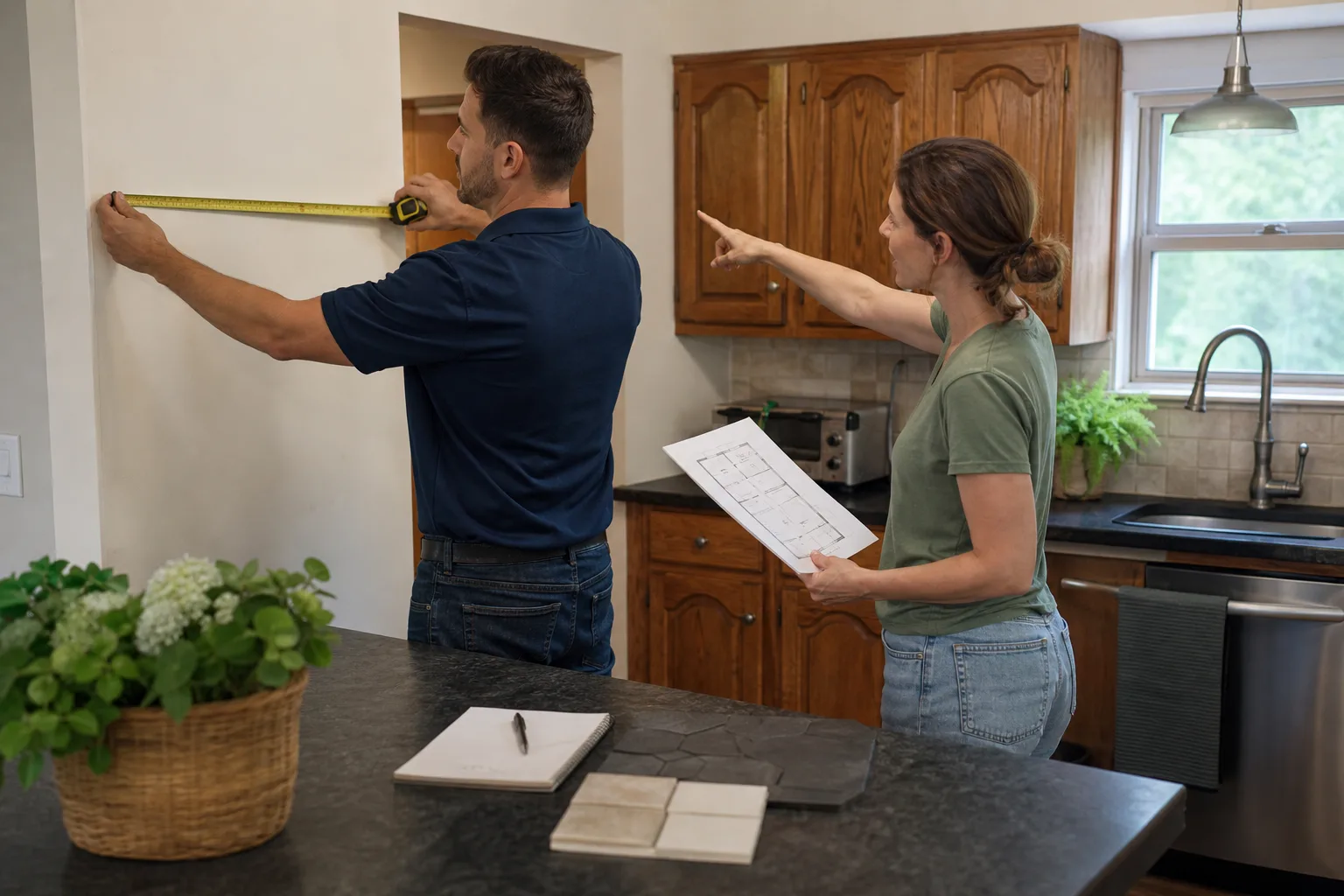
Free written scope consultation - allowances, timeline, and change-order rules on paper before a single trade is scheduled
The Complete Home Remodeling Guide for Los Angeles Homeowners
Los Angeles County contains 88 incorporated cities, and nearly every one runs its own building department with its own permit fees, plan-check queue, and inspection calendar. A contractor who has pulled hundreds of permits in Pasadena may have never set foot in the City of Los Angeles’ Department of Building and Safety – and that gap alone can cost a homeowner weeks of delay and thousands in re-fees. Whole-home remodeling here is a permitting and sequencing problem as much as a construction problem. This guide walks you through how the rules actually work, how to structure a contract around them, and what a pre-1980 Los Angeles home tends to surface once the drywall comes down.
Quick Answer
In Los Angeles, successful whole-home remodeling starts with identifying which building department controls your address and structuring the contract so each trade phase is tied to a passed inspection, not a verbal progress report. The homeowners who come out clean are the ones who locked down the jurisdictional map, the draw schedule, and the structural realities of their specific lot before hiring anyone. Price and schedule follow from those three decisions.
Styles & brands we work with
- Kitchen remodeling
- Bathroom remodeling
- Home additions & ADU
- Roofing
- Windows & doors
- Driveway & pavers
- Fence
Table of Contents
- Which Building Department Controls Your Permit?
- Structuring a Whole-Home Remodel Contract
- LA-Specific Structural Realities: Hillsides, Soft-Story, Pre-1980 Homes
- How to Evaluate a GC’s Subcontractor Roster
- Staged Payment Schedules and California Contract Law
- Scoping the Work: What Actually Drives Cost in Los Angeles
- Common Mistakes to Avoid
- Frequently Asked Questions
Which Building Department Controls Your Permit?
The first question on any Los Angeles remodel is not what you want to build – it’s who signs the permit. There are three distinct jurisdictions, and they behave very differently.
- City of Los Angeles – covers roughly 470 square miles and runs through the Department of Building and Safety, with separate district offices (Van Nuys, West LA, South LA, Downtown, and others). Plan-check queues here can run from several weeks to a few months depending on scope and whether you trigger discretionary review.
- Unincorporated LA County – areas like East LA, Florence-Firestone, Altadena (before incorporation), and much of the Antelope Valley fall under LA County Public Works, Building and Safety Division. Fee schedules and inspection timelines differ from the city.
- Independent cities – Santa Monica, Beverly Hills, Pasadena, Burbank, Glendale, Long Beach, Culver City, and dozens more each run their own departments. Some are fast and cooperative; others are notoriously strict on hillside grading and historic overlays.
Why this matters in practice: if your contractor shows up with a City of LA permit application for a Beverly Hills address, you’ll lose two to three weeks before anyone catches the error. Ask any GC you’re considering to name the specific department that controls your address and the current plan-check turnaround they’ve personally experienced there in the last 90 days. If they can’t name it, they haven’t worked in your jurisdiction. Our General Contractor in Los Angeles page covers how we approach jurisdictional mapping on every project.
Structuring a Whole-Home Remodel Contract
Verbal progress updates are the single biggest source of contractor-homeowner disputes on remodel projects across Los Angeles. The fix is structural: tie each phase of work to a written completion milestone, and tie each milestone to a passed inspection – not to a phone call saying “we’re almost done with rough-in.”
Here’s the structure we use, and the structure you should demand from any GC:
- Define trade phases explicitly. Demo, foundation/structural, rough plumbing, rough electrical, rough mechanical (HVAC), insulation, drywall, finish trades, final inspection. Each phase gets its own line item in the contract with a written description of what “complete” means.
- Tie each phase to an inspection sign-off. Rough plumbing isn’t complete when the plumber says it is. It’s complete when the inspector signs the card. The contract should read: “Rough plumbing phase deemed complete upon passing inspection and delivery of signed inspection record to homeowner.”
- List the pass criteria. For finish trades, define the standard: three coats of paint, gaps under 1/16 inch at trim joints, tile grout lines within tolerance. Numbers, not adjectives.
- Include the written price, locked. Every line item priced before work starts. No “we’ll see what we find” language on scope that can reasonably be scoped.
- Put change-order protocol in writing. No change order is valid without a written price adjustment signed by both parties before the work is performed. No exceptions.
At Bradford Remodeling, the written price and the milestone schedule go into the contract before a single tool comes out. That’s the backbone of The Garrison Standard – the framework every Garrison Partners location operates under. It’s the opposite of the verbal-update, reprice-at-the-door pattern that Los Angeles homeowners keep telling us they’ve been burned by.
LA-Specific Structural Realities: Hillsides, Soft-Story, Pre-1980 Homes
Los Angeles has structural conditions that generic remodeling guides ignore entirely. Three matter disproportionately.
Hillside lots and caissons
If your property sits on a slope greater than 15 percent, your remodel likely triggers the City of LA’s hillside grading ordinance and possibly geotechnical review. Caissons – deep concrete piles drilled to bedrock or competent soil – are commonly required for additions and are priced per linear foot. A single caisson can run from $3,000 to $8,000+ depending on depth and access. Neighborhoods like Hollywood Hills, Mount Washington, and parts of Sherman Oaks see this regularly. Competitors love to gloss over it. We won’t – it’s one of the biggest single-line surprises in a Los Angeles remodel budget.
Soft-story retrofit
Wood-frame buildings with tuck-under parking (common in 1960s-70s apartment-over-garage configurations, and in some single-family homes with carports) fall under LA’s mandatory soft-story retrofit ordinance. If your remodel touches the lateral system or adds significant load, expect the retrofit to be required alongside your scope.
Pre-1980 homes
Any Los Angeles home built before 1980 is likely to surface at least one of: asbestos in floor tile, joint compound, or pipe wrap; lead paint on trim and doors; aluminum branch wiring (common in 1965-1978 builds); cast-iron drain lines nearing end of life; and knob-and-tube remnants hidden behind drywall. Budget 8 to 15 percent of the remodel cost as a contingency specifically for pre-1980 abatement and remediation. It’s not pessimism – it’s arithmetic.
How to Evaluate a GC’s Subcontractor Roster
When a general contractor says “we handle everything in-house,” ask exactly what that means. In California, the trades that touch your home require separate licensing under the Contractors State License Board: C-36 for plumbing, C-10 for electrical, C-35 for lath and plaster, C-20 for HVAC, C-39 for roofing. A B-General Building contractor can pull permits and manage the project – but they cannot legally perform those trades themselves unless they hold the specialty license.
What “in-house” almost always means in practice: a W-2 or 1099 crew that may or may not be properly licensed for the trade, and no paper trail. Here’s what to demand instead:
- Name the license class for each trade. “Licensed plumber” is not enough. You want the CSLB license number and its class (C-36) on the contract.
- Ask who pulls the sub-permits. For plumbing and electrical rough-in, the sub-permits should be pulled by the licensed sub, not the GC on their behalf. That keeps accountability clean.
- Ask for the last three projects where the sub worked. A good GC maintains a stable roster. If they can’t name the plumber who will be on your job, they haven’t selected one yet.
- Verify insurance certificates. Each sub should carry general liability and workers’ comp, and the GC should have certificates on file before the sub steps on site.
Our roster is documented, background-checked, and attached to each scope in writing. That’s a Garrison Standard requirement, not a nice-to-have.
Staged Payment Schedules and California Contract Law
California’s Business and Professions Code Section 7159 governs home improvement contracts, and it’s specific about what must be in writing: scope, price, payment schedule, commencement and completion dates, and a notice of the homeowner’s three-day right to cancel. Verbal agreements don’t satisfy it. If a contractor hands you a one-page proposal with a total number and a handshake, walk away.
The industry-standard draw structure for a whole-home remodel in Los Angeles looks roughly like this:
- 10 percent – signing deposit (California caps deposit at 10 percent or $1,000, whichever is less, on most residential contracts)
- 15-20 percent – mobilization and demolition
- 20-25 percent – rough trades complete and inspected
- 20-25 percent – drywall, insulation, and finish prep
- 15-20 percent – finish trades substantially complete
- 10 percent – final punch list and final inspection passed
That final 10 percent is your performance lever. Never release it until the punch list is fully closed, final inspection has passed, and you have the written 365-Day Done Right Promise in hand. That promise is the guarantee every Bradford Remodeling project carries: if the work fails within one year of completion, we come back and correct it at no charge.
Scoping the Work: What Actually Drives Cost in Los Angeles
Remodel costs in Los Angeles vary more street to street than city to city. A kitchen in Silver Lake and a kitchen in Torrance share almost no price overlap because the age of the housing stock, the permit jurisdiction, and the structural surprises all differ.
Rough ranges for planning a whole-home remodel in Los Angeles, based on the work we scope most often:
- Cosmetic refresh (paint, flooring, fixtures, no permit work): $40,000-$90,000
- Mid-scope remodel (one or two rooms, kitchen or bath, mechanicals in place): $120,000-$250,000
- Whole-home structural (moves walls, new mechanicals, kitchen plus baths, pre-1980 abatement, soft-story or hillside work): $350,000-$750,000+
Every number gets written down before work starts, line-by-line, so you can see what’s driving the total. For narrower scope, our Kitchen Remodeling in Los Angeles and Bathroom Remodeling in Los Angeles pages break down the specific line items in those rooms.
Materials matter to the number and to the warranty. When we specify KraftMaid or Wellborn cabinetry, Cambria or Caesarstone surfaces, Kohler and Moen fixtures, GAF or CertainTeed roofing, James Hardie siding, or Therma-Tru doors, the manufacturer specs and warranties stack cleanly with our own 365-Day Done Right Promise. Nothing is left to guesswork, and nothing falls into the gap between “manufacturer says” and “contractor says.”
Common Mistakes to Avoid
- Hiring a GC without checking jurisdiction experience. A contractor with 20 years in Santa Monica may have never pulled a permit in the City of Los Angeles. Ask which departments they’ve worked in and when.
- Accepting a verbal milestone schedule. “We’ll be done with rough-in in three weeks” is not a milestone. A passed inspection card is. Get it in writing.
- Releasing the final draw before punch list close. That 10 percent is your only real leverage. Spend it last, after the final inspection signs off.
- Skipping the pre-1980 contingency. Los Angeles homes built before 1980 surface surprises at an 8-15 percent clip above the base scope. Budget for it or borrow for it later.
- Letting “in-house” replace licensed subs. Plumbing, electrical, and lath/plaster require C-36, C-10, and C-35 licenses. Get the license number and class on the contract for each trade.
- Ignoring hillside grading rules on a slope lot. A remodel that touches the structure on a steep lot can trigger geotechnical review and caisson requirements that add six figures to the scope silently.
- Not asking about the soft-story ordinance. If your home is on the LA retrofit list, the work will surface eventually. Better in the initial scope than mid-project.
See the difference
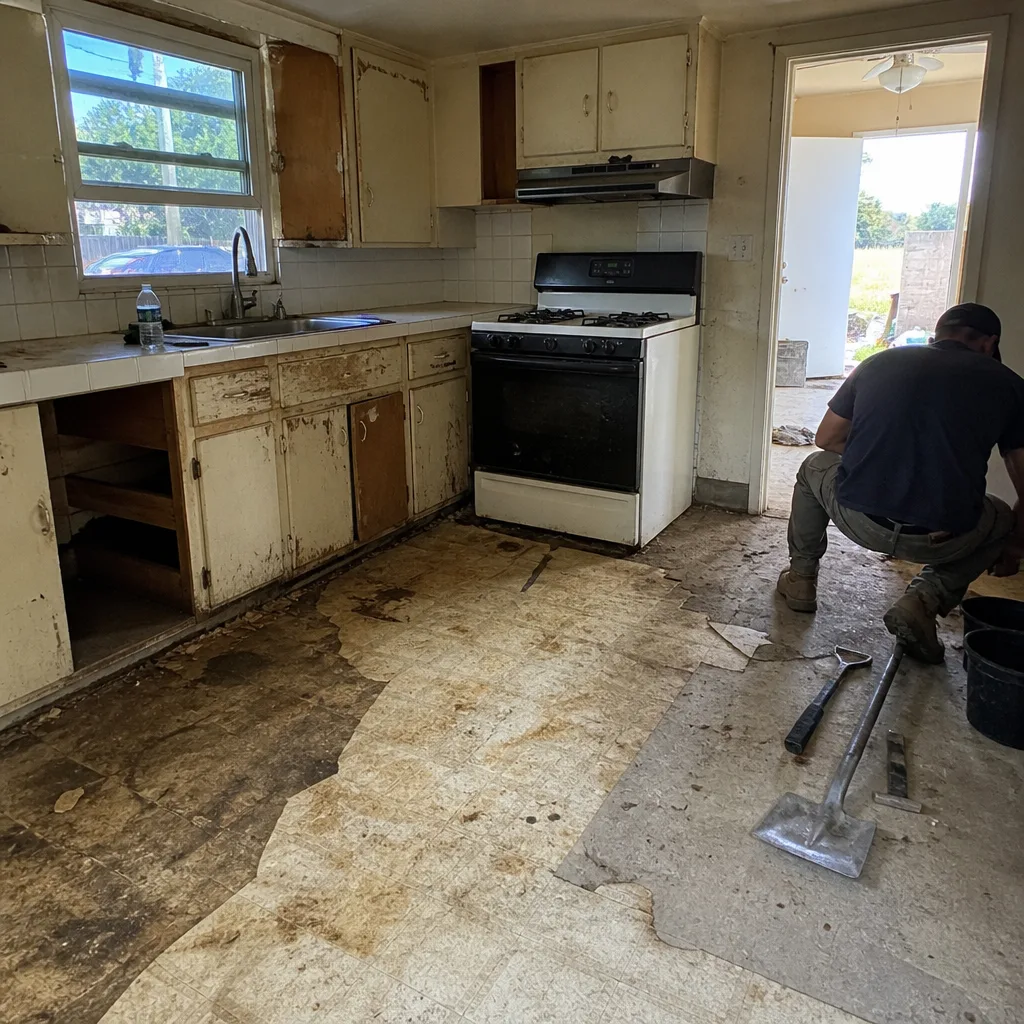 Before
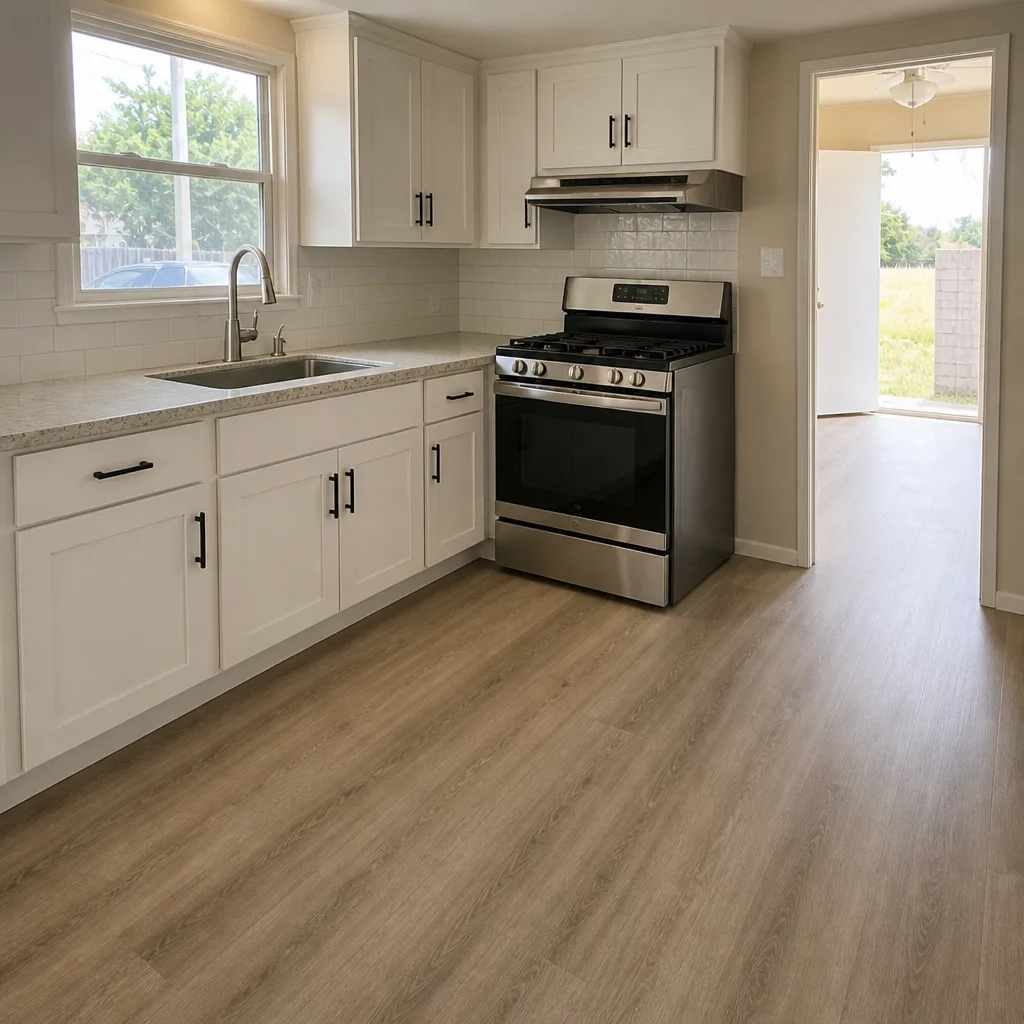 After
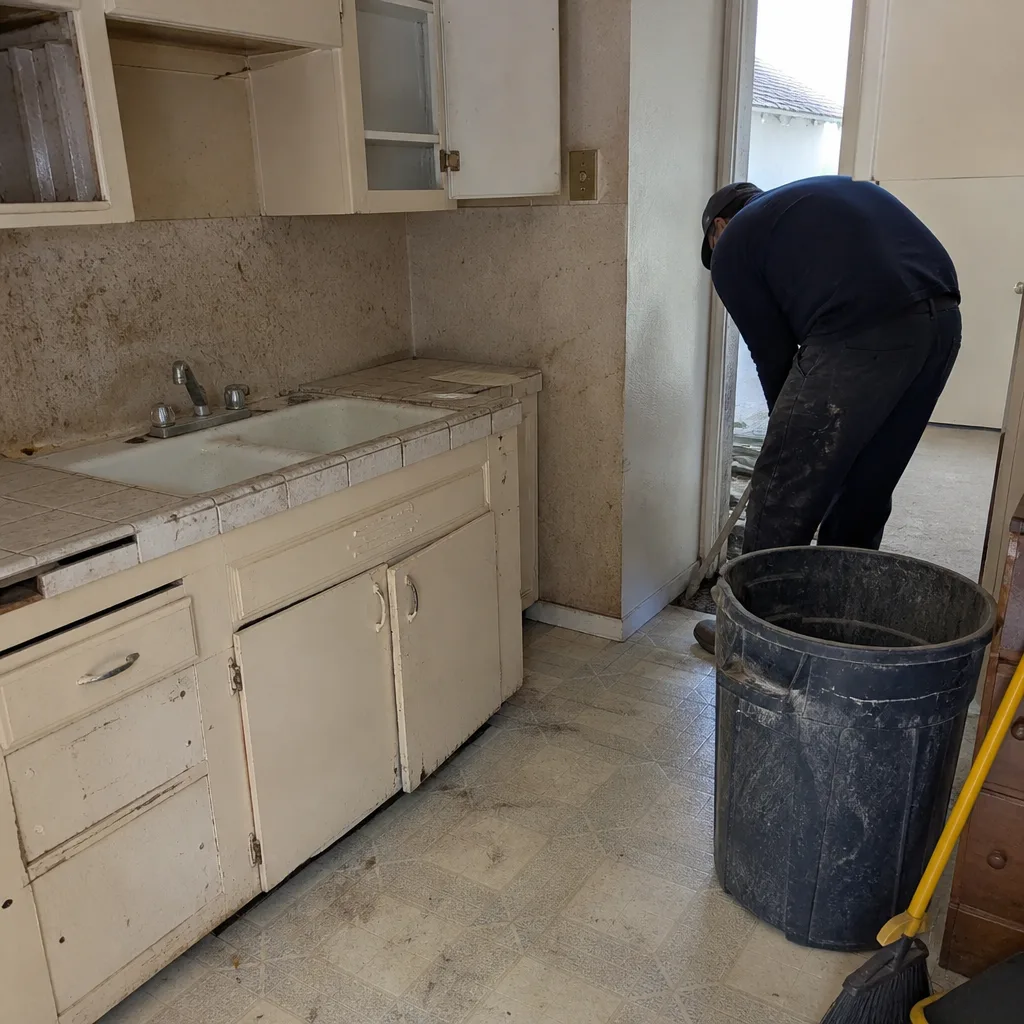 Before
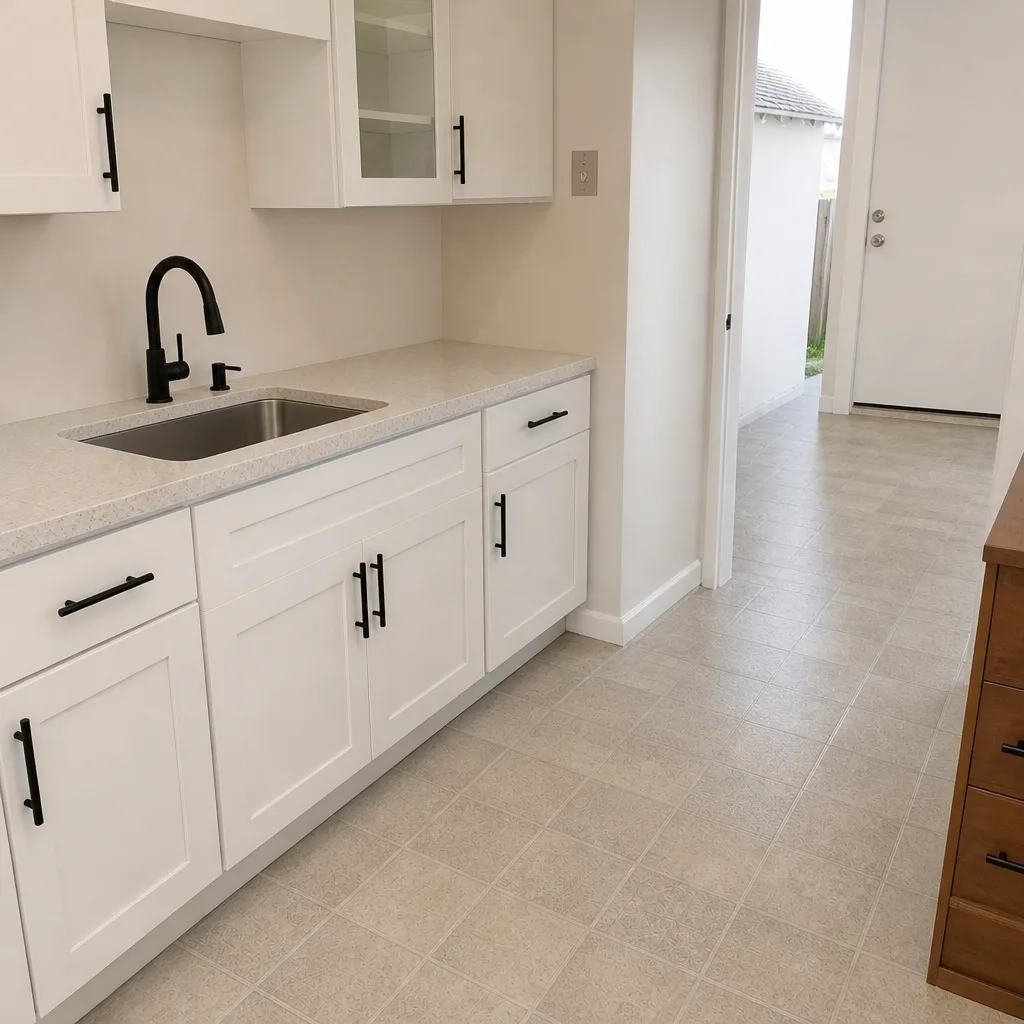 After
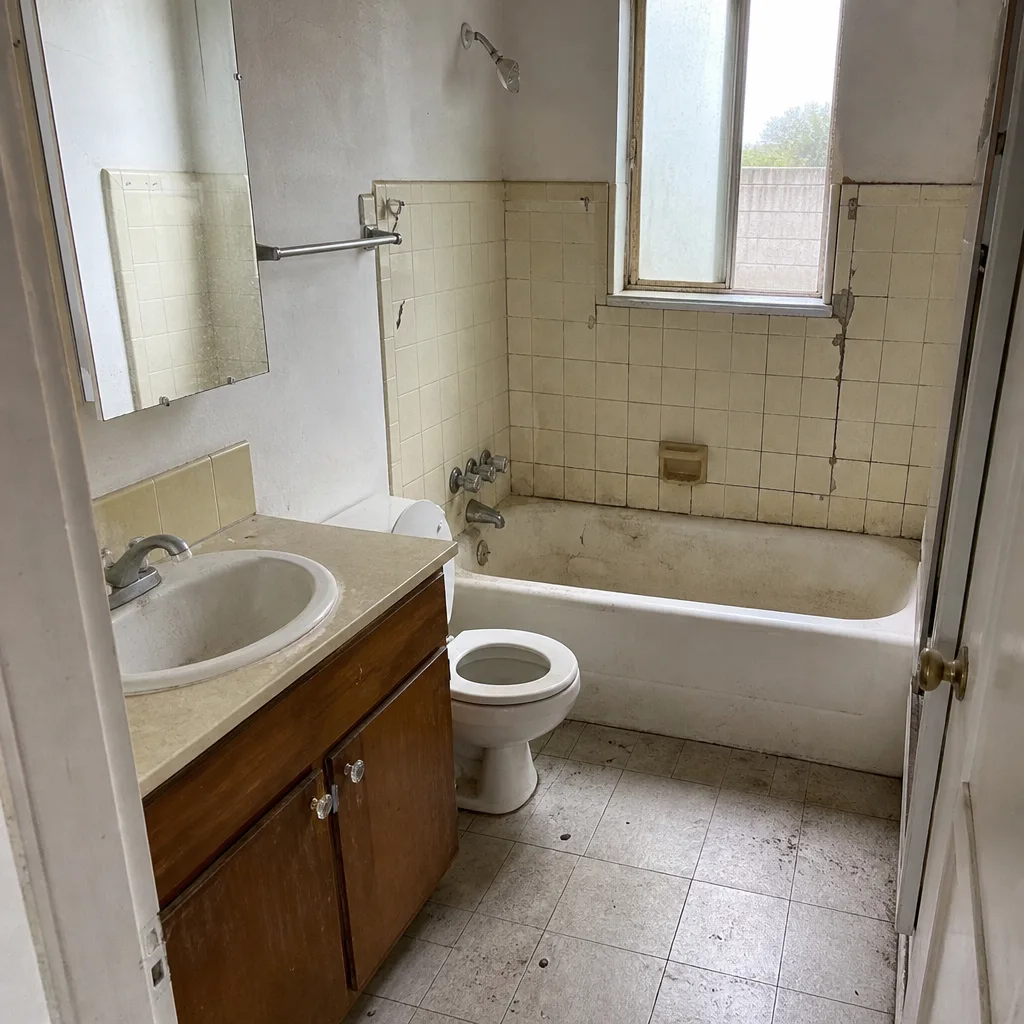 Before
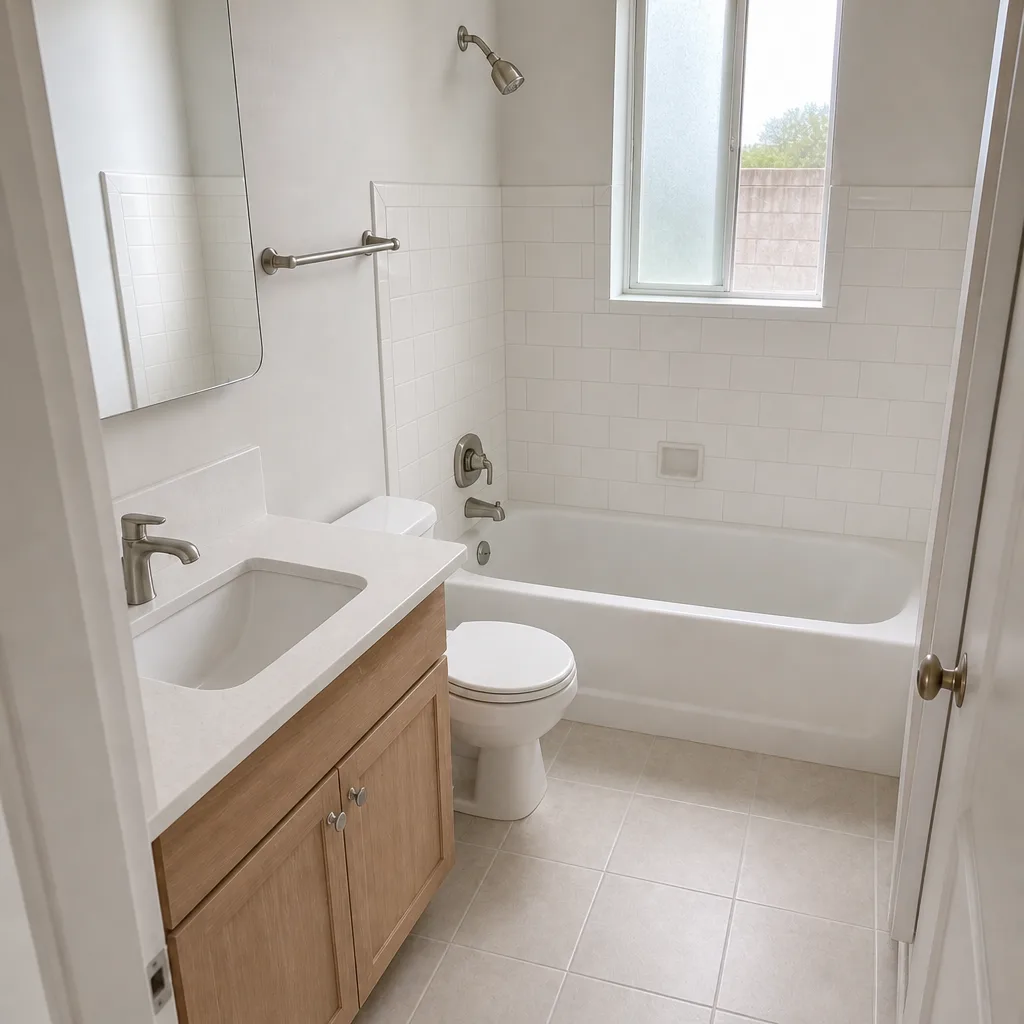 After
When to Call a Professional
Any remodel that touches structural walls, mechanical systems, or requires a building permit in Los Angeles requires a licensed general contractor – full stop. If your home is pre-1980 and the scope involves demolition, you’re dealing with potential asbestos and lead abatement that carries real health consequences if handled wrong. If your lot is on a slope, if your home sits over a tuck-under garage, or if you’re adding square footage, the structural and jurisdictional layers stack quickly. And if you’ve already been through one bad experience with a GC who no-showed or repriced mid-project, the right move is to get a written price and a written guarantee from the next one before you sign. Bradford Remodeling Co Los Angeles offers free estimates in Los Angeles – call (844) 343-6681 to schedule yours.
Frequently Asked Questions
Whole-home remodeling in Los Angeles typically runs from $350,000 to $750,000 or more, depending on structural scope, pre-1980 abatement, hillside work, and whether the project triggers soft-story retrofit requirements. Cosmetic-only refreshes land in the $40,000-$90,000 range. Every project we quote comes with a written line-item price before work starts, so the number you see is the number you sign. Call (844) 343-6681 for an exact quote on your address – estimates are free.
It depends on your address. The City of Los Angeles Department of Building and Safety handles properties inside the city; LA County Public Works Building and Safety handles unincorporated areas; and 87 other incorporated cities in the county (Santa Monica, Pasadena, Beverly Hills, Burbank, Long Beach, and dozens more) run their own departments with distinct fee schedules and inspection timelines. Confirm which department controls your address before signing any contract, because a permit filed with the wrong jurisdiction costs weeks.
Not on the base scope. Our written price is locked before work starts, and change orders require a written price adjustment signed by both parties before the work is performed. What can change the number is a genuine pre-1980 discovery – asbestos, hidden aluminum wiring, or a failed cast-iron drain line – which is why we budget a specific contingency line into every remodel of older Los Angeles housing stock. Call (844) 343-6681 and we’ll walk through how the contingency line works for your specific address.
Yes. Bradford pulls all general building permits and manages the plan-check process with whichever department controls your address. Specialty sub-permits (plumbing, electrical, HVAC) are pulled by the licensed specialty contractor performing the work, so accountability sits where the work does. Every permit and inspection record is delivered to you in writing at project close.
Plan-check alone in the City of Los Angeles can run six to twelve weeks for a whole-home scope, and construction typically runs four to eight months on top of that depending on structural work, abatement, and finish selections. Hillside and soft-story projects push the timeline longer. We build the schedule into the contract with written completion milestones tied to passed inspections, so you know what “on track” actually looks like. Call (844) 343-6681 to schedule a free estimate.
Every Bradford Remodeling project carries a full one-year written guarantee: if the work fails within 365 days of completion, we return and correct it at no charge. That includes labor and workmanship failures across the trades we managed – not just the material manufacturer’s warranty. The full terms come to you in writing before work starts, and you’ll have the signed guarantee in your hand at project close. Call (844) 343-6681 to get the terms in front of you before you commit.
The Bottom Line
Whole-home remodeling in Los Angeles is won or lost on three decisions made before construction starts: which building department controls your permit, how the contract ties milestones to inspections, and how the payment schedule protects your final 10 percent. Hillside caissons, soft-story retrofit requirements, and pre-1980 abatement are the three cost drivers most guides ignore, and they’re the ones most likely to wreck your budget if they surface mid-project. Get a written price, demand documented trade licenses, and never release the final draw until the punch list and final inspection are both closed. Start by exploring our Bradford Remodeling Co Los Angeles home page, or call (844) 343-6681 for a free estimate on your project. Proud to be part of the Garrison Partners family since 2004, operating as an independently owned and operated business held to The Garrison Standard – and answering the phone with a live person, 24/7.
Written by the team at Bradford Remodeling Co Los Angeles.