Last updated November 17, 2026



Free written scope consultation - allowances, timeline, and change-order rules on paper before a single trade is scheduled
Construction Emergency Preparedness Guide for Los Angeles Homes
Most Los Angeles homeowners have a fire extinguisher and a plan for the earthquake kit. Almost none have a plan for the other construction emergency: the contractor who takes a deposit, opens your roof deck, pulls the drywall, then stops answering his phone. In our experience working Los Angeles job sites, that scenario is far more common than a structural collapse. The half-finished structure left behind – exposed sheathing, open plumbing stub-outs, live temporary wiring – becomes your liability, not his, usually inside 30 days. This guide covers both categories of emergency: the acute structural events like earthquakes and storm damage, and the cascading contractor failures, abandoned projects, failed inspections, and uninsured labor injuries that leave you holding the site. We’ll walk through the first 72 hours, the insurance gaps, and the recovery paths that actually exist.
Quick Answer
A construction emergency in Los Angeles means either an acute structural event (earthquake, fire, storm damage) or a contractor failure (abandonment, failed inspection, uninsured-worker injury) that leaves your home exposed. Your first move in either case is to stop work, document everything with timestamped photos and video, and pull your signed contract and permit records. From there, the path branches: acute events go to insurance and emergency mitigation; contractor failures go to the CSLB complaint process and, depending on your contract, the surety bond or recovery fund.
Styles & brands we work with
- Kitchen remodeling
- Bathroom remodeling
- Home additions & ADU
- Roofing
- Windows & doors
- Driveway & pavers
- Fence
Table of Contents
- The First 72 Hours After Contractor Abandonment
- Earthquake Response on an Active Remodel Site
- Filing a CSLB Complaint: What the Recovery Fund Actually Pays
- Post-Storm Tarping and Temporary Repair Without Voiding Permits
- The Insurance Gap in Mid-Construction
- Keeping Inspection Continuity When Work Changes Hands
- Documenting Site Condition Before You Touch Anything
The First 72 Hours After Contractor Abandonment
Abandonment is a legal term, not just a feeling. In California, a contractor who stops working without notice and without completing the scope has likely violated Business and Professions Code section 7107, which defines abandonment as a cause for license discipline. But the burden of proving it is on you, and the clock matters. Here’s the sequence we recommend, in order, starting the day you’re certain the crew isn’t coming back.
- Send written notice of default. Certified mail, return receipt requested, to the address on your contract and to the address on file with the CSLB. State the date work stopped, the scope remaining, and a demand to cure within a reasonable window (10 business days is standard). This creates the paper trail a bond claim or CSLB complaint requires. A text message is not notice.
- Photograph and video the entire site. Every room, every opening, the panel, the plumbing rough-in, the roof deck. Timestamp it. Do this before you move anything. If a dispute later turns on whether a wall was framed or finished, your photos are the record.
- Secure the structure without altering the work. Close and lock openings, cap open plumbing if water is live, and cover exposed roof deck. Keep every material you remove. Do not demolish the contractor’s work – a demo crew can read as you accepting the abandonment and starting a new project.
- Pull the permit file. Check with the Los Angeles Department of Building and Safety (LADBS) for the current status of your permits. Note any open inspections. An open permit on an abandoned project is your problem, and it will block future work until resolved.
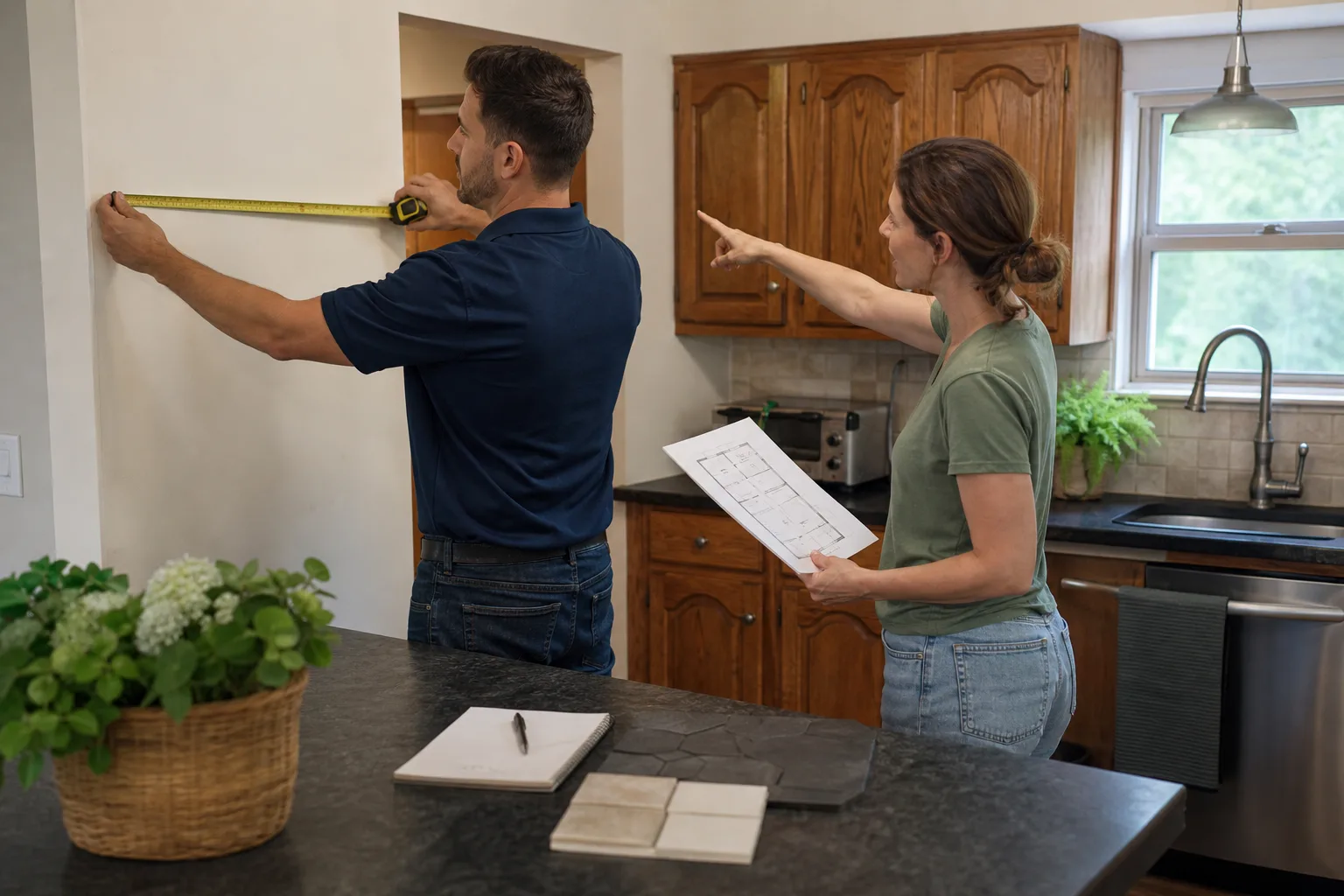
- Get a second licensed opinion in writing. A licensed general contractor can inspect the site and provide a written scope and price for what remains. That document becomes evidence of the value of the unfinished work, which the CSLB and the surety will both want to see.
In our experience, the single biggest mistake homeowners make in the first 72 hours is waiting. Waiting for the contractor to come back, waiting to see if a check clears, waiting to call the CSLB because it feels aggressive. The site doesn’t wait. Every week of exposure to Los Angeles sun and the occasional rain event adds damage that isn’t the contractor’s fault anymore.
Earthquake Response on an Active Remodel Site
A structure under active remodel is more vulnerable to seismic movement than a finished house, and less obviously so. The moment you remove shear walls to open a kitchen, you’ve reduced lateral resistance. A wall that was braced by finished drywall and nailing is now a framed cavity. Add a temporary power pole and a partially removed roof, and you have a building with a different load path than the one it was engineered for. This is why we don’t leave framing open across a weekend without a plan – not because we expect an earthquake, but because the standard doesn’t care when one arrives.
What to do if a significant quake hits mid-project:
- Do not re-enter to inspect the work. If there’s any question about structural integrity, wait for a licensed professional. Los Angeles Fire Department and LADBS will post a building inspection notice after a major event – red, yellow, or green tag. Read it.
- Check the temporary bracing before anything else. Temporary shoring on load-bearing walls should be engineered for lateral loads, not just vertical. If the shoring looks displaced, cracked at the connections, or leaning, treat the wall behind it as unsupported.
- Shut off the gas and water if there’s visible damage. Open rough-ins mean a broken supply line can flood a framed cavity before you see it. Know where your gas meter shutoff is before the event.
- Photograph the site before cleanup. Your builder’s risk policy (more on that below) or your contractor’s general liability may respond, but only with documentation of the pre-shift and post-shift condition.
Temporary bracing standards for an active site should follow the engineered plans. If the plans call for shear wall hold-downs and you’re in the open-frame stage, the hold-downs should be installed even though the wall isn’t finished. We’ve walked into Los Angeles remodels where the framing was up for a month with no hold-downs because “the framer was coming back.” That’s not a schedule problem. That’s a life-safety problem, and if a quake hits before the framer returns, it belongs to whoever left the wall open. No homeowner should be put in that position by a crew.
Filing a CSLB Complaint: What the Recovery Fund Actually Pays
The Contractors State License Board is the state agency that licenses and disciplines contractors. Its recovery fund, called the Contractors’ State License Law Recovery Account, exists to reimburse homeowners who got a judgment against a licensed contractor who won’t pay. It’s real, but it’s narrow, and the amount caps matter. Here’s what the fund covers:
- Maximum award per project: The fund caps at a per-project statutory limit (it has been raised over the years; check the CSLB’s current figure before you file). It covers actual damages, not attorney fees or costs.
- Eligible project types: residential work for which the contractor was licensed at the time of the contract. Unlicensed-contractor jobs don’t qualify for the fund.
- Required documentation: a signed contract, proof of payment, photos of the incomplete or defective work, a written demand for completion or correction, and a final judgment from a civil court or an arbitration award.
- The filing sequence: CSLB complaint → investigation → citation or license action → civil judgment → recovery fund application. It’s a year-plus process, not a 90-day one.
- What it doesn’t cover: any amount above the cap, attorney fees, lost rent, and the cost of emergency mitigation you did without documentation.
Every Bradford Remodeling Co Los Angeles project is quoted with a written price before any work starts and backed by the 365-Day Done Right Promise, which is a written guarantee that if the work fails in the year after completion we return and correct it at no charge. That’s not the same as a state recovery fund – it’s a much faster path because it’s contractual, not litigated. The point of the recovery fund is that it’s the backstop for the homeowner whose contractor won’t stand behind the work. We think the job should be built so you never need it. If you’re considering a Los Angeles remodel and you want the written guarantee before the crew shows up, see how our general contracting in Los Angeles handles the paper.
Post-Storm Tarping and Temporary Repair Without Voiding Permits
Los Angeles gets its rain in a handful of storm events, usually between December and March, and the water arrives fast. If your roof is open because a remodel is mid-scope, or a storm peeled back material on a finished section, the emergency mitigation you do in the first 24 hours matters. The line that matters is this: emergency work to prevent further damage is generally allowed without a permit, but permanent repair requires a permit, and permanent repair performed under a “temporary” label can void your inspection chain.
What you can do yourself without a permit:
- Place tarps or plastic sheeting over an exposed roof area, weighted or battened, to shed water. Keep it above the finished surface.
- Close openings with plywood or OSB if a window or door was removed. This is temporary site protection, not construction.
- Move materials and tools out of the water path. Photograph what you moved.
- Shut off power to wet circuits at the panel if water is present near temporary wiring. Do not re-energize until a licensed electrician has assessed it.
What requires a licensed contractor and a permit to keep the inspection chain intact:
- Any replacement of roofing material, underlayment, flashing, or sheathing.
- Structural repair, even to a storm-damaged section of framing.
- Re-running any rough-in (plumbing, electrical, gas) that was exposed or damaged.
When a storm hits an active Los Angeles job, the smart move is to call the contractor who holds the permit and get them on site for temporary protection the same day. If they can’t or won’t come, you’re now in a documentation-first situation and you should treat it as such. The CSLB and LADBS both want to see that you took reasonable steps to prevent further damage. A tarp photo with a timestamp is reasonable. A tarp without a photo is a claim they’ll deny.
The Insurance Gap in Mid-Construction
Here’s a gap that surprises nearly every homeowner we work with: a standard HO-3 homeowner’s policy may not cover a structure under active, permitted renovation. The policy is written for a finished home in a stable condition. The moment you pull a permit and start opening walls, the risk profile changes, and many carriers either exclude the renovation work itself or require a builder’s risk endorsement. Check your policy before the demo starts, not after. The conversation you want is with your insurance agent asking one question: “Does the policy cover the structure while it’s under active permitted renovation, and does it cover the contractor’s work?”
What a builder’s risk policy covers that your homeowner’s policy may not:
- The structure itself while under construction, including partially installed materials.
- Materials and supplies on site that haven’t yet been installed.
- Damage from fire, wind, water, and theft during the construction period.
- The cost of debris removal after a covered loss.
Who should carry it depends on the contract. In most residential remodels, the general contractor carries a builder’s risk policy or a renovation endorsement on their own policy, and the homeowner carries the finished-structure policy. Get the certificate of insurance before work starts, and make sure the policy term covers the schedule plus a few weeks of float. Bradford Remodeling Co Los Angeles provides a written price and the full paper before any work begins – the insurance conversation is part of that, not an afterthought. If a contractor can’t produce a certificate of insurance, that’s the first sign you’re about to own the gap.
See the difference
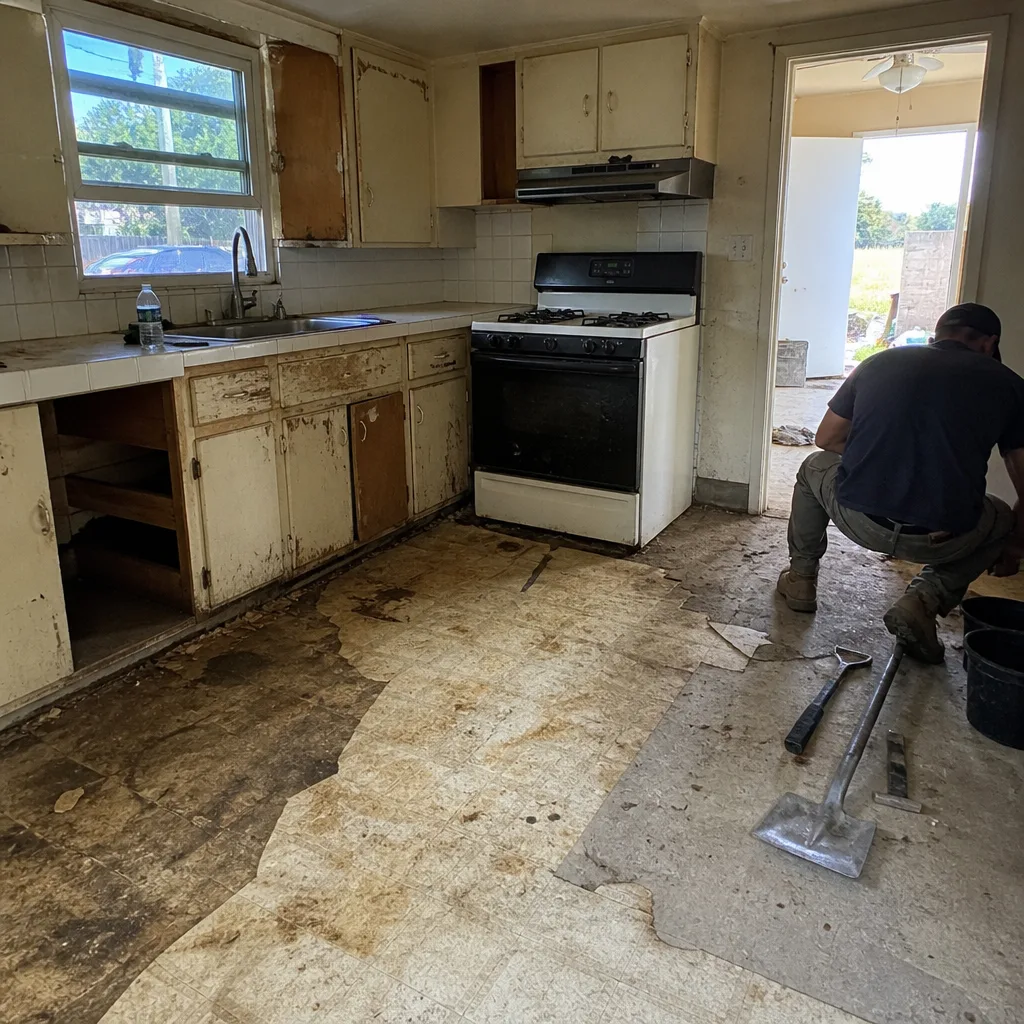 Before
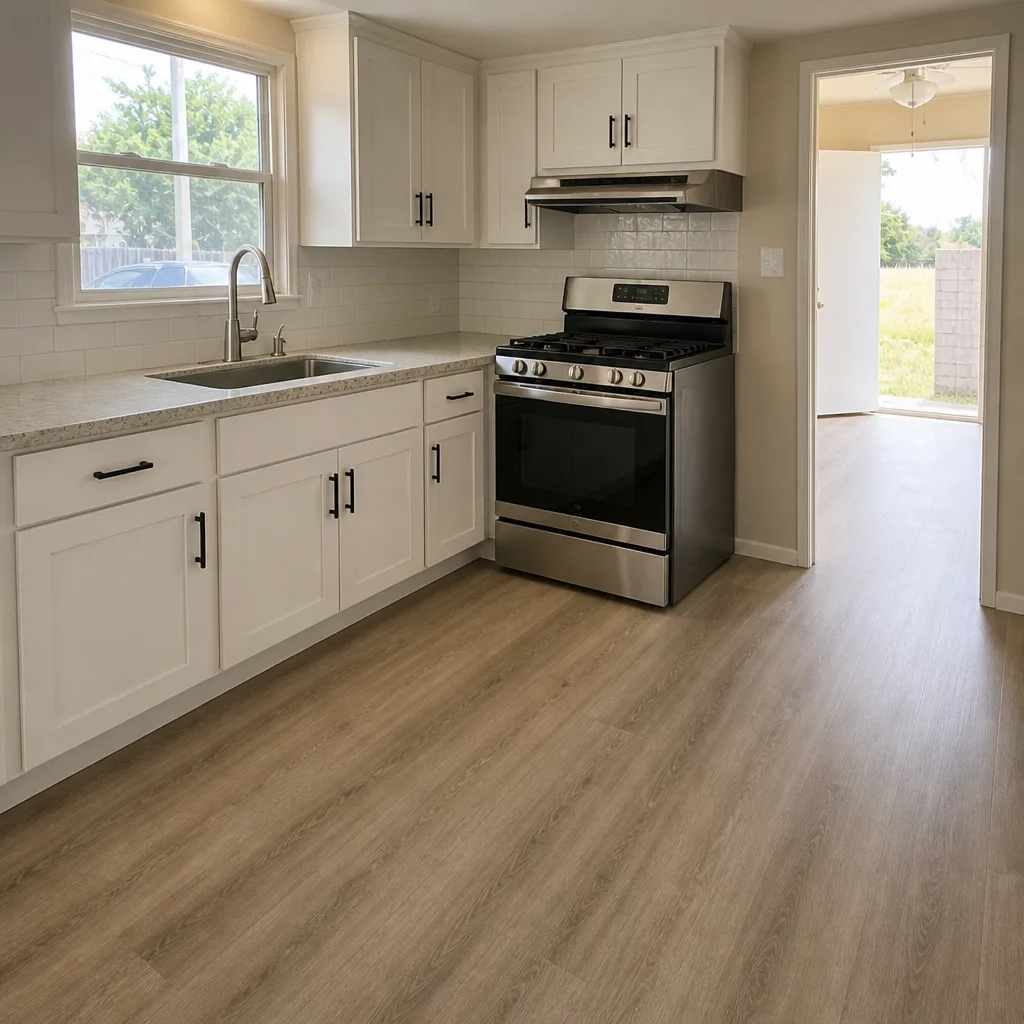 After
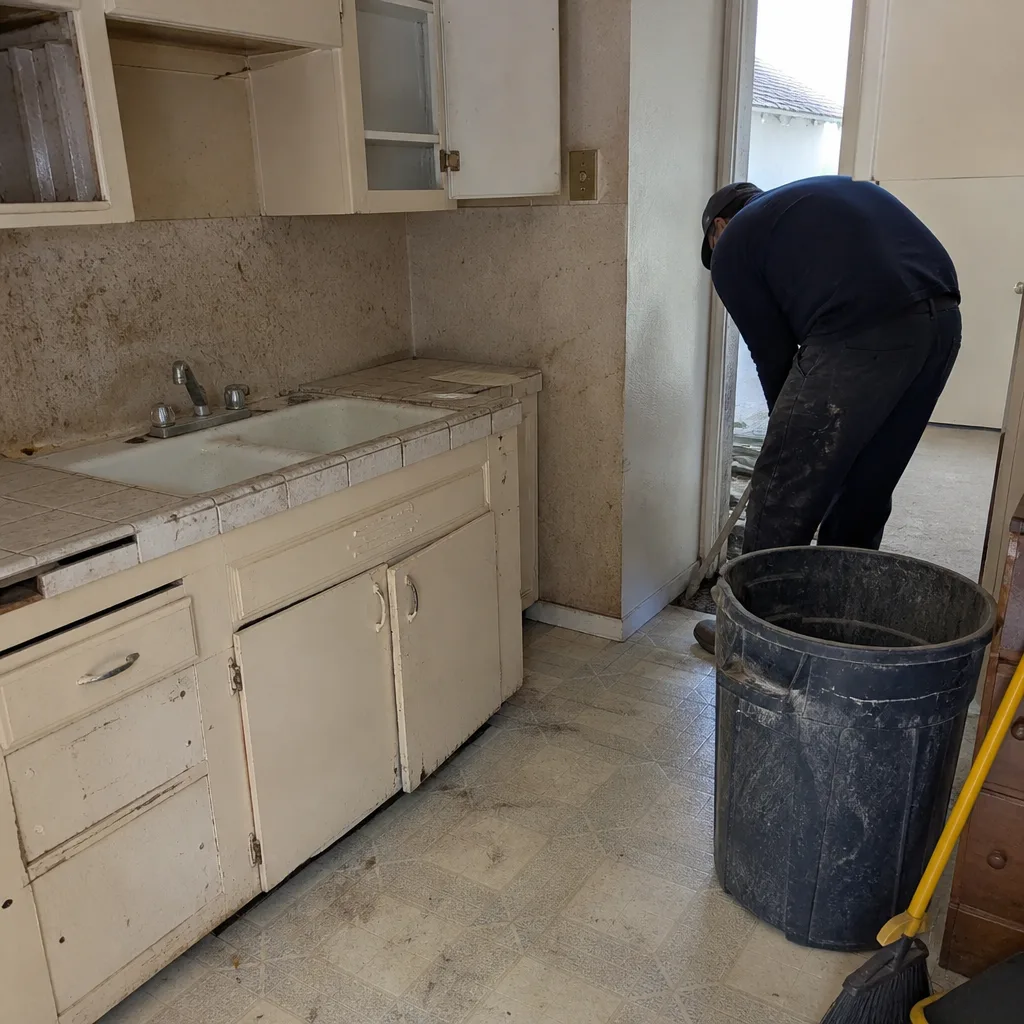 Before
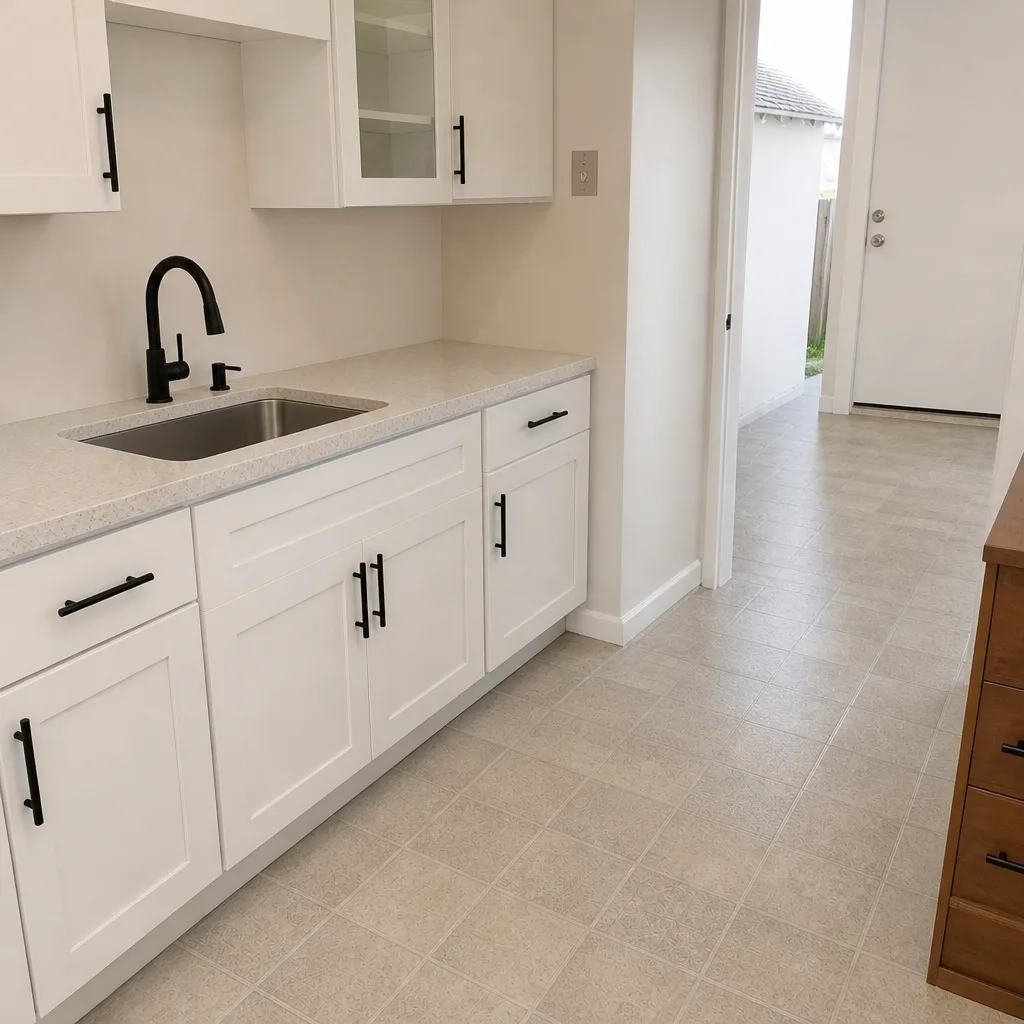 After
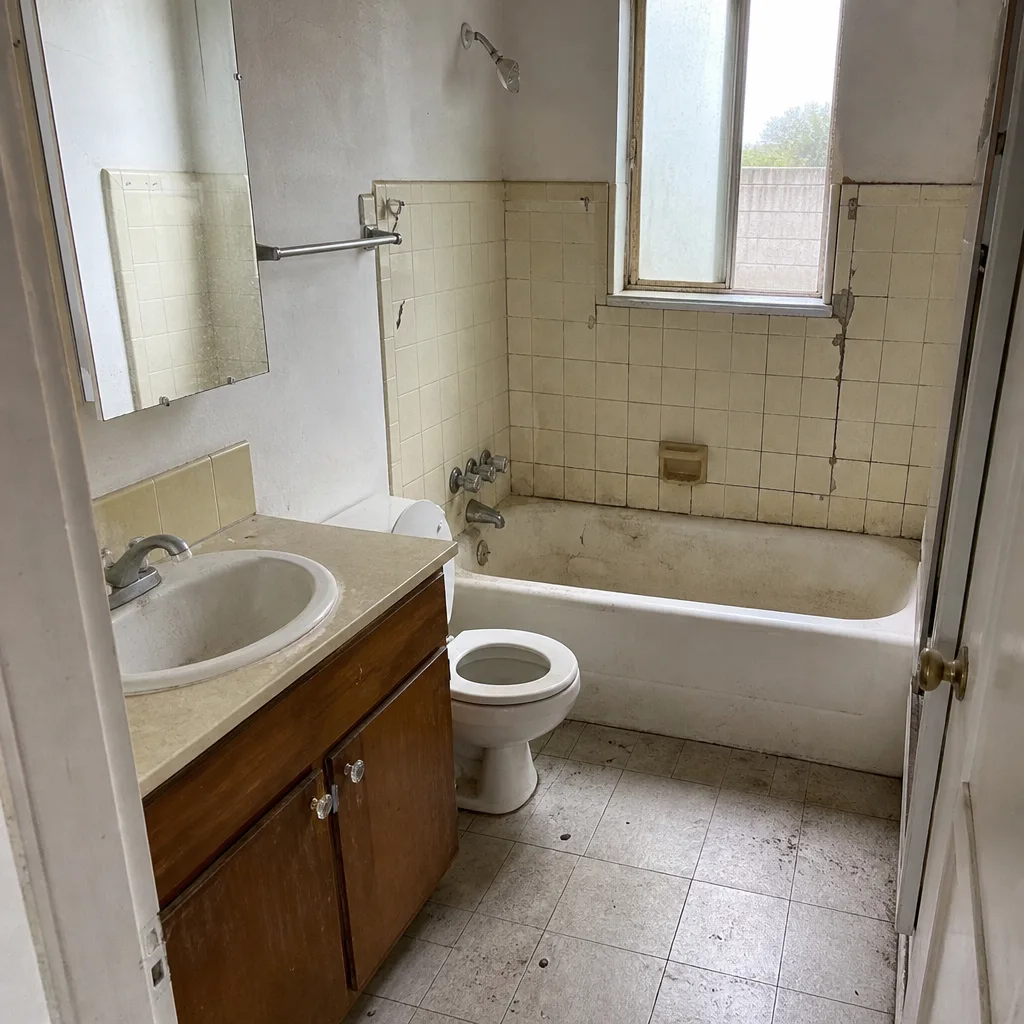 Before
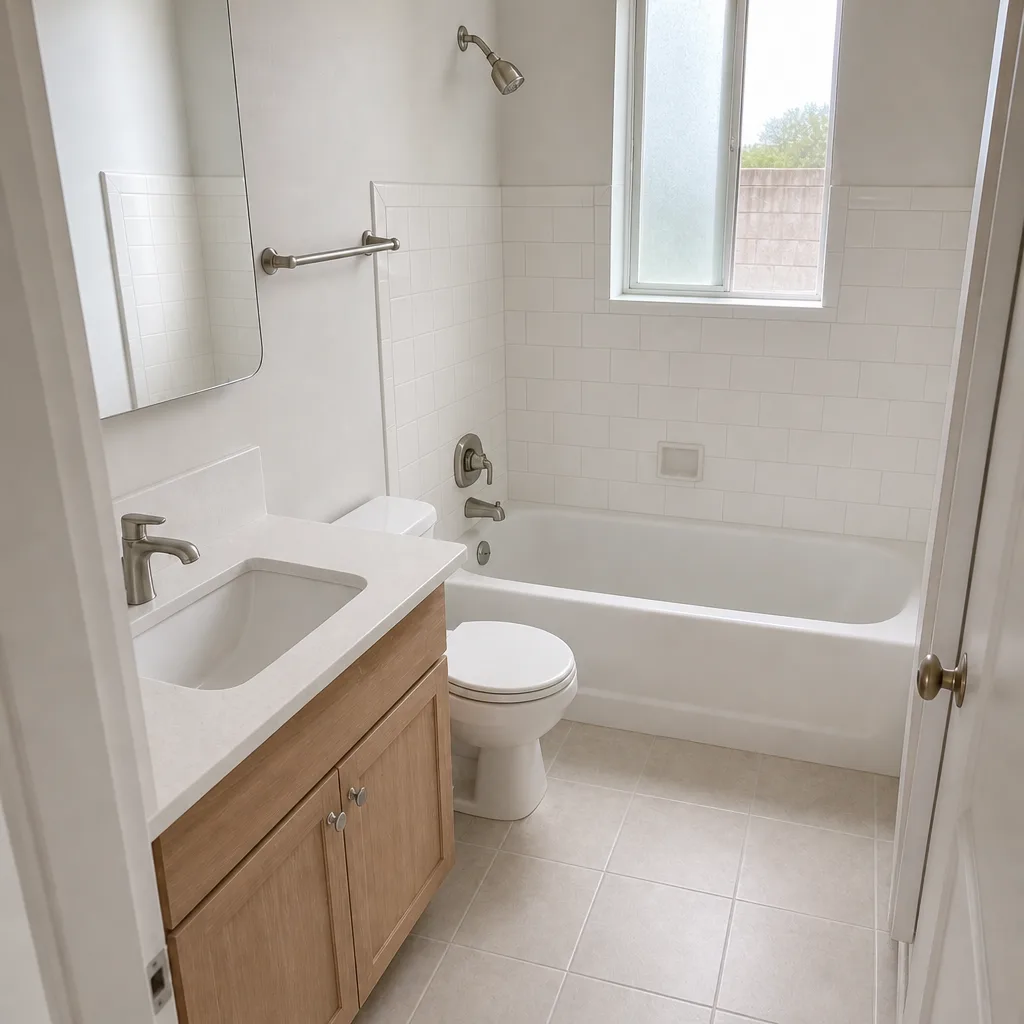 After
Keeping Inspection Continuity When Work Changes Hands
One of the quietest, most expensive mistakes in a mid-project handoff is letting an inspection lapse. Los Angeles permits are not transferable in any clean sense – a new contractor can continue work under an existing permit, but the permit may need to be reissued or updated to reflect the new licensed contractor of record, and the inspections already signed off need to carry forward. If the permit gets “closed out” without final inspection, the record shows an incomplete project, and that will surface when you sell.
The handoff sequence that keeps the chain intact:
- Get a written transfer or reissue from LADBS. Have the new contractor pull the permit history and confirm with LADBS how the permit will be transferred or reissued in their name.
- Do not let the old contractor close the permit. A closed-out permit with no final inspection is a red flag at sale. The new contractor should carry it to final.
- Schedule a “rough-in already done” inspection. If framing and rough-in qualify as complete, ask LADBS whether a partial inspection can be logged to preserve the work that passed.
- Keep every inspection card and correction notice. These are part of the property record. A future buyer’s inspector will ask for them.
If you’re weighing whether to switch contractors, this is one of the points where a licensed second opinion earns its keep. Our kitchen remodeling in Los Angeles and bathroom remodeling in Los Angeles teams have inherited jobs where the prior permit history had to be sorted before a single stud could be touched. The work of restarting a job is largely paperwork, and paperwork is the part nobody wants to do mid-emergency.
Documenting Site Condition Before You Touch Anything
The single most valuable hour of your emergency response is the hour you spend documenting the site. Everything after that – the CSLB complaint, the surety bond claim, the insurance claim, the lawyer’s demand letter – rests on the record you made before you moved anything. Here’s the standard we recommend, and it’s the standard we hold contractors to on every job:
- Photo every wall, opening, and rough-in. Wide shots of each room, then close-ups of every condition that looks wrong.
- Video a continuous walk-through with narration. Say the date, time, and address out loud. Move slowly. Open every cabinet and closet.
- Photograph the meter, panel, and shutoffs. Gas, water, electrical. This establishes the state of the utilities at the moment you took over.
- Photograph the permits. The permit card the contractor was supposed to post on the site is your measure of what was inspected and when.
- Keep a written log. Each entry: date, what you observed, what you did. A spiral notebook kept on site is enough. Screenshot the timestamps too.
- Store everything in two places. Phone plus cloud. If your phone is the only copy, it isn’t documented.
For a more complete planning picture, our Bradford Remodeling Co Los Angeles home page lays out how we structure a project from contract to close, including what the 365-Day Done Right Promise covers in writing. If you’re already mid-emergency, the documentation standard above is the right place to start, and it costs nothing to follow.
Common Mistakes to Avoid
- Paying the final draw before final inspection. In Los Angeles, the final inspection is the last gate before a closed permit. Once you pay, you’ve lost the lever to make the contractor return for it.
- Letting the abandoned contractor back for “one more try” without a written schedule. A verbal promise to come back is not a plan. Put a deadline in writing or treat it as continued abandonment.
- Hiring the replacement crew before checking their license and insurance. Verify the new contractor’s license number on the CSLB’s online lookup and get the certificate of insurance before they touch the site. The second contractor’s mistakes are your problem, not the first contractor’s.
- Covering exposed wiring or plumbing with drywall to “protect” it. That’s not protection, that’s concealment. An open rough-in must be inspected or abandoned, not buried.
- Skipping the insurance call before demo. Many Los Angeles homeowner policies have an exclusion for “property being renovated” that only surfaces in the claim. Ask the question before the first wall opens, not after the first water leak.
- Assuming tarps are a permanent repair. A tarp is a documented temporary mitigation. It is not a repair, and it doesn’t postpone the clock on a licensed repair.
- Not photographing what you moved. If the replacement contractor’s crew clears debris before you have photos, the evidence of what the prior contractor left is gone.
When to Call a Professional
Some of these emergencies are legitimately DIY-adjacent: placing a tarp, closing an opening with plywood, killing power to a wet circuit. The rest are not. Call a licensed contractor when the site needs structural assessment, when the permit has to be transferred or reissued, when rough-in needs to be inspected, when there’s any question about shear capacity or bracing, and when the recovery path (CSLB complaint, surety bond, insurance claim) needs a written scope of what remains. The line we hold: the moment the work crosses into structural, electrical, gas, or roofing, stop and call. A trained professional on site is faster, safer, and the paperwork is cleaner.
Bradford Remodeling Co Los Angeles offers free estimates in Los Angeles with a written price before any work starts, and every completed project is backed by the 365-Day Done Right Promise. Call (844) 343-6681 to schedule a free estimate. A live person answers the phone 24 hours a day, 7 days a week – no voicemail queue – because in a construction emergency, the first call is the one that matters most.
Frequently Asked Questions
A construction emergency is any event where an active or recently finished project threatens the structure, the permit status, or the homeowner’s legal exposure. The two main types are acute events (earthquake, fire, storm) and contractor failures (abandonment, failed inspection, uninsured worker injury). The response depends on which type you’re in, and the first step in both cases is to stop work and document the site.
A CSLB complaint typically takes 6-18 months from filing to resolution, and the recovery fund only pays after you have a court judgment or arbitration award that the contractor won’t pay. The fund covers actual damages up to a statutory cap per project, not attorney fees. Call (844) 343-6681 if you want a written second opinion on what remains unfinished before you file – estimates are free.
Often not. Many standard HO-3 policies exclude the structure while it’s under active permitted renovation, or require a builder’s risk endorsement. Ask your agent the specific question: “Does my policy cover the structure during the permitted renovation, including materials on site?” Get the answer in writing before demo starts. Bradford Remodeling Co Los Angeles walks through the insurance piece with you before work begins.
Yes, emergency tarping to prevent further water damage is generally allowed without a permit. Permanent roof repair requires a permit and a licensed contractor. The mistake is calling the tarp a repair and moving on – that leaves the permit open and the inspection chain broken. Call (844) 343-6681 for an assessment of what’s temporary versus what needs a permit.
The general contractor who holds the permit is responsible for temporary bracing and site protection on an active remodel, per the engineered plans and the contract. If the contractor abandons the site, the responsibility shifts to the homeowner – which is why documenting the bracing condition on the day you take over matters. A licensed contractor can inspect and confirm the bracing is adequate.
The surety bond is a license bond, not a performance bond, and in most residential cases it is a modest amount that covers certain license-law violations, not the full cost of completing an abandoned project. It’s worth filing because it’s part of the CSLB process, but don’t expect it to cover a full rebuild. A written scope from a licensed contractor establishes the value of the unfinished work, and that’s the number that matters in the claim. Bradford Remodeling Co Los Angeles provides that written scope as a free estimate – call (844) 343-6681.
The Bottom Line
Construction emergencies in Los Angeles come in two shapes: the earthquake or storm that hits a site mid-project, and the contractor who walks away. The response to both starts the same way – stop, document, pull the permit file, and get a licensed opinion in writing. The rest branches: acute events go to insurance and emergency mitigation; contractor failures go to the CSLB, the surety, and the recovery fund. The homeowners who come out of these events cleanest are the ones who treated the site as evidence before they treated it as a construction project. The crew you hire should build to the standard that makes this guide unnecessary – written price before work starts, the full paper before the first wall opens, and a written guarantee at close. Bradford Remodeling Co Los Angeles works to that standard on every project, because it’s the only reliable defense against both kinds of emergency.
Written by the team at Bradford Remodeling Co Los Angeles.