Last updated November 17, 2026


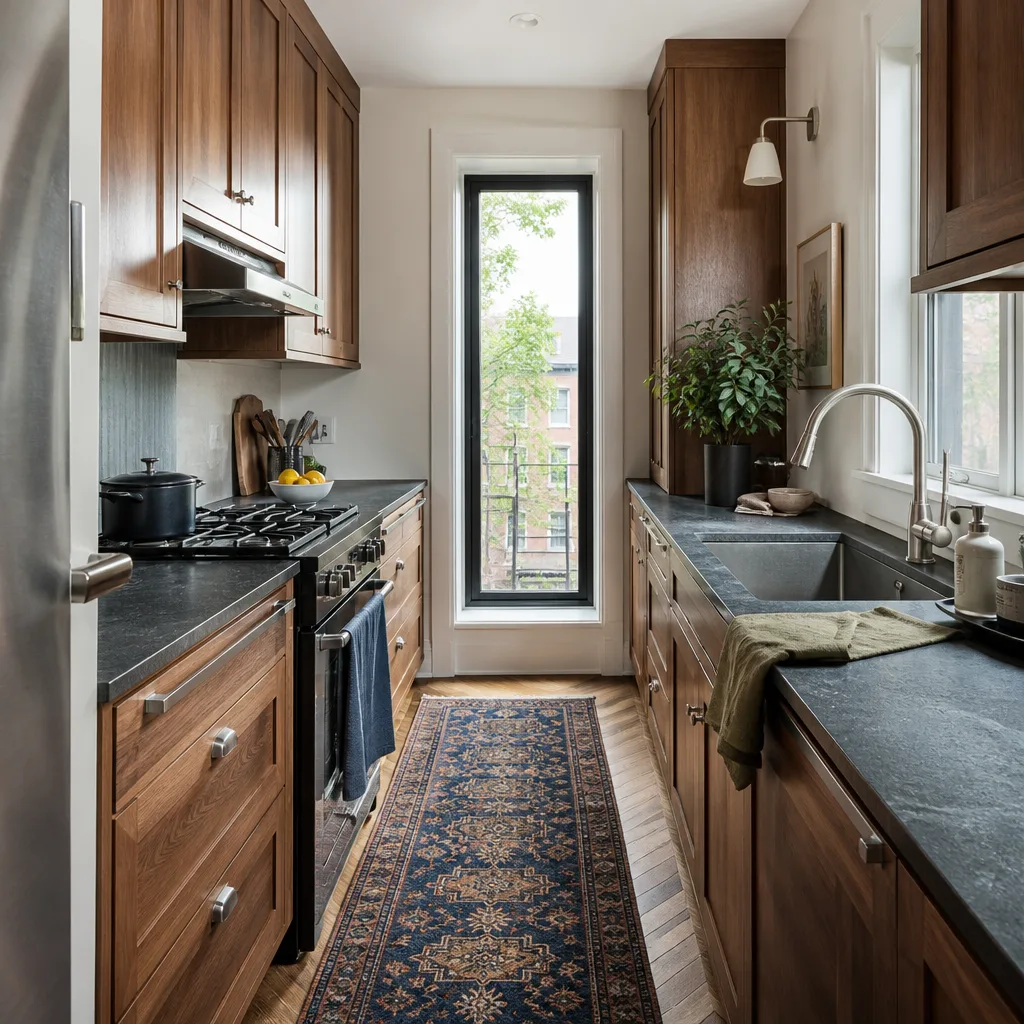
Free written scope consultation - allowances, timeline, and change-order rules on paper before a single trade is scheduled
Construction Warning Signs: A Los Angeles Homeowner’s Reference Guide
Most Los Angeles homeowners already know to walk away from a cash-only bid and a contractor who won’t put anything in writing. The red flags that actually predict a bad outcome are quieter and more procedural. They show up in how a contractor answers the permit question, how he talks about his subcontractors, and what happens the first time the scope shifts. Watch those three moments closely and you’ll learn more about a crew than any testimonial page ever tells you. This guide walks through the warning signs that matter in Los Angeles, from the permit paper trail to change-order behavior to reading a bid for the gaps nobody mentions.
Quick Answer
The biggest construction red flags in Los Angeles are procedural, not obvious: a contractor who offers to “handle the permits” without explaining that the permit is issued to you, a bid that leaves out demolition disposal or inspection coordination, a vague answer about who the subcontractors are, and verbal change orders that get billed later. Verify any contractor’s license, bond, and workers’ comp on the CSLB lookup before you sign, and insist on a written price before any tool comes out.
Styles & brands we work with
- Kitchen remodeling
- Bathroom remodeling
- Home additions & ADU
- Roofing
- Windows & doors
- Driveway & pavers
- Fence
Table of Contents
- The Permit Question Test
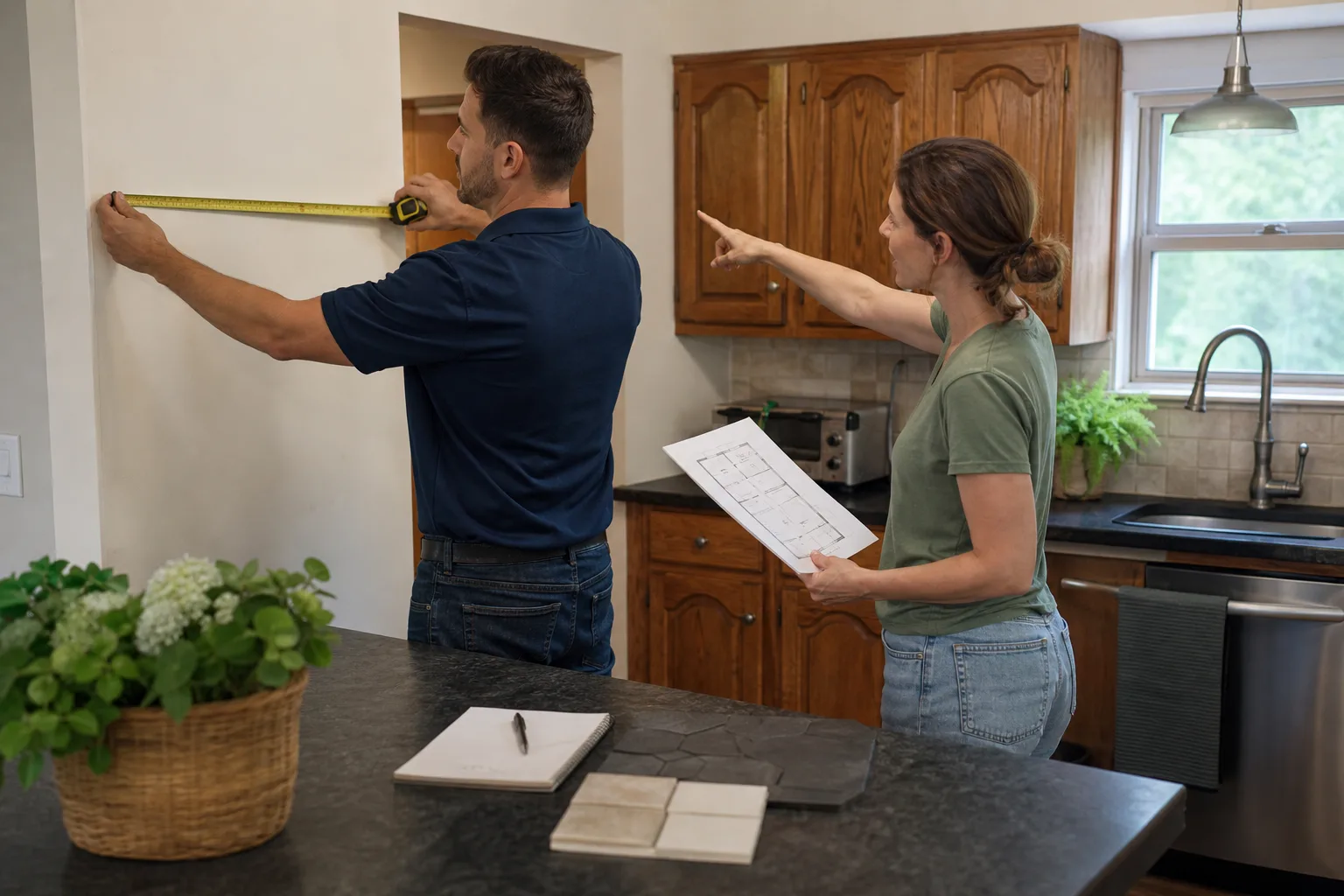
- How to Read a Bid for Scope Gaps
- The Unlicensed Subcontractor Disclosure Failure
- Change-Order Behavior as a Predictor
- Using the CSLB Lookup Correctly
- Comparing Bids in the Los Angeles Market
- Los Angeles Climate and Construction Risk
- Common Mistakes to Avoid
The Permit Question Test
When you ask a contractor who pulls the permit, listen for the answer and, more importantly, listen for what he doesn’t say. A permit is issued to a named party, either the licensed contractor performing the work or you as the owner-builder of record. If a contractor volunteers to “handle the permits” without telling you whose name goes on them, you may end up as the licensed party on record. That means if something goes wrong, the inspection failure, the unpermitted work, the code violation, lands on you, not him.
A trustworthy answer sounds specific. He’ll tell you the permit pulls under his license, he’ll name the jurisdiction (City of Los Angeles Building and Safety, or the county if you’re in an unincorporated pocket), and he’ll tell you the inspection sequence. The three deflections to watch for:
- “We don’t need a permit for that.” Kitchen and bath remodels almost always do. Structural, electrical, plumbing, and gas work always do. A contractor who waves off the permit is usually avoiding the inspection.
- “It’s faster if you pull it as the owner.” Sometimes true on a simple cosmetic job, but on anything structural or MEP (mechanical, electrical, plumbing), this shifts liability to you.
- “We’ll pull it after we start.” Permits are issued before work. Pulling after the fact is a signal that the contractor is working without one.
In our experience across Los Angeles remodels, the permit question is the single fastest filter for a serious contractor. If your General Contractor in Los Angeles can’t answer it in plain language, that’s your first real warning sign.
How to Read a Bid for Scope Gaps
A low bid usually isn’t cheaper. It’s just missing line items that will show up later as change orders or “discoveries.” Reading a bid for scope gaps takes maybe ten minutes and it’s the most valuable ten minutes you’ll spend before signing anything in Los Angeles. Here’s what should be there and often isn’t:
- Demolition and disposal. Tearing out a kitchen generates dumpsters, hauling fees, and dump charges. If the bid says “demo” with no dumpster or disposal line, that cost is coming later.
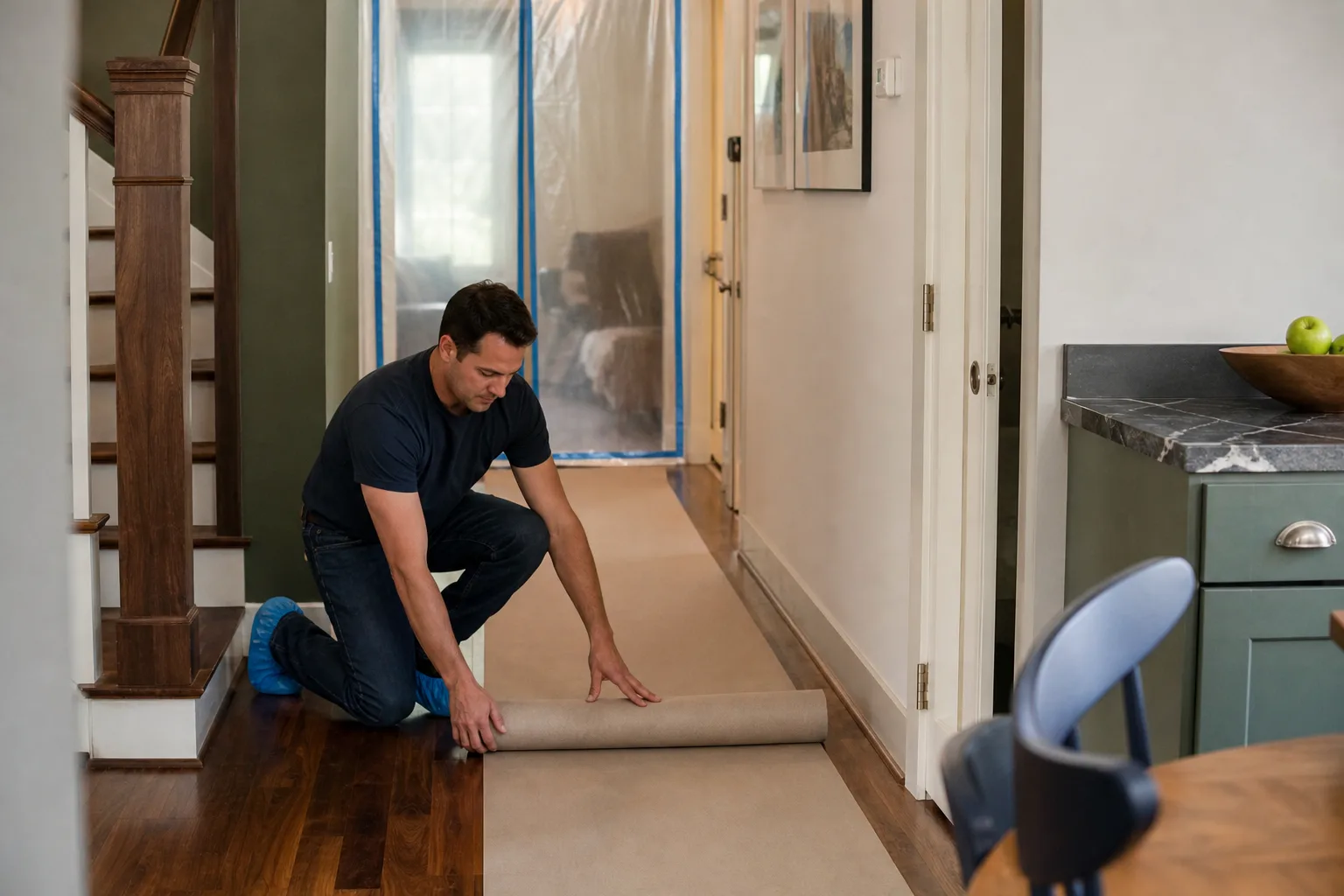
- Temporary protection. Floor coverings, plastic barriers, and dust containment. On a whole-home project in Los Angeles, this is a real line item and a half-day of labor. Skip it and your hardwood gets scratched by the drywall crew.
- Inspection coordination. The time it takes to schedule and meet inspectors. Rough-in inspections, framing, final. If it’s not in the scope, someone is absorbing it, and it won’t be the contractor.
- Permit fees and plan check. These are real numbers. On a mid-range kitchen remodel in Los Angeles, permit fees commonly run several hundred to over a thousand dollars depending on the scope.
- Final cleaning. A crew that doesn’t include a final clean in the bid is usually the crew that leaves the site dusty.
- Allowances with real numbers. “Tile allowance: $X per square foot” should be a specific figure, not TBD.
A bid that names KraftMaid or Wellborn cabinetry, Cambria or Caesarstone surfaces, and Kohler or Moen fixtures in the scope is doing you a favor. Brand specifics make the specification traceable. A bid that says “premium cabinets” tells you nothing.
The Unlicensed Subcontractor Disclosure Failure
When your contractor says “we’ve got a guy for the electrical,” that’s fine if the guy is licensed. It’s a problem if he’s not, and the failure usually shows up in the contract language before it shows up on the job site. Here’s what you’re looking for.
California requires that a licensed contractor disclose in the written contract the name, license number, and classification of any subcontractor performing work over a certain value (generally $500 including labor and materials). If your contract says nothing about subs, or the sub list appears after the contract is signed, that’s a disclosure failure. Common signs a contractor is running unlicensed help:
- The contract has no subcontractor section at all. A legitimate California contract has one.
- The sub is “the owner’s brother” or “a buddy.” No license number, no workers’ comp certificate.
- The contractor says he’s “not responsible” for sub work. Legally he is. That’s the point of hiring a licensed general contractor.
The liability question matters because your homeowner policy typically doesn’t cover an uninsured sub injured on your property. If an unlicensed, uninsured worker is hurt in your Los Angeles home, you’re exposed. Worse, if the work fails a Los Angeles inspection, you may be paying a second time to redo it. The contractor being licensed doesn’t automatically mean his subs are. Ask for names and license numbers in writing, before work starts.
Change-Order Behavior as a Predictor
A legitimate change order is a document. It has a description of the change, a price, and a signature before work shifts. A verbal “we found something while we were in there” addition is a billing pattern, not a change order. This is where more Los Angeles homeowners get burned than any other step.
What disciplined change-order behavior looks like:
- The change is written on paper (or an electronic document) before any work shifts.
- The price is a specific dollar figure, not an estimate.
- You sign it, the contractor signs it, and each of you keeps a copy.
- You’re not texted a number while the crew’s already tearing out drywall.
What the bad version looks like: “While we were in there, we had to move the plumbing. That’s a $2,400 add.” Or the discovery of “old knob-and-tube we didn’t expect” mid-project in a 1920s bungalow in Echo Park, when the contractor had every opportunity to inspect that before bidding. Sometimes discoveries are real. Old homes in Los Angeles have surprises. But a contractor who routinely discovers, mid-job, things a competent inspection would have caught is a contractor whose bid was designed to be low.
If you’re planning a Kitchen Remodeling in Los Angeles project, ask the contractor during bidding what his change-order process is. The answer tells you everything about how the billing relationship will actually go.
Using the CSLB Lookup Correctly
The California Contractors State License Board (CSLB) lookup is public and free. Most homeowners check the license number and stop there. That’s the first step, not the last. Here’s the sequence that actually protects you:
- Go to cslb.ca.gov and search the license number. Confirm the license is “Active,” not “Expired,” “Suspended,” or “Revoked.”
- Match the business name and address on the license to the bid. A license number attached to a different entity name is a red flag.
- Check the bond status. A licensed contractor in California is required to carry a contractor’s bond. If it shows as expired or unavailable, that protection is gone.
- Check workers’ comp status. The record tells you whether the contractor has employees covered or is exempt (a solo operator). If he claims a crew of ten and the record shows no workers’ comp, that’s a serious mismatch.
- Check the complaint and disciplinary history. The CSLB posts disciplinary actions. One old complaint on hundreds of jobs is different from a pattern.
- Cross-check the classification code. A “B” general building license is what a general contractor should hold. An “A” is general engineering (different scope). A “C-39” is roofing. The classification tells you what scope of work that license actually covers.
Failure to be listed on the CSLB is a hard stop. No exceptions. A contractor working without a license in Los Angeles isn’t just a compliance problem, it’s a legal shield he doesn’t have. If he injures a worker or does defective work, your recourse is limited.
Comparing Bids in the Los Angeles Market
Bids vary across Los Angeles neighborhoods for the same scope. A Galley kitchen remodel in Culver City and a similar scope in the Hollywood Hills can land in different price bands because of access, elevator fees, permit jurisdiction, and inspection backlog. Use this as a sense of relative bands, not a quote. Every number moves with actual scope.
| Line Item | Typical Los Angeles Range |
|---|---|
| Mid-range kitchen remodel (full) | $45,000 – $95,000 |
| Mid-range bathroom remodel | $18,000 – $40,000 |
| Whole-home remodel (2,000 sq ft) | $180,000 – $400,000+ |
| Permit fees (kitchen or bath) | $600 – $2,500 |
| Dumpster + hauling (kitchen demo) | $500 – $1,200 |
| Temporary protection + containment | $400 – $1,500 |
If a bid you’re looking at sits $20,000 below the middle of the band for comparable scope, the missing dollars are almost always in the line items we covered above. Compare bids on scope line-by-line, not on the bottom-line total. A written price before work begins is the only apples-to-apples comparison, which is why every quote from Bradford Remodeling Co Los Angeles ships with one. If you want to see what that looks like alongside a Bathroom Remodeling in Los Angeles or kitchen scope, our free estimate lays out the numbers the same way.
Los Angeles Climate and Construction Risk
The warning signs unique to Los Angeles often tie back to the local climate and housing stock. Three things to watch for:
- Hillside and canyon foundations. Homes in Laurel Canyon, Hollywood Hills, and parts of Sherman Oaks sit on soil that moves seasonally. A bid that doesn’t address the foundation condition of a hillside home is a bid that will discover it later. Expect a soils or structural evaluation if the scope touches the foundation.
- Dry rot and termite damage. Los Angeles doesn’t get much rain, but the rain it does get exposes every failed flashing and old subfloor. Demolition in a kitchen or bath frequently reveals rot behind the tile. A competent bidder walks the space and prices an allowance for it in writing, rather than discovering it mid-job.
- Fire-zone materials. A project in a Very High Fire Hazard Severity Zone (many Foothill areas) requires fire-rated cladding and assemblies. James Hardie fiber cement siding is common for this. If your bid calls for generic “fiber cement,” ask whether it’s rated for your zone. A contractor who’s vague on that is a contractor you want to talk to again before you sign.
Los Angeles also has a permit reality that other cities don’t: the City of Los Angeles Building and Safety Department is huge, and inspection scheduling varies by district. Ask your contractor how long he anticipates the permitting cycle to take. If the answer is “a few weeks,” for a structural project, ask again.
Common Mistakes to Avoid
- Signing a bid that doesn’t name the sub trades. In LA, electrical, plumbing, and HVAC almost always involve subs. If they aren’t named in writing, you don’t know who’s actually in your house.
- Accepting a “handshake” change order. The verbal change is the entry point for the invoice you weren’t expecting. Every change gets written, priced, and signed.
- Not checking the workers’ comp record. The CSLB lists it. A contractor claiming a crew of eight with no workers’ comp on record is a warning sign you can see before the first truck arrives.
- Comparing bottom-line bids without scope. The $60,000 kitchen and the $78,000 kitchen are frequently the same kitchen once you add the missing line items. Read the scope, not the total.
- Letting the contractor pull the permit and forget to see whose name it’s in. Ask for the permit copy. Your name and address should appear on it, alongside the contractor’s license number.
- Treating “we found old wiring” as an emergency. Old wiring in a 1920s bungalow is not a surprise. It’s a predictable condition. The bid should have anticipated it in writing, or the contractor should have noted the risk.
- Ignoring the schedule in writing. A serious bid has a start date and a milestone schedule. The bidder who says “sometime next month” is a bidder who runs multiple jobs without a plan.
If you want to see how these are handled in practice, take a look at how we run a Bradford Remodeling Co Los Angeles home project end to end, or read our full contractor process through the General Contractor in Los Angeles page. Every scope there carries a written price and the 365-Day Done Right Promise, which covers the finished work for a full year after completion. If the work fails inside that window, we come back and correct it at no charge.
See the difference
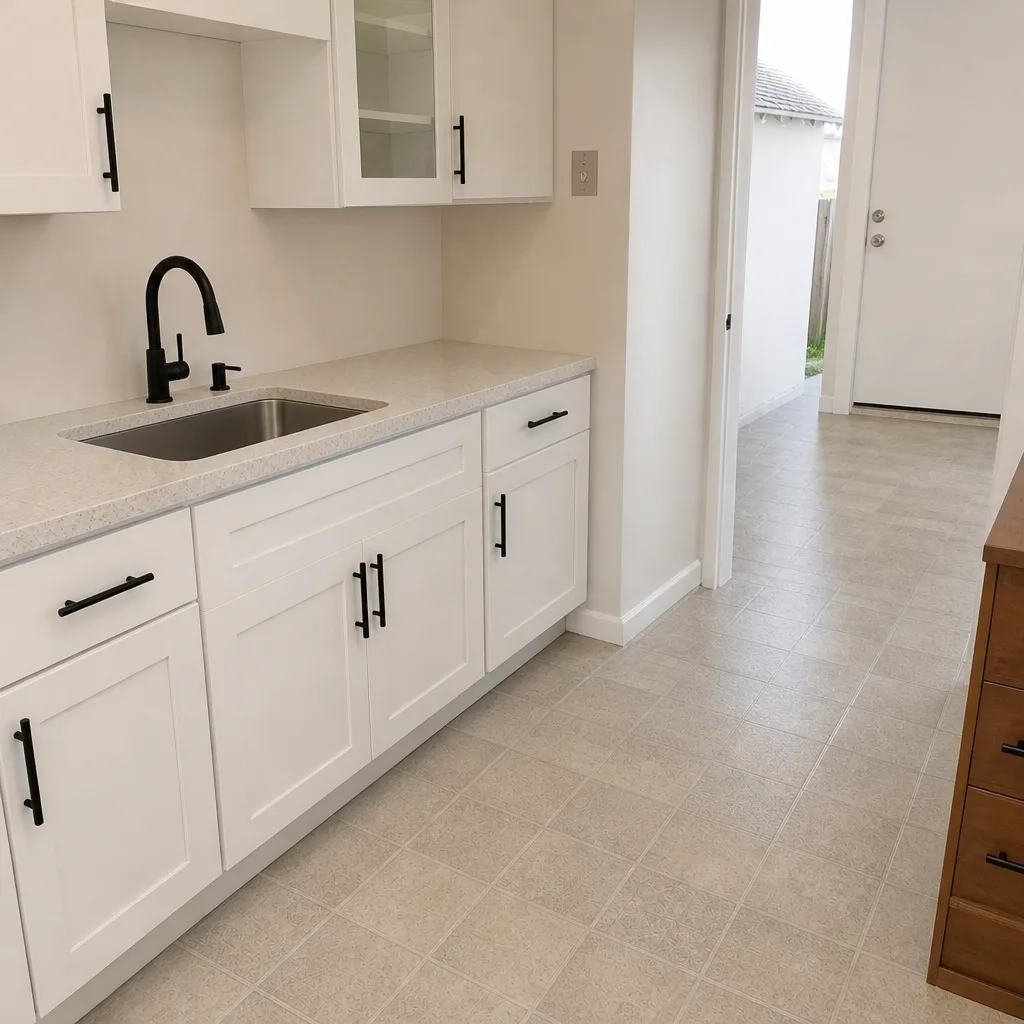
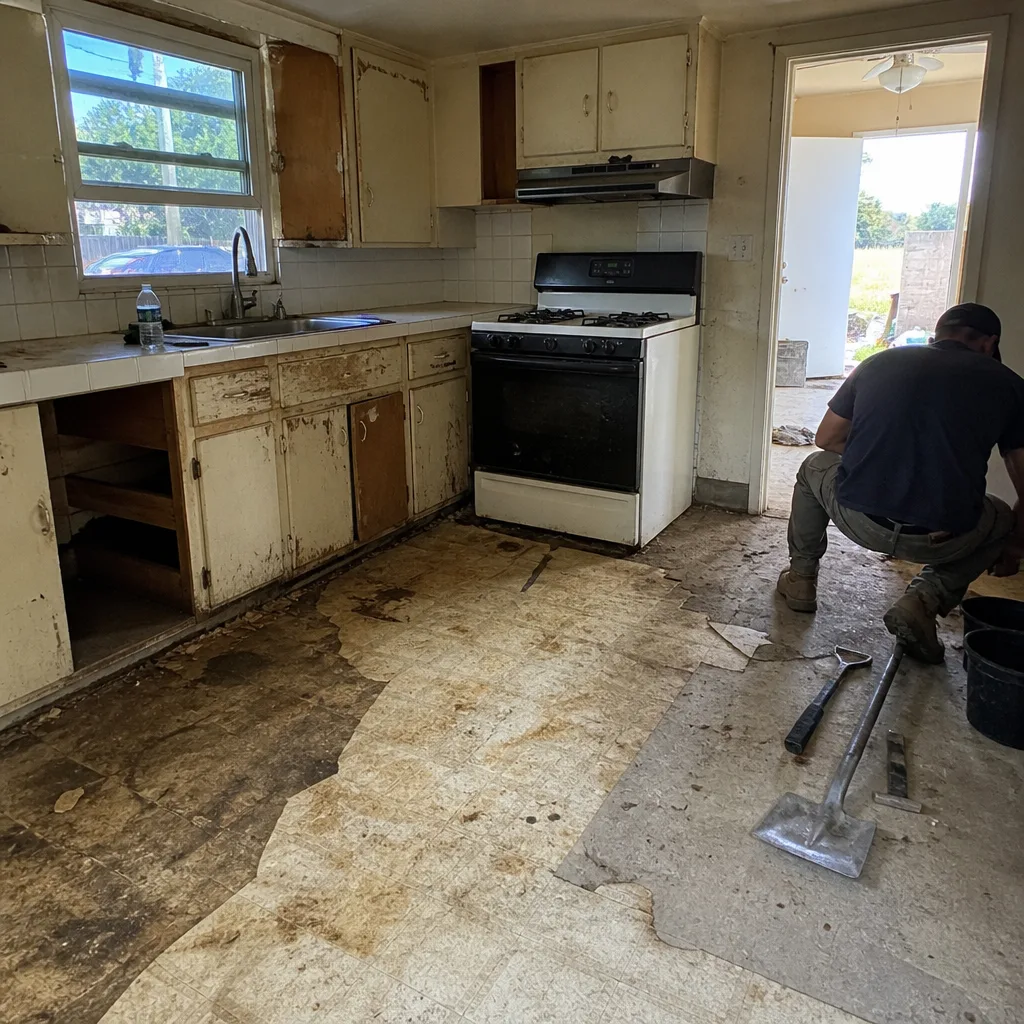 Before
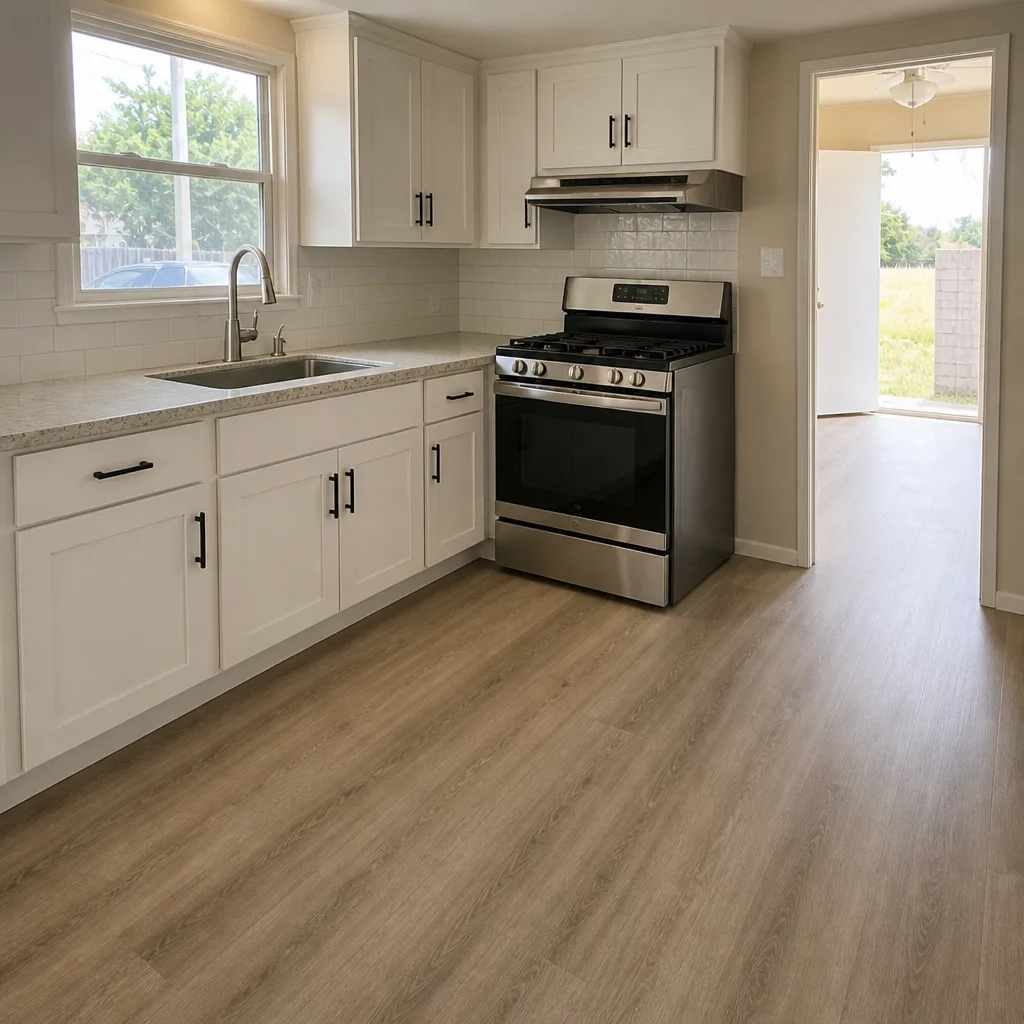 After
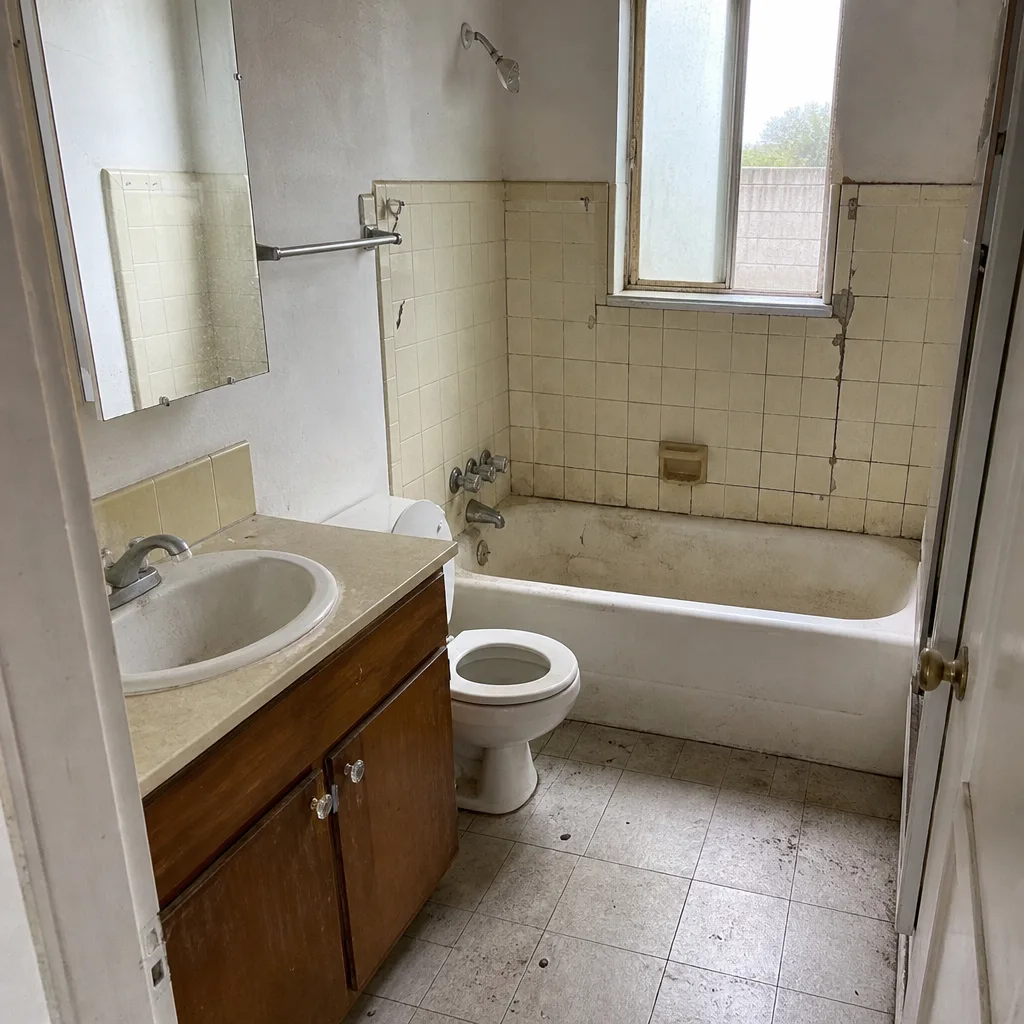
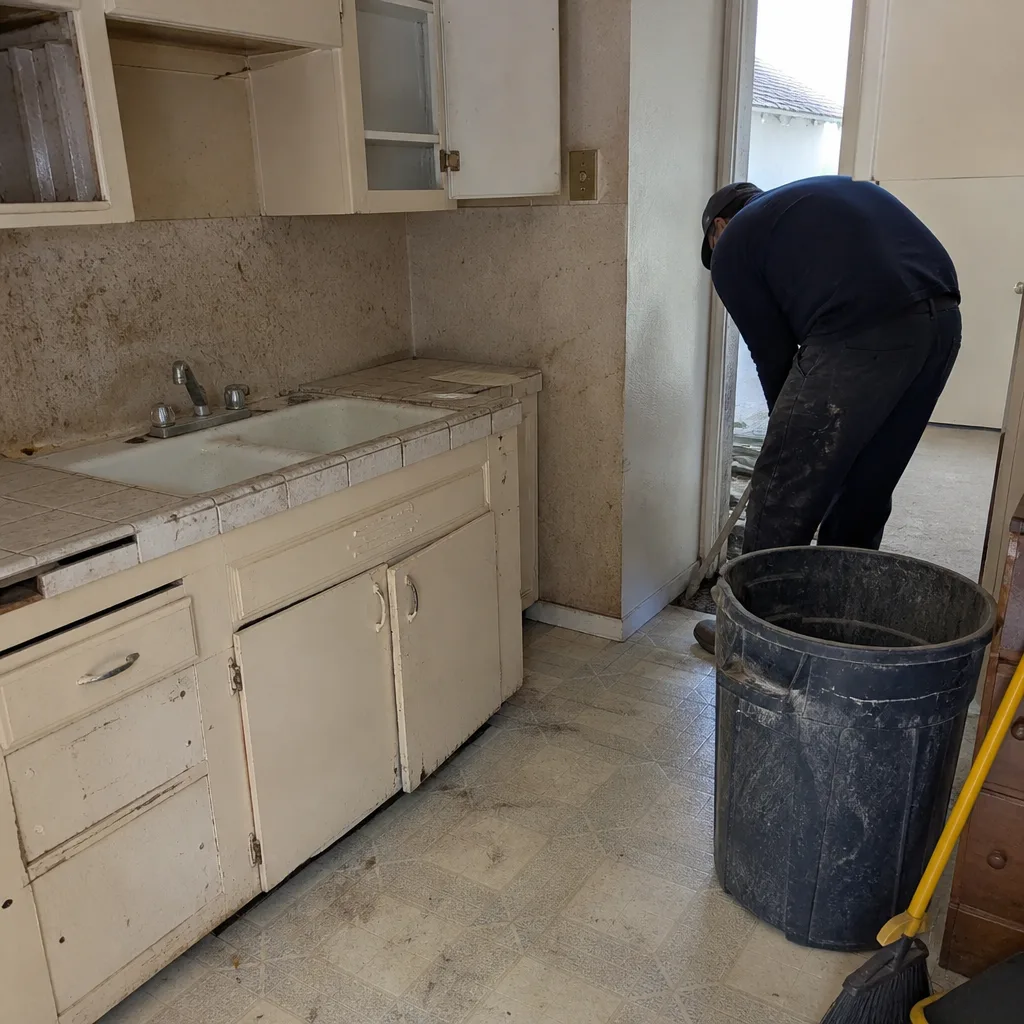 Before
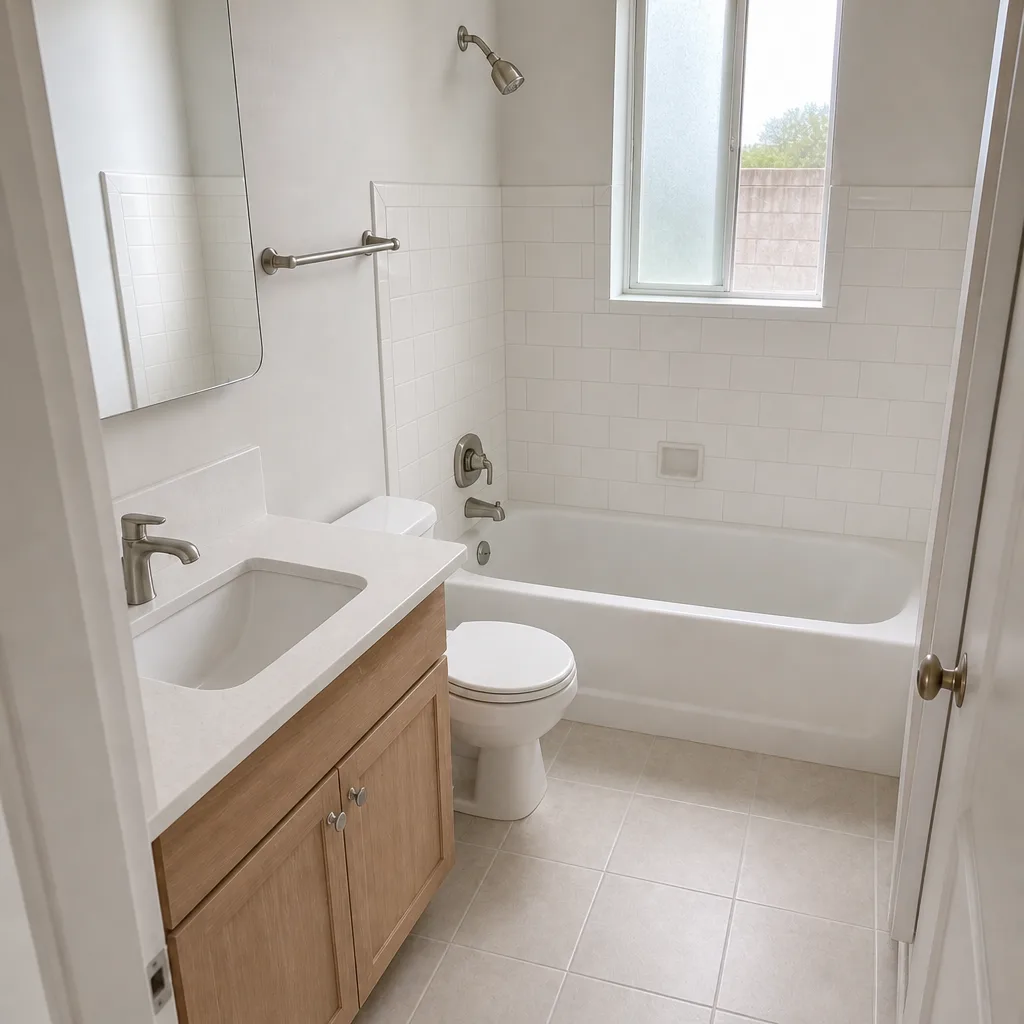
 After
 Before
 After
When to Call a Professional

Some warning signs you can look for yourself. Others you only catch by getting a professional in the space. Call a licensed contractor before you sign anything if any of these apply:
- You’re comparing two or more bids that differ by more than 15 percent.
- Your contractor has offered to “handle the permits” without a clear answer on whose name they pull under.
- You’re inside a 365-day window on prior work and something has failed or shifted.
- You’re in a Very High Fire Hazard Severity Zone and the bid calls for unspecified exterior materials.
- You’re on a hillside or canyon property and the scope touches the foundation, retaining, or grading.
- Your contractor won’t put a written price on the scope before work starts.
Bradford Remodeling Co Los Angeles offers free estimates in Los Angeles. Call (844) 343-6681 to schedule yours. We bring a written scope line-by-line, name the brands being specified (from CGI and CWS windows to KraftMaid cabinetry and Cambria surfaces), and put a written price in your hand before a single tool comes out. A live person answers, day or night. No voicemail, no callback queue, no numbers that move at the door.
Frequently Asked Questions
A mid-range kitchen remodel in Los Angeles typically costs $45,000 to $95,000 for a full tear-out and rebuild, depending on size, layout changes, and finish level. Structural moves, wall removals, and appliance upgrades push toward the high end. Small galley kitchens can land lower, but the bid should still include full demolition disposal, permit fees, and inspection coordination. Call (844) 343-6681 for an exact quote. Estimates are free and come in writing.
Use the California Contractors State License Board lookup at cslb.ca.gov. Search the license number on the bid, confirm the status is “Active,” match the business name, and check the bond, workers’ comp status, and complaint history. The license number alone isn’t enough. A fabricated number or a license attached to a different business is a hard stop. Our team can walk you through the verification on any bid you’re reviewing if you call (844) 343-6681.
Not on a Bradford Remodeling job. We put the written price in your hand before work starts, and that price doesn’t move at the door. Legitimate changes happen when scope genuinely changes, and every change is written, priced, and signed by you before the work shifts. Verbal additions mid-job are a billing pattern, not a change order. Our 365-Day Done Right Promise covers the finished work for a full year. If something fails inside that window, we return and correct it at no charge. Call (844) 343-6681 for a written estimate.
Yes. The permit is pulled under our license, and you get a copy with your name, address, and our license number on it. That’s how it works on every Bradford Remodeling job, whether it’s a kitchen, bath, or whole-home scope. You never need to sign as owner-builder of record. If a contractor offers to “handle the permits” without telling you whose name they pull under, ask directly. The answer tells you a lot. Call (844) 343-6681 with any permit questions before you sign.
The biggest LA-specific red flags are procedural. A vague answer on permit jurisdiction (City versus County), a bid that omits hillside foundation assessment on canyon properties, a bid that doesn’t address fire-zone materials if you’re in a Very High Fire Hazard Severity Zone, and a contractor who won’t put the sub trades in writing. Los Angeles also has a large permit backlog at the City Building and Safety Department. A contractor who claims a structural permit will clear in “a few weeks” is either inexperienced or not being honest. Call (844) 343-6681 if you want a second read on a bid.
A mid-range kitchen remodel in Los Angeles typically runs 8 to 14 weeks from permit approval to final inspection, depending on scope and inspection scheduling. Bathrooms usually run 4 to 7 weeks. Whole-home remodels run 5 to 9 months. A serious bid includes a milestone schedule with dates, not a vague estimate. If your contractor won’t commit to dates in writing, that’s a signal. Call (844) 343-6681 to get a written schedule alongside your written price.
The Bottom Line
The red flags that predict a bad remodeling outcome in Los Angeles are the quiet ones. Watch the permit question and check whose name goes on it. Read the bid for the line items that should be there (demo disposal, temporary protection, inspection coordination, real allowances) and aren’t. Ask directly who the subs are and demand license numbers in writing. Run the CSLB lookup for bond, workers’ comp, and complaint history, not just the license status. Watch how change orders are handled. Every change should be a written document, not a verbal nudge. A contractor who passes all four tests is worth paying market rate for. A contractor who fails any of them costs more in the end. Bradford Remodeling Co Los Angeles runs every job this way, backed by a written price before work starts and the 365-Day Done Right Promise on every completed project. If you’re weighing bids in Los Angeles right now, call (844) 343-6681 for a free estimate. A real person answers. We’ll put a straight number in writing, scope it line-by-line, and tell you plainly what’s covered by the guarantee. That’s the Garrison Standard.
Written by the team at Bradford Remodeling Co Los Angeles.