Last updated November 17, 2026


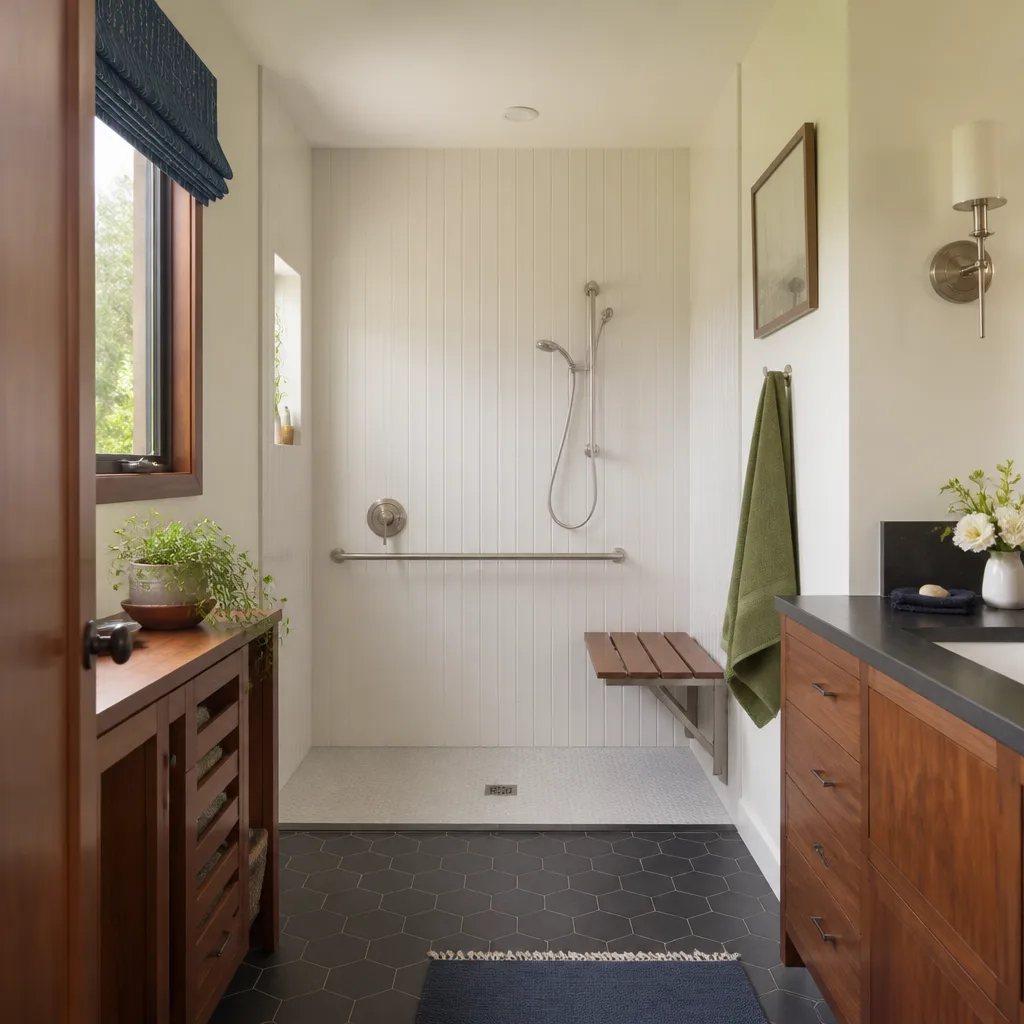
Free written scope consultation - allowances, timeline, and change-order rules on paper before a single trade is scheduled
DIY vs Professional General Contractor: What’s Safe to Do Yourself
You can legally remodel most of your own home in California without hiring anyone. You can also create a defect you’re required by law to disclose when you sell, or watch an insurance adjuster deny a claim because the work that caused the damage was never inspected. That gap between “legal” and “safe” is where most homeowner projects go sideways. In Los Angeles, where the housing stock runs from 1920s bungalows in Echo Park to new builds in Playa Vista, the permit question decides more than the workmanship question ever will. This guide walks through exactly which tasks are genuinely low-risk DIY, which trades carry insurance and resale consequences regardless of how well you execute them, and how to split a project so you save money on finish work without inheriting liability on the rough-in.
Quick Answer
Painting, cabinet hardware, non-structural demolition, and finish work that follows a permitted rough-in are safe DIY tasks in California. Anything that touches structural framing, electrical circuits, gas lines, or plumbing beyond a fixture swap requires a permit and licensed, inspected work. If you skip the permit on work that needs one, you’ve created a material defect you must disclose at sale, and you may have given your insurer grounds to deny a future claim.
Styles & brands we work with
- Kitchen remodeling
- Bathroom remodeling
- Home additions & ADU
- Roofing
- Windows & doors
- Driveway & pavers
- Fence
Table of Contents
- What California law actually says about DIY work
- How do you know if your project needs a permit?
- The three trades that carry insurance and resale consequences
- The remodel tasks that are genuinely low-risk DIY
- What “owner-builder” status means and the liability it creates
- How to split a project between DIY finish and licensed rough-in
- Common mistakes to avoid
- When to call a professional
What California law actually says about DIY work
California’s Business and Professions Code allows a homeowner to perform construction work on their own residence without a contractor’s license, provided the home is a single-family residence where the owner intends to live. That’s the entire legal basis of DIY remodeling in Los Angeles. No license required. No contractor needed. What the law does not do is exempt you from the building permit requirement, the inspections process, or the disclosure obligations when you sell.
The distinction matters because homeowners routinely confuse “I can do the work myself” with “I can skip the permit.” Those are separate legal questions. A permit is a municipal regulatory process run by the Los Angeles Department of Building and Safety, and it applies to everyone, licensed or not. If the scope of work requires a permit, the homeowner doing the work themselves still has to pull one.
The homeowner-builder exemption, stated plainly
Under California law, an owner-builder is someone who improves or builds structures on their own property for their own use and occupancy. That status lets you act as your own contractor, hire subcontractors directly, and pull permits in your own name. What it does not let you do is:
- Perform work that requires a licensed trade (electrical, plumbing, mechanical) without a licensed subcontractor signing for it (though California allows owner-builders to do their own work on their own residence in many cases, subject to local rules and inspection)
- Skip the permit and inspection process
- Build for resale without disclosing owner-builder status
- Evade the state’s disclosure requirements at the point of sale
Los Angeles specifically has stricter local rules than some California jurisdictions. The Department of Building and Safety requires permits for most structural, electrical, plumbing, and mechanical work, and inspectors will not pass a rough-in they weren’t allowed to see before drywall went up.
How do you know if your project needs a permit?
If the work changes the structure, moves or adds a wall, alters the roofline, adds or relocates electrical circuits, adds or moves plumbing or gas lines, or changes the use of a space (like converting a garage to living space), it needs a permit. Full stop. Cosmetic work and like-for-like replacement of fixtures typically don’t. The gray zone lives in the middle, and in Los Angeles it’s a real one.
Work that generally does NOT need a permit
- Interior and exterior painting
- Replacing cabinet doors, drawer fronts, hardware, and pulls
- Swapping a light fixture on an existing circuit at the same location
- Replacing a faucet or toilet with a like-for-like unit at the same connection point
- Installing flooring over an existing sound substrate
- Hanging drywall over existing drywall or patching holes
- Non-structural demolition (removing cabinets, tearing out carpet, taking down a non-load-bearing partition after confirming it holds no structure)
- Tiling a backsplash
Work that DOES need a permit
- Removing or moving any load-bearing wall
- Adding or relocating electrical outlets, circuits, or panel capacity
- Any gas line work, including a range or dryer hookup
- Plumbing rough-in for a new sink, tub, or shower location
- Water heater replacement (in Los Angeles, generally required)
- New window or door openings, or replacement that changes the rough opening
- Roof replacement or structural repair
- Any addition, ADU, or conversion of a non-living space to living space
When it’s unclear, call the Department of Building and Safety. The answer is free, and it’s faster than discovering the problem during a pre-sale inspection five years from now. We’ve watched more Los Angeles projects fail on the permit question than on the craftsmanship question every year we’ve been doing this work.
The three trades that carry insurance and resale consequences
There are three categories of work where the quality of your execution doesn’t buy you out of the liability. Electrical, plumbing, and structural work each carry a downstream trail of documented consequences: insurance, inspection, and disclosure.
Electrical
An unpermitted electrical panel upgrade or a circuit added to a bathroom can sit invisible for years and then trigger a claim denial if a fire starts. Most homeowners’ policies exclude damage caused by work that wasn’t permitted or inspected. If an electrical fire traces back to a circuit that never appeared on a permit, you may find your insurer covering the smoke damage but declining the underlying cause. That’s the insurance problem. The resale problem is that a home inspector will spot the newer panel or the untagged junction box on nearly every walkthrough in Los Angeles, and then your buyer’s agent will ask for a permit record.
Plumbing
Unpermitted plumbing work is harder to catch than electrical, but the damage it causes is more common. A slow leak behind a new tile shower pan, a shower valve installed without the proper rough-in, a slab leak from a chase that wasn’t pressure-tested. Water damage claims are the most common homeowner claim filed, and adjusters do check whether the work that failed was permitted. In Los Angeles’s older housing stock, especially the pre-1950 plumbing in neighborhoods like Hancock Park and West Adams, this matters more than it does in newer construction.
Structural
The load-bearing wall question is the easiest one to verify and the most expensive one to get wrong. Removing a structural wall without an engineered beam and an inspected install can cause settlement, cracking, and a home that a structural engineer will flag as a material defect. Even a beautiful finished result gets unwound when the record shows no permit and no engineering.
All three trades require documented work if you plan to sell your Los Angeles home with a clean disclosure, keep your insurance in force, or refinance without a bank appraiser flagging unpermitted work.
The remodel tasks that are genuinely low-risk DIY
The best DIY work in a remodel is finish work. Finish work sits on top of rough-in that someone else installed and someone else inspected. You can legally and safely execute nearly all of it, and the savings are real: painting, trim carpentry, backsplash tile, and cabinet hardware on a typical kitchen remodel in Los Angeles can represent 10 to 20 percent of the total contract price if you take them on yourself.
Safe to do yourself
- Painting. Interior, exterior, ceilings, trim. Prep work matters more than technique, and there’s no code concern anywhere.
- Non-structural demolition. Pulling cabinets, stripping flooring, taking down drywall. Confirm with the general contractor that the walls involved are non-load-bearing and don’t conceal active electrical, plumbing, or gas.
- Cabinet hardware and pulls. Kitchen and bath. Zero permit, zero trade consequence, and the swap can meaningfully change the look of a KraftMaid or Wellborn cabinet run without replacing the boxes.
- Finish carpentry. Baseboard, crown molding, casing, and shoe mold go in after the rough work is inspected and the drywall is closed.
- Backsplash tile. Sitting above a countertop on a properly installed substrate, a backsplash is finish, not rough-in. Large-format tile is harder than it looks; a square mosaic is where we suggest most homeowners start.
- Landscaping and hardscape finish. Sod, planting, mulch, topping gravel between Belgard pavers that were set by a crew.
- Fixtures and appliance hookups (not gas). Sink faucet swap at the same connection point. Dishwasher swap at an existing hookup. Refrigerator and range installation.
Not safe to do yourself
- Any gas line work. A gas leak is a serious safety issue and California requires a licensed plumber for gas piping. Do not open a gas line to “see what’s behind it.”
- Any electrical panel opening or new circuit wiring. If you can’t turn off the breaker without opening the panel, you’re past the safe DIY line.
- Removing walls or cutting structural members.
- Climbing on a roof to repair, replace, or install anything. Height work is the top cause of serious homeowner injuries on remodeling projects.
- Anything behind tile or drywall that will be sealed inside a wall.
What “owner-builder” status means and the liability it creates
If you pull the permit in your own name as an owner-builder, you become the responsible party for the work. That’s not just paperwork. Under California law, an owner-builder who sells or leases the property within one year of completing a permitted improvement must disclose owner-builder status in writing to the buyer or tenant, and the buyer won’t have the contractor’s warranty to fall back on. In practice, this is where homeowners carry the most invisible exposure.
What that looks like in real terms
- You are the general contractor of record on the permit.
- You sign the inspection records as the responsible party.
- Any warranty claims from a future buyer run to you, not to a licensed contractor.
- The one-year disclosure clock applies to permitted improvements completed by the owner-builder.
- If you hire subcontractors, you’re responsible for verifying their licenses and workers’ comp, because the workers are on your permit.
We’ve seen Los Angeles homeowners discover after a sale falls through that their owner-builder permit from a prior project wasn’t disclosed properly. That’s a legal problem, not a construction one, and it goes well beyond the cost of pulling the permit in the first place.
How to split a project between DIY finish and licensed rough-in
The most cost-effective approach to a Los Angeles remodel is not all DIY or all professional. It’s a documented split. Licensed crews handle the permitted rough-in and structural work under an inspected permit. You handle the finish. This is the split most homeowners should aim for, and it works because the permit and the warranty chain stay intact while your labor absorbs the tasks that don’t require a license or an inspection.
A working split for a typical kitchen
- Licensed and permitted: any wall removal, electrical circuit and outlet changes, plumbing relocation, gas range hookup, and ventilation.
- Inspected rough-in: framing, electrical, plumbing, and mechanical all pass inspection before drywall closes.
- Documented handoff: the contractor turns the site over to you in writing at rough-in completion, with a punch list of what remains.
- Your DIY scope: paint, cabinet hardware, backsplash, trim, and landscaping.
- Licensed and permitted (again): countertop template and install (Cambria, Silestone, and Caesarstone all require certified fabricators), cabinet install for anything with appliance integration, and final plumbing hookups.
- Final inspection and warranty: the contractor signs off, and you receive the written guarantee covering the portions of the project they completed.
Get the split in writing before the project starts. Every task should be assigned to a party and appear on the written scope. That protects you if a task falls between the two of you, and it makes your insurance position much stronger if a claim ever arises. For more on how a documented scope looks in practice, see our Bradford Remodeling Co Los Angeles home and General Contractor in Los Angeles pages.
Common Mistakes to Avoid
- Pulling the permit in your name and then hiring unlicensed subs. On an owner-builder permit, you’re responsible for verifying licenses and workers’ comp. If a worker is injured on your permit, the liability doesn’t disappear because you didn’t know they were unlicensed.
- Skipping a permit because the neighbor did. Los Angeles code enforcement and the Department of Building and Safety don’t compare your permit record to the house next door. Your future buyer’s inspector will compare it to your house.
- Doing your own electrical “because it’s just one outlet.” The problem with a DIY circuit isn’t the outlet. It’s the junction box behind the wall, the ampacity mismatch, and the panel capacity you didn’t verify. All three hide for years and all three show up at inspection.
- Removing a wall before it’s confirmed non-load-bearing. In older Los Angeles homes, especially the 1920s Craftsman and 1950s ranch stock, walls that look like partitions sometimes carry a structural load. Have it confirmed before the sledgehammer comes out.
- Installing finish work over uninspected rough-in. The most expensive mistake we see. Tile the shower before the plumbing inspection, and you’re pulling the tile back out to open the wall.
- Assuming a home warranty covers unpermitted work. Home warranty plans and homeowners insurance both exclude damage caused by non-permitted improvements in most policies. Read the exclusions before you count on the coverage.
- Forgetting to disclose owner-builder status at sale. California requires written disclosure to a buyer when an owner-builder improvement was completed within one year. Skip it and the sale can unwind.
When to Call a Professional
Call a professional general contractor when the work touches a permit, a load-bearing wall, a gas line, an electrical panel, or a plumbing rough-in. Call one when the scope is large enough that coordinating permits, inspections, and multiple trades becomes a job in itself, and call one when the finished result will affect the sale or financing of your home. If the work is going to appear on a future inspection report or a disclosure statement, a licensed contractor’s name and warranty on that portion of the project is worth more than the savings from doing it yourself. For whole-home scope, our Kitchen Remodeling in Los Angeles and Bathroom Remodeling in Los Angeles pages walk through how we structure those projects. Bradford Remodeling Co Los Angeles offers free written estimates in Los Angeles with the price fixed before any work begins, and our crews are background-checked and uniformed, so you know exactly who’s arriving on the morning of the job. Call (844) 343-6681 for a free estimate.
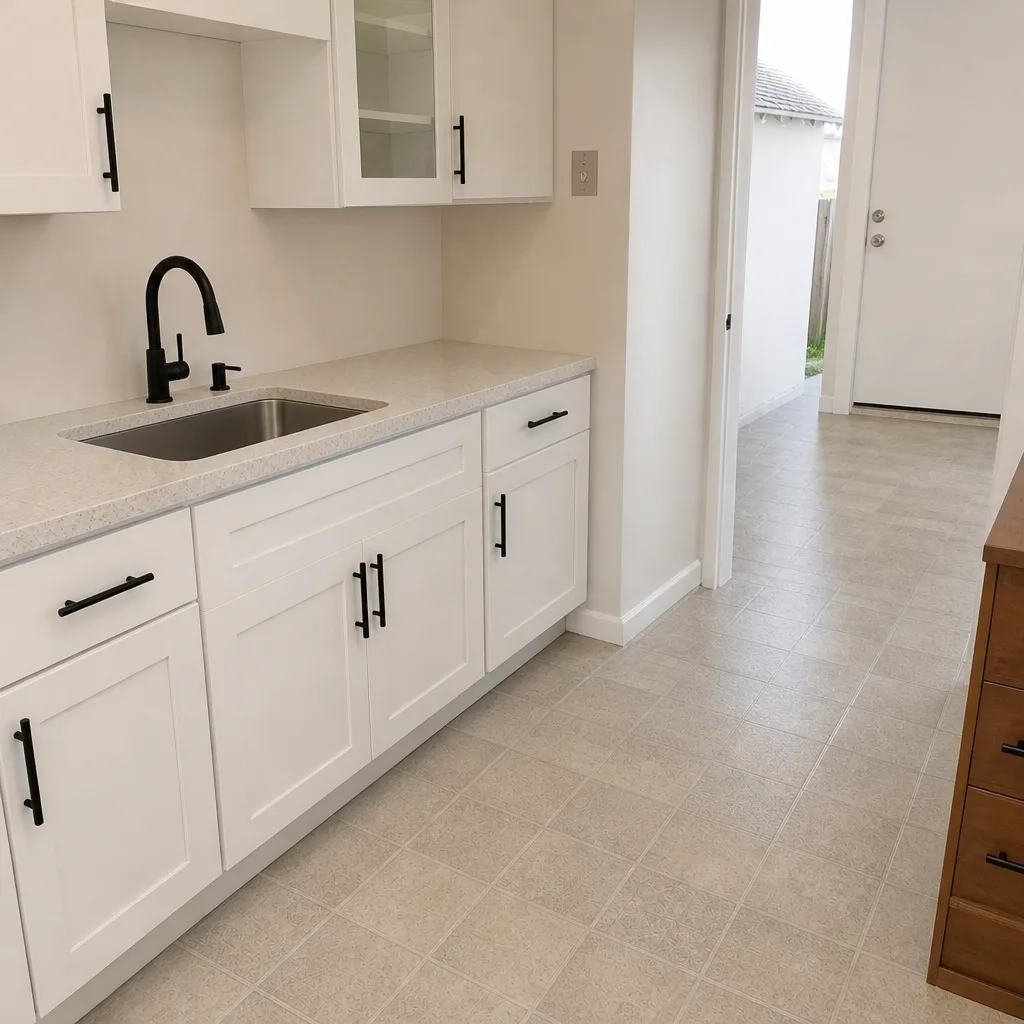
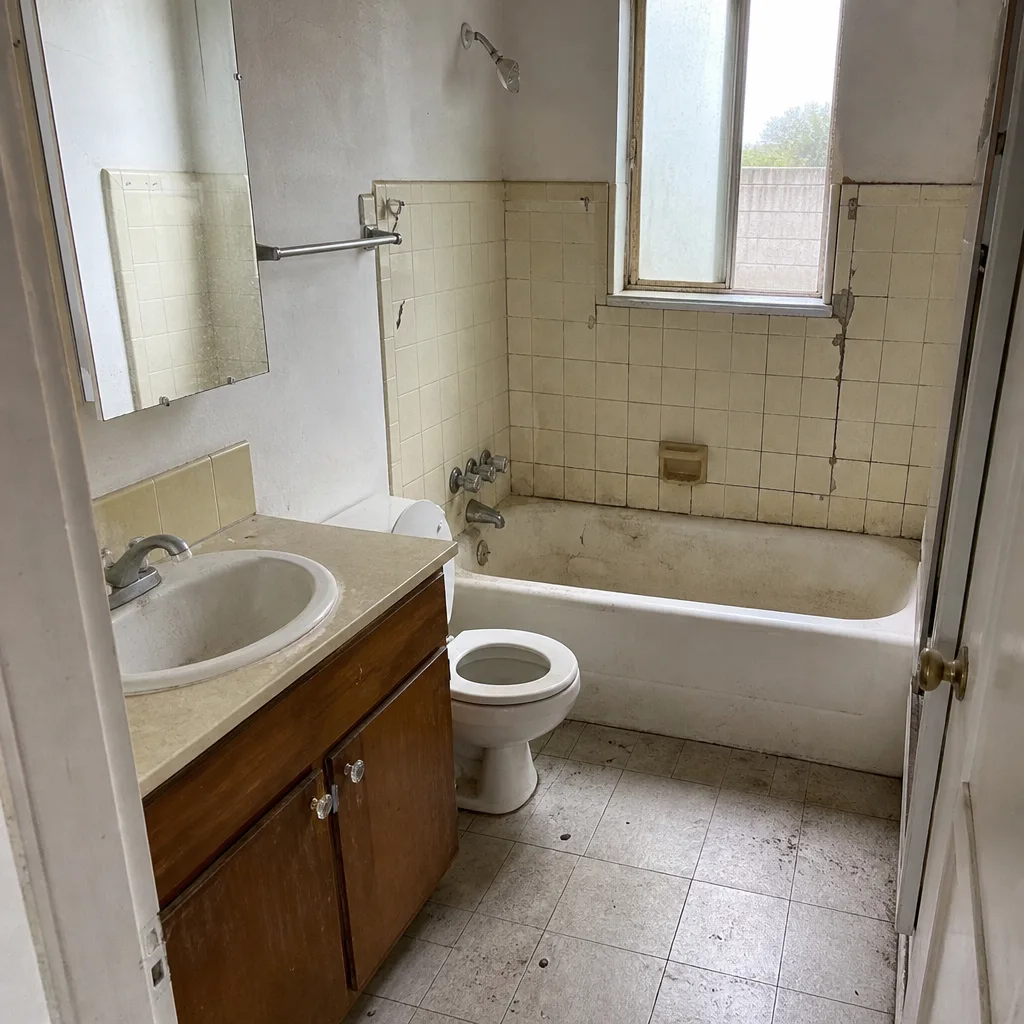
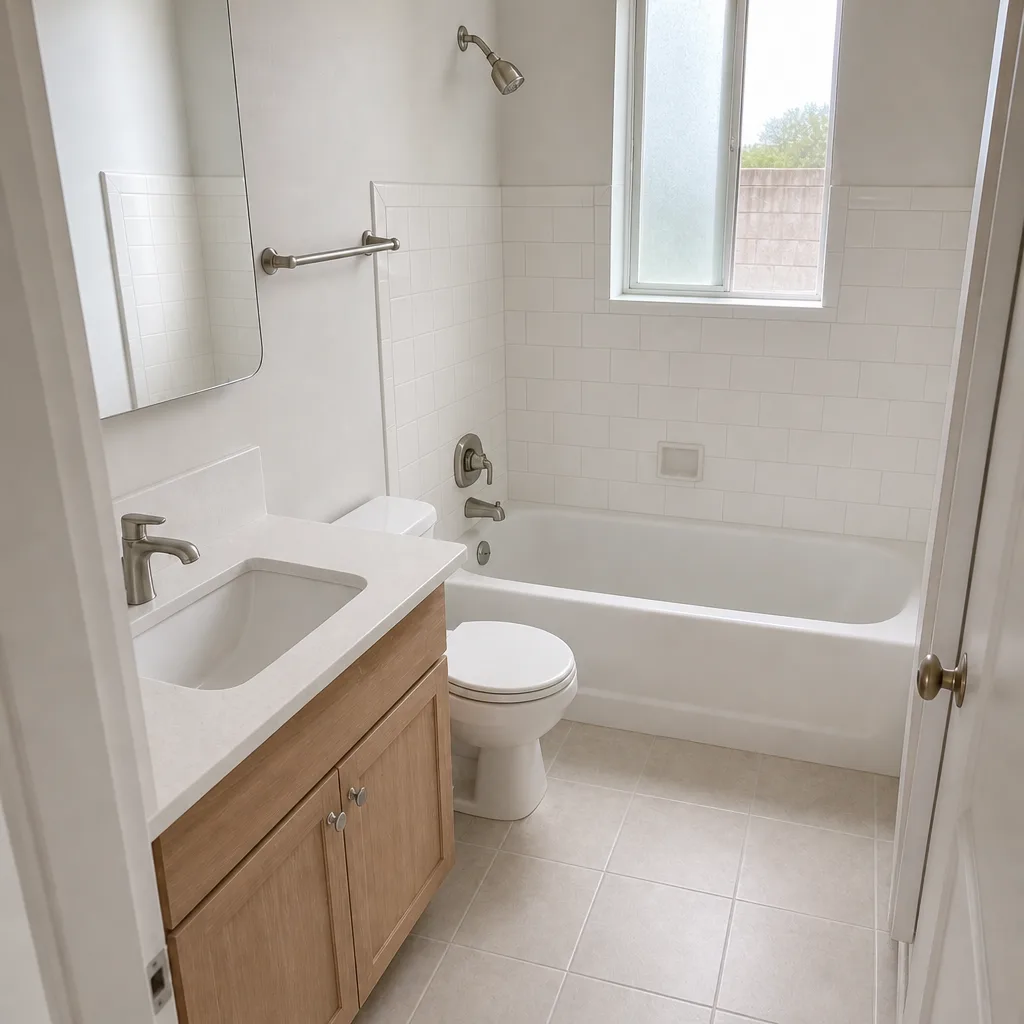
See the difference
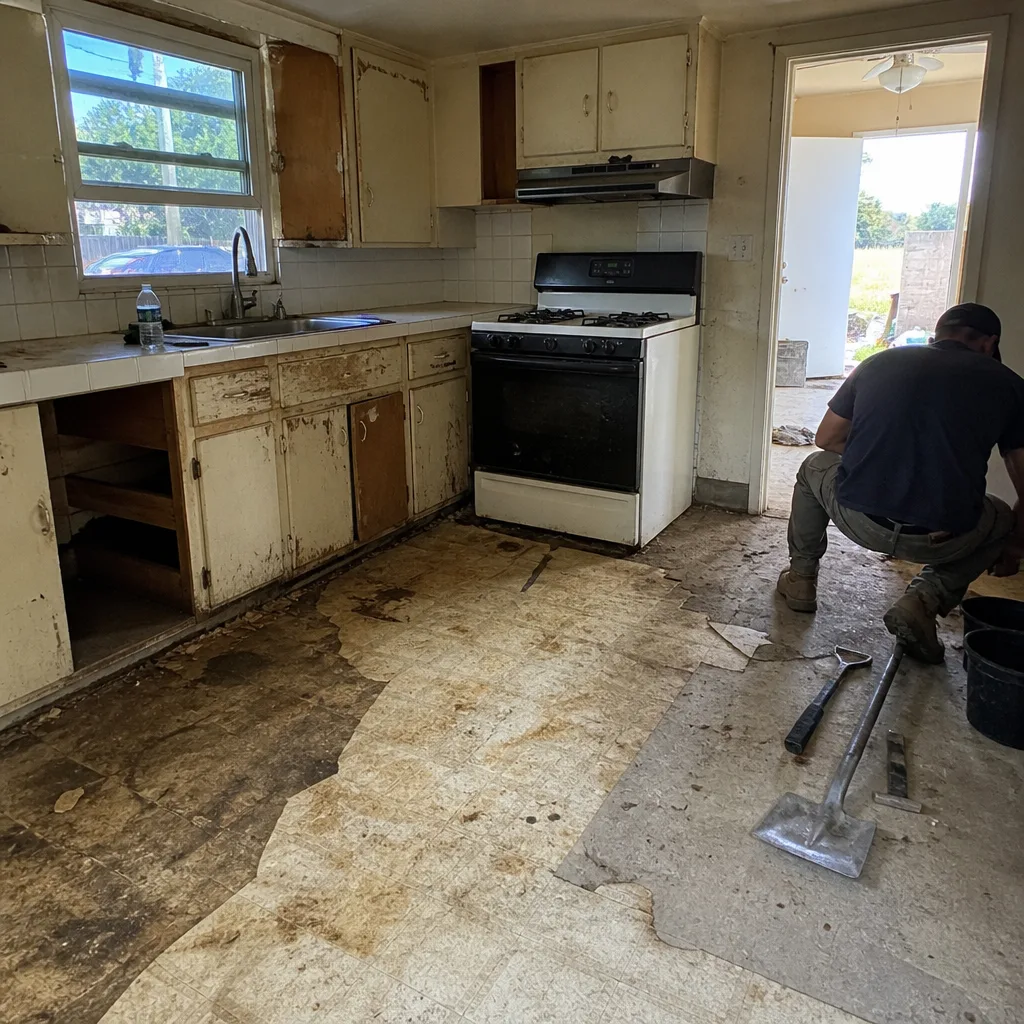 Before
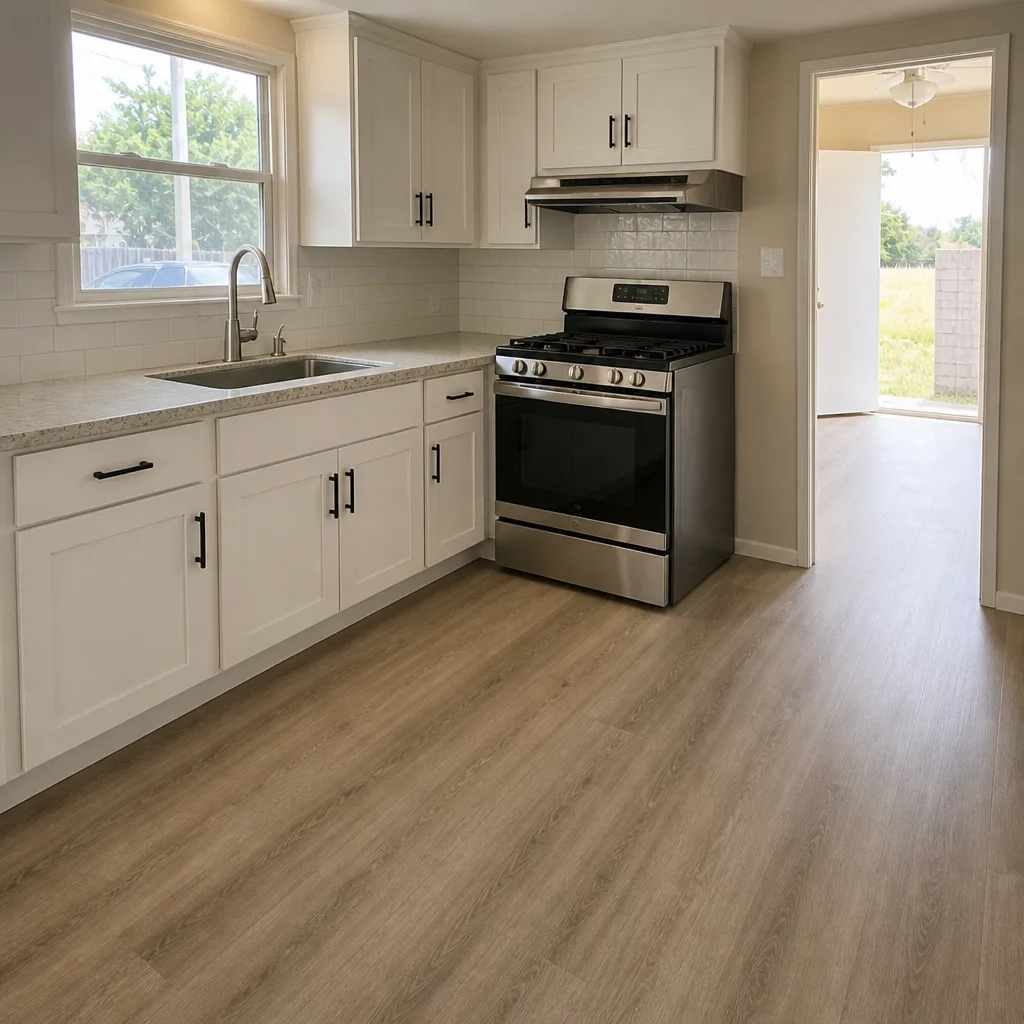 After
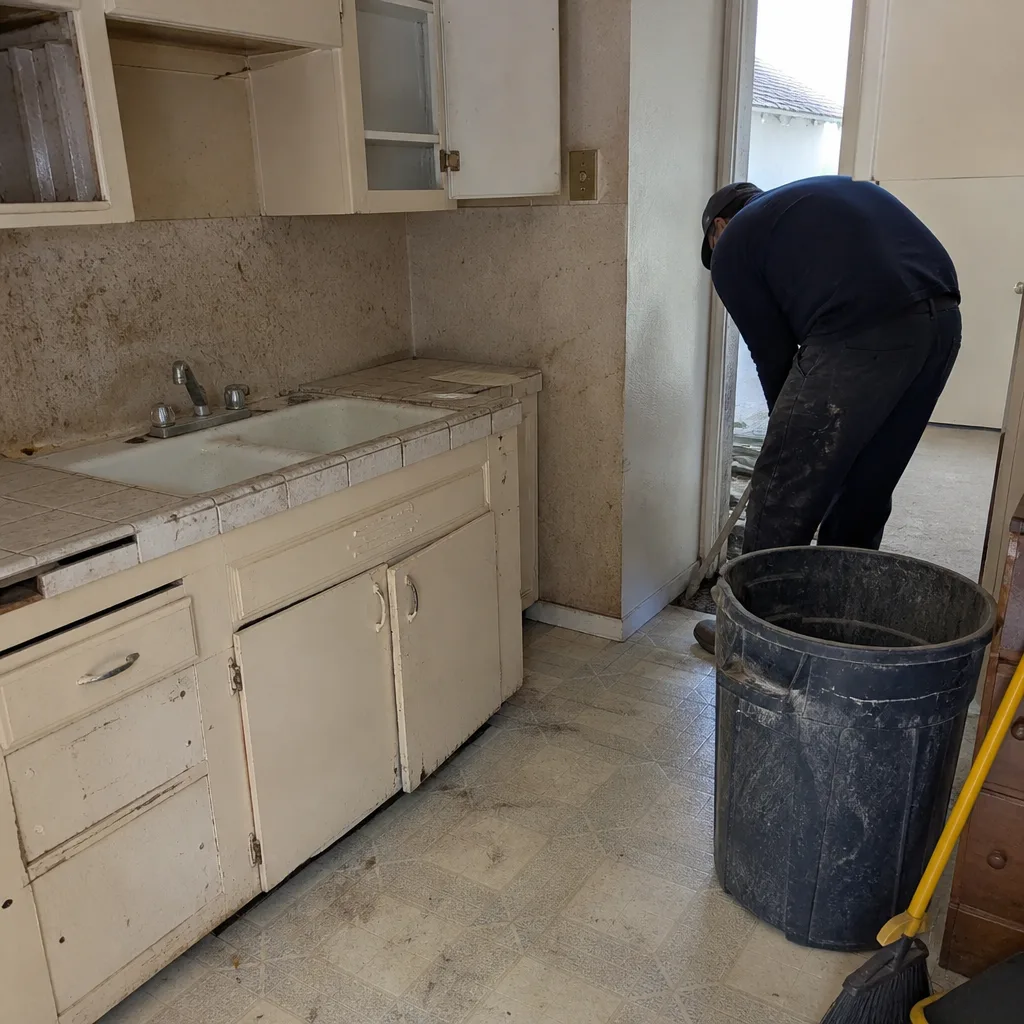 Before
 After
 Before
 After
Frequently Asked Questions
Yes, in many cases a homeowner can do their own electrical work on their own single-family residence without a contractor’s license, but the work still requires a permit and inspection in Los Angeles for anything beyond a like-for-like fixture swap. The real risk isn’t the legal exposure during the project; it’s the insurance claim denial and the resale problem if the work fails or the permit record is missing. Call (844) 343-6681 for a free estimate if you want the electrical portion handled by a licensed, inspected contractor.
Anything structural, anything involving electrical circuits or panel changes, any gas line work, any plumbing rough-in that relocates a fixture, water heater replacement, and any addition or ADU. Window replacements that change the rough opening also require a permit in Los Angeles. When in doubt, call the Department of Building and Safety; the answer is free and it’s faster than unwinding a problem at resale.
California law requires an owner-builder to disclose in writing to a buyer or tenant when an owner-builder-permitted improvement was completed within one year of the sale or lease. The disclosure covers the fact that the improvement was built by the owner and that the buyer has no contractor’s warranty to fall back on. If you’re planning to sell your Los Angeles home after a major owner-builder project, budget for the disclosure statement and get the permit records in order before listing.
Yes, in almost every case. A Los Angeles home inspector will spot newer electrical panels, plumbing, and structural openings on a routine walkthrough, and the buyer’s agent will request the permit history from the Department of Building and Safety. Unpermitted work typically turns into a negotiating credit at best, or a failed sale at worst. If you’re showing your home in the next few years, the safest option is to permit the work correctly the first time, either through an owner-builder permit or a licensed contractor.
In some cases yes, but the arrangement has to be in writing and the contractor has to agree to it, because the permit is tied to the parties of record. In practice this split gets complicated when the sub’s work fails inspection, and it’s one of the most common sources of disputes on partially DIY Los Angeles remodels. A cleaner structure is one contract, one permit, and a documented DIY finish scope you execute yourself after rough-in.
On a typical Los Angeles kitchen or bathroom remodel, taking on painting, backsplash, hardware, and trim can save roughly 8 to 15 percent of the total project cost, depending on the finish level and the size of the rooms. The savings disappear the moment the DIY scope delays the licensed trades and pushes the project schedule. Get a written scope that assigns each task to a party, and get the split agreed before day one. Call (844) 343-6681 for a free written estimate on the licensed portion of the work.
The Bottom Line
The right question isn’t whether you can handle the work; it’s whether the work requires a permit. In Los Angeles, that single question decides whether your project builds value into your home or creates a defect you’ll disclose years later. Paint, hardware, trim, backsplash, and non-structural demo are safe to do yourself and worth the savings. Electrical, plumbing, gas, structural, and anything that lives behind a wall should be permitted, inspected, and backed by a written warranty. If your project falls anywhere near the permit line, get the number in writing before the first tool comes out. Bradford Remodeling Co Los Angeles offers free written estimates, fixed before work starts, with the full-year 365-Day Done Right Promise in your hand at close. Call (844) 343-6681 to schedule your free estimate.
Written by the team at Bradford Remodeling Co Los Angeles.