Last updated November 17, 2026


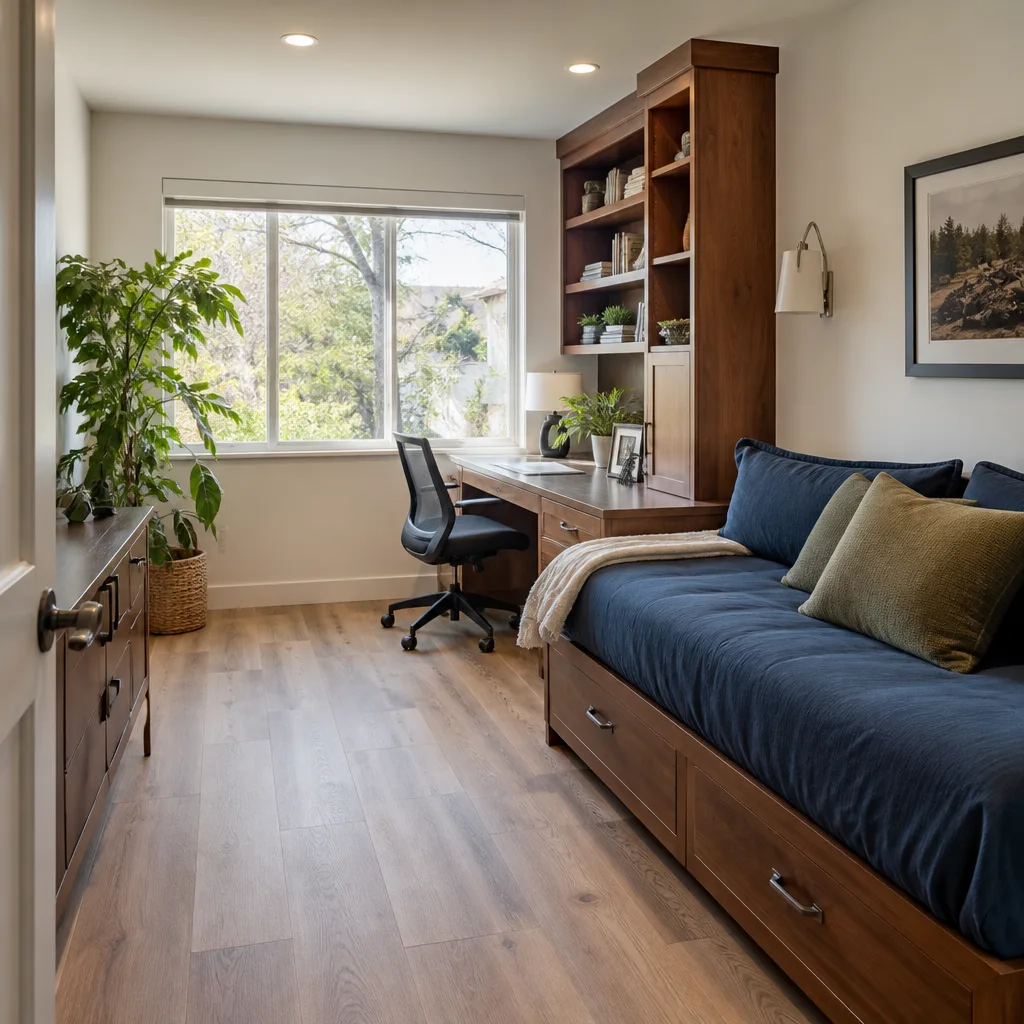

Free written scope consultation - allowances, timeline, and change-order rules on paper before a single trade is scheduled
DIY vs Professional Home Remodeling: What’s Safe to Do Yourself
In California, installing your own recessed lighting without a permit doesn’t just risk a fine. It can void your homeowner’s insurance claim after a fire, even if the wiring wasn’t the cause. That single fact reframes the whole DIY debate. The question isn’t whether you’re handy enough to hang drywall or set tile. It’s which tasks carry permit liability, inspection risk, and insurance consequences when done without a license in this state. We’ve watched homeowners in Los Angeles save a few thousand dollars on a weekend project, then lose a claim, a sale, or a certificate of occupancy because the paperwork was never filed. This guide draws the legal line, not just the skill line, so you know what’s genuinely safe to take on and what belongs to a licensed contractor.
Quick Answer
Cosmetic work that doesn’t touch plumbing, electrical, gas, or structural systems is generally safe to do yourself in California: painting, tiling over an existing substrate, cabinet refacing, trim, and landscaping. Anything that requires a permit under California building code, which is most electrical, plumbing, gas, and structural work, legally requires a licensed contractor once the project exceeds $500 in labor and materials combined under Business and Professions Code Section 7048. The dividing line isn’t your skill level. It’s liability.
Styles & brands we work with
- Kitchen remodeling
- Bathroom remodeling
- Home additions & ADU
- Roofing
- Windows & doors
- Driveway & pavers
- Fence
Table of Contents
- What California Law Actually Says About DIY Work
- The Three Categories: Safe, Risky, and Contractor-Only
- How Unpermitted DIY Work Affects Your Insurance
- Why Unpermitted Work Kills Home Sales in Los Angeles
- What a Scope-of-Work Document Should Contain
- Los Angeles Climate and the DIY Projects That Fail Here
- Common Mistakes to Avoid
- Frequently Asked Questions
What California Law Actually Says About DIY Work
California Business and Professions Code Section 7048 is the statute most homeowners have never read but are bound by. It states that any person who constructs, alters, repairs, or improves a building must be licensed if the work requires a building permit or if the combined cost of labor and materials exceeds $500. That $500 threshold is the number that surprises people. It’s not per room or per year. It’s per project. Two bathroom vanity replacements and a kitchen backsplash can cross it before you’ve bought a single power tool.
There’s a narrow homeowner exemption: you can pull permits and do work on your own primary residence, provided you don’t sell it for at least one year. That exemption is real, but it’s also where most of the trouble starts. You are legally the “owner-builder,” which means you assume the liability a contractor would normally carry. If the work fails an inspection, you eat the cost. If a helper gets hurt on your property, your homeowner’s policy may treat it differently than it would a licensed and insured crew.
Here’s what the law actually recognizes as permit-required work in most Los Angeles jurisdictions:
- Any new or relocated electrical circuit, outlet, or lighting fixture
- Plumbing rough-in, moving supply or drain lines, water heater replacement
- Gas line work of any kind, including running a line to a new range or dryer
- Removing or altering any load-bearing wall
- Adding or enlarging windows and exterior doors
- Roof replacement and most structural repairs
- Any addition, new square footage, or conversion of a garage or bonus room
Cosmetic work is different. Painting, tiling, wallpaper, flooring over an existing flat substrate, cabinet refacing, and landscaping generally don’t trigger permits. If you want the fuller picture of how a licensed General Contractor in Los Angeles navigates these lines on real jobs, that’s the reference to keep open while you plan.
The Three Categories: Safe, Risky, and Contractor-Only
We break projects into three buckets when a homeowner asks us where to draw the line. It’s a useful framework because “DIY” isn’t one category. It’s three, and each carries a different risk profile.
Category 1: Genuinely Safe DIY
These are the projects where the worst-case outcome is cosmetic and reversible. You can do these with confidence:
- Interior painting, including trim and ceilings
- Tile backsplash over an existing sound substrate
- Cabinet hardware and refacing
- Wallpaper and removable wall treatments
- Landscaping, planting, and garden hardscape at grade
- Shelving, closet systems, and freestanding storage
- Faucet and showerhead swaps (same connection, no new rough-in)
- Caulking, grout repair on existing tile, and resealing
Category 2: DIY at Your Own Risk
These are within reach for a skilled homeowner, but they carry real downside if the work fails or goes unpermitted:
- Luxury vinyl plank or floating floor installs (substrate prep matters more than people think)
- Drywall hanging and finishing in a single room
- Cabinet installation, if not moving plumbing or gas
- Bathroom tile over a properly prepped substrate (waterproofing is where amateurs lose)
- Replacing interior doors and trim
- Demo work you’ve had properly disconnected at the source
Category 3: Legally Contractor-Only
In California, these belong to a licensed contractor. Full stop:
- Any electrical panel work, new circuits, or rewiring
- Gas lines, gas appliances, and anything touching the gas meter
- Plumbing rough-in, drain relocation, and water heater replacement
- Structural changes, including removing any wall you’re not certain isn’t load-bearing
- Roof replacement and structural repairs
- Additions, second stories, and garage conversions
- Foundation work and any excavation near utilities
Garage door springs and cables deserve their own mention. Those torsion springs are under extreme tension, and the injury reports are serious. There is no version of that job that’s safe for a homeowner to attempt, and no version we’d encourage. That’s the practical side of a Kitchen Remodeling in Los Angeles project too, where moving a gas range or relocating a sink line is common and where the permit line matters.
How Unpermitted DIY Work Affects Your Insurance
Most homeowners assume their policy covers whatever happens on their property. Read the exclusions page. Nearly every standard homeowners policy in California excludes damage caused by work done without required permits, or by work the insurer determines was performed outside code. That language is broad, and it’s where DIY remodels become expensive in a way the homeowner never priced into the project.
The scenario we see repeatedly: a homeowner wires a new circuit for a bathroom vent fan. The fan fails and a small fire starts. The fire spreads to the stud cavity. The adjuster inspects and finds no permit on file for the electrical work. The claim gets denied or reduced. Meanwhile the fire damage is measured in tens of thousands of dollars, and the absence of the permit becomes the insurer’s out. The electrical wiring might not even be the cause. The unpermitted work is enough.
The same goes for a hot water heater installed without a permit and without proper seismic strapping. In California, water heater strapping is required in most jurisdictions. If a heater topples during a seismic event and floods the house, the insurer has a documented reason to deny. The permit matters because it creates a paper trail showing the work was done to code by someone qualified.
There’s a second consequence most homeowners miss. If a helper or unlicensed subcontractor gets hurt while working on your property, your homeowner’s policy may treat their injury as an excluded claim, and you could be personally exposed. A licensed, insured contractor carries liability and workers’ compensation that shields you. That protection is part of what you’re paying for, and it’s the reason the license requirement exists.
Why Unpermitted Work Kills Home Sales in Los Angeles
Unpermitted work usually hides quietly until you try to sell. In Los Angeles, that’s when it surfaces, and it surfaces in every transaction. Title companies pull permit history. Buyers’ inspectors flag discrepancies between square footage on record and what’s actually there. Lenders, especially on FHA and VA loans, will not finance a home with unpermitted additions or converted garages that don’t appear on the county assessor’s records.
A real cost scenario we’ve seen: a homeowner finished a garage conversion in a Los Angeles neighborhood like Echo Park as a weekend project over about a year. Roughly 400 square feet, unpermitted. When they listed the home, the buyer’s agent flagged the discrepancy. The buyer’s lender refused to finance until the conversion was either permitted retroactively or demolished. Retroactive permitting meant opening walls for inspection, bringing the electrical up to code, and paying back permit fees and penalties. The total was in the five figures, and the sale fell through once while it was resolved. That’s a project that felt like a $15,000 weekend win and turned into a $40,000 sale obstacle.
The pattern repeats in Highland Park, in Silver Lake, in Mid-City, and in the San Fernando Valley, where garages and bonus rooms were converted decades ago and never papered. Los Angeles building code has tightened on ADU and converted spaces in the past few years, so what was tolerated in 1998 may not survive an inspection in 2026. If you plan to sell within the next ten years, treating permits as optional is a mistake that compounds.
The fix isn’t to hide it. It’s to document what was done, even retroactively, and that’s a step where a licensed contractor earning their keep pays for themselves. A contractor who works with a Bathroom Remodeling in Los Angeles scope will rarely accept the job if a prior unpermitted rough-in is going to fail inspection halfway through. They’ll flag it, price the correction, and put it in writing.
What a Scope-of-Work Document Should Contain
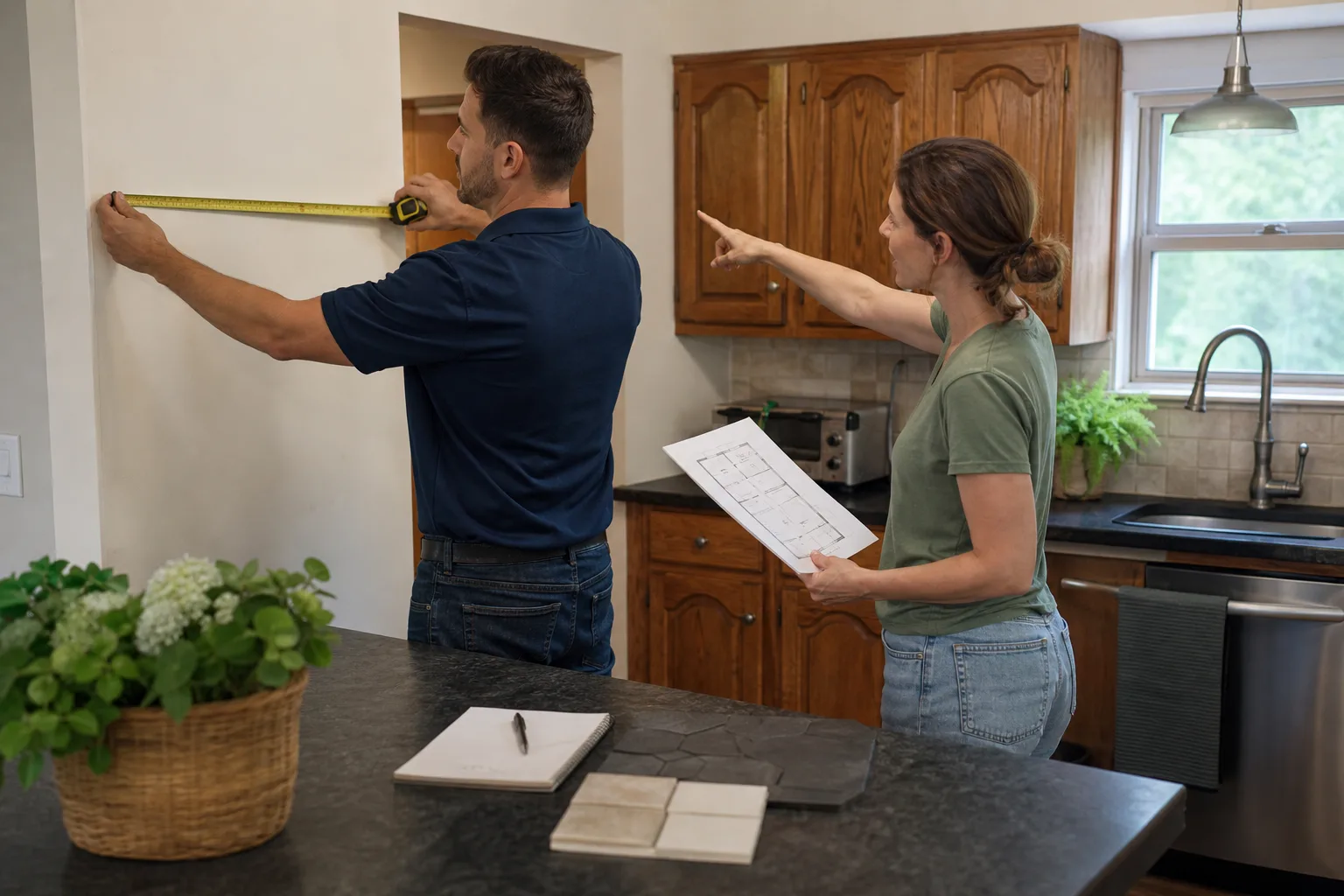
When you hand off the contractor portion of a remodel, the single document that protects you is the written scope of work. A verbal agreement and a lump-sum bid aren’t the same thing. Here’s what a real scope-of-work document should contain, and what we put in writing on every job:
- Line-item pricing. Every task, material, and allowance priced separately. “Installation of new vanity” should be a number, not folded into a lump sum you can’t audit later.
- Named materials and specifications. The specific brand and model of every specified material, not just “premium faucet” or “mid-grade tile.” We specify KraftMaid and Wellborn cabinets, Cambria and Caesarstone surfaces, Kohler and Moen fixtures, James Hardie exterior products, and Therma-Tru doors, and those names appear in the document so there’s no substitution at delivery.
- Permit responsibility. Who pulls permits, who pays for them, and who attends inspection. This paragraph needs to be unambiguous. It’s where disputes start.
- Explicit exclusions. What’s not included, listed plainly. If demo reveals water damage or old wiring, the scope should say how that’s handled and priced.
- Change-order process. How changes are priced and approved, in writing, before work continues. Anything else is a number that moves at the door.
- Schedule and milestones. Realistic start, key milestones, and completion date. Not a vague “summer.”
- Warranty terms. What’s covered, for how long, and what “covered” actually means. Our jobs carry the 365-Day Done Right Promise, which is a full year in writing: if the work fails inside that window, we come back and fix it at no charge.
- Cleanup and final walkthrough. What the site looks like at close, and who signs off. Squared away at close means the site is clean, the scope is signed off, and the written guarantee is in your hand.
The contractor’s half is only as clean as the document behind it. If yours is missing most of the above, it isn’t a scope of work. It’s a wish.
Los Angeles Climate and the DIY Projects That Fail Here
Los Angeles is not a hard climate in the way that a Minnesota winter is hard on a house. But it has its own failure modes, and the DIY projects that get people in trouble here are predictable once you name them.
The first is anything that touches moisture management. Los Angeles gets most of its rainfall in a compressed winter window, often in a handful of major storms. A grout job that looked fine in July leaks through by February. A shower pan built by a homeowner with no preslope fails in the first heavy rain season because the water can’t drain. We regularly see this in older housing stock in neighborhoods like Eagle Rock and Atwater Village, where a bathroom tile install from three winters ago starts showing water damage behind the wall during the spring. The tile itself was fine. The waterproofing wasn’t, and waterproofing is the part most homeowners don’t know to ask about.
The second is sun and heat. Any exterior coating, caulk, or sealant on a south- or west-facing wall has roughly a five-to-seven-year lifespan in Los Angeles before UV breaks it down. A homeowner who resealed a deck or a fascia in a weekend does fine on the sealant. The problem is the installation underneath. Roofs here take intense thermal cycling and, when installed poorly, fail at the flashing and at the valley. GAF and Boral products are spec’d for a reason, and installing them wrong voids the manufacturer’s warranty. That’s a calculation most homeowners miss: the material warranty is worth more than the labor savings.
The third is wildfire exposure in the hills and foothills. Los Angeles County requires specific ignition-resistant materials in higher-fire-severity zones, and some of the homes in those areas have unpermitted rooftop or deck work that would fail a current inspection. If you’re planning anything on the exterior of a home in a hillside zone, get the code requirement in writing before you buy material. This is exactly the kind of work an experienced Bradford Remodeling Co Los Angeles home reference page will point you toward.
Common Mistakes to Avoid
- Assuming your skill level is the only variable. The permit line doesn’t care how good you are with a drill. Section 7048 cares about the code, the paperwork, and the liability, and it applies whether you’re a professional or a first-timer.
- Skipping the permit to “save money.” The fee is the cheapest part of the project. The penalty, the retroactive correction, the failed inspection, and the insurance denial are the expensive part.
- Removing a wall because it “looks non-structural.” In Los Angeles housing stock, plenty of walls that look cosmetic are carrying load. A structural engineer’s report is a few hundred dollars, and a failed beam is tens of thousands.
- Doing electrical work beyond a fixture swap. Adding a circuit, adding outlets, or replacing knob-and-tube wiring in older Los Angeles homes is licensed work and it’s inspected work for a reason. The insurance consequences are real.
- Not checking permit history before buying materials. Pull the permit history from the Los Angeles Department of Building and Safety before you plan a remodel. You’ll know what prior work was papered and what wasn’t. It changes your scope.
- Trusting a verbal scope. Whatever isn’t in writing isn’t in scope. If the change order isn’t priced and signed, the price will move.
- Ignoring manufacturer warranty conditions. GAF, James Hardie, and Therma-Tru all specify installation conditions. Violate them and the warranty is void, which means the year-one failure is yours.
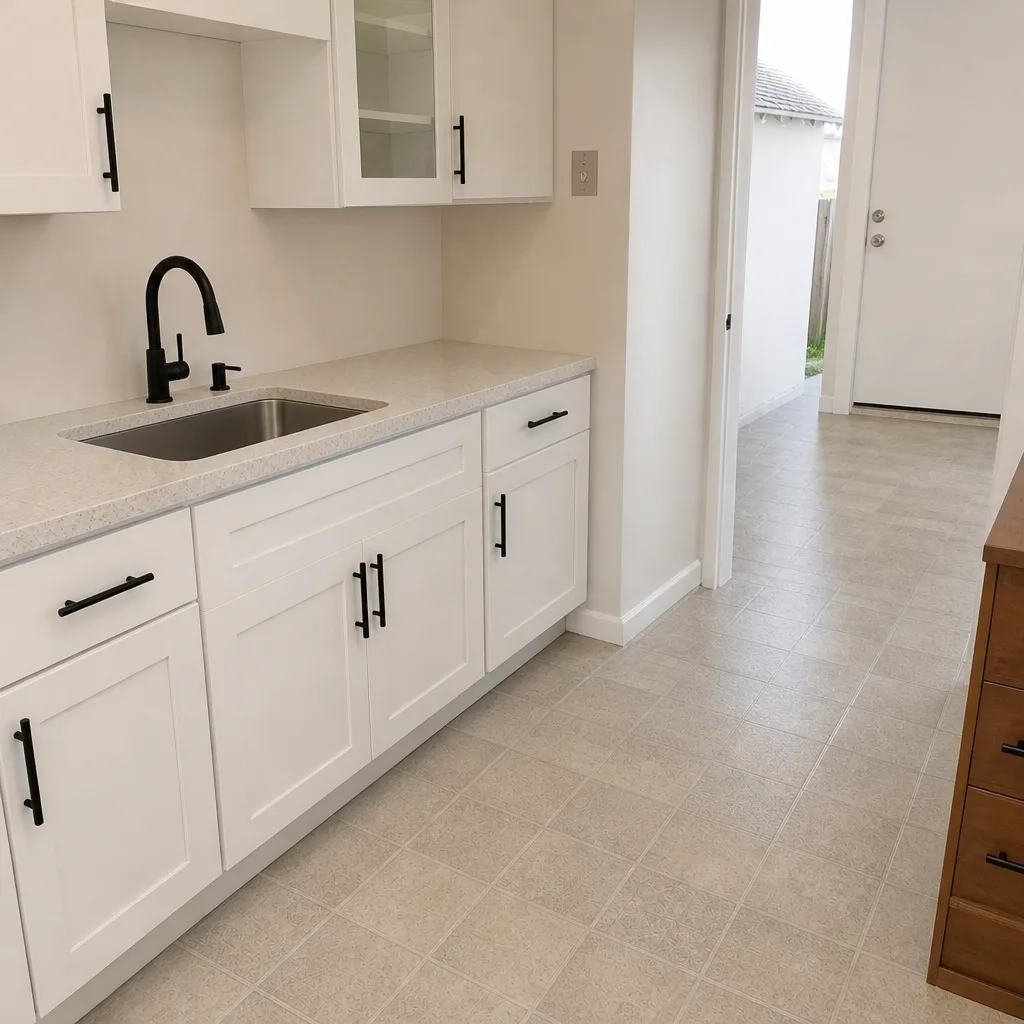
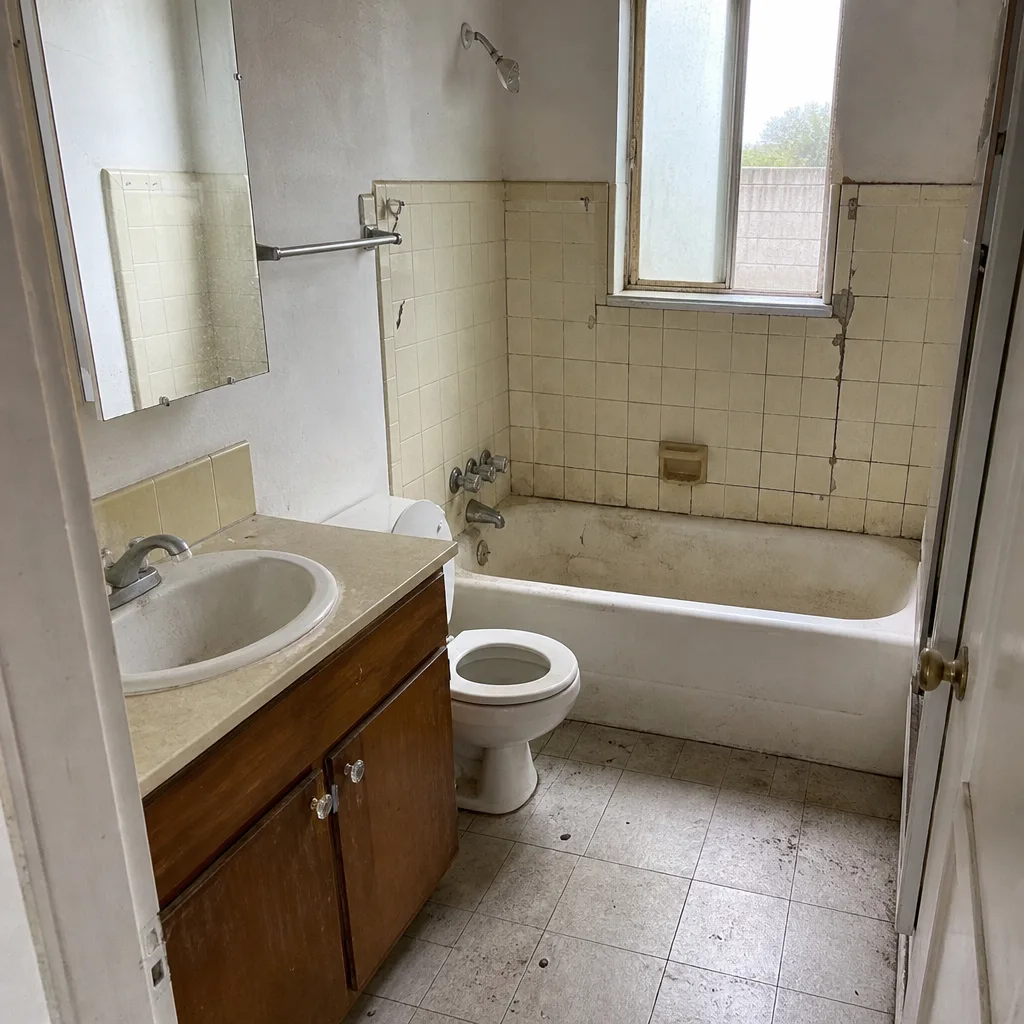
See the difference
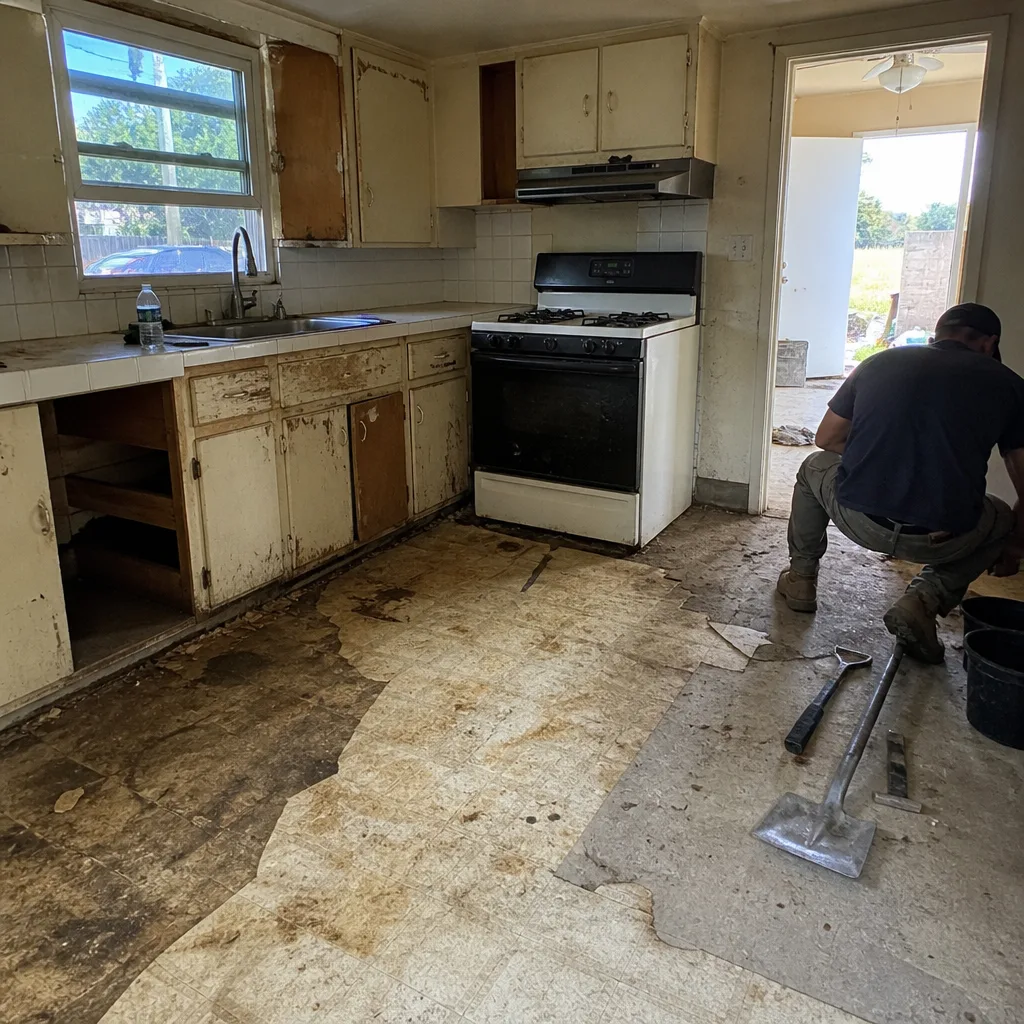 Before
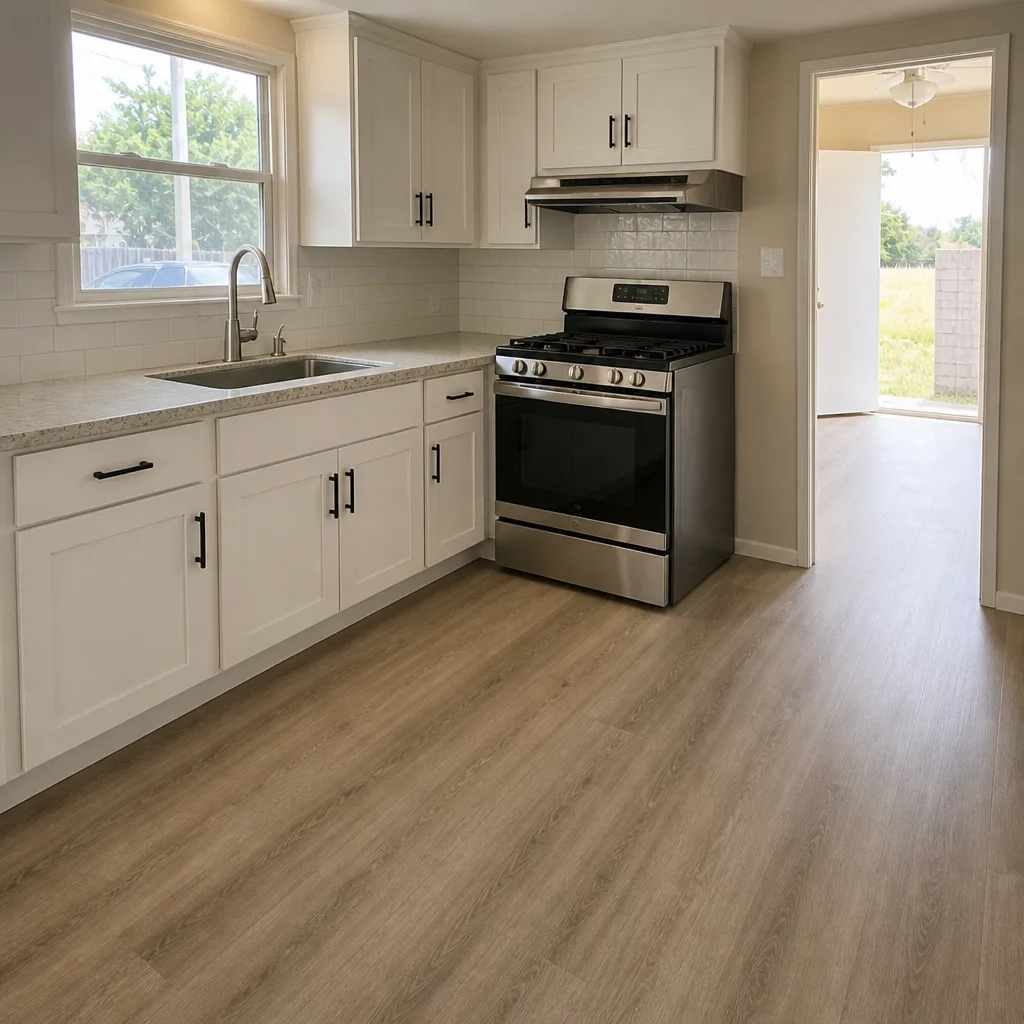 After
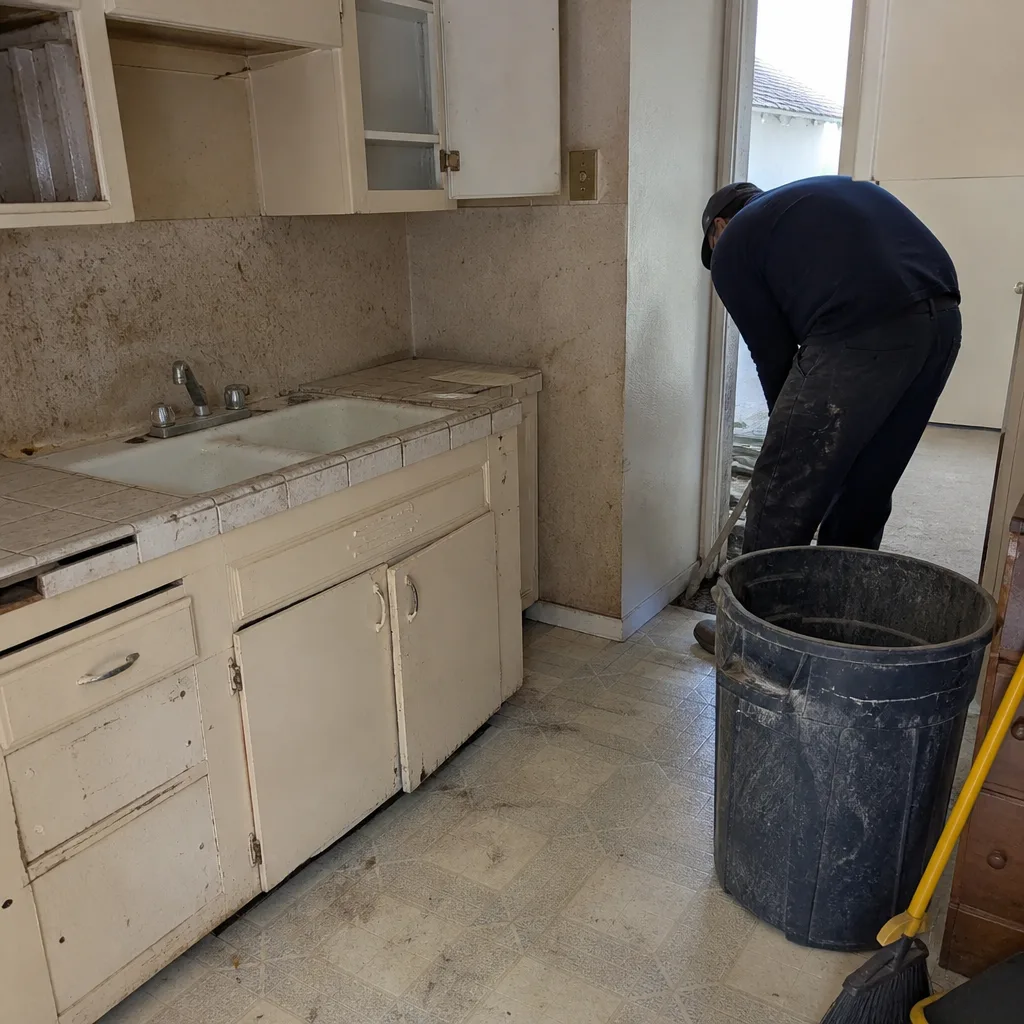 Before
 After
 Before
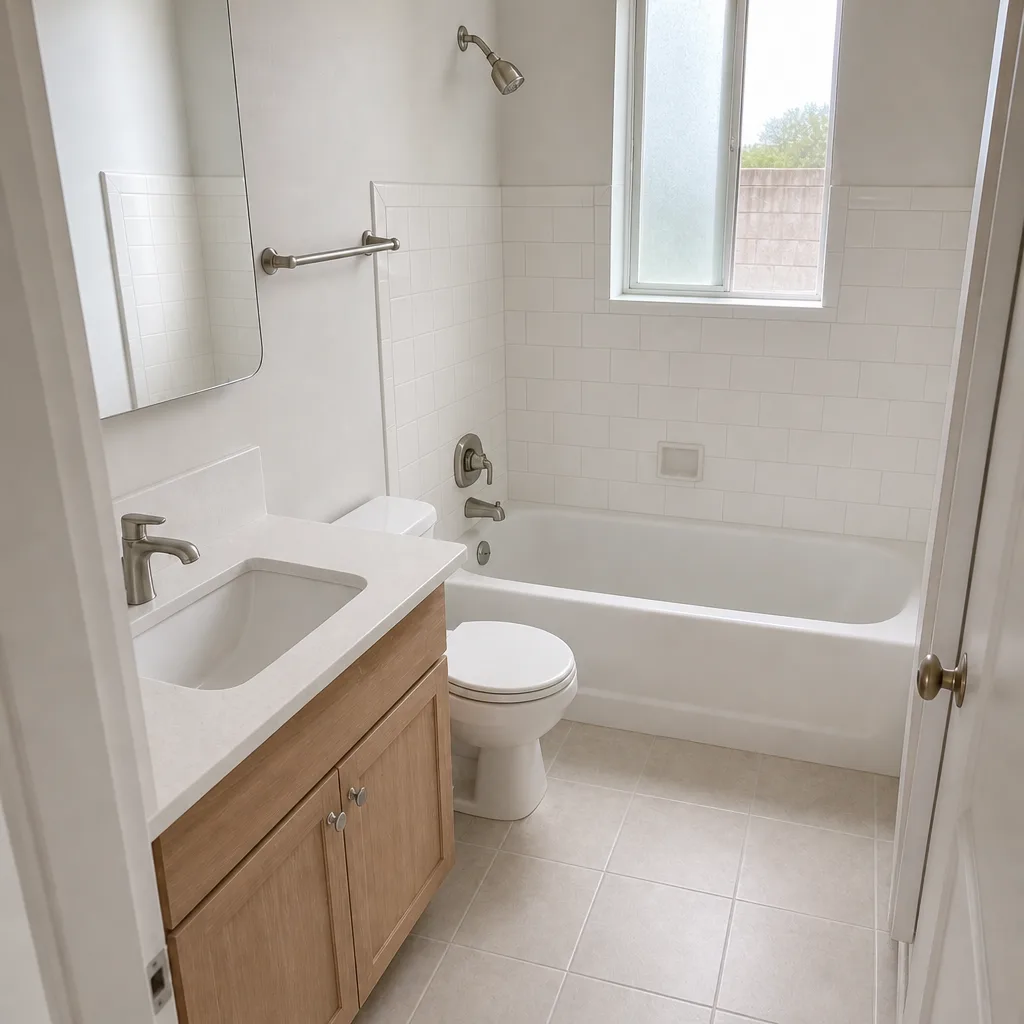 After
When to Call a Professional

Call a licensed contractor when the project crosses any of these lines: it requires a permit, it touches electrical, gas, plumbing, or structure, it moves the project past $500 in combined labor and materials under Section 7048, or the failure mode involves fire, flood, or injury. Also call one when you’re about to sell within a year, and when a prior owner’s unpermitted work is sitting in your walls. The three categories above are the working test. If the work is in the third bucket, the decision is made.
For the contractor-handled portion, you want a written price before work starts, permits pulled and inspections passed, and a written guarantee at close. Bradford Remodeling Co Los Angeles offers free estimates in Los Angeles. Call (844) 343-6681 for a written price on the portion of your project that belongs to a licensed contractor.
Frequently Asked Questions
Under California Business and Professions Code Section 7048, any work requiring a building permit, or any project where labor and materials combined exceed $500, requires a licensed contractor. In practice that covers electrical beyond a fixture swap, plumbing rough-in, gas lines, structural changes, roof replacement, and anything adding square footage. The homeowner exemption for a primary residence exists but only when you don’t sell within one year, and it transfers all liability to you.
Yes, in many cases. Standard California homeowner policies exclude damage caused by unpermitted work or work that doesn’t meet code, and insurers can deny or reduce a claim when the work wasn’t permitted. The denial can apply even if the unpermitted work wasn’t the actual cause of the loss. Call (844) 343-6681 for a free estimate if you’re deciding how to handle a prior unpermitted project before a claim or sale.
It surfaces in three places: permit history pulled by the title company, discrepancies between recorded square footage and what’s actually built, and lenders refusing to finance homes with unpermitted additions or garage conversions. Los Angeles transactions are especially sensitive to this because the housing stock is old and much of the work done in the 1980s and 1990s wasn’t papered. The cost to retroactively permit can run well into five figures. Call (844) 343-6681 for a free estimate on bringing the work into compliance.
No, not without a structural engineer’s report. A wall that looks cosmetic in an older Los Angeles home may be load-bearing, and removing one without proper beam design and inspection can cause structural failure. This is one of the categories we don’t recommend any homeowner take on. Call (844) 343-6681 for a free estimate if you’re considering a wall removal.
A real scope of work contains line-item pricing, named materials and model numbers, who pulls and pays for permits, explicit exclusions, a written change-order process, a schedule with milestones, warranty terms (ours is a full-year written guarantee under the 365-Day Done Right Promise), and a defined cleanup and walkthrough standard. If the document is missing more than one of those, it’s not a scope of work. Call (844) 343-6681 to see what ours looks like.
It varies by project, but plan on a correction costing two to four times what it would have cost to do permitted in the first place, because you’re paying for the original work plus the correction plus inspection fees plus permits. Water damage behind an unpermitted shower pan is a common example that runs $6,000 to $15,000 to correct. Call (844) 343-6681 for an exact quote – estimates are free.
The Bottom Line

The question worth asking before you pick up a tool is not whether you can do the work. It’s whether the work carries a permit requirement, an insurance consequence, and a liability exposure that belong to a licensed contractor in California. Cosmetic work is genuinely safe DIY. The second category is yours to take on with eyes open. The third category isn’t a skill question. It’s a legal one. Los Angeles homes have their own failure modes, from two-year shower failures to garage conversions that kill a sale, and the paperwork is the only thing that protects you when they surface. Put the contractor portion in writing, keep the guarantee in hand, and you’ll be squared away.
If you’re ready to price the part of the project that belongs to a licensed contractor, Bradford Remodeling Co Los Angeles is glad to put a price in writing. Call (844) 343-6681 for a free estimate. Every job we take on is covered by the 365-Day Done Right Promise, our technicians are background-checked and uniformed, and our roster of specified materials includes names like KraftMaid, Cambria, Kohler, and James Hardie. You’ll know the price before the first tool comes out. We’re part of the Garrison Partners family and held to The Garrison Standard on every project.
Written by the team at Bradford Remodeling Co Los Angeles.