Last updated November 17, 2026





Free written scope consultation - allowances, timeline, and change-order rules on paper before a single trade is scheduled
General Contractor Maintenance Schedule: What to Do and When
Grout, caulk, and expansion joints are designed to be sacrificial. They’re supposed to fail before your tile or your subfloor does. If nobody told you that when your remodel wrapped, your maintenance schedule already has a gap. In our experience across Los Angeles, the most expensive post-remodel failures we see aren’t material defects – they’re items a homeowner was never told to check. This guide gives you the specific inspection schedule a general contractor should hand you at project close, broken down by trade, with the Los Angeles climate factors that actually matter: drought-driven soil movement, earthquake strapping, and wildfire-season exterior care.
Quick Answer
A post-remodel maintenance schedule is a written list of inspections and re-sealing tasks tied to dates, not to how things look. At minimum: recaulk wet areas every 12 to 24 months, inspect plumbing supply lines and shutoffs annually, check your electrical panel and GFCI outlets once a year, verify HVAC condensate lines twice a year, and confirm foundation tie-ins and earthquake strapping each spring. The purpose isn’t home improvement – it’s keeping your workmanship warranty valid.
Styles & brands we work with
- Kitchen remodeling
- Bathroom remodeling
- Home additions & ADU
- Roofing
- Windows & doors
- Driveway & pavers
- Fence
Table of Contents
- Warranty Coverage vs. Homeowner Maintenance: Who Owns What
- Plumbing Rough-Ins: The Annual Inspection
- Electrical Panels and Connections After a Remodel
- HVAC Connections and Condensate Lines
- Structural Tie-Ins and Foundation Checks
- Caulk and Sealant: Maintenance Item, Not Defect
- How to Document Inspections So a Warranty Claim Holds Up
- Los Angeles Seasonal Factors: Earthquake, Drought Soil, Wildfire
Warranty Coverage vs. Homeowner Maintenance: Who Owns What
Your workmanship warranty covers how the work was installed. It does not cover what happens when a joint is left unsealed for two years. That distinction is where almost every warranty dispute starts, and most homeowners learn it after the claim is denied.
At Bradford Remodeling, our 365-Day Done Right Promise means that for a full year after project close, if a repair or remodel fails because of how we installed it, we come back and correct it at no charge. What that guarantee doesn’t absorb is neglect: a failed shower pan because the caulk line went three years without attention, or a swollen cabinet base because a supply line drip was never noticed. Those are maintenance lapses, and every written guarantee in the trades works the same way.
Here’s the practical split:
- Workmanship warranty covers: tile that debonds from a properly prepared substrate, a door that doesn’t hang true, a cabinet run that pulls loose from studs, plumbing connections that leak within days of installation, electrical work that trips a breaker because of a fault in the wiring itself.
- Homeowner maintenance covers: caulk and grout joints, sealant at exterior penetrations, filters, GFCI and AFCI test/reset, drain clearing, and any damage from water intrusion that entered through an unmaintained joint.
The reason this matters in Los Angeles specifically is that exterior joints take a beating here. Our sun degrades sealant faster than in cooler climates, and a joint that would last three years in the Midwest may be done in eighteen months on a south-facing wall. Ask your contractor for the maintenance list in writing at closeout. If the schedule isn’t written down, it doesn’t exist. When evaluating a contractor for your next project, you can see how we handle that handoff on our General Contractor in Los Angeles page.
Plumbing Rough-Ins: The Annual Inspection
Plumbing rough-in work is behind the wall once the project closes, which is exactly why it needs a once-a-year look at the access points you can still reach. An annual plumbing walkthrough takes about twenty minutes and catches most supply-line failures before they become drywall damage.
What to check, in order:
- Supply shutoffs. Open and close every angle stop under sinks and behind toilets once a year. Stops that haven’t moved in years seize, and a seized valve means a plumber instead of a quick fix when you need to shut off water in a hurry.
- Supply line connections. Look at the braided lines under each sink and behind each appliance. Any green crust or dampness at the fitting is a call-now item.
- Drain traps and P-traps. Check for slow drains and any odor at the trap. A remodel that moved a fixture can leave a slightly shallow trap that needs eyes on it.
- Toilet bases and tank bolts. A rocking toilet compresses the wax ring and eventually leaks around the flange, which is a subfloor problem.
- Water heater fittings. Check the T&P discharge line and the pan drain if the remodel added one. In a Los Angeles home, sediment buildup is a real factor; flush the tank per manufacturer guidance.
Nothing on this list requires tools beyond a flashlight and a towel. It requires a schedule and ten minutes of attention. If you find a leak at a connection we installed, that’s a call to us – the 365-Day Done Right Promise covers it during that first year. If you find a failed valve from 1998, that’s a maintenance replacement, and we’ll give you a written price before anyone touches it.
Electrical Panels and Connections After a Remodel
A remodel frequently adds circuits: a kitchen with more appliances, a bathroom with a heated floor, a home office with dedicated outlets. That means your panel changed. It should get a yearly visual check, and it’s a job for a licensed electrician and a careful homeowner – not a DIY project.
Safety note first: never remove a panel dead front (the cover over the breakers) yourself. The lugs and bus bars inside carry live current even with the main breaker off on some configurations. Testing breakers, reading labels, and looking for heat or scorch marks from the outside are the safe homeowner tasks. Opening the panel is a licensed electrician’s job.
What you can and should check annually:
- Test every GFCI and AFCI breaker and outlet. Press the test button, confirm it trips, reset it. Kitchen, bathroom, garage, and exterior outlets in Los Angeles should all be protected.
- Look for warm breaker faces or scorch marks with the panel cover on. Warmth at a breaker under normal load is a sign of a loose connection or an overloaded circuit.
- Confirm the panel schedule matches reality. The paper label should match what each breaker actually controls. If a remodel added circuits, the label should have been updated at closeout; if it wasn’t, that’s worth a call.
- Note any breaker that trips repeatedly. A breaker that trips twice under ordinary use is telling you something. Don’t reset and forget.
Electrical failures inside a wall are rare when the work was done to code with permits and inspection. Failures at terminations and outlets are common, and they’re exactly what an annual check catches. If your remodel is still in planning and you want to understand how we scope electrical work, our Kitchen Remodeling in Los Angeles page walks through the typical rough-in sequence.
HVAC Connections and Condensate Lines
An HVAC system that was working fine before a remodel can develop problems because the remodel changed the pressure balance of the house, moved a return, or added a door that closes off airflow. The financial exposure here is real: a condensate line that backs up can damage a cabinet run or a finished ceiling in a single weekend.
Twice a year – once in spring before cooling season, once in fall before heating season – run through this list:
- Change the filter. This is the single maintenance item with the highest return. A clogged filter strains the blower and shortens its life.
- Check the condensate line and drain pan. If the system sits in an attic or closet, confirm the line drains freely and the pan is dry. Add a pan float switch if the remodel put the air handler above finished space.
- Look at the connections at the air handler. Vibration from a remodel can loosen refrigerant line insulation, and gaps there waste energy and can sweat.
- Walk the registers. Any room that heats or cools unevenly after a remodel is a sign of a balance problem, not a failing system.
- Note the thermostat schedule. If your remodel added rooms, confirm the zones make sense.
None of this requires touching refrigerant lines or opening the equipment. It’s observation and filter changes. A licensed HVAC technician handles the rest, and the manufacturer’s warranty typically requires documented annual service, so keep the receipts.
Structural Tie-Ins and Foundation Checks
Structural tie-ins are the connections that hold a remodeled section to the original house: new framing to existing framing, engineered beams to posts, additions to the main structure. These don’t need weekly attention, but they deserve a yearly look and they deserve documentation.
Once a year, in good light, do a walk-through focused on these points:
- Door and window operation. Doors that suddenly stick, or windows that rack, are the cheapest structural instrument you own. A change that appears over a season is a signal; a change that appears over a day usually isn’t.
- Drywall cracks. Hairline cracks at corners and above door openings are common and cosmetic. Cracks that widen over months, or stair-step cracks in exterior stucco, deserve a professional look.
- New framing connections. Where an addition or bump-out meets the original house, look for separation, new gaps, or pulled caulk. That joint should stay closed.
- Post bases and beam pockets. Look for rot, insect activity, or rust at connectors. Hardware should be labeled and rated; if you can see unlabeled framing connectors, ask about them.
Los Angeles adds one structural item no other region has to schedule: earthquake strapping checks. Confirm your water heater is strapped with two straps, top and bottom, to the wall studs. Check that the house itself has bolting or retrofit hardware if it was ever retrofitted. A remodel that opened walls is often the last chance to confirm this cheaply. If your project is still ahead of you, our Bathroom Remodeling in Los Angeles guide covers how structural and plumbing scope is documented when a bathroom opens a wall.
Caulk and Sealant: Maintenance Item, Not Defect
Caulk is supposed to fail. It’s the sacrificial layer that protects tile, substrate, and framing from water. When a shower joint fails at month twenty, that’s not a workmanship defect – that’s the product doing its job of absorbing movement and sun until it wears out. The problem is nobody hands you an interval.
A realistic interval for Los Angeles wet areas:
- Inside a shower or tub surround: recaulk the horizontal joints and corners every 12 to 24 months in a house with regular use. South- and west-facing bathrooms in Los Angeles need the shorter end of that range.
- Around sinks and backsplashes: inspect annually, replace every 2 to 3 years.
- Exterior window and door sealant: inspect every 12 months before the dry season, replace every 2 to 4 years. Our UV load kills exterior sealant faster than moisture does.
- Grout: sealed grout in a shower should be resealed every 1 to 2 years depending on use and the product.
What to look for: any gap where caulk has pulled away from one surface, cracking, a chalky or crumbly texture, or dark spots that won’t clean. That’s the signal to remove and replace, not to touch up over the top. Caulking over failing caulk is the single most common cause of a joint that leaks within a month. Use a 100% silicone in wet areas and a paintable siliconized acrylic where the joint gets painted, and follow the manufacturer’s cure time before water contact.
How to Document Inspections So a Warranty Claim Holds Up
If something fails inside your guarantee period, the claim goes faster when there’s a record. The reason is simple: the contractor needs to distinguish a workmanship failure from a maintenance lapse, and a dated record does that in about thirty seconds. Here’s a documentation routine that stands up in practice.
- Keep a single maintenance log – a notebook or a folder on your phone – dated entries only. “March: recaulked shower, replaced filter, tested GFCIs, all passed.”
- Photograph before and after each maintenance task. A photo of a shower corner with fresh caulk, dated, is proof of the interval.
- Save your closeout package in one place: written scope, any manufacturer spec sheets, the signed guarantee, and the inspection records.
- If you see a change, photograph it immediately and note the date. Water staining, a crack that grows, a door that starts sticking – the first photo is the most useful one.
- Report anything that looks like a defect promptly. Most written guarantees ask for reasonable notice. A leak documented at week three is a clean claim; the same leak found six months later is a more complicated conversation.
This is why we hand over a written closeout package at the end of every project: written price, written scope, and a signed 365-Day Done Right Promise stating exactly what’s covered and for how long. When everything is documented, a claim isn’t a negotiation – it’s a call, a visit, and a correction at no charge.
Los Angeles Seasonal Factors: Earthquake, Drought Soil, Wildfire
A maintenance schedule built for a national average doesn’t fit Los Angeles. Three factors change the calendar here, and each one has a specific check attached.
Earthquake strapping and bracing. Schedule this once a year, typically in spring. Confirm the water heater straps are tight and anchored to studs. Check that tall furniture, a remodeled pantry, and any new cabinetry runs are anchored. If your remodel added a wall-mounted TV or a heavy shelf, those need a rated fastener, not a toggle. This is a fifteen-minute spring check that’s easy to skip and expensive to skip.
Drought-related soil movement. Los Angeles clay soils shrink and swell with moisture cycling, and in a dry year the shrinkage moves foundations more than most homeowners expect. Look once a year for new cracks at the foundation line, gaps between a slab and the stucco, and doors that stick during a dry spell and free up after rain. If the movement is seasonal and returns, it’s usually manageable; if it doesn’t return, get it looked at. Keep irrigation off the foundation line where you can.
Wildfire-season exterior maintenance. Before summer, clear debris from the roof, gutters, and the five-foot zone around the foundation. Inspect exterior caulk and the joints at window and door trim, and repair any gaps in siding or fascia – a gap is a path for embers and also for moisture. Check that vent screens are intact. If your remodel added a fence or gate, look at the brackets and any connectors; a wobbly post is a wind and fire issue, not a cosmetic one. Fencing systems from Barrette and Master Halco are common on remodels around Los Angeles, and their hardware is worth a visual check once a year.
Set the calendar once: spring for earthquake and structural, late spring for wildfire prep, fall for plumbing and HVAC service, and quarterly for a quick wet-area look. A homeowner in Los Angeles who follows that schedule will catch almost everything before it becomes a claim. For a broader sense of how we sequence work and hand it back, see our Bradford Remodeling Co Los Angeles home page.
Common Mistakes to Avoid
- Treating failed caulk as a defect. Caulk is sacrificial by design. Reporting it as a warranty failure instead of replacing it on schedule is the fastest way to be told the claim isn’t covered.
- Never touching the angle stops. Valves that haven’t been operated in years seize shut. Homeowners in older Los Angeles homes discover this at the worst possible moment.
- Skipping GFCI tests. A failed GFCI outlet looks identical to a working one until you press the test button. Test quarterly.
- Not changing the HVAC filter on schedule. A clogged filter shortens the blower’s life, and no manufacturer covers that under warranty. It’s the cheapest maintenance you have.
- Relying on memory instead of a log. A documented maintenance record is what turns a warranty claim into a phone call from the contractor. Without it, you’re relying on the contractor’s goodwill.
- Assuming the weather sealant will last. Exterior sealant in Los Angeles sun has a shorter life than national guidance suggests. Inspect every twelve months, before the dry season.
- Ignoring seasonal foundation movement. Drought-cycle soil movement in Los Angeles is normal up to a point. Cracks that don’t close back up after rain should not be ignored.
See the difference
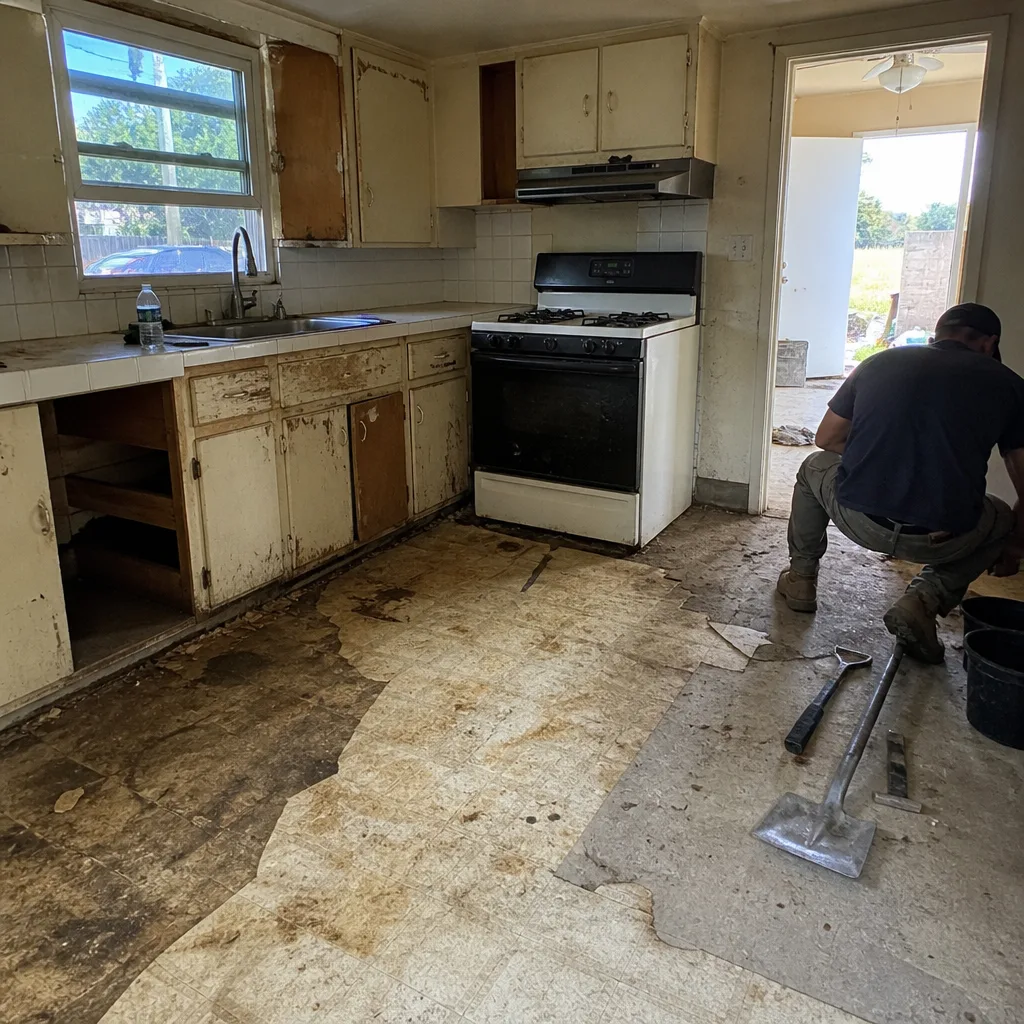 Before
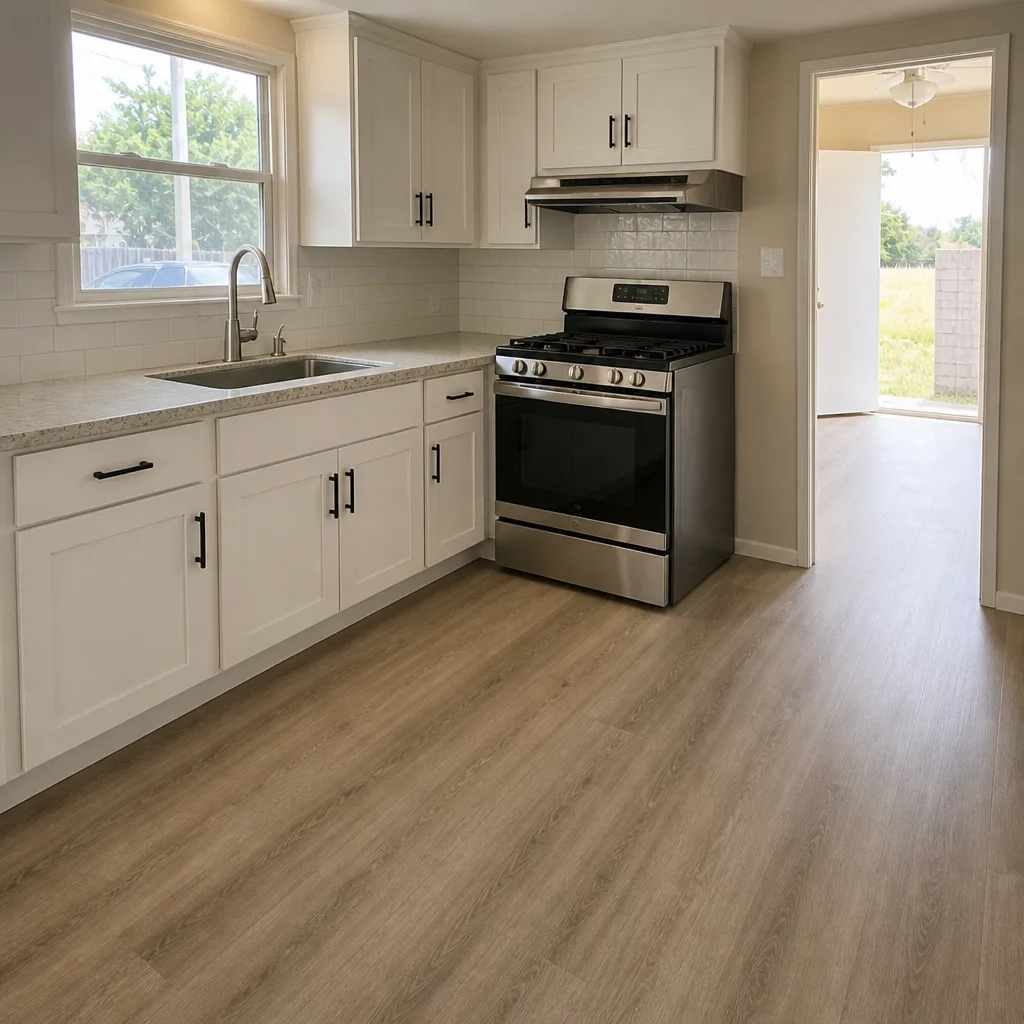 After
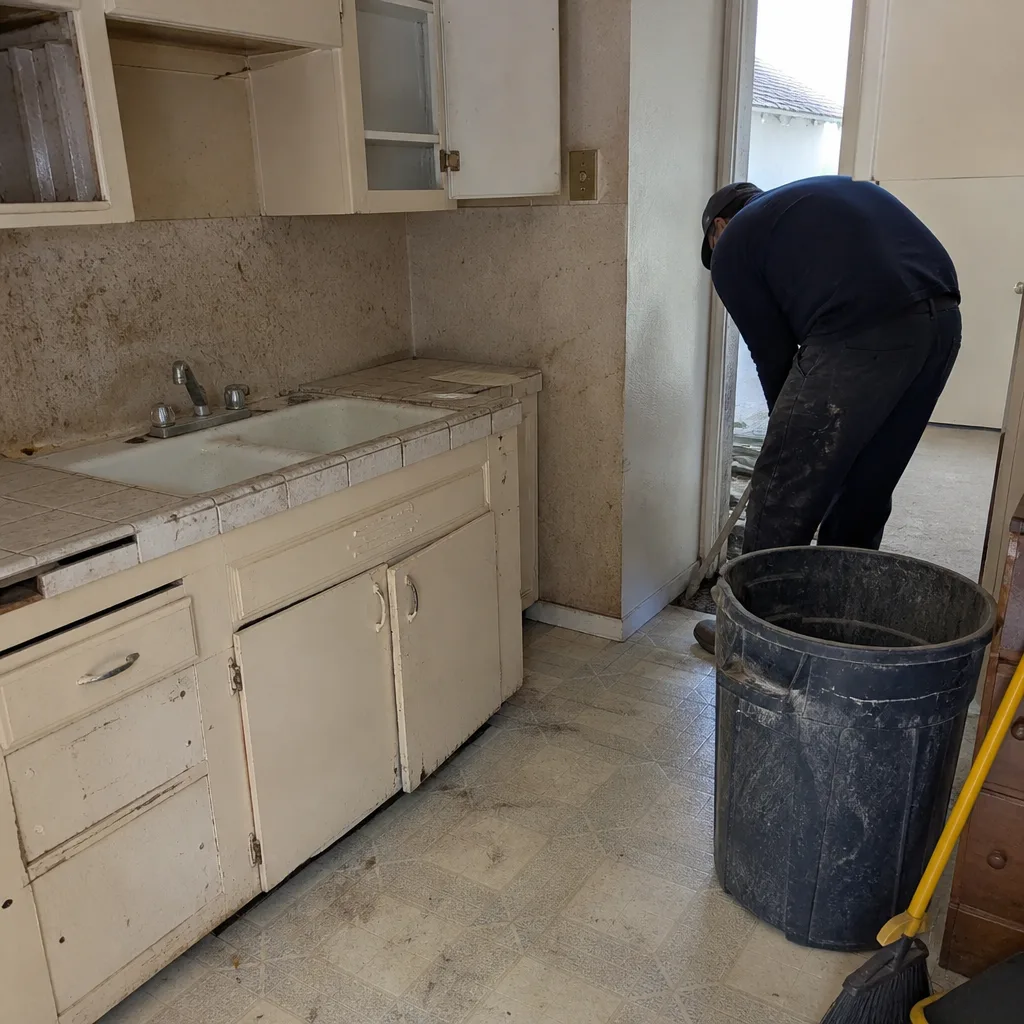 Before
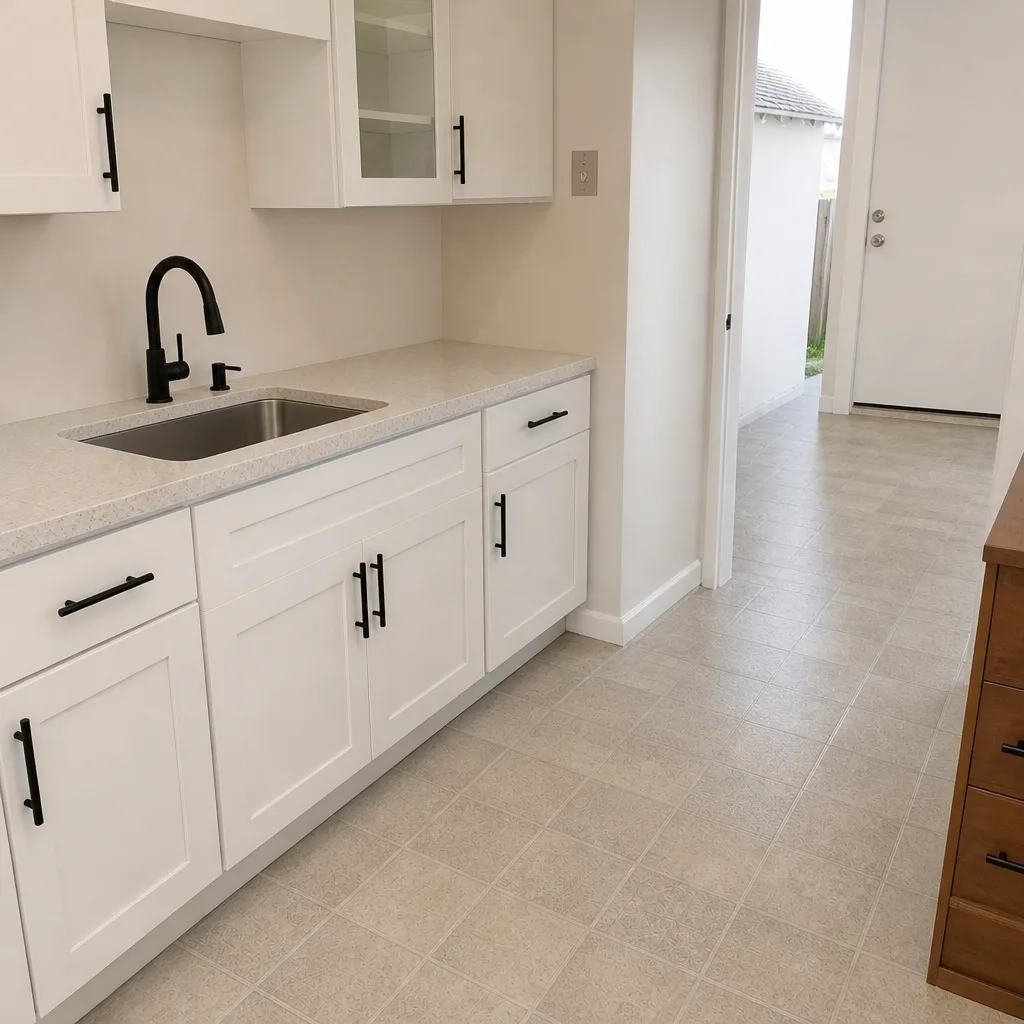 After
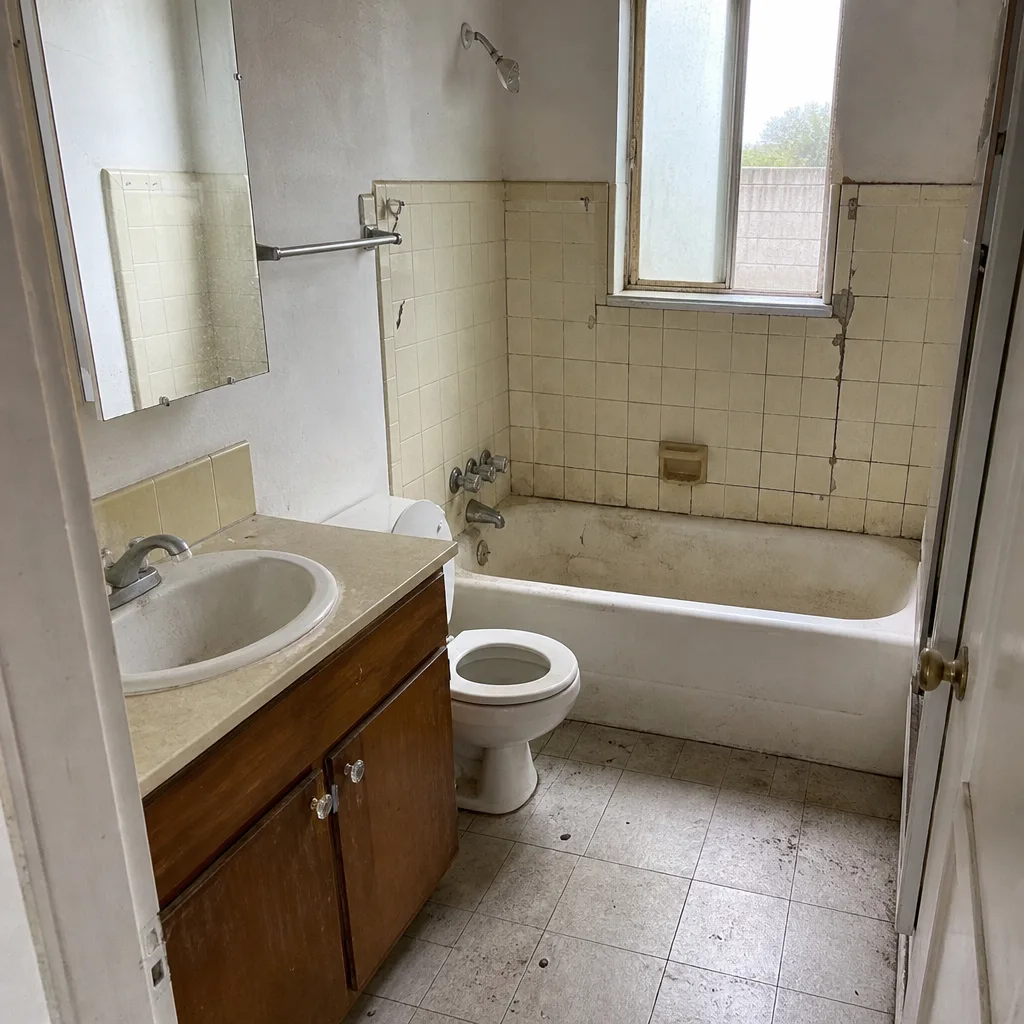 Before
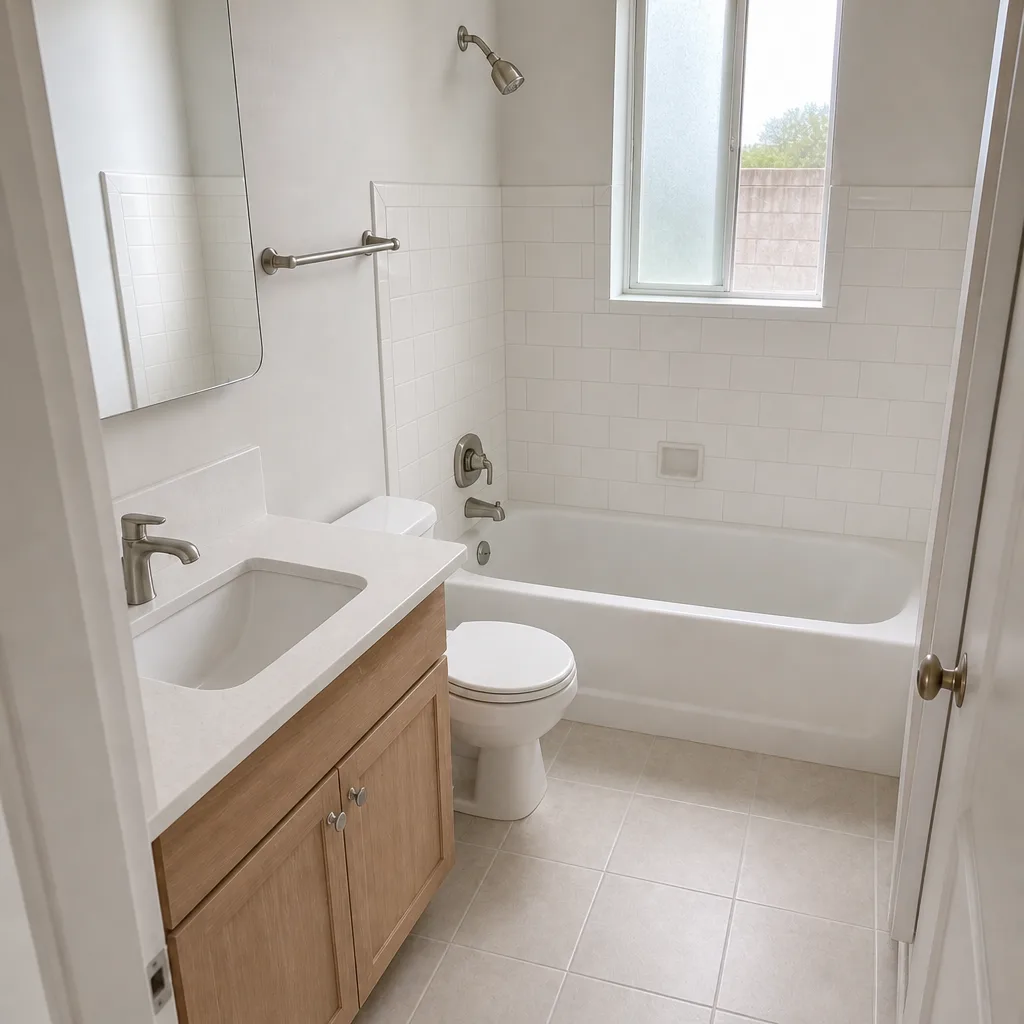 After
When to Call a Professional
Call a licensed professional when the finding involves anything behind a wall, inside a panel, or under a slab. Specifically: water at a supply connection or drain that doesn’t stop, a breaker that trips more than twice, a panel that feels warm, a door or window that changes behavior over a season rather than a day, a new crack in exterior stucco that widens over months, or any contractor-installed work that fails within your guarantee period. Those items have a right answer and a licensed trade behind them. Bradford Remodeling Co Los Angeles offers free estimates in Los Angeles – call (844) 343-6681 and we’ll put the scope and the price in writing before any tool comes out.
Frequently Asked Questions

Recaulk the corners and horizontal joints in a Los Angeles shower every 12 to 24 months, and go closer to 12 in bathrooms with south- or west-facing windows. UV exposure degrades sealant faster here than the national guidance assumes. If a joint pulls away or crumbles before that interval, replace it then rather than waiting. Call (844) 343-6681 if you’re not sure whether a failed joint is a maintenance item or a leak.
No. Workmanship warranties cover installation failures, not maintenance items like caulk and grout. Our 365-Day Done Right Promise covers the completed work for a full year; if the installation itself fails, we come back and correct it at no charge. A joint that wasn’t maintained falls outside that coverage. Any reputable guarantee draws the same line, and it should be written down so there’s no dispute.
Test every GFCI and AFCI breaker and outlet, and look for warm breaker faces or scorch marks from the outside. Confirm the panel schedule label matches what each breaker controls. Never remove the panel cover yourself – the equipment inside carries live voltage. A licensed electrician should do anything that requires the dead front to come off. Call (844) 343-6681 if you need the schedule label reviewed against the work we installed.
A single maintenance visit from a licensed tradesperson typically runs a few hundred dollars depending on scope, and documented annual HVAC service usually falls in the same range. A caulk-and-sealant refresh of a bathroom or exterior windows is usually quoted as a small fixed price. Our written-price commitment applies: you’ll see the number before we start, and it doesn’t move at the door. Call (844) 343-6681 for an exact quote – estimates are free.
Yes. Straps loosen, hardware rusts, and a small check each spring costs nothing. Confirm both straps are present, tight, and anchored to wall studs rather than drywall. A remodeled utility closet is a good place to look every year, and it’s a fifteen-minute task that prevents a water heater from tipping in a quake.
Seasonal movement in Los Angeles clay soil is normal up to a point: cracks that open in the dry months and close after rain are usually manageable. Cracks that widen and don’t close back up are the ones to get looked at. Photograph the crack with a date so you can compare it a season later, and call (844) 343-6681 if you want a professional eye on what the movement means for your remodeled section.
The Bottom Line
A finished remodel isn’t maintenance-free, and the failure isn’t usually the materials – it’s a schedule nobody wrote down. Keep it simple: caulk the wet areas every 12 to 24 months, inspect plumbing and electrical annually, service HVAC twice a year, and check structural tie-ins and earthquake strapping every spring. Write it in a log with dates and photos. That log is what makes a warranty claim a phone call instead of an argument. And ask for the maintenance list in writing at closeout – if a contractor won’t put the schedule in writing, that’s your answer. Bradford Remodeling Co Los Angeles puts the price, the scope, and the guarantee in writing before anything starts, and answers the phone with a live person around the clock. Call (844) 343-6681 for a free estimate.
Written by the team at Bradford Remodeling Co Los Angeles.