Last updated November 17, 2026
Free written scope consultation - allowances, timeline, and change-order rules on paper before a single trade is scheduled
The Complete Kitchen Remodeling Guide for Los Angeles Homeowners
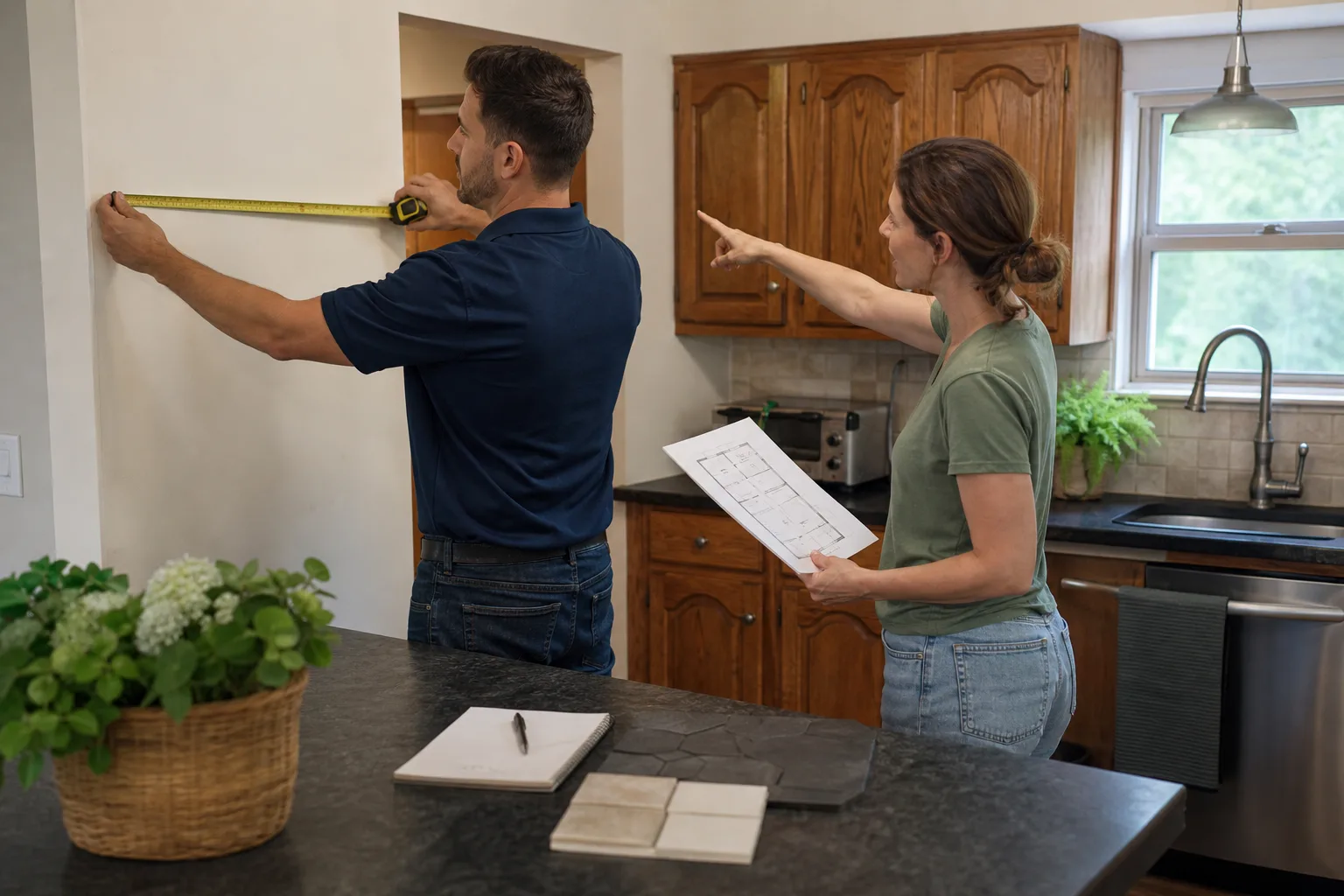
Every kitchen remodeling guide you find online leads with the same number: a national average that quietly excludes three line items Angelenos pay on nearly every mid-range project. Permit fees through the Department of Building and Safety, structural engineering when a wall comes down, and seismic strapping and anchorage required by code. In our experience across Los Angeles, those three alone can add $8,000 to $25,000 before a single cabinet is hung. This guide gives you the real numbers, the local sequencing that keeps a job on schedule, and how to read a contract so nothing moves after the price is signed.
Quick Answer
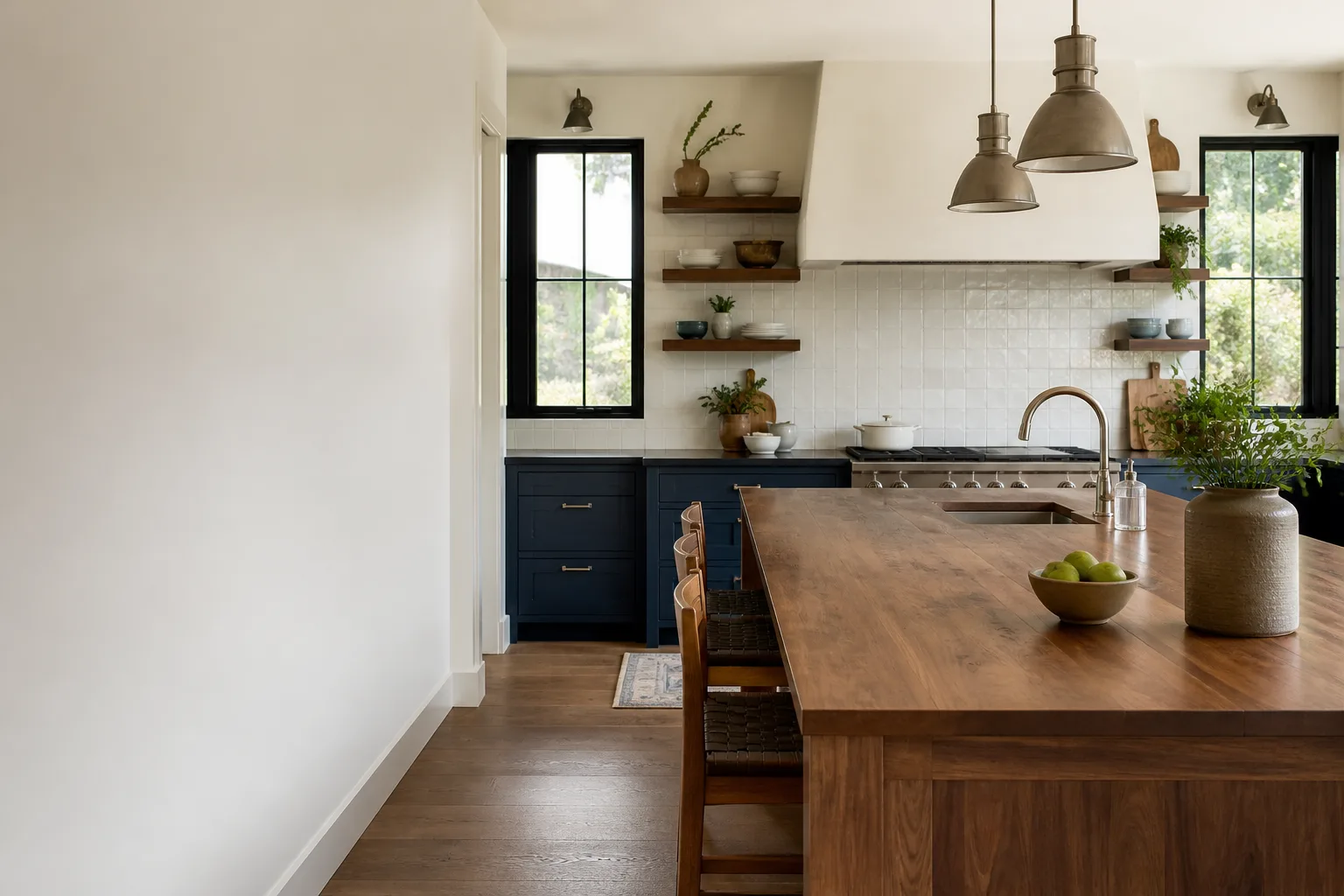
A kitchen remodel in Los Angeles typically runs $28,000 to $45,000 for a cosmetic refresh, $75,000 to $130,000 for a mid-range gut remodel, and $150,000 to $250,000 or more for a full structural remodel that moves walls or adds square footage. Permits, Title 24 energy compliance, and seismic work are routine line items here, not surprises, and a realistic timeline runs two to four months longer than the national figures suggest. The only way to know your number is a written scope with allowances defined, which is exactly what we put in front of you before any work starts.
Styles & brands we work with
- Kitchen remodeling
- Bathroom remodeling
- Home additions & ADU
- Roofing
- Windows & doors
- Driveway & pavers
- Fence
Table of Contents
- What does a kitchen remodel cost in Los Angeles?
- The three tiers of Los Angeles kitchen remodels
- When does a remodel trigger Title 24 energy compliance?
- How to tell if a wall is load-bearing before you pay an engineer
- The MEP rough-in sequence that keeps a kitchen on schedule
- LADBS permits and inspections: what to expect
- The Garrison Standard approach to a kitchen contract
- How long does a Los Angeles kitchen remodel take?
What does a kitchen remodel cost in Los Angeles?
Expect to pay more in Los Angeles than the national averages. Three things drive it: permit and inspection fees, structural engineering when walls move, and seismic and Title 24 requirements that apply to remodel work here. The table below is a realistic line-item range for a mid-range gut remodel of a roughly 150 to 200 square foot kitchen, drawn from what we see across the city.
- Cabinetry: $18,000 to $45,000 depending on semi-custom versus full custom, KraftMaid and Wellborn among the brands we specify.
- Countertops: $6,000 to $15,000 for quartz or natural stone, with Cambria and Silestone offering documented specs and warranties.
- Appliances: $6,000 to $18,000.
- Plumbing fixtures and rough-in: $3,500 to $9,000.
- Electrical and lighting: $4,000 to $12,000 including Title 24-compliant fixtures.
- Flooring: $3,000 to $8,000.
- LADBS permit fees: $1,500 to $5,000 depending on scope and valuation.
- Structural engineering (if walls move): $2,500 to $7,000.
- Seismic strapping and anchorage: $1,500 to $6,000.
- Labor and project management: typically 25 to 35 percent of the material total.
Notice the last three lines. Those are the ones out-of-state guides leave off, and in Los Angeles they’re on the invoice more often than not. Before you sign with any contractor, ask for a written price that names each one. We put every number in writing before work starts, non-negotiable, and it does not move at the door.
The three tiers of Los Angeles kitchen remodels
Not every kitchen remodel needs a permit and an engineer. Knowing which tier you’re in keeps you from overbuilding, and from underbudgeting for code items you can’t avoid.
- Cosmetic refresh ($28,000 to $45,000). New cabinet doors and hardware, countertop resurfacing, paint, lighting swap, and appliances. No layout change, no plumbing or electrical rough-in relocation. This can often be done without a full building permit, though some electrical and plumbing changes still require one.
- Mid-range gut remodel ($75,000 to $130,000). Cabinets and counters stripped to the studs, new plumbing and electrical rough-in in existing locations or minor shifts, new flooring, updated lighting. This is the most common tier we see in Los Angeles homes built between 1940 and 1980, and it almost always pulls a permit.
- Full structural remodel ($150,000 to $250,000+). Wall removal, footprint expansion, header installation, and MEP reconfiguration. This tier requires structural engineering, a full permit set, and seismic work. If you’re touching a load-bearing wall, assume you’re here.
Ask any contractor which tier your project falls into and why. If the answer is vague, that’s your warning. A written price follows a clear tier, and a clear tier follows a clear scope.
When does a remodel trigger Title 24 energy compliance?
Title 24 is California’s energy code, and kitchen remodels trigger it more often than homeowners expect. If your project includes replacing lighting, adding a ventilation hood, or changing windows or exterior doors, you’re likely in scope. The rule of thumb: any remodel that pulls a permit for electrical, mechanical, or fenestration changes must show compliance on the plans.
What that means for your kitchen specs:
- Lighting: a defined percentage of your fixtures must be high-efficacy (LED or equivalent). In practical terms, plan your recessed and under-cabinet lighting to LED from the start.
- Ventilation: range hoods must meet minimum airflow and ducting requirements, and ducts must terminate outside, not into the attic or wall cavity.
- Appliances: some appliance categories carry efficiency requirements; your contractor should confirm which apply before you buy.
- Windows and doors: replacement units must meet U-factor and SHGC limits for our climate zone.
Title 24 compliance is a design decision, not a last-minute checkbox. Getting it right on the plans saves you a correction notice and a weeks-long delay at inspection. It’s one of the reasons we walk the compliance requirements with every Los Angeles homeowner before cabinet selections are finalized.
How to tell if a wall is load-bearing before you pay an engineer
Opening up a kitchen by removing a wall is the most requested change we see, and the most expensive surprise when it’s load-bearing. You can do useful homework before spending money on a structural engineer by pulling building records from the Los Angeles Department of Building and Safety.
- Pull the original permit history. LADBS keeps permit records by address. Original construction drawings often show joist direction and wall framing, which tells you which walls carry load.
- Look at the framing clues. A wall running perpendicular to the ceiling joists is a candidate for load-bearing; a wall running parallel usually isn’t. Walls directly above a beam or below a second-story wall are also candidates.
- Check the foundation and crawl space. Load-bearing walls usually have a footing or pier beneath them. A wall with no support below is unlikely to be structural.
- Confirm with a professional. Records tell you what was permitted, not always what was built. When the record is incomplete, an engineer confirms it in the field.
Spending an hour at LADBS can save you $2,500 to $7,000 in unnecessary engineering, or tell you early that you need it. Either way, you walk into the project knowing what you’re paying for. When a wall comes down, the header, the post, and the seismic connections all have to be engineered and inspected. That work is not a place for shortcuts.
The MEP rough-in sequence that keeps a kitchen on schedule
Most kitchen delays we get called in to fix trace back to the same cause: mechanical, electrical, and plumbing rough-in done out of order. The sequence is not optional. Get it wrong and you’re cutting finished walls to fix what should have been handled first.
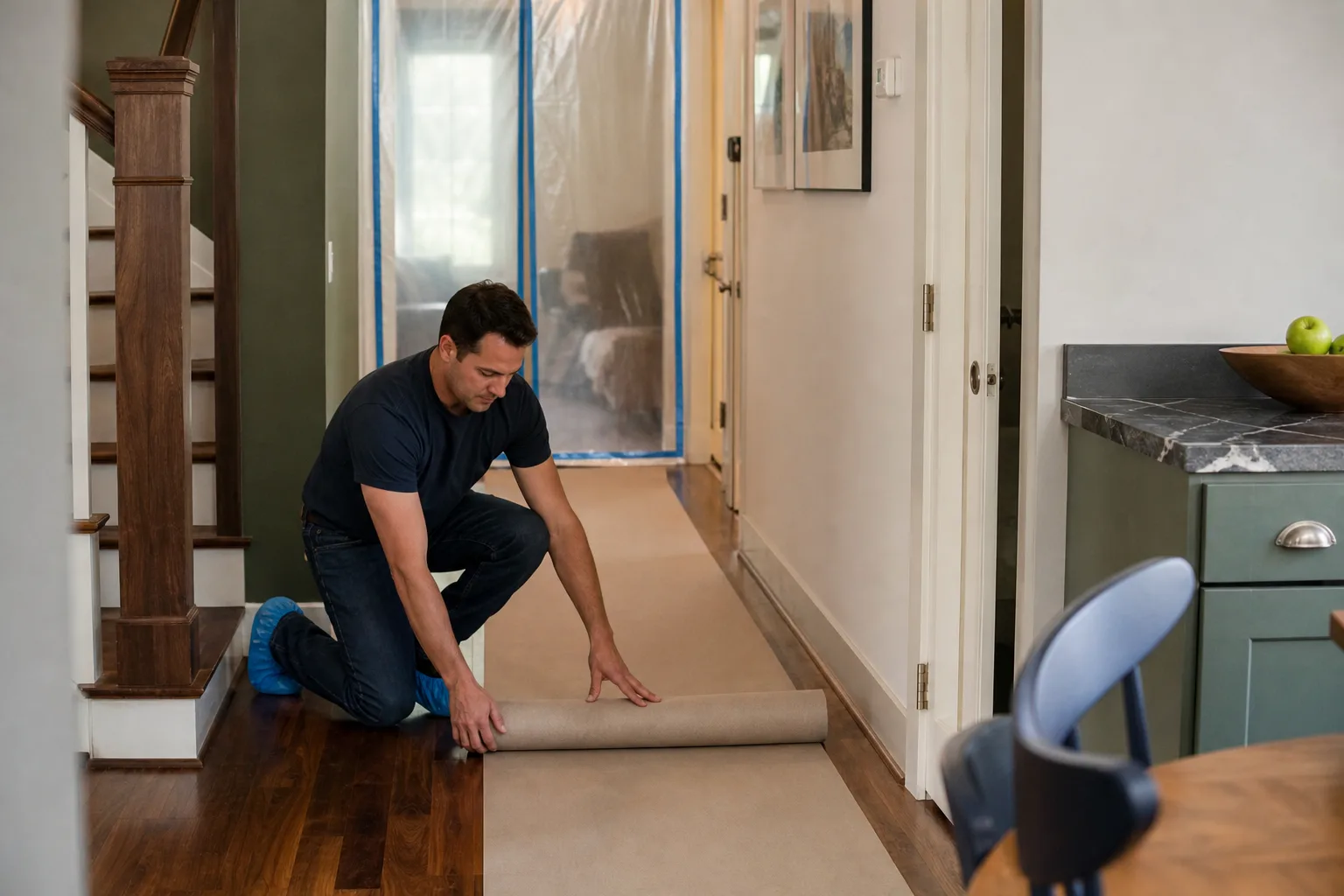
- Demolition and site protection. Strip to studs, cap and label existing utilities, and establish dust and debris controls.
- Structural work. Headers, posts, and any framing changes go in first, because everything else hangs off them.
- Plumbing rough-in. Supply and drain lines set to the new fixture locations, then pressure-tested before the walls close.
- HVAC and ventilation rough-in. Range hood ducting and any duct relocations set before electrical.
- Electrical rough-in. Circuits, boxes, and Title 24-compliant fixture locations set last among the trades, because they follow the plumbing and HVAC layout.
- Inspection of rough-in work. The rough-in inspection happens with the walls still open. Nothing closes until it passes.
- Insulation, drywall, and finish. Then cabinets, counters, tile, and fixtures in that order.
When a plumber is scheduled before the framing is complete, or an electrician runs wire before the drain lines are set, someone is redoing work. That’s a schedule and a budget problem, and it lands on the homeowner unless the contract says otherwise. Our crews follow this order on every kitchen, and the inspection schedule is built into the plan, not discovered halfway through.
LADBS permits and inspections: what to expect
A kitchen remodel that touches structure, electrical, plumbing, or mechanical requires a permit in Los Angeles. Skipping the permit isn’t a shortcut; it’s a problem that surfaces at resale, at insurance, and at the next inspection of the property. Here’s the realistic path.
- Plan check. Structural, electrical, plumbing, and mechanical drawings reviewed by LADBS. Cosmetic work may go over the counter; structural work needs a full plan check.
- Permit issuance. Fees based on project valuation, paid before work starts.
- Rough-in inspection. Framing, plumbing, electrical, and mechanical inspected with the walls open.
- Insulation and drywall inspection. Energy compliance confirmed.
- Final inspection. All trades signed off, and the permit closed.
Each inspection is a checkpoint. A contractor who plans around them keeps the schedule tight; one who treats the permit as paperwork finds out about a correction notice the hard way. In our experience, the permit timeline is the single biggest variable in a Los Angeles kitchen schedule, and it’s the one we walk homeowners through before the contract is signed.
The Garrison Standard approach to a kitchen contract
Most kitchen contracting problems trace to a contract that leaves room to move. The Garrison Standard closes that room. It’s the framework behind every Bradford Remodeling Co Los Angeles project, and it’s built on three things: a fixed written price, a written scope with allowances defined, and a guarantee that covers both the work and the schedule.
- Fixed price, in writing, before work starts. No numbers that move at the door. Allowances for tile, cabinetry, and fixtures are agreed in the contract, with a written process for change orders if you swap selections.
- Written scope with allowances defined. Every line names what’s included, what’s excluded, and the brand or grade of material. We work with a documented roster of KraftMaid, Wellborn, Cambria, and Silestone among others, so specifications are traceable.
- The 365-Day Done Right Promise. Every completed project carries a full-year written guarantee. If the work fails inside that window, we come back and correct it at no charge. That covers workmanship; the schedule and the close are documented so you have the signed guarantee in your hand at the walk-through.
The point isn’t that the contract is complicated. It’s that everything is on paper before a single tool comes out. That’s what squared away looks like, and it’s the standard behind our Kitchen Remodeling in Los Angeles work.
How long does a Los Angeles kitchen remodel take?
Plan on 8 to 12 weeks for a cosmetic refresh, 16 to 24 weeks for a mid-range gut remodel, and 24 to 36 weeks for a full structural remodel in Los Angeles. Add time for plan check if your project needs a full permit set, since LADBS review is the variable you can’t compress.
- Design and selections: 2 to 6 weeks, during which you finalize layouts, materials, and allowances.
- Permit and plan check: 2 to 8 weeks depending on scope.
- Construction: 8 to 20 weeks on site, following the MEP sequence above.
- Inspection and close: 1 to 3 weeks for final inspection, punch list, and the signed guarantee walk-through.
One more factor: Los Angeles is a competitive subcontractor market, and the best crews book ahead. Building the schedule around available trades is part of the plan, not a symptom of a stalled job. Our technicians have up to 22 years of experience, and we schedule the trades in the order the work demands.
Common Mistakes to Avoid
- Budgeting from a national average. The figure quoted in most remodeling guides excludes permit fees, structural engineering, and seismic work, all routine in Los Angeles. Budget from a written, itemized scope instead.
- Skipping permit research. A kitchen remodel in Los Angeles that touches structure, MEP, or fenestration needs a permit. Finding out after construction starts means delays and unpermitted work to correct.
- Choosing selections after the demo. Tile, cabinet, and countertop choices drive lead times. Lock them in during design, not in week three of the build.
- Reversing MEP rough-in order. Plumbing before electrical, electrical after HVAC, and nothing closed until rough-in inspection passes. The reverse costs you walls and weeks.
- Ignoring Title 24 early. Lighting, ventilation, and appliance efficiency requirements belong in the drawings, not discovered at inspection.
- Signing a contract without defined allowances. An allowance with no written cap and no change-order process is a number that moves, which is exactly what homeowners hire us to avoid.
- Not confirming who’s on the job site. Ask who will walk through the door and how they’re vetted. We use background-checked, uniformed technicians with identity and conduct standards set at the Garrison Partners level.
See the difference
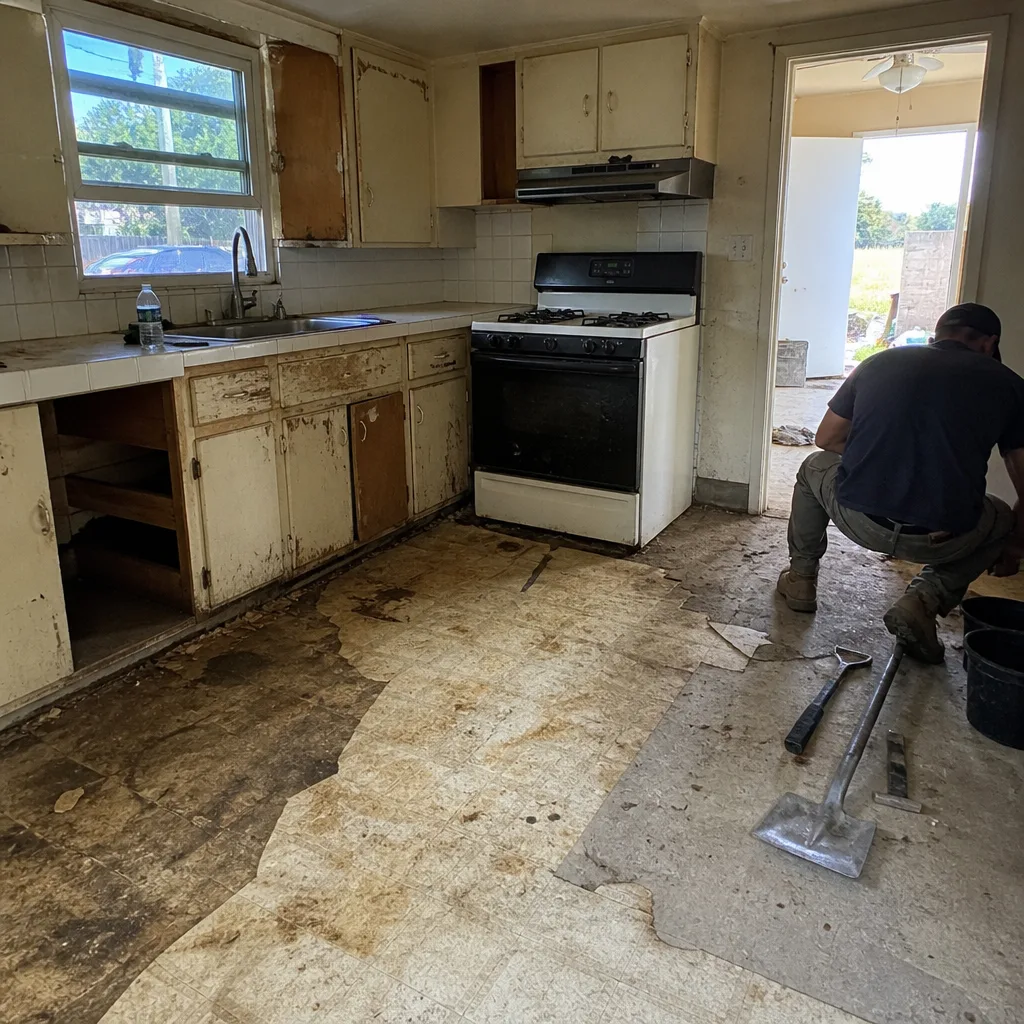 Before
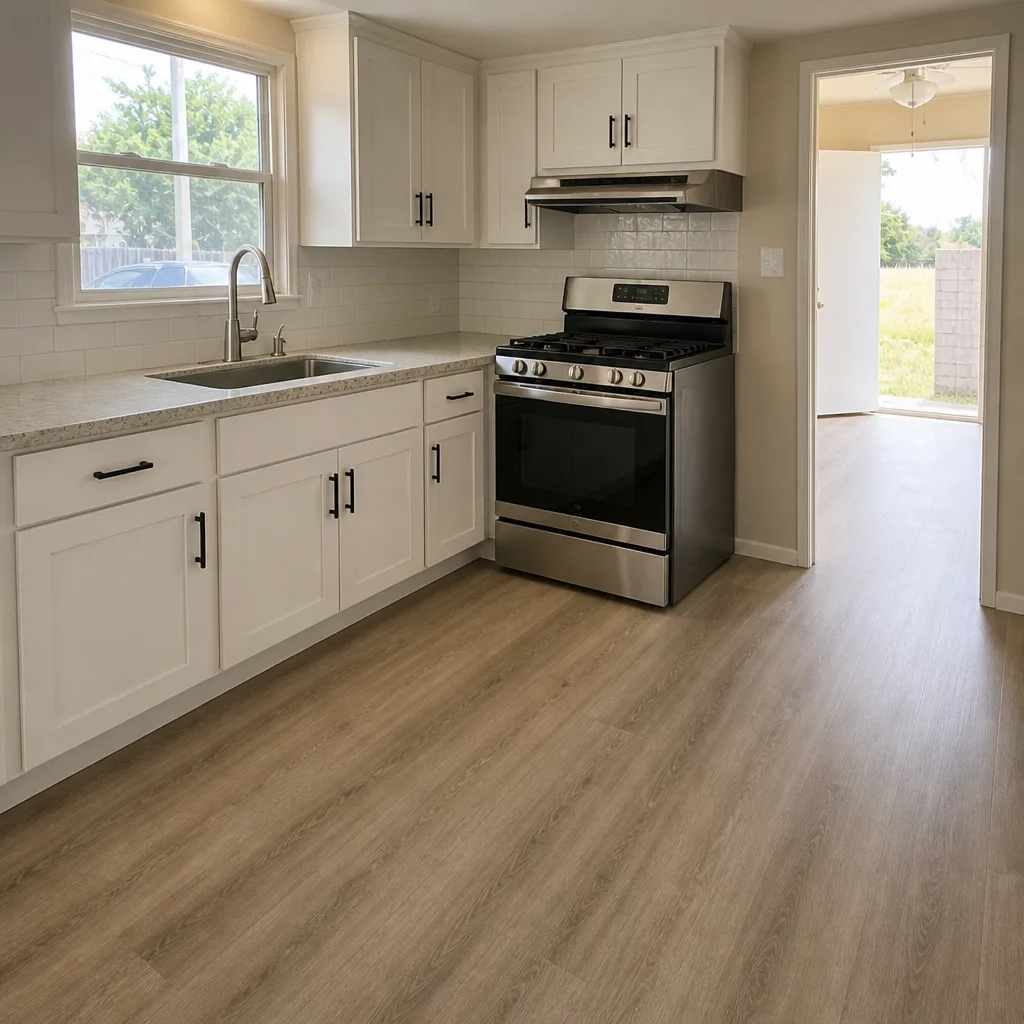 After
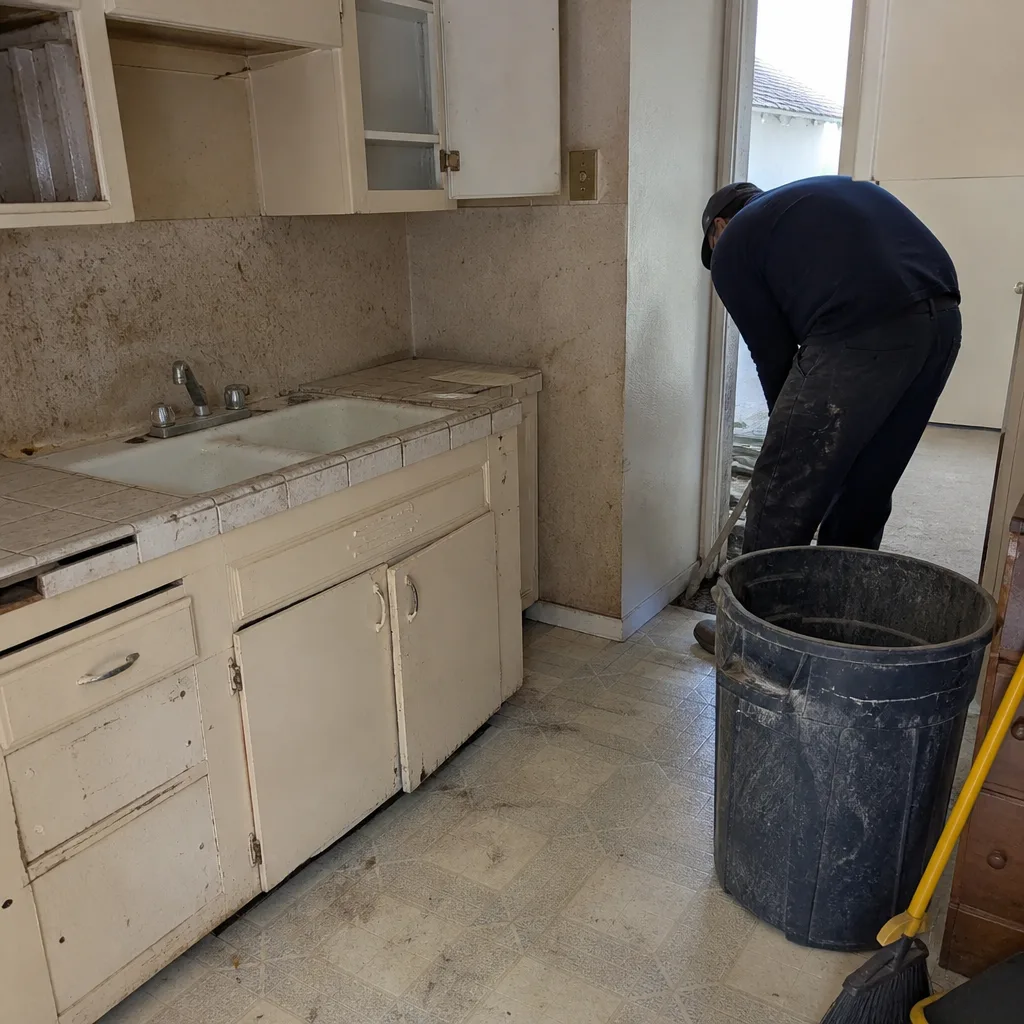 Before
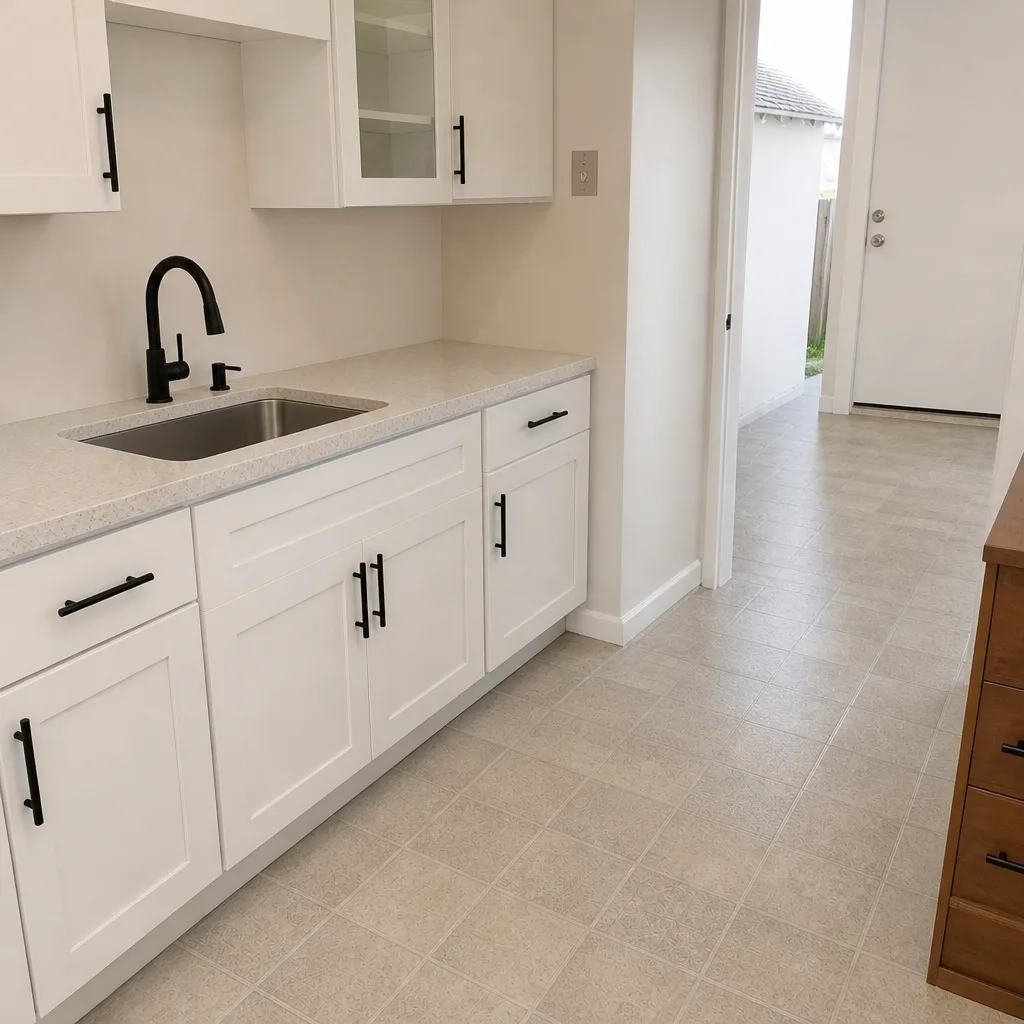 After
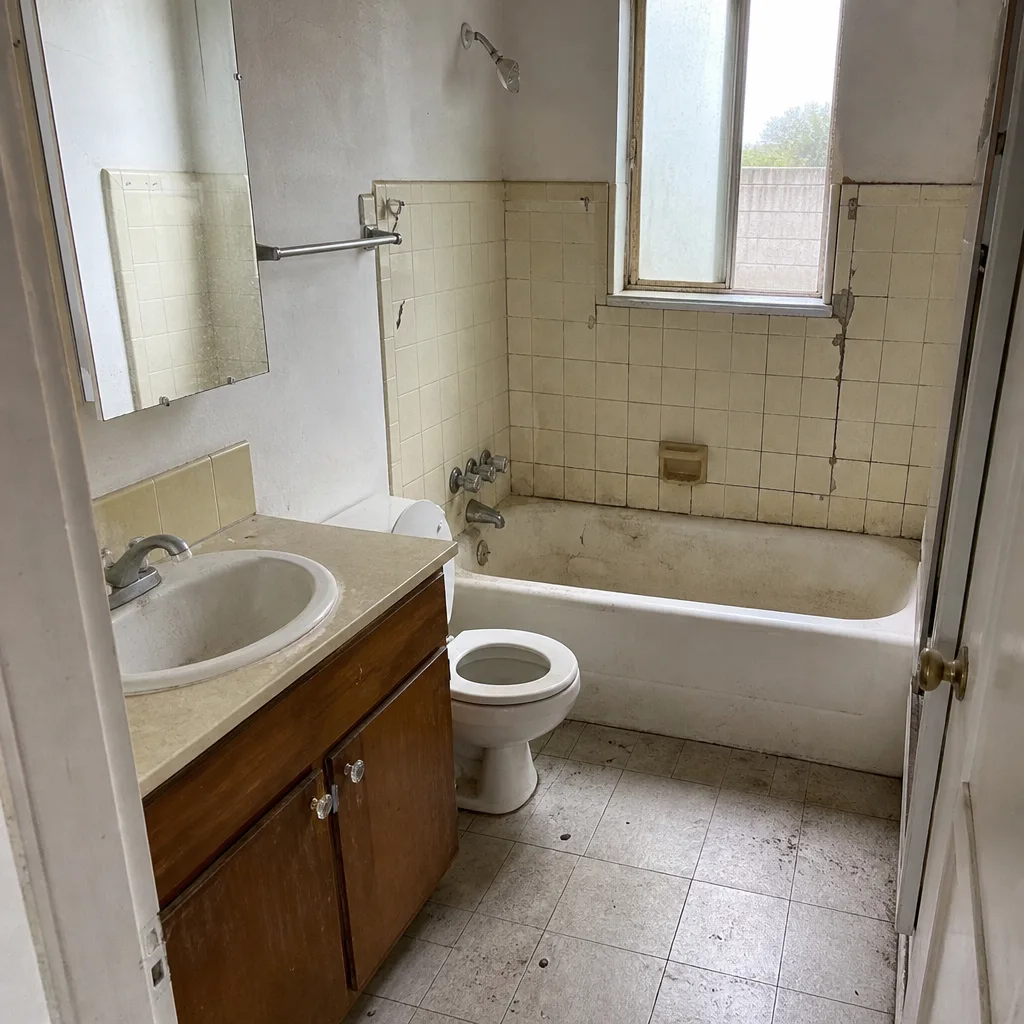 Before
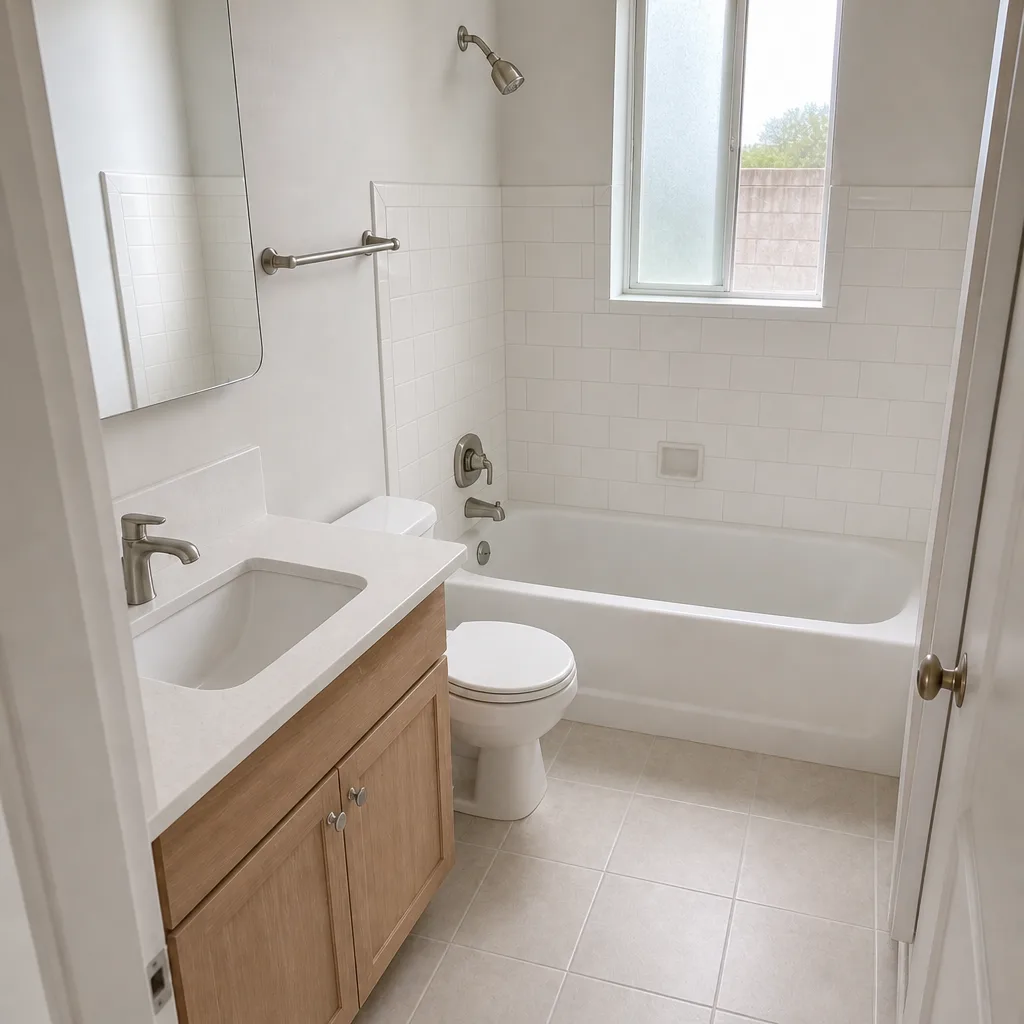 After
When to Call a Professional
Call a professional when the project involves moving walls, relocating plumbing or gas lines, replacing a panel or adding circuits, or touching anything structural. Those aren’t jobs for a weekend and a YouTube tutorial, and in Los Angeles they’re permitted work that gets inspected. Call us when you’ve been burned before and want a written price before work starts, when the last contractor no-showed, or when your allowance language reads like a blank check. Our crews are background-checked and uniformed, and someone answers the phone 24 hours a day. As a general contractor we handle the whole scope, from the General Contractor in Los Angeles work that frames the job to the finish trades that close it. Bradford Remodeling Co Los Angeles offers free estimates in Los Angeles: call (844) 343-6681.
Frequently Asked Questions
A kitchen remodel in Los Angeles runs $28,000 to $45,000 for a cosmetic refresh, $75,000 to $130,000 for a mid-range gut remodel, and $150,000 to $250,000 or more for a structural remodel. The ranges include permits, engineering, and seismic work because those are standard line items here. Call (844) 343-6681 for an exact quote: estimates are free and come in writing.
Yes, if the work touches structure, electrical, plumbing, mechanical, or windows and doors, which covers most kitchen remodels in Los Angeles. A purely cosmetic refresh may avoid a full permit, but any trade work requires one. We pull the permits and manage the inspections as part of the scope, so no part of your job goes unpermitted.
Only if you can confirm the wall isn’t load-bearing using LADBS building records and a professional field confirmation. In practice, walls between a kitchen and an adjacent room are frequently load-bearing, and removing one requires a header, post, and seismic connections signed off by an engineer. That’s a professional’s call, not a homeowner’s, and the consequences of getting it wrong are serious.
Yes, when the project pulls a permit for electrical, mechanical, or fenestration changes, which most kitchen remodels do. Title 24 affects your lighting, range hood ventilation, and window specs, and compliance is checked on the plans and at inspection. Build it in during design and you avoid corrections later.
No, not with a fixed written price and defined allowances. We put every number in writing before a single tool comes out, and if you change a selection mid-project, the change-order process is in writing and agreed before the work is done. A price that moves at the door is the problem we exist to fix.
Every completed project carries a full-year written guarantee: if the work fails within that window, we come back and correct it at no charge. It covers workmanship on the work we performed. You get the signed guarantee at the walk-through, along with a clean site and a documented scope.
The Bottom Line
A Los Angeles kitchen remodel costs more and takes longer than the national averages because of three things the other guides miss: LADBS permit fees, structural engineering, and seismic and Title 24 requirements. Budget from a written, itemized scope rather than a headline number. Follow the MEP rough-in sequence and you keep the schedule tight. And sign with a contractor who puts the price, the scope, and the guarantee in writing before work starts. That’s The Garrison Standard, it’s what our Bradford Remodeling Co Los Angeles home is built around, and it’s how we run every kitchen in Los Angeles. If a bath is next on your list, our Bathroom Remodeling in Los Angeles team works the same way. Call (844) 343-6681 for a free estimate and a written price you can read before you commit.
Written by the team at Bradford Remodeling Co Los Angeles.