Last updated November 17, 2026


Free written scope consultation - allowances, timeline, and change-order rules on paper before a single trade is scheduled
DIY vs Professional Bathroom Remodeling: What’s Safe to Do Yourself
Here’s the fact that surprises most homeowners: in California, you can legally do your own plumbing and electrical work on the home you live in. You can tear out a shower valve, run a new circuit, even move a drain line, as long as you pull the permit yourself in your own name and pass the inspections. The catch is quietly expensive. Skip that permit, and years later your insurance carrier can deny a water damage claim by pointing at unpermitted work as an unreported “alteration.” This guide draws the line between DIY and professional bathroom remodeling by legal and financial consequence, not by how hard a task feels. We’ll cover what California actually allows, what voids a claim, and how to structure a hybrid project in Los Angeles.
Quick Answer
Safe DIY in a bathroom is limited to demolition, painting, fixture swap-outs (faucets, showerheads, toilets on existing rough-in), vanity installation, and finish work like tile on dry areas and trim. Anything that touches the supply plumbing inside a wall, new electrical circuits, gas, or structural framing belongs to a licensed trade with a pulled permit. The dividing line isn’t skill; it’s permit exposure, liability, and whether your homeowner’s policy will stand behind you after a loss.
Styles & brands we work with
- Kitchen remodeling
- Bathroom remodeling
- Home additions & ADU
- Roofing
- Windows & doors
- Driveway & pavers
- Fence
Table of Contents
- California Owner-Builder Permit Rules: What You Can Legally Self-Perform
- The Insurance Trap: When Unpermitted Work Voids a Water Damage Claim
- The Bathroom Tasks Where DIY Genuinely Makes Sense
- Where a Licensed Sub Is Legally Required (and Why It’s Not Optional)
- The Real Cost Comparison: DIY Labor vs. Warranty-Backed Work
- What a Hybrid Project Looks Like and How to Contract It
- The Resale Disclosure That Follows an Owner-Builder Permit
- Common Mistakes to Avoid
- Frequently Asked Questions
California Owner-Builder Permit Rules: What You Can Legally Self-Perform
California’s owner-builder rules are more permissive than most states, and that permissiveness is exactly what trips people up. Under the Contractors State License Board (CSLB) framework, a homeowner may build or improve a structure on their own property for their own use without a contractor’s license, provided they personally perform or supervise the work. You can pull the permit yourself. You can do the plumbing and electrical on a single-family home you occupy. What you cannot do is hire an unlicensed person to do work that requires a license, or perform that work on a property you don’t live in or intend to sell.
The CSLB is explicit about what it prohibits. An unlicensed person cannot contract for work valued at $500 or more in combined labor and materials. That means the friend who “does bathrooms on the side” cannot legally take your $9,000 shower rebuild, and if something goes wrong, you have no license to complain to and no bond to claim against. The permit has to be pulled by whoever is legally responsible for the work: you as owner-builder, or a licensed contractor.
For a bathroom specifically, here’s the practical map of what an owner-builder permit covers in Los Angeles:
- Plumbing rough-in changes – moving a toilet, relocating a drain, running new supply lines inside a wall. Legal to self-perform on your primary residence with a permit and inspection.
- New electrical circuits – adding a GFCI receptacle, a vent fan circuit, or under-floor heat. Also legal to self-perform, also requires permit and inspection.
- Structural alterations – removing a wall, widening a doorway, cutting a header. Heavily inspected; most homeowners shouldn’t attempt this, and Los Angeles Building & Safety will require stamped plans for many of these.
- Gas work – any gas line alteration requires a licensed plumber or gas contractor. This is not an owner-builder item in practice, regardless of what a permit form may imply.
The nuances matter most in older Los Angeles housing stock, where a 1920s bungalow in Echo Park or a 1950s ranch in the Valley may have knob-and-tube wiring or cast-iron drains that trigger additional inspection requirements the moment you open a wall.
The Insurance Trap: When Unpermitted Work Voids a Water Damage Claim
This is the part that rarely makes it into the DIY blog posts, and it’s the expensive part. Standard homeowners policies don’t exclude unpermitted work outright, but they define the term “alteration” broadly. If a bathroom modification increases risk in a way the carrier wasn’t told about – a new shower pan that wasn’t inspected, a relocated drain, a tiled-over existing membrane – and a water loss follows, the carrier’s adjuster can argue the loss stems from an unreported alteration and reduce or deny the claim.
Water damage is the single most common home insurance claim, and bathrooms are the single most common room of origin. A failed shower pan or a supply line inside a wall doesn’t just damage a bathroom; it wicks into subfloor, migrates into an adjacent closet, and can run to the floor below. We’ve seen claims in Los Angeles for $40,000 and up from a slow leak that started at an unpermitted shower valve. If that valve was installed without a permit and never inspected, the carrier can point to the missing inspection record as evidence of unreported work.
What the carrier actually asks in a claim:
- Was the work permitted and inspected by the local building department?
- Was the contractor licensed, and is there a record of the license?
- Was the alteration disclosed to the carrier at the time of the policy?
If the answer to the first is “no” and the answer to the third is “no,” you’re in a negotiation with an adjuster over whether your policy responds, not a conversation about how much. Permits and inspections are your paper trail. They aren’t bureaucratic friction; they’re the evidence a carrier needs to pay a claim without debate.
The Bathroom Tasks Where DIY Genuinely Makes Sense
Plenty of bathroom work is safe to do yourself, saves real money, and doesn’t add legal exposure. We’re not going to pretend otherwise. Here’s where a homeowner with some patience and the right tools can realistically cut the contractor’s labor line without cutting corners:
- Demolition. Tearing out tile, removing a vanity, pulling a toilet, hauling debris. It’s dusty and heavy, but nothing about it requires a license. Just know where the water shutoffs are and don’t swing a sledgehammer through a wall that might hide plumbing or wiring.
- Painting. The single best DIY return in a bathroom remodel. Prep, prime, and paint are all homeowner territory.
- Fixture swap-outs on existing rough-in. Replacing a faucet, showerhead, towel bars, or a toilet on an existing flange. No permit needed for a like-for-like swap in most jurisdictions, and the skill bar is low.
- Vanity installation. Setting a freestanding vanity, connecting the supply lines to existing shutoffs, and mounting the sink. If you’re relocating plumbing, that changes.
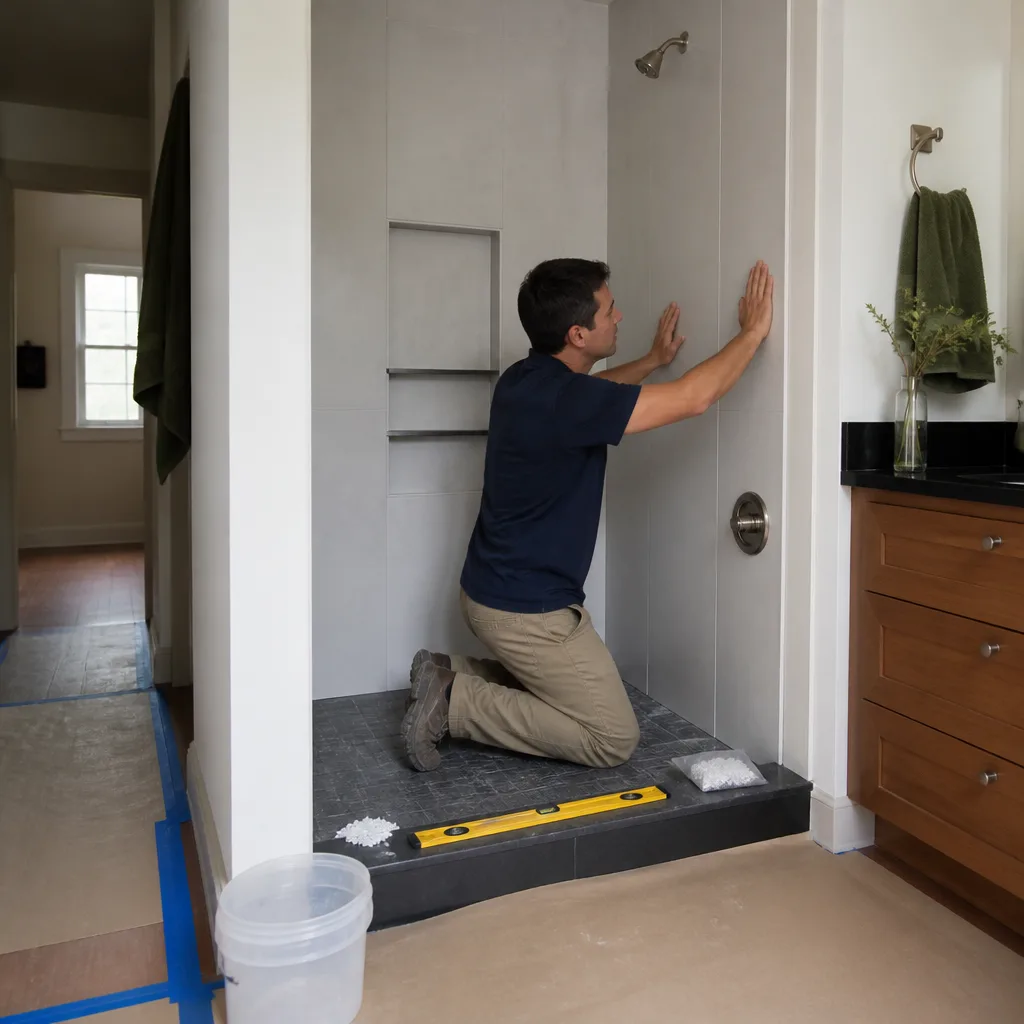
- Tile on dry areas and trim. Backsplash, dry-area wall tile, baseboards, and casing. Wet-area tile – shower walls and pans – is where waterproofing mistakes get expensive and where we’d draw the line.
- Accessories and hardware. Grab bars into solid blocking, mirrors, shelving. Straightforward, as long as you hit studs.
Realistic savings on a mid-range Los Angeles bathroom: demo and hauling alone can run $1,500 to $3,000 in labor you can do yourself. Painting is another $800 to $2,000. Fixture swaps perhaps $300 to $600. That’s a meaningful number – but it’s a number on the front end, and the tasks that actually protect your home aren’t where the savings live.
Where a Licensed Sub Is Legally Required (and Why It’s Not Optional)
Some work requires a licensed professional, full stop. This isn’t a policy position; it’s what the CSLB enforces and what insurers care about.
- Any plumbing inside the wall. Relocating a drain, changing a valve, or installing a new shower valve requires a licensed plumber and a permit. A failed valve inside a wall is the origin of most bathroom water claims.
- New or altered electrical circuits. Adding a GFCI, a ventilation fan circuit, or under-floor heat requires a licensed electrician. Bathroom electrical has specific code requirements for GFCI protection and clearance from water sources.
- Gas work. Any gas appliance, line, or connection requires a licensed plumber or gas contractor. This is a hard line.
- Structural work. Removing a wall, cutting a header, modifying framing requires an engineer or licensed contractor, and in Los Angeles often stamped plans and a permit review.
- Waterproofing in wet areas. Shower pans and wet-area tile aren’t always permit items, but they’re the highest-risk DIY failure point in the entire bathroom. A failed shower pan is a slow, hidden, expensive failure.
Why does the licensed requirement matter beyond the law? Because a licensed contractor carries a bond and insurance, has a license number you can verify against the CSLB database, and is accountable to a state board if the work fails. An unlicensed installer offers you none of that, and if the job goes sideways, your only recourse is small claims court. For a Los Angeles homeowner spending five figures on a bathroom, that’s not a gamble worth taking.
The Real Cost Comparison: DIY Labor vs. Warranty-Backed Work
The DIY-versus-contractor math is usually presented as a simple labor comparison, and that’s misleading. A licensed contractor’s premium over DIY isn’t just labor – it’s the permit accountability, the warranty, and the liability transfer. Here’s what that actually looks like on a mid-range Los Angeles bathroom:
- DIY full bathroom remodel: Materials roughly $6,000 to $12,000, plus your time. No warranty, no permit accountability, and full personal liability for any water or electrical failure.
- Licensed contractor, full remodel: Materials plus labor and a written completion price, typically $18,000 to $35,000 for a mid-range spec. Includes permits, inspections, and a written guarantee.
- Hybrid (recommended for the confident homeowner): You do demo, painting, and fixture swaps. A licensed plumber and electrician do the rough-in and inspections. A general contractor or a handyman firm sets the tile and handles waterproofing. Total saving over a full pro remodel: typically 15 to 25 percent of labor.
What most homeowners discover is that the “savings” from full DIY get eaten by one of two things: rework, or a claim denial. A single failed shower pan that causes $30,000 of water damage wipes out the entire DIY labor saving and then some. The reason a licensed contractor’s price is higher isn’t margin; it’s that the contractor is carrying the risk expressly transferred by the warranty and the permit. Bradford Remodeling operates on this principle through The Garrison Standard: a written price before any work begins, and the 365-Day Done Right Promise, which means if the work fails within a year of completion, Bradford returns and corrects it at no charge.
What a Hybrid Project Looks Like and How to Contract It
The hybrid model is the right answer for a homeowner with real skills and limited patience for overpaying on the easy parts. Here’s how it works in practice:
- Scope the tasks by legal consequence, not difficulty. List every task. Mark anything that requires a permit or a license. That becomes the “pro” column. Everything else is yours.
- Pull the owner-builder permit for the permitted work you’re legally self-performing, OR have the licensed subs pull permits in their own names. If a plumber or electrician is doing the work, the permit should be in that contractor’s name. It’s cleaner for the record and clearer for the insurer.
- Sequence it correctly. Demo and framing go first. Rough-in plumbing and electrical next, followed by inspection before walls close. Waterproofing and tile after. Paint and fixtures last.
- Put the licensed subs in writing. Use a written scope, a written price, and verify the license number on the CSLB database. Background-checked, uniformed technicians on every job is a reasonable expectation, and a contractor who resists that is telling you something.
- Document everything. Photos of the rough-in before walls close. Copies of the permits and the inspection sign-offs. If you sell in the next few years, those documents are the difference between a smooth closing and a repair credit.
Where the hybrid breaks down is when a homeowner tries to supervise the licensed trades personally without understanding the code requirements and the inspection sequence. That’s where a general contractor’s value shows up – coordinating subs, sequencing inspections, and holding the schedule. If you’re doing the coordinating yourself, plan for two to three weeks of slippage in Los Angeles, where inspections in some districts can run three to five business days.
The Resale Disclosure That Follows an Owner-Builder Permit
This is the part nobody mentions until it’s too late. When you pull an owner-builder permit and do the work yourself, that permit stays on the property’s record. California requires the owner-builder to occupy the residence for at least one year before selling, and the permit record makes the DIY nature of the work visible to any future buyer, their agent, their inspector, and their lender.
When you sell, the Transfer Disclosure Statement (TDS) asks whether you’re aware of any work done without required permits or not in compliance with codes. You now have a modestly awkward question to answer. Buyers in Los Angeles – especially in competitive neighborhoods where a bathroom remodel is a marketing point – will ask for permit records on any recently remodeled bathroom. Missing records can trigger a repair credit, a renegotiation, or a lost sale. What looked like a $12,000 savings on the front end can become a $15,000 credit at closing.
Licensed contractor work doesn’t have this problem. A completed permit, an inspection record, and a written guarantee are the exact paper trail a buyer’s agent expects to see. If you eventually want to sell the home, the resale math almost always favors permit-pulled, licensed work.
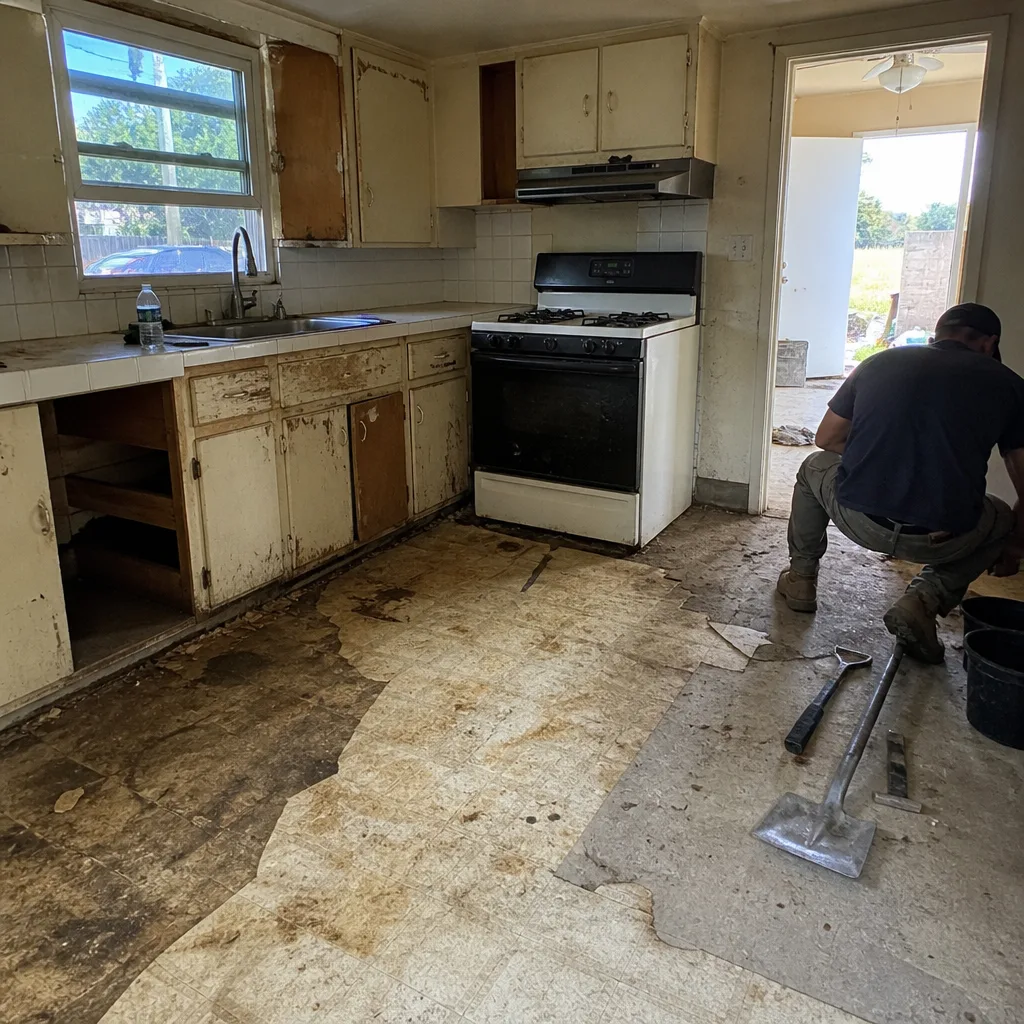
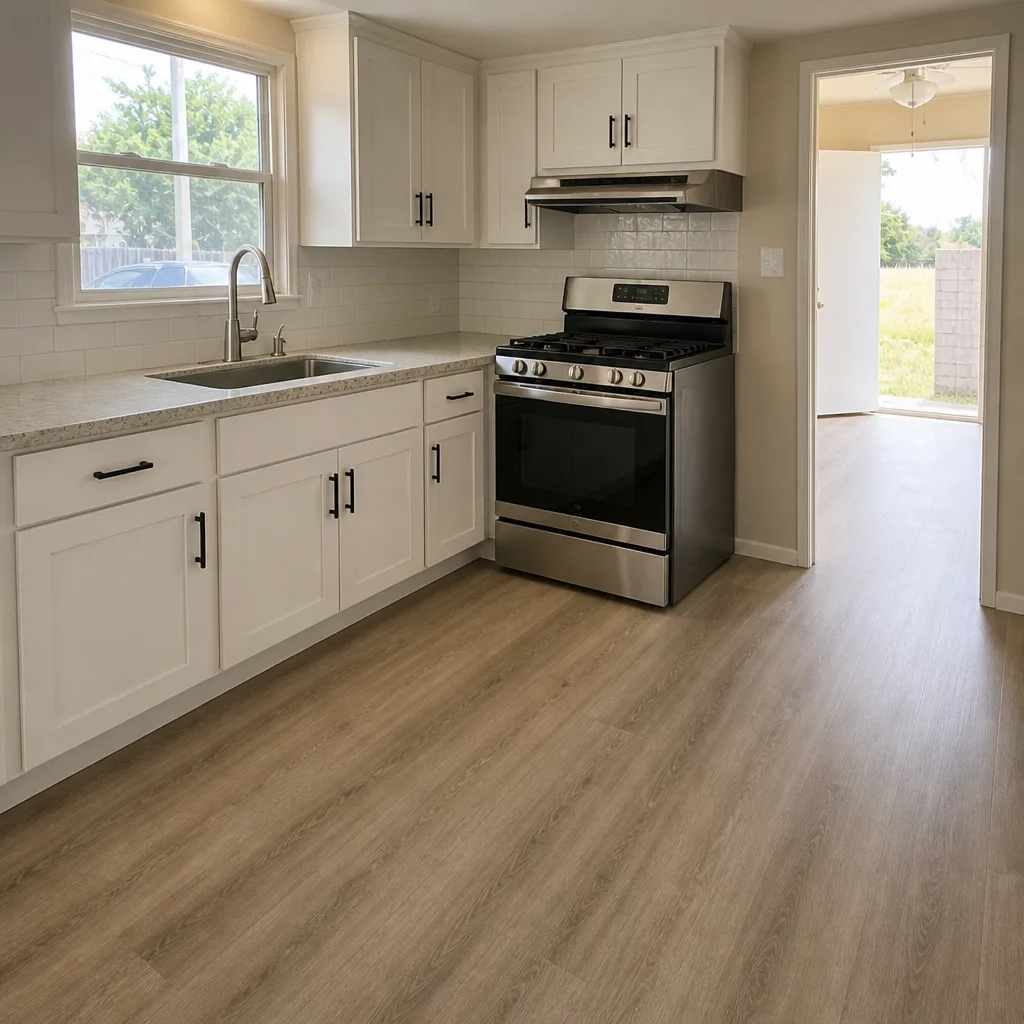
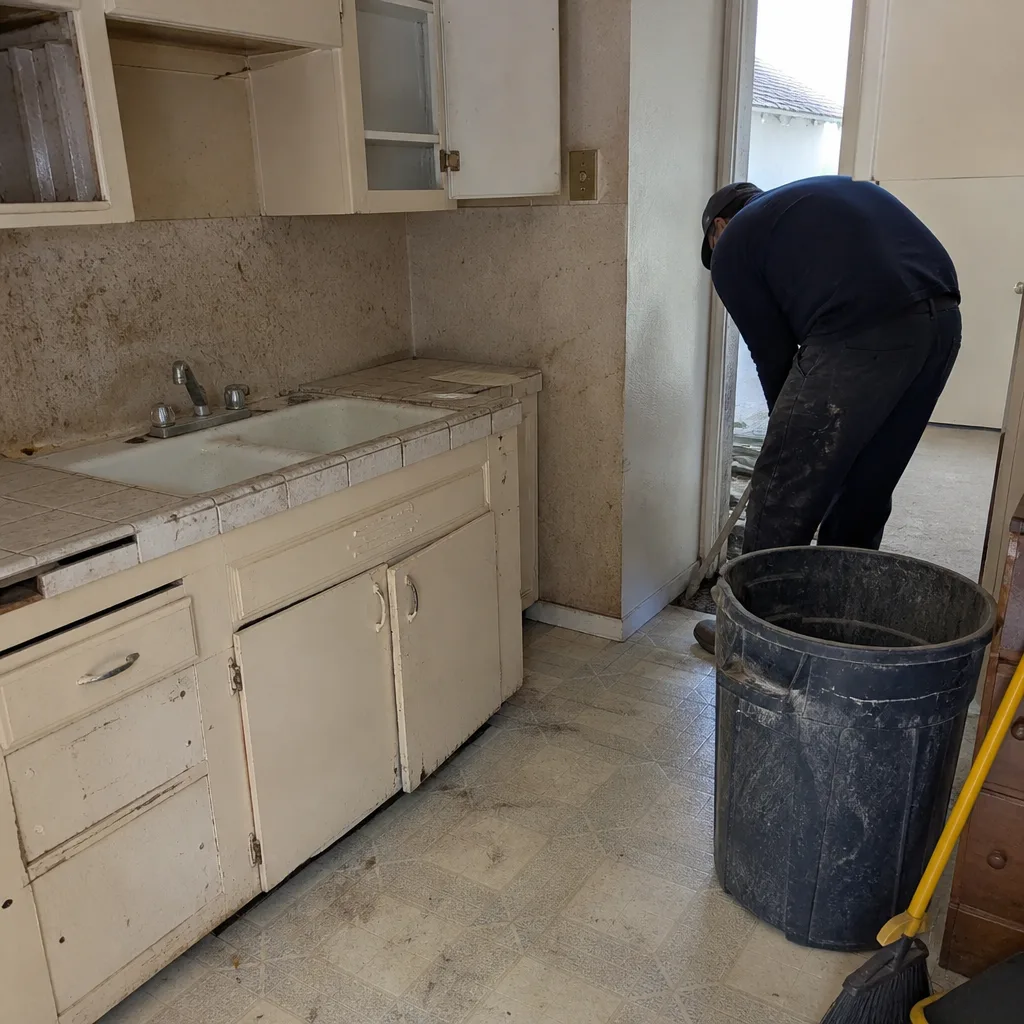
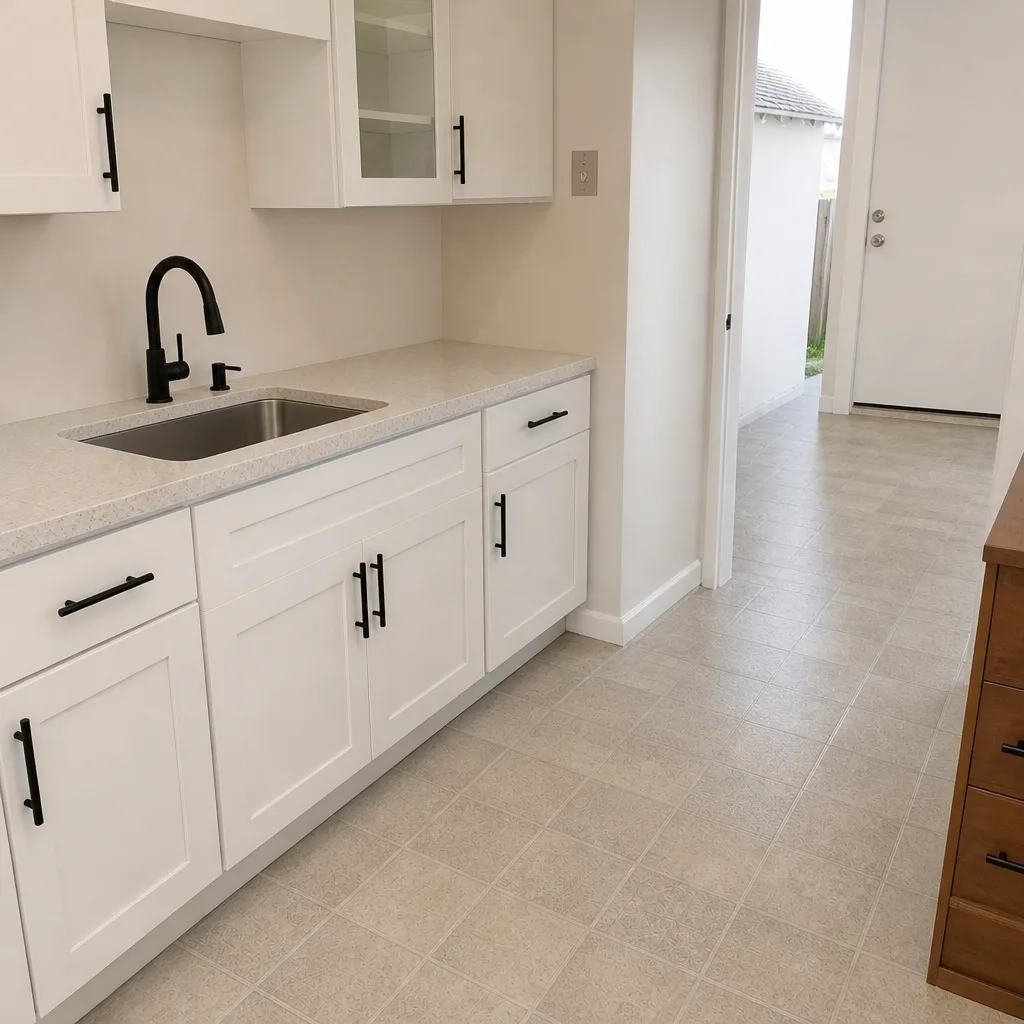
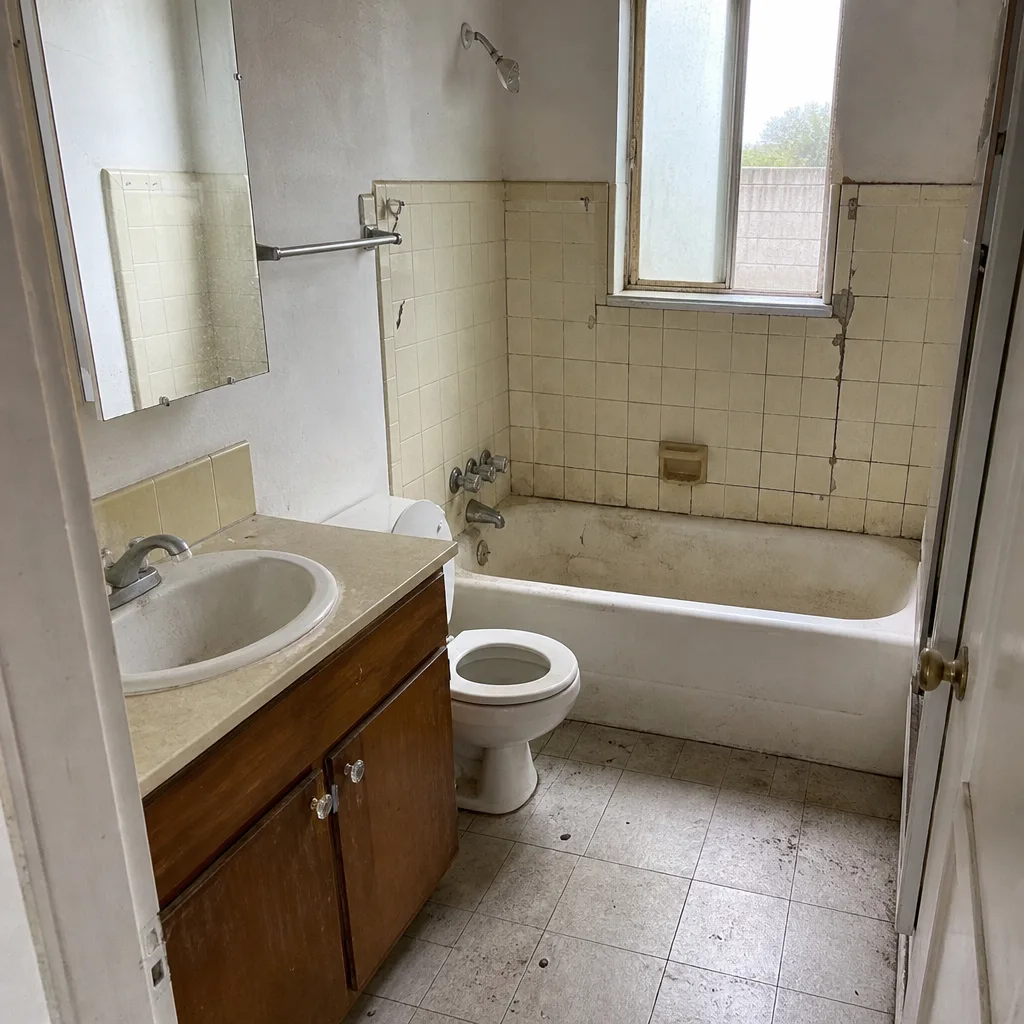
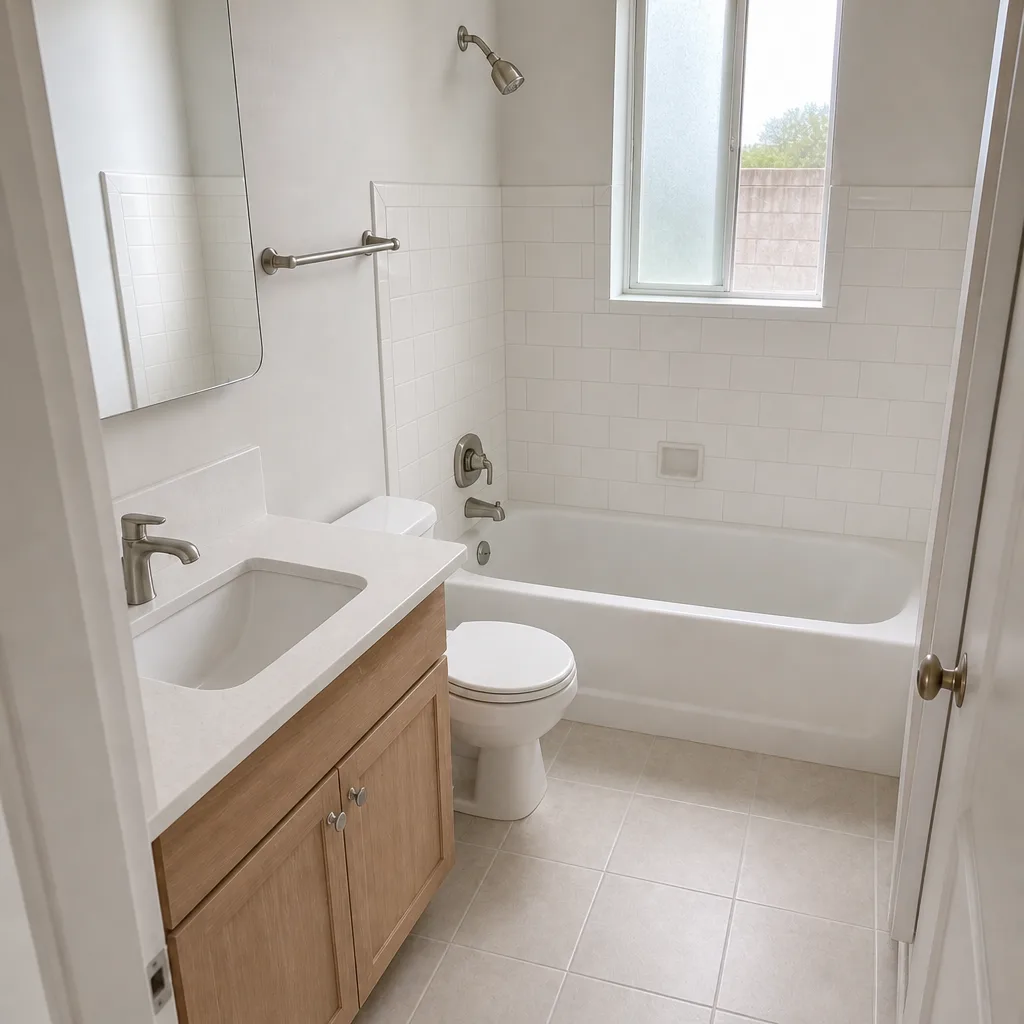
See the difference
 Before
 After
 Before
 After
 Before
 After
Common Mistakes to Avoid
- Pulling an owner-builder permit and then selling within a year. California requires at least one year of owner-occupancy before sale. If you’re planning to move in the next 18 months, work with a licensed contractor instead.
- Skipping the permit to save the fee. An unpermitted bathroom remodel is a hidden liability for a decade. The permit fee is typically a fraction of one percent of the project; the insurance denial can be the entire claim.
- Tiling a shower without a correctly pitched preslope and a proper waterproofing membrane. The most common DIY failure in Los Angeles bathrooms. A pan that pools water at the edge of the curb will fail inside two years, and the damage will be in the subfloor, not the tile.
- Thinking “like-for-like” fixture swaps are always permit-free. A faucet swap on an existing valve is usually fine; relocating a valve or changing its rough-in is not.
- Hiring the contractor the CSLB will not license. Any combined labor and materials over $500 requires a licensed contractor. Verify the license number on the CSLB website before anyone swings a hammer.
- Letting a plumbing leak go unaddressed in Los Angeles’s dry season. Water intrusion in a Los Angeles bathroom can sit unnoticed for months because the humidity is low and the wood dries at the surface. A slow leak, oil-canning floor tile, or a persistent musty smell should be investigated immediately, not after the next rain.
- Not documenting the rough-in. Once the drywall goes up, you have no proof of what’s behind it. Photograph everything, including the inspection sign-off sticker.
When to Call a Professional
Call a licensed professional when any part of the bathroom project involves plumbing inside a wall, new electrical, gas work, structural changes, or wet-area waterproofing. Call one, too, if you’re planning to sell the home within a year, if the property is in a Los Angeles historic district where additional design review applies, or if you simply don’t have the time to supervise licensed subs and inspection sequencing yourself. That’s not a failure of confidence; it’s a decision about where your risk actually lives. A general contractor’s job is to carry that risk in writing, so you don’t find out about it at claim time. Bradford Remodeling Co Los Angeles offers free estimates in Los Angeles, with a written price before any work begins. Call (844) 343-6681.
Frequently Asked Questions
Yes, if it’s your primary residence and you pull the owner-builder permit yourself and pass inspection. You can legally perform plumbing and electrical work on your own home in California. What you cannot do is hire an unlicensed person to do the work, or perform it on a property you don’t occupy.
Not automatically, but it can absolutely kill a water damage claim. Carriers define “alteration” broadly, and an unpermitted bathroom modification can be argued as an unreported alteration. If a water loss originates from unpermitted work, the carrier can reduce or deny the claim. Permits and inspections are the evidence they need to pay.
Demo and hauling labor typically runs $1,500 to $3,000 in the Los Angeles market; painting another $800 to $2,000; fixture swaps $300 to $600. That’s a realistic saving on the front end, and it’s a legitimate one – just make sure the tasks you’re doing are the ones that don’t carry permit exposure.
Moving or replacing plumbing inside a wall, new electrical circuits, structural changes, and gas work all require permits. Like-for-like fixture swaps generally do not. Los Angeles Building & Safety also may require stamped plans for structural work, especially in older housing stock.
Only for work under $500 in combined labor and materials. Anything above that requires a licensed contractor, and bathroom remodeling at any realistic scale exceeds the threshold. Verify a license number through the CSLB before hiring.
A mid-range bathroom remodel typically runs four to six weeks with permit and inspection sequencing. Plan for two to three weeks of additional slippage if inspections in your district are backed up. The permitting process in Los Angeles runs three to five business days per inspection for most single-family bathroom projects.
The Bottom Line
The DIY-versus-professional question isn’t about how good you are with a tile saw. It’s about permit exposure, liability, and what your homeowner’s insurance will do when a water loss travels from a shower pan into a subfloor three years from now. Do the demolition, the painting, the fixture swaps, and the vanity – those are real savings with no legal or insurance consequence. Hand the plumbing inside the wall, the new electrical, the gas, the structural work, and the wet-area waterproofing to a licensed professional who pulls the permits and carries the warranty in writing. In Los Angeles, the resale and insurance math almost always favors permitted work. If you want help structuring that split on your own project, we’re here to talk it through.
If you’d rather have the whole project managed by a licensed contractor with a written price before work begins, the 365-Day Done Right Promise, background-checked uniformed technicians, and a live person answering the phone 24/7, start with a free estimate. Call Bradford Remodeling Co Los Angeles at (844) 343-6681. You can also learn more about our Bathroom Remodeling in Los Angeles service, our Kitchen Remodeling in Los Angeles work, our General Contractor in Los Angeles projects, or visit our Bradford Remodeling Co Los Angeles home page. We install KraftMaid and Wellborn cabinetry, Cambria and Caesarstone surfaces, and Kohler and Moen fixtures – documented brands with manufacturer specs and warranties that back our own guarantee.
Written by the team at Bradford Remodeling Co Los Angeles.