Last updated November 17, 2026

Free written scope consultation - allowances, timeline, and change-order rules on paper before a single trade is scheduled
The Complete General Contractor Guide for Los Angeles Homeowners
The California Contractors State License Board logged more than 20,000 complaints in a single recent year. Here’s what surprises most people: the majority weren’t about sloppy tile work or a roof that leaked. They were about contracts that said almost nothing. A homeowner signed a one-page bid, handed over a deposit, and found out later that the “estimate” never defined the scope, the payment schedule, or who was pulling the permit. Hiring a general contractor in Los Angeles is a documentation problem before it’s a vetting problem. This guide walks through California’s contract law, the LA permit process, license lookups, and lien releases so you know exactly what to demand in writing before the first nail goes in.
Quick Answer
To hire a general contractor in Los Angeles, verify their CSLB license is active and in good standing, insist on a written contract that meets California Business & Professions Code §7159, confirm the contractor pulls every permit in their own name, and collect signed lien waivers at each payment. The single most protective step is a fixed written price and defined scope before work begins, because a compliant contract is what lets you enforce everything else.
Styles & brands we work with
- Kitchen remodeling
- Bathroom remodeling
- Home additions & ADU
- Roofing
- Windows & doors
- Driveway & pavers
- Fence
Table of Contents
- What California law requires in a written contract
- How to read a CSLB license lookup
- How LA’s permit pull process actually works
- Licensed GC vs. registered contractor vs. handyman
- Lien releases: what to collect and when
- What a written price should look like
- What “squared away” looks like at job close
What a California-Compliant Written Contract Must Include
California Business & Professions Code §7159 sets the floor for any home improvement contract over $500. The law requires specific items in writing, and the contractors who get sued are usually the ones who skipped half of them. Here’s what the statute actually demands, in plain terms:
- The contractor’s name, license number, and business address printed on the contract itself, not just the business card.
- A detailed description of the work. “Remodel kitchen” is not a description. “Remove existing 30-inch range, install new 36-inch gas range rough-in to manufacturer spec, relocate 20-amp circuit for microwave” is.
- A schedule of payments tied to specific milestones. California caps the down payment at 10% of the contract price or $1,000, whichever is less, for most home improvement contracts.
- The approximate start and completion dates, stated as dates, not “spring timeframe.”
- A notice of the right to cancel within three business days for contracts signed at the home.
- A statement about who is pulling permits, and a mechanics lien warning in the statutory language.
Here’s what most LA contracts quietly omit: the substrate prep spec on tile, the exact cabinet brand and model, the paint sheen and manufacturer, the allowance amounts for fixtures. When those aren’t written down, the “allowance” becomes a moving target mid-project. We write every Bradford contract against The Garrison Standard, which means the price is fixed and the scope is detailed before any tool comes out. No numbers that move at the door.
How to Read a CSLB License Lookup Result
Before you sign anything, pull the contractor’s license on the Contractors State License Board website. It’s free, takes two minutes, and it’s the single best public record you have. The result page shows four things that matter:
- License status. “Clear” means the license is active, the bond is current, and there are no outstanding disciplinary actions. That’s the baseline you want. Anything else – “Suspended,” “Expired,” “Cancelled” – is a stop sign.
- Classification. A “B” classification is the general building contractor license. “C-39” is roofing, “C-36” is plumbing. If you’re hiring for a whole-home remodel, you want a “B.” A C-class license limits the contractor to work in that specific trade.
- Bond and workers’ comp status. California requires a $25,000 contractor’s bond. Workers’ comp is required if they have employees. A contractor listed as “exempt” from workers’ comp cannot legally have employees – if they show up with a crew, that’s a red flag.
- Disciplinary history. Scroll to the bottom. Past suspensions, citations, and arbitration awards show up here. One citation years ago isn’t disqualifying. A pattern of complaints around the same issue is.
In our experience across Los Angeles, homeowners skip this step more often than any other. It’s the one that would have caught the worst cases. Ask the contractor to hand you their license number in writing before you look it up; anyone who hesitates is telling you something.
How LA’s Permit Pull Process Actually Works
Under California law, the licensed contractor performing the work is required to pull the permit. Not the homeowner. Not the “project manager.” Not the architect. If a contractor asks you to pull the permit in your own name as the homeowner, that’s a hard red flag – they’re either unlicensed, trying to avoid the inspection record, or both. You are legally exposing yourself to liability if the work fails inspection and the permit is in your name.
The Los Angeles Department of Building and Safety (LADBS) handles most residential permits, and the process has real steps:
- Pre-application. Large remodels, additions, and any project touching structural elements require plan check. Simple like-for-like replacements (water heater, re-roof over existing, interior cosmetic work) often fall under an over-the-counter permit.
- Plan submittal. Your contractor submits stamped plans, a plot plan, and a scope description. LADBS reviews within a window that varies by project type.
- Permit issuance. Fees are based on valuation and are paid before the permit is issued. The contractor should show you the paid permit and the job card.
- Inspections. Rough framing, rough electrical, rough plumbing, insulation, and final inspections happen at defined stages. The contractor schedules them. You have a right to see the signed-off inspection record.
One LA-specific note: historic preservation zones and hillside areas (parts of Silver Lake, Echo Park, the Hollywood Hills) carry extra review. If your property is in an HPOZ overlay, plan check will route through Urban Design Studio and add time. A contractor who doesn’t ask about your zoning before quoting is not reading the job properly.
Licensed GC vs. Registered Contractor vs. Handyman
California draws a hard line between three categories, and getting the category wrong costs homeowners money every year.
- A licensed general contractor (B classification) can legally take a whole-home remodel, an addition, structural work, and multi-trade projects. They carry a state bond and, if they have employees, workers’ comp. They pull permits in their own name.
- A registered home improvement contractor is not a separate license class in California; the term is often misused. What exists is a licensed contractor who has registered with the CSLB and complied with the Home Improvement Business requirements. Ask for the license number and verify the classification. Don’t take a business card’s word for it.
- An unlicensed handyman is legally limited to jobs under $500 in labor and materials combined. Full stop. The moment the job crosses $500, or involves a permit, it’s not a handyman job in California. That applies to a bathroom vanity install, a water heater swap, or a small addition.
If your neighbor’s “guy” offers to do your kitchen for cash and no permit, you’re not saving money – you’re buying a future problem. Unpermitted work is a disclosure item when you sell, and it can trigger a tear-out order from LADBS after the fact. In Los Angeles, we’ve watched buyers walk away from homes with unpermitted additions, and the seller eats the cost.
Lien Releases: What to Collect and When
A mechanics lien is the right of anyone who supplied labor or materials to your property to file a claim against the property itself if they aren’t paid. The contractor’s subs and suppliers can lien your house even if you paid the general contractor in full. The only protection is a signed lien release at each payment stage. You don’t need an attorney to get them; you just need to ask, in writing, every single time.
There are two kinds, and you need both:
- Conditional waiver and release. Signed by the sub or supplier when they receive a payment. It says the waiver is effective only once the check actually clears. Collect these at each progress payment.
- Unconditional waiver and release. Signed after the payment has cleared the bank. It’s a final release of lien rights for the amount paid. Collect these at final payment.
Make it part of the contract: “Contractor will provide conditional lien waivers from every sub and supplier with each progress payment, and unconditional final waivers at project close.” That clause is standard on Bradford projects, and it’s the reason our homeowners aren’t chasing subs after the crew is gone. If a contractor refuses that clause, that’s information you can use before you sign.
What a Written Price Should Look Like
An “estimate” is not a price. An estimate is a guess. A written price is a number the contractor commits to before work begins, with an itemized scope that defines what’s included and what isn’t. Here’s the difference in practice, using real Los Angeles range examples:
- Kitchen remodel, mid-grade, 150-200 sq ft: $55,000-$95,000 including cabinets, countertops, electrical, plumbing rough-in, tile, and paint. A full kitchen remodeling project in Los Angeles at this scope should come with a line-item breakdown for cabinets (KraftMaid or Wellborn at the mid range), surfaces (Cambria or Caesarstone), plumbing fixtures (Kohler or Moen), and labor hours per trade.
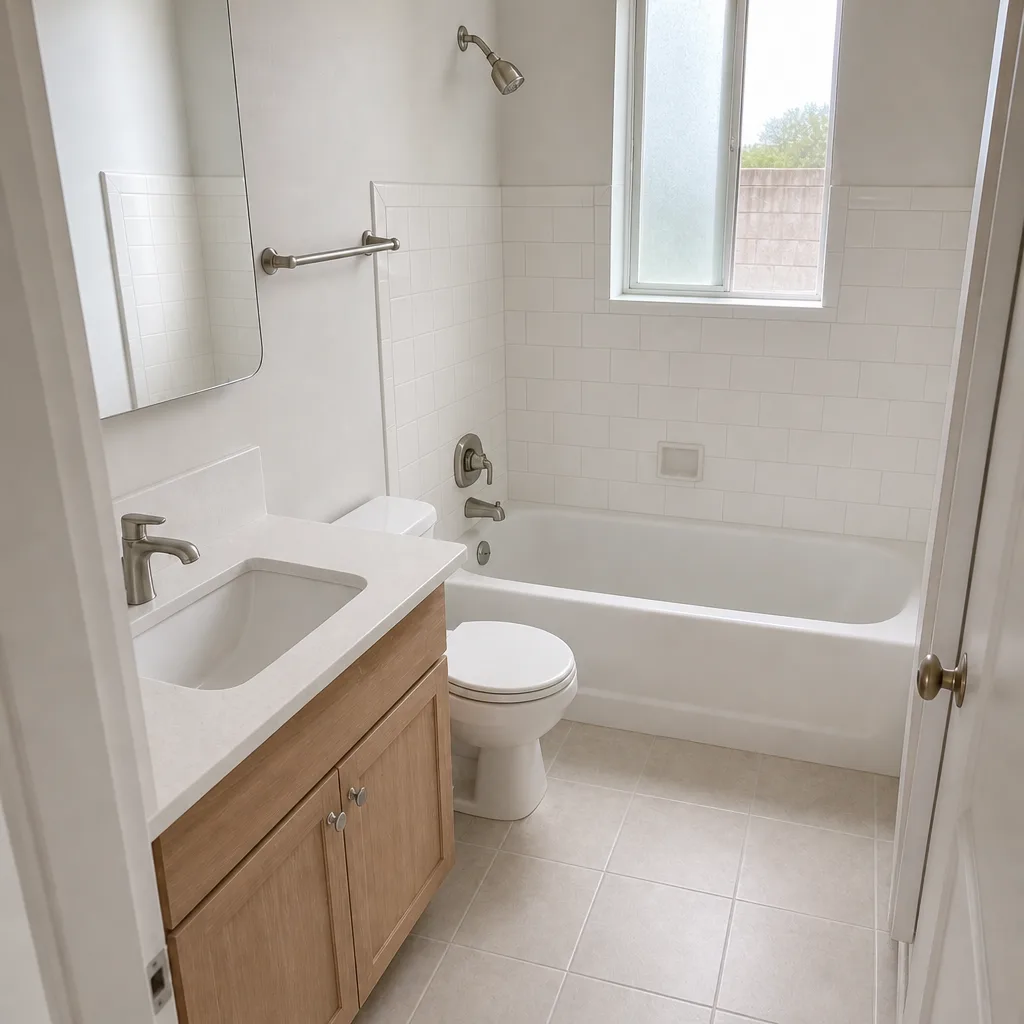
- Bathroom remodel, hall bath: $22,000-$45,000 depending on whether the layout moves and whether the shower is a tile-and-membrane build or a prefab insert. A bathroom remodeling project in Los Angeles should specify the substrate (cement board vs. greenboard) in the written scope – that single spec line determines whether the shower fails in five years or fifteen.
- Whole-home remodel, 1,800 sq ft: $180,000-$380,000. That’s a wide range because whole-home work splits hard along structural scope, mechanical upgrades, and finish level.
- Single-room addition, 300 sq ft: $90,000-$160,000 in most LA neighborhoods, higher in hillside areas where foundation and retaining work add cost.
Every one of those numbers should be presented as a fixed written price, not an allowance with “TBD” next to it. When a homeowner calls us after a bad experience with another company, the number-one complaint is a bid that grew by 30% mid-job. The fix is a written price before the first tool comes out. That’s the whole Garrison Standard in one sentence. If you want the general-contracting side of the same conversation, the general contractor in Los Angeles page walks through scope and sequencing.
What “Squared Away” Looks Like at Job Close
A job close is a handoff, not a fade-out. Here’s the checklist a disciplined Los Angeles contractor should walk you through before the final check clears:
- Final inspection signed off. The LADBS job card is stamped. Any corrections from the inspector are documented and closed.
- Walkthrough with a punch list, in writing, with dates attached to each item.
- All lien waivers collected – conditional at each progress payment, unconditional at final.
- Warranty documentation for each installed product: GAF or CertainTeed roofing shingles, James Hardie siding, Therma-Tru doors, KraftMaid cabinetry. Manufacturer warranties are separate from the contractor’s own guarantee, and you should hold both.
- A signed written guarantee in your hand, before the crew leaves. Bradford’s 365-Day Done Right Promise is a full-year written guarantee: if the work fails within that window, we return and correct it at no charge.
- A clean site. Debris hauled, materials removed, floors swept. It sounds small. It’s often what separates one contractor from another in a homeowner’s memory.
Get the certificate of occupancy if your project required one. Photograph the permit sign-off. Keep every waiver in the same folder. That’s the paper trail that protects you on resale.
Common Mistakes to Avoid
- Signing a one-page bid. A single-page bid is legally not a §7159-compliant contract. If a contractor hands you one, ask for the full contract before you sign or pay anything.
- Pulling the permit in your own name. This is one of the most common mistakes we see in Los Angeles. The permit belongs to the contractor legally performing the work. If it’s in your name, you own the liability for the inspection result.
- Paying more than 10% down. California caps the down payment at 10% or $1,000, whichever is less, for most home improvement contracts. A contractor asking for 30% up front is asking you to break the law with them.
- Skipping the CSLB lookup. Two minutes on the state website would catch most of the worst cases in LA. The license status, bond status, and disciplinary history are all public.
- No lien waivers at progress payments. Without conditional waivers at each stage, the subs and suppliers can lien your house even after you’ve paid the GC in full.
- Verbal change orders. “We’ll throw that in” is not a scope change. Every change, in either direction, goes in writing with a price impact stated before the work is done.
- No written guarantee at close. A handshake guarantee isn’t a guarantee. The written document should spell out the term and what “make it right” means. Ask any contractor to put their warranty in writing before work starts.
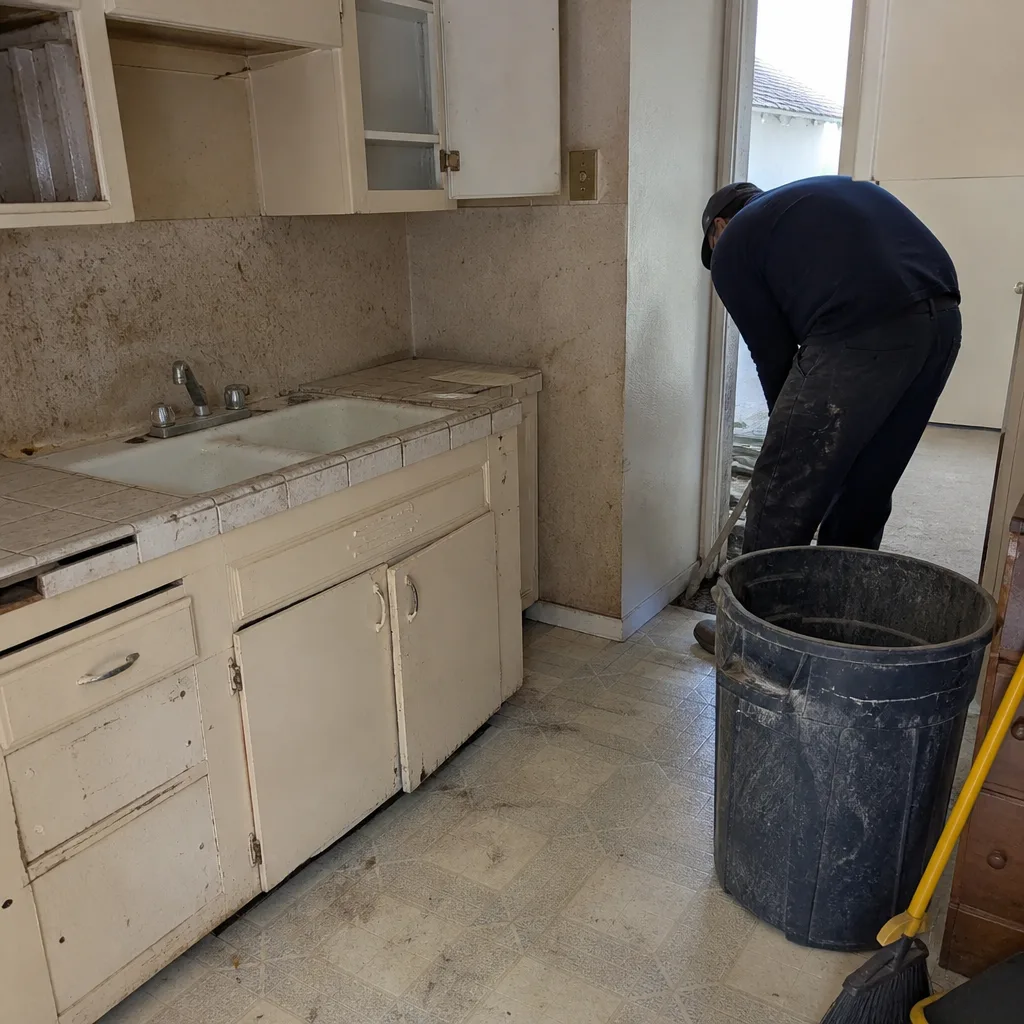
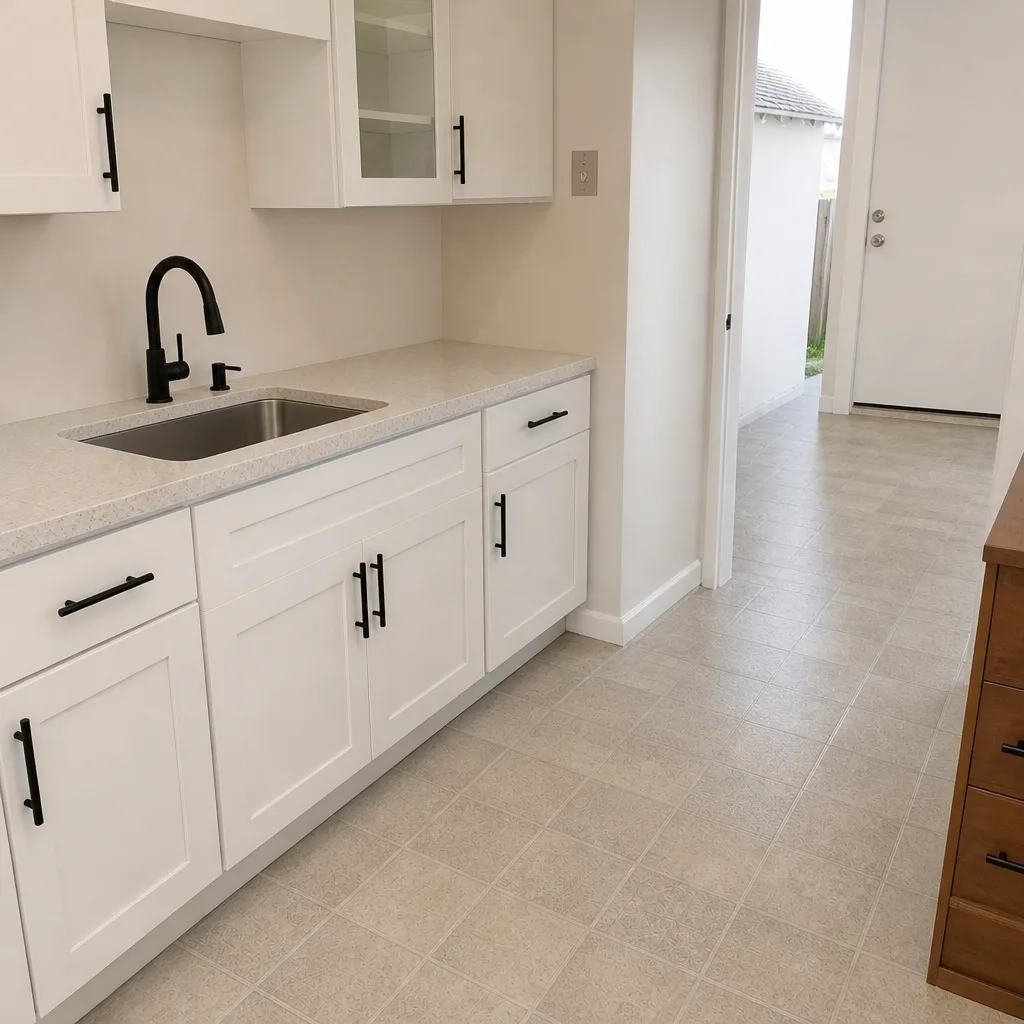
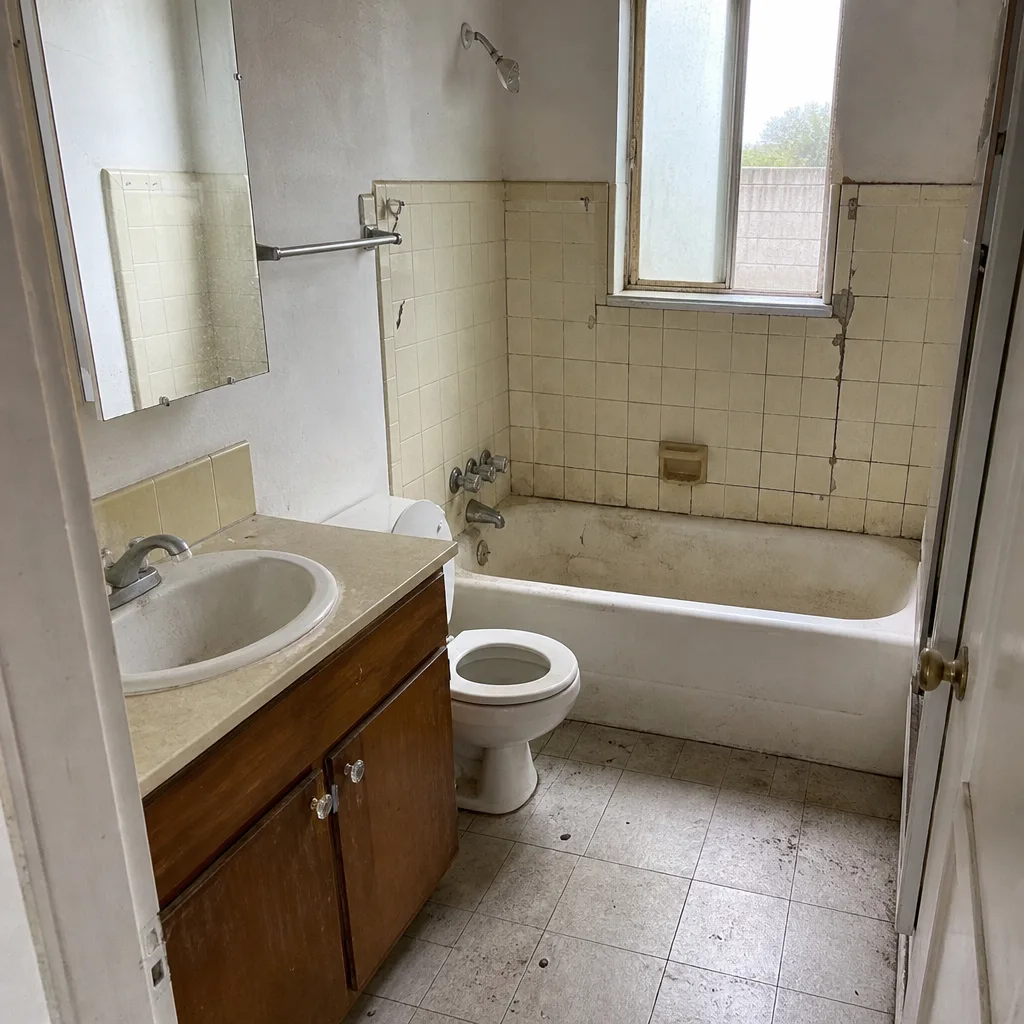
See the difference
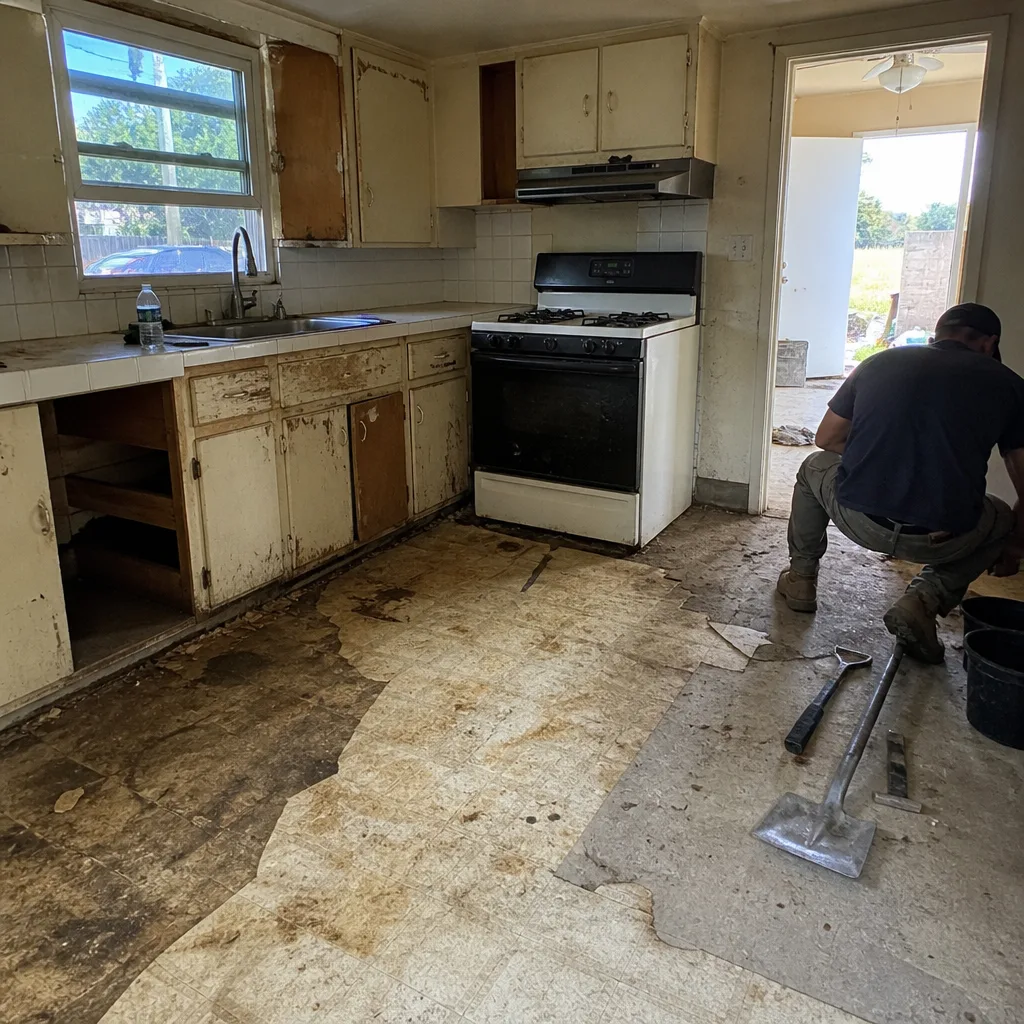 Before
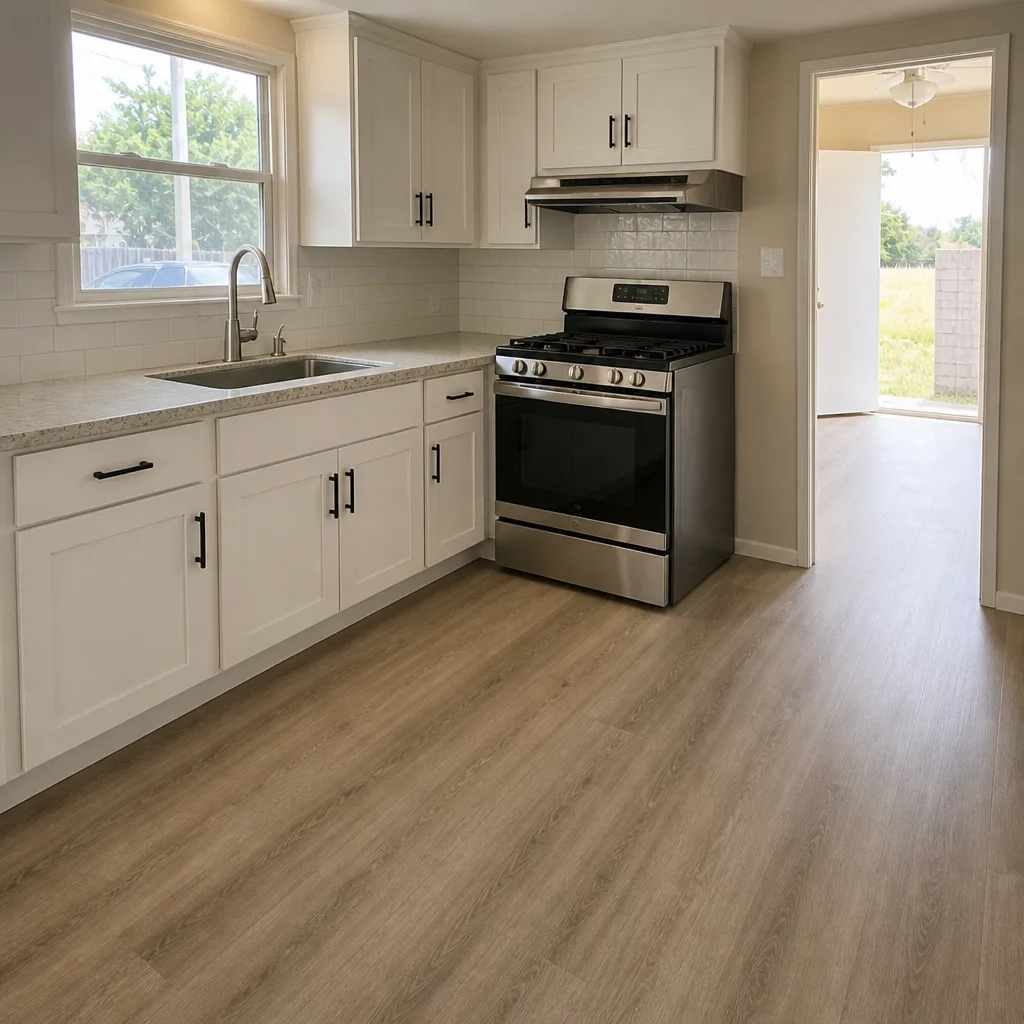 After
 Before
 After
 Before
 After
When to Call a Professional
Some jobs are homeowner jobs. Swapping a faucet, patching drywall, painting a bedroom – all fine. The moment the work involves a permit, a structural change, gas or electrical rough-in, or a multi-trade scope, you need a licensed GC. In Los Angeles specifically, that means: any addition, any kitchen or bathroom where the layout moves, any roof replacement (Los Angeles roofing requires a permit and a specific cool-roof product spec in most cases), any panel upgrade, and any foundation work. Hillside properties in the Hollywood Hills and Mount Washington add retaining wall and slope stability review that shouldn’t be handled without a licensed GC. Bradford Remodeling Co Los Angeles offers free estimates in Los Angeles – call (844) 343-6681 to schedule one.
Frequently Asked Questions
Go to the CSLB website, enter the license number, and confirm the status is “Clear” and the classification is “B” for general building work. Check the bond and workers’ comp status, and scroll to the bottom for disciplinary history. The whole lookup takes two minutes and is free.
Yes. Under California law, the licensed contractor performing the work is legally required to pull the permit in their own name. A contractor asking the homeowner to pull the permit is a red flag – it usually signals an unlicensed operator or an attempt to avoid the inspection record. Call (844) 343-6681 if you want us to walk through what a compliant permit record looks like.
Only for jobs under $500 combined labor and materials. Anything above $500, or anything requiring a permit, must go to a licensed contractor. That threshold is enforced by the CSLB and applies to every project in Los Angeles, not just the big ones.
A mechanics lien is a claim against your property by an unpaid sub or supplier. You protect yourself by collecting a signed conditional waiver from every sub and supplier at each progress payment, and an unconditional waiver at final payment. The clause setting that requirement belongs in your written contract before work begins.
Per Business & Professions Code §7159, it must include the contractor’s name, license number, and address, a detailed scope description, a milestone-tied payment schedule (with the down payment capped at 10% or $1,000), approximate start and completion dates, the three-day right to cancel, and a mechanics lien notice. Ask for every one of those items in writing before you sign.
A hall bathroom runs three to five weeks. A full kitchen runs six to ten weeks. A whole-home remodel runs four to eight months depending on scope, and additions add plan-check time at LADBS – usually four to eight weeks before the permit even issues. Any timeline you receive should be in writing, in the contract, with dates attached. Call (844) 343-6681 for a free estimate and a written schedule specific to your project.
The Bottom Line
Hiring a general contractor in Los Angeles is a documentation problem, and the paper trail is what protects your money. Verify the CSLB license. Insist on a compliant written contract. Confirm the contractor pulls every permit in their own name. Collect conditional and unconditional lien waivers at every payment. Demand a fixed written price before any work begins, and expect a signed written guarantee at close. The contractor who does all six without being asked is the one to hire. From the Bradford Remodeling Co Los Angeles home page to the job site, we run every project against The Garrison Standard – which means the price is written down, the scope is defined, and every completed project carries our 365-Day Done Right Promise.
Call (844) 343-6681 to schedule your free estimate in Los Angeles. A live person answers, day or night. We’ll walk through your scope, your permit requirements, and give you a written price before any work begins.
Written by the team at Bradford Remodeling Co Los Angeles.