Last updated November 17, 2026

Free written scope consultation - allowances, timeline, and change-order rules on paper before a single trade is scheduled
The Complete Guide to Construction in Los Angeles
Los Angeles County contains 36 separate municipal planning jurisdictions inside its lines, and each one runs its own permit desk, its own inspection schedule, and its own idea of what a complete submittal looks like. A contractor who pulled permits in Burbank last week may need a completely different process in Culver City next week, and a hillside lot in Studio City can carry restrictions that a flat lot in Torrance never touches. This guide maps every real obstacle between a signed contract and a finished room in Los Angeles: the geology, the fire zones, the energy code, the HOA review boards, and the permit layers most guides skip.
Quick Answer
Construction in Los Angeles is governed by the jurisdiction that owns your address, not by a single countywide rulebook. Your project’s scope and cost are set first by three site designations – hillside, liquefaction zone, and fire-hazard severity zone – and then by Title 24 energy compliance, which adds line items many quotes leave blank. Get the jurisdiction and the site designations right before design starts, and the rest of the project follows a predictable path.
Styles & brands we work with
- Kitchen remodeling
- Bathroom remodeling
- Home additions & ADU
- Roofing
- Windows & doors
- Driveway & pavers
- Fence
Table of Contents
- Which Building Department Governs Your Los Angeles Address?
- Hillside, Liquefaction, and Fire Zones: The Three Designations That Change Everything
- Why Title 24 Adds Line Items Most Los Angeles Quotes Leave Blank
- How HOA Architectural Review Can Veto Permitted Work
- The Permit Process, Step by Step
- Prevailing Wage and Licensing on Public-Adjacent Work
- What Construction Actually Costs in Los Angeles
- How to Vet a Los Angeles Contractor
Which Building Department Governs Your Los Angeles Address?
The first question on any Los Angeles project is not “what do we want to build” but “who signs the permit.” The city of Los Angeles uses LADBS, the Department of Building and Safety, and it is the largest single permit authority in the region. But a large share of addresses with a Los Angeles mailing address sit in unincorporated county territory, where the county Department of Public Works and the county building authority govern instead. On top of that, 87 other incorporated cities inside the county run their own desks.
Here is how to tell which one owns your project:
- Check the parcel’s jurisdiction before anything else. The county assessor’s parcel record shows whether the property is inside a city limit or in unincorporated county territory. Do this before you draw, not after.
- Confirm which desk issues the building permit. LADBS handles the city of Los Angeles. Cities like Pasadena, Long Beach, Santa Monica, Burbank, and Culver City issue their own permits through their own building divisions.
- Check for overlapping authorities. A property in a coastal zone may also need a Coastal Development Permit through the California Coastal Commission. A property near a flood channel may need county public works review even if the city issues the building permit.
- Ask about plan-check turnaround. Over-the-counter permits for small work can clear in a day in some jurisdictions. Full plan check on a structural remodel can run weeks in the busiest desks.
In our experience, the single most common source of delay on a Los Angeles job is a submittal sent to the wrong department. The drawings come back rejected not because anything is wrong with them, but because the reviewer never had authority over that address. A general contractor who works across the region learns each desk’s quirks – what LADBS wants on a structural sheet versus what Culver City wants – and builds that into the schedule. You can read more about how we handle this on our General Contractor in Los Angeles page.
Hillside, Liquefaction, and Fire Zones: The Three Designations That Change Everything
Before a single line is drawn, three site designations can reshape both the scope and the budget of a Los Angeles project. They are not abstract. Each one triggers specific engineering, specific inspections, and specific costs.
Hillside designation
Hillside areas – the canyons and slopes above the basin, from the Hollywood Hills through Studio City, Sherman Oaks, and out toward the Santa Monica Mountains – carry grading restrictions, slope-density limits, and foundation requirements that flatland lots never see. A hillside project may need a soils report, a geology report, and a grading plan before the building plan is even reviewed. Retaining walls and caissons become standard scope items rather than add-ons.
Liquefaction zone
Liquefaction zones are areas where saturated, loose soil can behave like a liquid during strong shaking. Large parts of the Los Angeles basin near the coast and along old river channels fall into mapped liquefaction zones. A project inside one typically needs a geotechnical investigation and may need deeper foundations, ground improvement, or both. That is a real cost that a quote prepared by phone will miss entirely.
Fire-hazard severity zone
Very High Fire Hazard Severity Zones cover much of the hillside and canyon territory. Inside those zones, the building code requires ignition-resistant construction details: specific roof assemblies, ember-resistant vents, exterior wall materials, and defensible-space planning. Materials that are standard on a flat lot may not be permitted here. This is one reason the brand roster on a project matters – exterior products like James Hardie siding and GAF roofing carry the fire and wind ratings that zone designations demand, and the documentation has to match.
The practical takeaway: pull the site designations first. A project’s true cost range is set before design, and a bid prepared without those designations is a guess.
Why Title 24 Adds Line Items Most Los Angeles Quotes Leave Blank
Title 24 is California’s energy code, and it applies to nearly every remodel in Los Angeles that touches the building envelope, the lighting, or the mechanical systems. It is where a lot of quotes quietly come up short, because compliance is not one line item – it is a set of them spread across the scope.
What Title 24 compliance actually adds:
- Insulation and glazing specs. Replacement windows have to meet a performance rating, not just look right. Products from manufacturers like ES Windows and CWS are common on Los Angeles projects specifically because their ratings are documented and easy to submit.
- Lighting and controls. A kitchen or whole-home remodel usually triggers requirements for high-efficacy fixtures and, in many cases, occupancy or dimming controls. That is electrical scope most quotes skip.
- Mechanical ventilation and duct sealing. Tightening a house’s envelope triggers ventilation requirements that didn’t exist when the house was built.
- Compliance documentation. The energy compliance report has to be prepared and submitted with the permit set. It is a cost, and skipping it stalls the permit.
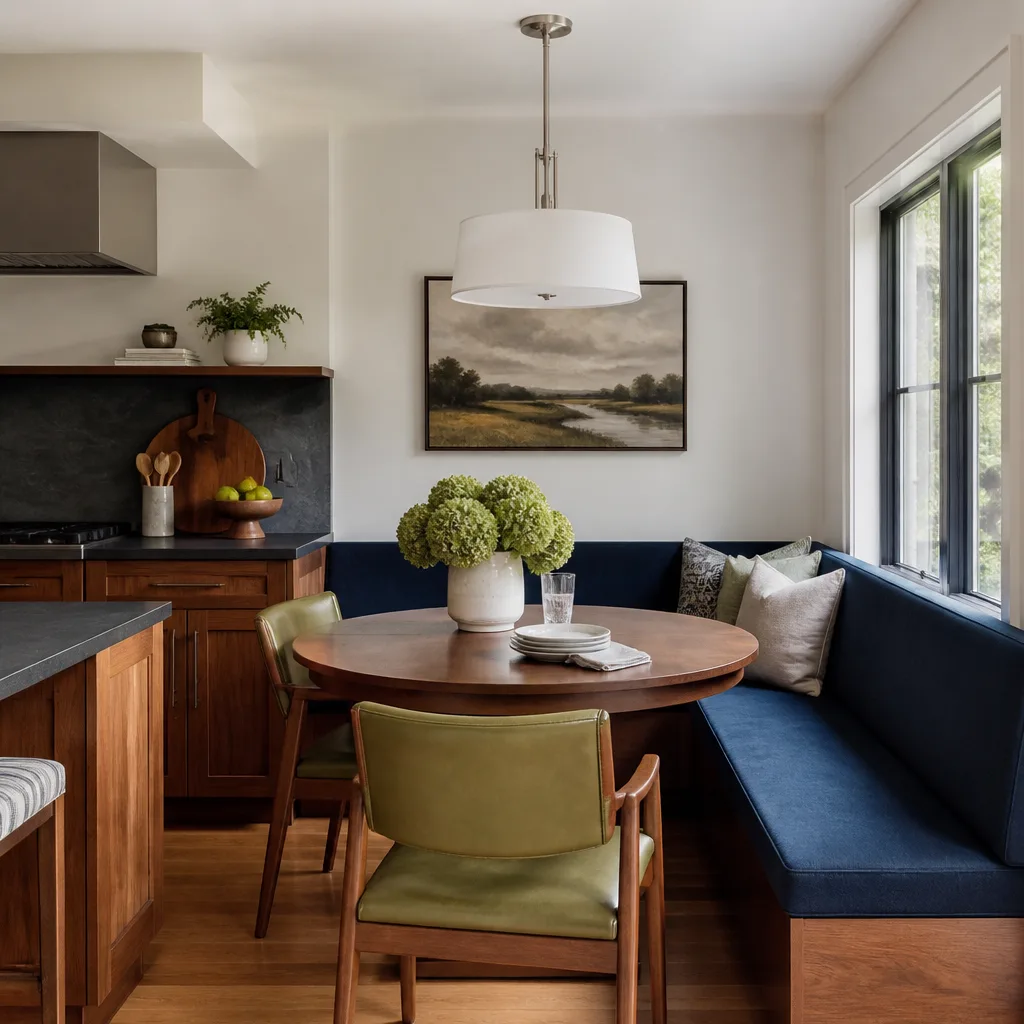
When we scope a kitchen remodel, Title 24 items go on the written price from the start, so there are no mid-job change orders for code compliance. That is the whole point of putting the number in writing before work begins. If your current quote has no line for energy compliance, ask about it before you sign. You can see how this plays out on our Kitchen Remodeling in Los Angeles page.
How HOA Architectural Review Can Veto Permitted Work
A city permit is not the last approval you need. If your property sits inside a common-interest development – and much of the newer housing stock in Los Angeles does – the homeowners association’s architectural review committee has its own approval process, and it can say no to work the city has already permitted.
Here is how that process typically runs, in order:
- Read the CC&Rs before you design. The covenants, conditions, and restrictions spell out what the architectural committee can and cannot regulate – materials, colors, roof pitch, fence height, window style.
- Submit a complete architectural application. Most boards want drawings, material specifications, and sometimes color samples. Incomplete applications are the most common reason for delay.
- Attend the review meeting if allowed. Many boards meet monthly, so a missed meeting can cost a month on the schedule.
- If denied, use the written appeal process. Most CC&Rs set out a specific appeal path, often to the full board and then, in some cases, to mediation or arbitration. A denial is not always final, but the appeal has to follow the procedure in the documents.
The conflict to watch for: an HOA can approve something the city then rejects, or reject something the city permits. The only way to avoid the trap is to sequence both approvals early and in parallel, not one after the other. On a bathroom remodel in a condominium, we’ve seen the board’s window-style requirement drive the entire product selection. Knowing that at the start is worth more than any discount on the bid.
The Permit Process, Step by Step
Permitting in Los Angeles follows a predictable sequence once you know your jurisdiction. The steps below apply to most residential projects, though each department’s forms and timelines differ.
- Confirm jurisdiction and site designations. Parcel record, zoning, hillside, liquefaction, fire zone, coastal, flood. This takes an afternoon and prevents months of rework.
- Assemble the plan set. Architectural drawings, structural calculations where required, Title 24 energy compliance, and geotechnical or geological reports if the site designations call for them.
- Submit for plan check. The department reviews the set and issues correction comments. Multiple rounds are normal on structural work.
- Respond to corrections. Each round restarts a review clock. A clean, complete response is faster than a piecemeal one.
- Pay fees and issue the permit. Fees scale with valuation and scope; they are a real line in the budget.
- Schedule inspections in sequence. Foundation, framing, rough-in (plumbing, electrical, mechanical), insulation, and final. Each inspection has to pass before the next stage is covered up.
- Close the permit with a final inspection. A job is not done until the final sign-off is on record.
Almost every project also passes through the same close-out discipline: clean site, documented scope, signed written guarantee in the homeowner’s hand. That is the standard we hold ourselves to, and it is the standard you should ask any Los Angeles contractor to put in writing.
Prevailing Wage and Licensing on Public-Adjacent Work
Two separate rules govern who can do the work and what they must be paid on certain Los Angeles projects.
Licensing. Any construction contract over the statutory threshold in California requires a state-licensed contractor, and unlicensed contracting is a crime, not just a risk. A licensed contractor carries the bond and insurance the law requires. Ask for the license and verify it with the state before you sign. A crew that can’t produce it is not a bargain.
Prevailing wage. Projects that touch public money or public-adjacent property – a city incentive program, a publicly funded rehabilitation, some work on property adjoining public right-of-way – can trigger prevailing-wage requirements. That changes labor rates and adds certified payroll documentation. It is not a small difference. A quote prepared without knowing whether prevailing wage applies to your project is a quote prepared on the wrong assumption.
The mistake here is assuming “public money” means only big infrastructure. A homeowner using a city program for seismic retrofit or energy upgrades can pull the project into prevailing-wage or program-specific compliance territory. Read the program terms before the crew shows up. This is exactly the kind of detail a written, line-item price protects against, because the scope and the labor basis are on paper before work starts.
What Construction Actually Costs in Los Angeles
Costs in Los Angeles sit above the national average, driven by permits, site designations, and the labor market. The ranges below are line-item starting points, not a promise – every job is scoped in writing first. Use them to sanity-check a bid.
- Kitchen remodel: a mid-range kitchen typically runs $45,000-$95,000 in Los Angeles, with premium finishes pushing higher.
- Bathroom remodel: a full bath typically runs $18,000-$45,000, depending on tile, fixtures, and whether the rough-in changes.
- Whole-home remodel: $150,000-$400,000 and up for a substantial renovation, driven mostly by structural work and site conditions.
- Permit and plan-check fees: commonly in the $2,000-$12,000 range for a residential remodel, scaling with valuation.
- Geotechnical and geological reports: $3,000-$9,000 when a hillside or liquefaction designation requires them.
- Title 24 energy compliance report: typically a few hundred dollars, plus the cost of the upgrades it requires.
Where those numbers land inside the range is decided by the site designations, the jurisdiction, and the finish level. A hillside kitchen in the Hollywood Hills and a flat-lot kitchen in Torrance are not the same project, even with identical drawings. The point of a written price before work begins is that the range becomes a fixed number, with no surprises at the door.
How to Vet a Los Angeles Contractor
A contractor who works across LA’s jurisdictions is worth more than the lowest bid. Here is what to ask before you sign.
- “Which building department will issue my permit, and have you pulled one there before?” The answer should be specific and immediate.
- “What are my site designations?” Hillside, liquefaction, fire zone, coastal. If the answer is vague, keep looking.
- “Is Title 24 compliance in the written price?” It should be a line, not a conversation later.
- “Will you put the full price in writing before work starts?” Not a ballpark at the door. A written price.
- “What does your guarantee cover, and for how long?” Every project Bradford Remodeling completes carries the 365-Day Done Right Promise: if the work fails inside that window, we come back and correct it at no charge.
Every Bradford project starts with a written price before any work begins, and it comes from the Garrison Standard – the framework that puts every number and every promise on paper before a tool comes out. If a contractor you’re considering can’t say the same, that is the answer to the other questions too. Detailed kitchen and bath scope is covered on our Bathroom Remodeling in Los Angeles page, and the full menu of work on our Bradford Remodeling Co Los Angeles home page.
Common Mistakes to Avoid
- Assuming “Los Angeles” means one permit desk. It doesn’t. Confirm the parcel’s actual jurisdiction before you design, or you’ll be resubmitting.
- Skipping the site designations. A hillside or liquefaction designation can change the foundation and the budget. Pull it before the first drawing.
- Forgetting Title 24 in the quote. The energy code adds real line items. A quote without them is not complete.
- Sequencing HOA after the city. The architectural committee can veto permitted work. Run both approvals in parallel and read the CC&Rs early.
- Missing a prevailing-wage trigger. City incentive programs can pull a project into prevailing-wage compliance. Read the program terms.
- Accepting a verbal price. A number that isn’t in writing isn’t a number. Get the full price on paper before work starts.
- Hiring the lowest bid without a guarantee. The cheapest bid with no written guarantee costs more than it saves. Ask exactly what the warranty covers and for how long.
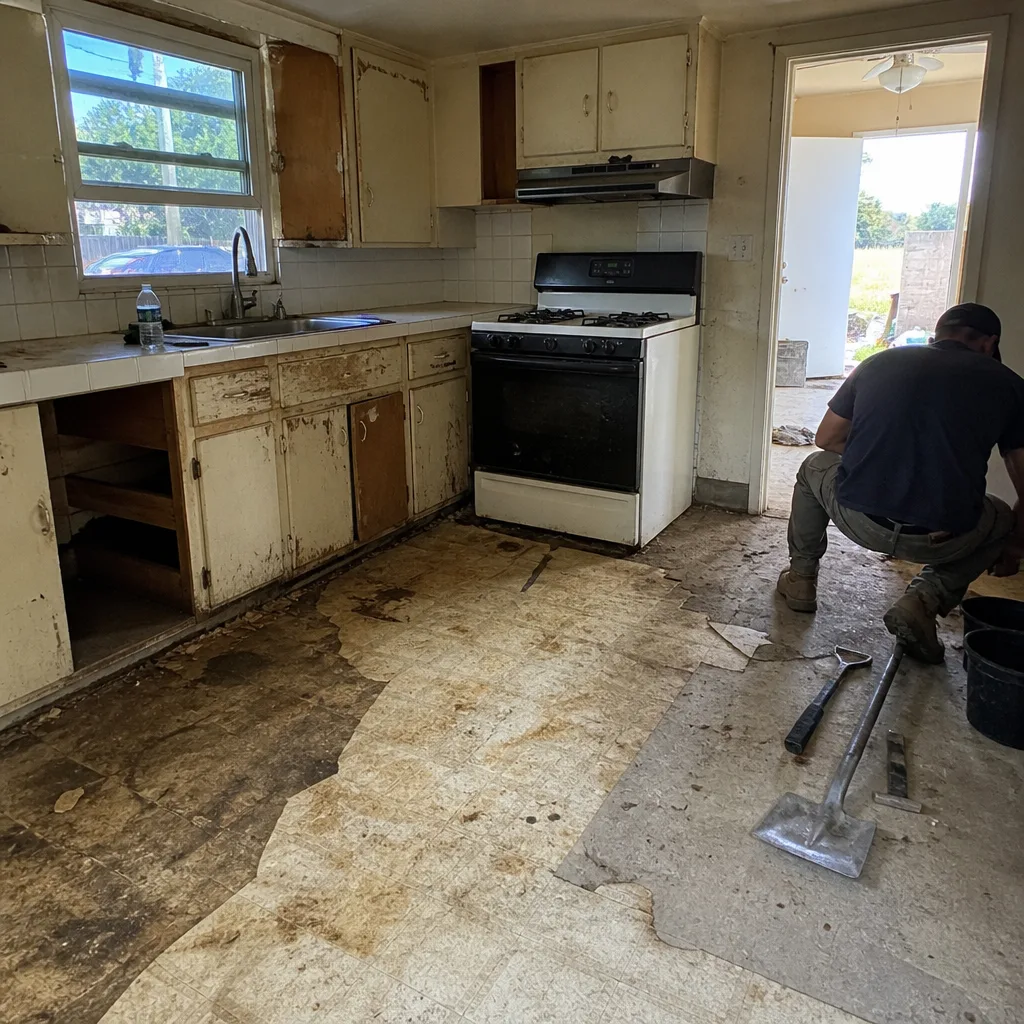
See the difference
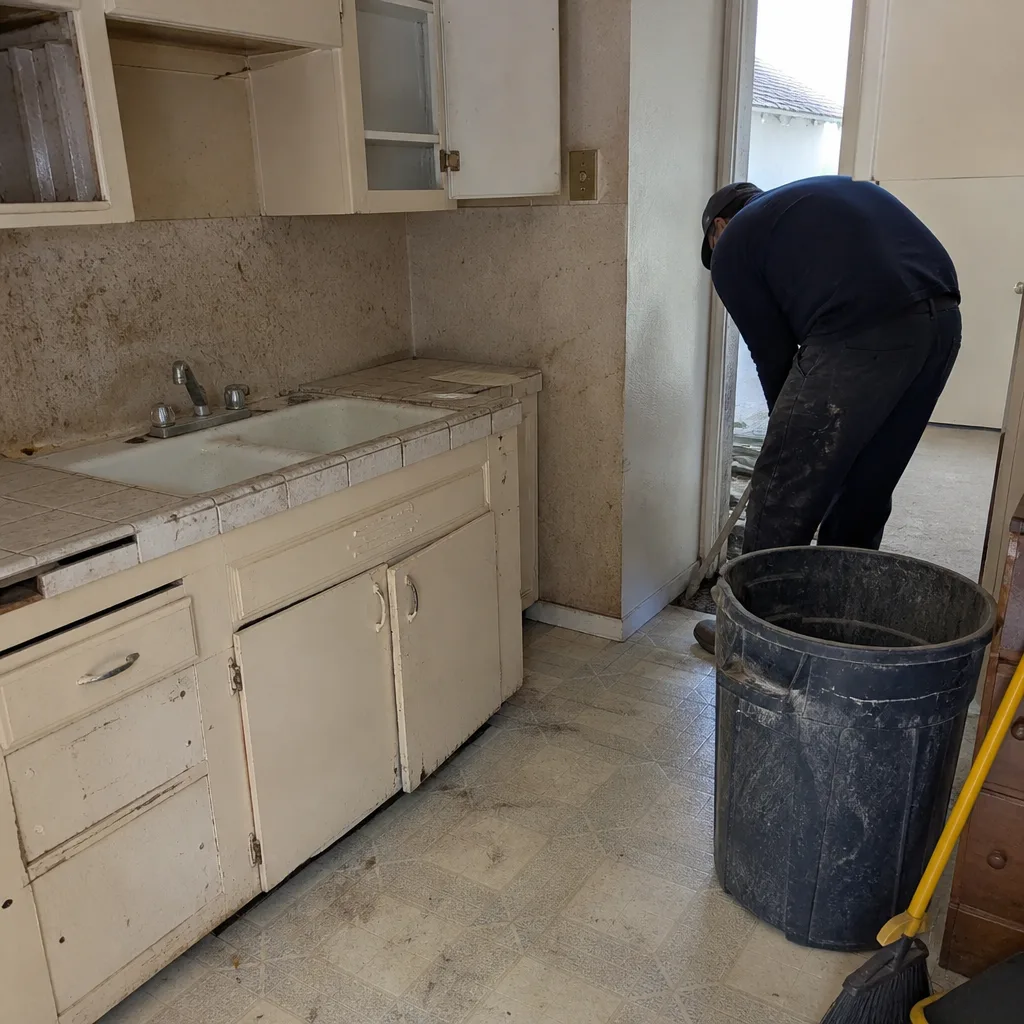
 Before
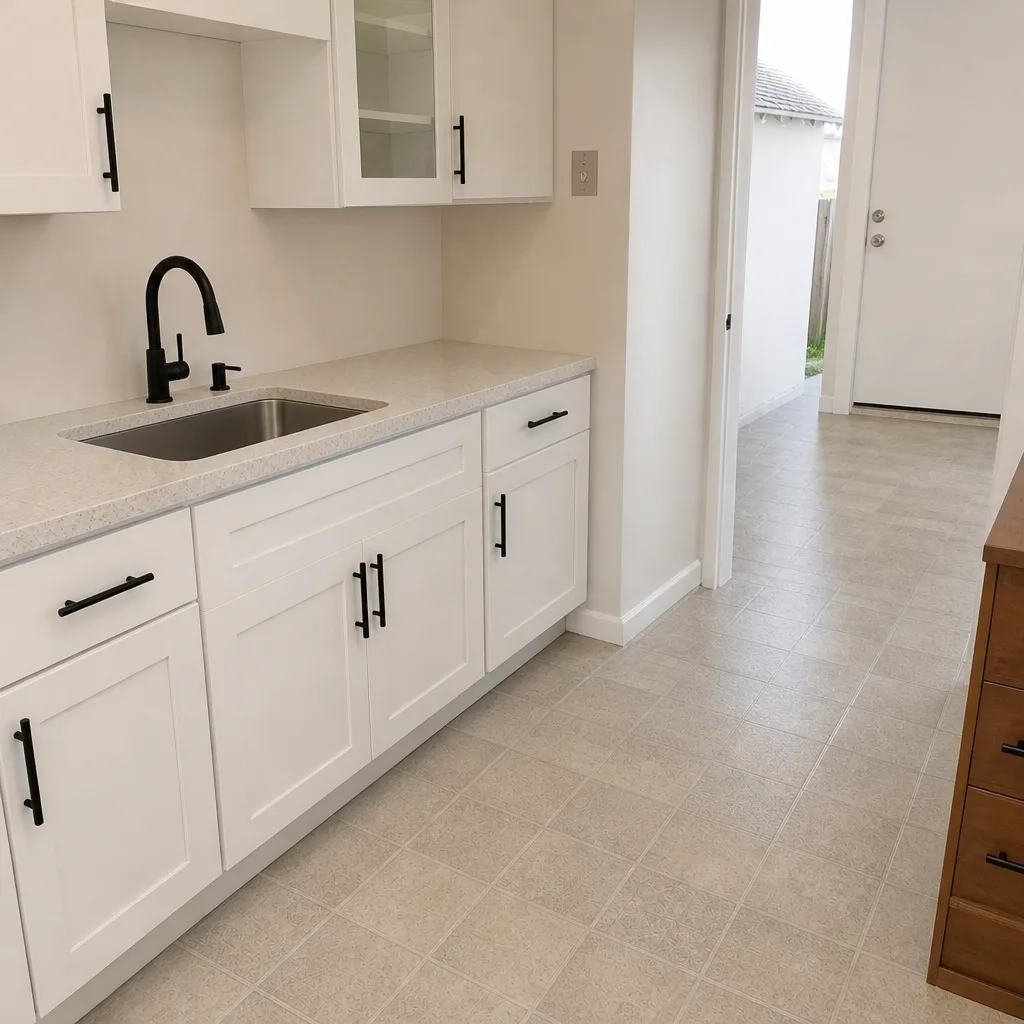
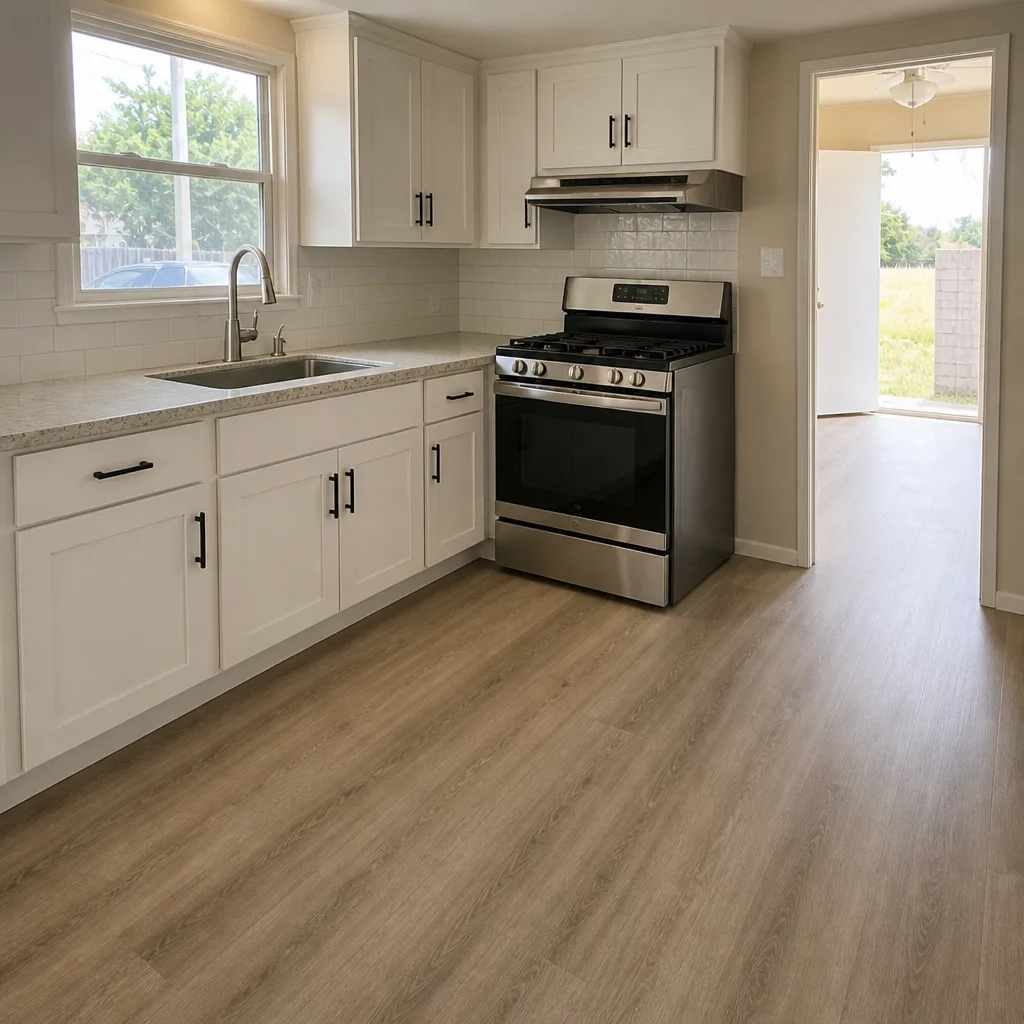 After
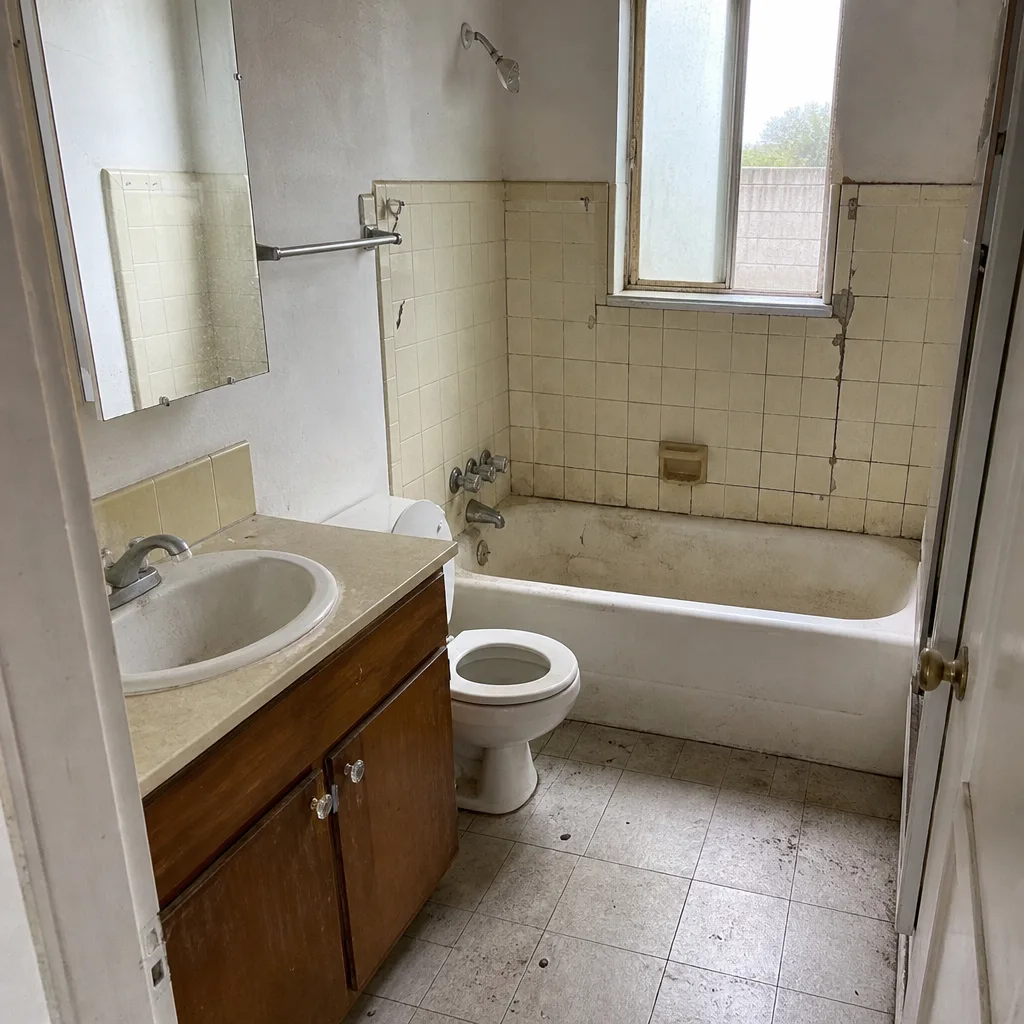
 Before
 After
 Before
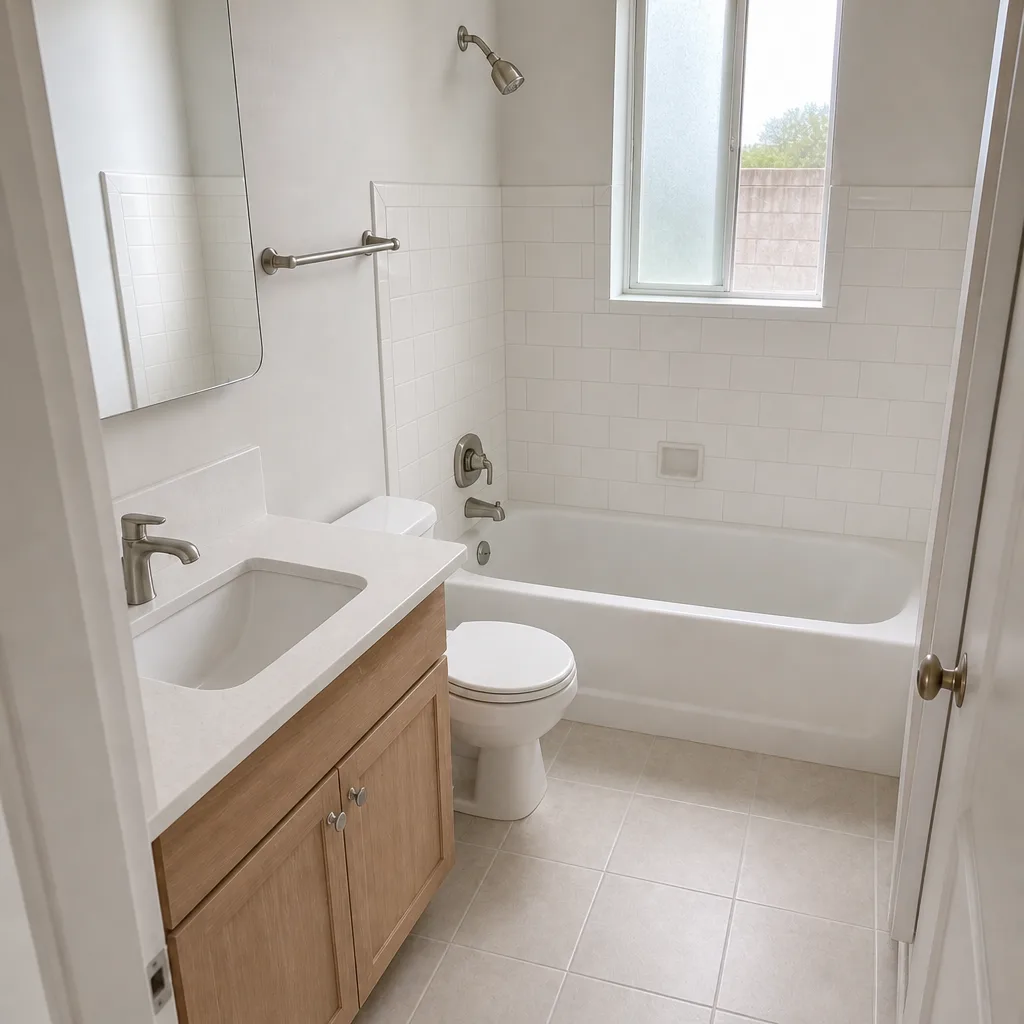 After
When to Call a Professional
Call a professional before you draw when any of these apply: your property is hillside, in a liquefaction zone, or in a Very High Fire Hazard Severity Zone; your project touches structural, electrical, plumbing, or gas systems; your HOA requires architectural review; or your project might connect to a city program. These are the situations where a mistake on paper becomes a real cost on site. A licensed contractor who works Los Angeles jurisdictions every day knows which desk to submit to, which designations trigger which reports, and how to keep the price fixed in writing. Bradford Remodeling Co Los Angeles offers free estimates in Los Angeles – call (844) 343-6681.
Frequently Asked Questions
A mid-range kitchen remodel typically runs $45,000-$95,000, a full bathroom $18,000-$45,000, and a whole-home remodel $150,000-$400,000 and up. Site designations like hillside, liquefaction, and fire zones push the range higher. Call (844) 343-6681 for an exact quote – estimates are free.
Yes, almost every residential remodel that touches structure, electrical, plumbing, or the building envelope requires a permit from the jurisdiction that owns your address. That may be LADBS, the county, or a separate city desk. Pulling the permit is part of the job, not an optional extra.
It depends on the parcel. Properties inside the city of Los Angeles use LADBS; unincorporated county territory uses the county building authority; and dozens of incorporated cities inside the county run their own desks. Confirm the jurisdiction before you design.
It shouldn’t, and with Bradford it doesn’t. Every project gets a written price before work begins, and that price is fixed unless you change the scope in writing. Any contractor who reprices at the door is telling you something.
Title 24 is California’s energy code, and it adds real line items to nearly every LA remodel – insulation, glazing, lighting controls, ventilation, and a compliance report filed with the permit set. A quote that leaves those out is not a complete price.
Plan check and site-designation reports usually set the timeline more than construction does. A straightforward kitchen can clear in weeks; a hillside project with geologic review can take months before the first inspection. Your written scope should state the schedule.
The Bottom Line
Construction in Los Angeles is a regulatory project as much as a building one. Your parcel’s jurisdiction sets the rules, three site designations set the scope, Title 24 fills the lines most quotes leave blank, and the HOA review board adds a layer the city permit doesn’t cover. Get those right before design, and the build is predictable. Bradford Remodeling Co Los Angeles puts every number in writing before a tool comes out, backs every project with the 365-Day Done Right Promise, and documents every material we specify. That is the difference between a bid and a plan.
Bradford Remodeling Co Los Angeles gives you a written price before any work starts, a fixed lineup of documented materials – KraftMaid and Wellborn cabinetry, Cambria and Caesarstone surfaces, Kohler and Moen fixtures, GAF and James Hardie exterior products, and Therma-Tru doors among them – and a live person answering the phone whenever you call. Our technicians have up to 22 years of experience, and every completed project carries the 365-Day Done Right Promise: if the work fails inside that window, we come back and correct it at no charge. To price your Los Angeles project, call (844) 343-6681 for a free estimate.
Written by the team at Bradford Remodeling Co Los Angeles.