Last updated November 17, 2026
Free written scope consultation - allowances, timeline, and change-order rules on paper before a single trade is scheduled
Construction Cost Breakdown: The Los Angeles Homeowner’s Reference for 2026
Two bids land on the same kitchen. One says $45,000. The other says $72,000. Same cabinets, same tile, same footprint on paper. The gap usually isn’t markup. It’s eight line items the lower bid left out, and the homeowner pays for them anyway, just later, as change orders that arrive after the walls are open and the crew is already standing there. Los Angeles remodeling costs run high for specific, itemizable reasons: prevailing labor rates, Title 24 compliance, LADBS permit fees, and debris hauling in a city with tight landfill access. This reference breaks down every dollar so you can read a bid honestly.
Quick Answer
A full kitchen remodel in Los Angeles typically runs $75,000 to $140,000 in 2026, a hall bath $28,000 to $55,000, and a whole-home remodel $180 to $350 per square foot depending on scope. The three cost drivers most bids understate are LADBS permit fees tied to project valuation, Title 24 energy compliance items, and debris hauling with abatement on pre-1978 homes.
Styles & brands we work with
- Kitchen remodeling
- Bathroom remodeling
- Home additions & ADU
- Roofing
- Windows & doors
- Driveway & pavers
- Fence
Table of Contents
- Labor Rate Benchmarks for LA County by Trade
- LADBS Permit Fees by Project Type
- Title 24 Energy Compliance: What Gets Added to Your Scope
- Debris Hauling, Disposal, and Abatement Reality in Los Angeles
- How to Read a Cost-Per-Square-Foot Figure Honestly
- How to Spot an Underpriced Bid Before You Sign
- Common Mistakes to Avoid
- Frequently Asked Questions
Labor Rate Benchmarks for LA County by Trade
Labor is the largest single line on almost every Los Angeles remodel, and it’s the one homeowners have the least reference for. We’ve seen bids priced so far below the local floor that the only way to deliver them is unlicensed labor or a crew that vanishes at mid-job. Here are working benchmarks for LA County in 2026, billed hourly for rough work and per-unit for finish work.
By Trade, Hourly and Per-Unit
- Framing: $85 to $130 per hour, or $8 to $14 per square foot of floor area for structural framing.
- Electrical: $110 to $165 per hour; a new dedicated circuit runs $450 to $900 installed.
- Plumbing: $120 to $180 per hour; a relocated drain line $600 to $1,600 depending on run and access.
- Tile setting: $18 to $38 per square foot installed for floor tile; $30 to $55 for complex patterns or large-format.
- Drywall and finish: $3 to $6 per square foot hung, taped, and sanded to a level-4 finish.
A bid that lands 30 percent or more under these numbers is a warning, not a bargain. In our experience across Los Angeles, below-market framing and electrical rates almost always track back to crews without a license or a workers’ comp policy, which shifts the liability to you if someone gets hurt on your property. When we quote framing at $105 per hour, that number reflects a background-checked, insured crew, and it’s written on the estimate before anyone lifts a hammer.
The other labor reality in Los Angeles is access. Hillside properties in Mount Washington and Echo Park, tight lots in West Adams, and third-floor walk-ups in older Koreatown buildings all add handling time. A crew hauling material up 40 exterior steps loses two hours a day to logistics, and that cost shows up in a real bid but never in a low one.
LADBS Permit Fees by Project Type
Los Angeles doesn’t charge a flat permit fee. LADBS fees scale with the valuation you declare, so the same kitchen can carry a very different permit cost depending on scope. These are working figures for 2026 that homeowners should see as a line item, never a surprise.
Typical LADBS Permit Costs by Project
- Kitchen remodel (non-structural): $900 to $2,200 in permit and plan-check fees.
- Bathroom remodel (moving plumbing): $600 to $1,400.
- Structural work (beam, wall removal, foundation): $2,500 to $7,500, plus engineering plans at $1,500 to $4,000.
- Accessory dwelling unit (ADU): $4,500 to $12,000 in permits and plan check, with school and park fees potentially adding several thousand more depending on size.
Two details catch homeowners off guard. First, plan check is billed separately from the permit itself, and revisions add fees. Second, LADBS inspection sequences matter: work buried behind drywall before inspection gets opened back up at your cost. A disciplined contractor schedules the rough-in inspection in writing, and the homeowner knows the date before the drywall order goes in. When we write an estimate for a Los Angeles project, the permit cost is a fixed line, not an allowance, because “allowance” is the word that turns into a change order later.
Skip the permit and the problem isn’t the fine. It’s the resale disclosure. An unpermitted kitchen addition can kill a sale in Los Angeles years later, when a buyer’s inspector finds a load-bearing wall that shouldn’t have moved and the city won’t sign off retroactively without a full plans review.
Title 24 Energy Compliance: What Gets Added to Your Scope
Title 24 is California’s energy code, and it adds line items to a Los Angeles remodel that wouldn’t appear on a bid in Nevada or Texas. Competitors who quote from national templates miss these entirely. Any scope touching exterior walls, windows, or mechanical systems gets measured against the current standard.
The Common Title 24 Line Items
- Insulation upgrades: walls brought to R-15 and ceilings to R-38 or higher in affected areas, adding $2 to $5 per square foot.
- Low-e glazing: dual-pane low-e windows required on altered openings; a Therma-Tru entry door with compliant glaze typically runs $1,200 to $3,800 installed.
- Mechanical ventilation: kitchens need a compliant hood, baths need exhaust to the standard, and tight envelopes often demand a whole-house ventilator at $1,500 to $3,500.
- Duct work in conditioned space: older Los Angeles homes with ducts in the attic often need re-routing at $2,000 to $6,000.
Climatic zone matters here. Los Angeles sits largely in a coastal or inland warm zone where low-e glazing and duct sealing carry real weight in the compliance software, and windows that face west in the Valley get scrutinized harder than north-facing glass near the beach. A bid that shows a lump-sum “window allowance” without a U-factor on the spec sheet is telling you the compliance work hasn’t been run yet. That’s not a number you can trust at signing.
Debris Hauling, Disposal, and Abatement Reality in Los Angeles
Getting rid of what you tore out costs more here than almost anywhere else. The Los Angeles basin has constrained landfill capacity and tiered disposal fees, so a demo-heavy kitchen can generate $1,800 to $4,500 in hauling and tipping fees alone.
What a Real Disposal Line Includes
- Bin rental: $550 to $1,200 per 20- to 40-yard roll-off, delivery and pickup included, curbside space required.
- Dump fees: $95 to $140 per ton at most permitted facilities, with construction and demolition loads sorted for recycling.
- Sorting labor: one to two crew days at $85 to $130 per hour for mixed loads that must be separated.
- Lead and asbestos abatement: mandatory testing on pre-1978 homes in Los Angeles; testing $400 to $900, abatement $2,500 to $12,000 depending on square footage and material type.
That last line is where the missing-eight-line-items story lives. A pre-1978 home in Boyle Heights or Highland Park almost certainly has lead paint somewhere and often has asbestos in old floor tile or duct wrap. A bid that quietly excludes abatement is not cheaper. It’s a bid waiting to reprice the moment the lab report comes back. We test before we quote when the age of the home warrants it, so the abatement number is on the written estimate from day one and nobody gets a surprise invoice mid-demo.
One more disposal cost many homeowners miss: the dumpster needs a spot. On a tight lot in Silver Lake with a hillside driveway, the bin may have to sit on the street under a city permit, which adds a fee and a scheduled pickup window.
How to Read a Cost-Per-Square-Foot Figure Honestly
Cost per square foot is a sanity check, not a budget. It’s useful for asking whether a bid is in the right neighborhood. It’s dangerous as a planning number because almost no bid is priced on area alone, and the figure swings wildly on scope.
What the Figure Usually Includes
- Labor and material for the scope drawn.
- Basic permits in some quotes, excluded in others.
- Standard fixtures and finishes at a midgrade level.
What It Almost Never Includes
- Structural changes, engineering, or foundation repair.
- Abatement on pre-1978 homes.
- Landscape, hardscape, or Belgard paver work outdoors.
- Design fees, which run $3,000 to $15,000 on a Los Angeles whole-home.
- Anything behind a wall that a site visit hasn’t opened yet.
Read it this way: a Los Angeles whole-home remodel in 2026 typically prices out at $180 to $350 per square foot for the interior scope. A kitchen at $75,000 to $140,000 or a hall bath at $28,000 to $55,000 sits inside that band when the work is real. The variable that moves the number most is finish level. KraftMaid versus a stock cabinet line, Cambria versus laminate, and a full gut versus a light refresh all live inside the same square footage. A price that comes in at $110 per square foot for a whole-home in Los Angeles isn’t a deal. It’s a quote for a scope somebody removed.
The one honest use of the figure is at the very early stage, when you’re deciding whether a whole-home remodel is feasible at all. Run a rough range, then get a written, itemized estimate before you commit. The square-foot figure tells you what ballpark you’re in. It never tells you what you’ll pay.
How to Spot an Underpriced Bid Before You Sign
You now have the tools to read any Los Angeles bid against the real cost structure. Here is a countdown of the eight line items the low bid leaves out. Confirm each one is present before you sign.
- Permit and plan-check fees shown as a fixed number, not an allowance.
- Structural engineering, if walls or beams are moving.
- Title 24 compliance items itemized: glazing, insulation, ventilation.
- Debris hauling and dump fees as a stated range.
- Lead and asbestos testing and abatement on pre-1978 homes.
- A realistic labor rate matched to LA County benchmarks.
- Finish-level specification by brand and model, so nothing is left to “builder grade.”
- A written guarantee term and a clear closeout procedure.
A bid missing three or more of these isn’t competitive. It’s a bid that will grow. The difference between the two original numbers on our kitchen example is often just these eight lines, priced honestly, up front, where you can see them. That’s why we put the written price on the estimate before work starts and hold it there. Estimates that move at the door aren’t estimates. When you’re ready to see a squared-away number for your Los Angeles project, start with our Bradford Remodeling Co Los Angeles home page and we’ll take it from there.
Common Mistakes to Avoid
- Comparing bottom lines instead of line items. Two bids for the same kitchen aren’t comparable unless every cost category is present. Diff them line by line before you decide.
- Assuming permits are optional in Los Angeles. LADBS will catch unpermitted structural work at resale, and the retrofit cost lands on you. Insist on permits and a passed inspection record.
- Treating Title 24 as the contractor’s problem. If compliance work isn’t in the scope, someone pays for it later. Confirm the glazing and ventilation numbers are on the spec sheet.
- Ignoring pre-1978 abatement risk. A home built before 1978 in Los Angeles carries real lead and asbestos exposure. A bid without a testing line item is not cheaper, it’s incomplete.
- Choosing an allowance over a price. Allowances feel flexible and become change orders. Ask for fixed brand and model specifications instead.
- Skipping the site visit. A bid quoted without anyone walking the property can’t see the hillside access, the step count, or the duct routing. Insist on a walk-through.
- Not asking what the guarantee covers. Get the term and the remedy in writing. “We stand behind it” is not a guarantee.
See the difference
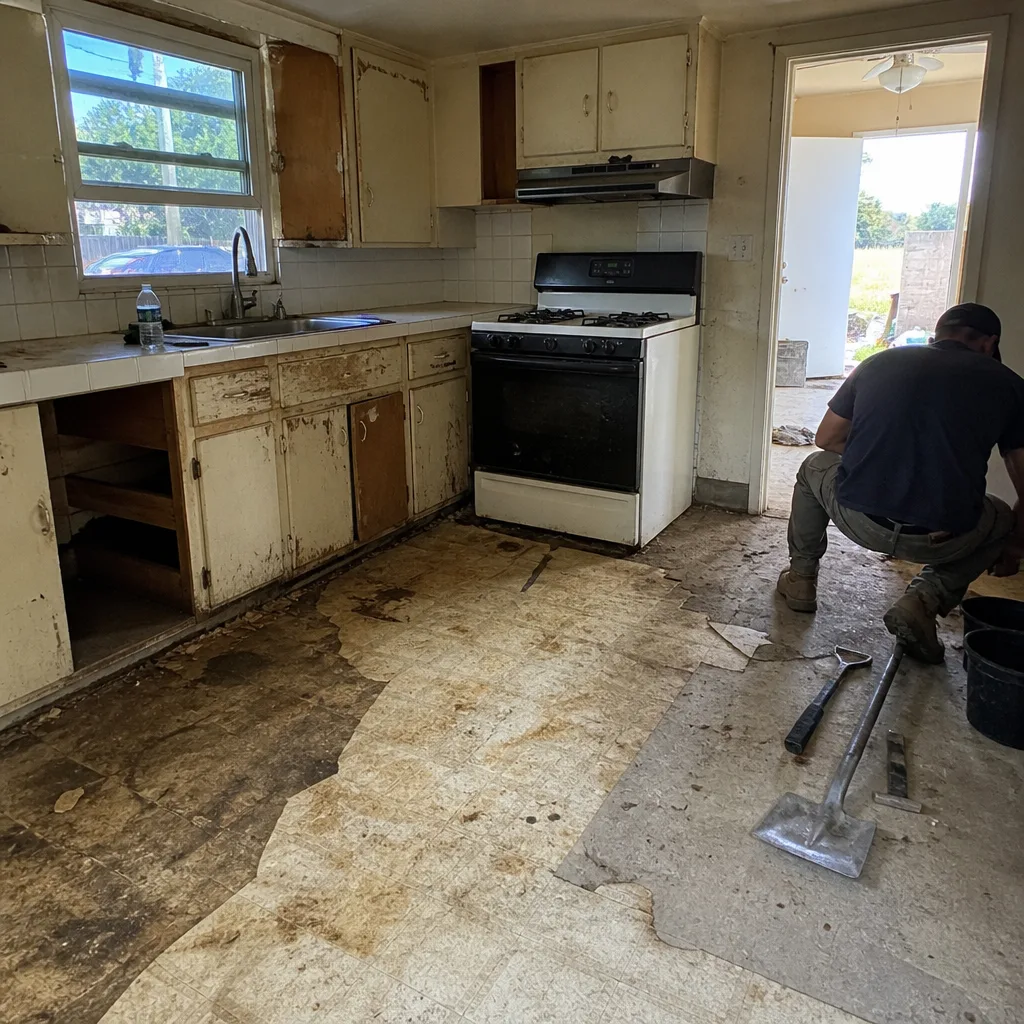 Before
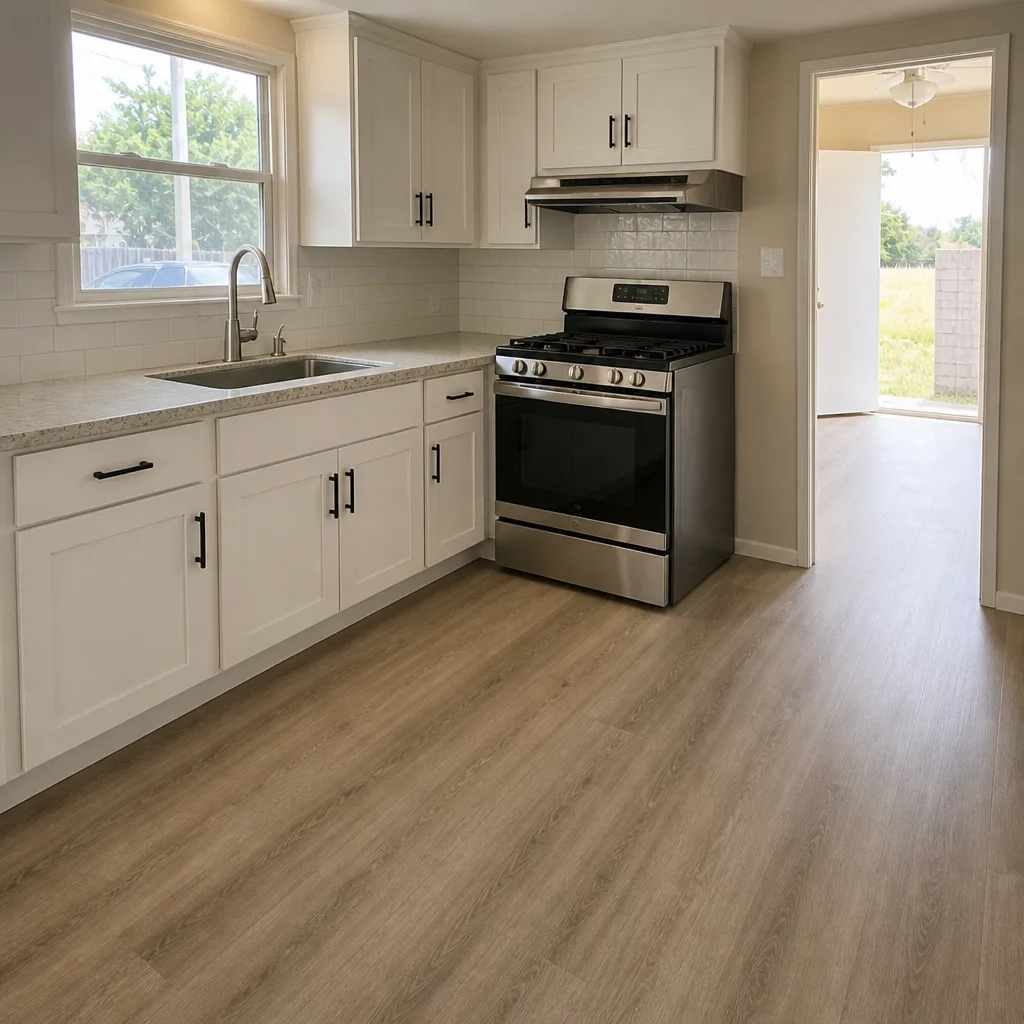 After
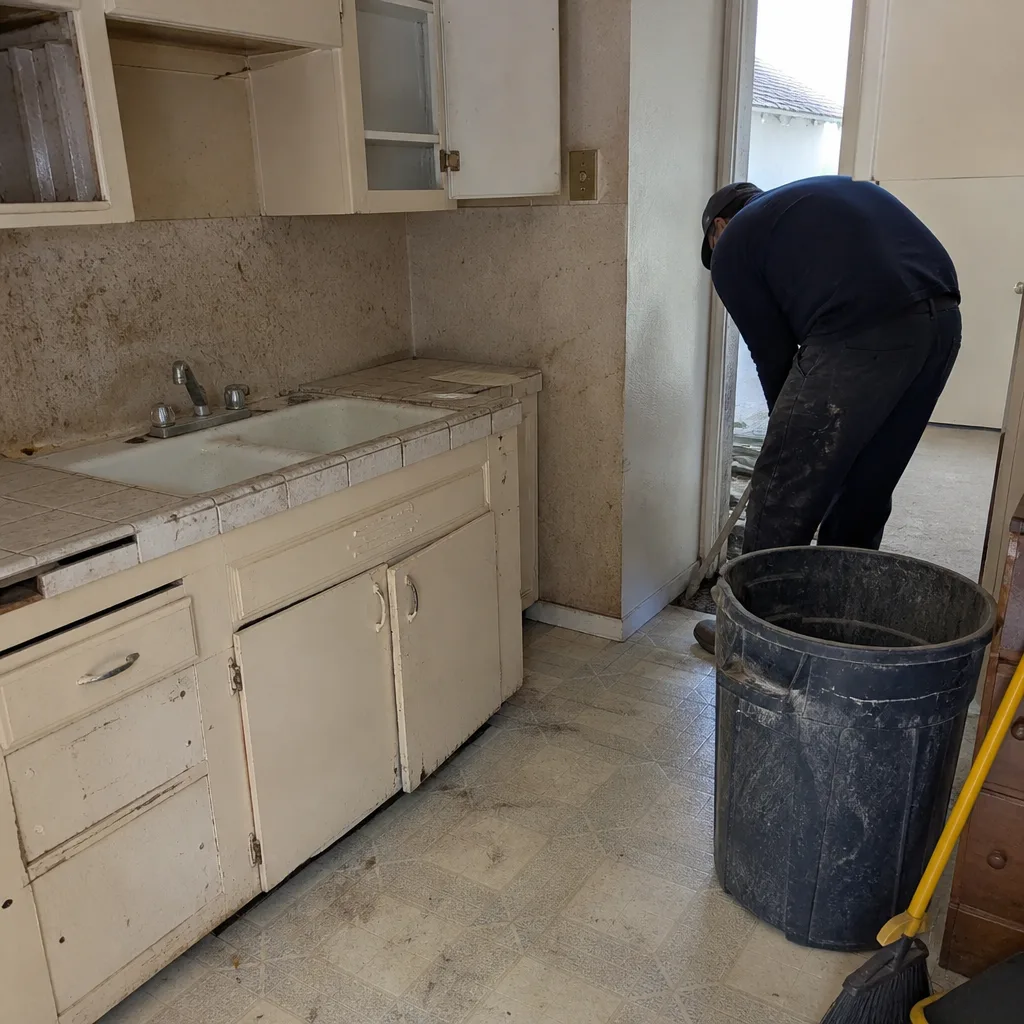 Before
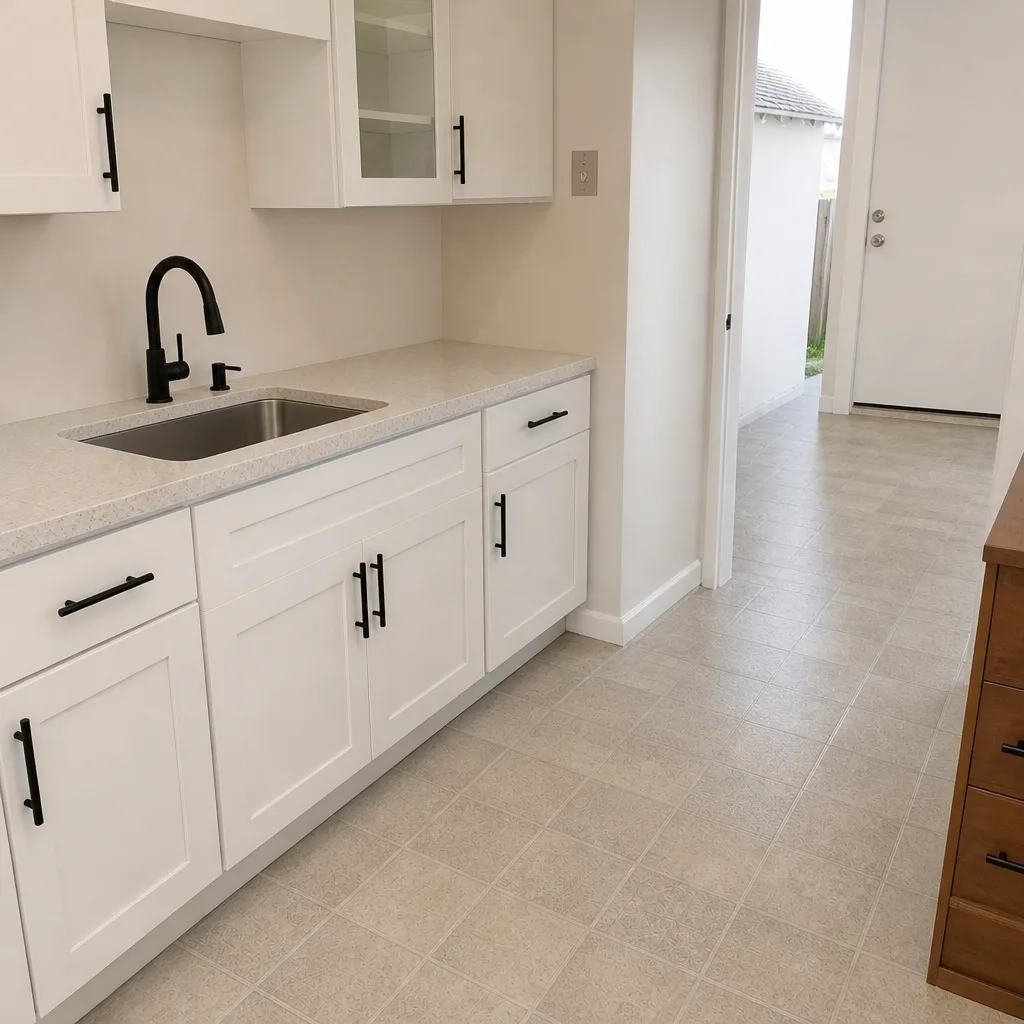 After
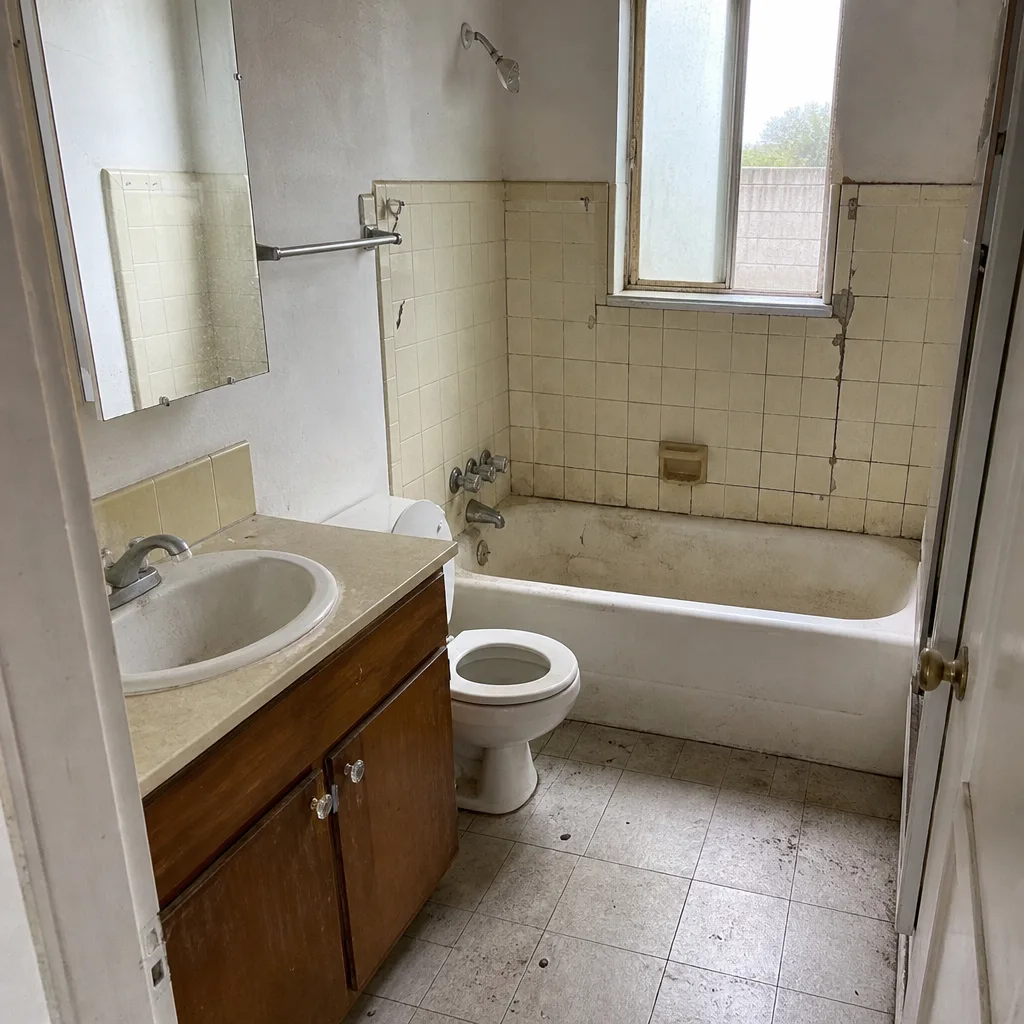 Before
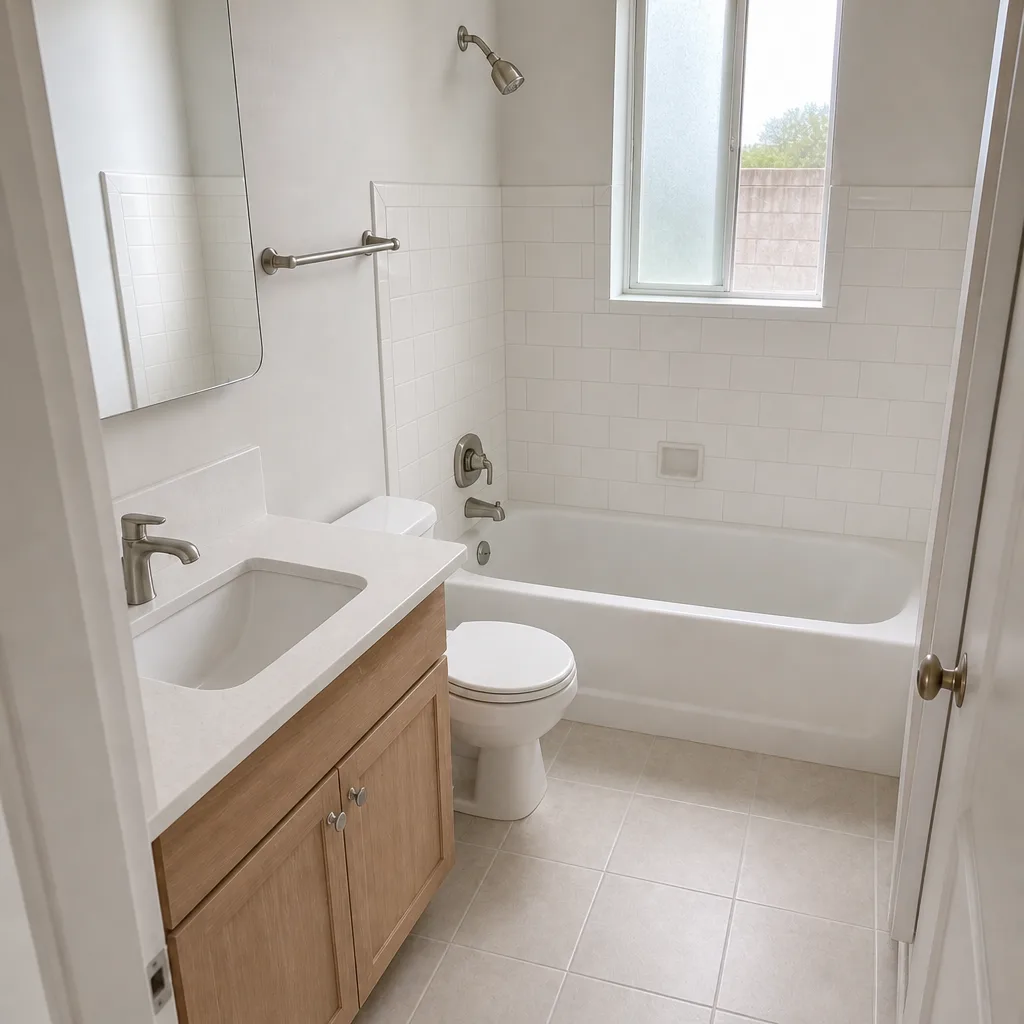 After
When to Call a Professional
Some parts of a Los Angeles remodel are genuinely safe for a homeowner to handle, like paint and basic demo. Others are not, and the line is clear: anything that touches electrical panels or new circuits, gas lines, load-bearing walls, or Title 24 mechanical work belongs with a licensed, insured crew. Spring-loaded structural changes and hillside foundations in Los Angeles carry real risk, and a mistake compounds. The same goes for abatement on an older home; disturbing lead paint or asbestos without containment spreads the contamination through the whole house. If your project involves a permit, a structural change, or a pre-1978 property, it’s time for a professional. Bradford Remodeling Co Los Angeles offers free estimates in Los Angeles, with a written price before work starts and a 365-Day Done Right Promise on the finished job. Call (844) 343-6681 to schedule yours.
Frequently Asked Questions
A kitchen remodel in Los Angeles typically runs $75,000 to $140,000 in 2026, with a light refresh at the low end and a full gut with cabinetry, surfaces, and layout changes at the high end. Call (844) 343-6681 for an exact quote; estimates are free.
Los Angeles costs run higher for specific reasons: LA County labor rates that reflect licensed, insured crews, LADBS permit fees tied to valuation, Title 24 energy compliance items, and constrained landfill access that raises disposal costs. Every one of those is a line item on an honest bid. Call (844) 343-6681 for an itemized estimate.
Yes, if plumbing or electrical is moving. A finish-only bath refresh may not require a permit, but any change to fixtures, drains, or circuits goes through LADBS. Pulling the permit and passing inspection protects your resale.
A whole-home interior remodel in Los Angeles typically takes four to eight months from permit to closeout, depending on scope and plan-check time. Structural work and LADBS inspection scheduling add to that window. Call (844) 343-6681 for a written timeline and price on your scope.
Not on a disciplined bid. A written price before work starts fixes the number unless you change the scope or an inspection opens something genuinely hidden behind the wall. Our estimates are written and fixed, and we honor that number through closeout.
It’s a rough sanity check, not a budget. A Los Angeles whole-home interior typically sits at $180 to $350 per square foot, but that figure excludes structural work, abatement, design fees, and exterior hardscape. Use it to orient, then get an itemized estimate for the real number.
The Bottom Line
The gap between a low bid and a fair one in Los Angeles is almost always a list of real costs that the low bid pushed to later: permits, engineering, Title 24 compliance, abatement, and hauling. Read every bid line by line against the benchmarks in this guide. Insist on fixed prices over allowances, permits pulled and inspected, and a written guarantee term you can hold. When you’re ready to price a project on paper before anyone lifts a tool, we’re here to give you the real number for Los Angeles and stand behind it for a full year.
Written by the team at Bradford Remodeling Co Los Angeles.
Before your next decision, start with the pages that put the whole process in writing: meet our General Contractor in Los Angeles team for structure and scope, explore Kitchen Remodeling in Los Angeles and Bathroom Remodeling in Los Angeles for room-level pricing. Call (844) 343-6681 for a free estimate.