Last updated November 17, 2026




Free written scope consultation - allowances, timeline, and change-order rules on paper before a single trade is scheduled
General Contractor Maintenance Checklist for Los Angeles Homeowners
A 1960s stucco-over-wood-frame house in the San Fernando Valley expands and contracts more in a single Santa Ana week than a comparable home in Chicago does all winter. That’s not an exaggeration – it’s thermal cycling, and it’s the reason so many Los Angeles maintenance guides fail. Most checklists are recycled from Midwest and Northeast home guides that assume freeze-thaw winters and basements. Los Angeles homes face something different: Diablo winds, expansive clay soils, marine-layer moisture, and wildfire smoke season. This guide covers what actually breaks here, what you can inspect yourself, and what needs a licensed general contractor.
Quick Answer
The core of a Los Angeles home maintenance checklist is seasonal inspection of stucco, roof flashing, attic ventilation, and slab edges – not the freeze-thaw, gutter, and basement checks you’ll find in national guides. Los Angeles homes need post-Santa Ana condition checks in fall and winter, marine-layer moisture checks on the West Side, and HVAC attention timed to wildfire smoke season rather than a generic quarterly schedule. Anything involving roof access, gas lines, electrical panels, or structural cracking should be handed to a licensed general contractor.
Styles & brands we work with
- Kitchen remodeling
- Bathroom remodeling
- Home additions & ADU
- Roofing
- Windows & doors
- Driveway & pavers
- Fence
Table of Contents
- Post-Santa Ana Condition Checks: Stucco, Attic Venting, and Roof Flashing
- Slab-on-Grade Inspection for Expansive Clay Soils
- Marine-Layer Moisture Indicators on the West Side and Coastal Homes
- HVAC Filters and Ducts: Timing for Wildfire Smoke Season
- What Homeowners Can Self-Document vs. What a Contractor Should Inspect
- A Los Angeles Seasonal Maintenance Calendar
- Red Flags That Mean Call Now, Not Later
Post-Santa Ana Condition Checks: Stucco, Attic Venting, and Roof Flashing
Santa Ana winds are the single most destructive annual event for Los Angeles homes, and most homeowners never inspect afterward. These dry, offshore winds can hit 60-80 mph in foothill neighborhoods and drop humidity below 10%. The combination stresses every exterior assembly on the house. Three details deserve a look in the week after any strong Santa Ana event.
Stucco Cracking
Hairline cracks in stucco are normal and expected. What matters is the pattern. Vertical cracks wider than a credit card at the corner of a window or door opening, or any crack that runs diagonally from a corner, deserves a contractor’s eye. In our experience, post-Santa Ana cracking on 1950s-1970s Valley homes often traces back to missing control joints or original three-coat stucco that has lost its bond to the underlying lath.
Attic Venting
Wind-driven debris and dried-out vent screens fail quietly. Check that soffit vents (the perforated panels under your eaves) are clear of leaf litter and that ridge vents haven’t lifted. Poor attic ventilation in Los Angeles doesn’t just raise summer attic temperatures past 140°F – it also traps moisture that condenses on roof sheathing during the marine-layer months.
Roof Flashing Separation
Flashing is the metal that seals roof-to-wall and roof-to-penetration joints. Thermal cycling pulls flashing loose from stucco and from chimney chases. If you can see daylight or gap at any flashing edge, that’s a water intrusion waiting for the first rain. Manufacturers like CertainTeed and Owens Corning spec specific flashing details for tile and composition roofs – matching those details matters more than the shingle brand itself.
Slab-on-Grade Inspection for Expansive Clay Soils
Most Los Angeles homes sit on a concrete slab poured directly on grade – no basement, no crawlspace. That design works well until the soil underneath moves. Expansive clay soils, common across the San Fernando Valley, parts of the Inland-adjacent neighborhoods like Chatsworth and Northridge, and pockets of the Eastside, swell when wet and shrink when dry. The cycle cracks slabs, shears plumbing under the slab, and opens interior drywall joints.
Here’s what to check, in order:
- Perimeter slab edge. Walk the exterior and look for a gap wider than 1/4 inch between the slab and the stucco sill. Consistent gap is normal; a gap that opens and closes seasonally is a movement signal.
- Interior door and window operation. Doors that stick in summer and free up in winter are telling you the frame is moving with the soil. Consistent sticking year-round is usually a hinge or settling issue.
- Diagonal drywall cracks at interior corners. Cracks radiating from the top or bottom corners of door frames are classic slab movement patterns.
- Tile and flooring cracks. Any crack that runs in a straight line across multiple tiles usually follows a slab crack underneath.
- Plumbing pressure. A sudden drop in water pressure at multiple fixtures can indicate a slab leak. That’s a call-a-plumber moment, not a wait-and-see.
Self-documentation helps here. Photograph each item with a ruler in frame, note the date, and re-check in six months. A pattern of movement over time is far more useful to a contractor than a single snapshot.
Marine-Layer Moisture Indicators on the West Side and Coastal Homes
Coastal Los Angeles – Santa Monica, Venice, Mar Vista, Westchester, the Palisades – lives under a marine layer for much of the year. That cool, damp air drives moisture into wall cavities, especially on homes built before vapor barriers were standard. The failure mode is mold behind drywall, and by the time you see it, the repair scope has grown.
Where to Look Before Mold Is Visible
- Baseboards on north and west walls. Run your hand along them. Cool, damp, or slightly soft baseboard on an exterior wall is an early indicator.
- Behind furniture against exterior walls. Condensation collects where airflow is blocked. Pull furniture back twice a year and check for discoloration or a musty smell.
- Window reveals and sills. Single-pane aluminum windows common on mid-century coastal homes weep condensation onto the sill and into the wall below.
- Bathroom exhaust performance. Hold a tissue to the exhaust fan grille. If it doesn’t hold, the fan isn’t moving enough air to keep moisture out of the walls.
- Attic sheathing on the underside of the roof deck. Dark staining or a musty smell in the attic means moisture is condensing on the cold deck and dripping into insulation.
West Side homes also see more stucco efflorescence – the white, chalky salt deposits that appear when moisture moves through masonry. Efflorescence itself is cosmetic, but it tells you water is migrating through the wall assembly. If it reappears after cleaning, get the wall assembly inspected.
HVAC Filters and Ducts: Timing for Wildfire Smoke Season
Generic maintenance guides say “change your HVAC filter every three months.” In Los Angeles, that schedule misses the point. Wildfire smoke season – roughly August through November, with the worst events driven by Santa Ana winds – pushes fine particulate matter (PM2.5) into return ducts and filter media at concentrations that can overwhelm a standard filter in a single smoke event.
Here’s how we recommend Los Angeles homeowners sequence HVAC maintenance:
- Check the filter before the first Santa Ana event of the season. That’s typically late September. A dirty filter going into a smoke event means the system pulls smoke through it and pushes it into the return plenum.
- Upgrade to a MERV 11-13 filter during smoke season. Standard fiberglass filters (MERV 4-6) don’t capture PM2.5. A MERV 13 filter is a reasonable middle ground that won’t starve airflow on most residential systems – check your equipment spec before going higher.
- Inspect return duct boots and register boots for gaps. Leaky return ducts pull attic and crawlspace air into the living space. In a smoke event, that’s exactly the air you don’t want.
- Change the filter again immediately after any major smoke event (a filter that’s gone dark grey in two weeks did its job).
- Schedule a duct inspection if you’ve noticed visible dust streaks on registers or increased allergy symptoms. Old flex duct in Los Angeles attics can degrade from heat cycling and start shedding internally.
The duct manufacturer matters less than the installation details – sealed joints, proper support spacing, and correctly sized returns. If you’re doing a larger project and ductwork is coming out anyway, we recommend installing ductwork from a documented brand roster (CertainTeed, Owens Corning, and similar) so specifications are traceable.
What Homeowners Can Self-Document vs. What a Contractor Should Inspect
Not every inspection needs a contractor. Some of the most valuable maintenance work a Los Angeles homeowner can do is careful documentation – photographs, measurements, dates – that shortens the contractor’s inspection time and reduces the annual service call cost. Here’s the split.
Self-Documentation (Homeowner)
- Photograph exterior stucco cracks with a ruler in frame, monthly during Santa Ana season
- Track door and window sticking by room and month
- Log HVAC filter changes with dates and MERV ratings
- Photograph any water staining under windows, sinks, or appliances the day it’s noticed
- Record roof leaks with location and weather conditions
- Note any change in water pressure or utility bill patterns
Licensed Contractor Inspection (Do Not DIY)
- Roof access and flashing evaluation – falls are the leading cause of home injury
- Attic sheathing and structural framing assessment
- Electric panel inspection and any wiring changes
- Gas line inspection or any gas appliance work
- Slab crack and foundation movement evaluation
- Wall cavity moisture testing and mold inspection
Anything on the second list carries real risk. A licensed general contractor – or a specialist under one – has both the training and the liability coverage to inspect and repair safely. For a broader overview of what our team handles, see our general contractor services in Los Angeles.
A Los Angeles Seasonal Maintenance Calendar
Los Angeles doesn’t have four seasons in the traditional sense. It has two wet months (roughly December through March), a long dry stretch, and a late-summer-to-fall fire season with Santa Ana winds. Structure your maintenance around those realities.
Late Winter / Early Spring (February-March)
- Inspect roof, flashing, and gutters after the last meaningful rain
- Check exterior stucco for new cracks and note any that reappeared after winter patching
- Test the sump pump (if you have one) and grade drainage around the foundation
- Inspect attic for moisture staining on sheathing
Spring (April-May)
- Service HVAC before cooling season – clean coils, confirm refrigerant charge, replace filter
- Inspect exterior paint and caulk at window and door frames; touch up before summer heat
- Clear attic vents and check for pest intrusion
Summer (June-August)
- Monitor attic temperatures and ventilation performance
- Post-wildfire-event HVAC filter changes
- Inspect deck fasteners, railings, and any wood-to-ground contact points
Fall (September-November) – The Most Important Window in LA
- Pre-Santa Ana inspection: roof flashing, stucco corners, window seals, exterior caulk
- Upgrade HVAC filter to MERV 13 before fire season peaks
- Post-Santa Ana condition walk with camera and ruler
- Schedule any contractor repairs before the winter rain window
If you’re planning a larger project that touches the envelope – a kitchen remodel in Los Angeles with exterior wall work, or a bathroom remodel that opens up the plumbing wall – build the maintenance retrofit into the project. It’s cheaper to correct flashing, ventilation, and moisture details while the wall is open.
Red Flags That Mean Call Now, Not Later
Most maintenance items can wait for the next scheduled service window. A short list cannot. In our experience, these are the conditions that go from “watch it” to “structural repair” in a single season:
- Any diagonal crack in interior drywall wider than 1/8 inch – straight-line shrinkage cracks are cosmetic; diagonal cracks from a corner signal movement
- Daylight visible at roof flashing or chimney chase – water will be inside the wall on the next rain
- Water staining on ceiling or attic sheathing that reappears after a rain – the leak source hasn’t been fixed, only the stain
- Musty smell in a room with no visible moisture – the mold colony is behind the drywall
- Any sparking, buzzing, or warm-to-the-touch outlet or panel – that’s an emergency, and it needs a licensed electrician
- Gas smell anywhere in the house – call the utility immediately, then a licensed contractor
- A door that stuck last month and now closes freely – the framing is moving, and you want eyes on it before more moves
For the exterior envelope items on this list, a general contractor’s inspection covers flashing, stucco, roofing, and wall assembly as a system rather than as isolated fixes. That’s the whole point of hiring a GC for maintenance – not to patch one crack, but to catch the pattern.
Common Mistakes to Avoid
- Following a Midwest freeze-thaw checklist. If your maintenance guide talks about winterizing pipes above the frost line or clearing gutters before snow, it wasn’t written for Los Angeles. Use the seasonal sequence above instead.
- Patching stucco cracks without addressing the cause. A cosmetic patch that fails again next Santa Ana is money burned. Identify whether the crack is thermal, structural, or moisture-driven first.
- Ignoring HVAC filters after smoke events. A single major wildfire event can load a filter past its rated capacity in 48 hours. Change it, log the date, and don’t wait for the calendar.
- Assuming a “slab issue” is just settling. Los Angeles expansive clay soils can move a slab several inches over years. If the pattern shows up at three or more doors, it’s not one wall – it’s the foundation.
- Skipping the post-Santa Ana walk. The week after the winds stop is the cheapest inspection window you’ll ever have. Damaged flashing found now is a $300 repair; found after the rain, it’s a $4,000 wall repair.
- Letting a West Side moisture smell ride until you smell mold. By the time it’s a smell, the wall cavity has been wet enough to grow a colony – often months of moisture cycling. Get the cavity opened and inspected.
- Doing roof or attic work yourself. Falls from roof height are the leading cause of home injury in the U.S., and attics with 140°F summer temperatures add a second hazard. This is work for a licensed contractor with proper fall protection.
See the difference
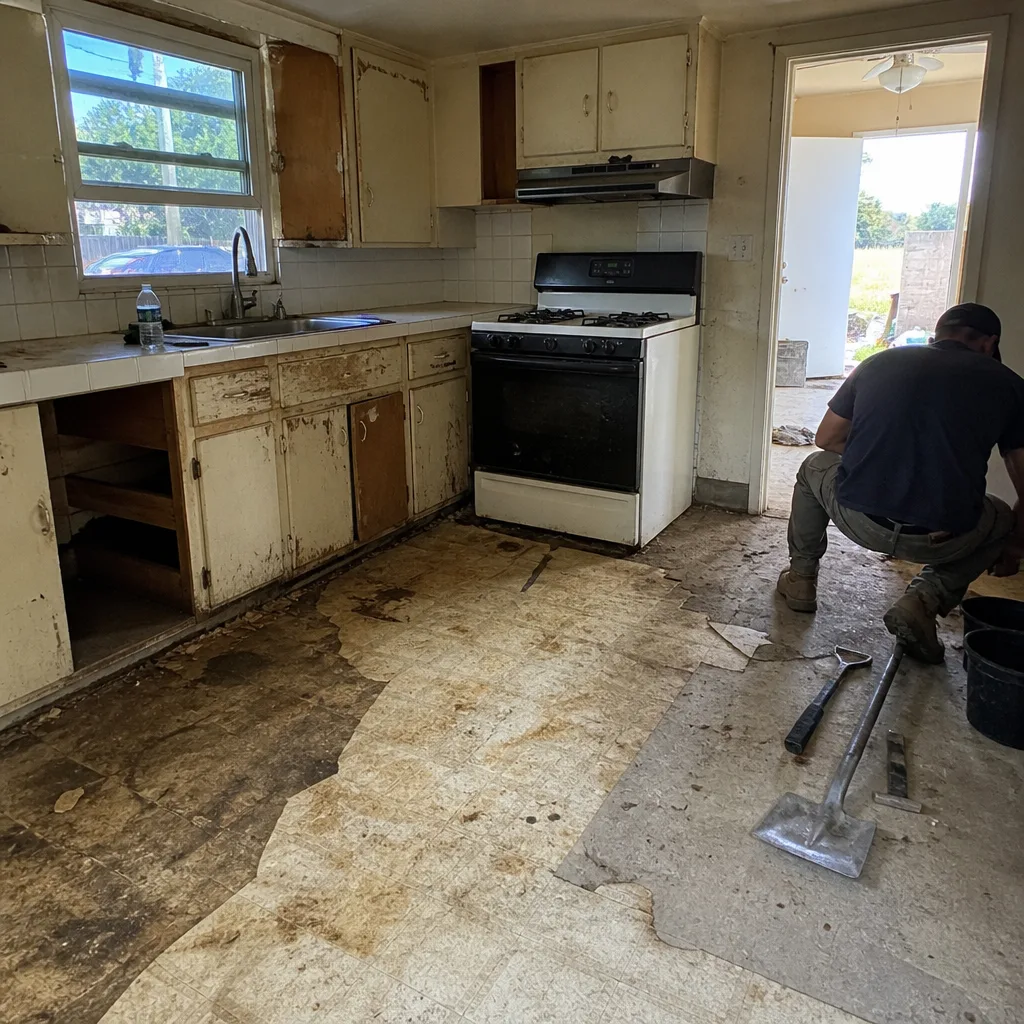 Before
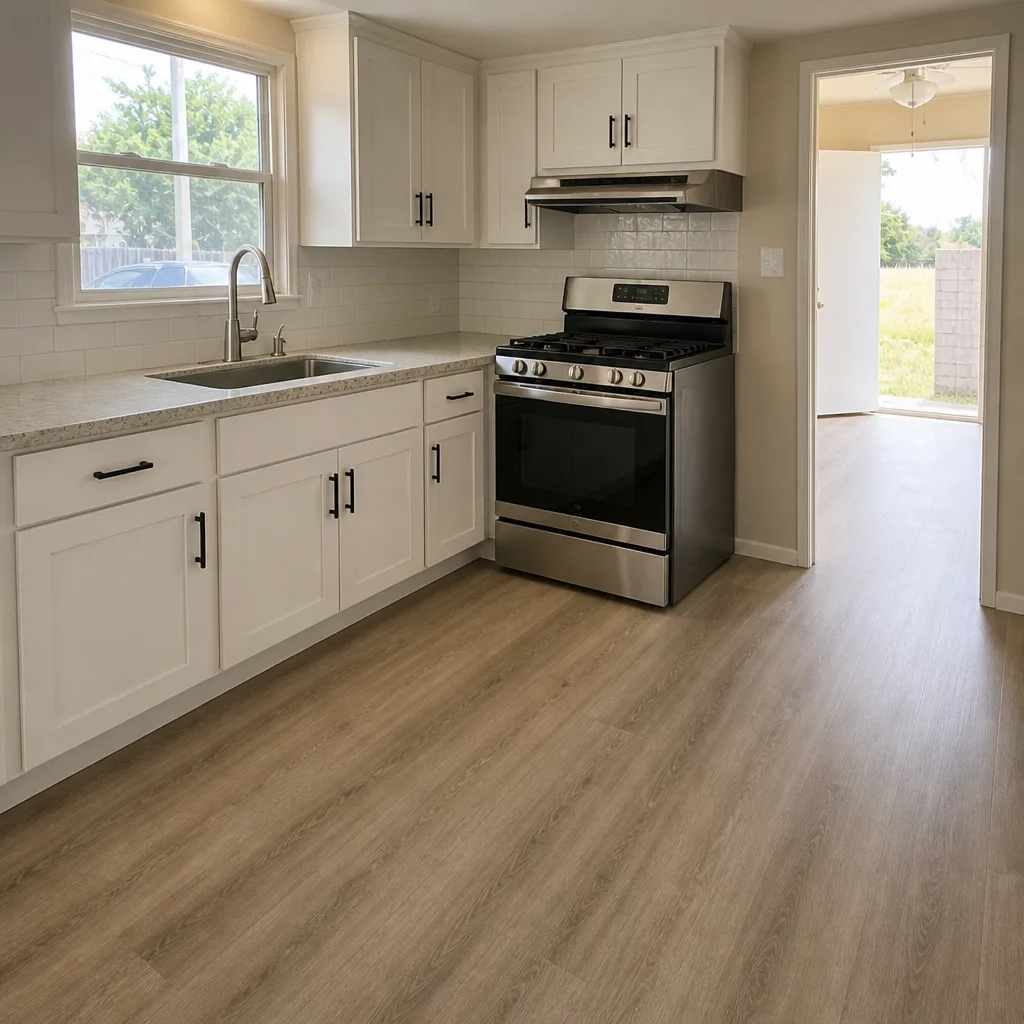 After
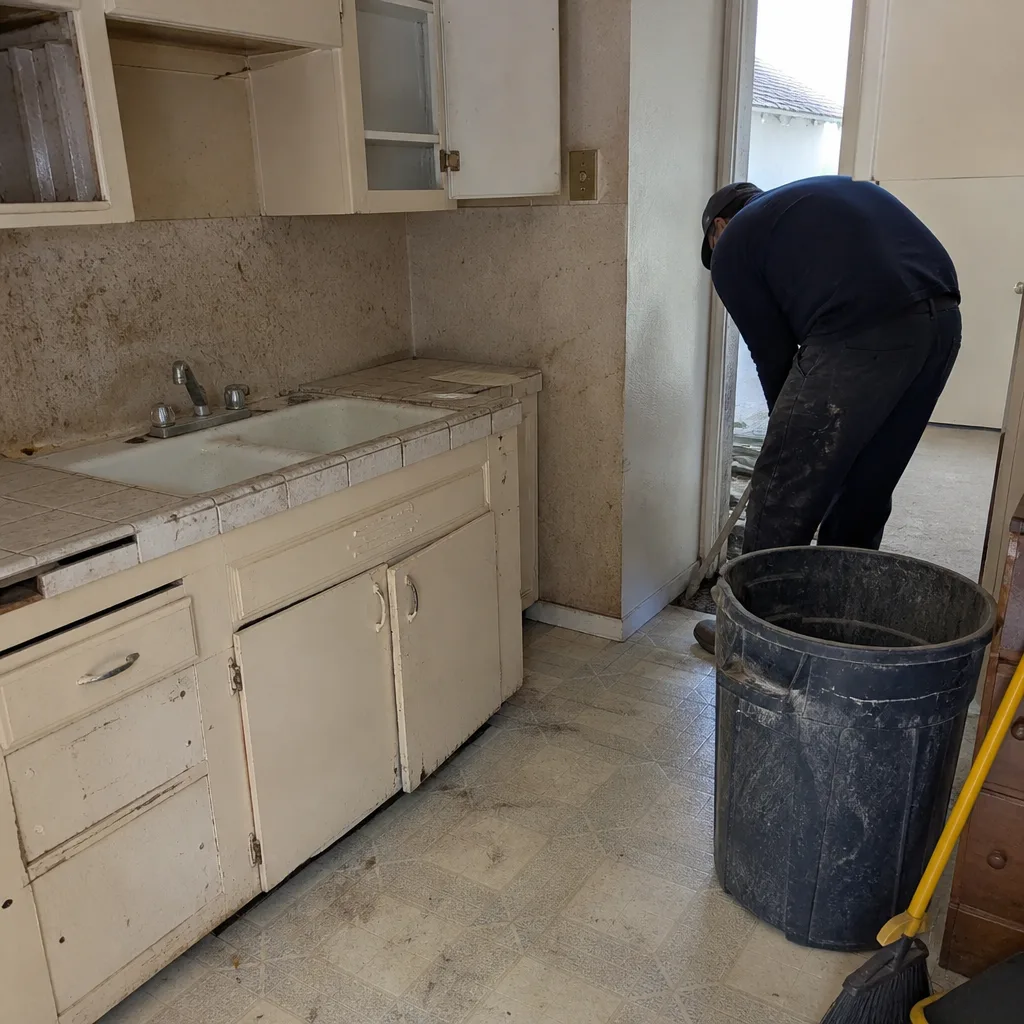 Before
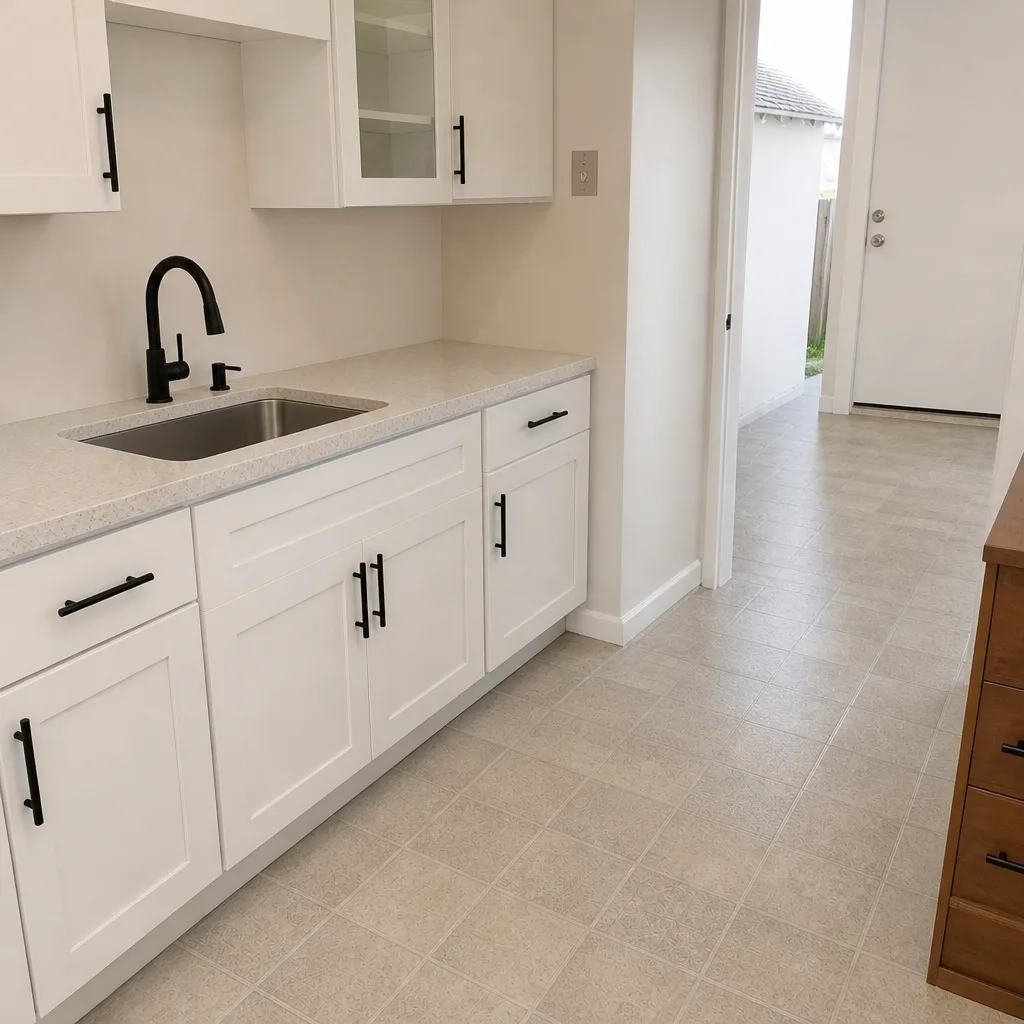 After
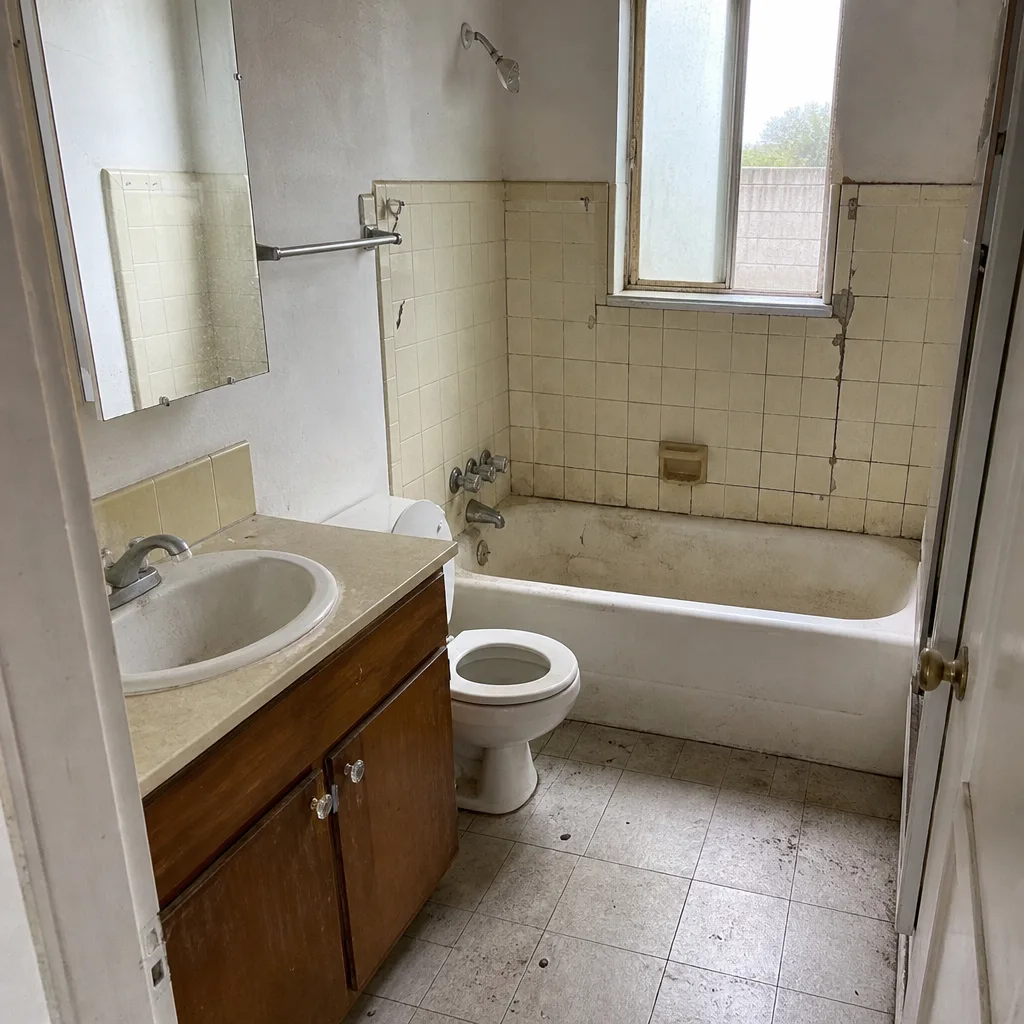 Before
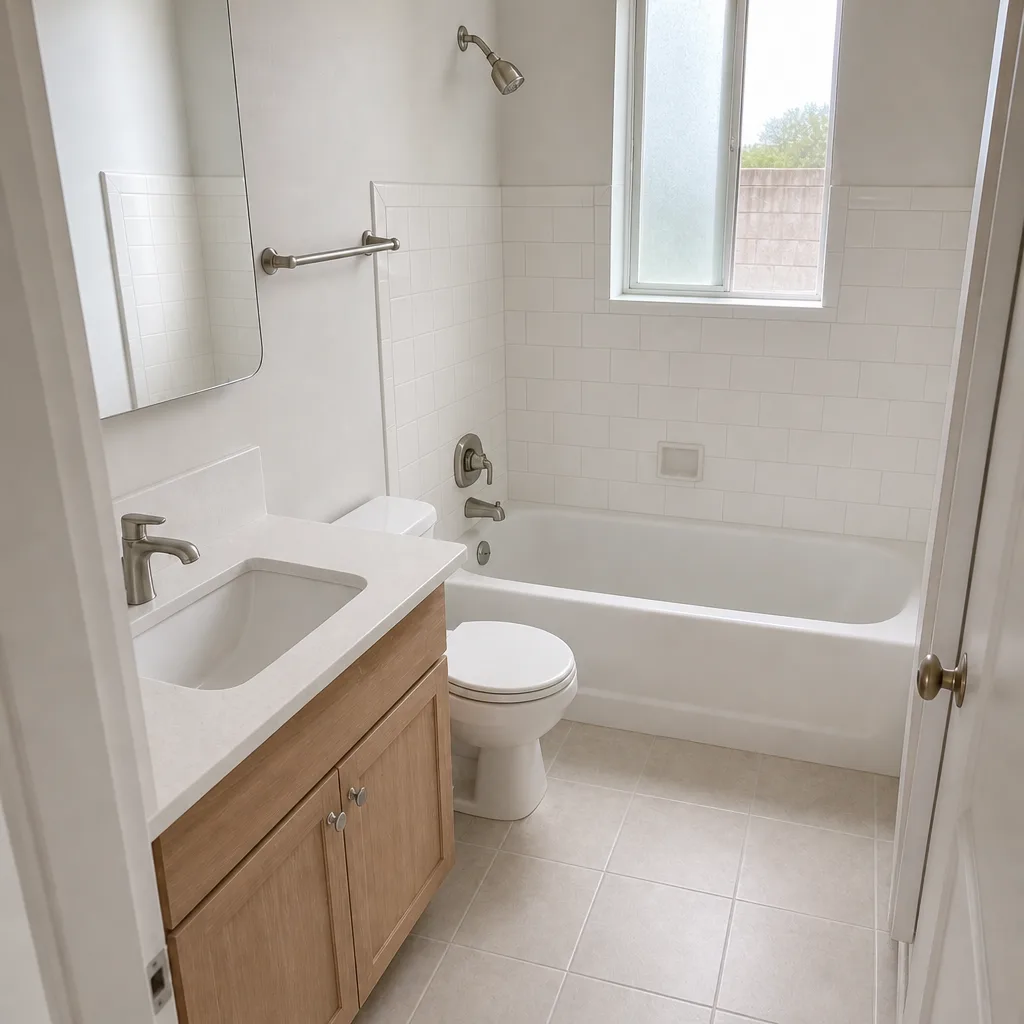 After
When to Call a Professional
Call a licensed general contractor when a self-documented finding crosses into structural, safety, or permitting territory. In practical terms: any diagonal or widening crack in stucco or interior drywall, any roof flashing separation or active leak, any attic moisture staining, any slab movement pattern showing up across multiple rooms, and any moisture or musty smell you can’t trace to a visible source on a West Side or coastal home. Those are the areas where a trained eye prevents a small issue from becoming a full wall assembly repair – and where permits may be required by the City of Los Angeles for the fix itself.
Bradford Remodeling Co Los Angeles offers free estimates in Los Angeles – call (844) 343-6681. Every inspection carries a written scope and a written price before any work starts, no exceptions. If the repair later turns into a larger project, you still know exactly what you’re buying before a single tool comes out. Start from the Bradford Remodeling Co Los Angeles home page for the full picture of how we operate.
Frequently Asked Questions
Twice a year – once in spring (before cooling season) and once in fall (before Santa Ana winds and the winter rain window). Los Angeles homes also need a post-storm walk after any strong Santa Ana event, which adds two to four extra checks per year depending on weather. The spring and fall inspections are the deeper ones; the post-wind walks are focused on exterior conditions.
Expansive clay soil movement under slab-on-grade foundations. The Valley’s clay soils swell and shrink with seasonal moisture, and the resulting movement shows up as interior drywall cracks, door sticking, and slab cracks over five to fifteen years. Photographing movement patterns over time is the single most useful thing a Valley homeowner can do before calling a contractor.
No. The damage from Santa Ana events is often invisible – flashing lifted 1/8 inch, stucco crack at a window corner, caulk joint separated from the frame. Those don’t show as leaks until the first rain six weeks later. The walk takes twenty minutes and costs nothing; skipping it is the most expensive habit in Los Angeles home maintenance.
Maintenance inspections from a licensed general contractor in Los Angeles typically run $200-$500 depending on scope and whether the attic, roof, and foundation are all covered. Many contractors credit the inspection fee toward the repair if you proceed. Bradford Remodeling Co Los Angeles offers free estimates – call (844) 343-6681 for a written scope before any work starts.
Cosmetic patching usually doesn’t require a permit. Any repair that removes sheathing, opens wall cavities for structural reasons, or involves re-stuccoing more than a small area typically does – Los Angeles has specific requirements around exterior plaster repair and weather-resistive barriers. The contractor you hire should be pulling the permit and passing the inspection; if a bid doesn’t mention permits for a repair of that scope, ask why.
Marine-layer moisture builds in wall cavities and attic spaces during the cool, damp months, then warms up in summer – which is when the microbial growth that follows moisture starts producing odor. The smell in summer is usually a months-old moisture problem. Get the cavity inspected before the next wet season to keep the repair scope from growing.
The Bottom Line
Los Angeles home maintenance runs on a different clock than the national checklists. Post-Santa Ana inspections, slab movement tracking on expansive clay, marine-layer moisture checks on the West Side, and wildfire-smoke-timed HVAC filter changes are the four items that actually protect Los Angeles homes. Self-document what you can – photographs, dates, patterns – and hand roof, attic, electrical, gas, and slab work to a licensed contractor. Do the fall inspection before the winds, do the spring inspection before the heat, and keep a camera handy. The homeowner who catches a lifted flashing detail in October is saving themselves a five-figure wall assembly repair in February. Bradford Remodeling Co Los Angeles stands behind every completed job with the 365-Day Done Right Promise – if the work fails inside that window, we come back and make it right at no charge. Call (844) 343-6681 to schedule your free estimate.
Written by the team at Bradford Remodeling Co Los Angeles.