Last updated November 17, 2026







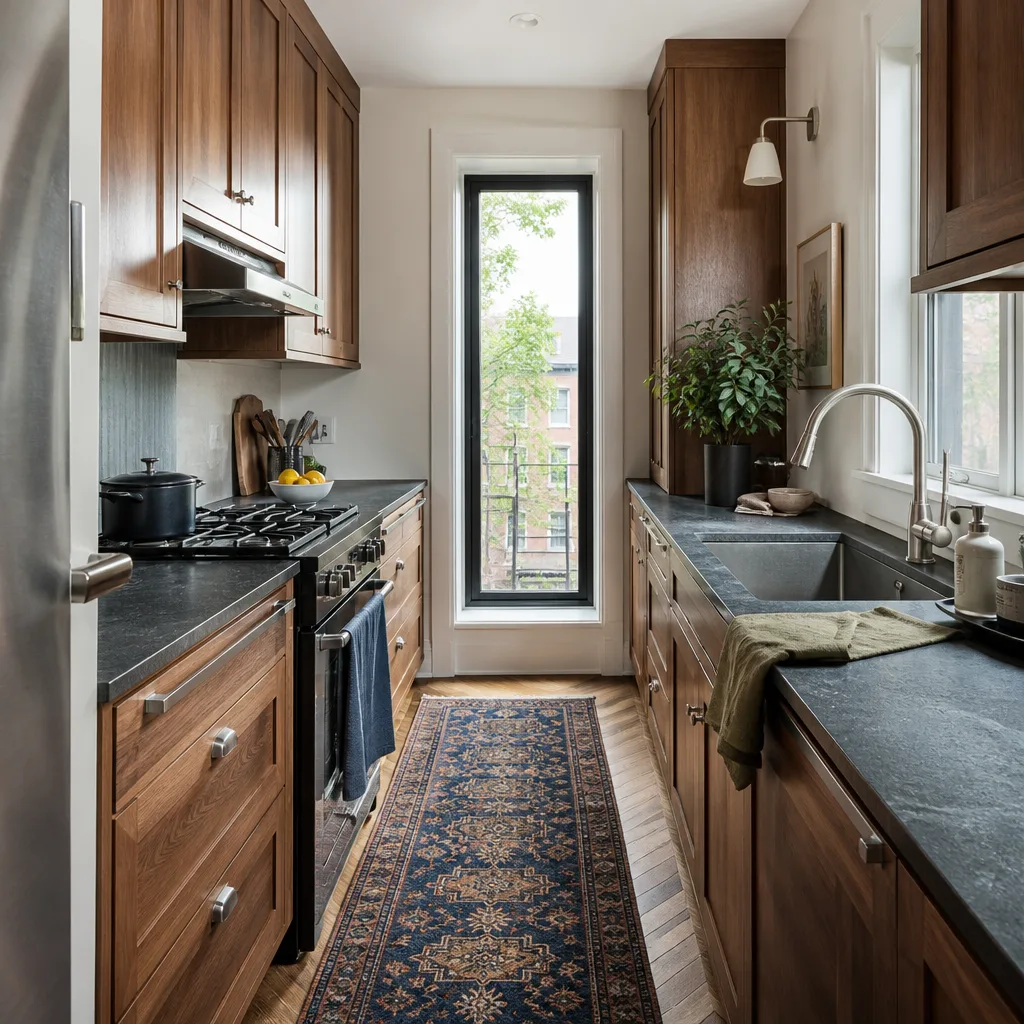
Free written scope consultation - allowances, timeline, and change-order rules on paper before a single trade is scheduled
Home Remodeling Maintenance Schedule: What to Do and When
A hairline crack in your drywall after a 3.5 tremor isn’t cosmetic. It’s a checklist item that most national maintenance guides never mention, because they weren’t written for a city that moves. Los Angeles homes age on a different clock than the rest of the country. Salt air off the coast eats exterior fasteners. Seismic movement works screws loose and opens drywall joints. Drought-heat cycles bake the soil until foundations shift, then the rainy season dumps a year of water in a few weeks. This guide builds a maintenance schedule around what actually degrades in a Los Angeles home, and when to catch it before it turns into a permit-required repair.
Quick Answer
A Los Angeles home needs a seasonal maintenance walk-through four times a year: exterior and drainage before the rainy season (October), roof and flashing after Santa Ana wind season, a seismic inspection after any shake above 3.0, and an interior systems check each spring. Small fixes done at the right interval cost hundreds; the same problems deferred 12 months often cross into thousands and trigger permits. The month-by-month checklist below is written so you can sign off on it.
Styles & brands we work with
- Kitchen remodeling
- Bathroom remodeling
- Home additions & ADU
- Roofing
- Windows & doors
- Driveway & pavers
- Fence
Table of Contents
- Why Los Angeles Homes Age Differently
- The Seismic Stress Checklist: What to Check After a 3.0+ Shake
- LA’s Seasonal Triggers: Santa Ana Winds and the Rainy Season
- How Deferred Maintenance Compounds Into Permit-Required Repairs
- Which Maintenance Tasks Reset a Remodel’s Warranty Clock, and Which Void It
- The Month-by-Month Maintenance Schedule
- Where Remodel Work and Maintenance Meet
- Common Mistakes to Avoid
- When to Call a Professional
- Frequently Asked Questions
Why Los Angeles Homes Age Differently
Three forces are at work on a Los Angeles house at all times, and generic checklists account for none of them. The first is seismic movement. Los Angeles sits on a basin that flexes constantly. Most of that movement is too small to notice, but it accumulates. Drywall joints open. Door frames rack out of square. Caulk lines at windows and tubs split. None of that is structural failure, but each crack is an entry point for water and air.
The second is salt air. If you’re west of the 405 or within a few miles of the coast, marine air is landing on your exterior every day. It corrodes galvanized fasteners, pits aluminum trim, and dulls paint faster than the manufacturer’s label suggests. Homes in Santa Monica and Venice weather noticeably faster than homes in Pasadena or the Valley, and the schedule should reflect that.
The third is the drought-and-deluge cycle. Los Angeles soil expands when it’s wet and contracts hard when it’s dry. Long dry stretches followed by concentrated rain put real stress on foundations, walkways, and driveways. That’s why pre-rainy season drainage work matters here more than in most of the country. Catching these three forces early is the whole point of a schedule built for this city.
The Seismic Stress Checklist: What to Check After a 3.0+ Shake
Any shake at or above 3.0 is worth a walk-through. Most won’t have caused damage, but the ones that did leave evidence you can find in 20 minutes if you know where to look. We’ve walked hundreds of Los Angeles homes after tremor activity, and the same handful of spots show stress first.
- Drywall joints and corners. Check the seams where walls meet ceilings and the corners of door frames. New hairline cracks after a shake are worth photographing and dating so you can tell whether they’re growing on the next inspection.
- Anchor bolts and cripple walls. This is a crawl-space or foundation check. Anchor bolts tie the sill plate to the foundation; cripple walls are the short stud walls between the foundation and the first floor. If you don’t know what you’re looking at down there, have someone who does look. This is not a DIY check.
- Chimney and masonry. Older brick chimneys in neighborhoods like Highland Park and Echo Park are the most common seismic casualty in residential Los Angeles. Look for new cracks in mortar joints and any separation from the roofline.
- Window and door operation. If a door that closed cleanly last month now sticks, the frame has racked. Note it and re-check in two weeks.
- Water and gas connections. Flexible connectors on water heaters and gas appliances should be intact with no kinks. If you smell gas, leave and call the utility. Don’t troubleshoot it yourself.
Anything involving anchor bolts, cripple walls, gas lines, or structural framing belongs with a licensed professional. The homeowner’s job is to notice and document; the pro’s job is to evaluate. If a shake has you concerned about the bones of the house, our general contractor in Los Angeles team can walk the structure and tell you plainly what needs attention and what doesn’t.
LA’s Seasonal Triggers: Santa Ana Winds and the Rainy Season
Los Angeles has two maintenance seasons that matter more than the traditional spring-and-fall routine: the end of Santa Ana wind season and the approach of the rainy season.
Santa Ana winds run roughly September through December, pushing hot, dry air from the desert toward the coast. They’re hard on roofs. Shingles lift, flashing separates, and tree limbs come down on gutters and vents. The right move is an exterior inspection in late fall, after the worst of the wind events have passed but before the first real rain. Check the roof surface, the flashing around chimneys and vents, gutters and downspouts, and any exterior caulk lines.
The rainy season in Los Angeles runs roughly November through March, and the water arrives fast. A house that drains well in a slow drizzle can take on water in a downpour because the soil is baked hard and can’t absorb it. Pre-rainy-season work is about moving water away from the house:
- Clear gutters and downspouts of debris and confirm downspouts discharge at least 6 feet from the foundation.
- Check the grading around the perimeter. Soil should slope away from the house, not toward it.
- Inspect window and door flashing and re-caulk any failed joints.
- Look at the roof from the ground with binoculars for lifted or missing shingles before the first storm.
Exterior products take this abuse year after year. That’s why we specify James Hardie siding and GAF roofing on exterior work, materials with manufacturer specs and warranties that hold up to this climate and back our own guarantee.
How Deferred Maintenance Compounds Into Permit-Required Repairs
Here’s the math that matters. A small repair done at the right interval costs hundreds. The same problem deferred 12 months often crosses into thousands and pulls a permit with it. This isn’t scare talk; it’s how the compounding actually works.
Take a failed caulk joint at a window. Left alone through one rainy season, water gets behind the flashing and into the wall cavity. By the next season you’re looking at rotted sheathing and possibly framing. Now it’s a structural repair, not a caulk job. Take a slow drip under a sink. Deferred a year, it rots the cabinet base and can soften the subfloor, and in a bathroom that means pulling fixtures to make the repair. Each of these started as a $150 fix and became a four-figure job because it waited.
The permit piece is where the costs really separate. Cosmetic repairs usually don’t need a permit. Structural repairs, plumbing rough-in changes, and electrical work generally do. Pulling a permit adds inspection fees and, more importantly, time. The lesson is simple: act at the interval, not after the failure. The 12-month comparison below is the pattern we see most often.
- Caulk/weatherstripping at the right interval: a small material cost and a weekend afternoon. Deferred a year: rot repair, possible sheathing replacement, four figures.
- Gutter cleaning each fall: modest. Deferred: fascia rot and foundation water intrusion along the perimeter, five figures if foundation drainage gets involved.
- Grout and caulk maintenance in a shower: modest. Deferred: water behind the tile, substrate damage, and a full tear-out. Schluter waterproofing systems only protect a shower if the surface stays intact.
Which Maintenance Tasks Reset a Remodel’s Warranty Clock, and Which Void It
Every completed Bradford project carries the 365-Day Done Right Promise: a full-year written guarantee that if the work fails inside that window, we come back and correct it at no charge. That guarantee is real, but it works alongside the maintenance you do, not instead of it. Some tasks keep coverage intact; skipping others can put a claim in question.
Tasks that protect your coverage are the ones the manufacturer and the installer both depend on. Keep the maintenance records.
- Sealing and re-caulking at intervals the material specifies. Stone and tile surfaces, exterior joints, and wet-area caulk all have a schedule. Skipping it lets water in and shifts the failure from workmanship to neglect.
- Cleaning and maintaining drainage. Gutters, downspouts, and shower drains. Water damage from blocked drainage is a maintenance failure, not an installation failure.
- Keeping documentation. Date your maintenance, photograph it, save receipts. If a claim ever arises, that record shows the failure was the work and not the upkeep.
Tasks that can void coverage are the ones that alter or damage the installed product: painting over a surface that shouldn’t be painted, drilling into a waterproofed shower wall, or “fixing” a fixture yourself with the wrong part. If something’s wrong under warranty, call us before you touch it. That’s what the 365-Day Done Right Promise is for. We make it right at no charge inside the guarantee period, and a documented maintenance record keeps that promise clean.
The Month-by-Month Maintenance Schedule
This is the checklist you can print and sign off on. It runs on a calendar year for Los Angeles, timed to the seasonal forces above. Dates are approximate; adjust for your microclimate.
- January: Mid-rainy-season check. Walk the perimeter for standing water and confirm downspouts are moving water away. Look at ceilings under the roof for new stains.
- February: Interior moisture check. Open cabinet doors under sinks, look for soft spots or discoloration around tubs and showers, and confirm exhaust fans are pulling air.
- March: End-of-rainy-season review. Note any exterior issues the winter exposed. Photograph and date them; this list drives the spring work.
- April: Spring systems check. Test smoke and carbon monoxide detectors, check the water heater for corrosion at the connections, and test GFCI outlets.
- May: Exterior paint and caulk inspection. Touch up joints at windows and doors before the heat sets in. Check for corrosion on coastal homes.
- June: Irrigation and exterior drainage review. Confirm sprinklers and grading are moving water away from the foundation before dry-season watering begins in earnest.
- July: Attic and crawl-space inspection. Look for pest activity, insulation displacement, and any new moisture. Note any structural concerns for a professional.
- August: Pre-wind-season roof and tree check. Get eyes on the roof and trim back limbs that overhang it before Santa Ana winds arrive.
- September: Early Santa Ana prep. Confirm gutters are clear, secure loose exterior items, and document any roof issues from the wind season starting.
- October: Post-wind exterior inspection. Check shingles, flashing, and caulk lines. This is the most important exterior walk of the year in Los Angeles.
- November: Pre-rainy-season drainage and flashing check. Clear gutters, confirm discharge distance, re-seal any failed caulk, and check grading.
- December: Year-end documentation. File your maintenance photos and receipts, review what failed and why, and set next year’s list from what you found.
Add one item to any month: after any shake above 3.0, run the seismic checklist above regardless of where you are in the calendar.
Where Remodel Work and Maintenance Meet
The best time to think about maintenance is before a remodel, not after. A kitchen or bath built with maintenance in mind is easier to care for over the next decade. In our experience, the specification choices made at the start set the maintenance rhythm for everything that follows.
In a kitchen, cabinetry and surfaces drive the upkeep. KraftMaid and Wellborn cabinets with quality hardware need less adjustment; Cambria and Caesarstone surfaces are non-porous and don’t need sealing, which removes a task from your schedule entirely. In a bath, the waterproofing is the maintenance story. A properly waterproofed shower built with a Schluter system and finished with quality fixtures from Grohe or Toto needs caulk and grout care, but nothing behind the wall. Our bathroom remodeling in Los Angeles and kitchen remodeling in Los Angeles pages lay out the specification decisions in more detail.
Whole-home work is where the long-term schedule really forms, because the exterior, the interior, and the systems all get addressed at once. If you’re planning whole-home remodeling with Bradford Remodeling Co Los Angeles, the maintenance schedule you build afterward is what protects the investment. Every Bradford project includes a written price before work starts, background-checked uniformed technicians, and the signed 365-Day Done Right Promise in your hand at close. A live person answers the phone 24/7 if something on the list looks wrong.
Common Mistakes to Avoid
- Treating a new hairline crack as cosmetic. In a city that moves, a new drywall crack is data. Photograph it and date it so you can tell whether it’s settling or growing.
- Skipping the pre-rainy-season drainage check. Los Angeles rain arrives fast on soil that can’t absorb it. A cleared gutter in November prevents thousands in perimeter water damage in January.
- Doing the structural inspection yourself. Anchor bolts, cripple walls, and gas connections are professional territory. Checking whether the house is safe is not a homeowner task.
- Waiting for a small failure to “get worse first.” A slow leak or a failed caulk joint compounds every season it waits. Act at the interval, not after the failure.
- Ignoring the warranty paperwork. The 365-Day Done Right Promise covers the work, but your maintenance record is what keeps a claim clean. Save the receipts and photos.
- Letting a contractor start without a written price. No written number before work starts means the price can move. Require it every time.
- Assuming coastal and inland homes age the same. Salt air speeds up exterior wear in Santa Monica and Venice. Inland homes in the Valley face different heat and grading stress. Adjust the schedule to your address.
When to Call a Professional
Some items on this schedule are homeowner work: clearing gutters, re-caulking, testing detectors, documenting cracks. Others belong with a pro from the first sign. Call in help if you find a new crack that’s widening after a shake, any damage near anchor bolts or cripple walls, a gas smell or damaged gas connector, water staining on a ceiling, a shower that’s soft or spongy underfoot, or a reoccurring leak at a window that caulking hasn’t fixed. Any structural, electrical, or plumbing rough work should be done by a licensed professional, permits pulled and inspected. Bradford Remodeling Co Los Angeles offers free estimates in Los Angeles, with a written price before any work starts. Call (844) 343-6681 to schedule yours.
Frequently Asked Questions
Four times a year: an exterior and drainage check in October before the rainy season, a roof inspection after Santa Ana wind season, a seismic walk-through after any shake above 3.0, and a spring systems check. Add a quick interior moisture look in February. Each walk-through takes about 20 minutes. Call (844) 343-6681 for an exact quote on any repair the inspections turn up; estimates are free.
Check drywall joints and door frames for new cracks, photograph and date them, look at the chimney and masonry for separation, test that doors and windows still operate, and confirm water and gas connectors are intact. Leave anchor bolts and cripple wall inspection to a licensed professional. If you find anything that worries you, call (844) 343-6681 for a free evaluation.
Not automatically, but skipped maintenance can shift a failure from workmanship to neglect, and that can put a claim in question. The 365-Day Done Right Promise covers the work for a full year; keeping a documented maintenance record is what keeps a claim clean. If something looks wrong under warranty, call before you touch it. Call (844) 343-6681 and we’ll tell you plainly what’s covered.
No. Every Bradford project includes a written price before any work starts, and that number doesn’t move at the door. If the scope of work changes, the change is documented and priced in writing before it happens. Call (844) 343-6681 for a free written estimate.
Yes. When a repair crosses into permit-required work, such as structural, plumbing rough-in, or electrical, we pull the permits and see the inspections through. Cosmetic maintenance usually doesn’t need a permit. If you’re unsure which side a repair falls on, call (844) 343-6681 and we’ll tell you.
Water intrusion during the rainy season, because the soil is baked hard and the water arrives fast. The second is seismic movement opening joints that let that water in. Both problems are cheap to prevent at the right interval and expensive to fix after a season of neglect. Call (844) 343-6681 for a free assessment.
The Bottom Line
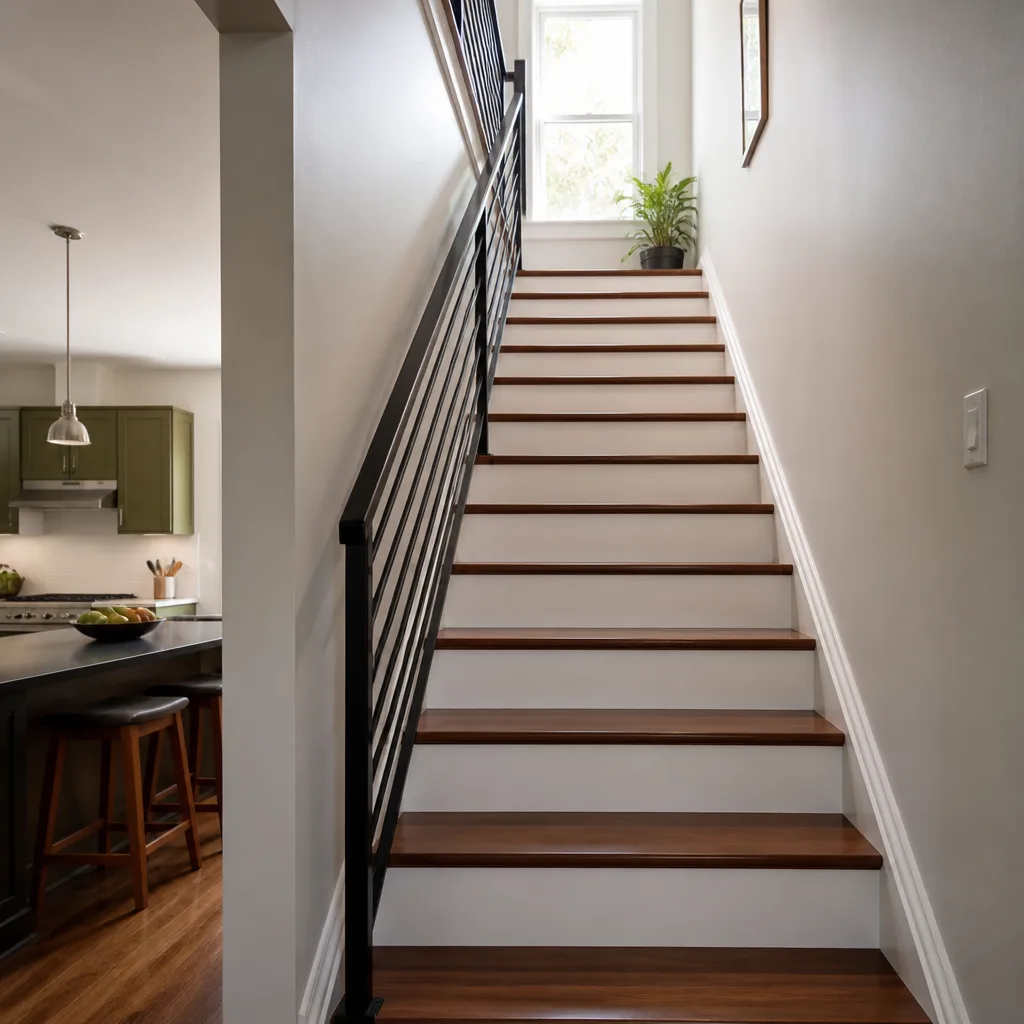
Los Angeles homes age on their own clock, shaped by seismic movement, salt air, and the drought-and-deluge cycle. The schedule that works here is seasonal, not generic: check drainage and flashing in October, core the roof after Santa Ana winds, run the seismic checklist after any shake above 3.0, and act on small failures at the interval instead of waiting for them to compound. Keep the records; they protect your 365-Day Done Right Promise. Most of the list is a homeowner’s weekend work. The structural, plumbing, and electrical items belong with a licensed pro, permits pulled. If a seasonal walk-through turns up something you’re not sure about, call us. Bradford Remodeling Co Los Angeles answers with a live person 24/7 and puts a written price in your hands before any work starts.
Call (844) 343-6681 for a free estimate on any maintenance repair or remodel work in Los Angeles. A live person answers, the price is written before work begins, and every completed project carries the 365-Day Done Right Promise in writing.
Written by the team at Bradford Remodeling Co Los Angeles.
See the difference
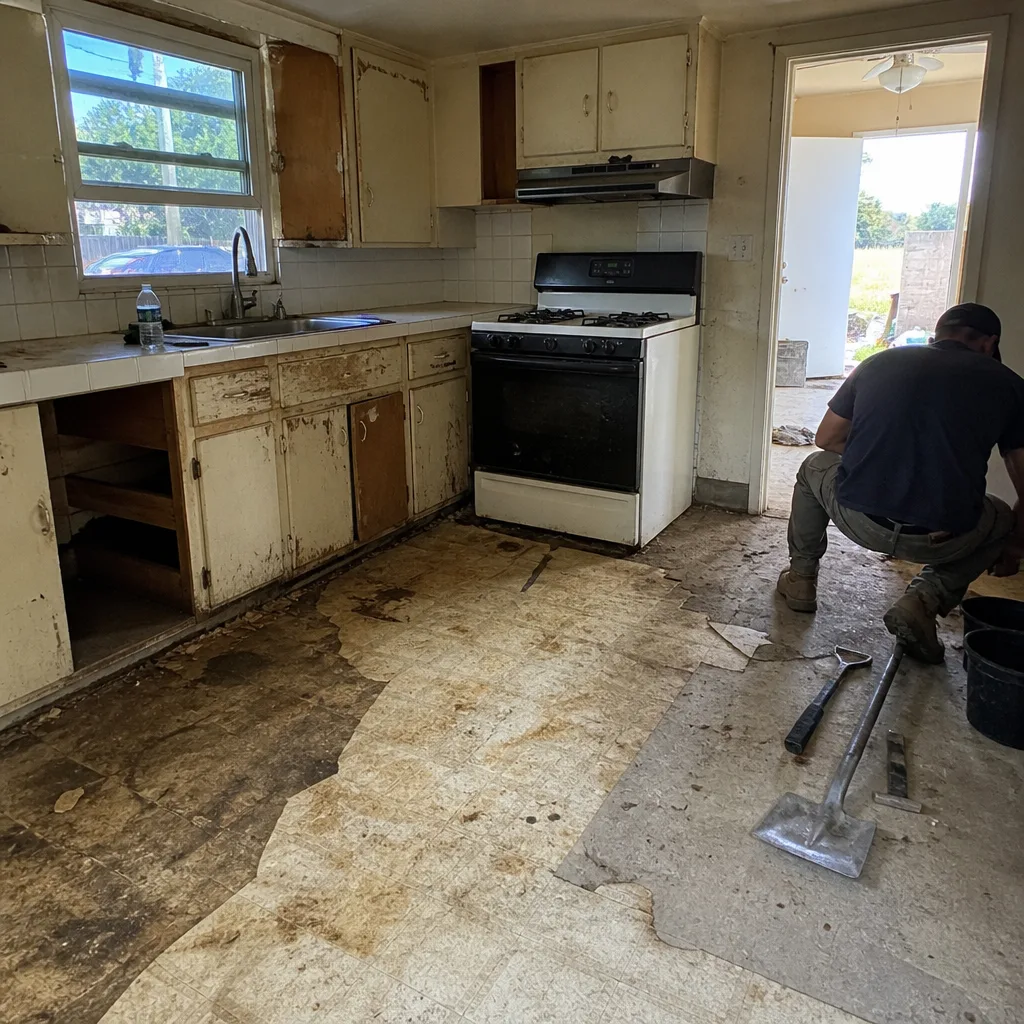 Before
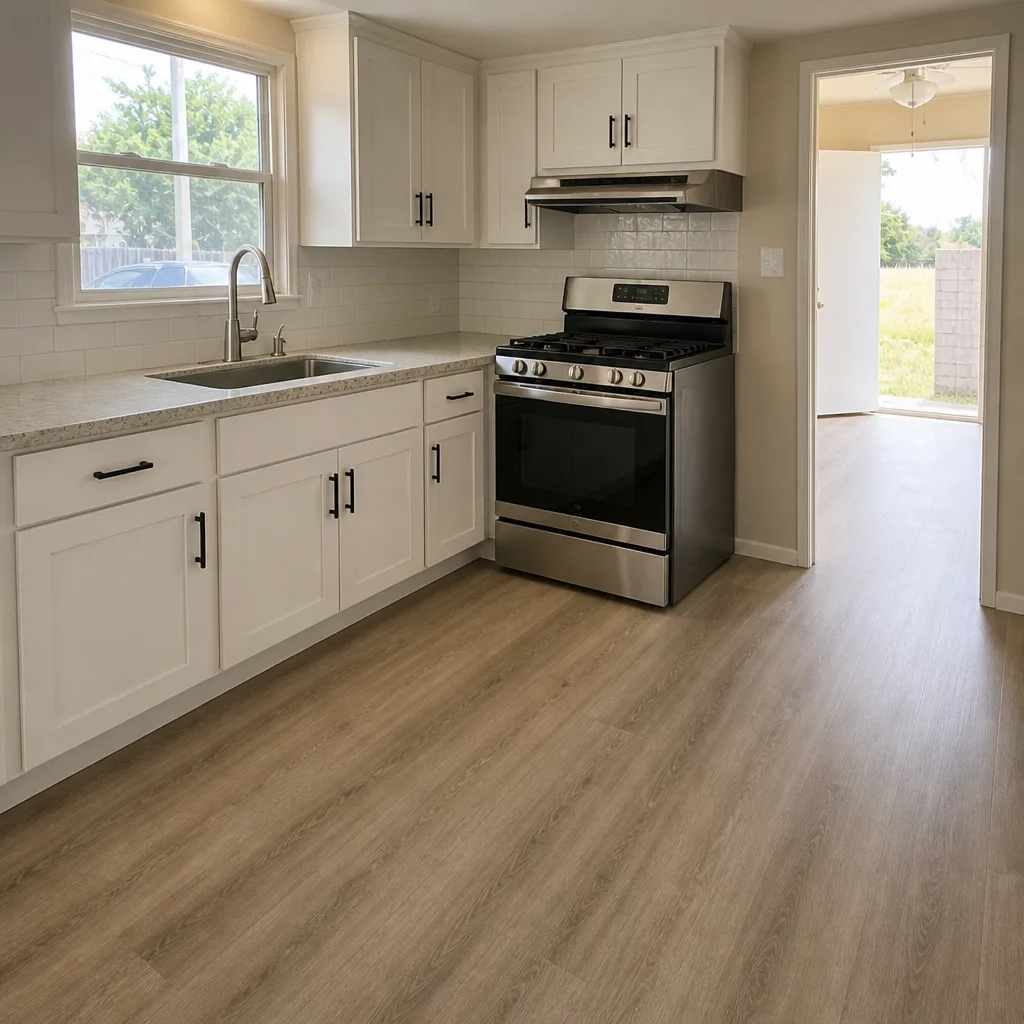 After
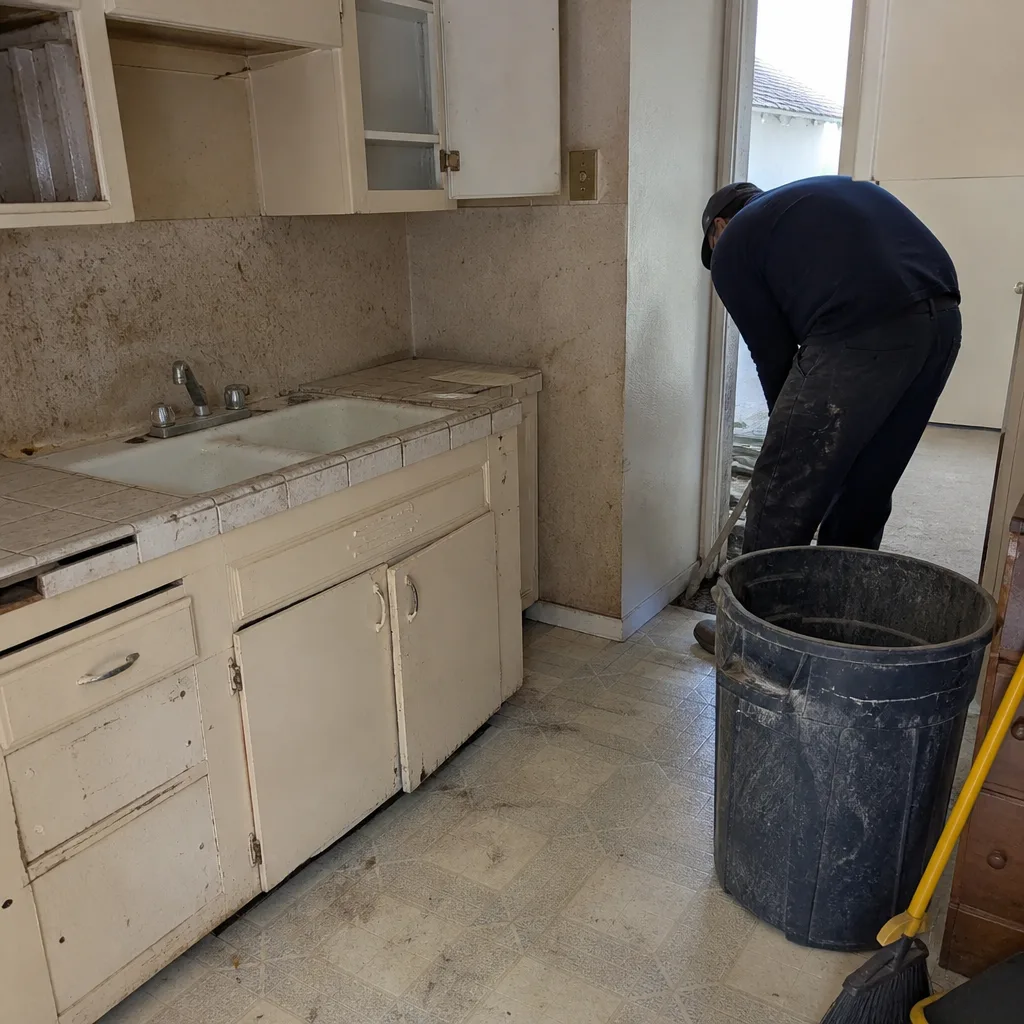 Before
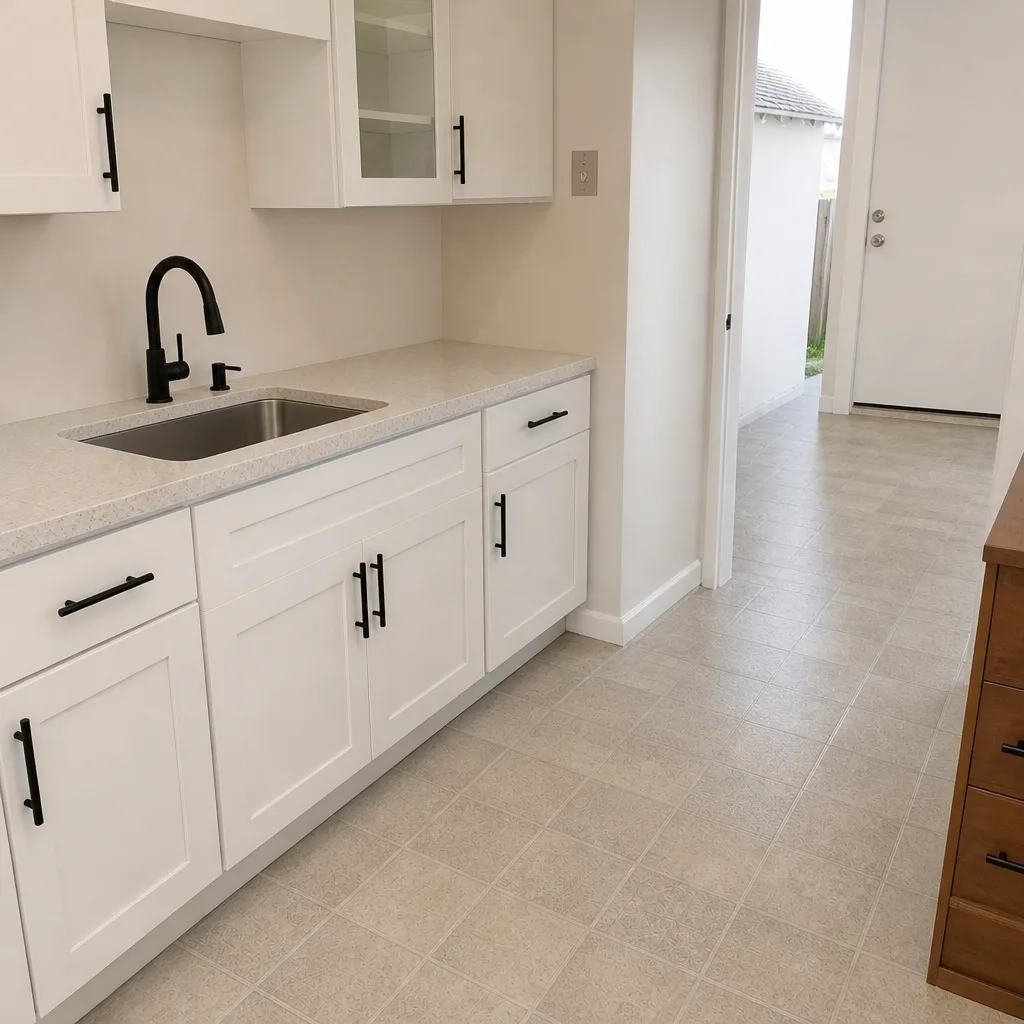 After
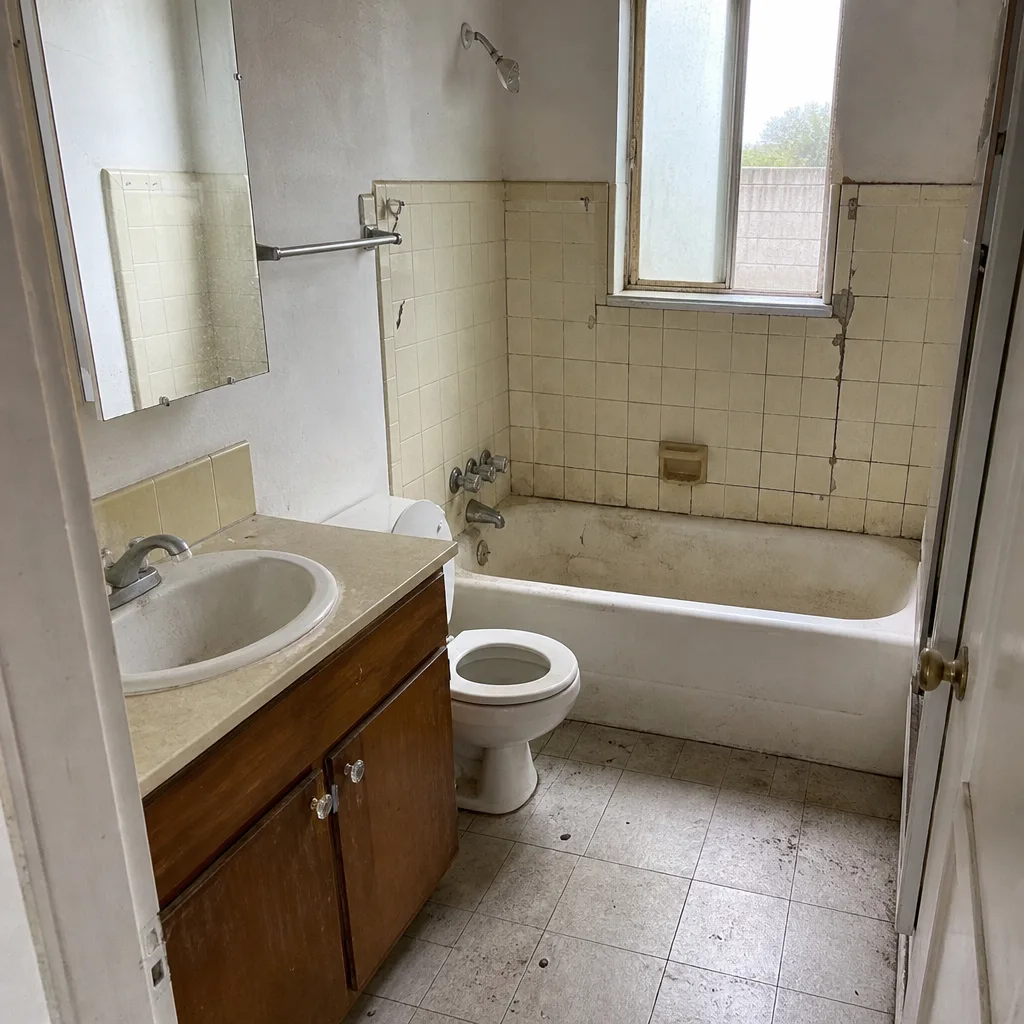 Before
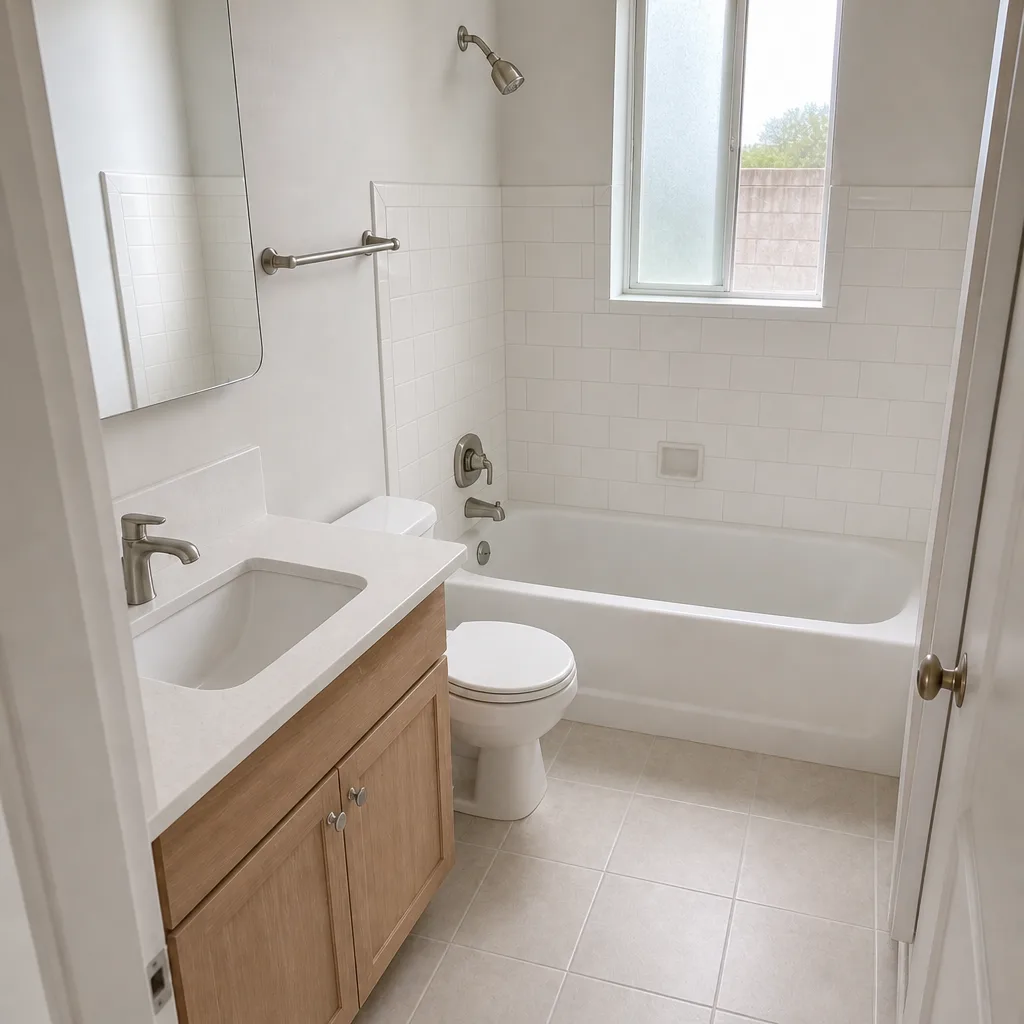 After