Last updated November 17, 2026







Free written scope consultation - allowances, timeline, and change-order rules on paper before a single trade is scheduled
Home Remodeling Warning Signs Every Homeowner Should Know
Most remodeling disasters don’t announce themselves with a slammed door or a screaming match. They show up quietly, in the first three days, in the paperwork and the site habits nobody teaches you to read. The contractor who vanishes at 60% completion almost always had no posted permit, asked for half the money up front, and never mentioned a lien waiver. Every one of those is a warning sign with a name, a statute behind it, and a predictable outcome. This guide walks you through the signals a building inspector would catch on day one, drawn from years of walking Los Angeles job sites, so you can spot trouble before the demolition starts.
Quick Answer
The most reliable remodeling warning signs are contractual and behavioral, not cosmetic: no visible permit placard on site, an upfront deposit above 10% (California’s statutory limit), no conditional or unconditional lien waiver paperwork, a crew made of unnamed subcontractors swapped in without notice, and verbal “while we’re at it” additions that never appear as written change orders. Any single one of these is a reason to stop and ask questions. Two or more together mean you’re looking at a contractor who is likely to leave the job unfinished.
Styles & brands we work with
- Kitchen remodeling
- Bathroom remodeling
- Home additions & ADU
- Roofing
- Windows & doors
- Driveway & pavers
- Fence
Table of Contents
- Why the First 72 Hours Predict the Whole Job
- The Permit Placard: What It Looks Like and What It Means When It’s Missing
- Draw Schedule Red Flags: The 10% Deposit Rule in California
- Lien Waivers: Conditional vs. Unconditional and When You’re Owed Each
- Subcontractor Substitution Without Notice
- Verbal Scope Creep vs. Legitimate Change Orders
- Site Discipline as a Leading Indicator
- Reading a Payment Schedule Like a Building Inspector
Why the First 72 Hours Predict the Whole Job
On a job site in Los Angeles, the first three days tell you almost everything. The patterns that lead to ghosting, surprise invoices, and unfinished work are baked into how a crew arrives, sets up, and documents its work. A contractor who starts organized tends to finish organized. A contractor who starts sloppy is usually running a sloppy back office too, and that’s where the paperwork ends up.
Here’s what a disciplined startup looks like in the first 72 hours:
- Permit posted before demolition. The city inspection placard is on the property, visible from the street or inside the front window, with the permit number legible.
- Site protection in place. Floors covered, dust walls up, debris contained to a marked corner. Not mandatory everywhere, but strongly correlated with crews who finish clean.
- A written draw schedule handed over. Payment milestones tied to completed phases of work, not calendar dates.
- Supervisor introduced by name and role. Background-checked technicians wear uniforms and carry identification on request.
- First lien waiver filed. A conditional waiver appears with the first payment request, not months later when you ask.
I’ve watched Los Angeles crews run this pattern for two decades. The ones who miss two or more of those basics in the first three days are the same ones who show up at week eight with a story about materials, a request for more money, and no crews on site. If you’re mid-remodel and already seeing the wrong pattern, stop and reset the conversation. Call (844) 343-6681 and we can talk through what you’re seeing. A free in-person estimate from us is part of the same conversation.
The Permit Placard: What It Looks Like and What It Means When It’s Missing
California law requires a permit before construction begins on almost any structural, electrical, plumbing, or major mechanical remodel. That permit generates a posted placard that must be visible on the job site. The placard is a city-issued card, usually 8.5 by 11 inches, printed with the permit number, the project address, the scope of work, the contractor’s name and license number, and the inspection phone line. In Los Angeles, the Department of Building and Safety issues this placard, and an inspector will not perform the first rough-in inspection without seeing it. No placard means the permit was never pulled. No permit means the work will fail inspection at sale, refinance, or insurer review.
What to check on a Los Angeles permit placard:
- Permit number that matches what your contractor told you
- The address matches your property
- The contractor’s license number is printed and traceable to your contract
- Scope of work matches the contract scope (not a partial permit hiding a full remodel)
- Inspection phone number for the city’s Automated Inspection Request line (in LA this is printed on the placard itself)
Homeowners on the Westside, in Sherman Oaks, and down in San Pedro all get the same placard, and all get the same scrutiny. The place this goes wrong most often is on “cosmetic” remodels that quietly pull a wall out or rewire the kitchen without a permit. That ends up visible at sale. If we’re quoting your kitchen remodeling in Los Angeles, the first line of the written scope is the permit number because that’s where the whole job’s integrity starts.
Draw Schedule Red Flags: The 10% Deposit Rule in California
California Business and Professions Code section 7159.5 caps the down payment a licensed contractor can ask for at 10% of the contract price (or $1,000, whichever is less, for a project under $10,000). Any request for 30%, 40%, or 50% upfront is a statutory violation, not just bad practice. It’s also the single most predictive warning sign of a contractor who runs out of cash and walks off jobs. The money you hand over on day one is money they’re using to fund the previous project they walked off.
What a legitimate draw schedule looks like:
- 10% or less at contract signing. Sometimes less, sometimes nothing until materials land.
- Milestone-tied payments. Demolition complete, rough-in inspected, drywall hung, cabinets installed, final inspection passed. Each milestone releases the next draw.
- Retention in the final draw. A portion of payment held until final walkthrough and signed guarantee.
- Written schedule attached to the contract. Not a text message. Not a verbal agreement. Attached to the signed contract.
When we quote a bathroom remodeling in Los Angeles, the draw schedule is a page of the contract, not a number you hear at the door. That’s how The Garrison Standard works: written price before any work starts, and no numbers that move once the crew is on site. Any contractor who tells you they “need” 40% up front is telling you they’re undercapitalized. That’s a signal about the finish, not just the start.
Lien Waivers: Conditional vs. Unconditional and When You’re Owed Each
A lien waiver is a document where a contractor, subcontractor, or supplier gives up their right to place a mechanic’s lien on your property. In California, the Civil Code requires specific waiver forms, and there are two types you need to know: conditional and unconditional. A conditional waiver becomes effective only when a specific payment actually clears. An unconditional waiver is effective on signing, regardless of whether the payment ever shows up. If a contractor hands you an unconditional waiver for a check that’s still in the mail, you’ve given up lien protection on money that hasn’t been paid yet.
The correct sequence on every draw:
- Contractor submits a progress billing for the completed milestone
- You receive a conditional waiver for the amount of the billing
- You release payment for that draw
- Once payment clears, the conditional waiver converts to effective
- At final payment, you receive both a conditional final waiver from the contractor and waivers from all subcontractors and material suppliers
Missing waivers matter because California has a 90-day window after work is done for subcontractors and suppliers to file a mechanic’s lien on your property, even if you paid the general contractor in full. If the general contractor failed to pay a sub, the sub’s recourse is your house. This is why, when we close a job in Los Angeles, the homeowner gets a folder at the final walkthrough: signed scope, inspection sign-offs, signed written guarantee, and a stack of unconditional waivers from every party who touched the project. Squared away means documented.
Subcontractor Substitution Without Notice
Your contract is likely with the general contractor, not the electrician who shows up to rough in the kitchen. That subcontractor relation matters because two things flow downstream from it: license status and insurance. If your general contractor’s insurance policy excludes subs in certain trades, or if the sub they swapped in isn’t actually licensed, you’re the one holding the exposure when something goes wrong or an inspector red-tags the work.
What to watch for in the first week:
- A crew shows up that nobody introduced
- The supervisor doesn’t know the sub’s name or company
- No written subcontractor list was attached to your original contract
- The subcontractor can’t produce a state license on request
- Two different crews work on the same wall in the same week
A legitimate contractor names the subs in writing, with license numbers, before work begins, and tells you when substitutions happen. Substitutions do happen for good reasons (scheduling, licensing changes), but a documented contractor tells you before, not after. When we schedule an installation with a manufacturer-trained installer for windows or doors, that name is on your scope sheet. It’s a phone call we’re happy to take because we already have the answer written down.
Verbal Scope Creep vs. Legitimate Change Orders
Almost all bloated invoices are built in the hallway, not on the contract. The pattern is simple: a supervisor points at a wall and says, “while we’re at it, want to run the outlet over here?” Six weeks later you’re looking at an $1,800 invoice line that looks like a paperwork mystery. A legitimate change order has three features, and each one is missing from a verbal add. A written description of the work, a written price, and a written signature from you before the work starts. No paper, no change.
The comparison:
- Legitimate change order: written description, fixed price, signed by you, attached to the contract, reflected in the final draw schedule.
- Verbal add: “we’ll run that while we’re here,” priced later, often billed after the fact, always a source of dispute.
In our experience, Los Angeles homeowners who get burned by surprise invoices usually can point to one hallway conversation. We fold “while we’re at it” changes into a written change order before the tool comes out. Same hallway conversation, paper answer. That discipline is what the General Contractor in Los Angeles work is really made of behind every wall opening and every fixture swap.
Site Discipline as a Leading Indicator
A job site that starts clean tends to stay clean. A job site that starts with trash in the kitchen sink and no dust control tends to stay that way too. The connection isn’t aesthetic. It tracks two things: the crew’s supervision and the contractor’s back office. Sloppy site management correlates with sloppy billing, missed inspections, and crews who don’t come back on Monday.
Three things to look for by end of day two:
- Dust control and floor protection. Plastic on vertical damp locations, paper or plywood on the floor path, a trash staging area. Not always required by permit, always present on disciplined jobs.
- Daily cleanup before leaving. Nails swept, tools put away, a quick pass with a vacuum. If the crew leaves debris scattered, they’re leaving tomorrow’s problems on your floor.
- Material staging. Materials stored in a marked area, not stacked in your living room. Named brands in documented packaging so specifications are traceable.
Framing and cabinet material handling matters in Los Angeles more than people realize, particularly on older properties in Highland Park, Silver Lake, and the Eastside where the substrate underneath the drywall can surprise you. A crew that took the time to stage materials also takes the time to check substrate before they hang cabinetry. The Bradford Remodeling Co Los Angeles home page outlines how we run a job from the first walkthrough to the final signed guarantee if you want to see the whole picture.
Reading a Payment Schedule Like a Building Inspector
When a contractor hands you a payment schedule, read it the way an inspector reads a plan set. Look for the sequence of events: what triggers each payment, what proof of completion is required, and how the final draw is protected. The right payment schedule reads like a project plan. The wrong one reads like a collection schedule.
A payment schedule that holds up:
- Every draw tied to a completed, inspectable milestone
- Retention held until final walkthrough and signed guarantee
- Inspection pass required before the draw that follows it
- Change orders tracked as separate lines, not blended into general draws
- Written guarantee delivery as a condition of the final payment
The warning sign version is the opposite: percentages front-loaded (40% on signing, 40% “when materials arrive,” 20% at completion, with no inspection clause anywhere on the page). That schedule is a cash-flow plan for the contractor, not a work plan for your house. When we hand you the schedule on a whole-home project anywhere in Los Angeles, it comes with the 365-Day Done Right Promise written into the final draw. If the work fails within a year, we come back and fix it at no charge. The final draw is protected because the final draw is the guarantee.
Common Mistakes to Avoid
- Paying 30% or 40% up front. It’s a statutory violation in California (over the legal limit) and a strong predictor of unfinished work. Ten percent is the ceiling, and even that can be lower.
- Skipping the permit check. In Los Angeles, a job without a posted placard will fail inspection at sale time. Ask for the permit number in writing before demolition starts.
- Accepting an unconditional waiver too early. Signing an unconditional waiver before payment clears gives up lien protection on money you haven’t paid.
- Not naming subs in the contract. Substitution without notice leaves you exposed when an unlicensed sub touches the wiring or the plumbing.
- Allowing verbal change orders. Any “while we’re at it” that isn’t written and priced before the work starts is a future invoice dispute.
- Ignoring site discipline in the first week. A crew that leaves debris everywhere on day two is telling you what day sixty will look like.
- Accepting a verbal warranty. “We stand behind our work” isn’t a guarantee. A written year-long guarantee with a specific scope and a specific number is.
See the difference
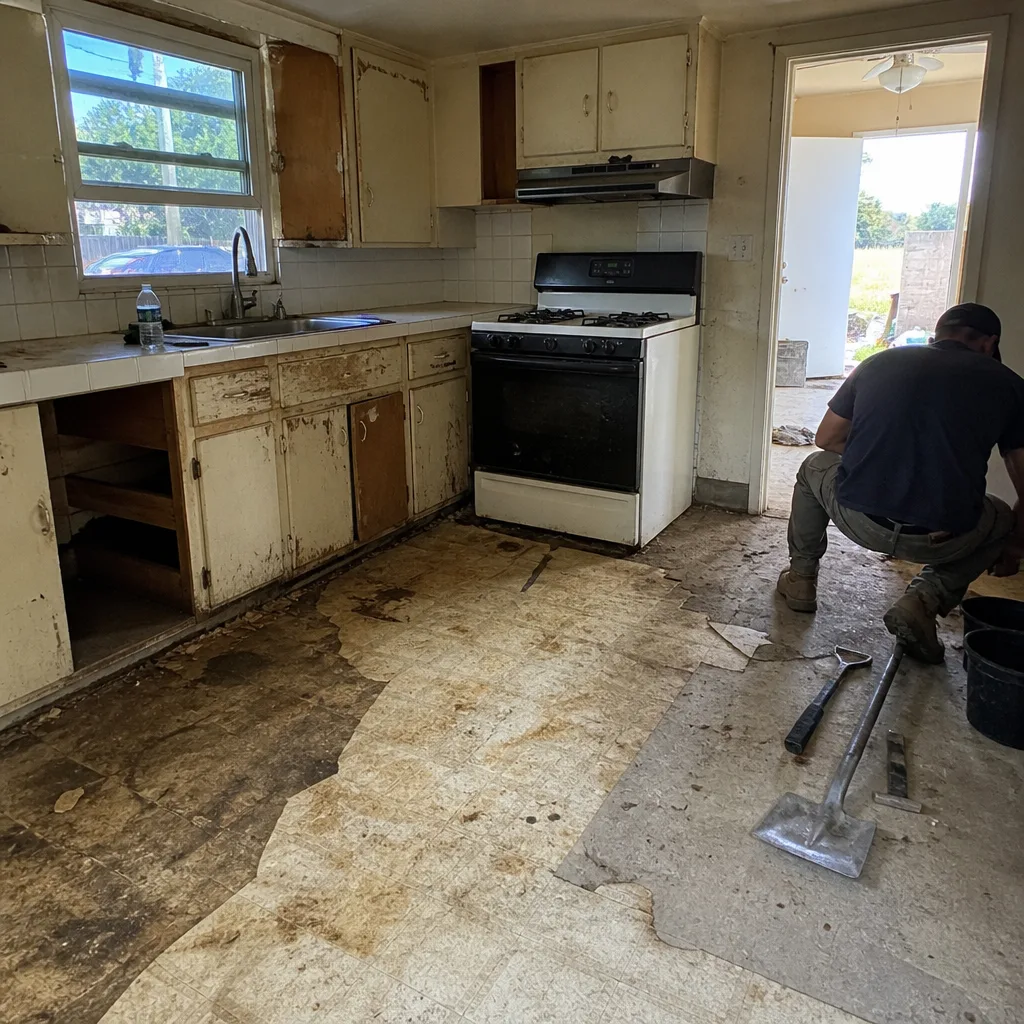 Before
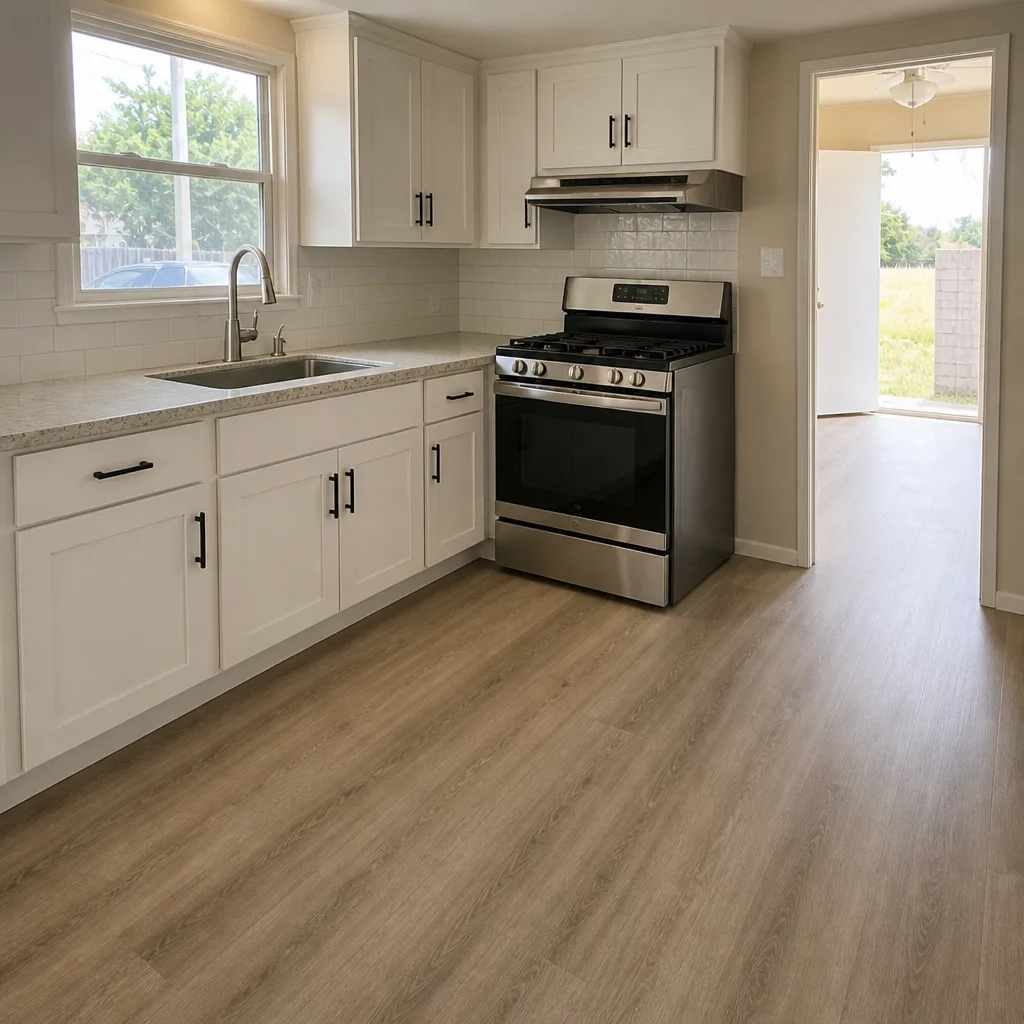 After
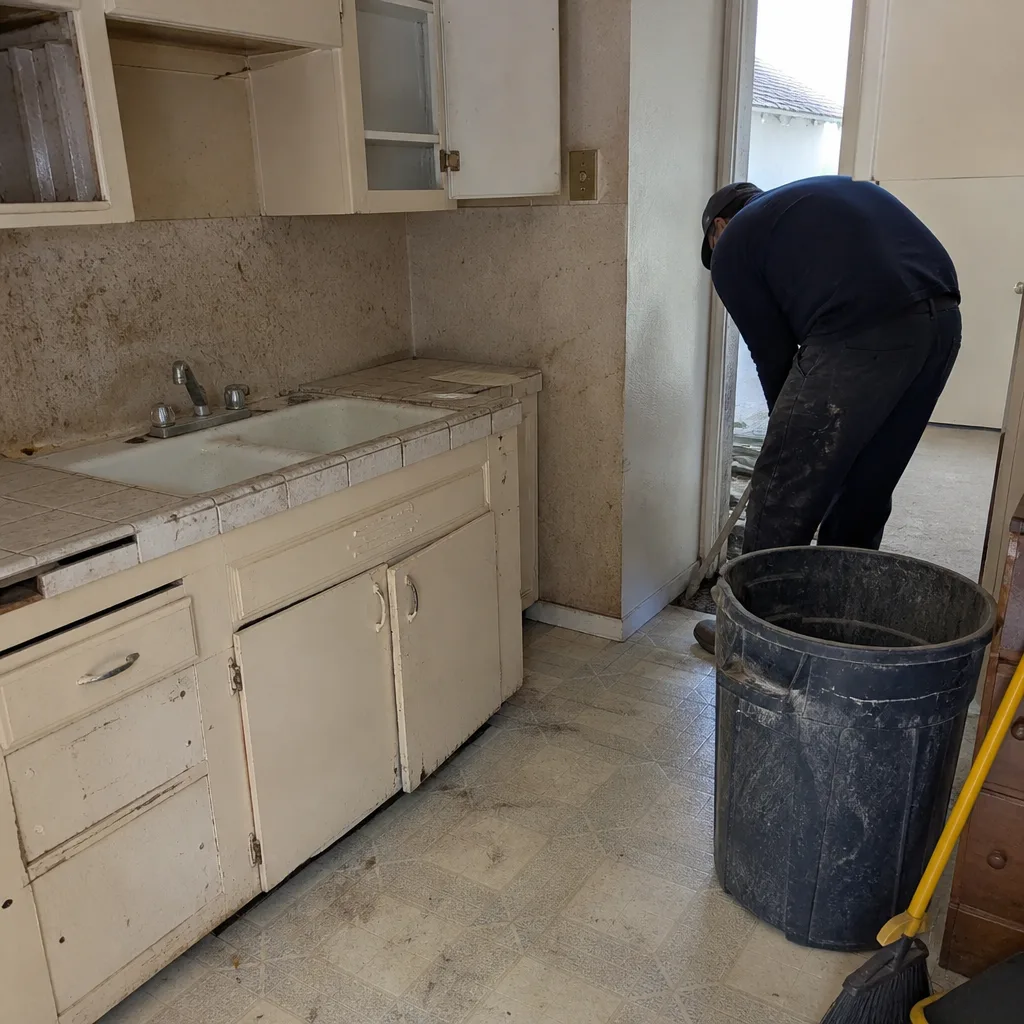 Before
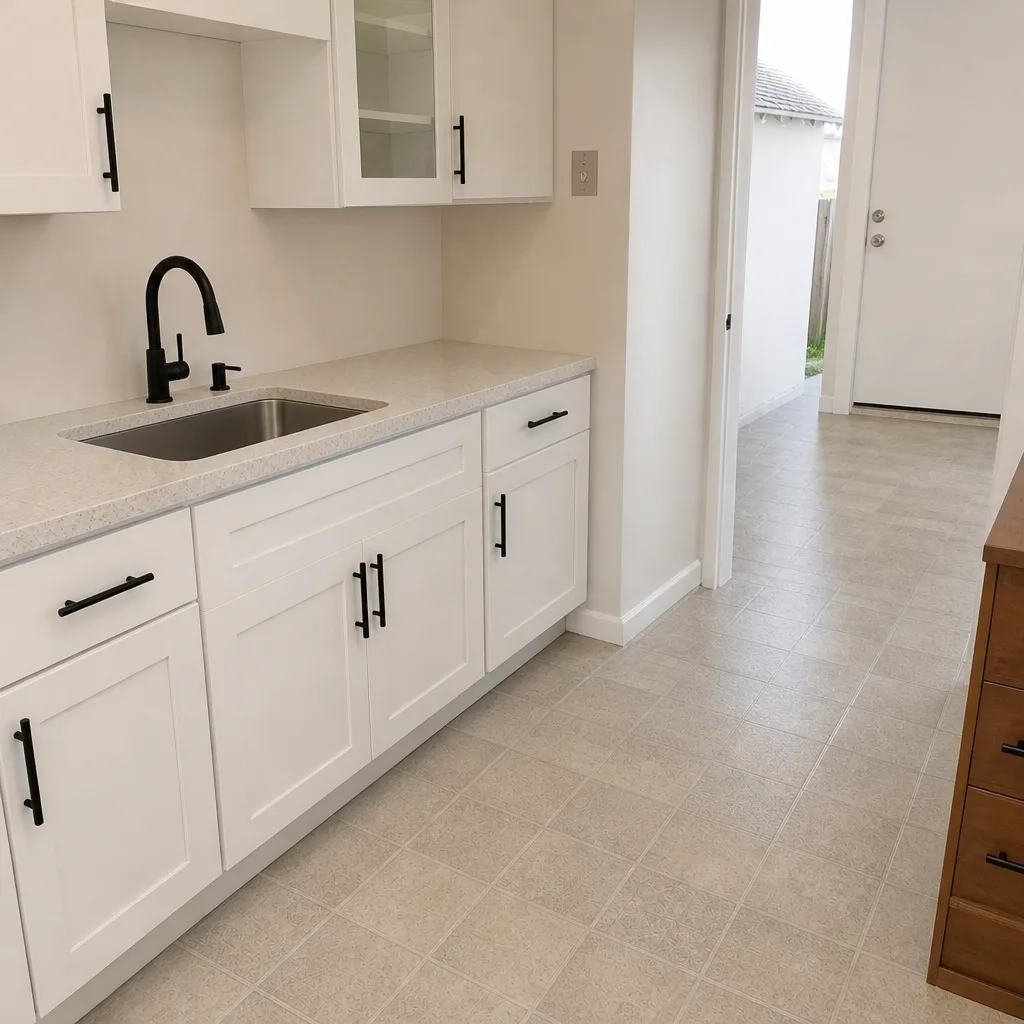 After
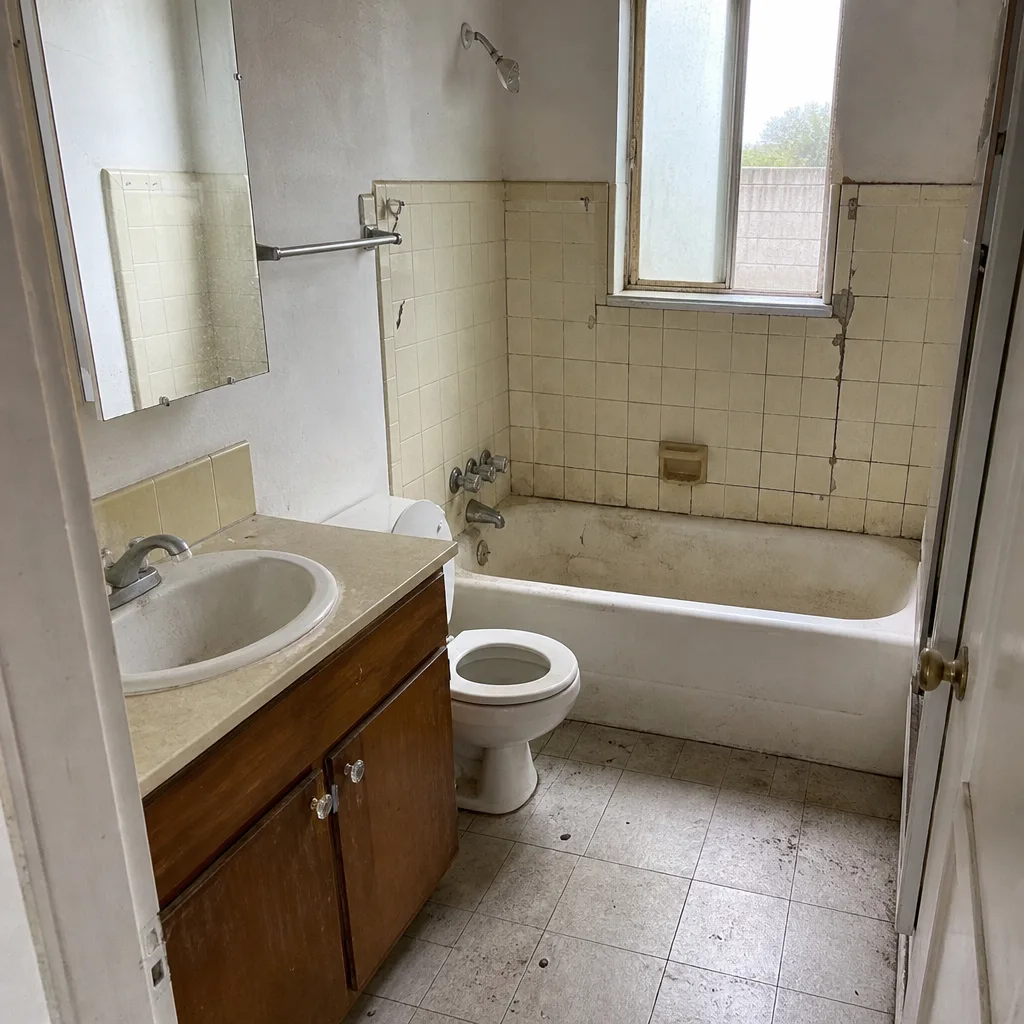 Before
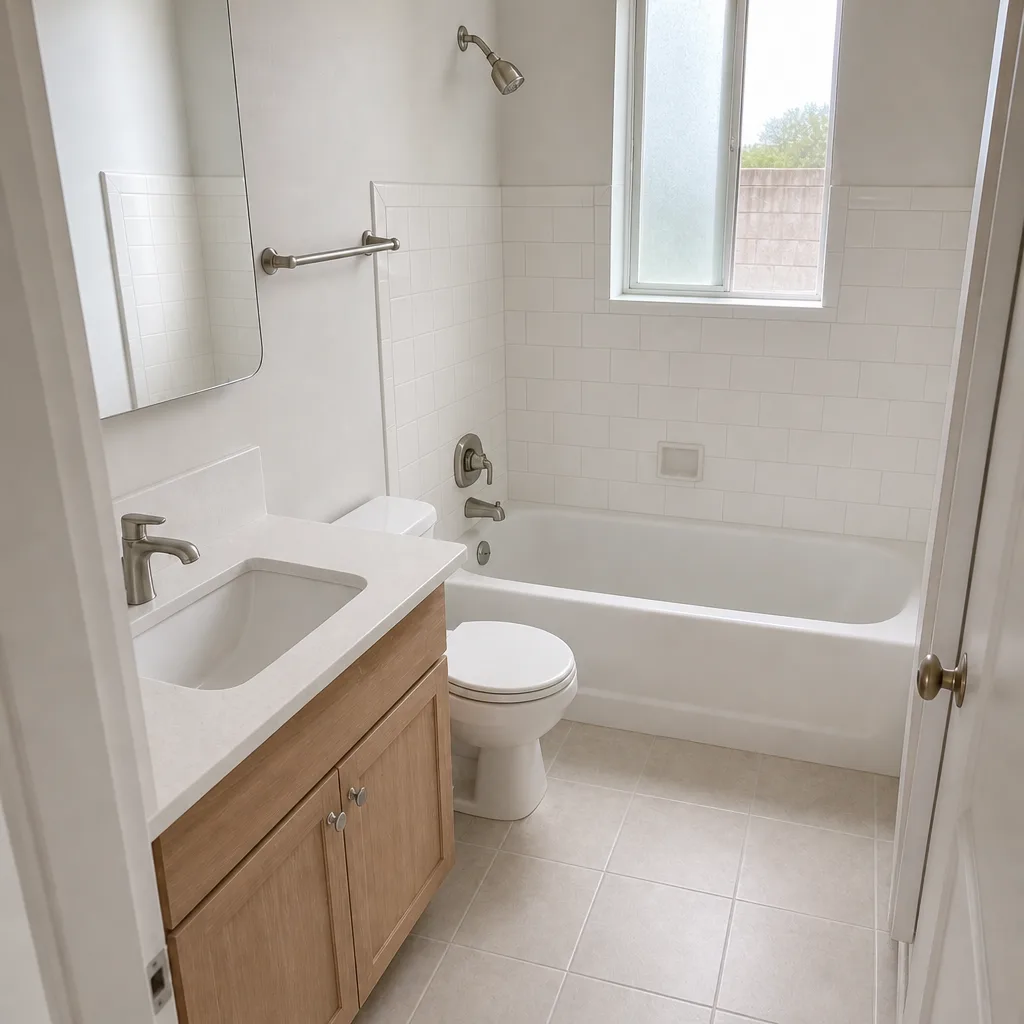 After
When to Call a Professional
If you’re already mid-project and two or more of these signs have shown up in the first week, that’s when to bring in a trained set of eyes. Stop the project calmly, get every document you’re owed in writing, and get a second opinion on the scope before the next payment goes out. If you’re starting fresh, the right time to call is before you sign anything. We offer free estimates in Los Angeles with a written line-item price you can compare apples to apples, and we’ll walk your site and answer the permit, draw, and scope questions in plain terms. Bradford Remodeling Co Los Angeles offers free estimates in Los Angeles. Call (844) 343-6681 and a live person will pick up, any hour. Estimates are free, and the price you get is written.
Frequently Asked Questions

An upfront deposit above 10% of the contract price is the single most predictive warning sign. In California, the 10% cap is a statutory limit, not a guideline, and contractors who demand 30% or 40% up front are usually funding the previous unfinished job with your money. Pair that with no posted permit placard and no lien waiver on the first draw, and the pattern is nearly always the same: cash runs out somewhere around 60% completion. Call (844) 343-6681 if you’re already seeing this pattern on your site. A free consult is worth the call.
Yes. A legally pulled permit generates a posted placard from the Department of Building and Safety in Los Angeles, printed with the permit number, address, and contractor’s license. If the placard isn’t on site before demolition starts, the permit was never pulled, and the work will fail inspection later. Call (844) 343-6681 for a free estimate on a job where the permit is written into the scope from day one.
A conditional waiver only takes effect when a specific payment clears. An unconditional waiver takes effect when you sign it, regardless of whether the payment ever arrives. You should get conditional waivers with each draw and unconditional final waivers only after final payment clears on the general contract and every sub. If a contractor hands you an unconditional waiver at the start of a job, don’t sign until they explain why. Call (844) 343-6681 to walk through a waiver stack with us before a payment goes out.
No. A verbal “while we’re at it” add is one of the most common causes of surprise invoices. A legitimate change order is written, priced, and signed by you before the work starts. If the change isn’t on paper, the price is legally disputable and so is the work. Call (844) 343-6681 for a free estimate that spells out what a written change order looks like on a Bradford job.
The contractor’s license number should be printed on the subcontractor’s paperwork and on your general contract. In California, you can verify any license through the Contractors State License Board lookup. If the crew on your site can’t produce a license number on request, that’s a specific warning sign about insurance and inspection coverage. Uniformed, background-checked technicians should be identifiable on request. Call (844) 343-6681 to see what a documented subcontractor list looks like on a free estimate.
A real guarantee states the duration, the scope of the covered work, and the remedy. On a Bradford job, that’s the 365-Day Done Right Promise: every completed project carries a full-year written guarantee, and if the work fails inside that window, we come back and correct it at no charge. A verbal “we stand behind our work” isn’t a guarantee. A written document with a term and a remedy is. Call (844) 343-6681 for a free estimate that includes the guarantee terms in writing.
The Bottom Line
The warning signs that predict a failed remodel live in the first 72 hours. Posted permit, capped deposit, signed waivers, named subcontractors, written change orders, clean site: these are the six things a building inspector reads without thinking. When they’re all present, the job runs on discipline. When they’re missing, the risk is already priced into your house. Los Angeles remodelers who follow the rules will show you every one of those documents before you ask. The ones who won’t are telling you something. Take the free estimate, get it in writing, and read the site like an inspector. That’s how you stay off the ghost list.
Bradford Remodeling Co Los Angeles brings The Garrison Standard to every project: a written price before work starts, background-checked technicians, a full-year 365-Day Done Right Promise, and a live person on the phone around the clock. Call (844) 343-6681 for your free estimate.
Written by the team at Bradford Remodeling Co Los Angeles.