Last updated November 17, 2026






Free written scope consultation - allowances, timeline, and change-order rules on paper before a single trade is scheduled
Home Remodeling Troubleshooting: Common Problems and How to Fix Them
When a contractor walks off a job mid-project, the first instinct for most homeowners is to panic, then to get angry, then to start calling around for someone to “just come fix it.” That sequence is exactly backward, and it’s how people lose money. Abandonment, defective work, and surprise change orders are civil disputes with a defined procedural path in California. The path has deadlines, forms, and leverage points. Homeowners who follow the procedure usually recover. Homeowners who respond emotionally usually don’t.
This guide maps the problem you’re staring at to the remedy that actually applies. We’ll cover written notices of defect under the Right to Repair Act, the contractor license bond, what a legitimate change order looks like versus a padded one, and how to build a documentation trail from day one that makes a CSLB complaint or a small claims filing straightforward instead of speculative. We’ve seen every one of these situations on Los Angeles remodel jobs, and the difference between a resolved case and a lost cause almost always comes down to paperwork that should have existed before the first nail went in.
Quick Answer
Most home remodeling problems fall into three legal buckets, and each has a specific remedy: workmanship defects go to a written notice of defect under your warranty and, after the cure period, to the CSLB; abandonment goes to a CSLB complaint plus a civil demand letter; unpermitted work performed by the contractor goes to a CSLB complaint with a potential cost-recovery claim for the code corrections. In every case, a documented paper trail – dated photos, written change orders, inspection records – is what makes the remedy usable. Call (844) 343-6681 if you want a written scope and a written guarantee before work starts rather than after something goes wrong.
Styles & brands we work with
- Kitchen remodeling
- Bathroom remodeling
- Home additions & ADU
- Roofing
- Windows & doors
- Driveway & pavers
- Fence
Table of Contents
- Problem-to-Remedy Mapping: Which Fix Applies to Your Situation
- How to Send a Legally Effective Written Notice of Defect in California
- The Right to Repair Act (SB 800) and the Cure Period
- What California’s Contractor License Bond Actually Covers
- Change Order Disputes: Genuine Field Condition or Padded Scope?
- The Documentation System to Build From Day One
- Contractor Walked Off the Job: The Abandonment Procedure
- Unpermitted Work by Your Contractor: Your Options
Problem-to-Remedy Mapping: Which Fix Applies to Your Situation
The single biggest mistake we see is homeowners who send the wrong kind of notice to the wrong party and start the wrong clock. Before you write anything, identify which of these three scenarios you’re actually in.
1. Workmanship Defects (the work was done, but it’s wrong)
Example: the tile in your Los Angeles bathroom is lipping, the cabinet doors are misaligned, the finish on a James Hardie panel is blistering after six months. This is a warranty problem first. Your remedy begins with a written notice of defect to the contractor citing the specific warranty clause, then moves to the CSLB if the contractor misses the cure period.
2. Abandonment (the contractor left and isn’t coming back)
Example: no crew for 30 days, unanswered calls, tools gone from the site. This is a CSLB complaint and a civil demand problem. The license bond is potentially in play. A separate contractor can finish the work, but you want to document the original contractor’s failure before anyone else touches the site.
3. Unpermitted Work Performed by the Contractor
Example: a structural wall was opened without a permit in a Los Angeles remodel, or an electrical rough-in never got an inspection. This is a CSLB complaint with a possible cost-recovery claim against the contractor for the cost of correcting it to code. It is not a warranty matter, and you should not try to resolve it through the warranty channel.
Getting this map right on day one determines whether your letter starts a cure period, triggers a complaint, or gets filed in small claims. If you’re mid-project and want to skip all of this, our General Contractor in Los Angeles page explains what a written scope and written price look like before the first tool comes out.
How to Send a Legally Effective Written Notice of Defect in California
A written notice of defect that actually starts the clock is not a text message. It’s a specific document with specific contents, delivered in a specific way. California courts and the CSLB both expect the following. Get this wrong and the clock doesn’t start.
- State the claim in plain terms. Name the defect, the location in the home, and the date you noticed it. Example: “Tile lippage in the primary bathroom shower floor, first observed June 3.”
- Reference the contract and the warranty clause. Cite the specific section of your written contract that covers the item. If you don’t have that clause in writing, that’s a red flag from day one – one reason we put everything in writing before work starts.
- Demand a specific cure. State what you want: inspection, correction, or replacement, and by when. Give a reasonable window – 30 days is a common standard.
- State the financial consequence. “If the defect is not corrected within [window], I will file a complaint with the California State License Board and pursue remedies available under the Right to Repair Act.”
- Document the delivery. Send by certified mail, return receipt requested, AND by email to the address in the contract. Keep both. Photograph the certified mail receipt.
- Photograph everything before the letter goes out. Date-stamped photos of the defect, the surrounding area, and any manufacturer labels (KraftMaid cabinet tags, Cambria slab numbers, Therma-Tru door serial labels) that establish the specification.
In Los Angeles, hand-delivery also works if the contractor’s office is local, but always follow it up with certified mail. Verbal promises made in a kitchen during a walkthrough are worth nothing in a CSLB complaint. Written records are the whole case.
The Right to Repair Act (SB 800) and the Cure Period
California’s Right to Repair Act, codified in Civil Code sections 895 through 945.5, sets the standard for residential construction defect claims. The practical effect for a homeowner is this: before you can file suit against a builder for most construction defects, you generally have to give the builder written notice and an opportunity to inspect and repair. The builder then has a defined period to respond, inspect, and offer to fix the problem.
Two things matter for a homeowner in Los Angeles. First, the notice must be in writing and specific – vague complaints like “the kitchen is wrong” don’t trigger the cure period. Second, the cure period is a two-way street: it gives the contractor a chance to make it right, and if they don’t, it strengthens your legal position considerably. Don’t skip the notice thinking you’ll save time. The court will likely send you back to do it.
The 365-Day Done Right Promise that covers our work runs on the same principle: if something we completed fails within the guarantee period, we return and correct it at no charge. It’s the same cure concept, put in writing before the first tool comes out, with a live person answering the phone when you call. That’s what The Garrison Standard looks like on a project – not a promise made at the sales meeting, but a written guarantee in the homeowner’s hand at close.
What California’s Contractor License Bond Actually Covers
Every licensed contractor in California is required to carry a contractor’s license bond. For residential work, the bond amount is $25,000 per claim. The bond is not a warranty, and it doesn’t cover every kind of loss. But for a specific, documented failure to complete or correct work, it’s a real recovery channel – and most homeowners never file against it.
What the bond covers
- Failure to complete the work as contracted (abandonment)
- Failure to correct defective work under a warranty or contract clause
- Violations of the Contractor’s License Law, including unpermitted work in some cases
- Certain payroll and materials claims in limited circumstances
What the bond does not cover
- Punitive damages or emotional distress awards
- Claims above the $25,000 per-claim limit
- Costs of a homeowner’s own attorney’s fees in most cases
- Losses that fall outside the contractor’s licensed scope of work
The filing process is through the surety company that issued the bond. You’ll need the contractor’s license number, the bond number, and a documented claim – which is why the written notice of defect above is a prerequisite, not a separate step. In our experience, the bond filing is the leverage point that turns a stalled Los Angeles remodel back into a resolved one, because the surety has no interest in defending a contractor who won’t pick up the phone.
Change Order Disputes: Genuine Field Condition or Padded Scope?
A “required” change order in the middle of a Los Angeles remodel is one of the harder disputes to win, because the contractor has the leverage of a half-finished job. There’s a clean way to test whether the change is legitimate, and it comes down to one question: could the contractor have known this before signing the original contract?
Signals the change order is genuine
- It was discovered only after demolition (e.g., dry rot behind a tub surround, a non-code drain assembly found behind wall board, a hidden structural post not on the original drawings)
- The original contract included an explicit allowance or contingency for field conditions
- The change is documented with dated photos of the field condition before work proceeded
- The line-item cost matches the contractor’s written pricing schedule or receipt
Signals the change order is a scope item that should have been in the original bid
- The change involves a material or finish that was visible during the site walk (e.g., “we didn’t know you’d need framing for the new window” when the window location was in the plans)
- The “new” work was called out in the original drawings or permits but not in the written price
- No written pricing breakdown – just a lump sum “as discussed”
- The change order shows up right after a payment milestone without a corresponding field condition photo
A written price before work starts, with line items and a documented field-condition clause, is what makes this test usable. Without it, the change order dispute is a he-said-she-said. With it, the change order either matches a defined trigger or it doesn’t. That’s the difference our Kitchen Remodeling in Los Angeles page spells out for anyone facing a change order dispute on a kitchen project right now.
The Documentation System to Build From Day One
The homeowners who win CSLB complaints and small claims filings are almost never smarter or luckier than the ones who lose. They just kept a directory the losing ones didn’t. Set this up before the first day of work.
- One project folder, physical and digital. Signed contract, all change orders, all invoices, all inspection records, all written communications. If a conversation happens by text, screenshot it into the same folder.
- A weekly photo log. Same angles every week: each wall, the site conditions, the material deliveries. Date-stamped. This is what protects you when a defect appears six months after close.
- Product labels photographed at installation. KraftMaid cabinet boxes, Cambria and Caesarstone slabs, Kohler fixtures, Moen valves, GAF shingles, James Hardie panels, Therma-Tru doors, Belgard pavers – all of them have serials and spec tags. Photograph them before they’re covered up. Brand specifications are the difference between “this looks wrong” and “this wasn’t the product we specified.”
- A running written log of verbal conversations. Date, time, who said what, and follow-up by email the same day. Verbal promises are worthless in a complaint unless they’re memorialized.
- Permit and inspection record. Your permit number, the inspection dates, the sign-offs. If a contractor tells you permits weren’t needed for structural work, that’s the single biggest red flag in a Los Angeles remodel – obtain a written explanation, then verify with the city.
This system does two things. It makes a bad situation recoverable, and it makes a good contractor look different from a bad one before you sign. A contractor who resists written change orders or inspection records is telling you something about the next twelve months.
Contractor Walked Off the Job: The Abandonment Procedure
A contractor who stops showing up without written notice is legally in a different category than a contractor with a scheduling delay. The clock that matters is a specific number of days without contact, and the procedure below is what starts the recovery.
- Document the abandonment date. The last date of on-site work, the last date of communication, and the state of the site. Photographs of the site as you found it, including tools if any remain.
- Send a written demand for performance. Certified mail, return receipt requested, stating the deadline to resume work (10 business days is a common standard) and the consequence of non-response. This creates the legal record that the contractor abandoned the project rather than being delayed.
- File a CSLB complaint. The California State License Board has an online complaint process, and abandonment is one of the categories they act on. Include the contract, the demand letter, photos, and a written timeline.
- File a claim against the license bond. The $25,000 residential per-claim limit is real, and the documented abandonment file above is what the surety needs.
- Do not sign a release. Contractors under pressure will sometimes offer a “mutual release” or a partial refund in exchange for a signed release of all claims. Don’t sign one without having a lawyer read it, and don’t sign one while the bond claim is pending.
- Only then bring in a new contractor to finish. A written closeout inspection before the next crew touches anything preserves your evidence.
In Los Angeles, this process runs faster if you have a live person at the contractor’s office and a written record of every prior communication. That’s why we answer the phone with a real person, day or night – not to make a marketing claim, but because a live voice on the other end of the line is the cheapest early-warning system a homeowner has.
Unpermitted Work by Your Contractor: Your Options
Unpermitted work is one of the hardest problems to unwind, because the scope of the correction depends on what the city inspector finds. The remedy separates cleanly into two pieces: correcting the work to code, and holding the original contractor accountable for the cost of that correction.
Start by pulling the permit history for your address from the Los Angeles Department of Building and Safety. If the contractor represented a permit would be pulled and didn’t, that’s a documented failure. Then file a CSLB complaint citing the specific code violation or missing permit. The CSLB can require the contractor to correct the work, and in some cases the cost of correction is recoverable through the bond or through civil action.
One warning: don’t hire a new contractor to “fix” unpermitted work before you’ve filed the complaint. Once new work covers the old, your ability to document the original violation drops sharply. Our Bathroom Remodeling in Los Angeles page walks through what a permitted bathroom scope looks like on paper, which is useful if you’re trying to compare your project against the standard. And if you want a plain-language overview of how we run a project end to end, our Bradford Remodeling Co Los Angeles home page covers the written-price and written-guarantee side.
Common Mistakes to Avoid
- Firing the contractor by text. An angry text is not a legal termination, and it can complicate your position in a CSLB complaint. Put the termination in writing, cite the specific contract clause, and deliver it by certified mail.
- Paying the invoice to “keep things moving.” If work isn’t at the milestone defined in the contract, payment doesn’t move it there – it removes your leverage. Pay only against written milestones you’ve verified on site.
- Letting a new contractor touch the site before you’ve documented the old one’s failure. Once new work covers old defects, your evidence is gone. Photograph first, hire second.
- Agreeing to a “required” change order without a written breakdown. A lump-sum number after the work has started is the most common way Los Angeles homeowners overpay by thousands. Demand a line-item price and the field-condition photo that triggered it.
- Assuming permits weren’t needed for structural or electrical work. In Los Angeles, structural changes and most electrical work require permits. If a contractor says otherwise, get it in writing and verify with the city – the correction cost lands on the next owner, not the contractor.
- Skipping the written notice of defect because “it feels aggressive.” The written notice is the one thing that protects you in both the warranty channel and the CSLB channel. It’s not aggressive; it’s procedure.
- Signing a release to get a partial refund. A release extinguishes future claims, including the ones you haven’t discovered yet. Don’t sign one while a bond claim or a CSLB complaint is open.
See the difference
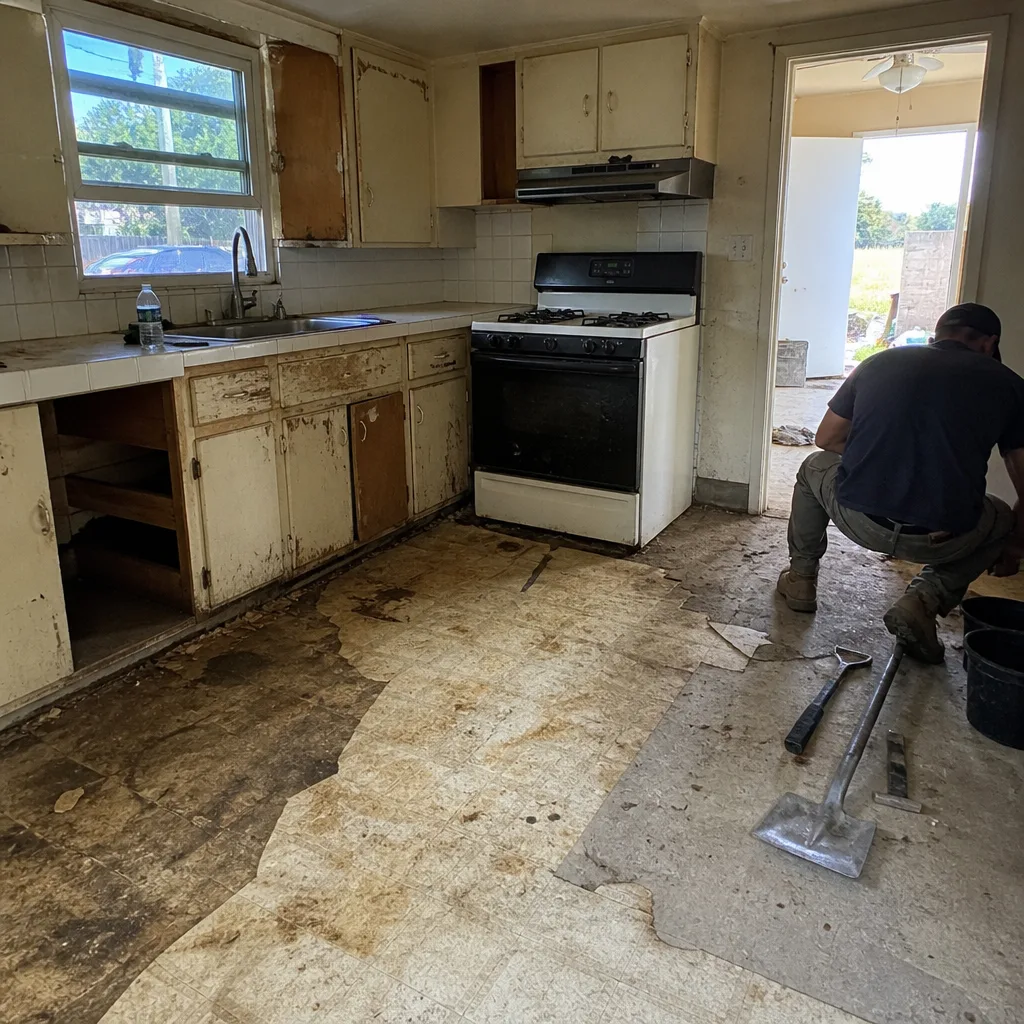 Before
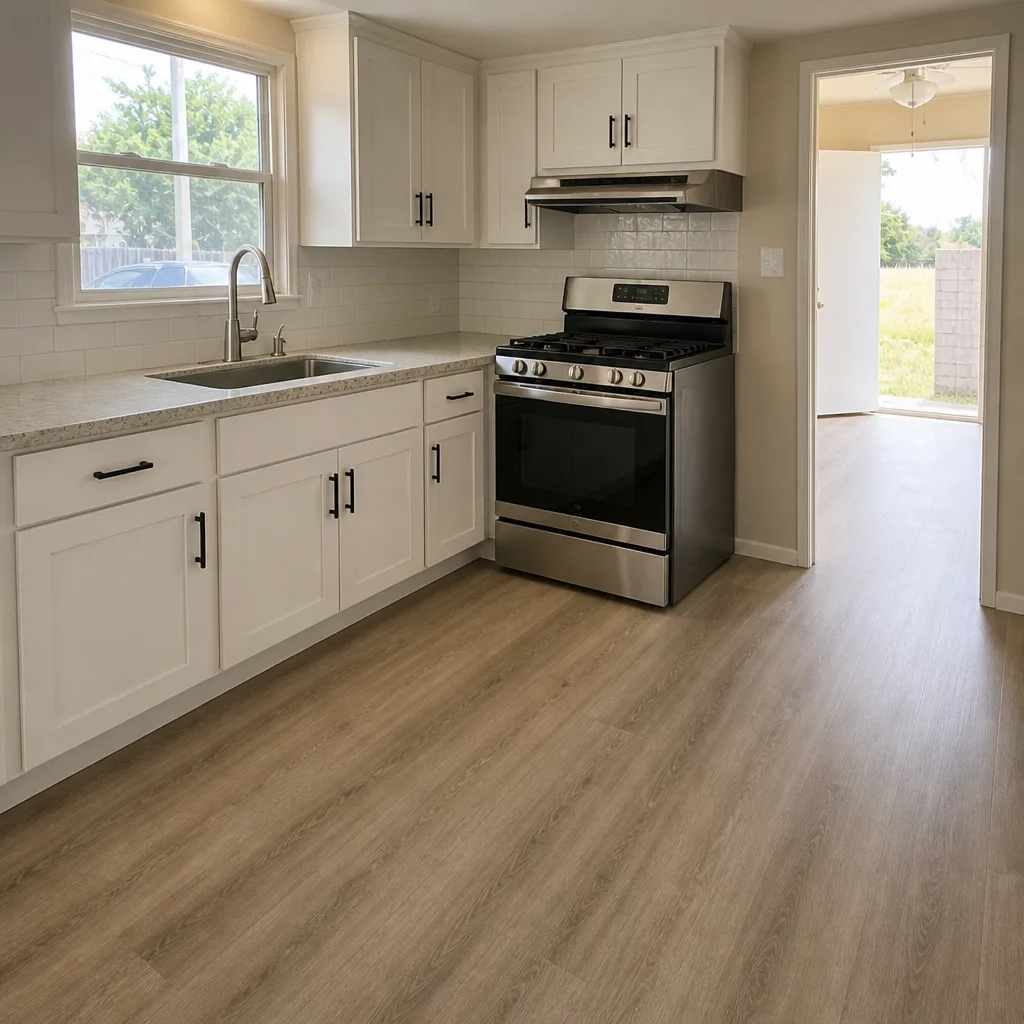 After
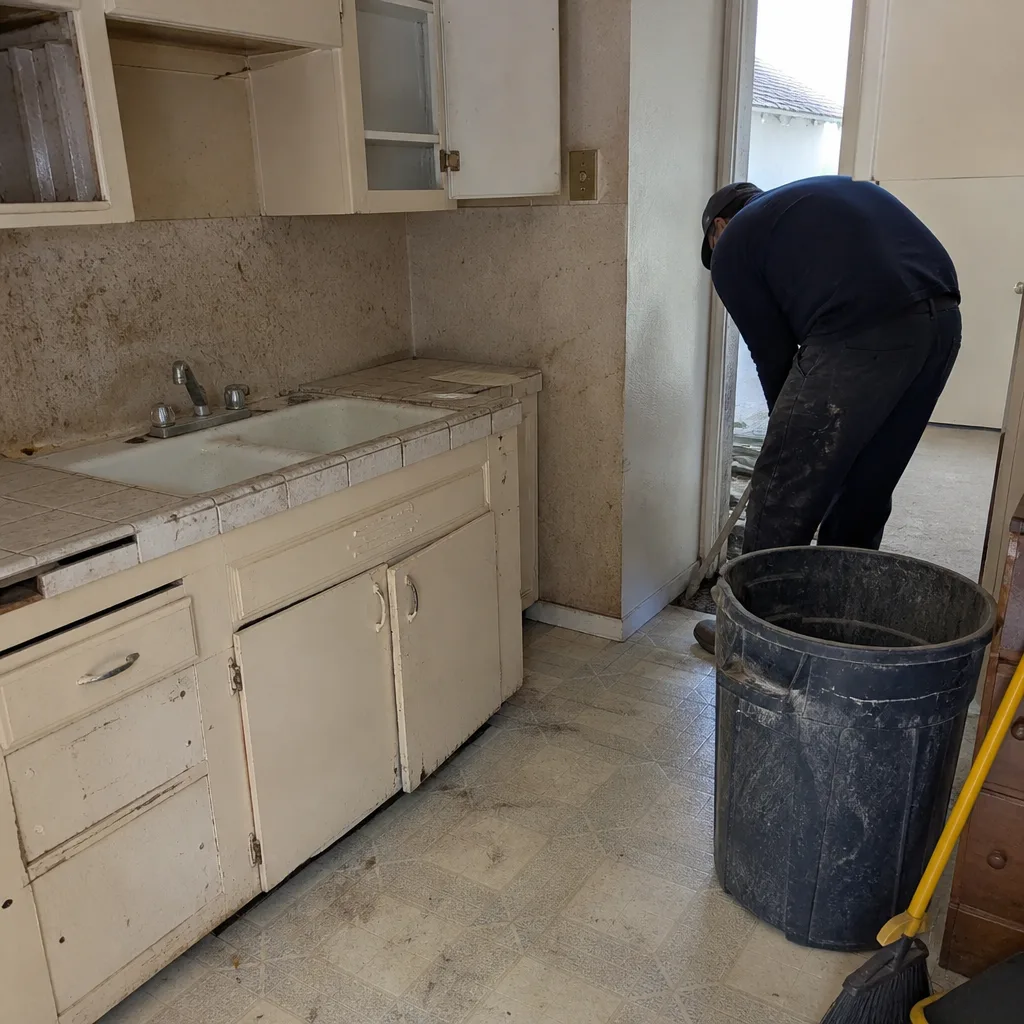 Before
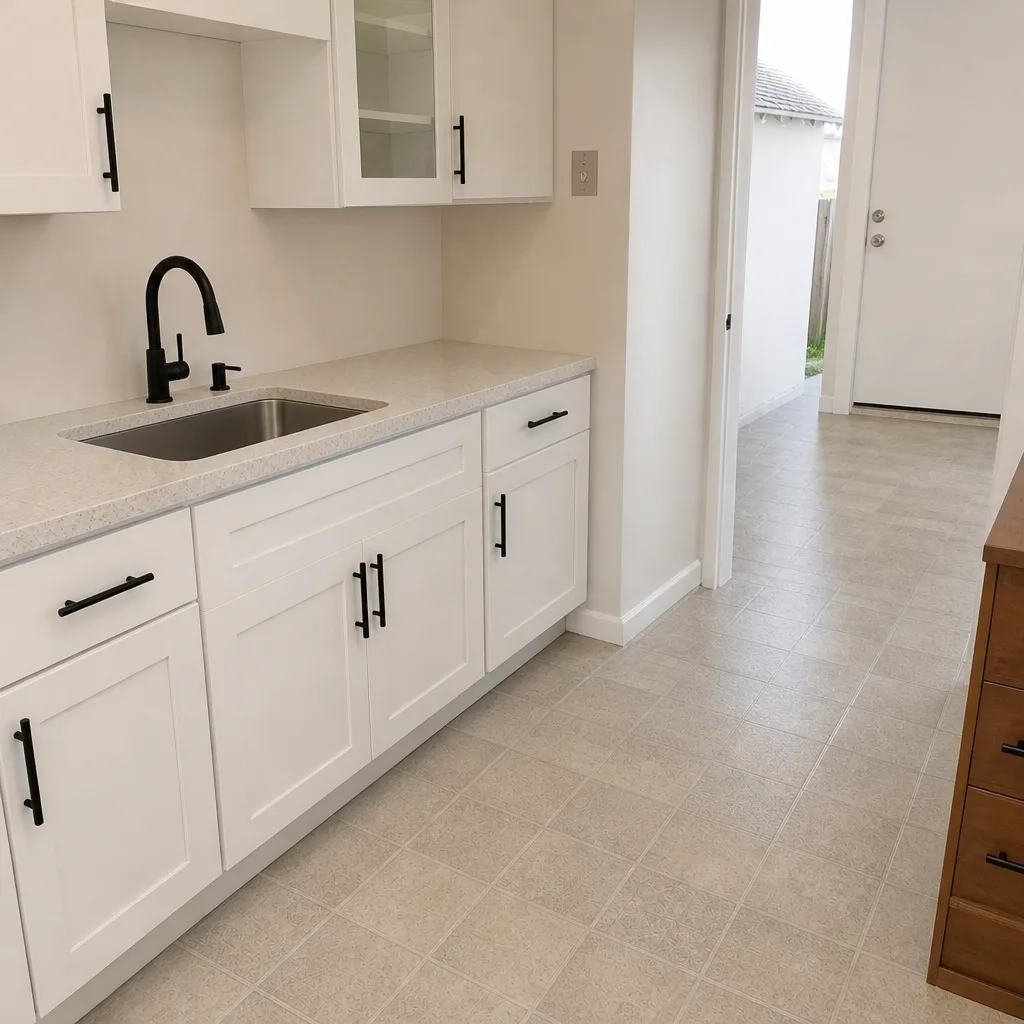 After
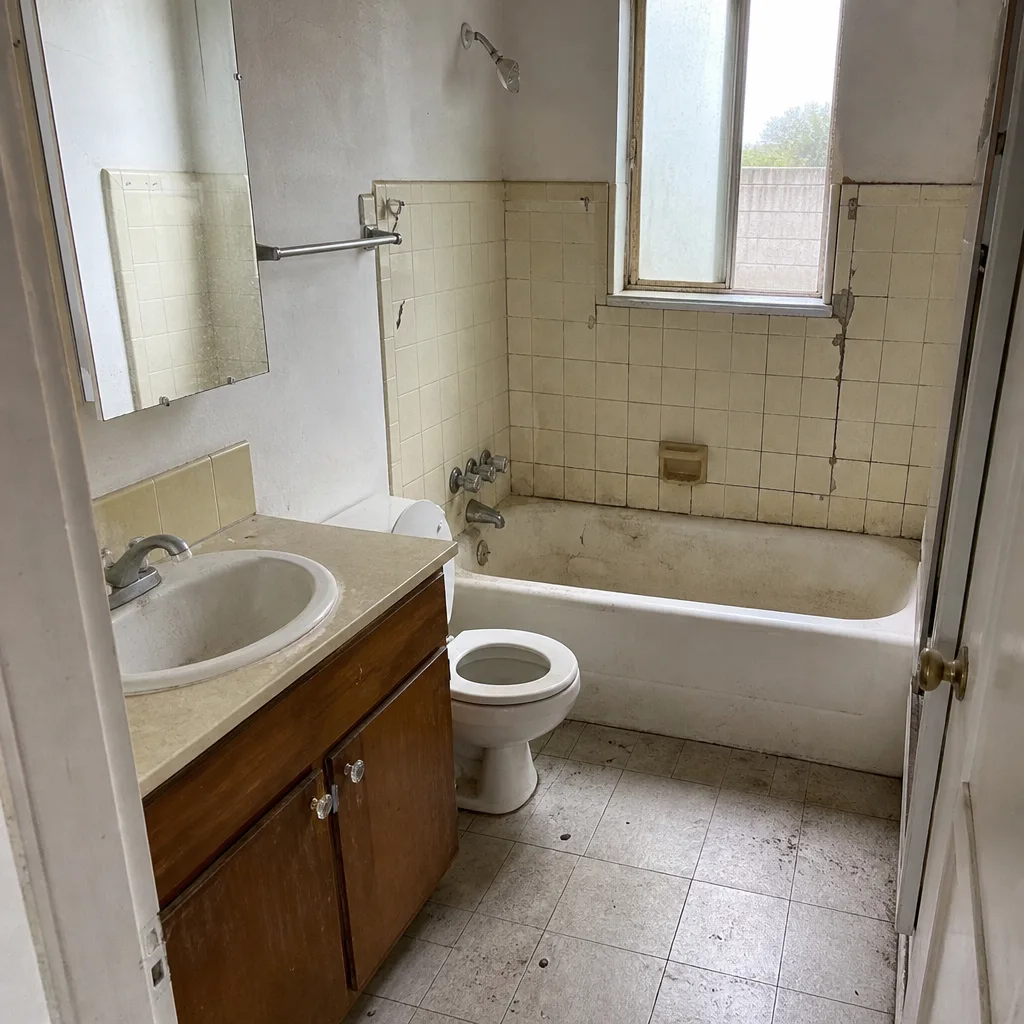 Before
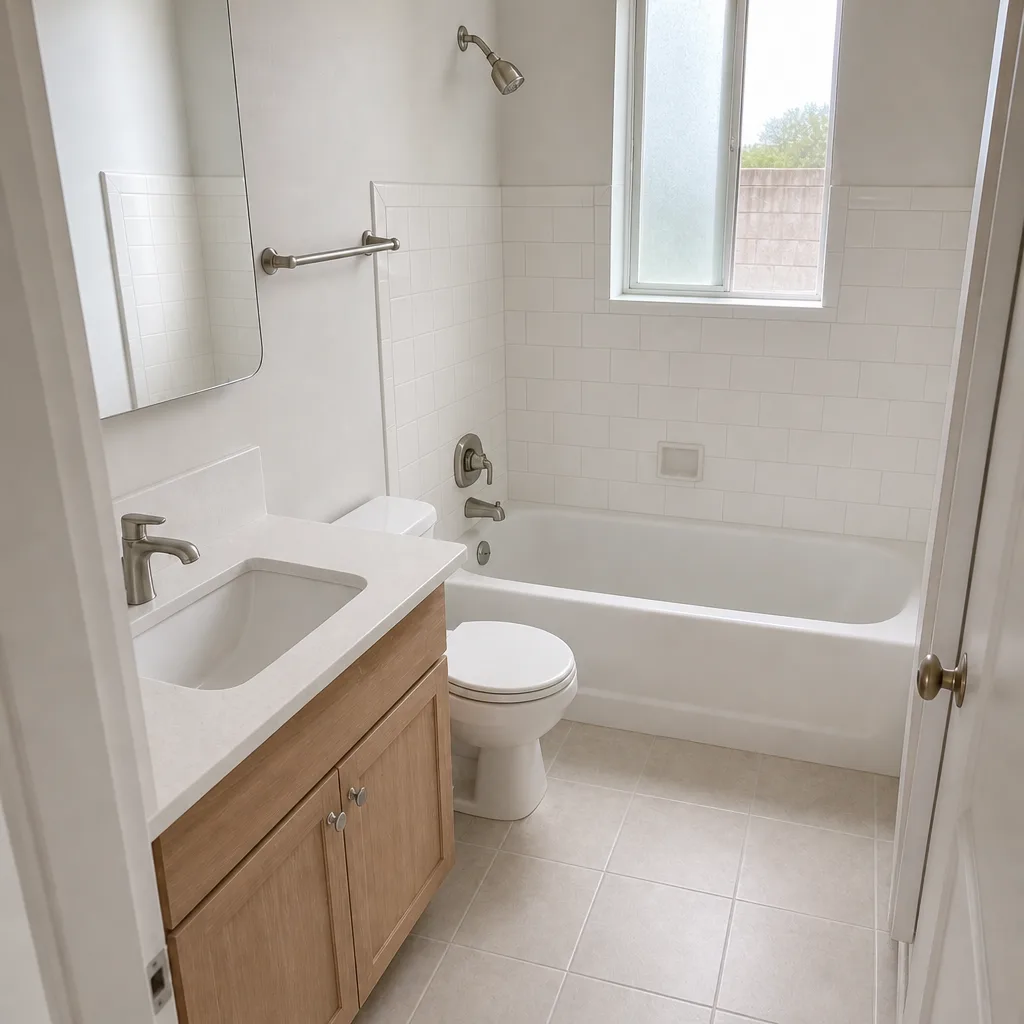 After
When to Call a Professional
Call a licensed professional, and call your own lawyer if the stakes are high enough, in these specific situations: the contractor has been gone more than 10 business days without written notice; a structural wall, beam, or load-bearing element is involved and you’re not sure a permit was pulled; electrical or plumbing rough-in has failed an inspection; a defect appears within the warranty period and the contractor won’t respond in writing; or you’re about to sign a change order over a few thousand dollars without a written line-item breakdown. Those are the moments where a small amount of professional input saves a large amount of money.
Bradford Remodeling Co Los Angeles offers free estimates in Los Angeles for homeowners who want a written scope and a written price before work begins – and for anyone starting over after a bad experience. Call (844) 343-6681 to schedule a free estimate. Every project gets a written price before work starts, every completed job is covered by the 365-Day Done Right Promise, and every crew member on your project is background-checked and uniformed before they walk through your door. That’s The Garrison Standard, and it’s why the troubleshooting guide above is a lot less likely to be the guide you need.
Frequently Asked Questions

Write a dated letter naming the specific defect, the contract clause it violates, the cure you’re demanding, and the deadline (30 days is common), then deliver it by certified mail with return receipt requested and by email to the address in the contract. Keep both the certified mail receipt and a dated photo log of the defect before the letter goes out. Call (844) 343-6681 for an exact quote on a repair if you’d rather get a written scope than go through the warranty channel.
The bond covers failure to complete work, failure to correct defective work, and certain license law violations, up to $25,000 per residential claim. It does not cover punitive damages, attorney’s fees, or losses above the limit. You file against the bond through the surety company that issued it, using the contractor’s license number and a documented claim file. If you want a written scope to support one, call (844) 343-6681 for a free estimate.
The cure period depends on your written warranty and, for structural defects, the Right to Repair Act timeline, but 30 days from written notice is the common industry standard. If the contractor doesn’t respond or doesn’t correct the work in that window, you can escalate to the CSLB and the license bond. Getting the timeline in writing before work starts is the cleanest way to avoid the ambiguity – that’s what our written-price and written-guarantee standard is for. Call (844) 343-6681 to see what that looks like on a free estimate.
It’s required only when the field condition genuinely couldn’t have been known before the original contract – dry rot behind a tub surround, a non-code drain assembly behind wall board, a hidden post not on the drawings. If the condition was visible during the site walk or called out in the plans, it should have been in the original bid, and the change order is a scope gap, not a field condition. Demand dated photos of the condition and a line-item price before you sign. Call (844) 343-6681 for a written-price estimate that limits surprises.
The fastest path is a CSLB complaint plus a permit correction through the Los Angeles Department of Building and Safety – not a quiet fix by a new contractor. The permit history and the CSLB complaint are what create the cost-recovery claim against the original contractor. Once new work covers the old, your ability to document the violation is gone. Call (844) 343-6681 to schedule a free estimate if you want a permitted scope defined in writing.
Yes, for claims within the Los Angeles County small claims limit, and it’s often faster than civil court for workmanship and change-order disputes. The written notice of defect, change orders, photos, and inspection records are the whole case. Send the notice, wait out the cure period, and file. If the claim is over the small claims limit or involves structural or bond issues, a lawyer is worth the consultation. Call (844) 343-6681 for a written-price estimate on a corrected scope.
The Bottom Line
Every remodeling problem in this guide traces back to a contract gap: a missing milestone, an undefined material spec, or a warranty clause that excludes what actually failed. The remedy is not to argue louder – it’s to match the problem to the procedure that applies. Written notice of defect for workmanship, CSLB complaint plus civil demand for abandonment, CSLB complaint plus cost recovery for unpermitted work. File the change-order dispute against a written line-item price. Keep a documentation folder from day one, and every one of those procedures becomes straightforward instead of speculative.
If you want to get ahead of the problem rather than fix it afterward, call (844) 343-6681 for a free estimate. Bradford Remodeling Co Los Angeles puts every price in writing before the first tool comes out, backs every completed project with the 365-Day Done Right Promise, and answers the phone with a live person, day or night. That’s the simplest way to never need the troubleshooting procedure above.
Written by the team at Bradford Remodeling Co Los Angeles.