Last updated November 17, 2026


Free written scope consultation - allowances, timeline, and change-order rules on paper before a single trade is scheduled
How Long Does Kitchen Remodeling Take? Timelines and What to Expect
Most kitchen remodels in Los Angeles run 6 to 14 weeks on paper. The ones that stretch to six months almost always stalled in the same three places, and none of them were on the job site. They stalled at the permit counter, at the cabinet factory, and at the point where the electrician was supposed to follow the plumber. A kitchen doesn’t fall behind because the crew works slow. It falls behind because the schedule that should have protected it was never written down.
This guide maps the real decision points that compress or blow up a kitchen timeline: the LADBS permit pipeline, semi-custom cabinet lead times, the trade sequence that can’t be parallelized, and how to read a written milestone schedule so you can hold a contractor to real dates. By the end you’ll know what a realistic Los Angeles timeline looks like and exactly where a schedule goes sideways.
Quick Answer
A kitchen remodel in Los Angeles typically takes 6 to 14 weeks of construction, plus 3 to 6 weeks of permitting before a hammer swings. The most common reason a project runs long is that semi-custom cabinets were ordered after demolition instead of before, which stalls the job for the 6 to 12 weeks the cabinets spend in production. Get the permit and the cabinet order right, and most of the risk is gone before day one.
Styles & brands we work with
- Kitchen remodeling
- Bathroom remodeling
- Home additions & ADU
- Roofing
- Windows & doors
- Driveway & pavers
- Fence
Table of Contents
- The Permit-to-Inspection Pipeline in Los Angeles
- Cabinet Lead Times: The Most Missed Scheduling Anchor
- Trade Sequencing: Why a 6-Week Job Becomes 14
- What a Written Milestone Schedule Looks Like
- How to Read a Project Schedule and Spot Padded Float
- How Long by Project Scope
- Common Mistakes to Avoid
- When to Call a Professional
The Permit-to-Inspection Pipeline in Los Angeles
Before a hammer swings in Los Angeles, there’s a fixed floor under every timeline: the LADBS permit and inspection pipeline. The Los Angeles Department of Building and Safety has to review the plans, and for a kitchen with structural, plumbing, or electrical changes that review is not a formality. Budget 3 to 6 weeks for permitting alone, and longer if the scope touches load-bearing walls or moves major plumbing. That clock starts the day the drawings go in, not the day the contractor says “we’ll be out next week.”
What the pipeline actually includes:
- Plan check: LADBS reviews the drawings for code compliance. A kitchen that moves a gas line or opens a wall triggers a full plan check, not an over-the-counter approval.
- Permit issuance: Once the plans pass, the permit is issued and only then can permitted work begin.
- Rough-in inspections: Electrical and plumbing rough-in (the wiring and pipes behind the finished walls) must be inspected before drywall goes up.
- Final inspection: The finished work has to pass final inspection before the job is legally closed out.
In Los Angeles, a homeowner remodeling pre-1980s housing stock should also plan for a lead-safe or asbestos check if the scope disturbs anything suspect. That’s not overhead to skip; a failed inspection resets the clock. When we bid a kitchen, the permit date gets written into the schedule as a milestone with a date on it, because that’s the first point where a project can quietly lose a month. Permits pulled and inspections passed is a line item, not an assumption. If your contractor can’t tell you what their plan-check experience has been in your part of Los Angeles, that’s your first red flag.
Cabinet Lead Times: The Most Missed Scheduling Anchor
Here’s the anchor that sinks the most schedules: semi-custom cabinet lead times. Semi-custom cabinetry takes 6 to 12 weeks from order to delivery. That means the cabinet order has to be placed before demolition, not after. When a crew demos the kitchen and then orders cabinets, the room sits gutted for two to three months while the boxes are in production. That gap is the single most common reason a Los Angeles remodel stretches past its written schedule.
The order has to happen when plans are finalized, which is why detailed selections belong in the pre-construction window, not the demo week. That’s where the brand roster matters. When we work with documented lines like KraftMaid and Wellborn cabinetry, the manufacturer’s lead time is a known, traceable number we can schedule against. With Cambria or Caesarstone surfaces, the template and fabrication sequence adds its own few weeks after the cabinets are set, because the counter has to be measured against installed boxes. A contractor guessing at lead times from memory is a contractor whose schedule is built on hope.
What a disciplined pre-construction sequence looks like:
- Finalize the layout and finish selections with the drawings.
- Order semi-custom cabinets; note the confirmed delivery date.
- Pull permits and complete plan check.
- Start demolition only once cabinet delivery is confirmed against the schedule.
- Set cabinets, then template and fabricate surfaces, then finish.
Note the order. Demo comes third, not first, because the cabinet clock has to run behind the permit clock. In our experience across Los Angeles, the kitchens that finish on time are the ones where the cabinet order and the permit application happened in the same week.
Trade Sequencing: Why a 6-Week Job Becomes 14
The difference between a 6-week remodel and a 14-week one is usually trade sequencing. A kitchen is a chain of trades that must follow a strict order, and most of that order can’t be parallelized. You can’t set cabinets before the electricians and plumbers finish their rough-in. You can’t hang drywall before the rough-in passes inspection. You can’t set surfaces before the cabinets are level. The sequence is the schedule, and a contractor who tries to compress it will simply have trades standing around waiting on each other while your kitchen sits half-finished.
The trade chain, in order:
- Demolition (after cabinets are ordered and permits are issued).
- Rough-in: electrical and plumbing behind the walls.
- Rough-in inspection by LADBS.
- Insulation and drywall.
- Tiling: backsplash and floor.
- Cabinet installation.
- Countertop template and installation.
- Fixtures, appliances, and finish trim.
Each step has a real duration and can’t overlap the steps that come after it. Where a schedule bloats is at the seams: a plumber booked two weeks out, a tile setter who starts after the drywall crew leaves, a counter template that waits on cabinets that arrived late. Those are scheduling failures, not trade failures. A written schedule accounts for each trade’s booking window in advance and holds the sequence. That’s how a Los Angeles kitchen closes out at 6 to 10 weeks instead of running into a third month.
What a Written Milestone Schedule Looks Like
A written milestone schedule is a document that lists every phase of the job with a start and end date, a named trade for each phase, and a note on what has to finish before the next phase can start. A verbal promise is a date someone says out loud in your kitchen. The difference matters enormously the day the contractor goes quiet, because you can point to a written date and hold them to it. A verbal “we’ll be done by spring” is unenforceable.
Here’s what a real milestone schedule includes:
- Permit milestone: application date, expected plan-check date, permit issued date.
- Cabinet order date and confirmed delivery date.
- Demo start with the condition that cabinets are confirmed in production.
- Rough-in dates for electrical and plumbing, plus the scheduled inspection.
- Drywall, tile, cabinet, counter, and finish dates in sequence.
- Final inspection date and a punch-list window.
A schedule with dates you can count is the single best thing you can ask for, and it’s part of how we work: every Bradford project gets a written price before work starts and a schedule with real milestones, under The Garrison Standard. When the pricing and the schedule are both in writing, a homeowner has something to hold the crew to, and that’s exactly the accountability they were burned without last time. Ask for it on paper. If a contractor won’t produce it, that silence is your answer.
How to Read a Project Schedule and Spot Padded Float
A Gantt-style project schedule is a bar chart where each task is a bar stretching across its start and end dates. Reading it is simpler than it looks, and it’s the fastest way to spot a contractor who has built slack into the timeline to cover their own scheduling gaps. Float is the cushion of unused time between tasks. Some float is legitimate; trades need booking windows. Too much float, in the wrong places, is a schedule that’s been written to protect the contractor, not to finish your kitchen.
What to look for when you read the bars:
- Is the cabinet order on the chart? If cabinet lead time isn’t a bar, the schedule is incomplete.
- Does the permit have a bar? No permit bar means no plan-check buffer, which means the first delay lands on you.
- Are there long gaps between trades with no named task? That’s float padding. Ask what fills it.
- Do the bars overlap in ways that violate the trade sequence? Tiling can’t run before drywall; if it does, the schedule is fiction.
- Is there a punch-list bar and a final inspection bar? A schedule that ends at “install” hides the closeout.
Legitimate float sits where a trade booking is genuinely unpredictable. Padded float sits between phases the contractor controls. When you see a two-week gap between drywall and tile with nothing in it, ask the question: “What’s happening in that window?” A disciplined contractor has an answer. A padded schedule has an excuse. In our experience, a homeowner who reads the bars once, carefully, can tell the difference in about ten minutes.
How Long by Project Scope
Timelines scale with scope, but not in a straight line. Here’s roughly what to expect across Los Angeles kitchens, assuming permits and cabinets are handled correctly:
- Cosmetic refresh (paint, hardware, new appliances in existing footprints): 2 to 4 weeks, often with no major permitting.
- Mid-range remodel (new cabinets, surfaces, some electrical and plumbing moves): 6 to 10 weeks of construction once the permit and cabinets are in place.
- Full gut remodel with layout changes: 10 to 14 weeks of construction, longer if walls move or plumbing relocates.
- Structural changes (removing a load-bearing wall, adding an island with new utilities): add 2 to 4 weeks for plan check and structural work.
Add the permit window to every number above. A mid-range remodel is realistically 3 to 6 weeks of permitting plus 6 to 10 weeks of building, so 9 to 16 weeks end to end. In Los Angeles’s older housing stock, where a “simple” electrical move can uncover knob-and-tube wiring or an unpermitted prior addition, budget for a discovery buffer. For a related look at how we sequence a full kitchen build, see Kitchen Remodeling in Los Angeles, and for the whole-home view, our General Contractor in Los Angeles page lays out the broader schedule. A bathroom done alongside runs its own shorter clock; Bathroom Remodeling in Los Angeles covers that timing.
Common Mistakes to Avoid
- Ordering cabinets after demolition. This is the most common timeline killer in Los Angeles. Semi-custom cabinets take 6 to 12 weeks; if you demo first, your kitchen sits empty while the boxes are being made.
- Starting demo before the permit is issued. A permit that shows up late turns a scheduled job into a stop-work order. Wait for the permit, even when the crew is eager to swing a sledgehammer.
- Accepting a verbal schedule. A date said aloud in the kitchen is unenforceable. Ask for the milestone schedule in writing, with dates you can circle.
- Ignoring pre-1980s material hazards. A lot of Los Angeles housing was built before lead paint and asbestos were regulated. Skipping the check can reset the timeline at final inspection.
- Treating a low bid as a good price. A bid that leaves out the permit fee, the counter fabrication, or the electrical rough-in isn’t cheaper; it’s a schedule that stops mid-job for a change order. Get the written price with line items.
- Letting trades overlap that can’t. Tiling before drywall or setting counters before cabinets are level creates rework, and rework is the second-biggest schedule killer after cabinets.
- Not asking what the punch list includes. A job isn’t done at the last install; it’s done at closeout. Ask what the punch-list window is and when final inspection is scheduled.
See the difference
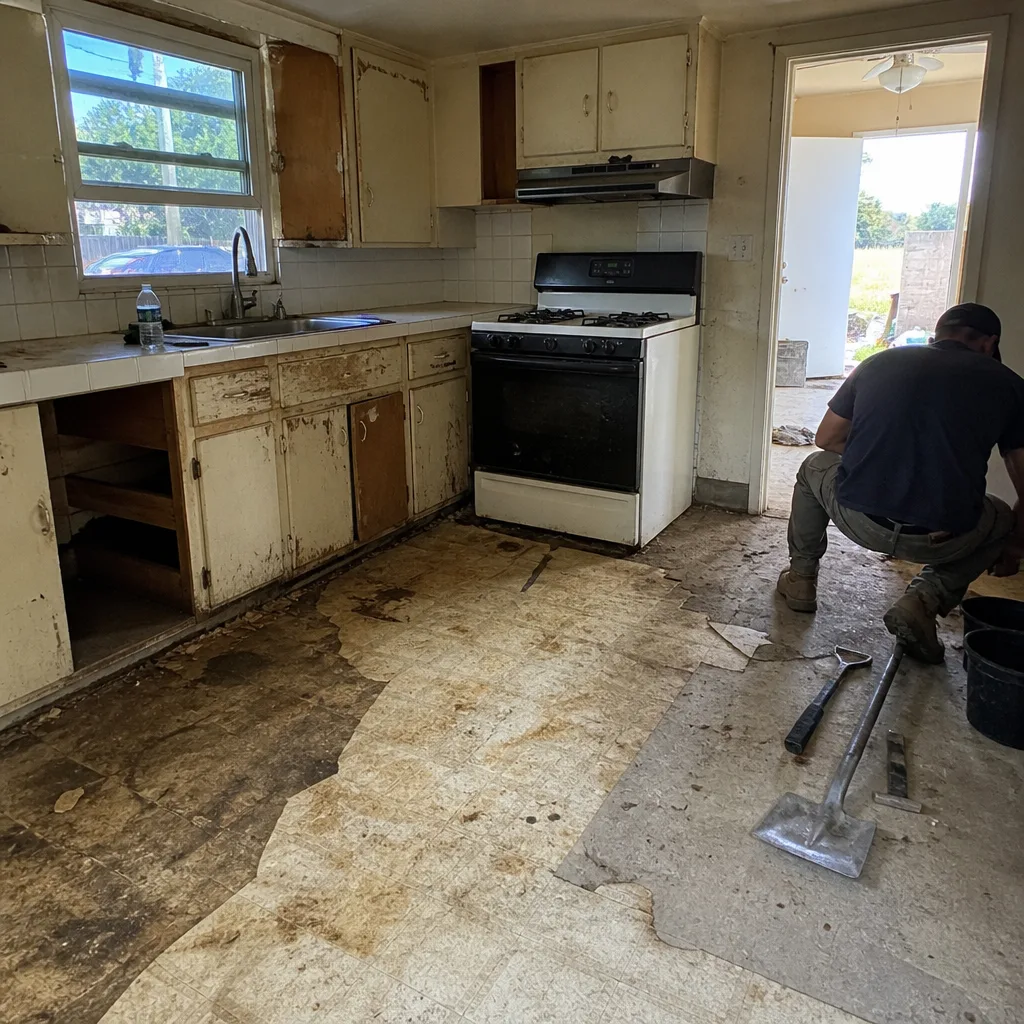 Before
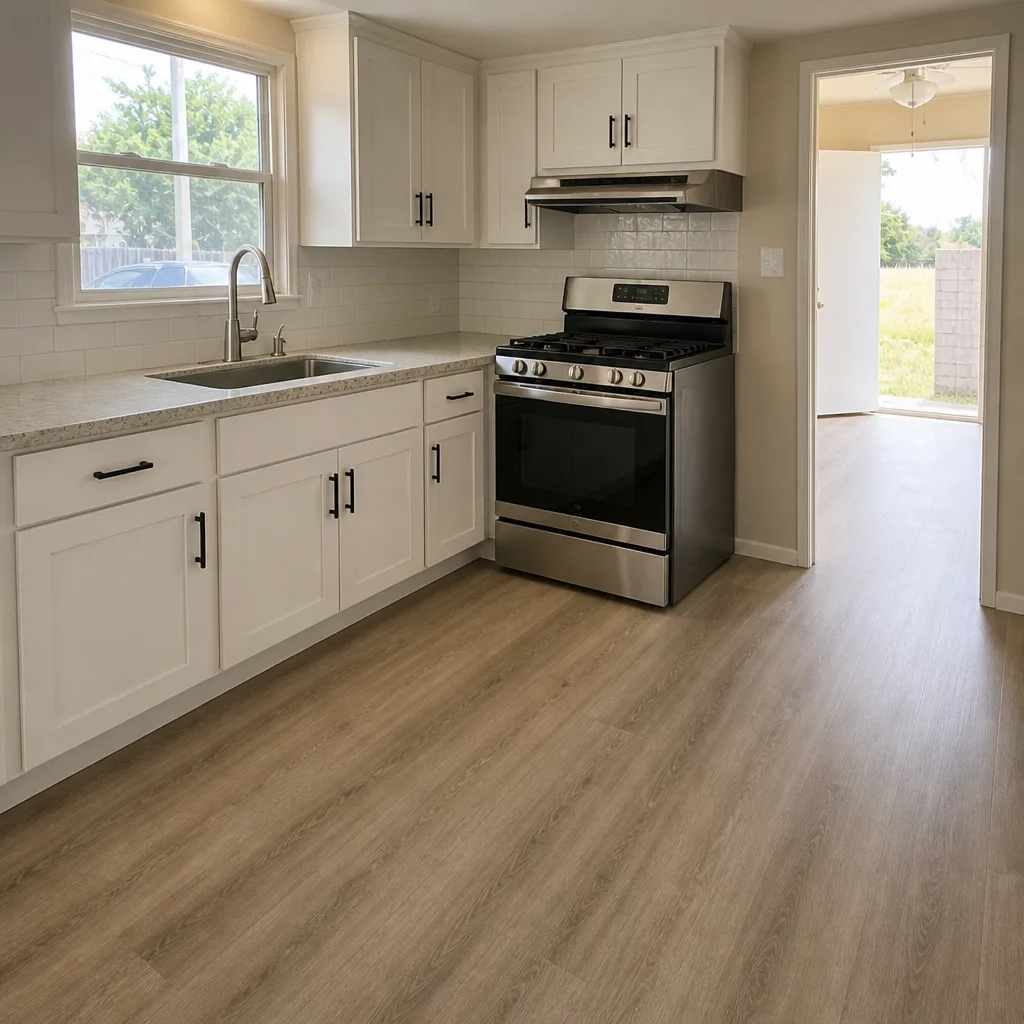 After
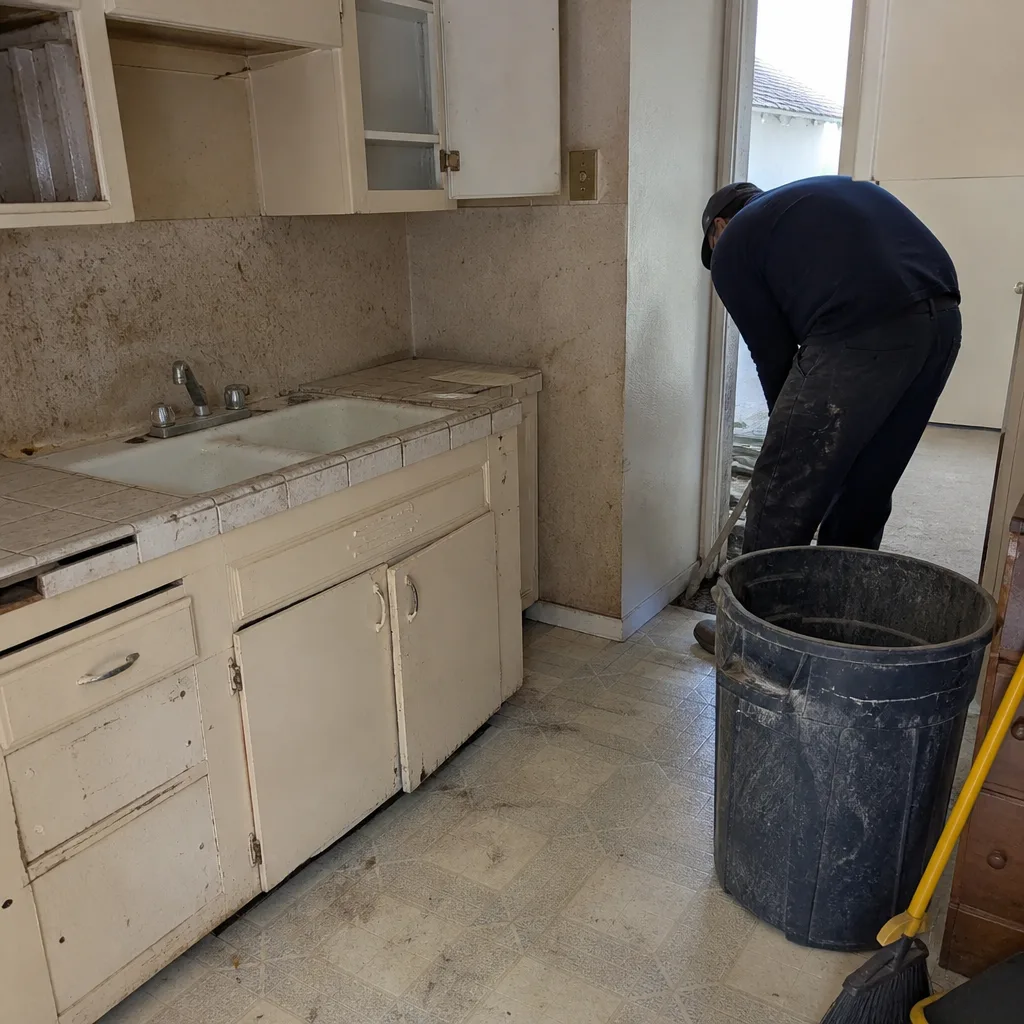 Before
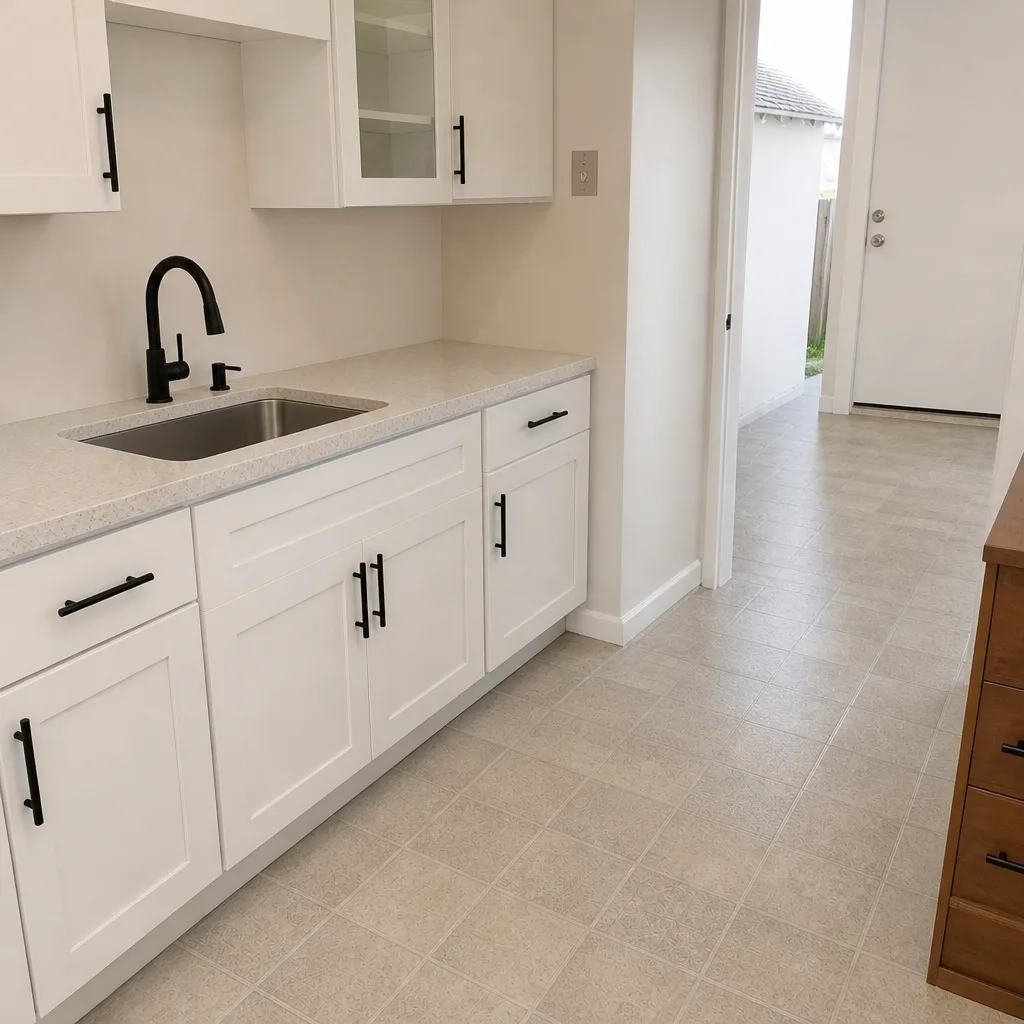 After
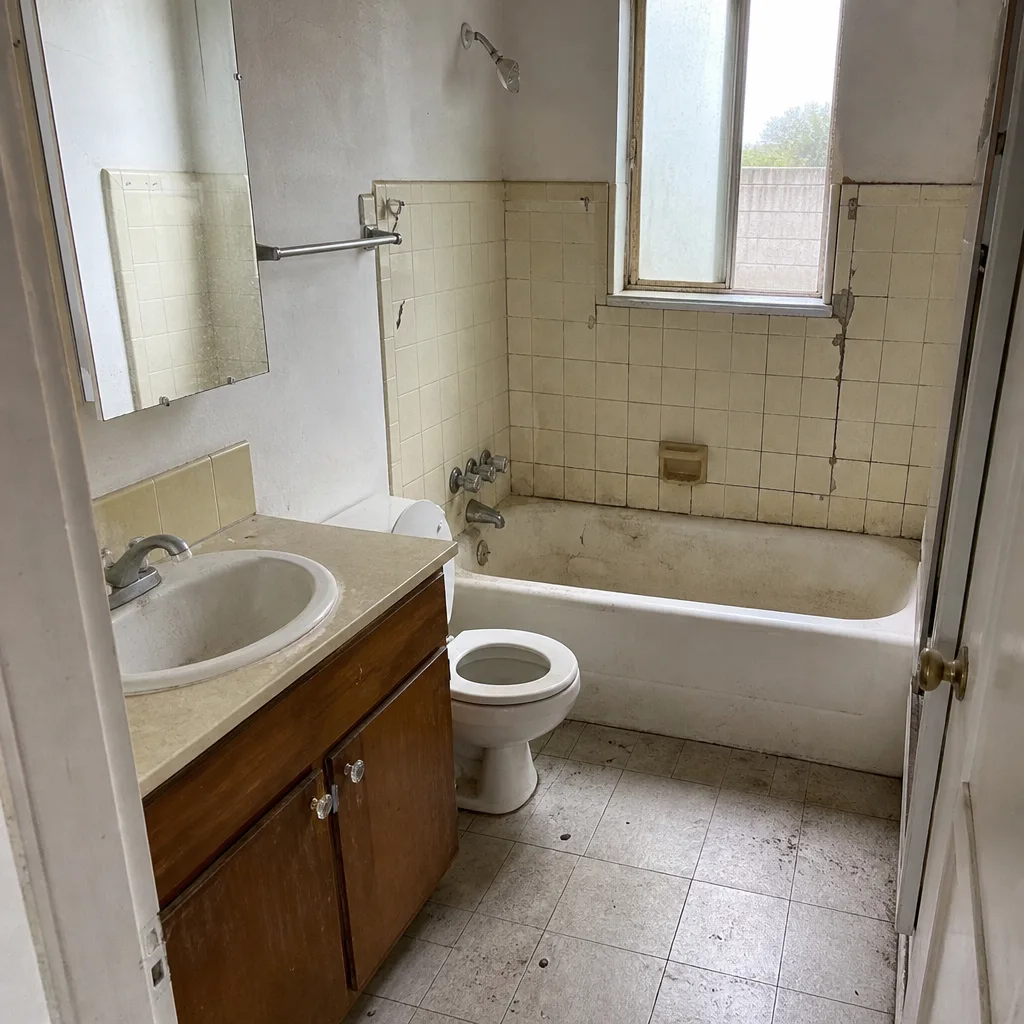 Before
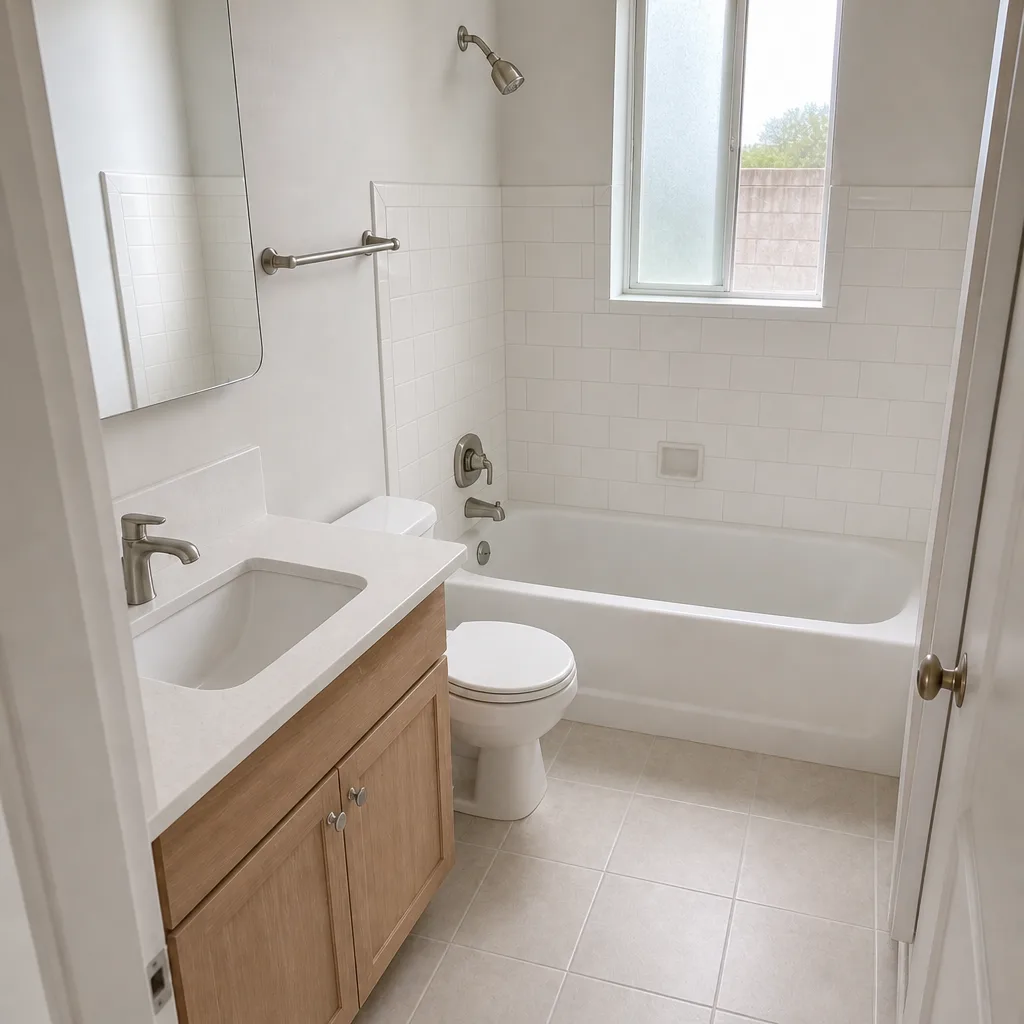 After
When to Call a Professional
Call a professional contractor when your kitchen remodel involves moving a gas line, adding an electrical circuit, opening a wall, or anything that touches LADBS code. Those aren’t weekend projects, and an unpermitted change can cost more to fix than it saved. Call us if you’ve been quoted a timeline without a written schedule, if your current project has gone quiet, or if you need a real number before you commit. Bradford Remodeling Co Los Angeles offers free estimates in Los Angeles – call (844) 343-6681 to schedule yours. Every estimate comes with a written price before work starts and a schedule with real milestones, backed by The Garrison Standard and covered by the 365-Day Done Right Promise.
Frequently Asked Questions
A kitchen remodel in Los Angeles typically takes 6 to 14 weeks of construction, plus 3 to 6 weeks of permitting before work begins. The variance comes down to whether the cabinets were ordered before demo and whether the permits were pulled in advance. Call (844) 343-6681 for a written timeline on your specific kitchen.
Nine times out of ten, the project stalled because cabinets were ordered after demolition or the permit wasn’t secured first. Those two decisions set the timeline before the work starts, and a verbal schedule hides them. A written milestone schedule with dates you can check is the fix. Call (844) 343-6681 to get one in writing.
Yes, most kitchen remodels in Los Angeles require LADBS permits, especially if you’re moving electrical, plumbing, gas, or walls. Plan check adds 3 to 6 weeks and the rough-in must pass inspection before drywall goes up. Permits pulled and inspections passed are a line item on every job we bid. Call (844) 343-6681 to talk through your scope.
Semi-custom cabinets take 6 to 12 weeks from order to delivery. That’s why the order belongs in pre-construction, before demolition, not after. The cabinet delivery date is the anchor most of the rest of the schedule hangs on. Call (844) 343-6681 for a written estimate that names the lead time.
Not on a Bradford job. You get a written price before any work starts, and the number doesn’t move at the door. If a discovery inside the wall genuinely changes scope, we document it and price it in writing before touching it. That’s what The Garrison Standard means. Call (844) 343-6681 to schedule a free estimate.
We can usually schedule an estimate in Los Angeles within a few days of your call, and you’ll get a written price with a line-item scope. A live person answers the phone around the clock, not a voicemail. Call (844) 343-6681.
The Bottom Line
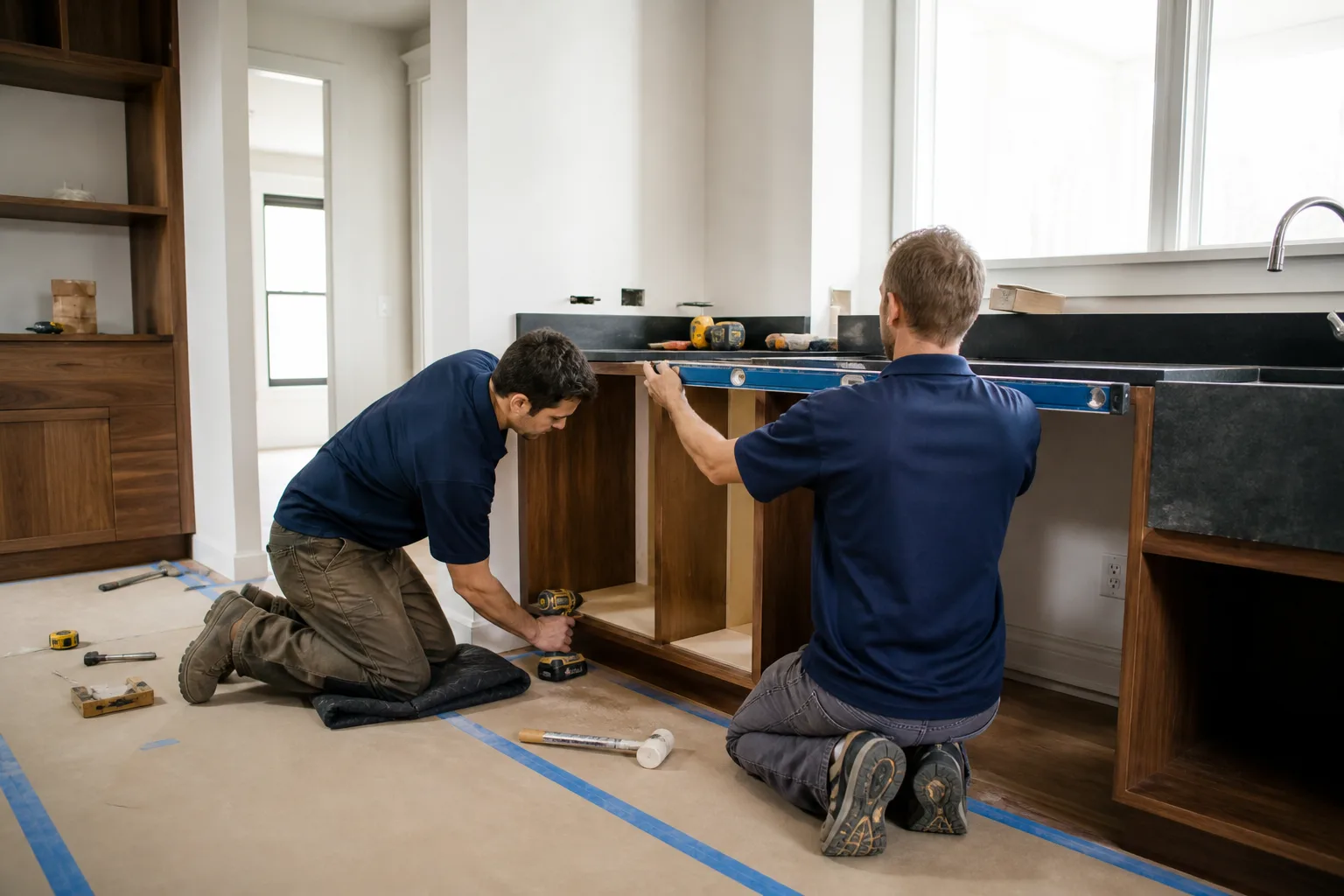
A kitchen remodel’s timeline is set before demolition begins, at the permit pull date and the cabinet order date. Get those two right and the trade sequence falls into place; get them wrong and no amount of hard work on the job site will save the schedule. A written milestone schedule with real dates is the single best tool a homeowner has, and it’s what you should ask for before you sign anything. In Los Angeles, that’s also the line between a 6-week job and a 14-week one. See our Bradford Remodeling Co Los Angeles home page for how we run every build. Call (844) 343-6681 to schedule your free estimate – the price and the schedule both come in writing, and the work is covered by the 365-Day Done Right Promise.
Written by the team at Bradford Remodeling Co Los Angeles.