Last updated November 17, 2026
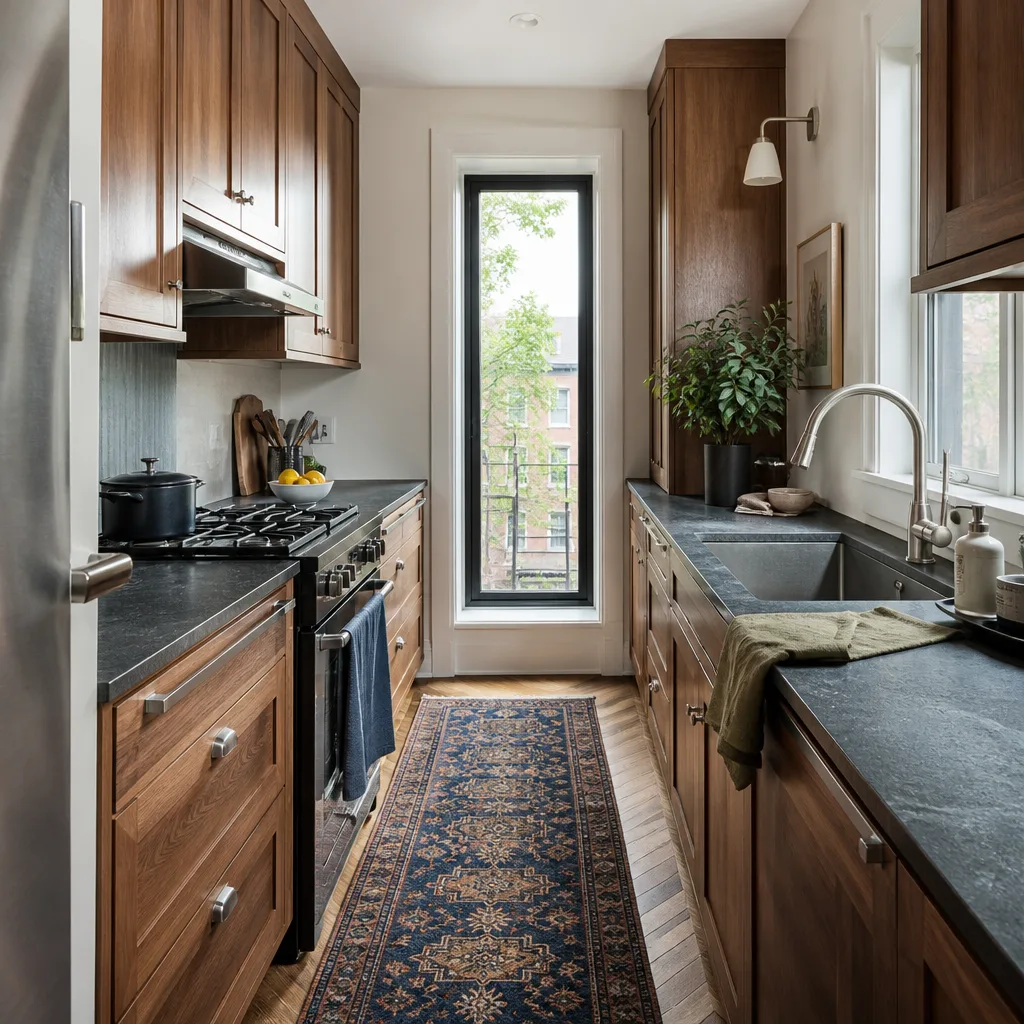


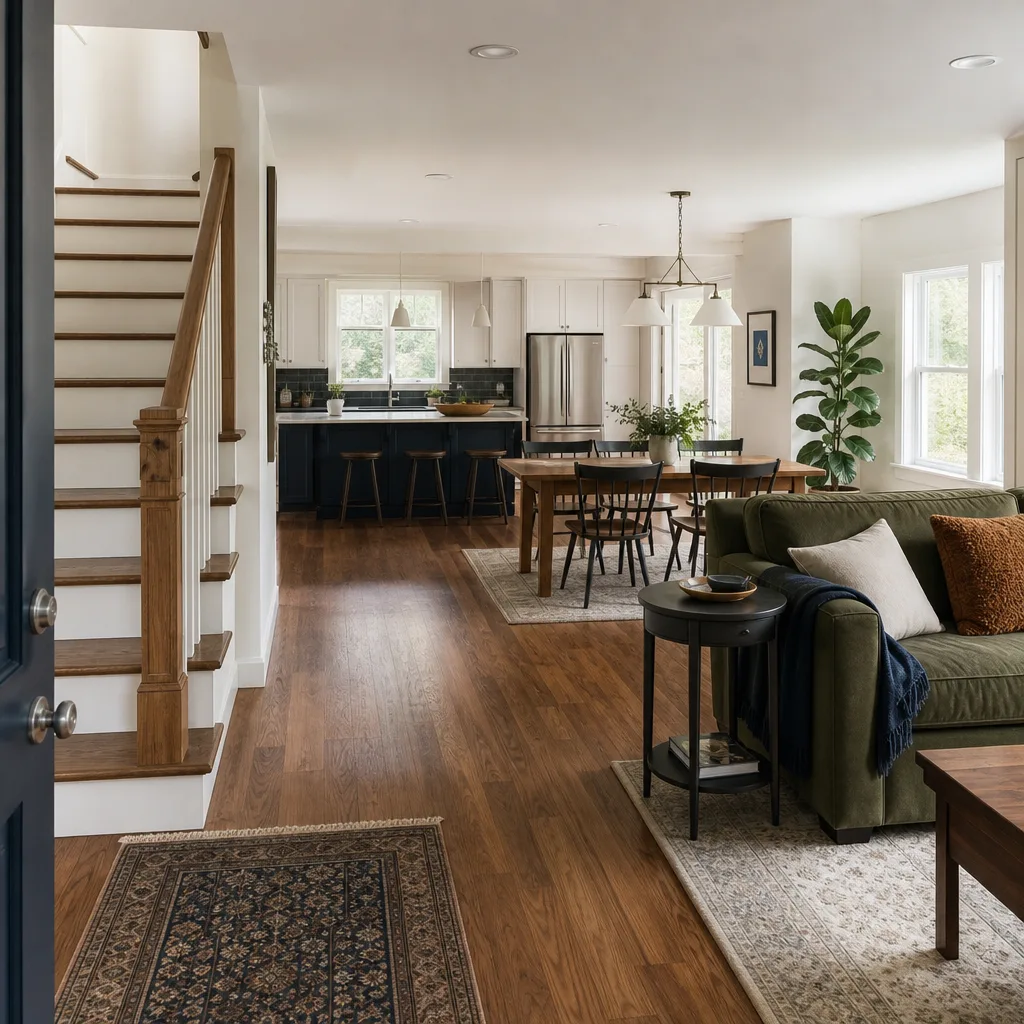
Free written scope consultation - allowances, timeline, and change-order rules on paper before a single trade is scheduled
DIY vs Professional Kitchen Remodeling: What’s Safe to Do Yourself
Painting your kitchen cabinets is a great weekend project. Moving a gas line six inches to clear a new range position is a job that requires a licensed plumber, a permit, and an inspection – and homeowners do it themselves every weekend in Los Angeles without knowing the insurance consequence. That’s the real line in a kitchen remodel, and it isn’t about how handy you are. It’s about what gets inspected. Work behind the walls that never gets inspected is work you’re personally liable for, and in a kitchen, almost everything behind the walls matters. This guide lays out exactly what you can do yourself in Los Angeles, what requires a permit, and where DIY quietly costs you more than hiring out.
Quick Answer
In a kitchen remodel, you can safely and legally DIY painting, cabinet hardware, refacing, swapping light fixtures on existing circuits, backsplash tile, and caulking. Anything that touches a new electrical circuit, a gas line, a plumbing drain or vent, or structural framing requires a permit and a licensed trade in Los Angeles. If the work needs an inspection, it’s not a DIY job – it’s a liability you’re taking on personally.
Styles & brands we work with
- Kitchen remodeling
- Bathroom remodeling
- Home additions & ADU
- Roofing
- Windows & doors
- Driveway & pavers
- Fence
Table of Contents
- What kitchen work is safe to DIY in Los Angeles?
- Where’s the exact permit threshold for a Los Angeles kitchen?
- Why is DIY electrical in a kitchen specifically high-risk?
- Can you act as your own general contractor in Los Angeles?
- What happens at resale and insurance with unpermitted kitchen work?
- What does DIY actually save vs. cost in the Los Angeles market?
- Common mistakes to avoid
- When to call a professional
What kitchen work is safe to DIY in Los Angeles?
The safest DIY list in a kitchen is shorter than most homeowners expect, but it’s real. These tasks are legal without a permit, insurance-neutral, and don’t put anyone in danger if you follow the manufacturer’s instructions. We’ve watched hundreds of Los Angeles homeowners knock out these pieces themselves and save meaningful money.
What’s on the safe list:
- Painting cabinets, walls, and trim. Prep matters more than paint. Degrease with a TSP substitute, sand to scuff, prime with a bonding primer, and use a cabinet-grade paint. Los Angeles’s dry summers and mild winters actually help – humidity swings are gentler than the Midwest, so paint cures predictably.
- Cabinet hardware – knobs, pulls, hinges. Swapping hardware means drilling new holes at consistent centers, which is a patience job, not a skill job.
- Cabinet refacing if you buy a kit with prefinished doors and veneer. This is a step above painting and doesn’t trigger a permit because you’re not touching the box, plumbing, or electrical.
- Swapping light fixtures on an existing circuit. Kill the breaker, verify with a non-contact tester, and swap like-for-like. This is legal for a homeowner in California on an existing switch leg. A new fixture that requires a new circuit is a different story.
- Backsplash tile on drywall with mastic. It’s craft labor, not trade labor.
- Caulking, grout refresh, and outlet cover swaps.
- Appliance swaps like-for-like (same voltage, same amperage, same rough-in). A new fridge or range in the same footprint doesn’t trigger a permit.
Notice what’s absent: anything involving water lines, gas, new circuits, or framing. That’s not modesty. That’s the permit line. Our team at Bradford Remodeling sees this exact boundary every week in kitchen remodeling in Los Angeles, and it doesn’t move based on how confident the homeowner feels.
Where’s the exact permit threshold for a Los Angeles kitchen?
If a project touches any of the four items below, it needs a permit from the Los Angeles Department of Building and Safety (LADBS). This isn’t our opinion; it’s the code. The homeowner can pull some of these permits as an owner-builder, but the work still must be done by a licensed trade or inspected by the city.
The four triggers:
- Any new electrical circuit. Adding a dedicated 20-amp circuit for a microwave, a 240-volt line for a range, or a circuit for a dishwasher – all require permits and inspection.
- Any gas line relocation or new gas appliance connection. Even moving a line six inches to clear a new range position. Gas work in Los Angeles requires a licensed plumber and a pressure test that only a city inspector signs off on.
- Any plumbing drain or vent modification. Moving a sink two feet is a drain modification. Adding a pot filler is a water line modification. Both require permits and a licensed plumber.
- Any structural change. Removing a wall – even a partial “half wall” – opening a pass-through, or moving a door means a structural permit. In Los Angeles, if the wall might be load-bearing, you also need a structural engineer’s stamp for the plans.
Cosmetic work – paint, refacing, hardware, backsplash, and like-for-like fixture swaps – is exempt. That’s the whole line, and it doesn’t flex in Los Angeles or anywhere else in California. If a contractor tells you a new circuit “doesn’t need a permit because it’s a small job,” that’s your signal to walk. Our general contractor in Los Angeles team pulls permits on every job that requires one, and we can show you the paperwork before a tool comes out.
Why is DIY electrical in a kitchen specifically high-risk?
Kitchen electrical is the single highest-risk DIY category in the house. That’s not because 120 volts is unusually deadly – it’s because kitchens carry the highest load and the most water in the home, and the code reflects it. Three specific rules make DIY electrical in a kitchen a bad bet.
GFCI protection is required. Every kitchen countertop receptacle within six feet of a sink must be GFCI-protected. So must every receptacle serving a dishwasher, garbage disposal, or any countertop appliance. Skip the GFCI and you’ve built a shock hazard into the exact spot where you’ll be holding a knife next to running water.
Dedicated circuits are required for major appliances. Ranges, ovens, microwaves, dishwashers, disposals, and refrigerators each need their own circuit sized for the appliance’s nameplate rating. “Piggybacking” a new microwave onto an existing countertop circuit is the single most common unpermitted electrical shortcut in Los Angeles kitchens – and the fire investigator will find it if there’s ever a claim.
The inspection is the point. A licensed electrician pulls the permit, does the rough-in, and then the LADBS inspector verifies GFCI function, circuit sizing, wire gauge, and box fill before drywall goes up. That inspection record is what proves to your insurance carrier that the electrical was done to code. Without it, the work is unpermitted – and insurance companies deny claims on unpermitted work with surprising regularity.
This is a safety call, not a skills call. Even if you’re comfortable with 120 volts, an inspector won’t sign off on homeowner electrical work in Los Angeles without a licensed electrician’s involvement on the rough-in. Our Bradford Remodeling Co Los Angeles home team treats kitchen electrical as the one category where the answer is always: hire out.
Can you act as your own general contractor in Los Angeles?
Yes. California allows a homeowner to act as their own general contractor on their own residence. You can pull an owner-builder permit, hire licensed subs directly, coordinate the schedule, and manage inspections yourself. It’s legal, and it’s the way a meaningful number of Los Angeles kitchen remodels actually get built.
Here’s what you’re taking on as your own GC:
- Pulling permits in your name. You become the “contractor of record” for the city. That means the inspector calls you, not a contractor, and every correction is your correction to chase.
- Sequencing trades. Demo, rough plumbing and electrical, inspection, insulation, drywall, cabinet install, countertop template, backsplash, trim, paint, final inspection. Twelve steps minimum, and each trade waits on the one before it.
- Carrying the risk. If a licensed sub damages something or walks off the job, you don’t have a GC’s contract to fall back on. You have your own contract with that sub, and enforcing it is on you.
- A 10% labor savings, roughly. In the Los Angeles market, a general contractor’s markup runs around 15-25% of the total job. DIY-GC saves you most of that markup on labor, but you’ll burn 40+ hours of your own time and eat the scheduling delays.
Where homeowners get burned as their own GC isn’t the trades – it’s the schedule. One sub shows up two weeks late, the next sub has moved on to another job, and a 6-week kitchen becomes 14 weeks. Our bathroom remodeling in Los Angeles clients often tell us they ran their own kitchen first and won’t do it again. The math works until it doesn’t.
What happens at resale and insurance with unpermitted kitchen work?
California requires you to disclose, in writing, any known material defect or unpermitted work on the Transfer Disclosure Statement when you sell. Unpermitted kitchen work is a material fact. You cannot skip it, and buyers’ agents in Los Angeles know to pull LADBS permit history on any kitchen listed as “recently remodeled.” If the permit log doesn’t match the finished work, the deal gets renegotiated or cancelled.
The insurance side is worse. Here’s the scenario that catches people:
- Homeowner DIYs a 240-volt range circuit, no permit, no inspection.
- Three years later there’s a kitchen fire traced to the circuit.
- The insurance carrier investigates, finds the unpermitted work, and denies the claim – or covers only the portions of the loss that weren’t caused by the unpermitted work.
- The homeowner discovers too late that their policy excludes unpermitted electrical.
The same logic applies to a gas line relocation: an undetected leak is a catastrophic claim, and “we didn’t know it needed a permit” doesn’t survive contact with an adjuster. At resale, the buyer’s lender may also require the work be permitted and inspected as a condition of financing, which means retroactive permitting on already-finished work – generally more expensive than the original job.
Permits aren’t paperwork. They’re the record that proves the work was done right, and they’re what both the buyer’s agent and the insurance carrier will check. Our technicians have up to 22 years of experience, and every kitchen project we finish includes the signed LADBS permit and inspection cards in the close-out package – so when you sell, the record is clean.
What does DIY actually save vs. cost in the Los Angeles market?
Here’s the honest math, using Los Angeles labor rates and a mid-range kitchen remodel as the benchmark. Numbers below reflect the LA market as of this writing – your specific quote will vary by scope.
- Cabinet painting: DIY paint + supplies for a 20-foot kitchen run runs $300-$600. Pro refacing or painting: $2,400-$5,500. Savings: real.
- Backsplash tile: DIY materials for 40 square feet: $250-$500. Pro install: $1,200-$2,200. Savings: real, if you can live with your grout lines.
- Light fixture swap (existing circuit): DIY: $80-$200 for the fixture. Pro: $250-$450 installed. Savings: modest.
- A new dedicated 20-amp circuit: DIY is not legal for a homeowner without a licensed electrician and inspection. Pro installed: $600-$1,400 depending on run length and panel capacity.
- Gas line relocation: Not a DIY option. Licensed plumber + permit + inspection: $800-$2,000 in Los Angeles.
- Plumbing drain relocation: Same – licensed plumber required. $900-$2,500 depending on whether slab or subfloor.
- Acting as your own GC: saves ~15-25% of total project cost (typically $6,000-$18,000 on a $60,000 LA kitchen), at the cost of your time and risk.
What DIY costs when it goes wrong: an unpermitted electrical claim denial, a re-permit on finished work, or a rescinded sale. We’ve seen LA homeowners spend $4,000 retroactively permitting a DIY rough-in that cost them $600 to do. The savings on the safe list are real and worth taking. The savings on the not-safe list is an illusion.
Common Mistakes to Avoid
- Moving a gas line “just six inches.” Six inches is still a gas line relocation, and Los Angeles requires a licensed plumber and a pressure test. A leak behind finished drywall is a catastrophic scenario, not a fix-it-later scenario.
- Piggybacking a new appliance onto an existing circuit. The microwave doesn’t care that the countertop outlet “isn’t used much.” Every major appliance needs its own circuit, and the fire inspector will trace it back.
- Skipping the GFCI on a countertop outlet next to the sink. Required by code, easy to skip, and one of the highest-frequency shock hazards in a Los Angeles kitchen.
- Removing what turns out to be a load-bearing wall. In Los Angeles, walls are structural until an engineer’s stamp says otherwise. Removing a pass-through wall “for the open feel” without a structural permit is one of the most expensive mistakes we see.
- Thinking owner-builder permits make you exempt from the trades. You can pull the permit as an owner-builder, but the electrical, gas, and plumbing still must be done by a licensed trade and inspected. The permit doesn’t waive the license.
- Refacing cabinets without fixing the box. If the cabinet boxes are water-damaged or out of square, refacing just locks the problem in. In Los Angeles, we see this most often in kitchens that had a slow drip under the sink for years.
- Not documenting the permit history for resale. Keep your LADBS permit cards, inspection sign-offs, and the final inspection record with your home paperwork. Buyers’ agents will ask, and the record is what closes the sale.
See the difference
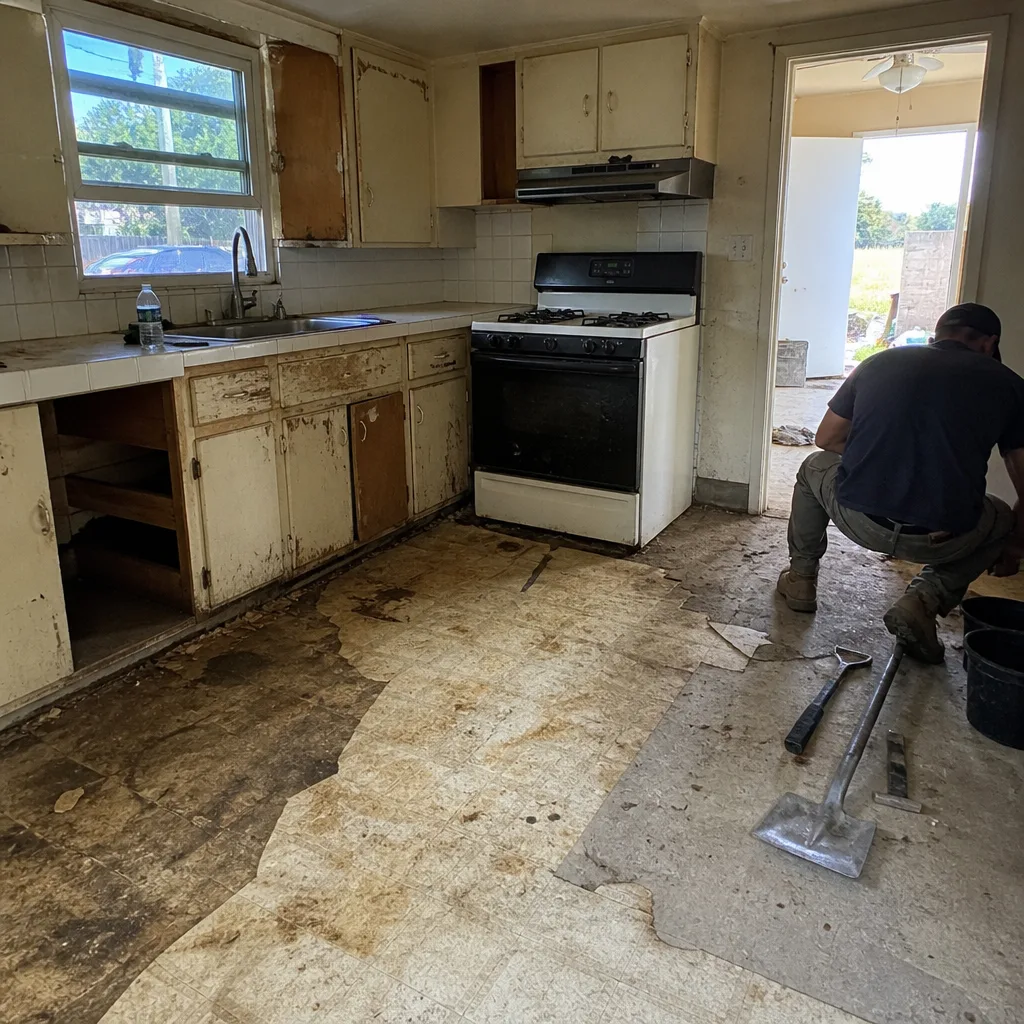 Before
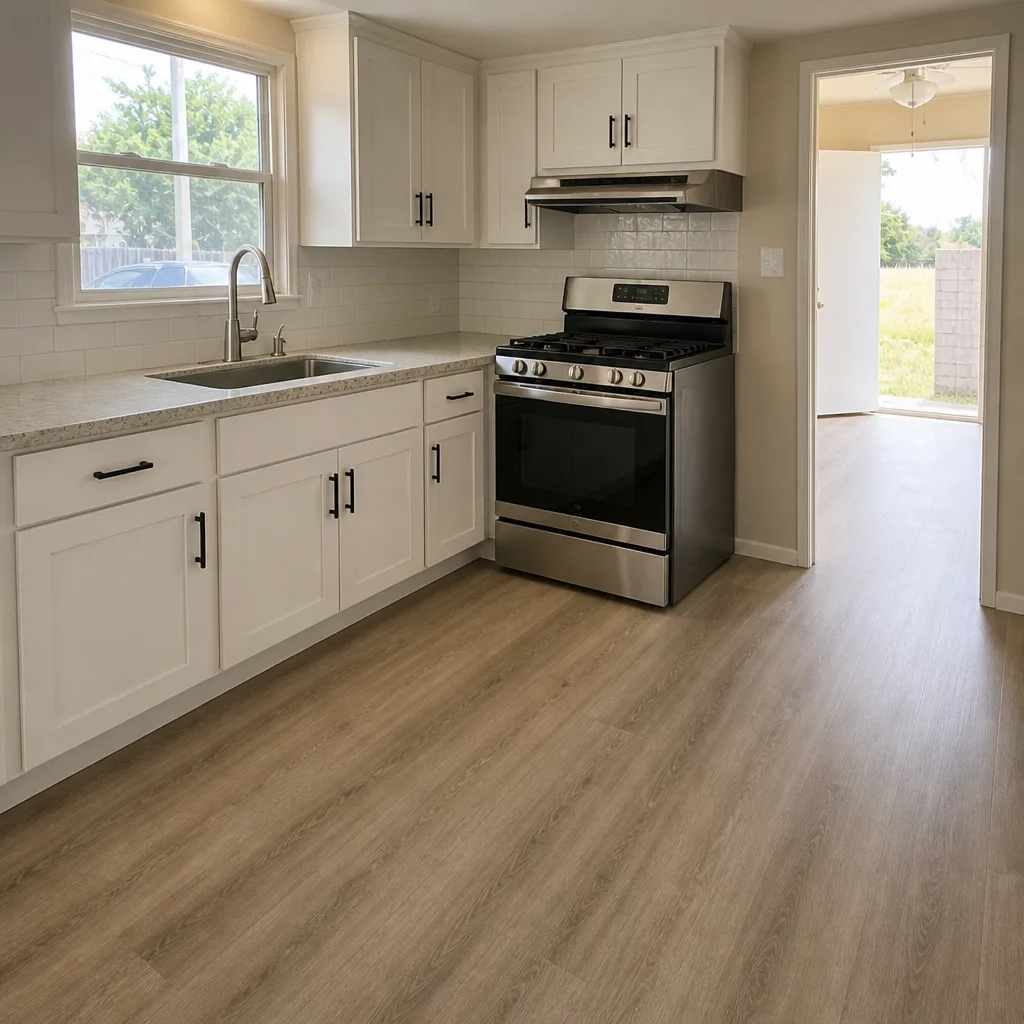 After
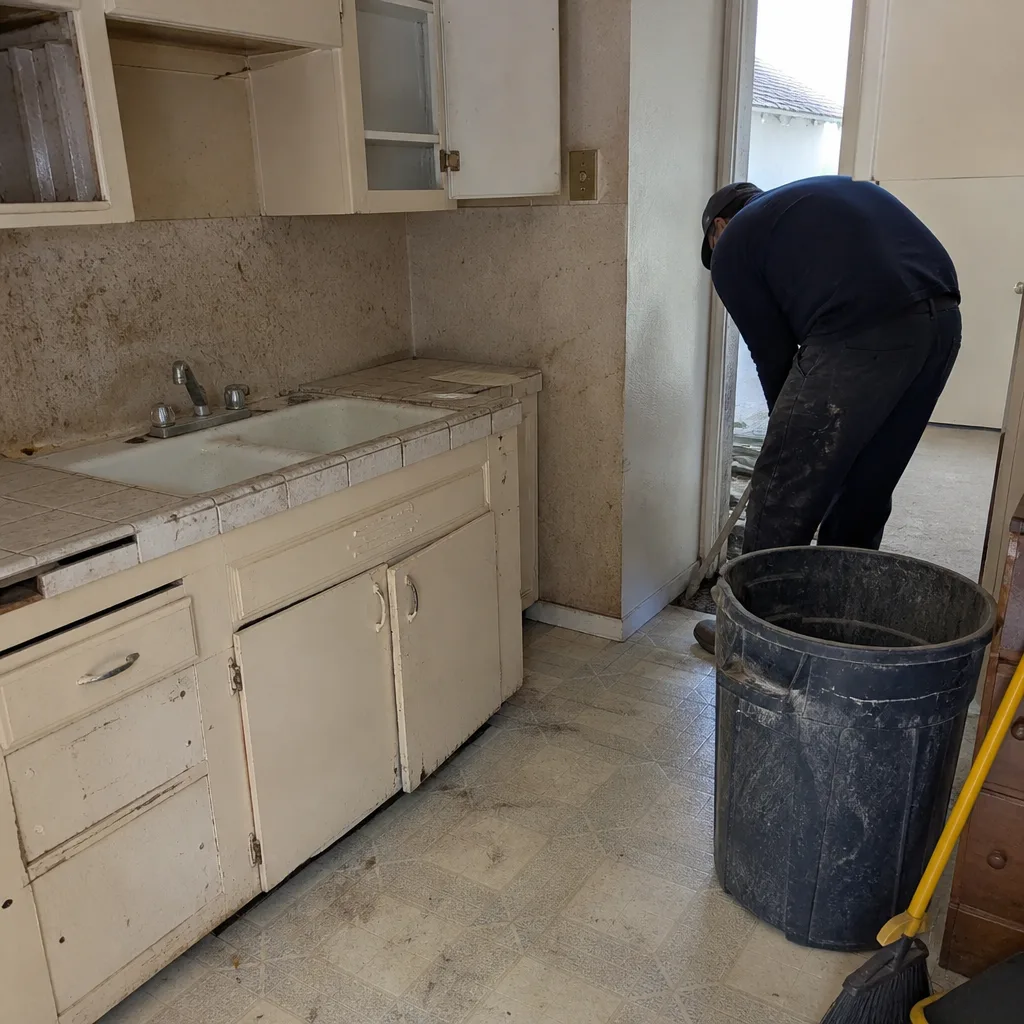 Before
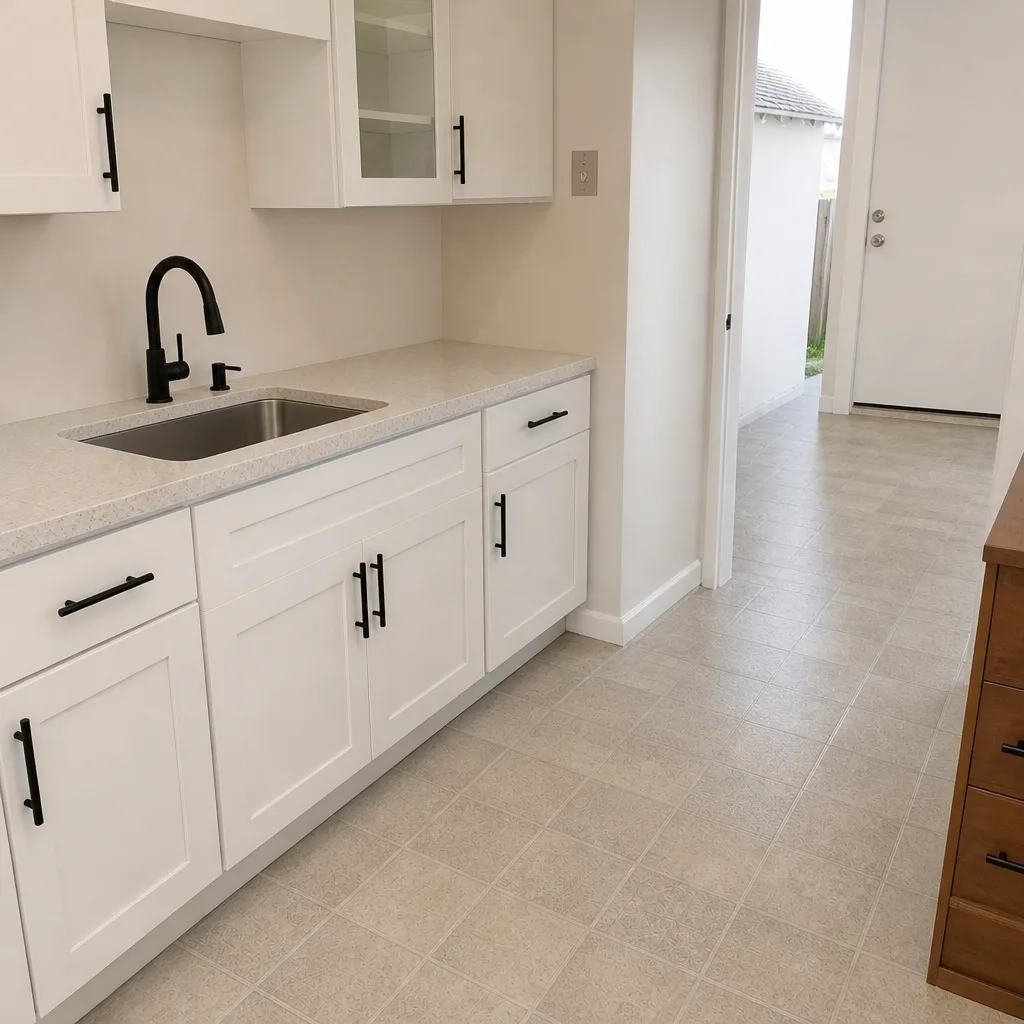 After
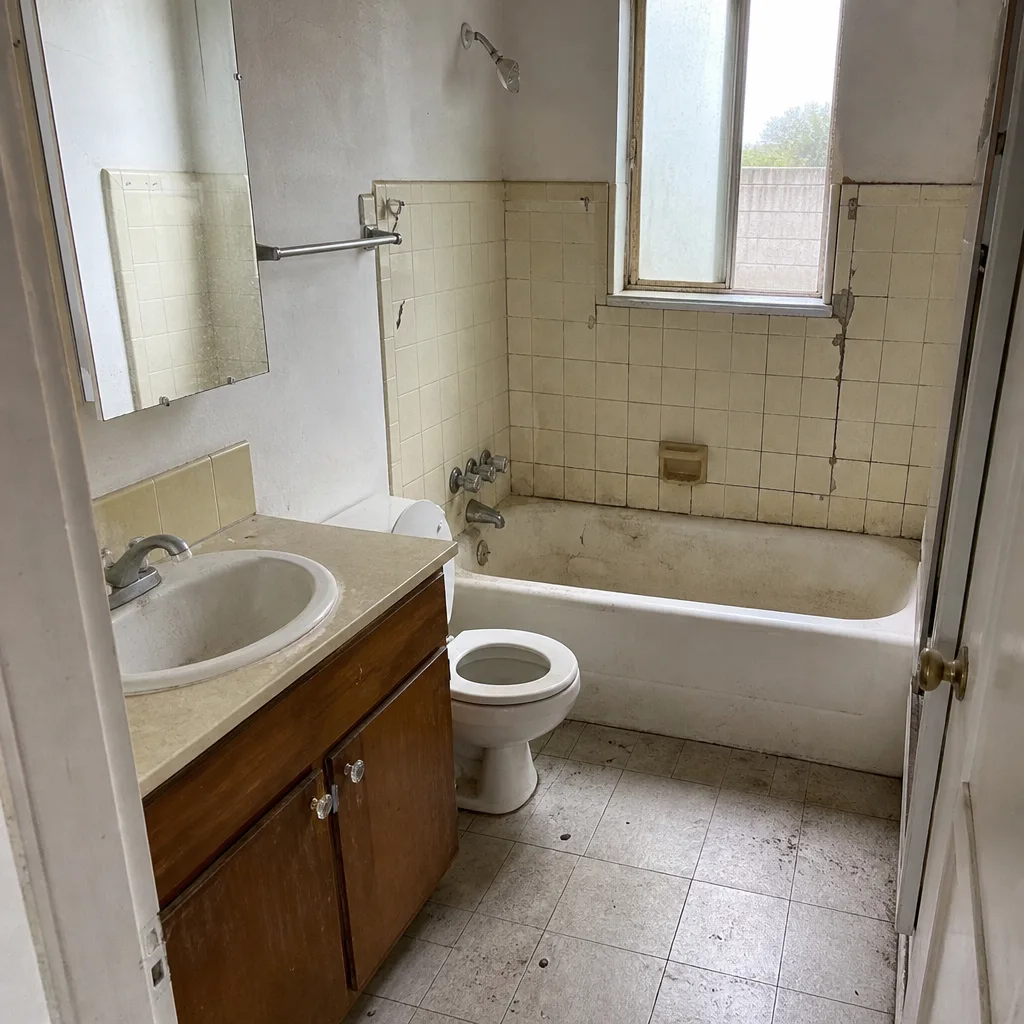 Before
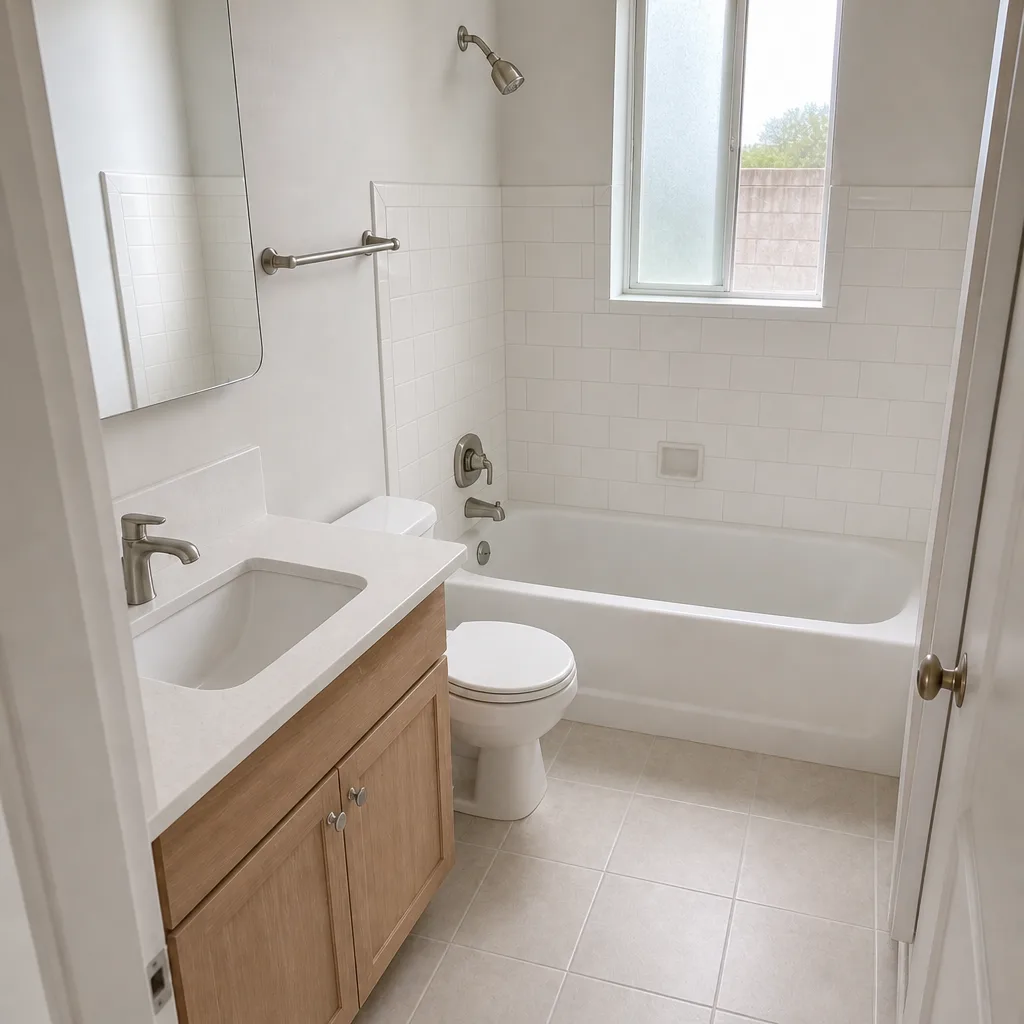 After
When to Call a Professional
Call a licensed pro the moment a project touches any of these: a new electrical circuit, a gas line (even a short move), a plumbing drain or vent, or any wall that might be structural. Those four categories require permits, licensed trades, and inspections in Los Angeles, and no amount of YouTube confidence changes the code. The same applies to anything you can’t put back in one weekend if you’re wrong – gas, water, and electrical especially. Bradford Remodeling Co Los Angeles offers free estimates in Los Angeles, with a written price before any work starts – call (844) 343-6681. Live person on the phone 24/7, no voicemail.
Frequently Asked Questions
You can legally DIY painting, cabinet refacing, hardware, backsplash tile, caulking, and like-for-like light fixture swaps on existing circuits. All of these are cosmetic or fixture-level tasks that don’t require a permit in Los Angeles. Anything requiring a new circuit, gas line, plumbing drain or vent, or structural change is not a legal DIY job and needs a permit with a licensed trade. Call (844) 343-6681 if you’re unsure whether your project crosses the line – we’ll tell you straight.
Yes, if it touches any of four things: new electrical circuits, gas lines, plumbing drains or vents, or structural elements. Cosmetic work (paint, refacing, hardware, backsplash) does not require a permit. The Los Angeles Department of Building and Safety issues the permits and inspects the rough-in before drywall closes the walls. Call (844) 343-6681 for a free estimate that includes the permit scope in writing.
No. Moving a sink means modifying the drain and possibly the vent, which requires a licensed plumber and a permit. Moving a range position typically means a gas line relocation – also licensed plumber only, also permitted, also inspected. Both are among the four categories homeowners cannot legally DIY. Call (844) 343-6681 for an honest read on what your specific move involves.
Your insurance carrier can deny the claim or limit coverage to the non-unpermitted portions of the loss. Unpermitted electrical work is a common exclusion trigger, and the adjuster will pull LADBS permit history during the investigation. The claim denial can be the difference between a covered rebuild and a personal liability you carry for years. Call (844) 343-6681 – our team pulls permits on every job that requires one and hands you the inspection cards at close-out.
Yes. California’s Transfer Disclosure Statement requires you to disclose known unpermitted work that could be a material fact to a buyer. Unpermitted kitchen work qualifies. Los Angeles buyers’ agents routinely pull permit history on remodeled kitchens, and a clean record closes faster and holds a higher price. Call (844) 343-6681 for a free estimate on permitted kitchen work.
You can save roughly 15-25% on total project cost by acting as your own GC in Los Angeles, but you take on the permit risk, the scheduling risk, and the liability if a sub walks or damages something. On a $60,000 kitchen, that’s $9,000-$15,000 in savings against months of your own time. Call (844) 343-6681 for a free estimate with a written price before any work starts – The Garrison Standard, no numbers that move at the door.
The Bottom Line
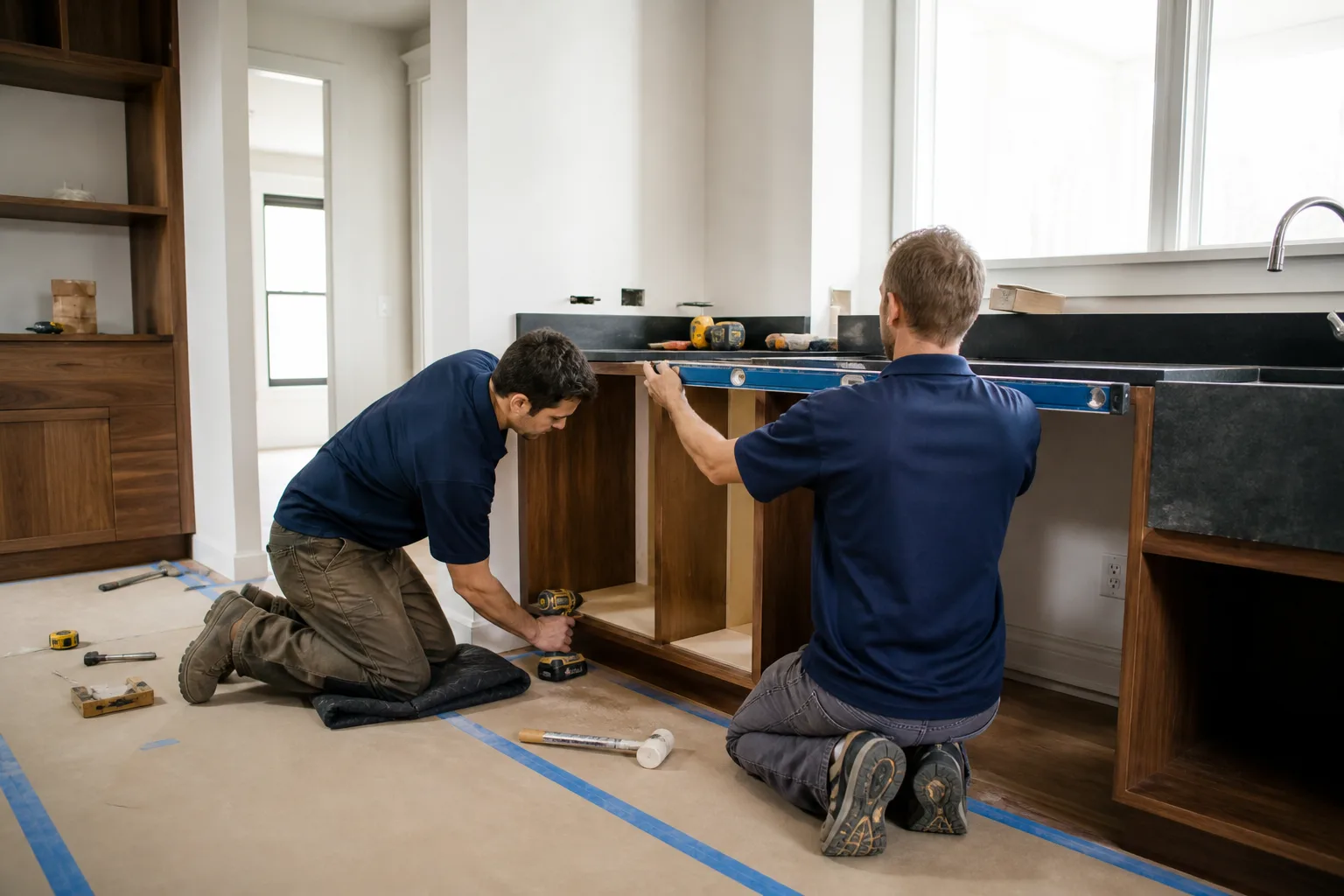
The line between safe DIY and dangerous DIY in a kitchen isn’t about skill – it’s about what gets inspected. Paint, reface, swap hardware, tile the backsplash, swap a light fixture on an existing circuit. Those are yours to keep. Any new circuit, gas line, drain, vent, or structural change belongs to the licensed trades, with permits and inspections that survive the day you sell. If you’re planning a Los Angeles kitchen remodel and want a written price before any work starts, backed by the 365-Day Done Right Promise – call Bradford Remodeling Co Los Angeles at (844) 343-6681 for a free estimate.
Written by the team at Bradford Remodeling Co Los Angeles.