Last updated November 17, 2026





Free written scope consultation - allowances, timeline, and change-order rules on paper before a single trade is scheduled
General Contractor Troubleshooting: Common Problems and How to Fix Them
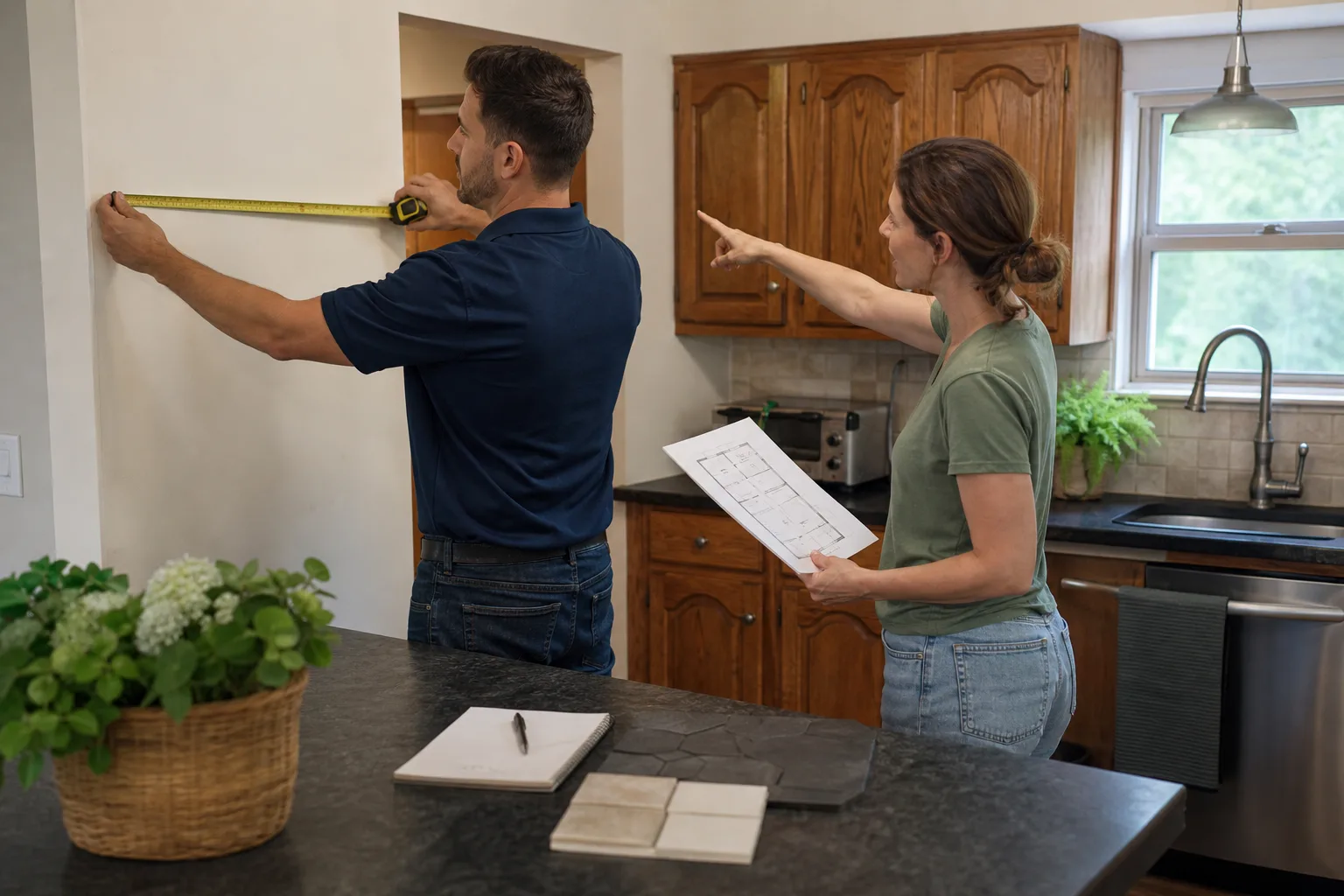
If your contractor and you disagree about what “finish carpentry included” means, you’re both right – because a vague contract makes you both right, and that’s the whole problem. In our experience across Los Angeles remodels, the dispute that lands on a homeowner’s kitchen island rarely starts with a bad builder. It starts with a scope-of-work document loose enough to let two people read the same line and picture two different finished rooms. This guide walks you through how to diagnose which kind of problem you actually have, the written notice language California law requires before you withhold a payment or terminate, how to build a punch list that holds up, and when a CSLB complaint beats small claims court. We’ll also show you how to document defective work so your photos and notes actually support your position instead of just expressing frustration. If you’re in Los Angeles and the job is still underway, the moves below can often save it before anyone calls a lawyer.
Quick Answer
First, identify whether your problem is a scope dispute (you and the contractor disagree about what was included), a quality dispute (the work was done but poorly), or a payment-sequencing dispute (you disagree about when money is owed). Each has a different resolution path. Second, put your concern in writing with a specific date, a specific contract line, and a specific fix you’re requesting. Third, never withhold final payment without written notice and a documented punch list – California Business and Professions Code § 7159 and the Contractors State License Board’s rules give you real leverage only if you use it in writing. For most Los Angeles homeowners, a clear written notice resolves the dispute before it becomes a legal fight.
Styles & brands we work with
- Kitchen remodeling
- Bathroom remodeling
- Home additions & ADU
- Roofing
- Windows & doors
- Driveway & pavers
- Fence
Table of Contents
- Diagnose the Dispute: Scope, Quality, or Payment
- Scope Disputes: When the Contract Is Vague
- Quality Disputes: Documenting Defective Work
- Payment-Sequencing Disputes and Written Notice
- Building a Punch List That Holds Up
- CSLB Complaint vs. Small Claims vs. Demand Letter
- Prevention: How to Write a Contract That Prevents Problems
- Frequently Asked Questions
Diagnose the Dispute: Scope, Quality, or Payment
Most contractor problems fall into one of three buckets, and each bucket has its own resolution playbook. Misdiagnosing yours is the single most common mistake we see – a homeowner fires a contractor over what turns out to be a scope gap that a two-page addendum would have fixed.
- Scope dispute: The work itself is fine, but you and the contractor disagree about whether it was included. Example: your contract says “tile and backsplash” without specifying that the backsplash runs to the ceiling. Contractor quotes the standard 18-inch splash, you pictured tile to the upper cabinets. Both readings are defensible because the contract didn’t specify.
- Quality dispute: The scope is agreed, but the execution is defective or below trade standard. Example: grout joints that vary from 1/8-inch to 3/8-inch across a single wall, or a shower pan that pools water instead of draining.
- Payment-sequencing dispute: You and the contractor disagree about when money is owed. Example: contractor ties a draw to “cabinet delivery,” you read it as “cabinet installation.” The cabinets are on the truck but not in the kitchen.
In Los Angeles, scope disputes stack up around two areas specifically: the fine-grain definition of “finish carpentry” (casing, base, crown, and shoe molding are often three separate line items in a good contract, and one line item in a bad one) and the boundary between cosmetic subfloor patching and full substrate replacement on homes built before 1980, where we regularly find split-tongue planks under the original tile in neighborhoods like Highland Park and Echo Park. Knowing which bucket your problem sits in tells you exactly which section below to read.
Scope Disputes: When the Contract Is Vague
Scope disputes are the most common contractor problem in California and the most fixable, because they don’t require anyone to have done bad work – they require a written addendum that clarifies the intent. Here’s the resolution path we walk homeowners through.
- Pull the contract and highlight the disputed line. Write out, word for word, what the contract actually says – not what you thought it said. Vague language (“industry standard,” “typical installation,” “matching materials”) is where disputes breed.
- Request a written addendum with a fixed price delta. Ask the contractor to propose the price difference for the interpretation you want. A good contractor prices the delta in writing within a few days. A contractor who refuses to write a number is already telling you something.
- Reference the governing standard if the contract is silent. If the contract says “industry standard,” the standard is usually the tile manufacturer’s installation instructions (ANSI A108) or the cabinet manufacturer’s spec sheet. Manufacturers publish specifics; vague contracts get resolved by pointing to them.
- Get the delta into a change order before work continues on that item. A change order is the trade’s word for a signed, priced amendment to the contract. Never let a verbal “we’ll sort it out at the end” govern finish work – that’s how disputes end up in small claims.
For a full scope outline of what a good contract should specify, see our general contractor Los Angeles page. If the scope at issue is a kitchen or bathroom, our kitchen remodeling Los Angeles and bathroom remodeling Los Angeles pages list the specific line items we recommend pinning down before anyone swings a hammer.
Quality Disputes: Documenting Defective Work
Quality disputes are different from scope disputes because you have physical evidence. The single most common mistake we see is homeowners photographing everything in one mass folder with no context – a judge or CSLB arbitrator can’t do anything with that. Here’s how to build a record that actually supports your position.
- Take a wide shot first, then a close-up. Every defect gets two photos: one showing where in the room it is (so the inspector knows which wall), one showing the specific defect. Include a ruler or tape measure in the close-up when size matters.
- Number the photos and log them in a spreadsheet. Columns: date, location, trade, description, photo number, contract reference. This is the document you’ll attach to a CSLB complaint or a demand letter.
- Write down what the standard is and why the work doesn’t meet it. “Grout joints inconsistent” is a complaint. “Grout joints vary from 1/8-inch to 3/8-inch across the east wall of the primary bath; manufacturer spec calls for a uniform 1/8-inch joint” is evidence. Cite the manufacturer, the code section, or the contract line.
- Request an inspection in writing and document the response. A contractor who shows up and fixes it is doing the right thing. A contractor who doesn’t respond in 10 business days – in writing – has given you evidence of non-responsiveness that will matter later.
In Los Angeles, quality disputes cluster around three specific issues: exterior stucco cracking (our dry-wet seasonal swings and Santa Ana winds stress stucco at the corners and around window openings), bathroom shower pan drainage (a pan that holds more than a quarter-inch of standing water after 30 minutes is defective, full stop), and paint adhesion on older plaster walls in pre-war homes. Each has a known standard and a known fix. If the work hasn’t started and you’re in the planning phase, our Bradford Remodeling Co Los Angeles home page outlines the written-price-before-work process we use on every job to keep these from arising in the first place.
Payment-Sequencing Disputes and Written Notice
Payment disputes are the ones that get lawyers involved, and they’re the ones where California law gives homeowners the most specific tools. Business and Professions Code § 7159 governs home improvement contracts and § 7159.5 governs the down-payment limits and payment schedules. The rule of thumb: never withhold a payment without written notice to the contractor, delivered the same day you withheld it.
The written notice should contain, at minimum:
- The date of the notice and the identity of the sender (you, on the property address).
- The specific contract line, draw number, or invoice being disputed – quote it.
- The specific factual reason for withholding (a quality defect, a scope gap not completed, a punch-list item unfinished).
- The specific corrective action you’re requesting and a reasonable deadline (10 business days is defensible for most residential work).
- What you’ll do if the corrective action isn’t performed (typically: bring in a third party to correct, and offset the cost from the withheld payment, with proper documentation).
Deliver the notice in writing – email with read receipt, or certified mail. Keep copies. In Los Angeles, where project schedules usually run long because of permit timing at LADBS (the Department of Building and Safety), homeowners sometimes assume a delay justifies withholding. Delay alone is usually not enough – the contract has to specify a completion date and a remedy for delay for withhold based on time to hold up. Withhold based on a documented defect or a documented scope gap, not on the calendar. And note that if the contractor properly recorded a mechanics lien, the withholding conversation changes shape – get the lien documented before you withhold further.
Building a Punch List That Holds Up
A punch list is the trade’s term for the final walkthrough list of items that aren’t finished or aren’t right. Done correctly, it’s the single most powerful document in the payment conversation, because it converts “it feels unfinished” into a numbered, photographable, signable checklist that final payment release ties to.
Here’s how to write one that a contractor can’t dispute and a CSLB arbitrator can act on:
- Schedule the walkthrough for daylight. Natural light reveals defects that incandescent doesn’t, especially paint and drywall taping. We walk punch lists in the morning, always.
- Walk the job one trade at a time. Cabinets, then electrical, then plumbing, then tile, then paint, then final cleanup. This prevents the list from becoming a jumble and prevents items from getting missed.
- Number every item, date it, and photograph it. “Item 14: pantry door rubs at top-left corner, does not close flush – see photo IMG_2431. Contractor to adjust hinge and re-check.”
- Add a specific completion date per item or for the whole list. “All punch items complete by [date]” is enforceable. “Complete at contractor’s earliest convenience” is not.
- Sign it – both of you. Both signatures turn the punch list into a written agreement to complete work. That’s the document you point to when final payment comes due.
- Tie final payment release to punch-list sign-off in writing. If the contract doesn’t already say so, add an addendum: “Final payment of $X held in escrow / released only upon signed punch-list completion.” A contractor who objects to this addendum is telling you something about their prior experience with their own punch lists.
In our experience, a job that ends with a clean, photographed punch list and a written final payment tie is a job that stays fixed inside the warranty window. That’s how our own year-long guarantee is structured – the 365-Day Done Right Promise puts the correction commitment in writing, and the punch list is the document the guarantee is measured against.
CSLB Complaint vs. Small Claims vs. Demand Letter
When direct conversation and written notice fail, you have three escalation paths. They’re not interchangeable, and the wrong path costs you months and money.
Demand Letter (Send First)
A demand letter is a written, dated, itemized summary of what you’re owed and what you’ll do if it isn’t paid or fixed. It’s the cheapest escalation and it works more often than homeowners expect – a contractor who’s been unresponsive to a text will respond to a letter that cites the contract and the specific legal claim. Cost: essentially free (no attorney needed, though a $100-300 attorney letter can move things faster). Timeline: 10-30 days for the contractor to respond.
CSLB Complaint (For License and Conduct Issues)
File with the Contractors State License Board when the issue is licensing, unlicensed work, abandonment, or a pattern of bad conduct. CSLB has real teeth – it can suspend or revoke a license, and it can order restitution through its arbitration process (for certain claims, typically under $50,000, and if the contractor’s license is active). File online at the CSLB website. Timeline: CSLB acknowledges within about 10 days, but the investigation can run 3-6 months and sometimes longer for complex cases. The good news: you don’t need a lawyer, and CSLB’s arbitration (when applicable) is faster and cheaper than Superior Court. The bad news: CSLB can only help if the contractor is licensed. If they’re unlicensed, the answer is usually small claims or a demand letter.
Small Claims Court (For Dollar Recovery)
Small claims in California is for claims up to $12,500 for individuals (as of 2024). It’s fast, cheap, and you don’t need a lawyer. For most contractor disputes under that amount, small claims is often the faster, cleaner path – you get a court judgment and, with proper documentation, a collection order. Timeline: filing to hearing is typically 30-70 days in Los Angeles County Superior Court small claims divisions, and judgment is usually issued the same day as the hearing. The downside: you have to be in court, you have to have your documentation airtight, and you may have to enforce the judgment yourself afterward.
Our rule of thumb: demand letter first (always), small claims if the number is under the limit and the contractor is unresponsive, CSLB if the contractor is licensed and the issue is conduct or a pattern. You can do all three; they don’t block each other. For a broader view of how we approach disputes and remediation, see our general contractor Los Angeles page.
Prevention: How to Write a Contract That Prevents Problems
The best troubleshooting guide is a contract written so problems don’t rise. Whether you’re hiring us or someone else, here’s the language we recommend every homeowner insist on before signing. In our experience, a contract with these elements in it is the contract that stays out of court.
- Named brands and model numbers, not categories. “KraftMaid” not “semi-custom cabinets.” “Cambria” or “Caesarstone” not “quartz.” “GAF” or “James Hardie” not “shingles.” When a line item names the manufacturer, there’s no argument about what got installed.
- Line-item pricing – not a lump sum. A good contract prices rough demolition, framing, rough-in, drywall, finish, and cleanup separately. That way a scope gap shows up immediately, not at close.
- Written change-order procedure. How long does it have to be priced? How long does the homeowner have to approve? What’s the language for “work will not proceed on a changed item until a change order is signed”?
- Payment schedule tied to specific milestones – not “half on signing, half on completion.” Milestones are physically verifiable.
- Punch-list and final payment release language. Final payment released on signed punch-list completion, with a specific time limit for the contractor to complete items.
- Warranty terms in writing. Our 365-Day Done Right Promise is the specific timeframe we write into every project: if the work fails within a year, we come back and correct it at no charge. Insist any contractor you hire put their warranty on paper with the same specificity – length of time, what’s covered, what isn’t, and what the remedy is.
- Documented materials and manufacturer warranties attached. Every installed product should come with its spec sheet and warranty registration at close.
Weather, permit timing, and the Los Angeles market create their own pressures – the city’s LADBS permit queue for even a mid-size kitchen can add weeks, and our dry rainy season/fire season swing makes exterior paint and stucco timing critical. A contract with firm completion dates and a remedy for delay protects you against both. But it’s the written-price and named-brand language that prevents the most disputes. It’s the whole reason we write the price before any work starts on every Bradford Remodeling job – no numbers that move at the door, ever.
See the difference
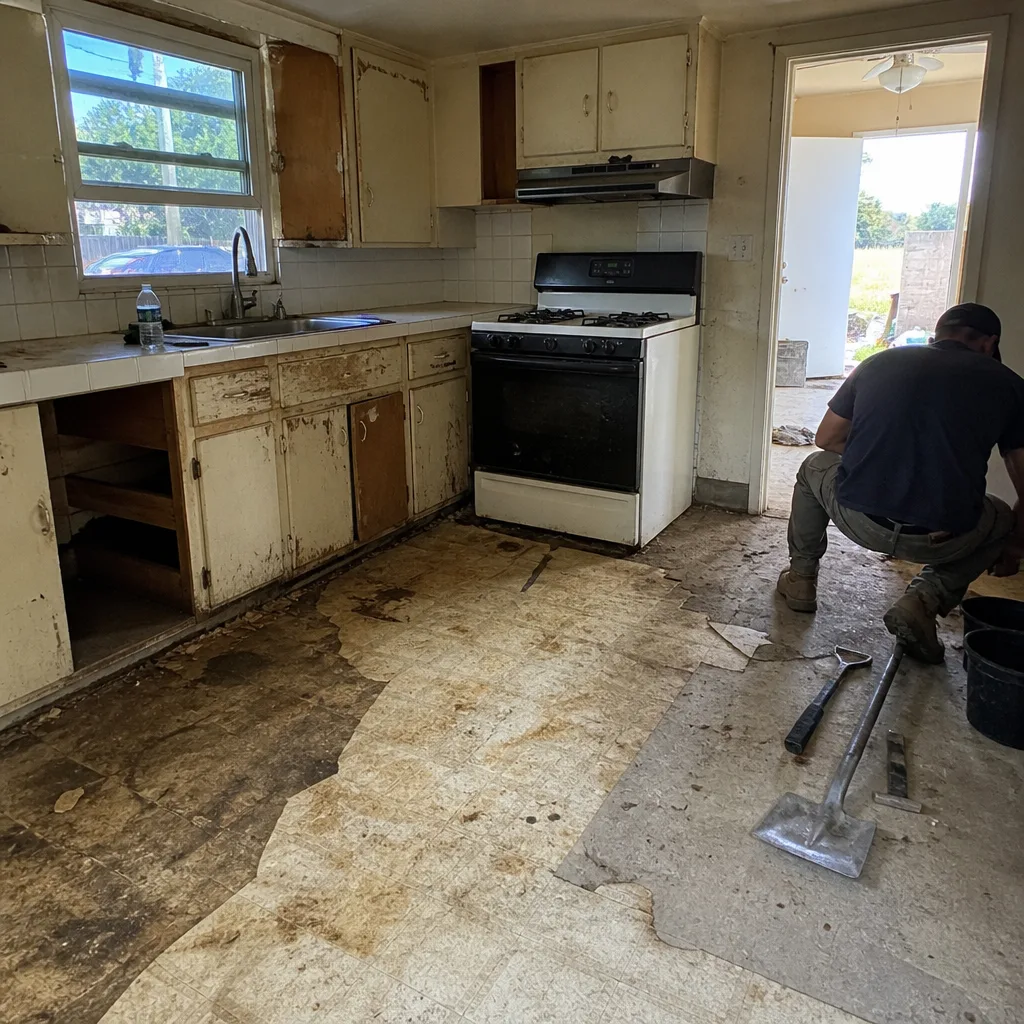 Before
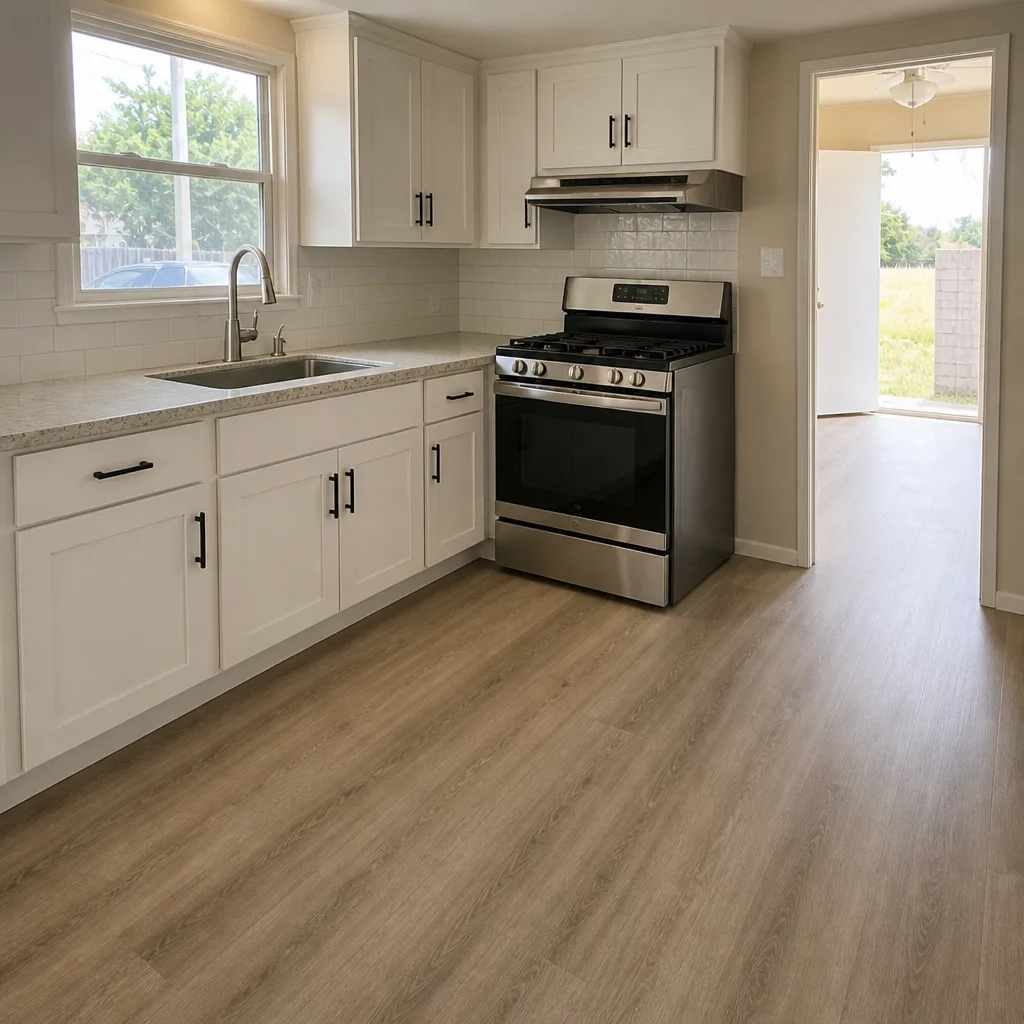 After
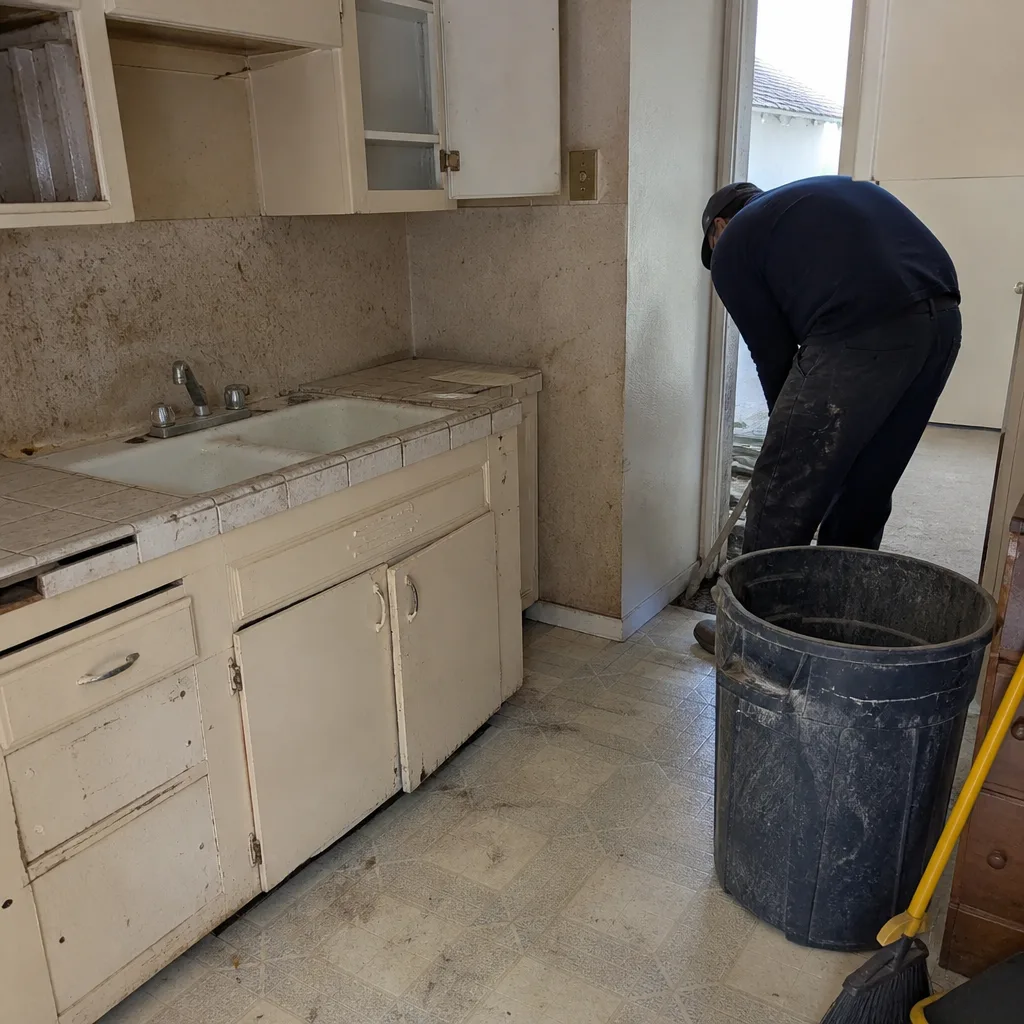 Before
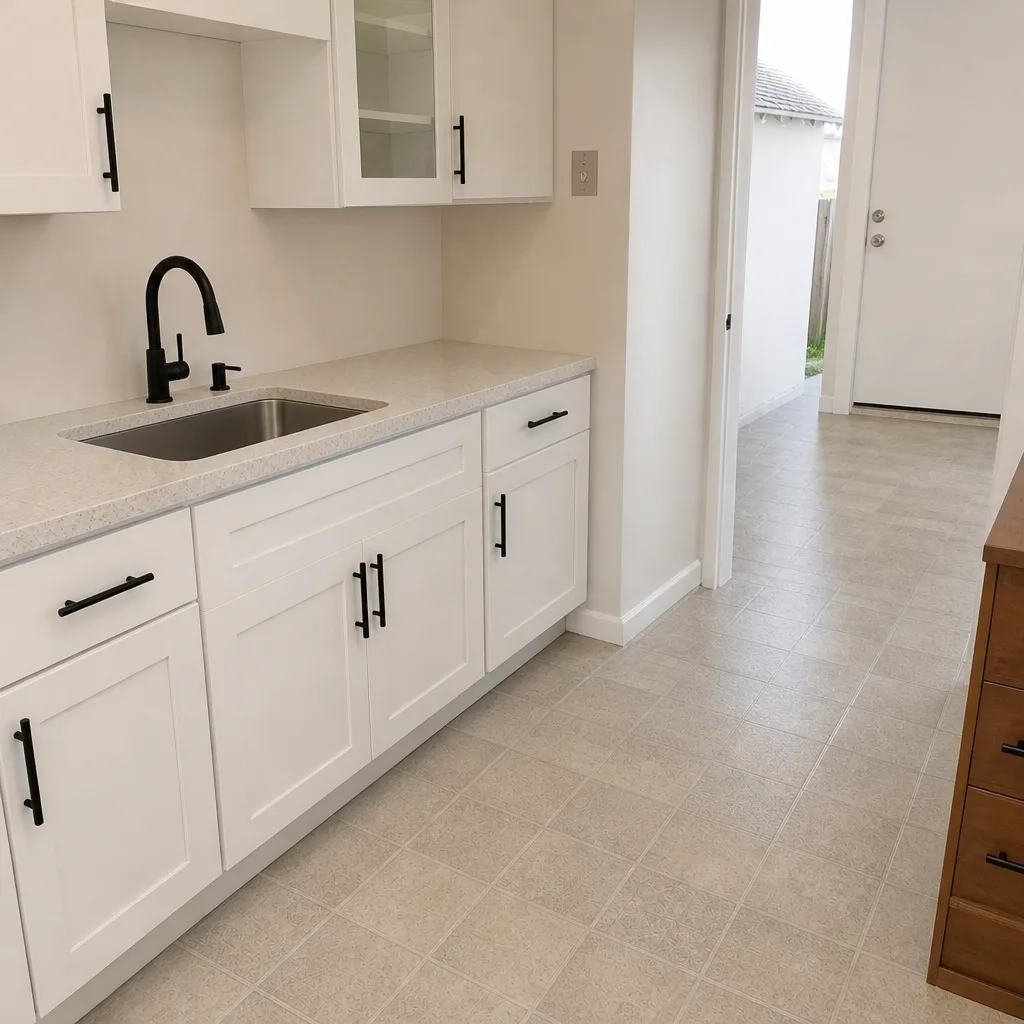 After
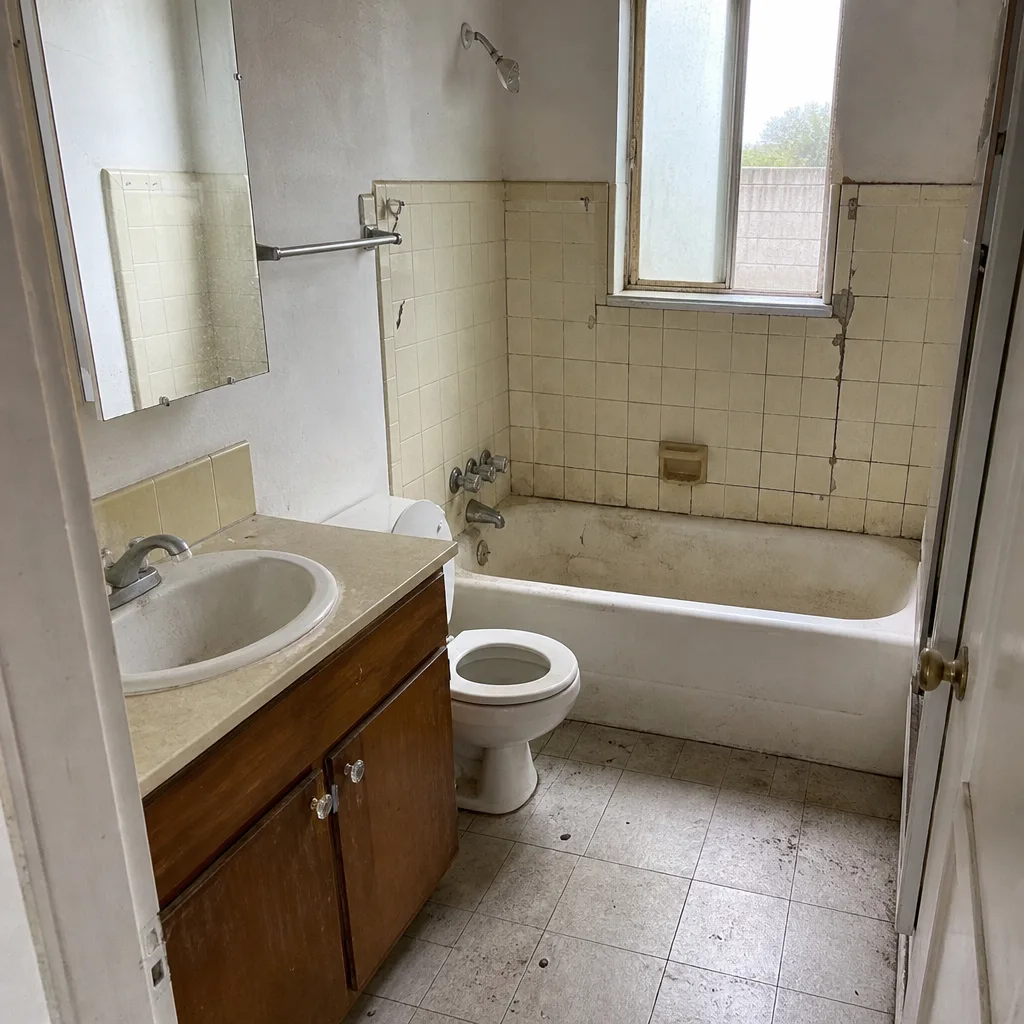 Before
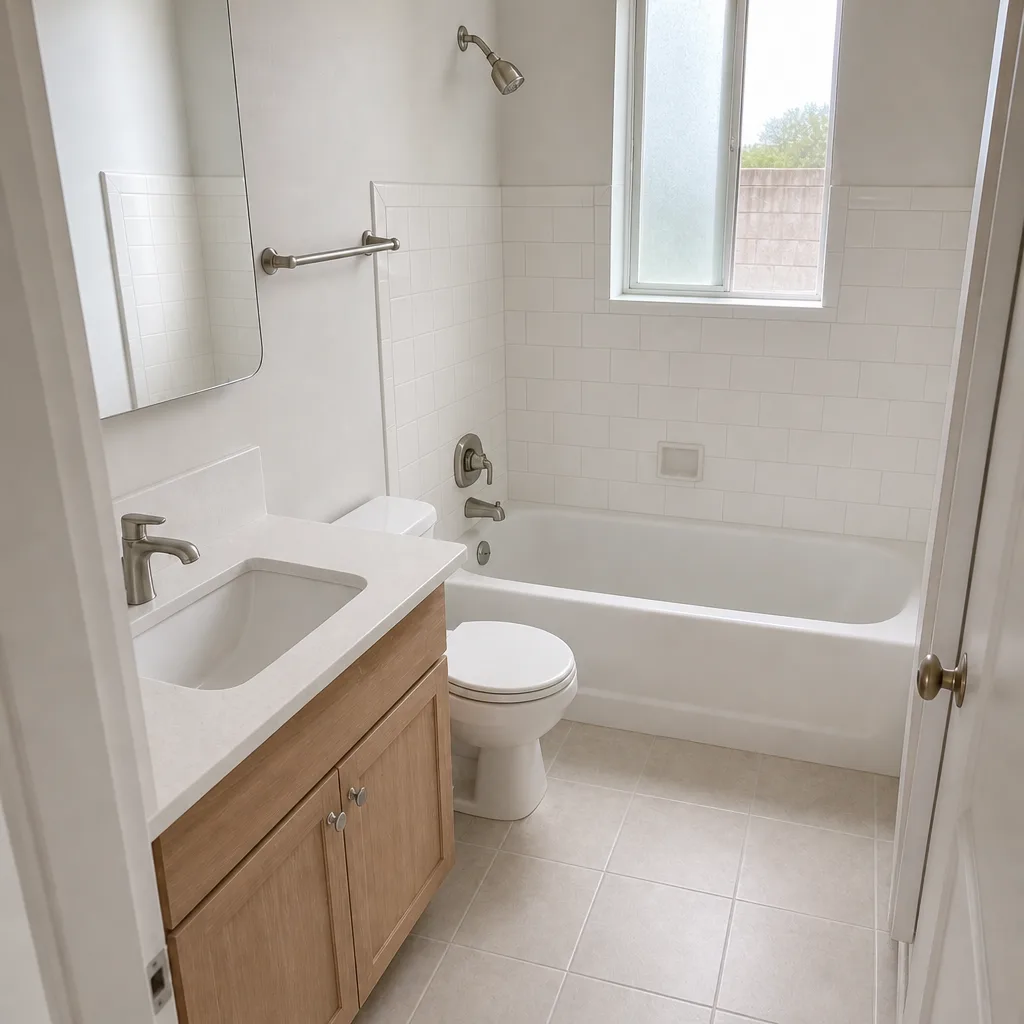 After
Common Mistakes to Avoid
- Withholding payment with no written notice. In California, withholding without written notice weakens your legal position significantly. If you hold a draw, send the written notice the same day.
- Verbal change orders. “We’ll sort it out at the end” is how finish-work disputes get expensive. Every change gets priced and signed before work on that item begins.
- Photographing in one mass folder with no numbering. A judge or CSLB arbitrator can’t act on a photograph they can’t locate to a room, a date, and a contract line. Number and log every photo.
- Firing a contractor before the punch list is signed and documented. If you fire without a signed punch list, you lose the strongest document you had. Sign first, fire after – or better, negotiate a fix first.
- Ignoring mechanics lien risk. If the contractor recorded a lien, withholding payment without first understanding the lien procedure can cost you more than the original dispute. Get the lien documented before you escalate.
- Trusting a handshake on warranty. “We stand behind our work” isn’t a warranty. A warranty is a written timeframe, a specific remedy, and a phone number that answers. Ours is 365 days, written, with a live person answering 24/7.
- Choosing a contractor on lowest bid in Los Angeles. Not because low bids are always wrong, but because a low bid with a vague contract is the exact combination that produces the disputes in this guide.
When to Call a Professional
Call a licensed general contractor before you escalate, not after. Specific scenarios that call for a professional assessment: your dispute involves water intrusion, structural framing, electrical rough-in, or gas lines, where the risk of an untrained person “just fixing it” is genuinely dangerous; you’ve received a mechanics lien and don’t understand the lien or the filing deadline; the contractor has abandoned the job mid-project; or a quality defect is structural or safety-related (spalling foundation, sagging beam, non-functional exit door). In each of these cases, a licensed contractor’s written assessment is worth more than a lawyer’s letter, and probably cheaper. Bradford Remodeling Co Los Angeles offers free estimates in Los Angeles for remediation and re-scoping – call (844) 343-6681 and a live person will pick up.
Frequently Asked Questions
Put the problem in writing to the contractor before doing anything else – a specific, dated email naming the contract line and the specific fix you’re requesting, with a 10-business-day deadline. This single step resolves a large share of disputes, and it establishes the written record you’ll need if it doesn’t. In Los Angeles, send it by email with read receipt and keep a printed copy.
Yes, but only in writing, and only for a specific documented defect or unfinished scope item – not for vague dissatisfaction or delay alone. California Business and Professions Code § 7159 governs home improvement contracts, and withholding without written notice weakens your position if the matter reaches CSLB or court. Send the notice the same day you withhold.
Number every item, date it, photograph it with a wide shot and a close-up, and quote the contract line it relates to. Add a completion deadline per item or for the whole list, and sign it along with the contractor. A signed, numbered, photographed punch list with a deadline is the most enforceable document in the dispute, and it’s the document final payment release should be tied to. Call (844) 343-6681 if you want a free estimate on a remediation or re-scope – a live person answers around the clock.
If your contractor is licensed and the issue is conduct, abandonment, or a pattern of bad work, file a CSLB complaint – CSLB can suspend or revoke a license and order restitution. If your contractor is unlicensed, small claims court is usually the faster path. If the amount is under the small claims limit, small claims often reaches judgment in 30-70 days. A demand letter typically comes first either way.
California doesn’t set a fixed number of days, so the answer is whatever your written notice specifies – we recommend a 10-business-day deadline for most residential defects, with a longer deadline for issues that require permit re-inspection. If the contractor doesn’t respond in writing within that window, you’ve documented non-compliance, which supports your escalation path. Call (844) 343-6681 for a free written estimate on the corrective scope.
Keep the signed contract, the written change orders, the payment schedule and receipts, the numbered and dated photo log, the written notice you sent, the contractor’s written responses (or evidence of non-response), the punch list with signatures, and any manufacturer spec sheets for installed products. That packet is the file you’ll use with CSLB, small claims, or an attorney – and it’s the file a responsible contractor should be able to produce on their side, too.
The Bottom Line
Most contractor disputes are born from a scope document too loose to hold both parties to the same reading. The fix is always written: written scope, written notice, written punch list, written warranty. Diagnose your problem correctly – scope, quality, or payment – and you’ll have the right resolution path from day one. Document defects with numbered, dated, photographed, contract-referenced records. Send the demand letter before you escalate. And when you’re hiring, insist on line-item pricing, named brands, a signed punch list, and a warranty in writing with a specific timeframe. That’s how we run every Bradford Remodeling job, and it’s how we’ve seen Los Angeles homeowners avoid the disputes in this guide. If you’d like a written price before any work starts, call Bradford Remodeling Co Los Angeles at (844) 343-6681 for a free estimate – a live person answers 24/7.
Written by the team at Bradford Remodeling Co Los Angeles.