Last updated November 17, 2026



Free written scope consultation - allowances, timeline, and change-order rules on paper before a single trade is scheduled
How to Hire a Construction Contractor in Los Angeles: A Step-by-Step Guide
The California Contractors State License Board logs more than 20,000 complaints a year, and the most common one isn’t outright fraud. It’s a contractor who holds a real license, just not the classification that covers the work they sold you. That’s the quiet failure point in hiring a construction contractor in Los Angeles: homeowners check that a license exists, then stop. This guide fixes the two steps most people skip, matching the license class to your actual scope and locking a finish date into a contract that legally obligates the contractor to hit it. We’ll walk through both, plus payment structure, subcontractor insurance, and what makes a written guarantee hold up.
Quick Answer
To hire a contractor in Los Angeles, verify the license classification against your specific project scope on the CSLB website, not just whether a license exists. Then sign a written contract that meets California Business and Professions Code 7159, includes a specific completion date, and ties payments to inspected milestones rather than calendar dates. The two failures that cost homeowners the most are a mismatched license class and a contract with no enforceable finish date.
Styles & brands we work with
- Kitchen remodeling
- Bathroom remodeling
- Home additions & ADU
- Roofing
- Windows & doors
- Driveway & pavers
- Fence
Table of Contents
- How do you check a contractor’s license class for your project?
- What must a California home improvement contract contain?
- How should you structure payments on a Los Angeles remodel?
- What should you ask about subcontractor insurance?
- How do you compare bids without getting fooled by the low one?
- What makes a written guarantee enforceable?
- Do you need to pull a permit in Los Angeles?
- How long does hiring take, start to signed contract?
How do you check a contractor’s license class for your project?
A Class B general contractor license is the one most homeowners see and assume covers everything. It doesn’t automatically. A Class B lets a contractor take a job involving two or more unrelated trades, but there’s a hard rule behind it: the contractor must hold specialty licenses (C-classifications) for any work they self-perform in a single trade over a set dollar threshold. Kitchen and bathroom remodels are exactly where this trips people up, because they combine plumbing, electrical, drywall, tile, and cabinetry.
What to do:
- Ask for the license number in writing before you discuss price.
- Look it up on the CSLB website and read the classification, expiration date, and any “license status” flags.
- Compare that classification to your scope. If you’re remodeling a kitchen with a gas line move and a panel upgrade, you’ll want to see who holds the specialty licenses for that work, whether it’s the prime or their named subs.
- Ask directly: “Who is doing the plumbing and electrical, and are they licensed separately?” Get the sub’s license number and check it too.
In our experience around Los Angeles, the mismatch shows up most on older housing stock, where a contractor quotes a “kitchen refresh” that quietly includes moving a gas range and re-wiring a 1940s panel. Those aren’t refresh work. Call the CSLB at (844) 343-6681 if you can’t find the classification online. Your home inspection report can also help identify which trades a job actually touches, so you know what to ask about before the first bid.
What must a California home improvement contract contain?
California Business and Professions Code 7159 lays out what a compliant home improvement contract has to include. Most template contracts online skip at least three required elements. A contract that’s missing them isn’t just sloppy, it can be voided, which is exactly the outcome you don’t want when a dispute starts.
The required elements to check:
- Contractor’s name, business address, and license number, printed on the contract itself
- A specific description of work, including materials, brands, and model numbers where they matter
- A precise start date and completion date, not a range or “approximately”
- The total price, with the down payment shown separately
- A payment schedule tied to specific milestones
- A notice of the homeowner’s right to cancel and the three-day cooling-off period
- The contractor’s workers’ compensation and liability insurance disclosures
- A statement of the contractor’s responsibility to obtain permits
- Notice of the Contractor’s State License Board complaint process and the CSLB phone number
- A statement that the contract is void if the contractor fails to obtain a license or the license expires before work is complete
The completion date is the line that matters most. A contract with a start date but no finish date gives you no leverage. Have the contractor write in an actual date, or a specific number of working days, and agree in advance what happens if that date slips. Roofing, exterior painting, and kitchen remodeling are the trades in Los Angeles where weather and material lead times most often push timelines, and a real contract handles that in advance rather than after the fact. If you’re weighing whether to redo a kitchen or a bath first, our Kitchen Remodeling in Los Angeles page covers typical scopes and how the trades line up.
How should you structure payments on a Los Angeles remodel?
California law caps the down payment on a home improvement contract at $1,000 or 10% of the contract price, whichever is less. That isn’t optional. If a contractor asks for 50% up front on a $40,000 kitchen, they’re asking you to break a rule they already know, and that tells you what the rest of the schedule will look like.
A milestone schedule that protects you looks like this:
- Deposit: 10% or $1,000, whichever is less, due at signing
- Demolition complete and framing inspected: second payment released
- Rough-in inspection passed for plumbing and electrical: third payment
- Drywall, cabinetry installed, and inspected: fourth payment
- Substantial completion: remaining balance, minus a retainage held until punch list is signed off
The milestone structure is what matters, not the specific percentages. Every payment after the deposit should be triggered by an event you can see and inspect, not a date on the calendar. “Half on the 15th” is a cash flow plan, not a construction plan.
Two things to check on any payment schedule you’re handed. First, does the contractor have to show you an inspection card or permit sign-off before you release the next payment? Second, is a retainage held back? A typical retainage on a residential remodel is 5% to 10%, held until final walk-through. A contractor who won’t agree to retainage is telling you they don’t want their last payment to depend on the final product.
What should you ask about subcontractor insurance?
The general contractor’s liability policy doesn’t fully protect you if an unlicensed or uninsured sub is hurt on your property. That gap matters most in a Los Angeles remodel, where a kitchen job touches a plumber, electrician, drywall crew, cabinet installer, tile setter, and painter. Any of them can get hurt, and if they don’t carry workers’ comp, the claim can reach you as the property owner.
Ask these questions and get answers in writing:
- Which subcontractors are named on this job, and do they have their own licenses? Get the license numbers.
- Does each sub carry their own workers’ comp, or does the GC’s policy cover them as employees?
- Will the GC provide a certificate of insurance listing you as an additional insured?
- If a sub is uninsured and gets hurt, who pays? Get the answer before the sub shows up.
A general contractor who runs background-checked, uniformed crews, like the ones under The Garrison Standard, will already have all of this on paper before the first sub arrives. If a contractor can’t name their subs before the job starts, that’s a reason to wait until they can.
How do you compare bids without getting fooled by the low one?
The lowest bid on a Los Angeles remodel is usually the one with the most gaps. The bid that’s $8,000 higher but spells out KraftMaid versus builder-grade cabinetry, GAF versus generic shingles, and a written scope paragraph for each trade is almost always the real number. Comparing bids on price alone guarantees you’ll hear a change-order number you didn’t plan for once work starts.
Ask every contractor for a line-item bid with these columns filled in:
- Quantity and unit
- Brand and model for every fixture, cabinet, and surface
- Who is performing the labor, prime or named sub
- Whether the line item includes permits and inspection fees
Around Los Angeles, three bids on the same kitchen can vary by 40% or more, and the gap almost never lines up with the cabinetry. It lines up with scope and labor. Ask every contractor the same question in the same words: “What’s included, and what’s excluded?” The bid that names the extra line items is the one you can trust when the dust begins to fly.
What makes a written guarantee enforceable?
A written guarantee is enforceable only if it names what’s covered, how long, and how to make a claim. “Satisfaction guaranteed” on a business card isn’t a guarantee. It’s a slogan. California law doesn’t set a minimum guarantee term for remodeling work, so what a contractor writes is what you actually get.
A guarantee that holds up specifies:
- Materials covered (brand, product, and what the manufacturer warranty separately covers)
- Labor covered (which trades and for how long)
- The duration, in months or years
- The claim process (how to report, who responds, response timeframe)
- Whether the contractor returns to fix at no cost and whether that includes materials
- Exclusions (acts of God, misuse, damage from other work)
Bradford’s 365-Day Done Right Promise is written to include all six: every completed project carries a full-year written guarantee, and if the work fails inside that year, Bradford returns and makes it right at no charge. When you’re comparing Los Angeles contractors, ask each one for their guarantee in writing before you sign. If the guarantee isn’t in the contract, it doesn’t exist.
Do you need to pull a permit in Los Angeles?
Most structural, plumbing, electrical, and mechanical changes in Los Angeles require a permit from the Department of Building and Safety. Permits aren’t optional and they aren’t a rubber stamp. They’re the paper trail that follows the house for the rest of its life, and they’re what a buyer’s inspector looks for at resale.
The projects that most commonly need permits around Los Angeles:
- Kitchen remodels that move gas or electrical lines
- Bathroom remodels that relocate plumbing
- Any wall removal or structural change
- Water heater replacement, panel upgrade, or HVAC replacement
- Roof replacement
- Additions and square footage changes of any kind
Los Angeles has its own inspection sequence, and unpermitted work can complicate a sale by years. Ask every contractor: “Who pulls the permit, and will I get the inspection card at every stage?” The answer should be the contractor, not the homeowner. If they ask you to pull the permit, that’s a sign they don’t want their name on it.
For a broader look at how general contracting works in the city, our General Contractor in Los Angeles page covers the sequencing and typical scopes across neighborhoods.
How long does hiring take, start to signed contract?
Realistically, allow three to five weeks from first call to signed contract on a Los Angeles remodeling project. Here’s what eats the time:
- First calls and initial estimates (1 week)
- Detailed bids with line items (1-2 weeks, since kitchen and bath bids often need a site visit)
- License and insurance verification (2-3 days, once you have the numbers)
- Contract review and negotiation (1 week)
- Permit application and approval (2-8 weeks, depending on scope and city backlog)
Any contractor who offers a start date inside two weeks on a permit-heavy scope is either skipping permits or already oversubscribed. Both are reasons to keep looking.
Common Mistakes to Avoid
- Checking that a license exists but not what class it is. A Class B license doesn’t legally cover every trade, and a kitchen with moved gas and electrical lines may need specialty licenses the contractor doesn’t hold.
- Signing a contract with a start date but no finish date. Every Los Angeles remodel you’ve heard go sideways had a signed contract with no enforceable deadline in it.
- Paying more than 10% up front. California caps the down payment at $1,000 or 10% of the contract, whichever is less. A contractor who asks for 40% up front is asking you to break a rule.
- Assuming the GC’s insurance covers their subs. Verify each named subcontractor carries their own workers’ comp, or the GC’s policy names them as covered employees.
- Taking the low bid. The low bid on a Los Angeles kitchen is almost always the one with the most exclusions, and the change orders catch up within a month.
- Accepting a verbal guarantee. A guarantee that isn’t in the written contract, with a duration and a claim process, doesn’t survive the first dispute.
- Letting the contractor ask you to pull the permit. The permit should be in the contractor’s name, with inspection cards at every stage.
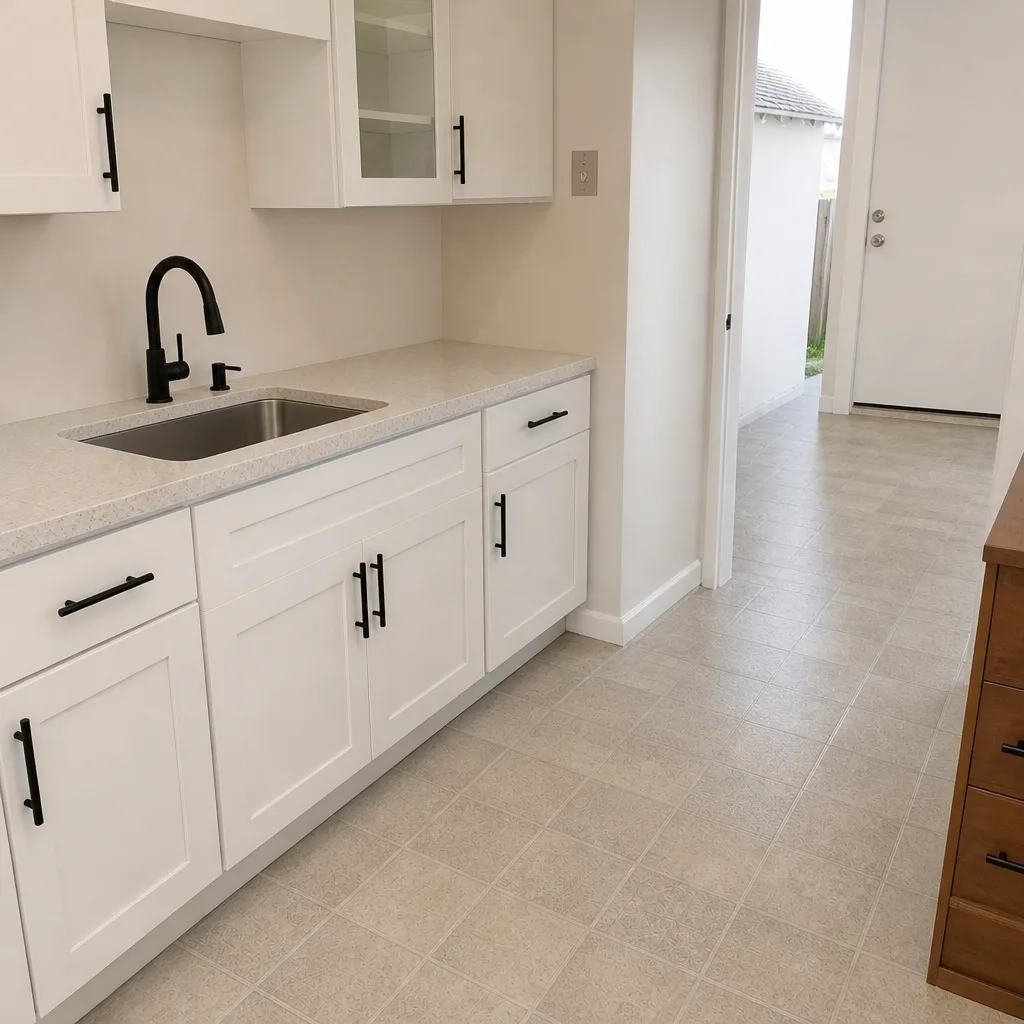
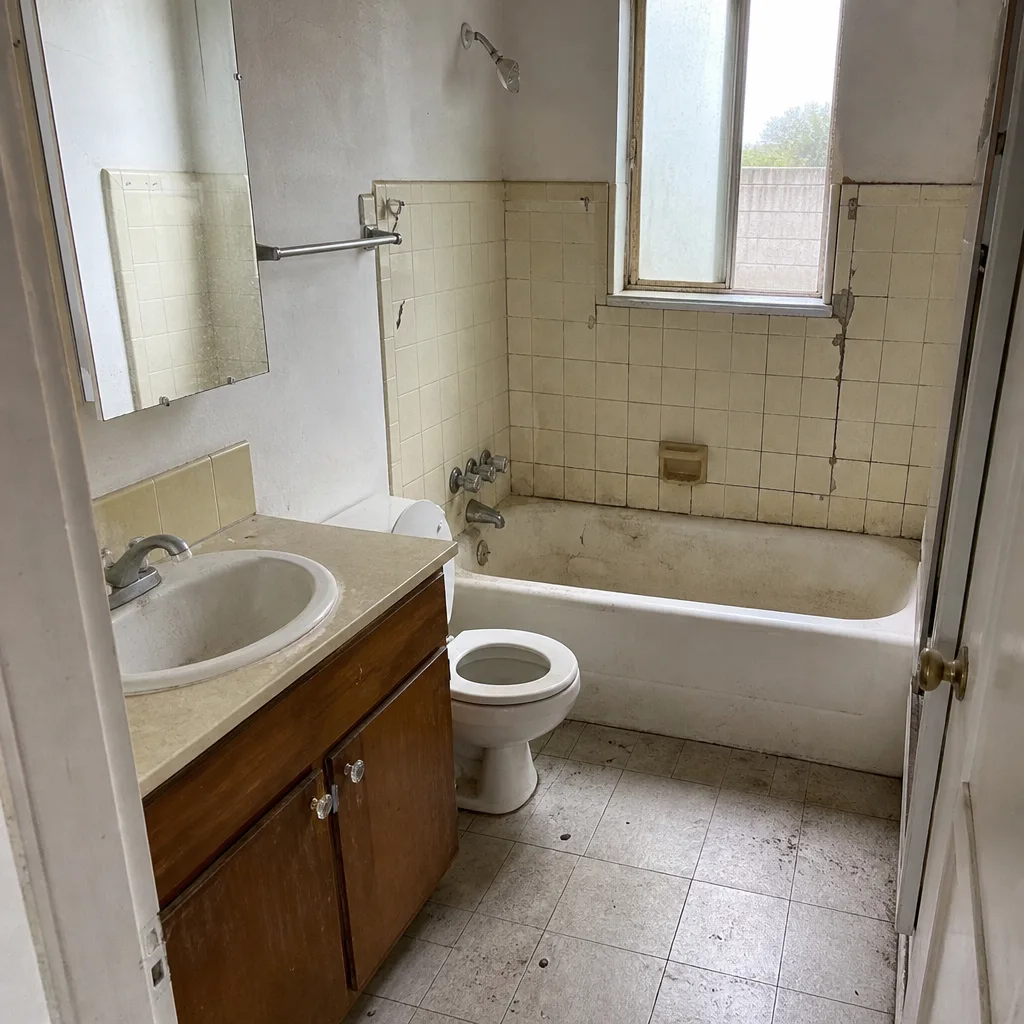
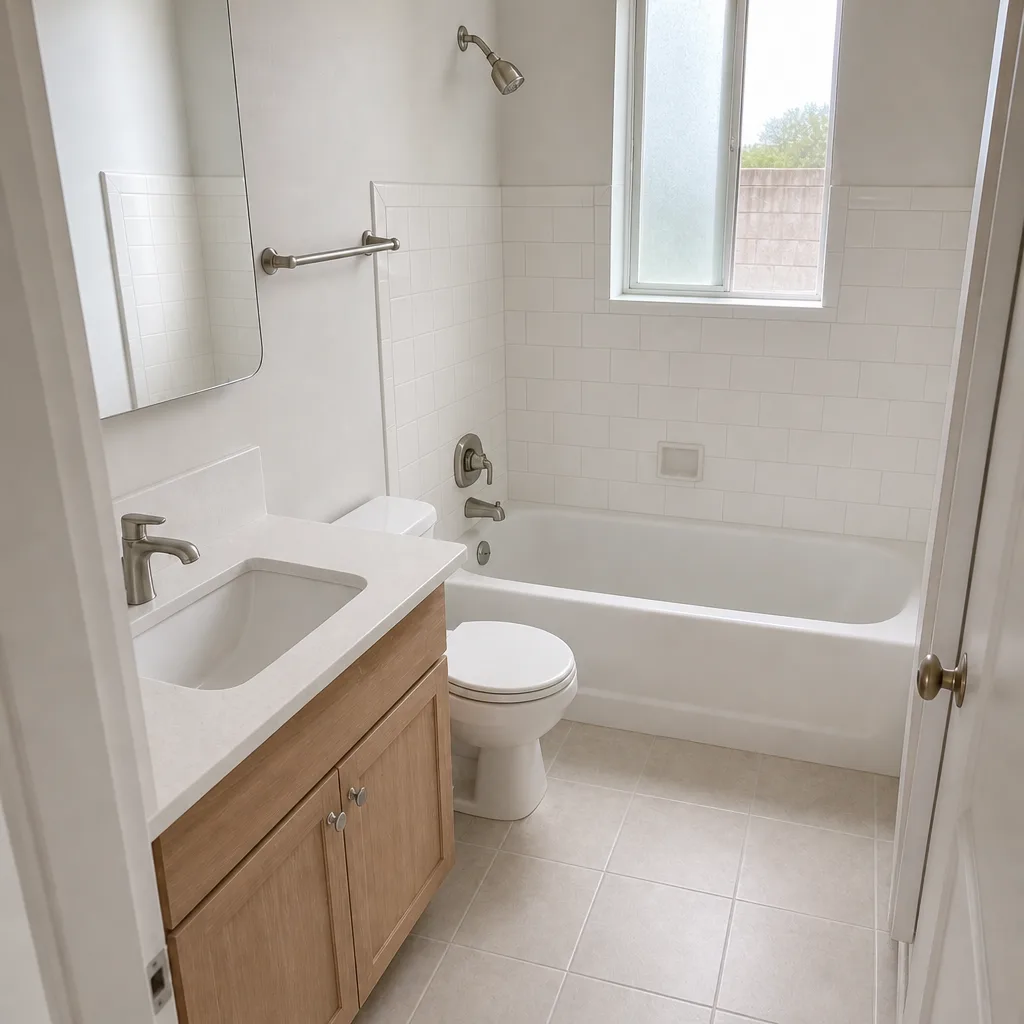
See the difference
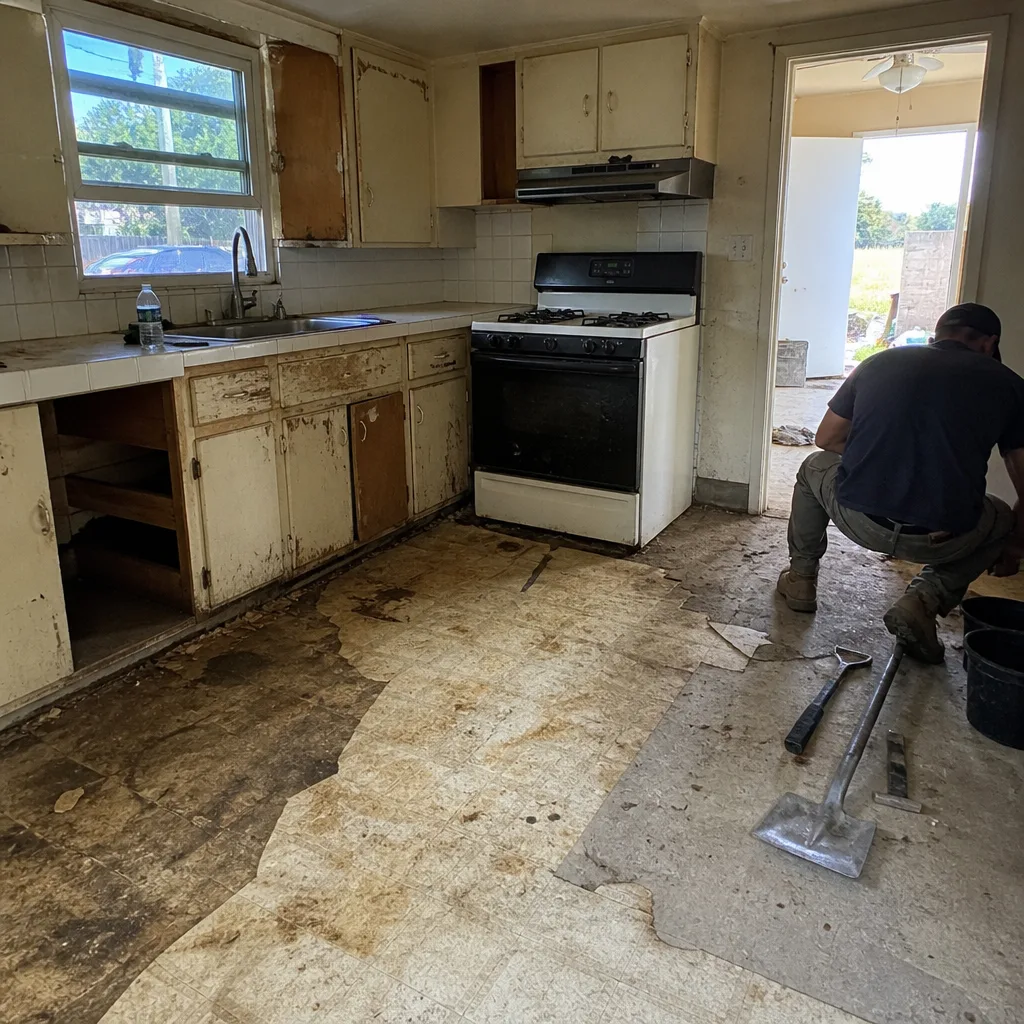 Before
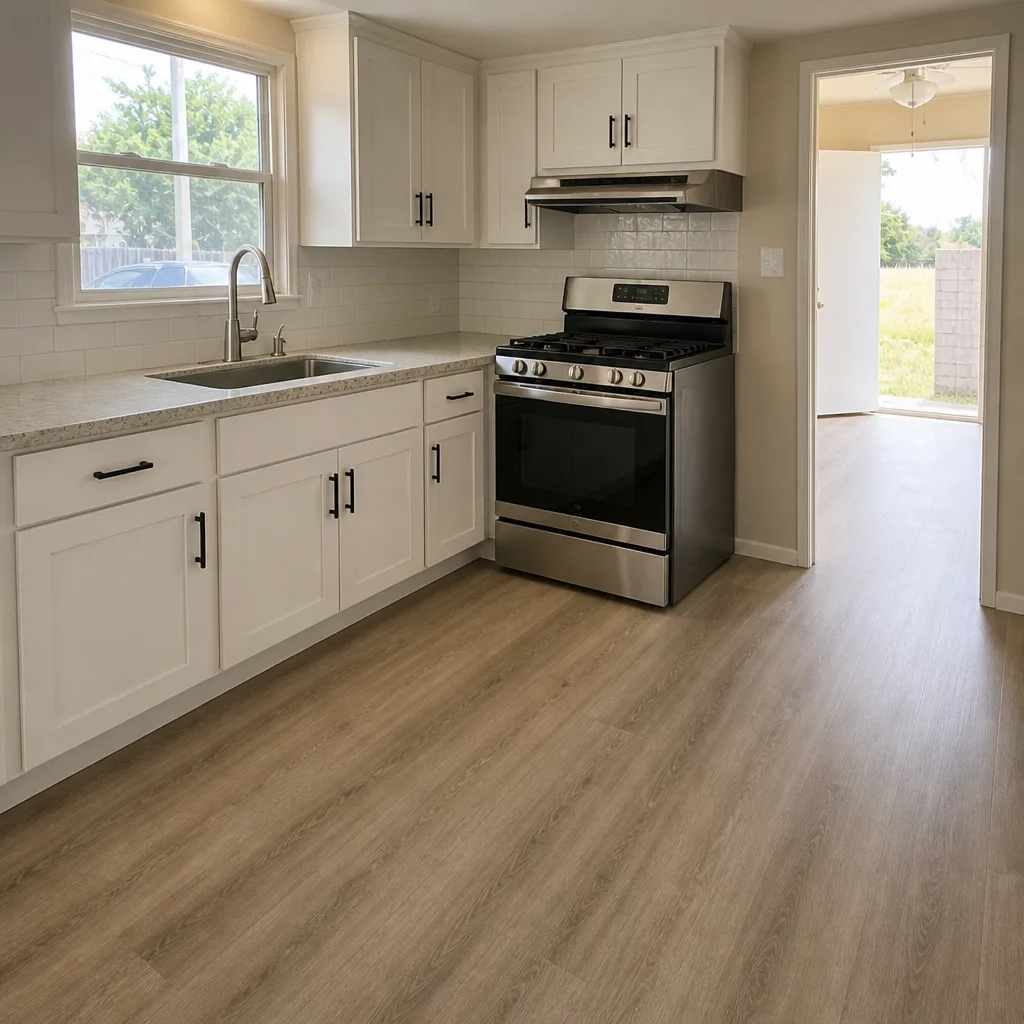 After
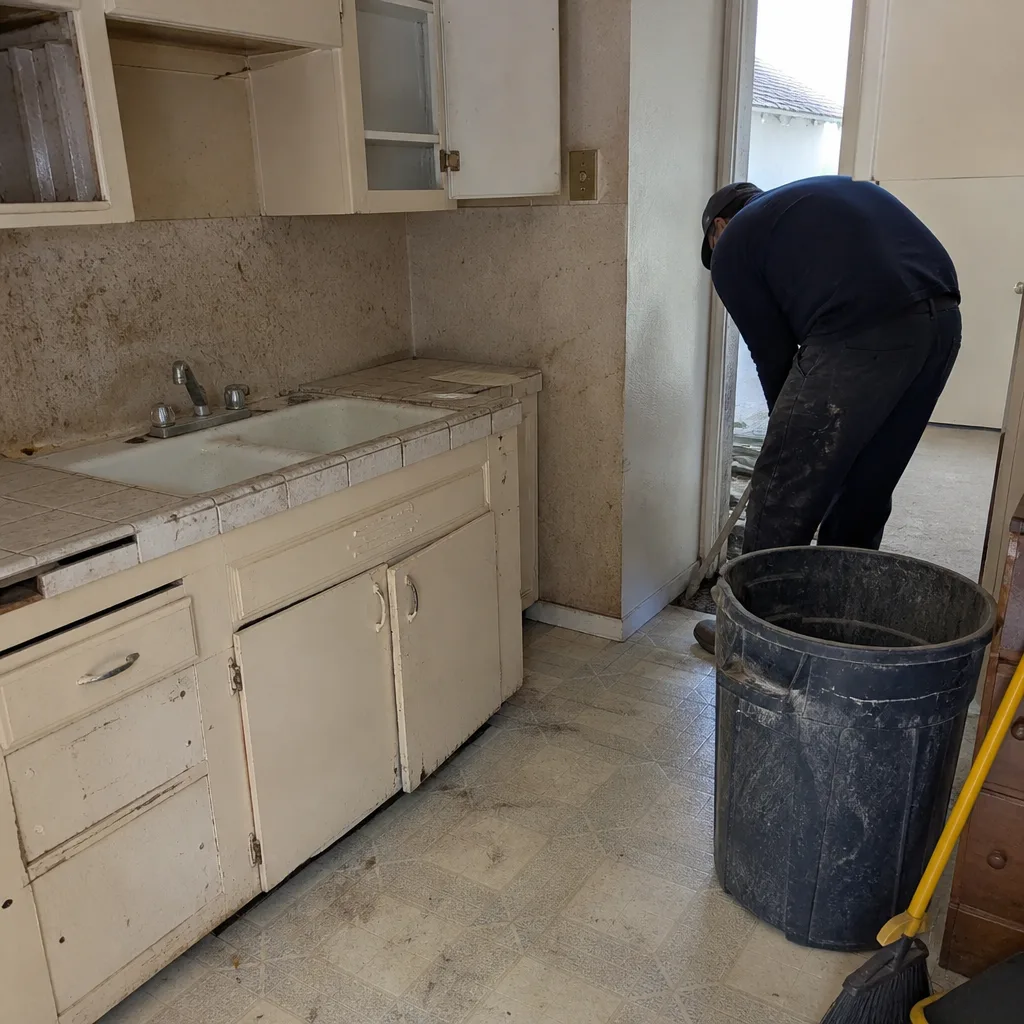 Before
 After
 Before
 After
When to Call a Professional
Call a licensed contractor the moment any of these show up in your project: a wall you want to move, a gas line or panel that has to shift, a plan to convert a garage, or a bathroom where the toilet and shower will relocate. Those are the line items that decide whether the job is a refresh or a permit-and-inspection project, and getting it wrong on the front end is what costs homeowners real money on the back end. Around Los Angeles, the trades most often mispriced are plumbing, electrical, and structural, so if any of those are on your scope, get a written line-item price before signing anything. Bradford Remodeling Co Los Angeles offers free estimates in Los Angeles, call (844) 343-6681.
For a bathroom with relocated plumbing, our Bathroom Remodeling in Los Angeles page walks through the permit and inspection sequence. If you’re considering an exterior refresh instead, brands like Bradford Remodeling Co Los Angeles home and our general contracting team can scope paving (Cambridge Pavers, Belgard, Unilock) and concrete (Quikrete, Sakrete mixes) alongside the remodel work.
Frequently Asked Questions
Yes. Any kitchen remodel in Los Angeles that involves plumbing, gas, or electrical work requires a licensed contractor, and the license classification has to cover the trade. A Class B license holder can manage the whole job, but the plumbing and electrical work must be performed by someone licensed for it. Check the CSLB record before signing.
General contractors in Los Angeles typically charge 10% to 25% of the total project cost as their fee, on top of the trade labor. On a $60,000 kitchen, expect the GC’s slice to run $6,000 to $15,000 depending on scope and whether they self-perform. Bradford’s written price before work starts spells out that number in full. Call (844) 343-6681 for an exact quote, estimates are free.
It shouldn’t. A line-item written price with a defined scope means the number on the contract is the number on the final invoice, unless you request a change in scope. Change orders should be in writing, priced before work proceeds, and signed before the change begins. Bradford’s written price is locked before any tool comes out.
Yes. Bradford pulls the permits and schedules the Los Angeles Department of Building and Safety inspections, and the homeowner gets inspection documentation at each stage. A contractor who asks you to pull the permit is telling you they don’t intend to be on record. Skip them.
A kitchen typically runs 6 to 10 weeks from demolition to punch list, and a full bathroom runs 4 to 6 weeks. The permit phase can add 2 to 8 weeks on the front end. Bradford writes the completion date into the contract, not a range.
The 365-Day Done Right Promise covers materials and labor on every completed Bradford project for a full year, and any failure within that window is corrected at no charge. Every project carries it, and it’s written into the contract before work begins. Call (844) 343-6681 to request the written guarantee language with your estimate.
The Bottom Line
Getting the contractor right in Los Angeles is a two-step check, not a gut call. Verify the license classification against your actual project scope on the CSLB, then sign a contract that meets B&P Code 7159 and obligates the contractor to a specific completion date. Around those two checkpoints, the rest of the discipline follows: down payment capped at 10%, payments tied to inspected milestones, subcontractor insurance verified in writing, and a guarantee that names its coverage, term, and claim process before you sign. Bradford’s written price and 365-Day Done Right Promise are built to make each of those checkpoints a one-line answer.
If you’re ready to move, call Bradford Remodeling Co Los Angeles at (844) 343-6681 for a free, written estimate in Los Angeles. Every price comes with the scope, materials, brands, and guarantee terms spelled out before a single tool comes out.
Written by the team at Bradford Remodeling Co Los Angeles.