
Free written scope consultation - allowances, timeline, and change-order rules on paper before a single trade is scheduled
Plant Prefab Roofing: The Los Angeles Owner’s Guide
We install Plant Prefab-compatible roofing in Los Angeles, and a full roof replacement on a Plant Prefab home typically runs $9,440 to $23,600 installed, while spot repairs land between $470 and $2,125. Roofing work is planned, permitted work, not an emergency drop-in, so we schedule it properly rather than promising same-day arrival. Most owners discover the problem the same way: a brown water stain blooms on a ceiling panel after the first real rain, or they spot lifted, cracked shingles from the street and can’t tell whether it’s cosmetic or the start of a leak.
Plant Prefab builds modular housing from a factory in Tejon Ranch, and their Los Angeles-area projects – ADUs, infill duplexes, and small multifamily builds – use roofing assemblies specified per model line and climate zone. That matters here. Los Angeles County sits in a dry-summer climate with intense UV, so the roof on a Plant Prefab home takes a specific beating that a Pacific Northwest install never sees. When the factory-specified membrane or shingle field starts to fail, the fix has to match the deck and the drainage geometry the module was built with. We’re an independent service provider and not affiliated with Plant Prefab; we work on these homes as a licensed general contractor that reads the plans, not as the manufacturer. Members of the Garrison Partners family since 2004, we put every price in writing before work starts.
Which Plant Prefab Models This Applies To
Plant Prefab doesn’t sell a single “roof” – it builds to a family of model and project lines (their LivingHomes and custom modular work among them), and each project’s roof assembly is drawn to the site’s climate zone, wind exposure, and pitch. That means the right roofing part depends on which series and which revision your home was built to, not on a generic SKU. The most reliable way to identify what you have is the construction document set delivered with the module, plus the label on the underlayment and flashing. If you don’t have the plan set, we measure deck dimensions, pitch, and fascia depth on site and cross-reference against the assembly spec.
Here’s the OEM-versus-aftermarket call for Plant Prefab specifically: the structural panel and deck are proprietary, but the roofing surface itself – the underlayment, flashing, shingles, or single-ply membrane – is standard building product, so a quality aftermarket equivalent that meets the same spec is a legitimate route and often the faster one. What you shouldn’t do is substitute a different substrate or a lower-rated underlayment to save money. Get the spec match right and the surface layer, flashing, and drainage details line up. Call (844) 343-6681 and we’ll match the assembly to your model line in writing.
Styles & brands we work with
- Kitchen remodeling
- Bathroom remodeling
- Home additions & ADU
- Roofing
- Windows & doors
- Driveway & pavers
- Fence
Signs Your Plant Prefab Roofing Is Failing
Los Angeles sun dries out and curls shingle edges faster than most owners expect, and a modular roof deck sheds heat differently than a stick-built attic, so the failure pattern is specific. Watch for these:
- Ceiling stains after rain. Water tracking through a failed flashing detail or a cracked field. On a modular roof this often shows up at the module joint, where two roof planes meet, not in the open field.
- Curled or cracked shingles along the sunny exposure. UV degradation from LA’s long dry summers. Granule loss in the gutter is the early tell – if you’re sweeping up grit after a windy day, the shingle is shedding its protective surface.
- Granules in gutters and downspouts. The shingle surface is breaking down. Once granules go, the asphalt underneath bakes and fails within a season or two.
- Lifted flashing at penetrations and module seams. Sealant and flashing move with thermal cycling. A gap here is where water gets in first, and it’s the most common repair we see on these roofs.
- Sagging or soft spots near the fascia. Possible deck moisture – the one symptom you don’t wait on. A soft deck means water has been getting under the surface for a while.
Replacement Cost & What’s Included
Installed roofing on a Plant Prefab home in Los Angeles falls into a few honest ranges. A spot repair – flashing, a section of field, a leak trace – runs $470 to $2,125. The surface-equivalent of a tile roof repair, if your assembly uses tile-style components, runs $710 to $2,950. A full roof replacement runs $9,440 to $23,600, and a metal roof installation, increasingly common on modular builds for its lifespan, runs $17,700 to $47,200.
What drives the number: roof square footage and pitch, how many module seams and penetrations need re-flashing, whether the underlying deck is sound or needs repair, and the surface material you choose. Every Bradford price is written line-item before work starts – parts and labor broken out, no number that moves at the door – and every completed roof carries the 365-Day Done Right Promise: a full-year written guarantee, and if the work fails inside that window we come back and correct it at no charge.
See the difference
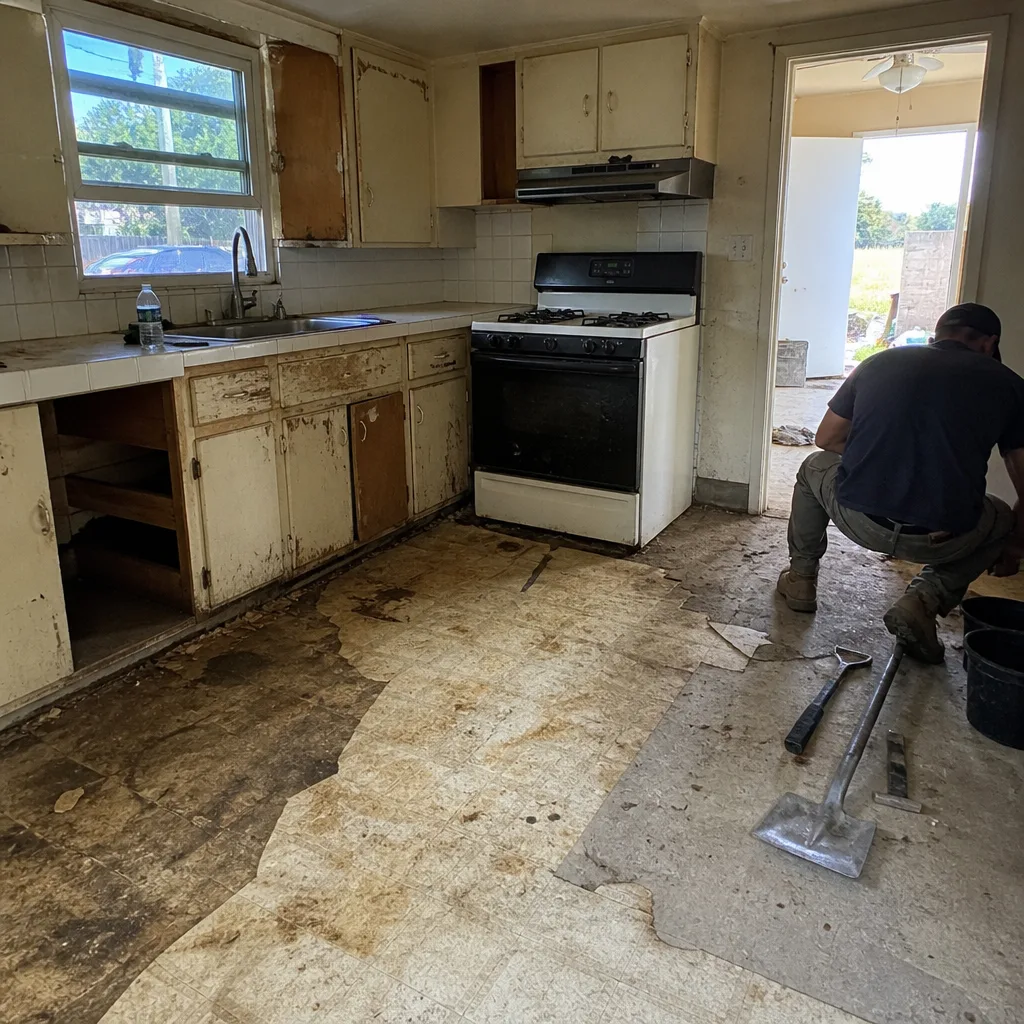 Before
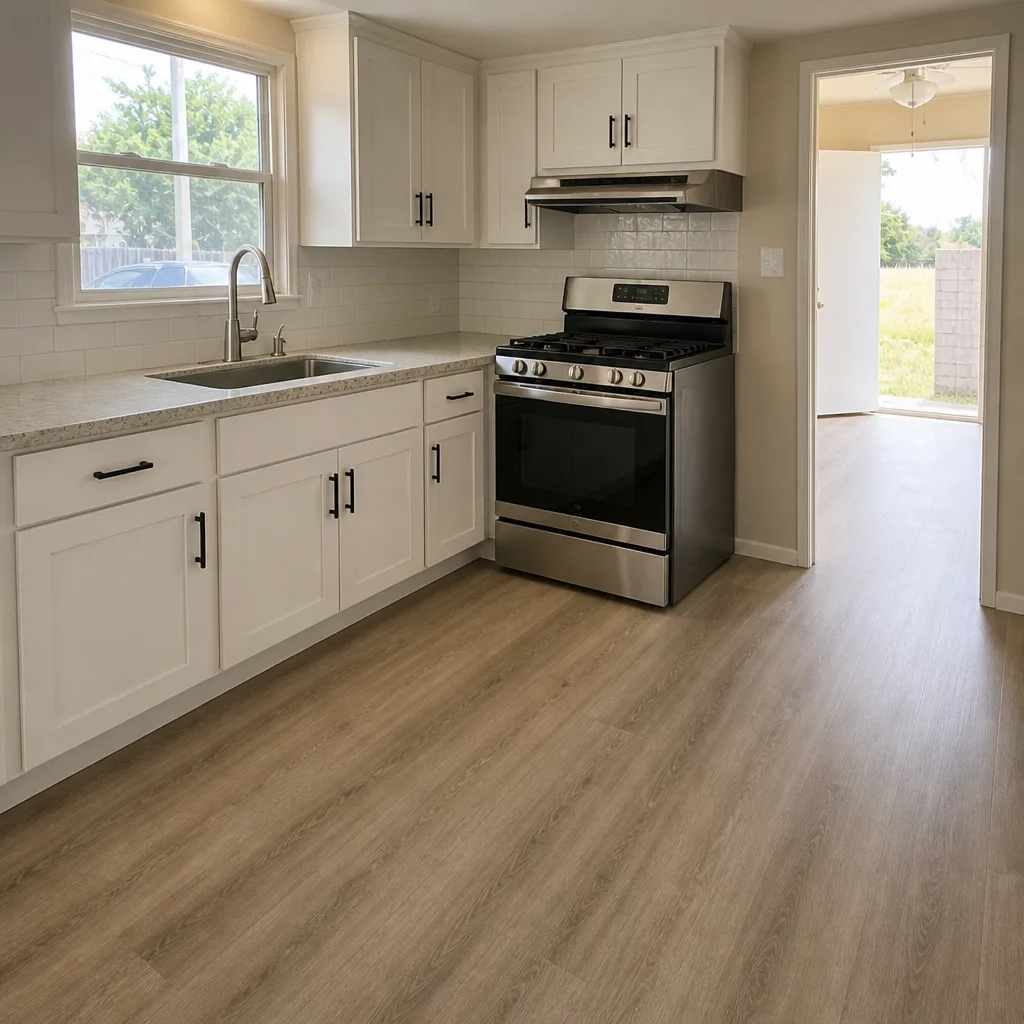 After
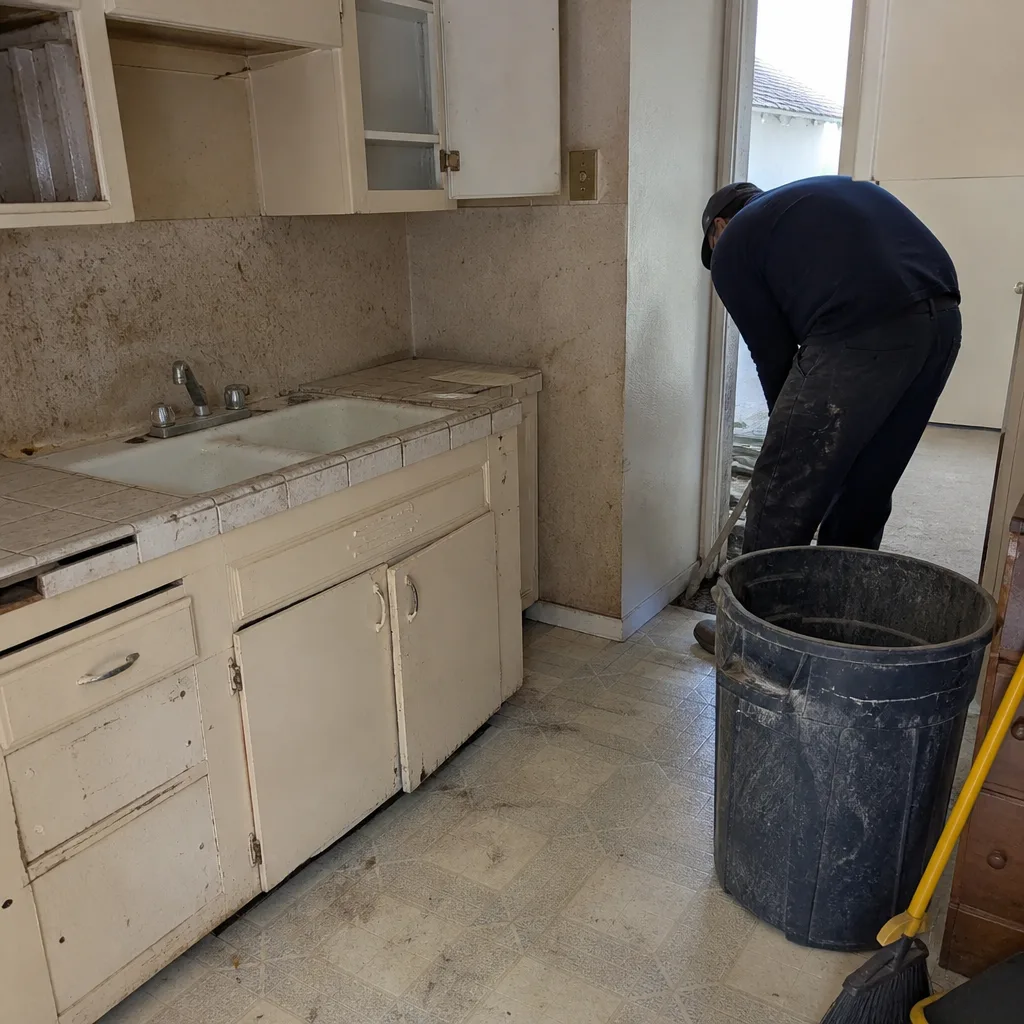 Before
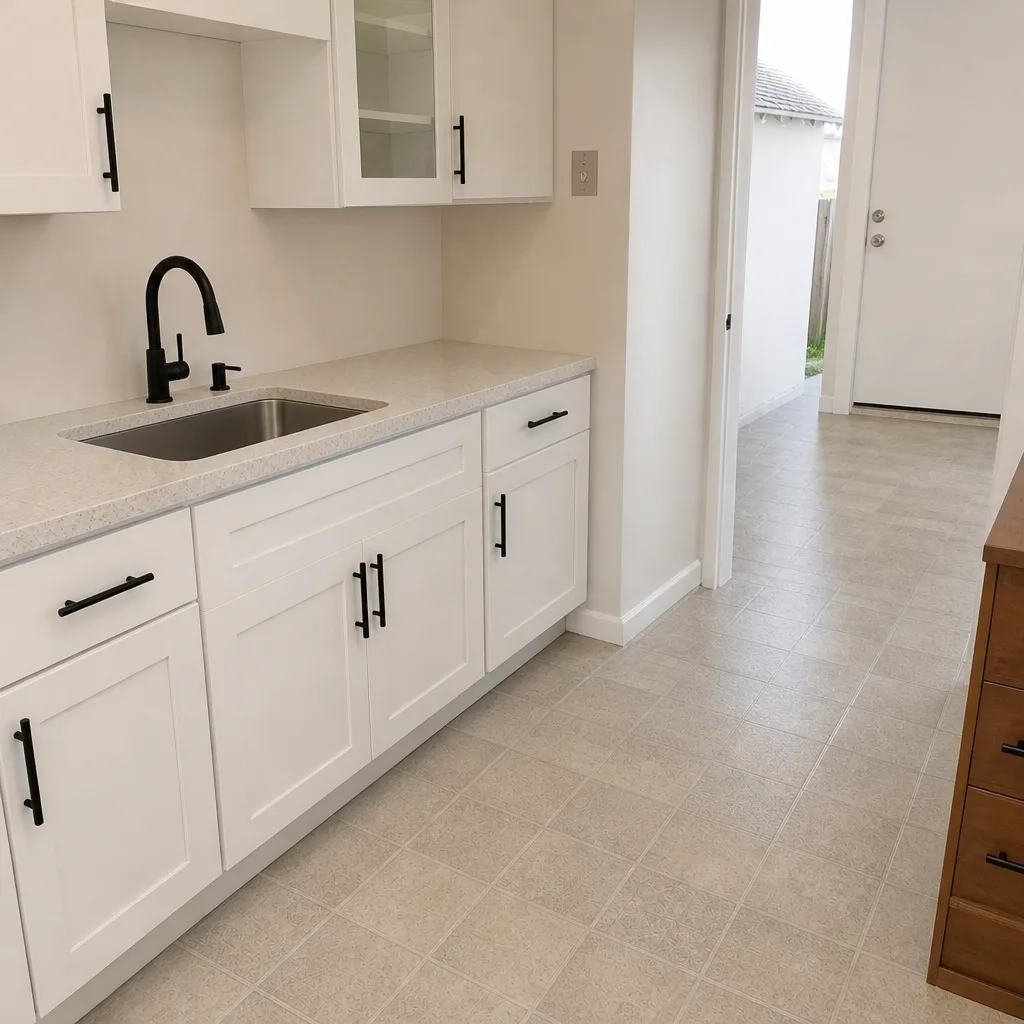 After
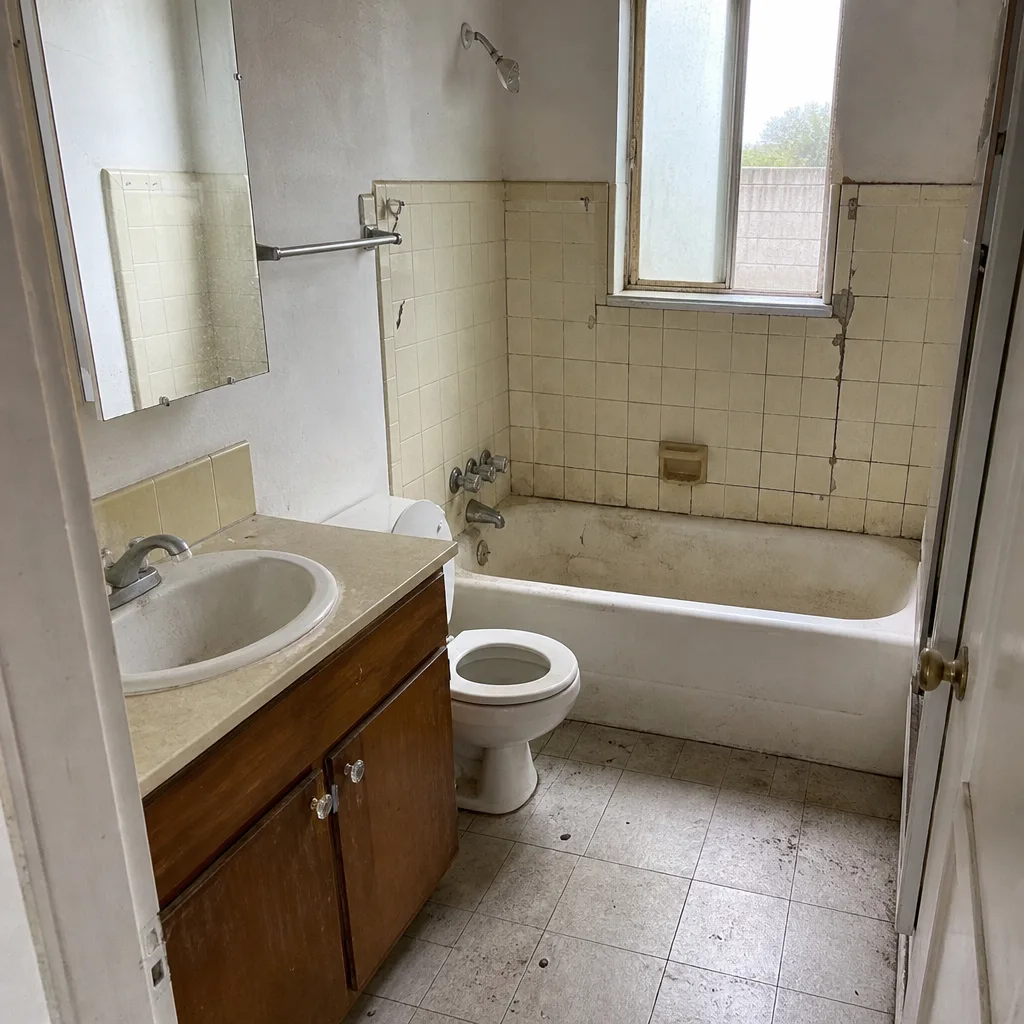 Before
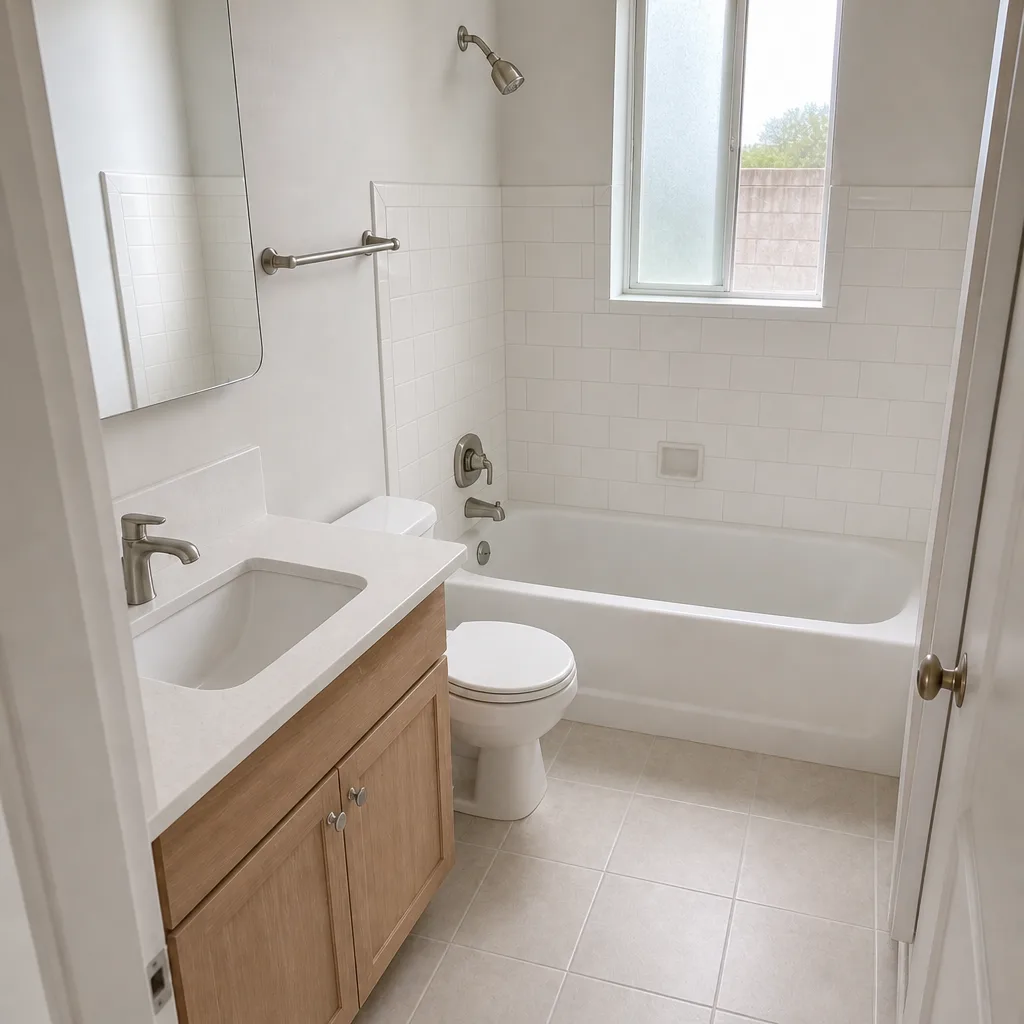 After
DIY or Call Us?
Some things you can safely check yourself: look from the ground for curled shingles and lifted flashing, clear leaves from gutters, and photograph any ceiling stain to track whether it grows. Do that – it tells us a lot before we arrive.
What you shouldn’t do is get up on the roof. Plant Prefab and modular roofs often sit on steeper pitches with module-seam details that are easy to damage underfoot, and a fall from roof height is a serious injury. Re-flashing a seam or replacing a section of field is trained work; done wrong, it turns a small leak into deck rot. We handle it with background-checked, uniformed technicians, and a live person answers our phone 24/7. Call (844) 343-6681 for a free written estimate.
FAQs
How long does a Plant Prefab roof last in Los Angeles? Most roofing surfaces on these homes last 20 to 30 years, and metal runs longer – but LA’s UV intensity means the sunny exposure goes first, often several years ahead of the shaded side. Flashings and module seams should be checked yearly regardless of surface age.
Can the roof be repaired instead of replaced? Often, yes – a flashing, seam, or localized field repair in the $470 to $2,125 range solves most leaks if the surrounding surface is sound. If granules are gone across whole planes or the deck is soft, replacement is the honest call. Call (844) 343-6681 and we’ll tell you which one you’re looking at.
How long does the swap take? A spot repair is generally a scheduled single-visit job; a full replacement on a Plant Prefab home is planned and permitted work, typically several days depending on square footage and penetrations. We put the timeline in writing before we start.
How do you source the part? We match your assembly spec from the construction documents or an on-site measure against a documented roster of name-brand products – GAF and CertainTeed among them – so the surface, flashing, and underlayment are traceable to manufacturer specs and warranties. We’re an independent provider, not affiliated with Plant Prefab. If you’re also updating interiors, we work with KraftMaid, Cambria, and Silestone for cabinetry and surfaces.
Get a Written Price Before Any Work Starts
Roof failures on a Plant Prefab home don’t fix themselves, and a soft deck is the one thing you shouldn’t wait on. We give you a real range in writing, explain every line, and back the finished work with a full-year guarantee. Call (844) 343-6681 for a free estimate. Live person, any hour.
Written by the team at Bradford Remodeling Co Los Angeles, serving Los Angeles and nearby areas.