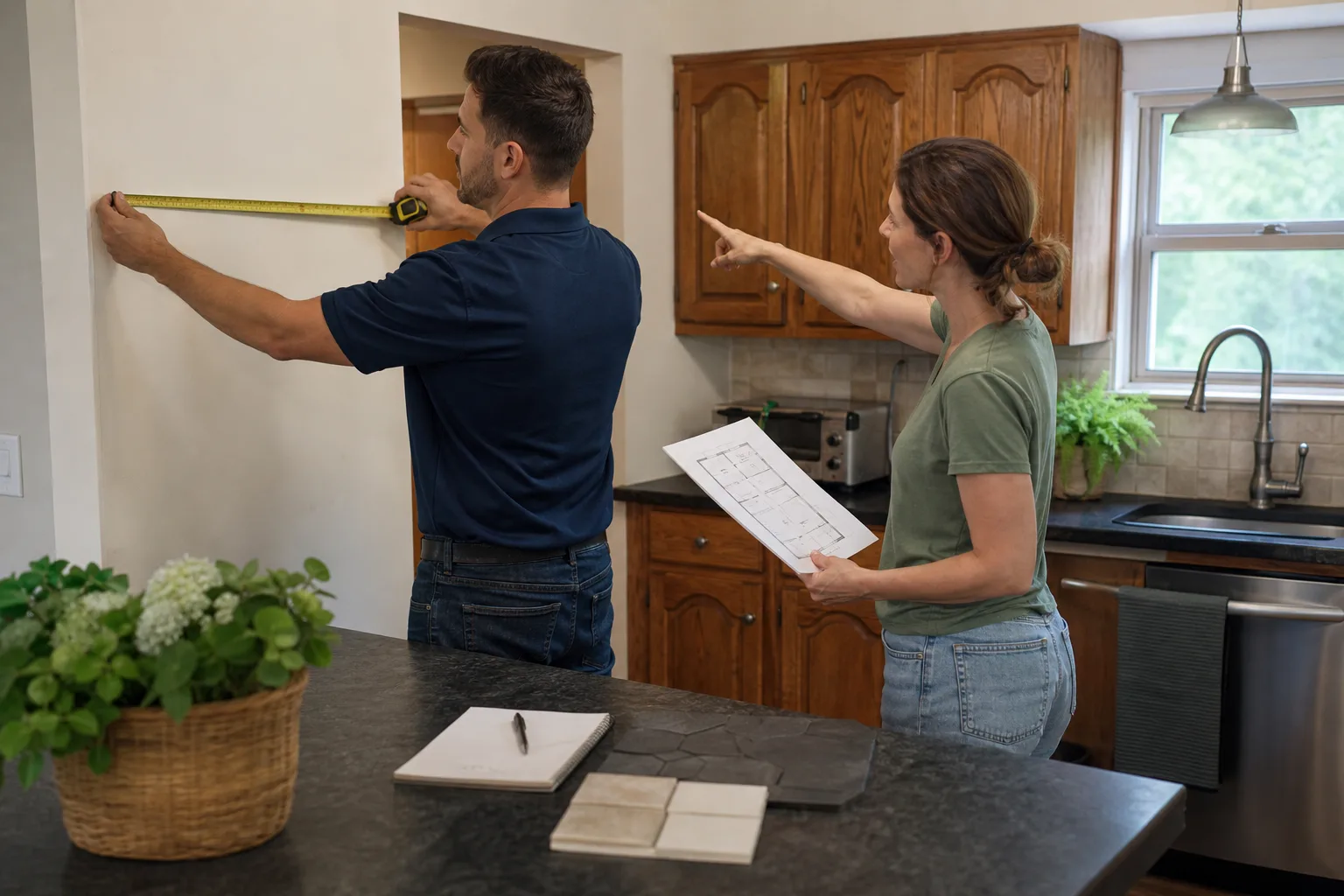
Free written scope consultation - allowances, timeline, and change-order rules on paper before a single trade is scheduled
James Hardie Driveway & Pavers: The Los Angeles Owner’s Guide
James Hardie doesn’t actually manufacture driveway pavers – it makes fiber cement siding, trim, and exterior panels. When Los Angeles homeowners search for “James Hardie driveway and pavers,” they’re usually dealing with James Hardie products at the driveway edge: fascia, trim boards, or fiber cement panels that meet a paver apron, walkway, or hardscape border. We install and repair both sides of that junction. Paver driveway installation in Los Angeles runs $8,260 – $21,240, and fiber cement trim repair at the driveway line is a separate line item we price in writing before any work starts.
Owners usually notice the problem after a rain: a soft spot where the paver apron meets the Hardie trim, paint peeling off the bottom six inches of a fascia board, or a paver lifting at the driveway lip because the base beneath it has settled. In Los Angeles, our dry season followed by a hard winter rain is what exposes the failure – the joint that looked fine in August shows its gap in February.
Which James Hardie Models This Applies To
James Hardie’s fiber cement line has distinct product families that behave differently at grade. HardiePlank lap siding, HardiePanel vertical siding, HardieTrim boards (the Smooth and Roughsawn lines), and HardieSoffit each have their own thickness and edge profile, and each has a different clearance-to-grade rule. The one that matters at a driveway is HardieTrim: the manufacturer spec calls for a minimum clearance from grade – and a paver apron or raised hardscape lip that sits above the original soil line can push the trim below that clearance without anyone noticing.
To identify what you have, look at the back of an exposed edge or the print on the board’s face – HardieTrim Smooth and Roughsawn carry different stamps, and the thickness will tell you whether it’s 5/8″ or the thinner profile. Measure the gap from the bottom of the board to the paver surface; anything under the manufacturer’s minimum is a red flag. When we replace, we match the existing series so the profile and texture carry through. We’re an independent contractor and not affiliated with James Hardie – we work with their products the same way we work with KraftMaid, Cambria, and Silestone on the interior side: to the manufacturer’s written spec.
Styles & brands we work with
- Kitchen remodeling
- Bathroom remodeling
- Home additions & ADU
- Roofing
- Windows & doors
- Driveway & pavers
- Fence
Signs Your James Hardie Driveway & Pavers Is Failing
- Paint peeling or bubbling at the bottom edge of the trim. Fiber cement itself doesn’t rot quickly, but moisture wicking up from a paver surface that sits too close to grade breaks down the paint film first. Once the film fails, the board absorbs water at the cut edge.
- Pavers lifting or rocking near the driveway lip. This is almost always a base failure, not a paver failure – the compacted base under the apron has settled or was never deep enough for the load. Los Angeles clay soils move with the wet-dry cycle, and a shallow base shows it within two or three seasons.
- A visible gap or crack at the joint where hardscape meets Hardie trim. The joint sealant has aged out. Los Angeles UV exposure breaks down caulk faster than most of the country, so a joint that held for five years on the East Coast may fail in three here.
- Efflorescence – white chalky staining – on the pavers. Salt migrating out of the concrete, driven by moisture moving through the paver. It’s cosmetic, but it signals water is passing through where it shouldn’t.
- Trim board pulling away from the wall or showing a horizontal crack. Fasteners have backed out or the board has swelled from moisture intrusion at the bottom. Left alone, the crack becomes a water entry point into the wall assembly.
See the difference
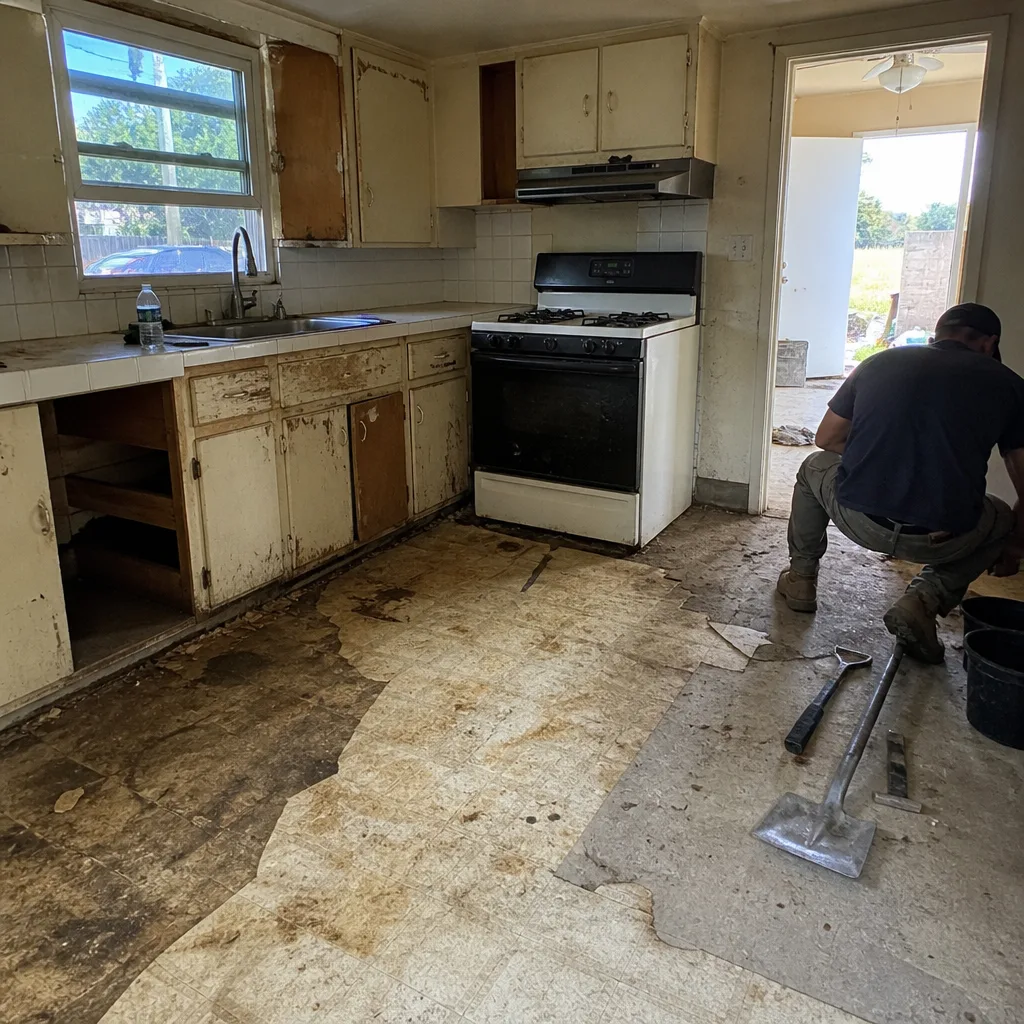 Before
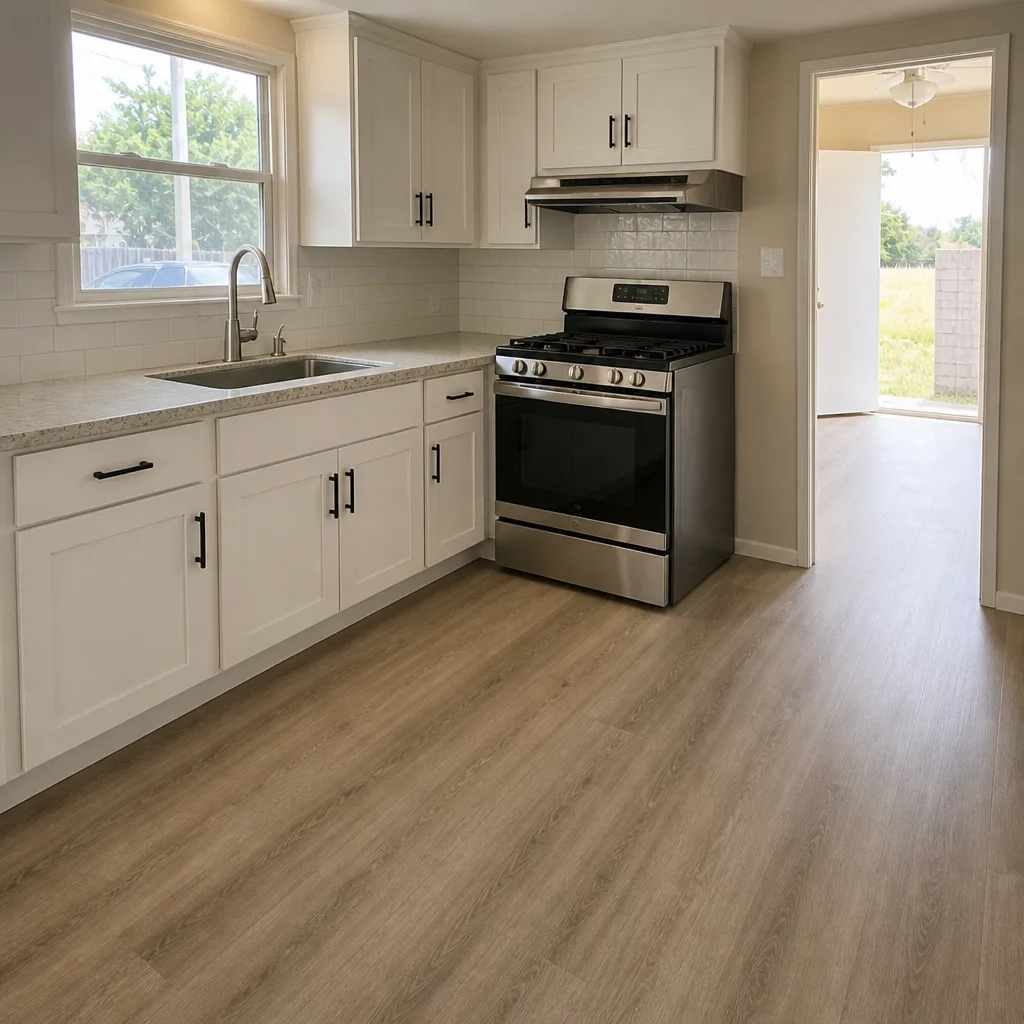 After
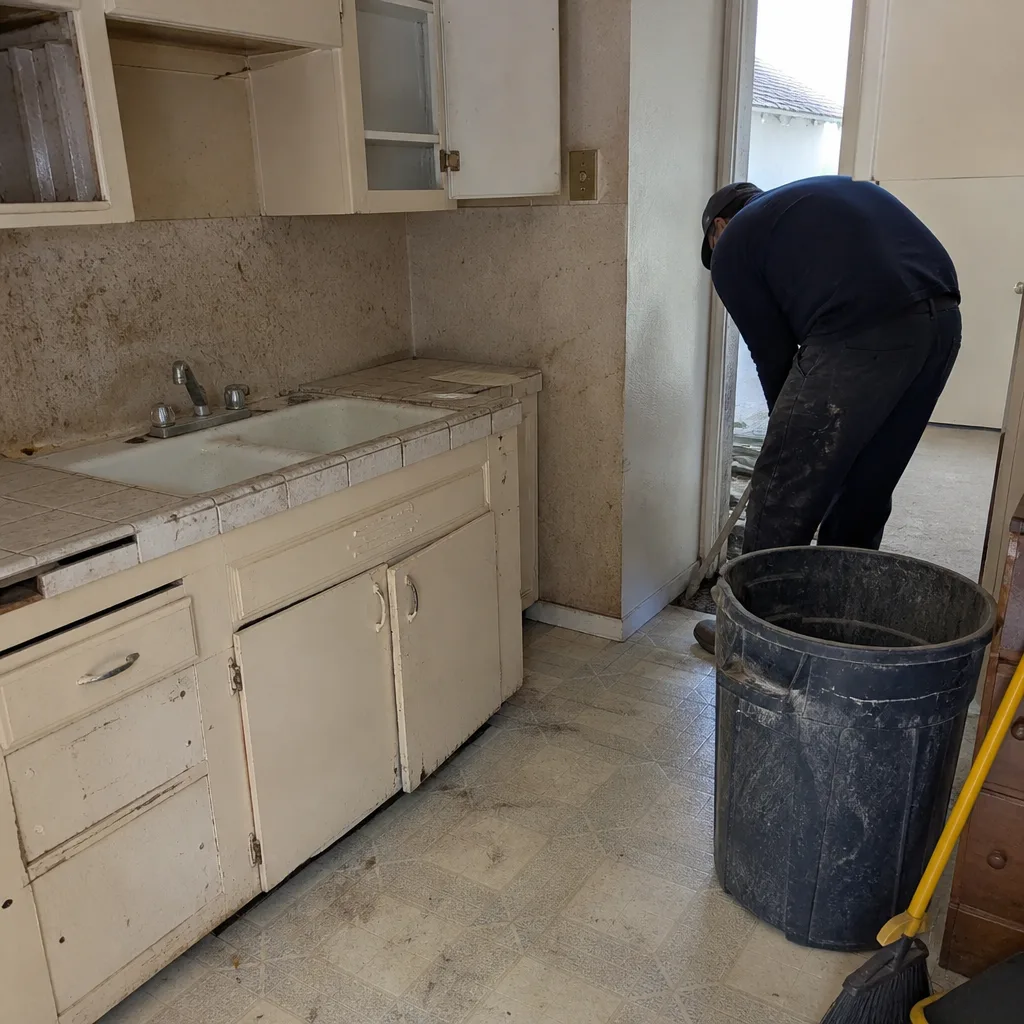 Before
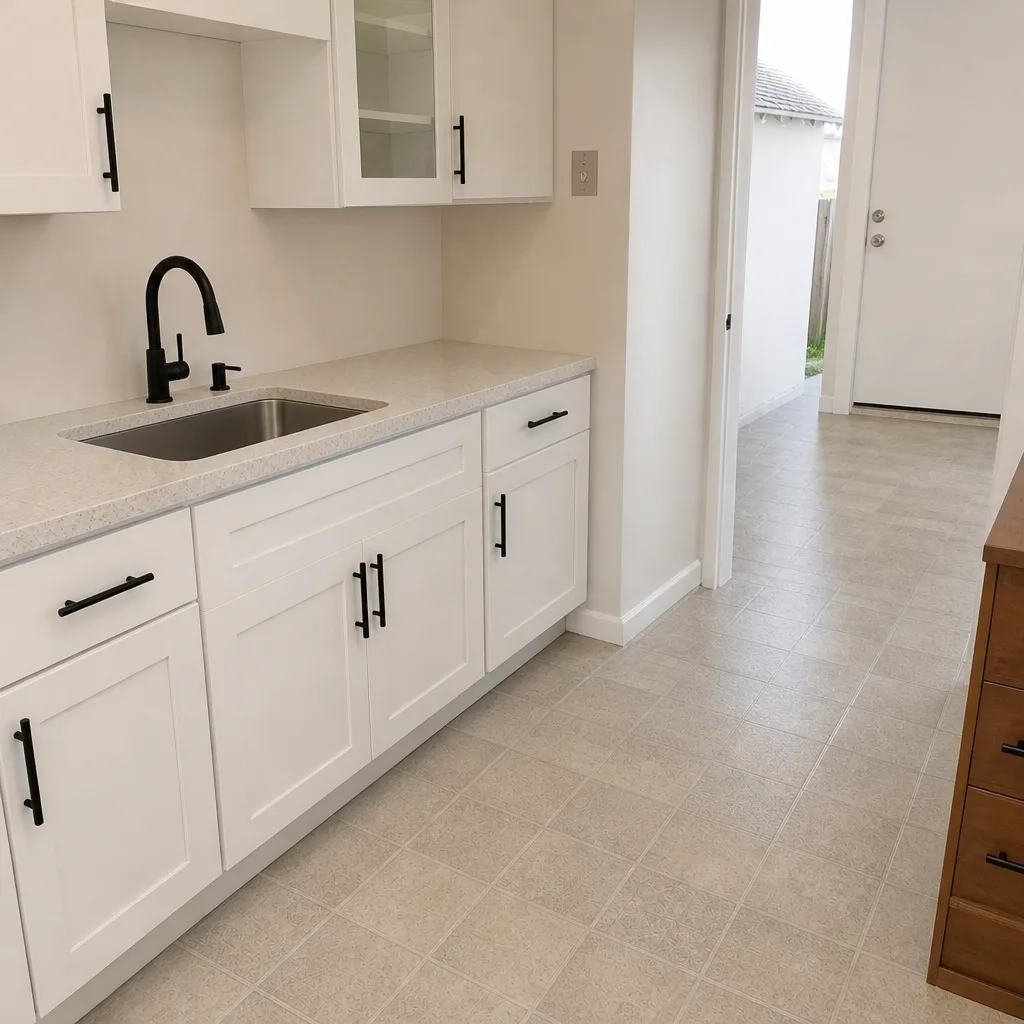 After
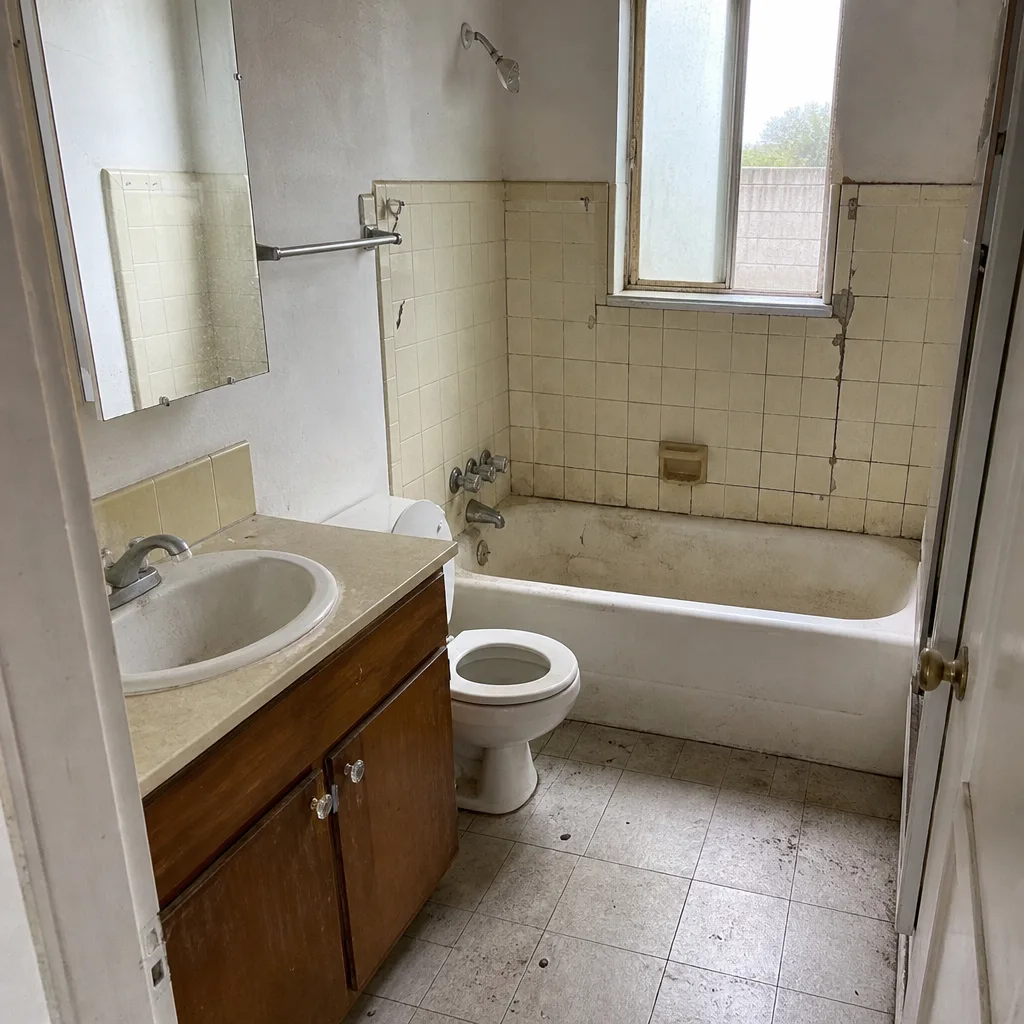 Before
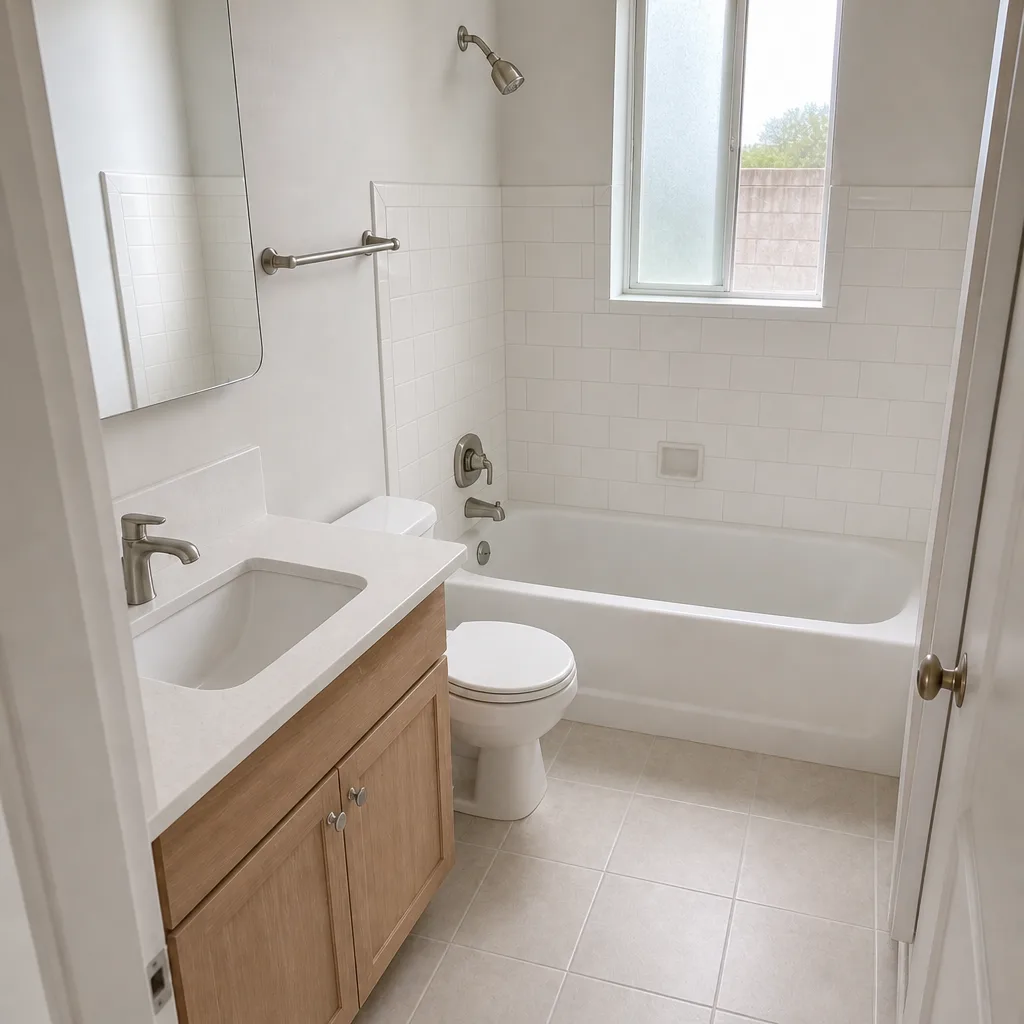 After
Replacement Cost & What’s Included
Installed pricing in Los Angeles breaks down by scope, and we quote each line in writing before work starts:
| Scope | Installed Price Range |
|---|---|
| Paver driveway installation (new or full replacement) | $8,260 – $21,240 |
| Concrete driveway installation | $5,310 – $14,160 |
| Driveway replacement (removal and rebuild) | $5,900 – $16,520 |
| Driveway sealing | $295 – $825 |
What drives the range: driveway square footage, base depth required by soil conditions, paver selection, and whether the Hardie trim at the edge is being reset to spec or replaced. Our technicians have up to 22 years of experience, and every completed project carries the 365-Day Done Right Promise – a full-year written guarantee. If the work fails inside that window, we return and correct it at no charge.
DIY or Call Us?
An owner can safely check a few things: measure the clearance from the bottom of the Hardie trim to the paver surface and compare it to the manufacturer’s spec, run a hand across the trim to feel for soft spots, and look for efflorescence and joint separation. What goes wrong with DIY here is the base. Lifting and resetting pavers without rebuilding and recompacting the base underneath just moves the failure a few months out – and resetting Hardie trim without addressing the moisture source at grade will have the same board failing again. The other risk is fastener and cut work on fiber cement: the dust is silica-based, and cutting it without proper respiratory protection and the right blade is a real hazard, not a theoretical one. If the trim has pulled away from the wall or the base under the pavers has settled, that’s the point to call. Call (844) 343-6681 to schedule your free estimate – we give you a written price before any work begins.
FAQs
A properly based paver driveway runs 25 to 30 years in Los Angeles conditions before the pavers themselves need replacement, but the base and the joint sealant are the weak points – sealant at the Hardie trim typically needs renewal every three to five years here because of UV exposure, and a shallow base can settle in as few as two or three seasons. Call (844) 343-6681 for an exact quote – estimates are free.
Often, yes. Lifting and resetting isolated pavers with a rebuilt base under them, or replacing the bottom course of Hardie trim and re-sealing the joint, is far less costly than a full replacement. A full paver driveway rebuild ($8,260 – $21,240) is only needed when the base has failed across a broad area or the pavers themselves are spalling. Call (844) 343-6681 and we’ll tell you which one you’re looking at.
A trim repair and joint re-seal at the driveway edge is typically a one-day job. A partial paver reset with base work runs two to three days, and a full paver driveway replacement runs three to five days at typical residential sizes – longer if the base needs to be dug deeper for local soil conditions. We put the schedule in writing with the price.
We work through a documented roster of manufacturer-specified brands – James Hardie for the fiber cement trim and panels, Belgard and Unilock for hardscape pavers – so the product spec and the manufacturer’s own warranty are traceable to the material we install. We don’t claim to carry parts on a truck; materials are ordered to the project. Call (844) 343-6681 to schedule a free estimate and we’ll walk the driveway with you and tell you exactly what’s failing.
If you’re in Los Angeles and the joint where your Hardie trim meets your paver apron is showing its age, call Bradford Remodeling Co at (844) 343-6681. A live person answers 24/7, you get a written price before any work starts, background-checked uniformed technicians on the job, and the 365-Day Done Right Promise behind the finished work. We’re part of the Garrison Partners family and held to The Garrison Standard – every price, every guarantee, in writing. KraftMaid, Cambria, and Silestone work is quoted the same way, with the same written-price discipline.
Written by the team at Bradford Remodeling Co Los Angeles, serving Los Angeles and nearby areas.