
Free written scope consultation - allowances, timeline, and change-order rules on paper before a single trade is scheduled
James Hardie Bathroom Remodeling: The Los Angeles Owner’s Guide
James Hardie bathroom remodeling in Los Angeles typically runs $10,620 to $33,040 installed, and it covers the parts that fail most in wet rooms here: fiber-cement backer board, trim, and the waterproofing assembly behind tile. We install James Hardie-compatible assemblies on a scheduled basis, so you’ll get a firm written start date rather than a vague “sometime next month.” Owners usually find the problem the same way: a soft, spongy spot under a tile, a grout line that keeps cracking, or a baseboard that swells after the shower has run for five minutes. That’s the assembly telling you water got past the surface.
Key takeaways:
- Installed range for a full James Hardie bathroom remodel in Los Angeles: $10,620 to $33,040. Small bathroom remodel: $5,900 to $14,160.
- The most common failure is not the Hardie board itself. It’s a missing or badly lapped waterproof membrane over it.
- You get a written, line-item price before demo, and the 365-Day Done Right Promise in writing at close.
- A live person answers the phone, 24 hours a day. Call (844) 343-6681 for a free estimate.
Which James Hardie Models This Applies To
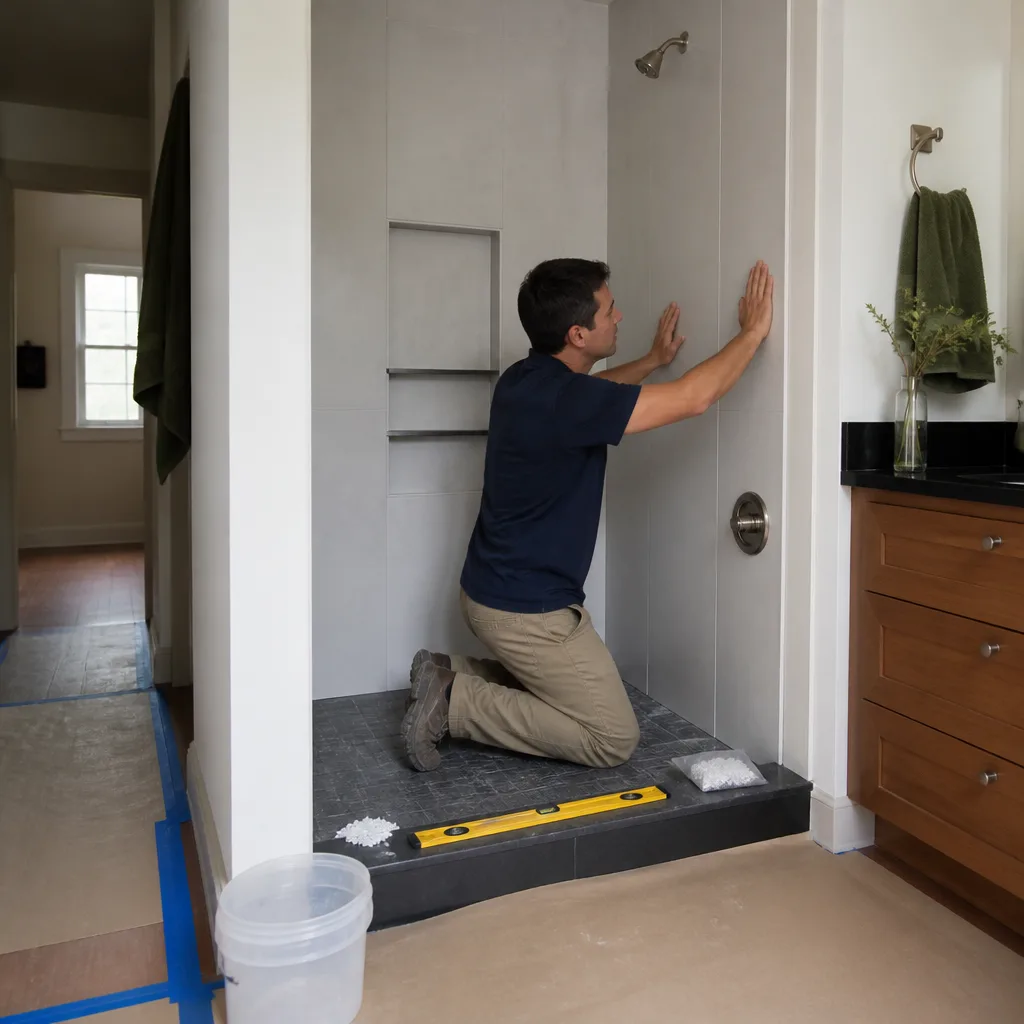
Inside a bathroom, James Hardie shows up mainly as backer board and as trim, not as siding. The two products you’ll meet most are HardieBacker cement board, made in 1/4-inch and 1/2-inch thicknesses, and HardieTrim boards for door casings, base, and window returns. Both are compatible with standard tile and paint systems, and both are made to be installed over a proper substrate and framing – neither is waterproof on its own, which is the single most misread point in the whole product line.
The 1/4-inch HardieBacker is made for floors; the 1/2-inch is made for walls and shower surrounds. Swap them and you’ll fight deflection and fastener pull-through for the life of the tile. That’s the compatibility gotcha we see most in Los Angeles homes, especially in older bungalows and post-war tracts where a previous remodel was done by feel rather than by spec.
Identifying what you have is simple. Pull a receptacle cover or a piece of loose trim and look for the printed back stamp and the fiber-cement texture. HardieBacker is gray, dense, and stamped with the product name and thickness. On the trim side, HardieTrim comes primed from the factory, and its profile and thickness matter more than any label – measure the face width and thickness before ordering a replacement, because profiles have shifted over the years and a mismatched board will not sit flush against existing casing.
OEM versus aftermarket: with fiber-cement, the decision is less about brand loyalty and more about whether the substitute carries the same thickness, fastener spec, and water absorption rating. A generic cement board that’s slightly thinner will pass a quick glance and fail the paper-faced tile test two summers later. We spec genuine James Hardie assemblies because the manufacturer’s written installation instructions and warranty language give us something to point to if a failure ever happens. Bradford Remodeling Co Los Angeles is an independent remodeling contractor and is not affiliated with James Hardie.
Styles & brands we work with
- Kitchen remodeling
- Bathroom remodeling
- Home additions & ADU
- Roofing
- Windows & doors
- Driveway & pavers
- Fence
Signs Your James Hardie Bathroom Remodeling Is Failing
Failure in a wet-room assembly almost always starts at a seam, a penetration, or a corner – not across the middle of a panel. These are the symptoms we’re called out to look at in Los Angeles:
- Grout lines that keep recracking after repair. Movement under the tile from a fastener pattern that’s too sparse or a board that wasn’t fully bedded in thinset. Repointing without fixing the substrate simply buys a few months.
- A hollow or soft spot under the tile near the shower pan or tub apron. Water has reached the board through a failed seal at the junction, and the cement core has begun to break down.
- Baseboard or door casing that swells and delaminates. Usually HardieTrim that was installed tight to a wet floor with no gap and no back-priming at the cut ends. Cut ends are the first place water enters fiber cement.
- Mold or dark staining in the corner caulk lines. Condensation is finding an unsealed penetration – typically a valve escutcheon or a soap niche that was cut in after the membrane was put up.
- Tiles popping loose in a straight line. A control joint was skipped over a long wall or floor run. Cement board doesn’t flex, so the movement goes into the tile bond instead.
One reality check specific to Southern California: our dry summers and cool, damp marine-layer mornings in coastal neighborhoods like Santa Monica and Torrance are hard on exterior-grade assemblies behind wet walls. A board that never quite dried out during rainy season will look fine in August and read wet in February. If you’ve had a slow leak behind a shower wall in Los Angeles, assume the board is compromised until someone opens it up and checks.
See the difference
 Before
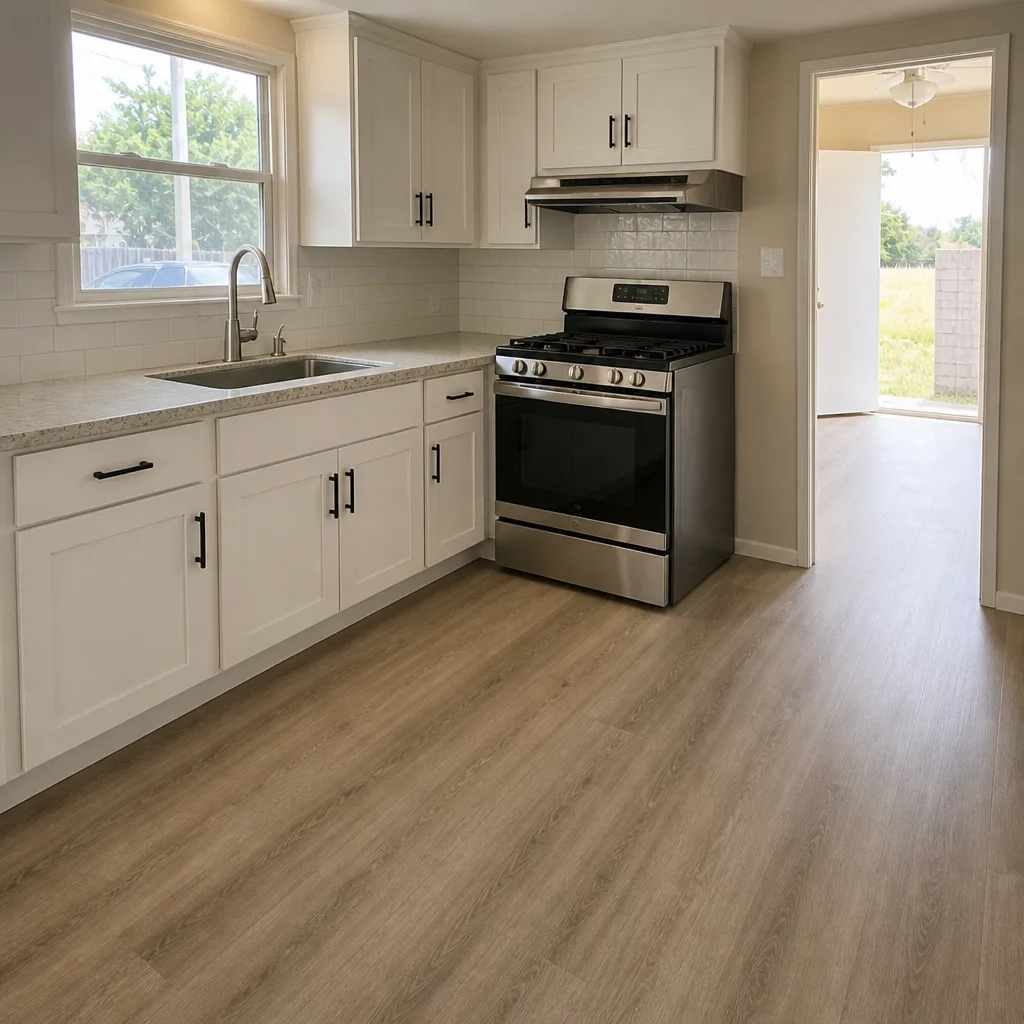 After
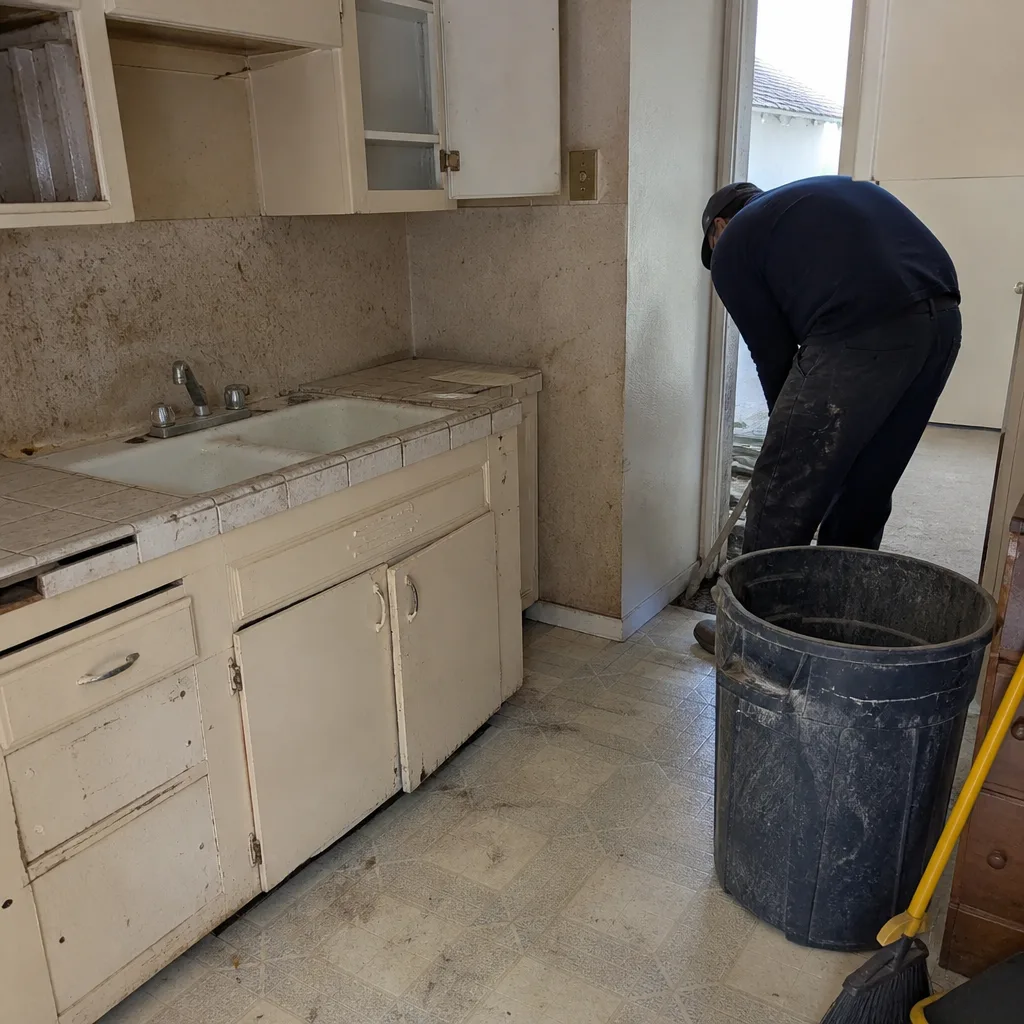 Before
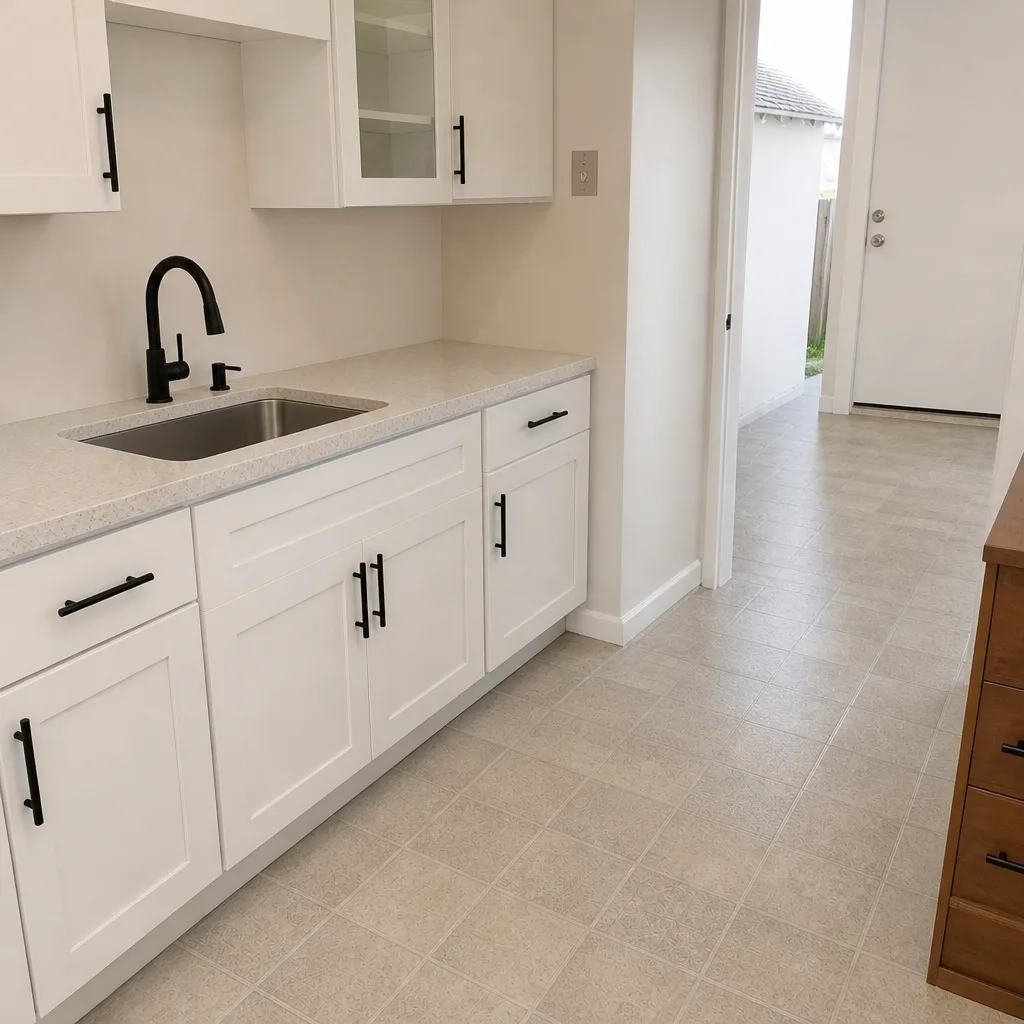 After
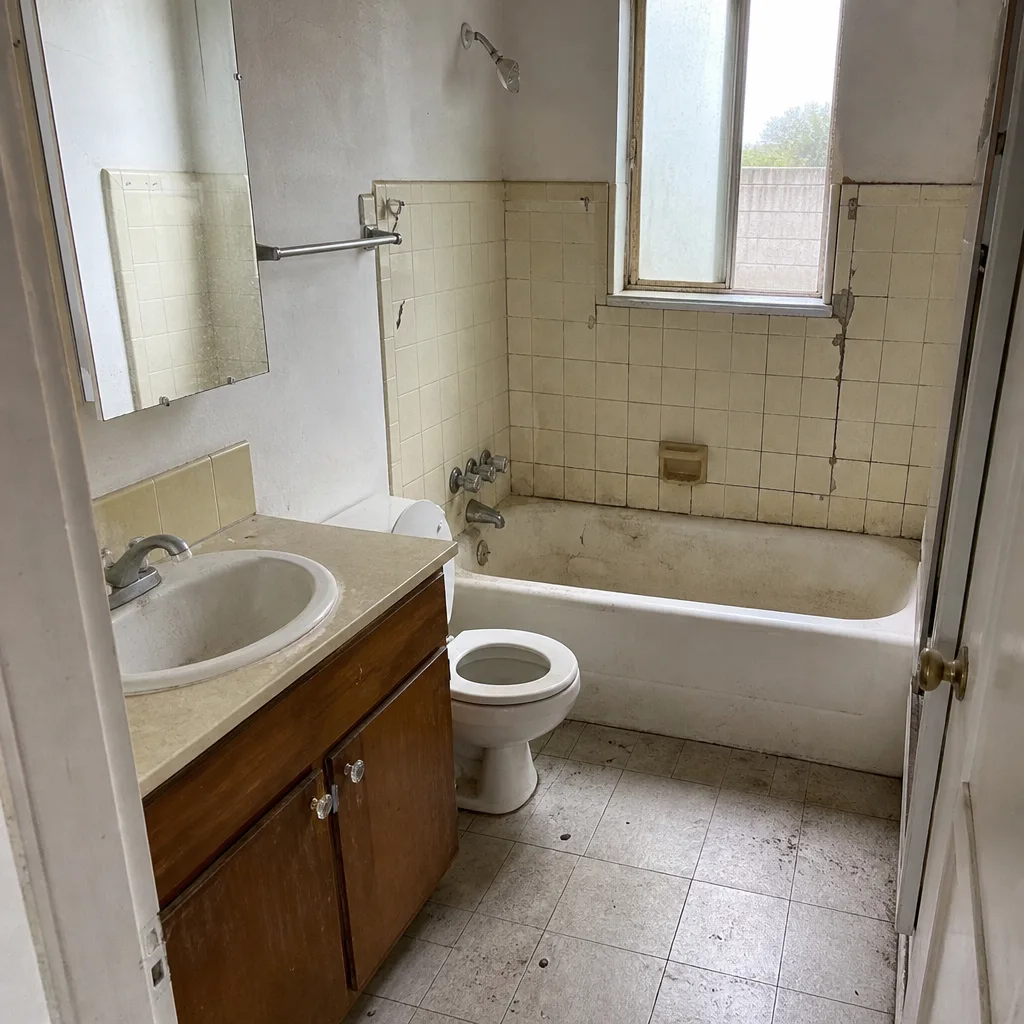 Before
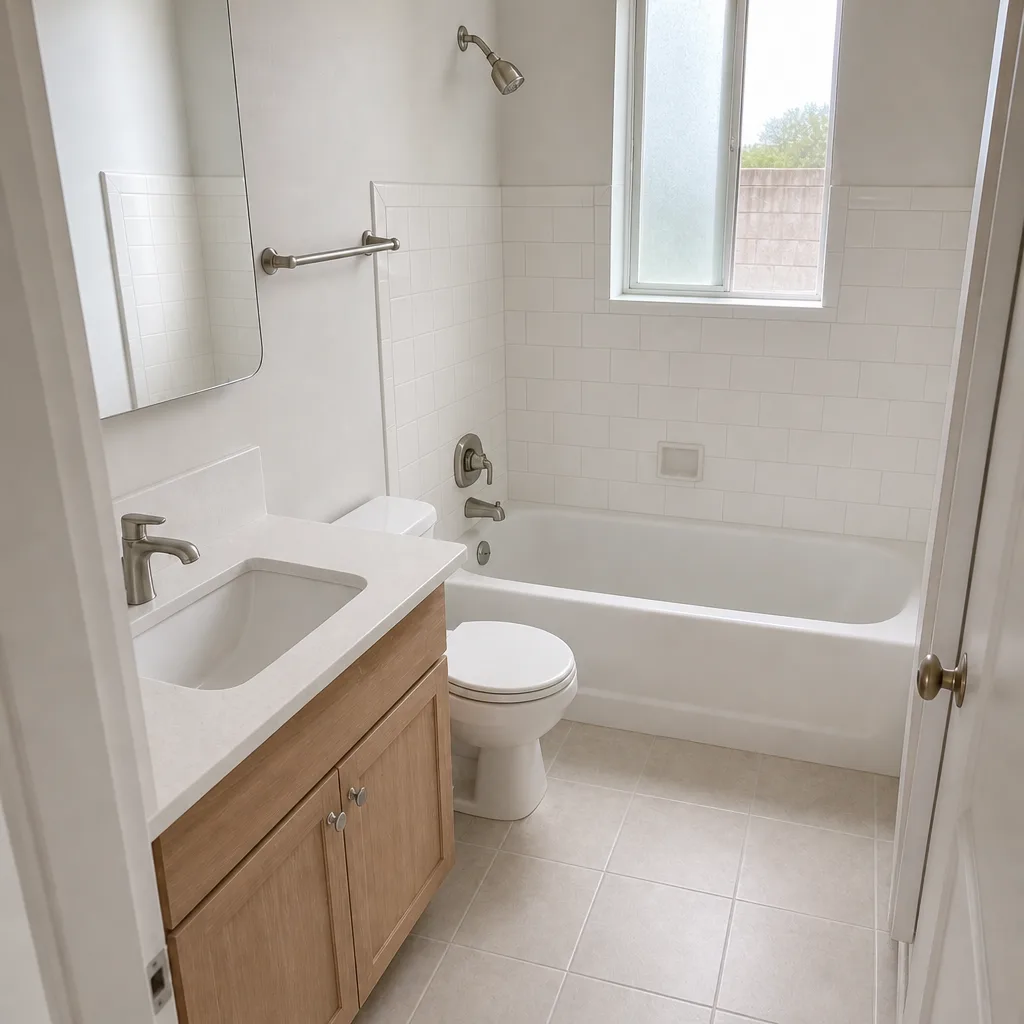 After
Replacement Cost & What’s Included
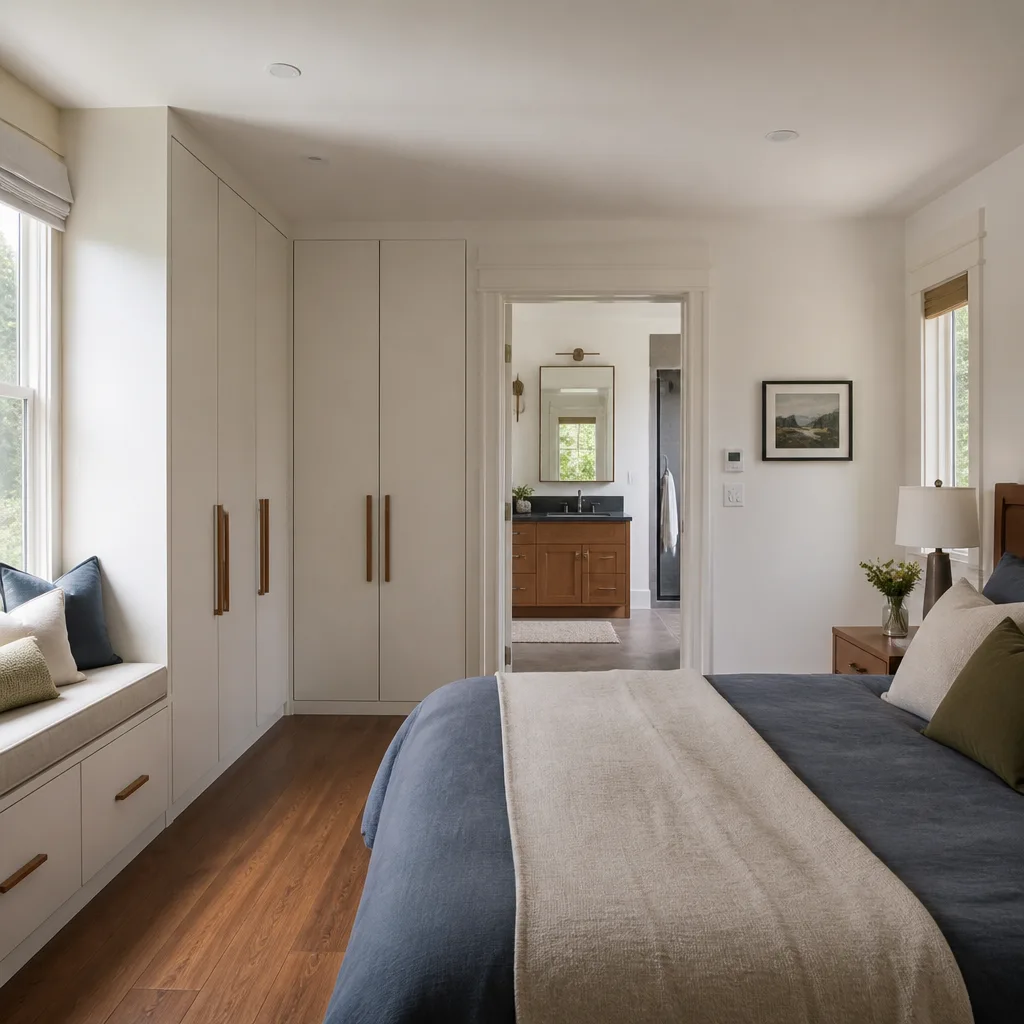
Bathroom remodeling cost in Los Angeles with James Hardie assemblies installed runs $10,620 to $33,040. A small bathroom remodel lands at $5,900 to $14,160. Standalone work is priced separately and gives you an honest sense of what the parts and labor actually cost:
- Walk-in shower installation with HardieBacker and waterproofing: $5,310 to $14,160
- Tub-to-shower conversion: $4,130 to $11,800
- Shower replacement: $3,540 to $10,030
- Bathroom vanity installation: $945 to $3,540
The range is driven by square footage, whether the rough-in moves, tile choice, and how much old assembly has to come out. If the framing behind the board is soft or mold-damaged, that’s added scope, and you’ll see it as a written line item before anyone swings a hammer. Every price we give is written and fixed before work starts, with no numbers that move at the door. All completed work is covered by the 365-Day Done Right Promise: if the installation fails within a full year, we return and correct it at no charge.
DIY or Call Us?
There’s a real split here, and it’s worth being direct about it. What a homeowner can safely do: check for soft spots with a press of the thumb, look for cracked or missing caulk at the tub and shower corners, verify the fan actually moves air with a tissue test, and read the back stamp on any exposed board. Anything past that – cutting into a wet wall, replacing board, tying in a waterproofing membrane – is where DIY goes wrong, because the failure won’t show up for a year or two, and by then the tile and the framing both pay for it.
If your project touches electrical at the vanity or a heated floor circuit, that’s licensed trade work, full stop. We don’t recommend homeowners open a wet wall and re-route anything live, and we won’t talk anyone into it.
We work with a documented roster of name-brand materials so every spec is traceable: James Hardie for the wet-wall and exterior assemblies, KraftMaid and Wellborn cabinetry, and Cambria and Silestone surfaces, among others. Our technicians have up to 22 years of experience, and every one of them is background-checked and uniformed – you’ll know who’s coming to your door before they arrive. Call (844) 343-6681 and we’ll walk through what you’re seeing and what a written estimate looks like.
FAQs
A properly installed HardieBacker and waterproofing assembly holds up 20 to 30 years behind tile in Los Angeles, though in coastal areas with heavy marine-layer dampness, the realistic window is closer to 20. The board itself usually isn’t what fails – the waterproofing lapping and the sealant joints at corners and penetrations are, and those are the parts that need checking every few years.
Sometimes, yes – a single failed grout line, a recaulked corner, or a replaced section of trim can be repaired rather than rebuilt. If the board under the tile is soft or has begun to break down, spot repair just delays the inevitable, because the cement core will keep absorbing water. We’ll tell you honestly which side of that line your project is on. Call (844) 343-6681 for a free estimate and we’ll walk the bathroom with you.
A tub-to-shower conversion or a shower replacement typically takes 5 to 10 working days from demo to finished tile, assuming no framing surprises. A full bathroom remodel in Los Angeles runs 2 to 4 weeks. The parts are rarely the bottleneck – drying time between waterproofing and tile, and any plumbing or electrical rough-in, drive the schedule. You’ll get the timeline in writing before work begins.
We order genuine James Hardie product through established supplier channels, matched by thickness and profile to the existing assembly, and we confirm the spec in writing before the order goes in. We don’t carry parts on a truck and we don’t claim to stock inventory – what we do is specify the right product, order it against your written scope, and hold the supplier to the delivery date so your project doesn’t stall. Call (844) 343-6681 to schedule your free estimate.
Written by the team at Bradford Remodeling Co Los Angeles, serving Los Angeles and nearby areas.