Free written scope consultation - allowances, timeline, and change-order rules on paper before a single trade is scheduled
Delta Driveway & Pavers: The Los Angeles Owner’s Guide
When a Delta driveway or paver surface starts failing in Los Angeles, the fix is usually modular: we replace the failed section, reset or re-lay the pavers, and correct the base underneath. Full paver driveway installation in Los Angeles runs $8,260 – $21,240, while driveway replacement (removing the old surface and rebuilding) lands at $5,900 – $16,520, and targeted repairs come in well below either. Pricing is fixed in writing before we start, and every job carries our 365-Day Done Right Promise.
Owners typically find out the hard way. A wheel drops into a soft spot after a dry summer, or a section heaves two inches after the first real rain of the season. Sometimes the giveaway is a paver that rocks underfoot, or sand washing out along a joint line with every hose-down. Once one of those shows up, the surface isn’t going to settle itself back into shape. Bradford Remodeling Co Los Angeles is an independent service provider, not affiliated with Delta, so we match the right part and the right spec to your system rather than selling a logo.
Key Takeaways
- Delta paver surfaces fail at the base, not the top. The unit that looks broken is usually a symptom of a washed-out bed below.
- Full paver driveways in Los Angeles: $8,260 – $21,240. Driveway sealing (joint sand and protective coat): $295 – $825.
- Repairing a failed section costs far less than a full rebuild when the base is still intact.
- You get a written price before any work starts, materials documented by name, and a full-year written guarantee.
Which Delta Models This Applies To
Delta manufactures driveway and paver products in several configurations: interlocking modular pavers, permeable grid systems, edge restraints, and the accessory layer that does most of the quiet work (joint sand, geotextile fabric, base reinforcement). Matching a replacement to your existing system starts with measurement, not catalog guessing. Measure the face dimensions of the failed unit, the joint width, and the nominal thickness. Delta paver lines commonly run 60mm to 80mm thick for residential driveways. If your failed unit measures at 60mm and you set an 80mm match, the surface won’t sit flush and the edge restraint will carry the load unevenly. Write those numbers down before you order anything.
Look for the marking on the bottom of a pulled-up paver or on the original installer’s documentation. Delta units usually carry a series identifier stamped or molded on the underside. That identifier, plus the face measurement, is what a supplier needs to pull the right match. Los Angeles suppliers carry the common lines, so a same-series match is typically available without special order, though lead time on a discontinued color is a separate conversation we’ll have upfront rather than after the job starts.
OEM versus equivalent: for pavers, the critical spec is compressive strength, absorption rate, and thickness, not the brand name on the pallet. A quality commercial-grade equivalent that matches your existing unit on those three measures will perform identically under a driveway. What we don’t do is substitute a thinner unit to save budget without telling you, because that’s the shortcut that fails inside two summers.
Styles & brands we work with
- Kitchen remodeling
- Bathroom remodeling
- Home additions & ADU
- Roofing
- Windows & doors
- Driveway & pavers
- Fence
Signs Your Delta Driveway & Pavers Is Failing
Paver failures almost always trace back to the base, the drainage, or the edge restraint. The paver itself is the last thing to go.
- Rocking or loose pavers. A paver that tips underfoot has lost its bed contact. That means the sand bedding has migrated, usually because joint sand washed out and water found a path into the base.
- Sand washing out of joints. Every hose-down carrying sand away is a sign the joint sand hasn’t been replenished and the surface is now letting water sit in the bedding layer instead of shedding it.
- Heaving after rain. A section rising or tilting two seasons in points to saturated base material that can’t drain. Los Angeles soils, especially the clay-heavy patches in older neighborhoods, hold water rather than let it pass, and that pressure lifts pavers from below.
- Efflorescence and salt bloom. A white haze that reappears after rain means moisture is migrating through the units. It’s cosmetic at first and a warning about trapped water underneath.
- Edge spreading and settlement. Pavers at the driveway edge walking outward or sinking means the edge restraint has failed or the base was never compacted to depth. Once the edge goes, the field follows.
Any one of these is worth a look. Two or more at once means the failure is in the base layer, and surface patching won’t hold through a wet winter.
See the difference
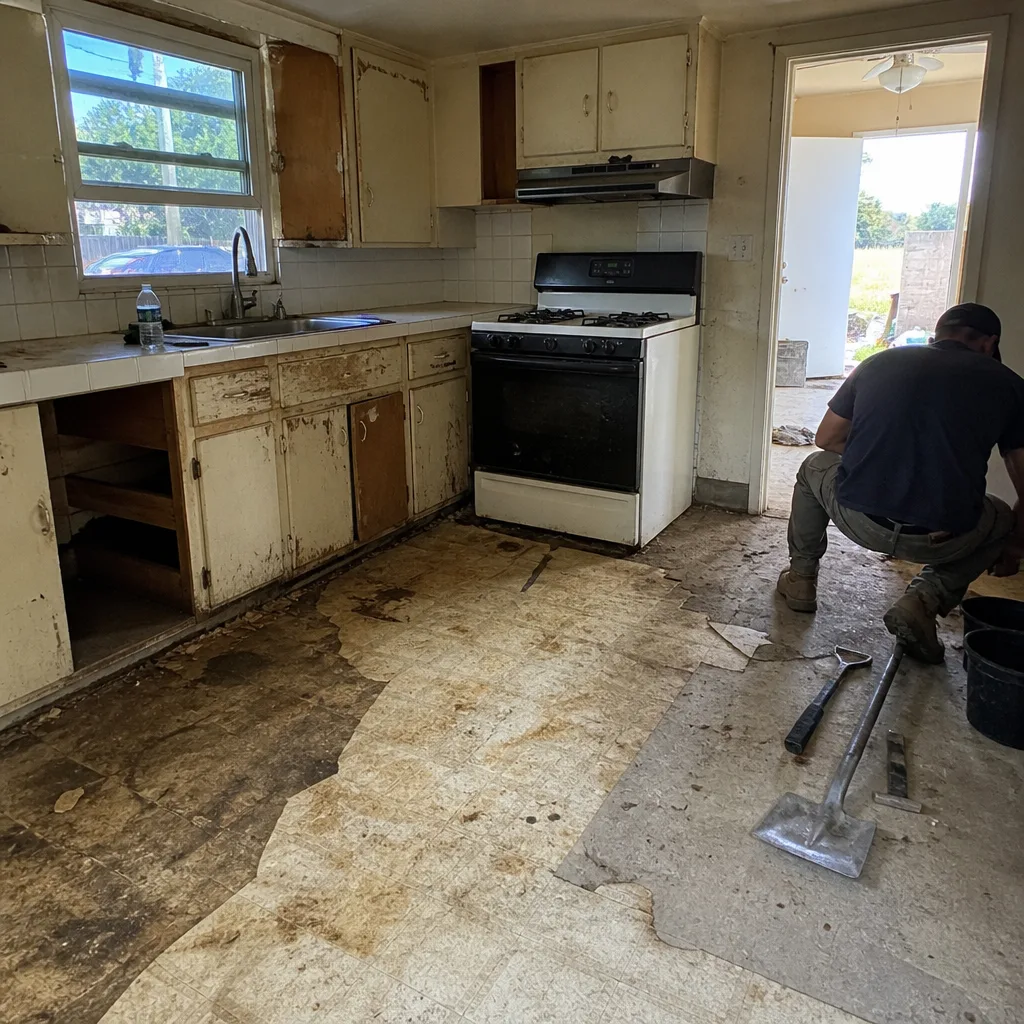 Before
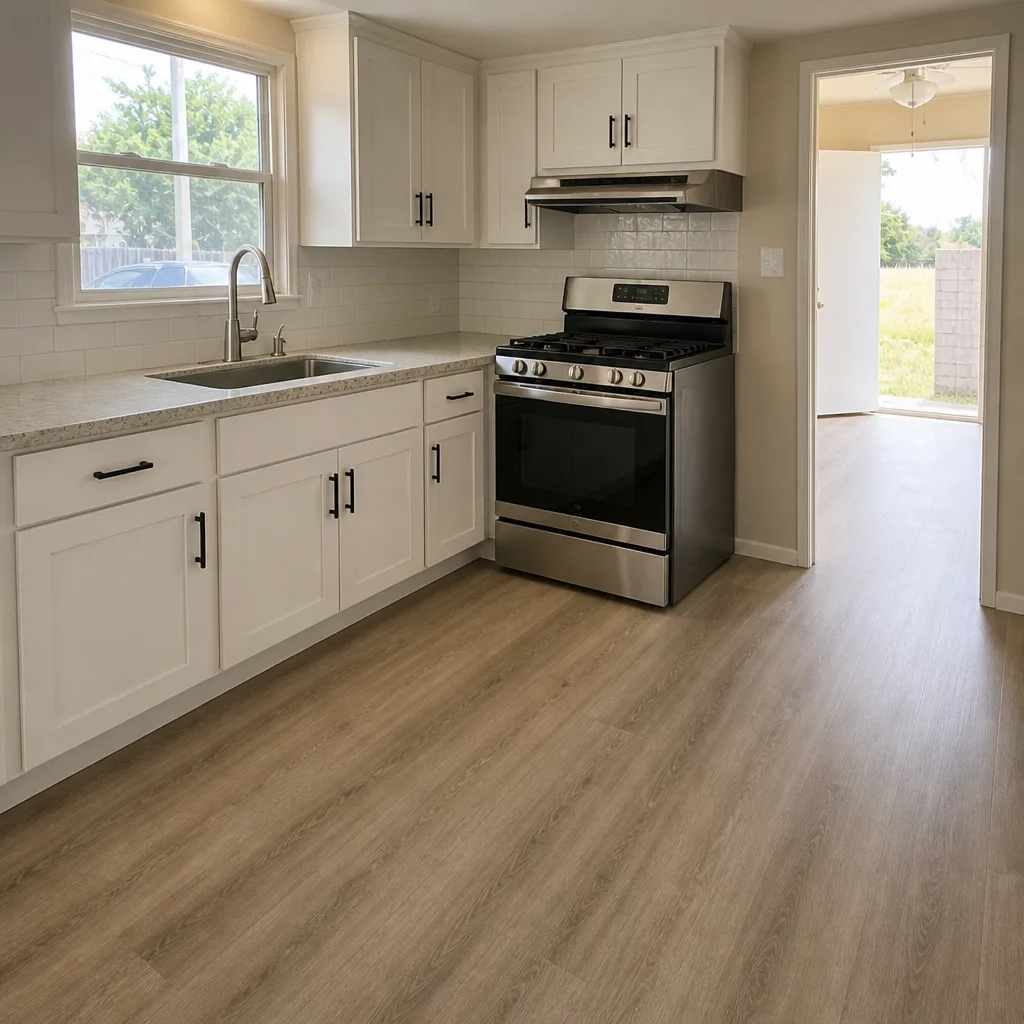 After
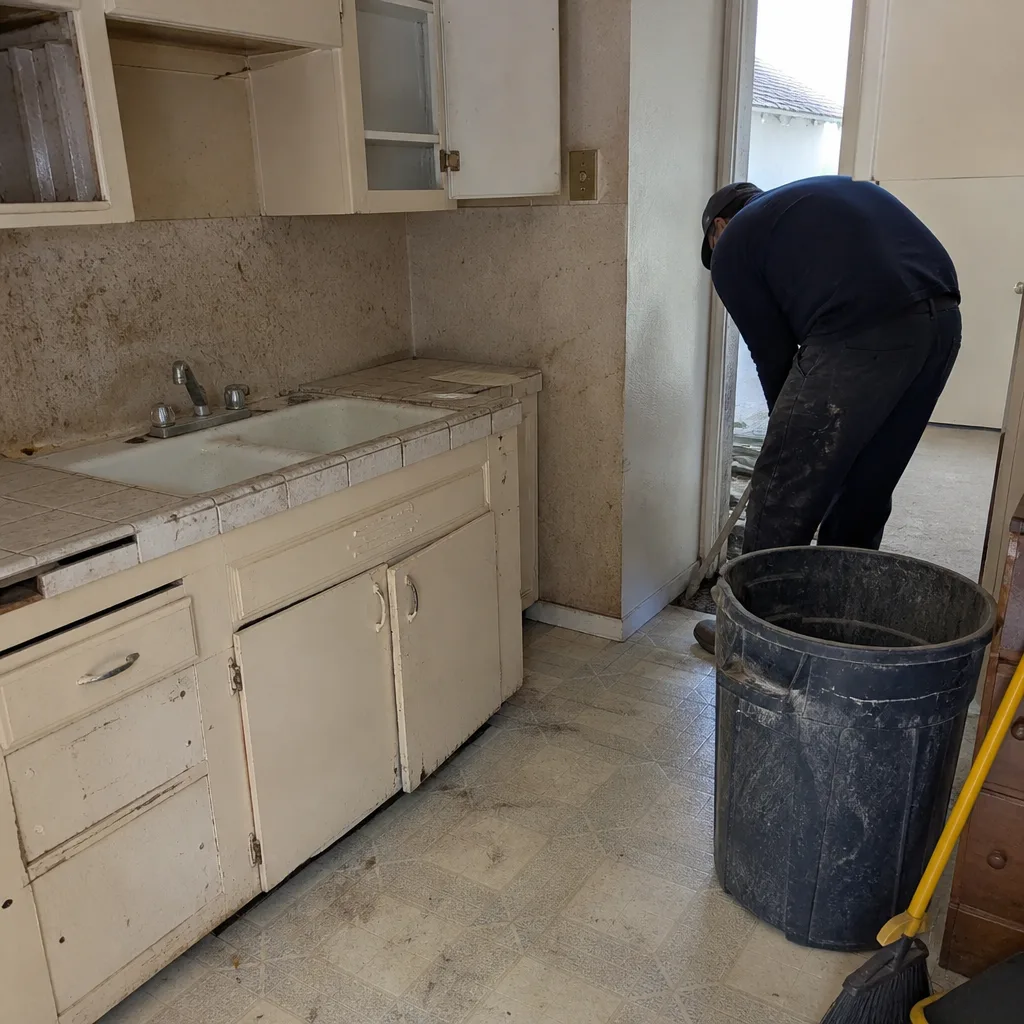 Before
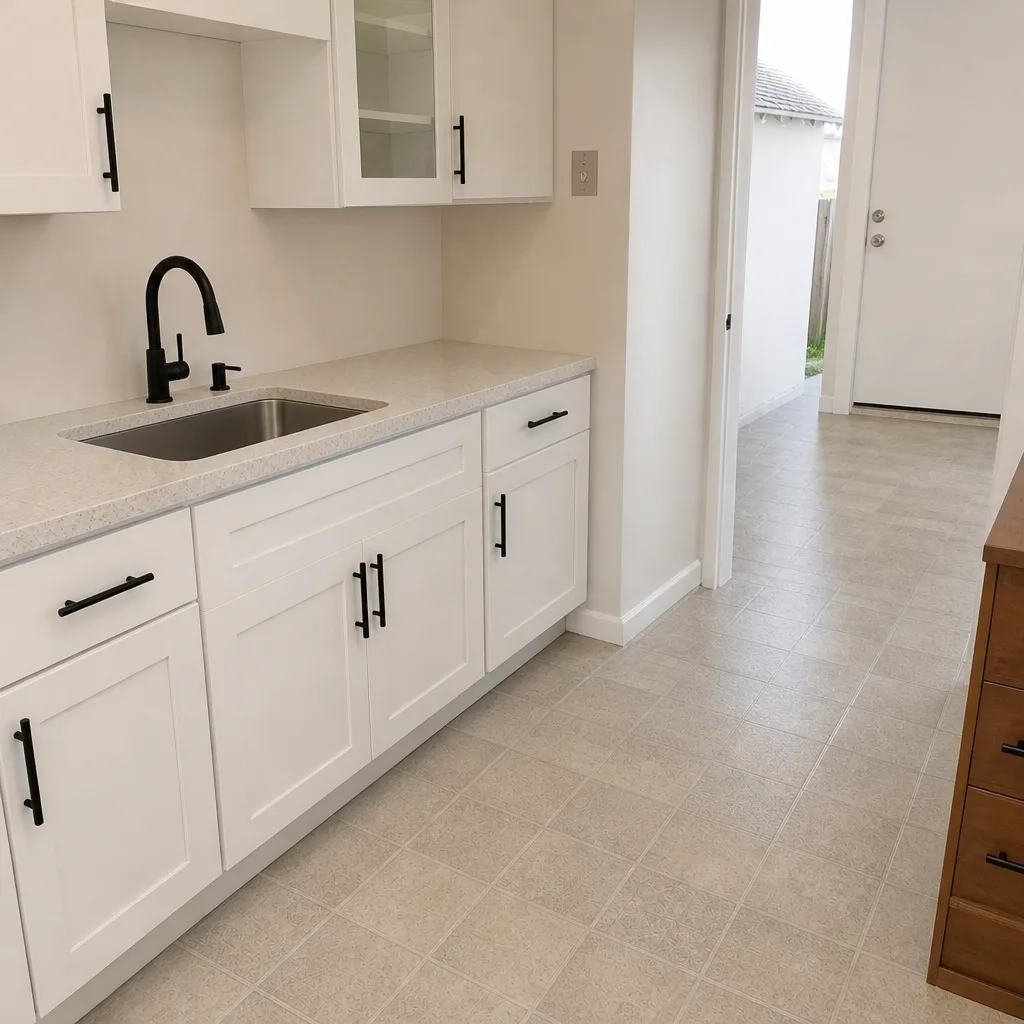 After
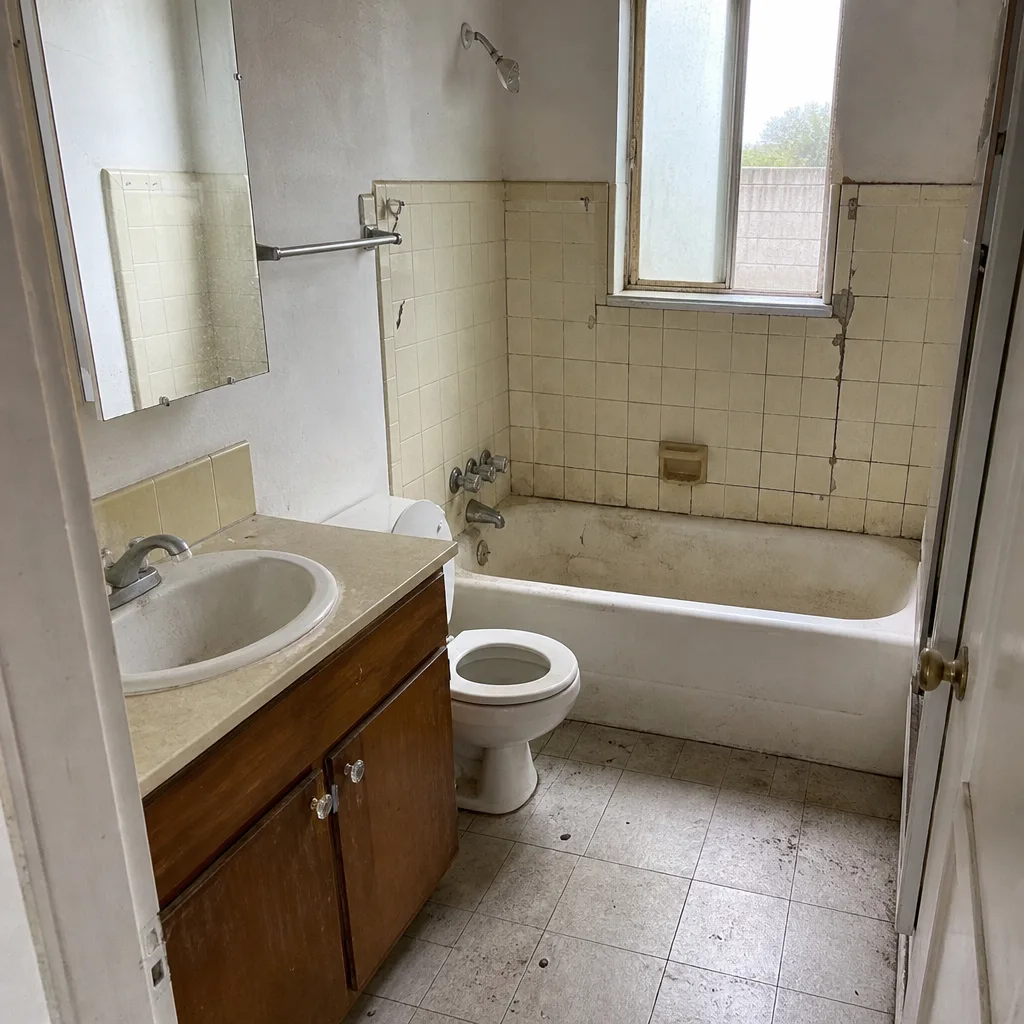 Before
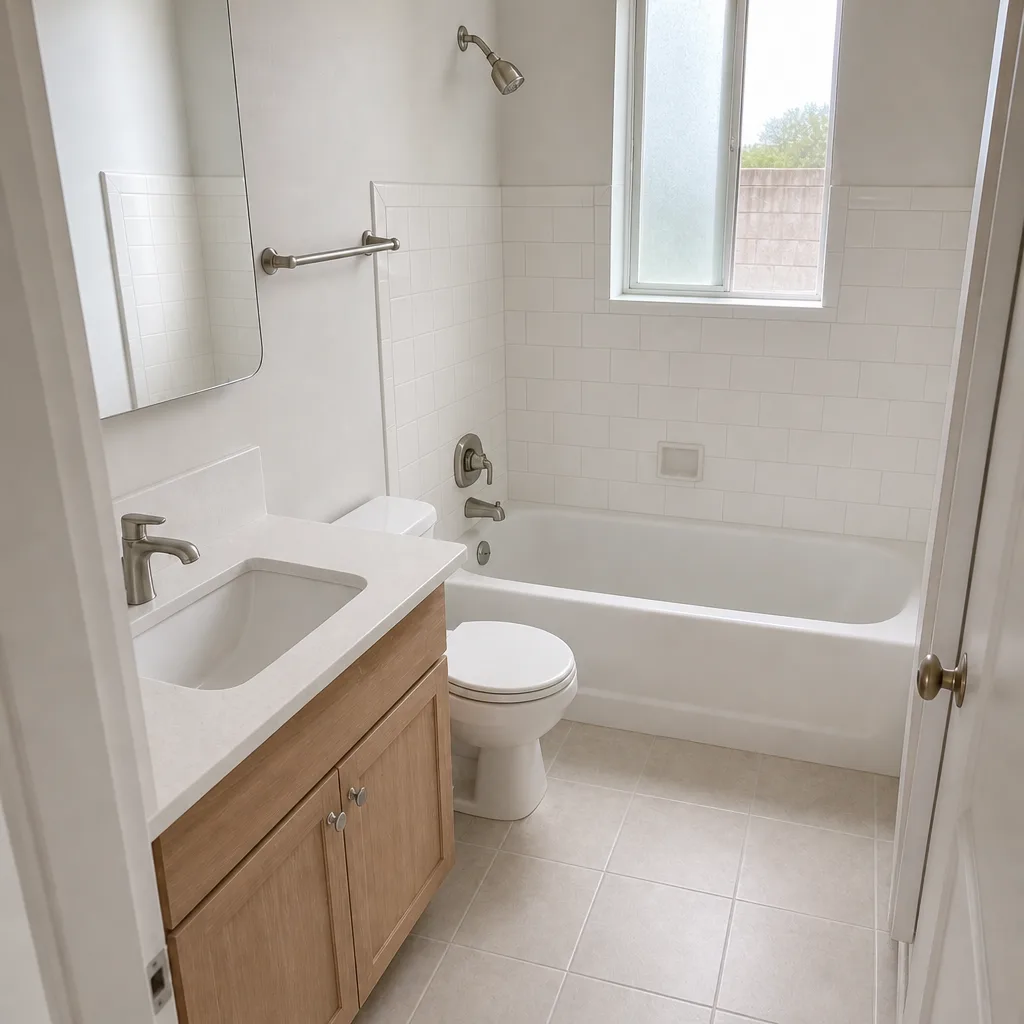 After
Replacement Cost & What’s Included
For Los Angeles homeowners, here’s what the numbers look like, installed.
| Service | Installed Range |
|---|---|
| Paver driveway installation | $8,260 – $21,240 |
| Concrete driveway installation | $5,310 – $14,160 |
| Asphalt driveway paving | $4,130 – $10,620 |
| Driveway replacement (full remove + rebuild) | $5,900 – $16,520 |
| Driveway sealing | $295 – $825 |
| Paver patio installation | $4,130 – $12,980 |
What drives the range: driveway square footage, depth of base excavation required, whether the existing base is compacted and drainable or needs replacement, and paver line thickness and finish. That last one matters more than most homeowners expect, because an 80mm unit on a compacted base and a 60mm unit over a weak base look identical on the invoice and perform nothing alike. Every quote we give is line-item: pavers, base material, geotextile, joint sand, edge restraint, labor, haul-away of old surface, all broken out in dollar figures. The price you sign is the price you pay. Every completed project carries a full-year written guarantee, and if the work fails inside that window, we come back and correct it at no charge.
We install a documented roster of hardscape products including Belgard and Unilock, and we’ll spec Delta-compatible replacements where the existing system should be kept. For adjoining work, we also handle KraftMaid cabinetry, Cambria and Silestone surfaces where a driveway job opens onto an entry or patio remodel.
DIY or Call Us?
One honest paragraph on safety before anything else. Pavers are heavy. A 60mm unit at roughly 20 pounds apiece, a 200-pound plate compactor, and a wet saw on a sloped driveway is a combination that sends people to the emergency room every week. Wear actual eye and hand protection, don’t work a slope without a second person, never start a base cut near a gas line without a locate, and if your driveway crosses utility trenches, call before you dig.
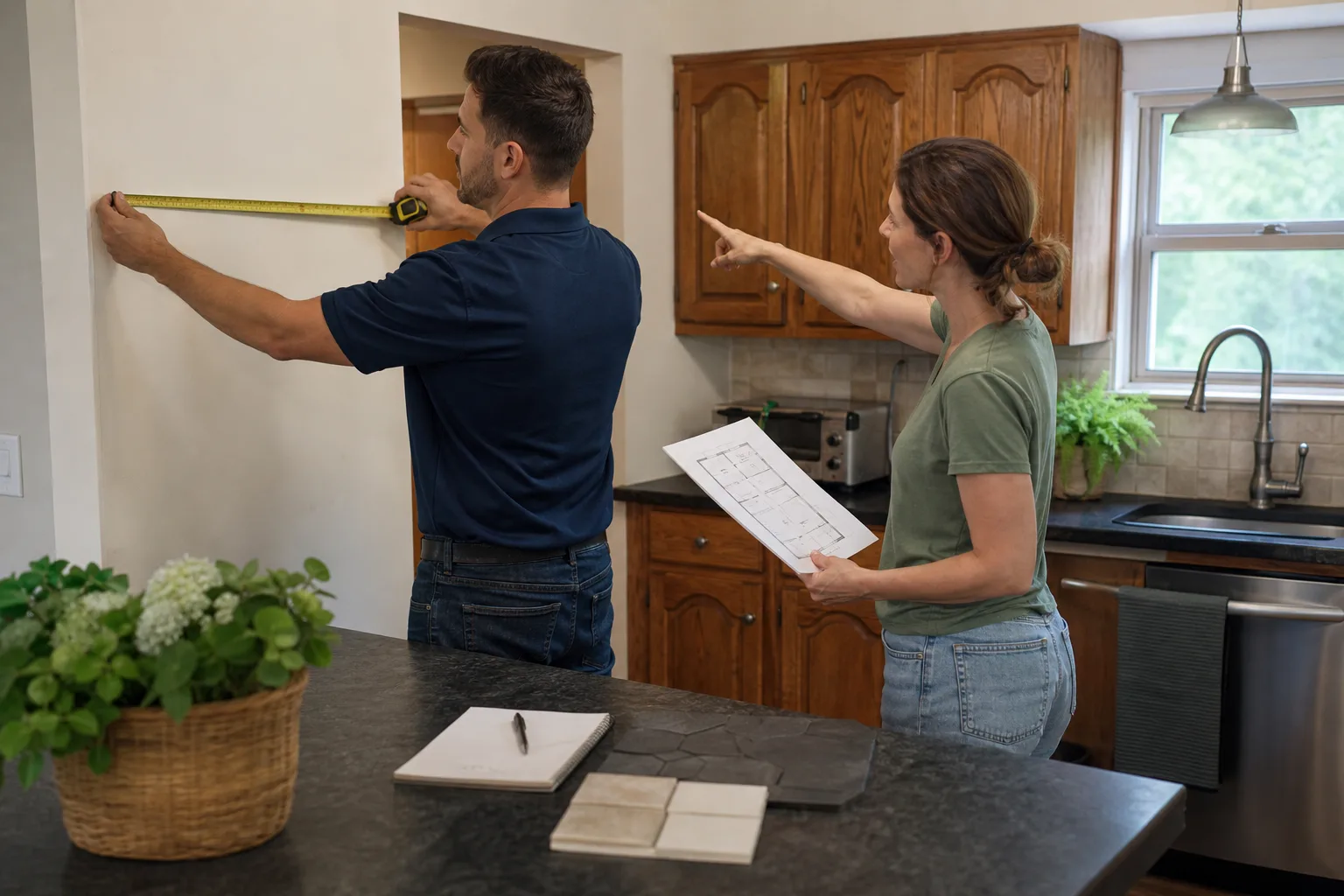
What you can safely check yourself: measure the failed units, look for the series marking, photograph the base condition after pulling one, and note whether the edge restraint has separated. Those four things are free to gather and they make quoting faster. What goes wrong in DIY paver work is almost never the top layer, because a paver is easy to set. It’s the base depth (4″ minimum compacted for a residential driveway, often more on Los Angeles clay), the compaction pass count, and the edge restraint details. Skip any of those and a good-looking surface fails within two rainy seasons. We’d rather you call and get a written price than buy materials twice.
FAQs
How long does a Delta paver driveway last in Los Angeles? A properly installed paver driveway in Los Angeles typically lasts 25 to 30 years, and often longer when the joint sand is replenished and the surface is sealed every few years. The pavers themselves outlast the substrate in almost every failure we see, which is why the base work is where the money goes. Call (844) 343-6681 for a free estimate on the specific section you’re worried about.
Can the failed section be repaired instead of replaced? Yes, in most cases, and it’s the right call when the surrounding base is still compacted and drainable. We lift the failed units, excavate and re-compact the base locally, reset matching pavers, and re-sand the joints. If the failure is edge restraint or drainage related, we correct that too. Where the whole field has settled, a section repair won’t hold and we’ll tell you that directly rather than sell a patch that fails next spring. Estimates are free.
How long does the swap take? A localized repair of one or two failed sections is typically a one-day job. A full driveway replacement with base rebuild runs three to five working days, weather dependent, and curing time on the base is built into that schedule. We tell you the duration in writing with the price, and you’ll know before we start when the surface will be back under a car.
How do you source the replacement part? We measure the failed Delta unit, match it by series identifier, face dimension, and thickness, and source the pairable replacement through hardscape suppliers who document the spec sheet. You’ll see the material line itemized by name and spec in the written price. No guesswork at the pallet, and no substitutions slipped in after you sign.
If your Delta driveway surface is failing, the fastest path to a straight answer is a call. We’ll look at the failure, tell you whether it’s a repair or a rebuild, and hand you a written price before any work starts. Our technicians have up to 22 years of experience, they’re background-checked and uniformed, and a live person answers the phone 24/7. Call Bradford Remodeling Co Los Angeles at (844) 343-6681 to schedule your free estimate and get the work squared away in writing.
Written by the team at Bradford Remodeling Co Los Angeles, serving Los Angeles and nearby areas.