Free written scope consultation - allowances, timeline, and change-order rules on paper before a single trade is scheduled
CWS Windows & Doors: The Los Angeles Owner’s Guide
We install and repair CWS-compatible windows and doors across Los Angeles, and most full unit replacements run $5,310 to $17,700 installed, while impact-rated units climb to $9,440 to $29,500. Component-level fixes (a failed sash balance, a broken multipoint lock, a worn sweep or weatherstrip) usually cost far less than a full replacement, and we can often schedule a diagnostic visit within a few days. We are an independent service provider, not affiliated with CWS.
Owners rarely notice the part failing all at once. Usually it starts with a window that won’t stay up, a door that needs a shoulder to latch, or a faint whistle on a windy evening in the hills. By the time a Los Angeles homeowner calls us, the symptom has been nagging for a season or two.
Key Takeaways
- Identify your CWS series from the label inside the frame or the glass etch before ordering anything.
- Most CWS window and door failures are component-level: balances, rollers, locks, sweeps, and gaskets.
- Impact-rated and wood-clad units cost more because the glazing and framing specs are stricter.
- We give a written price before any work starts, backed by the 365-Day Done Right Promise.
Which CWS Models This Applies To
CWS builds windows and doors in several series families (vinyl new-construction and replacement lines, aluminum, and clad), and the part you need depends entirely on which one you own. The trick most owners miss: the same nominal window size can use different balances, handles, and hinge sets depending on the series and manufacture year. There’s no universal “CWS part.” There’s a specific part for a specific unit.
Here’s how to identify what you have before we order:
- Look for the manufacturer label. On most CWS windows it’s a small sticker on the jamb or head, or an etch in the corner of the glass. It lists the series, model number, and glass package.
- Measure the visible glass, not just the frame. Balance and hardware part numbers key off the sash dimensions, not the rough opening.
- Photograph the failed part in place. A close-up of a broken pivot bar or a worn roller tells us more than a description.
On the OEM-versus-aftermarket question: CWS factory parts are the safest match when the unit is under 15 years old and the series is still supported. Aftermarket equivalents from established hardware makers are a legitimate option for common items (rollers, sweeps, sash locks), and we’ll tell you plainly which route makes sense. Our technicians have up to 22 years of experience matching window and door hardware, so we don’t guess.
Styles & brands we work with
- Kitchen remodeling
- Bathroom remodeling
- Home additions & ADU
- Roofing
- Windows & doors
- Driveway & pavers
- Fence
Signs Your CWS Windows & Doors Is Failing
These are the five symptoms we see most often on CWS units in Los Angeles homes:
- Window drifts down or won’t hold position. The sash balance has lost tension or the coil has snapped. It’s a spring-loaded part failure, not a frame problem.
- Door drags, sticks, or won’t latch cleanly. Either the multipoint lock isn’t engaging or the hinges have sagged. On heavier CWS patio doors, hinge sag is common after years of daily use.
- Drafts and whistling along the edge. Weatherstripping and sweeps flatten out. In Southern California’s dry heat, the gasket material hardens faster than most owners expect, sometimes within 6 to 8 years.
- Water staining at the sill or lower corners. Failed corner seals or clogged weep holes. Left alone, this is where wood rot starts in clad units.
- Condensation between the panes. The insulated glass unit (IGU) seal has failed. The glass itself has to be replaced; no repair restores a fogged seal.
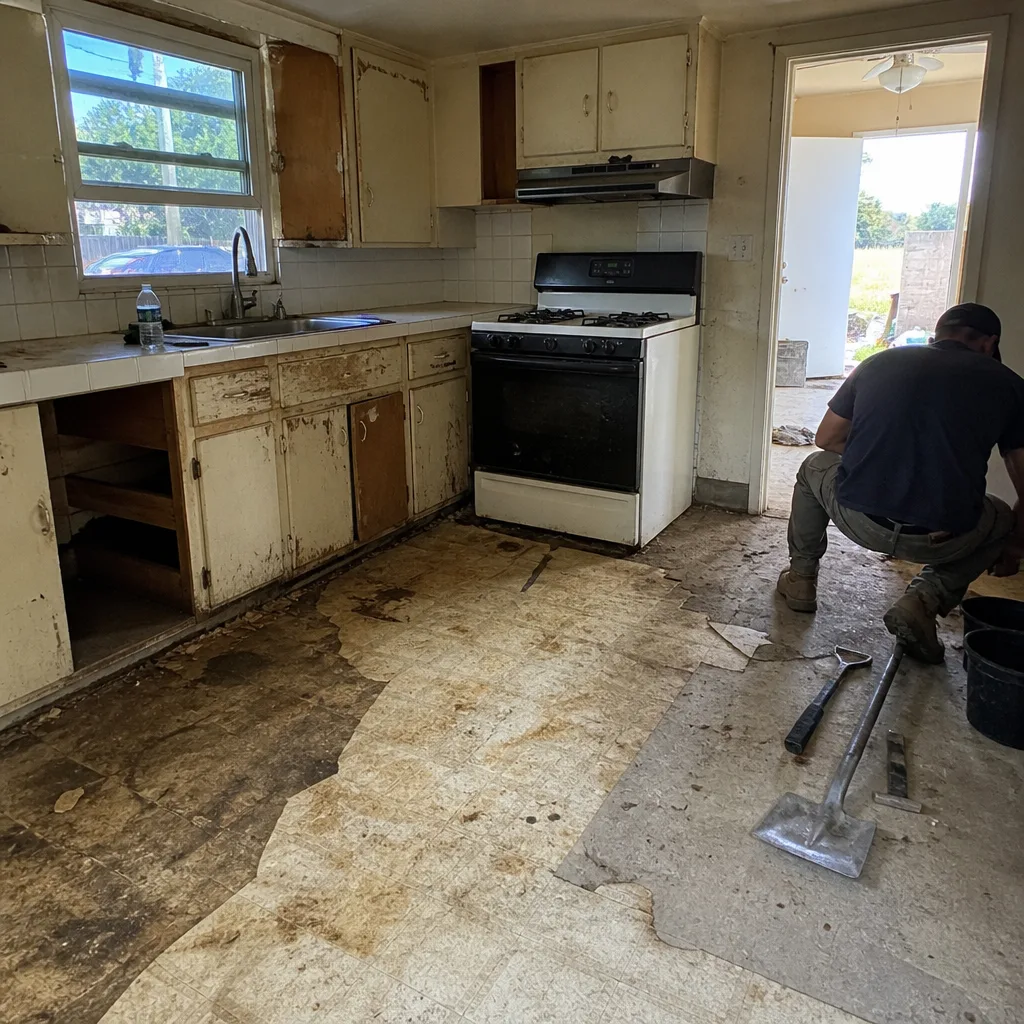
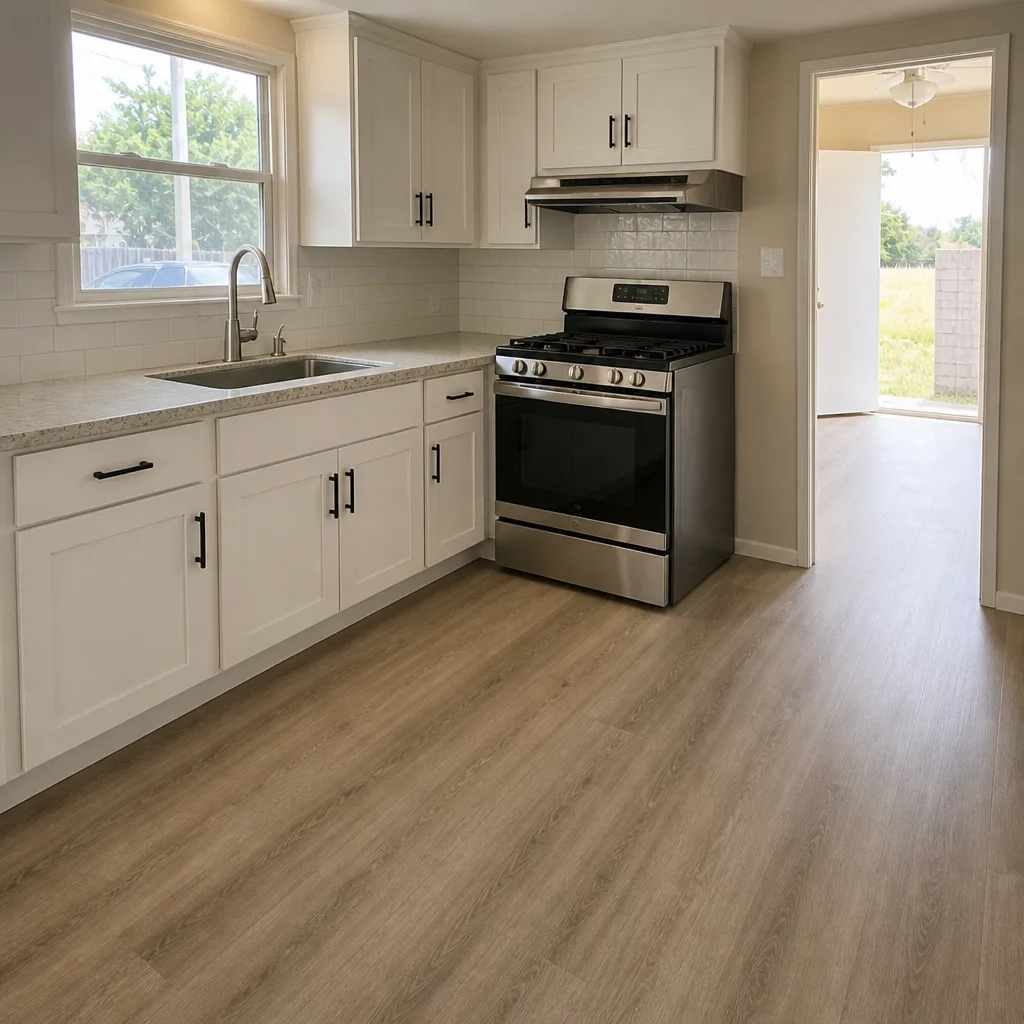
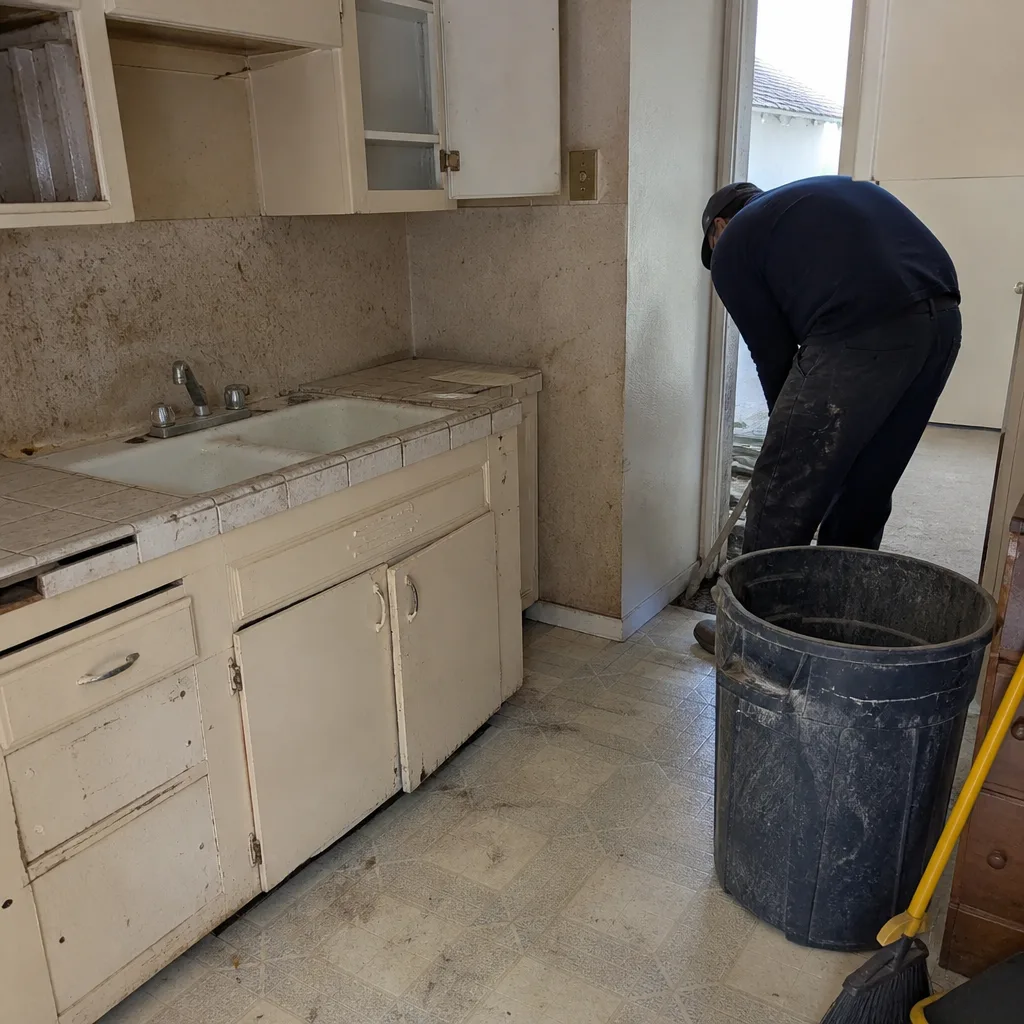
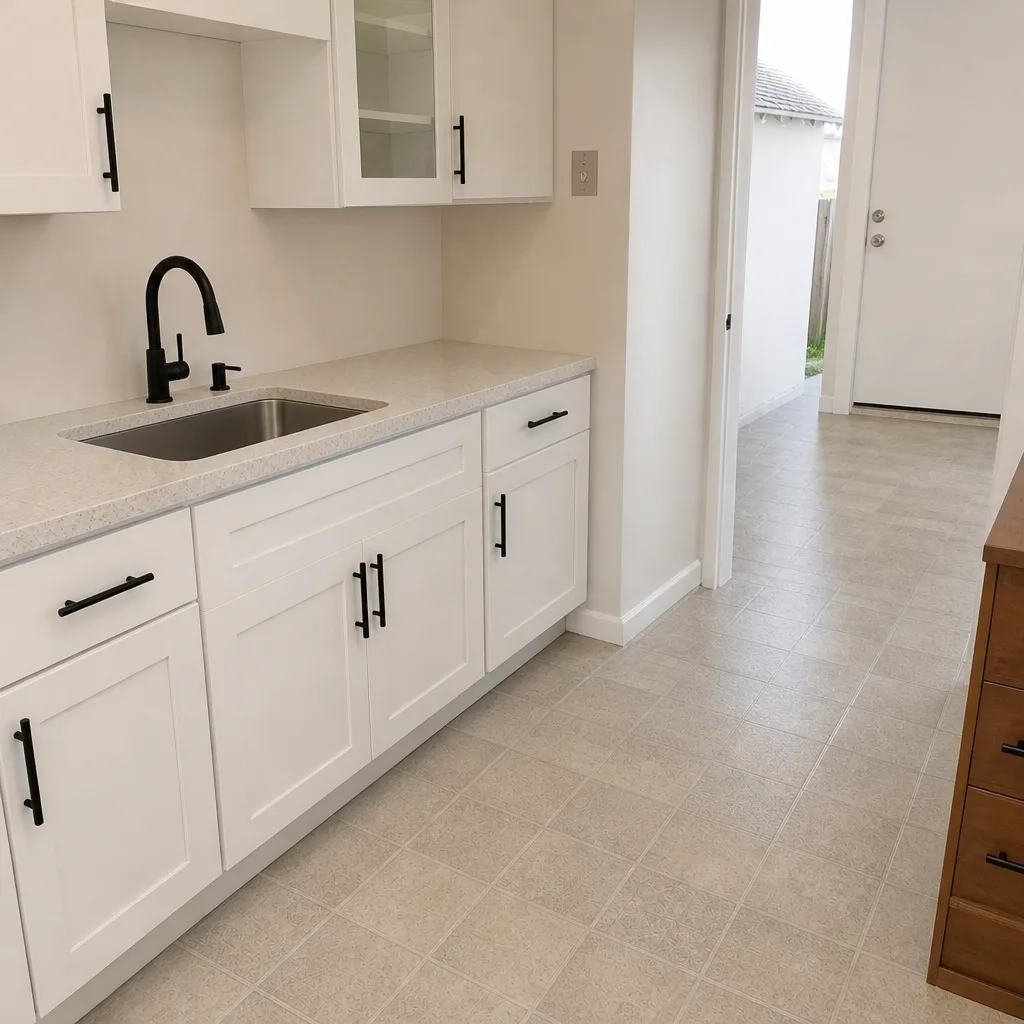
See the difference
 Before
 After
 Before
 After
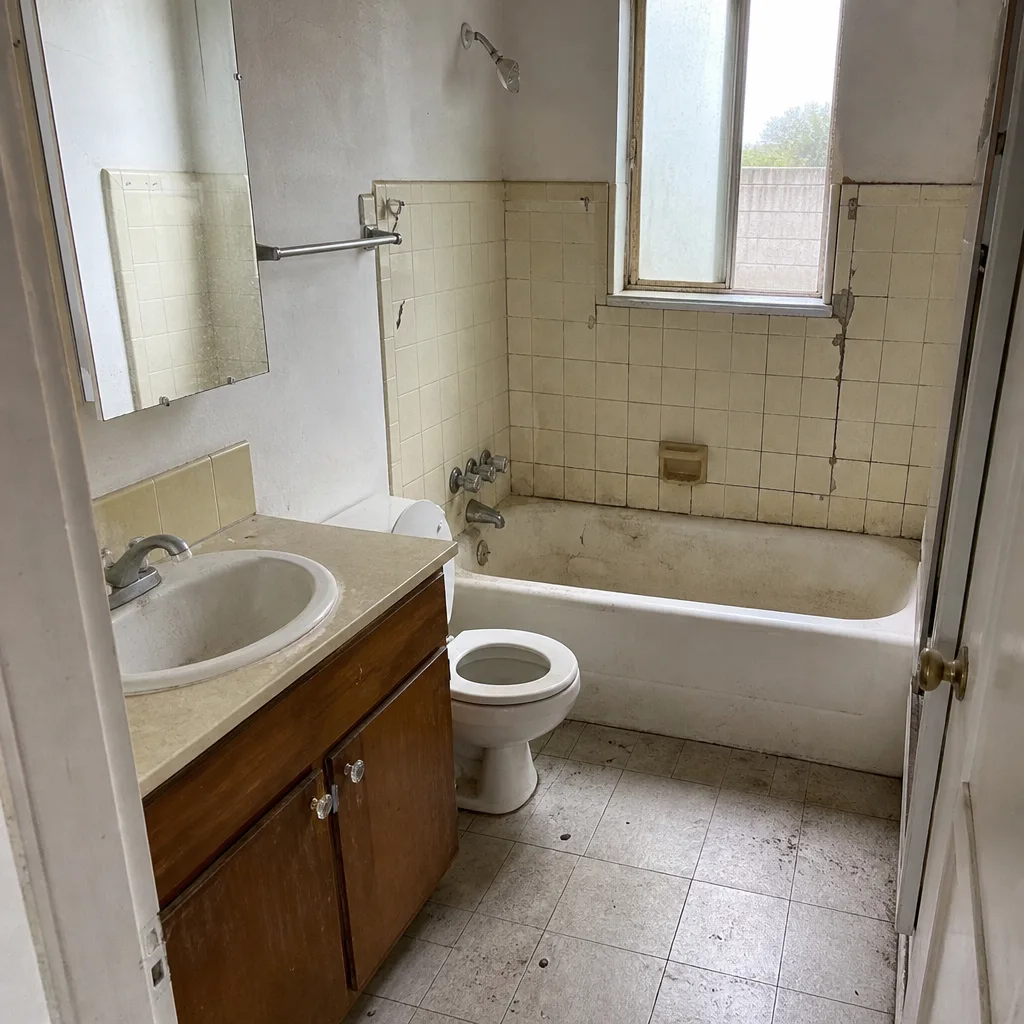 Before
 After
Replacement Cost & What’s Included
Here’s what CWS window and door work runs in Los Angeles, based on the scope:
| Service | Installed Price Range (Los Angeles) |
|---|---|
| Window Replacement (standard) | $5,310 – $17,700 |
| Impact Window Installation | $9,440 – $29,500 |
What drives the range: unit count and size, glass package (standard vs. impact-rated or low-E), wood-clad vs. vinyl, and whether the frame is being reused (a “pocket” install) or the unit is being fully replaced with new rough-in. Impact-rated units cost more because the glazing and anchoring specs are stricter and require the right hardware.
Every quote is line-itemed: parts, labor, and disposal, all itemized. We give a written price before any work starts, and the finished job is covered by the 365-Day Done Right Promise: if the work fails within the guarantee period, we come back and correct it at no charge.
DIY or Call Us?
Some checks are safe and sensible on your own: cleaning weep holes, replacing a rubber sweep, wiping and re-lubing a track, and swapping a sash lock you can match by photo. Those are low-risk and worth trying.
But a few things are not worth the risk. Sash balances are under real spring tension and can snap back with enough force to cut a hand. Impact-rated window anchoring is a structural job. And anything involving the rough opening, flashing, or an insulated glass unit replacement belongs to a trained installer; a poor seal is how water gets behind the wall in the first place. If the part is more than a sweep or a lock, call us at (844) 343-6681 and we’ll tell you straight whether it’s a repair or a replacement.
FAQs
Most component parts (balances, rollers, sweeps, locks) last 10 to 15 years with normal use, and less in Los Angeles’s dry heat, where rubber and gasket material hardens and cracks faster than in cooler climates. Insulated glass seals typically fail somewhere between 10 and 20 years. Any part failing well before that is worth investigating for a cause, not just swapping.
Yes, in most cases. Balances, rollers, sweeps, locks, and hinges are component-level repairs, and the frame and glass stay in place. A fogged insulated glass unit can be reglazed without replacing the whole window. Full replacement only makes sense when the frame is damaged, the series is discontinued with no compatible parts, or you’re upgrading to impact-rated units. Call (844) 343-6681 for a free estimate and we’ll tell you which one you’re facing.
A single component repair (a balance, a lock, a sweep) is usually a one-visit job, often an hour or two. A full window or door replacement depends on unit count and access, but a typical residential install runs one to three days. We’ll give you the timeline in writing with the price.
We match the part to your series and model number from the label, glass etch, or measurements, then source OEM where the series is supported or a documented aftermarket equivalent where it isn’t. We don’t carry parts on trucks or hold stock; each part is ordered for your specific unit so the fit is right. We work with a documented roster of brands across our projects, including Therma-Tru doors, James Hardie, KraftMaid, Cambria, and Silestone.
If a CWS window or door has stopped doing its job, the fastest path to a straight answer is a call. Bradford Remodeling Co Los Angeles gives you a written price before any work starts, technicians who are background-checked and uniformed, and a live person on the phone 24/7. Call (844) 343-6681 for a free estimate on your Los Angeles window or door repair or replacement.
Written by the team at Bradford Remodeling Co Los Angeles, serving Los Angeles and nearby areas.