Free written scope consultation - allowances, timeline, and change-order rules on paper before a single trade is scheduled
CGI Roofing: The Los Angeles Owner’s Guide
We install and repair CGI-compatible roofing across Los Angeles, and the honest answer on price is that it depends on whether you’re replacing the whole assembly or matching a failed component. Full roof replacement in Los Angeles runs $9,440 to $23,600; targeted roof repair, which is what most owners actually need when one part has failed, runs $470 to $2,125. Metal roof installation, for owners moving away from the failed assembly entirely, runs $17,700 to $47,200. Every price we quote is written before anyone touches the roof, and every completed job carries our 365-Day Done Right Promise.
Owners usually find this problem the same way: a brown ring on the ceiling that wasn’t there last month, or a shingle corner curling up where the CGI flashing terminates against the fascia. Sometimes it’s granule grit in the gutter after a Santa Ana wind event. The failure is rarely dramatic. It’s a slow leak that announces itself in the drywall first.
Key Takeaways
- Most CGI roofing calls are component repairs ($470 to $2,125), not full replacements.
- Match the part by label and measured dimension, not by photo alone.
- Roof work at height is where DIY goes wrong. We’ll say so plainly below.
- We’re an independent provider, not affiliated with CGI.
Which CGI Models This Applies To
CGI is a broad systems brand, and the roofing components that show up under that label vary by product line and by the year the assembly was installed. We ask for three identifiers before we quote: the model plate on the unit or the original job paperwork, the measured width and gauge of the failed component, and the fastening pattern (how far apart the screws or clips sit). Those three together are what actually let us match a part. A photo of the damaged section helps, but it will not confirm a match on its own, and any provider who tells you otherwise is guessing.
The compatibility gotcha with CGI roofing components: two parts that look identical at the fascia line can be built to different extents on the concealed side, so a replacement that seats flush may fail to engage the fastening keyway. This is the single most common reason a part that “should have fit” leaks again within a season. Measure before you order.
On OEM versus quality aftermarket for CGI specifically: OEM parts exist, but they aren’t always stocked and lead times stretch when a product line is discontinued. A quality aftermarket equivalent from a documented manufacturer, matched to the same gauge and profile, performs fine and often carries a clearer manufacturer spec sheet. What you shouldn’t accept is an unbranded part with no documentation, because that leaves you with no warranty to fall back on when it fails.
Styles & brands we work with
- Kitchen remodeling
- Bathroom remodeling
- Home additions & ADU
- Roofing
- Windows & doors
- Driveway & pavers
- Fence
Signs Your CGI Roofing Is Failing
Roofing failures on CGI assemblies tend to follow recognizable patterns. Here’s what we look for and what each symptom means.
- Interior water staining, usually at an exterior wall. This means water is getting past the flashing or a seam and tracking along framing before it falls. The location of the stain is almost never where the leak starts, which is why pinpointing it from the ceiling alone fails.
- Curling or lifting at the flashing edge. Adhesive or mechanical fastening has let go at the perimeter, where heat cycling does the most damage. Once a corner lifts, wind gets under it and the failure accelerates fast.
- Granule loss and exposed substrate underneath. The surface layer has aged past its useful life and the underlying mat is now taking UV directly. This is the point where repair stops being economical.
- Loose fasteners and backed-out screws. Movement in the deck, or the wrong fastener type for the substrate, lets the connection loosen. Re-tightening without addressing the cause buys you one season at most.
- Seam separation after high wind. A wind event that lifts a lap joint and doesn’t reseat it leaves an open entry point. Our technicians have up to 22 years of experience reading these patterns, and the tell is always the same: an open joint that looks minor from the ground.
The Los Angeles climate shapes the timeline. Coastal marine layer keeps roofs damp for long stretches, which accelerates corrosion on fasteners and rusts the underside of steel components. Inland, sum-in-dry UV exposure and the dry-season heat cycling that comes with it crack sealants and embrittle the material faster. A roof that would last fifteen years in a milder climate often shows first failures here around the ten-to-twelve-year mark, and the timing shifts depending on whether it sits in Santa Monica or Encino.
See the difference
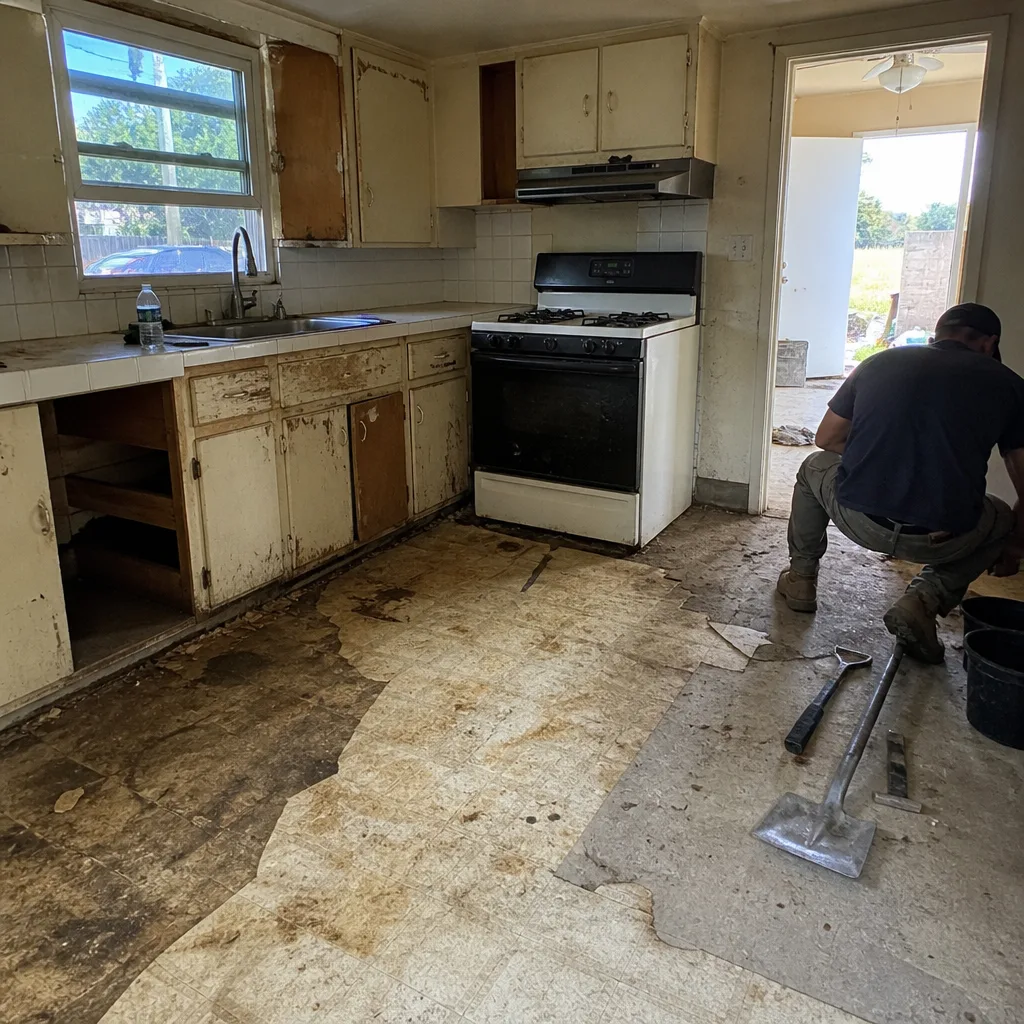 Before
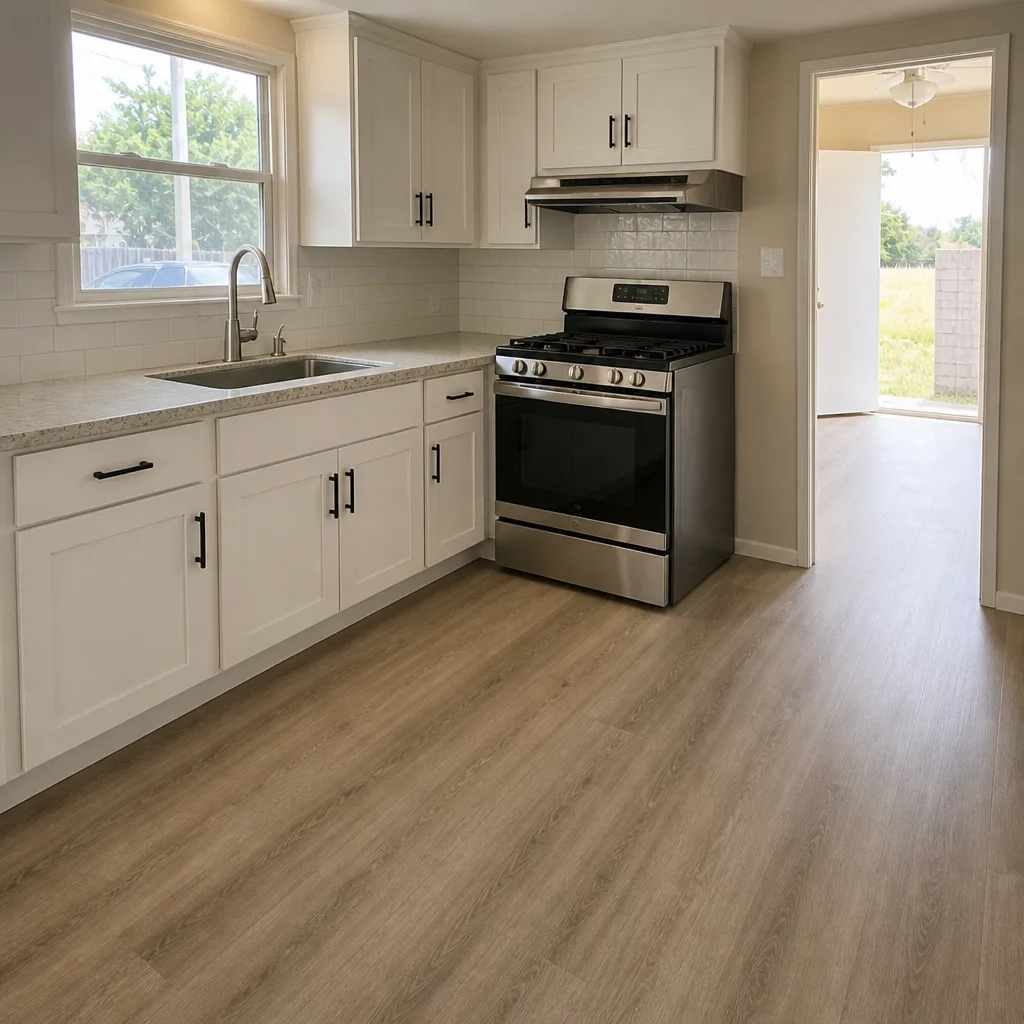 After
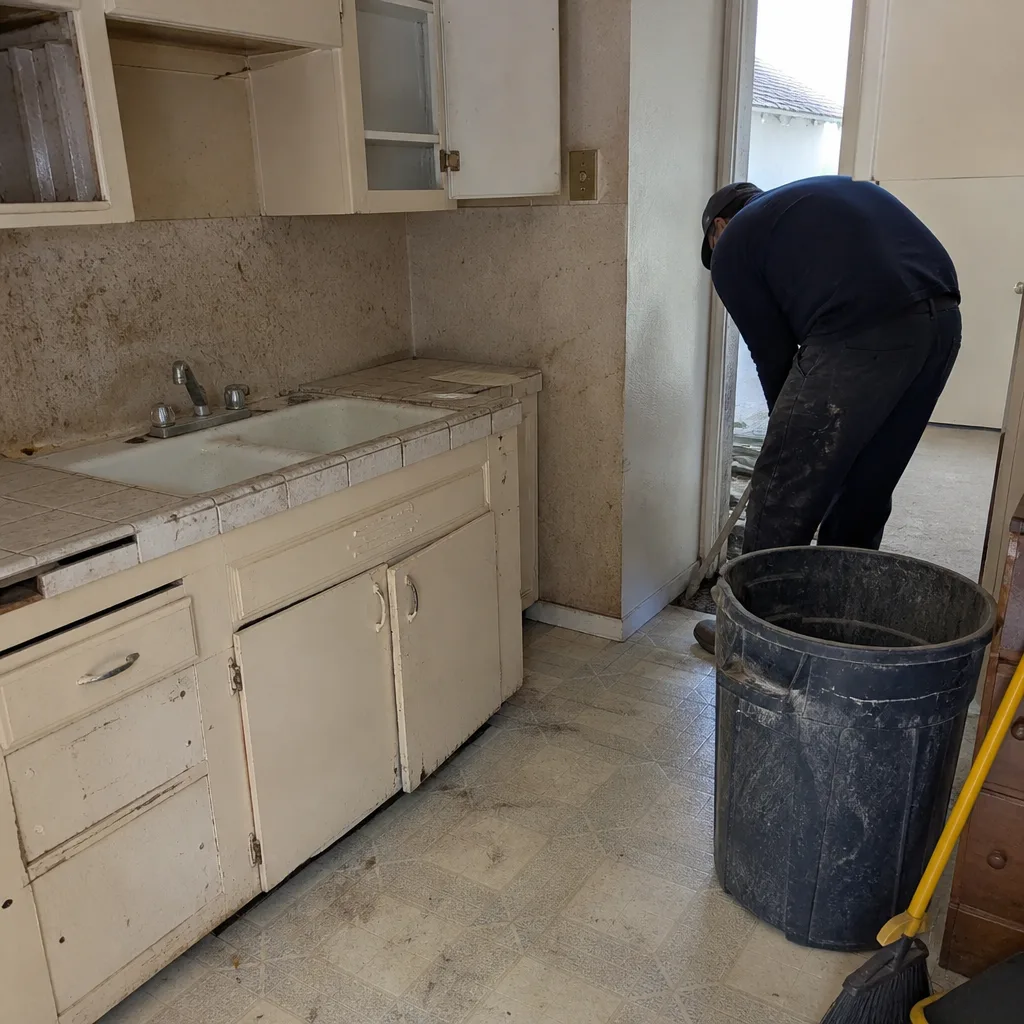 Before
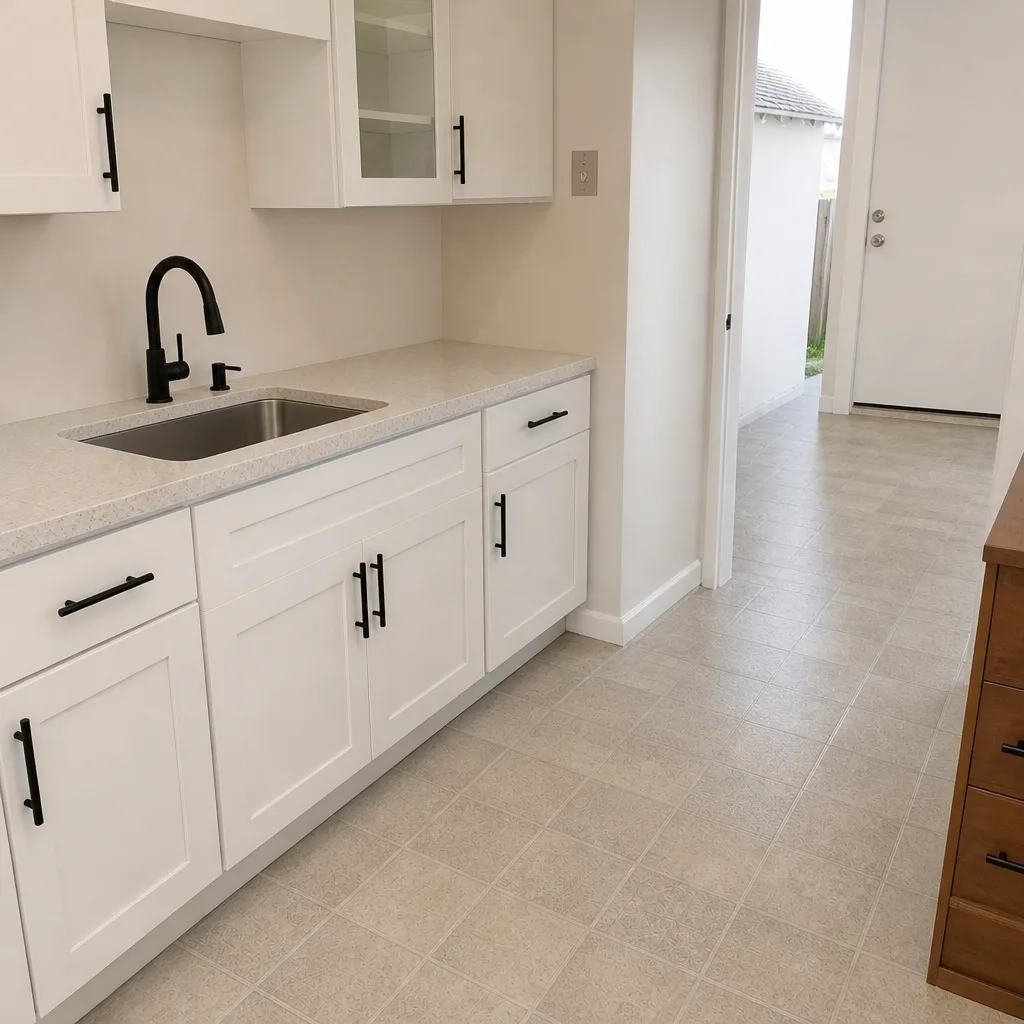 After
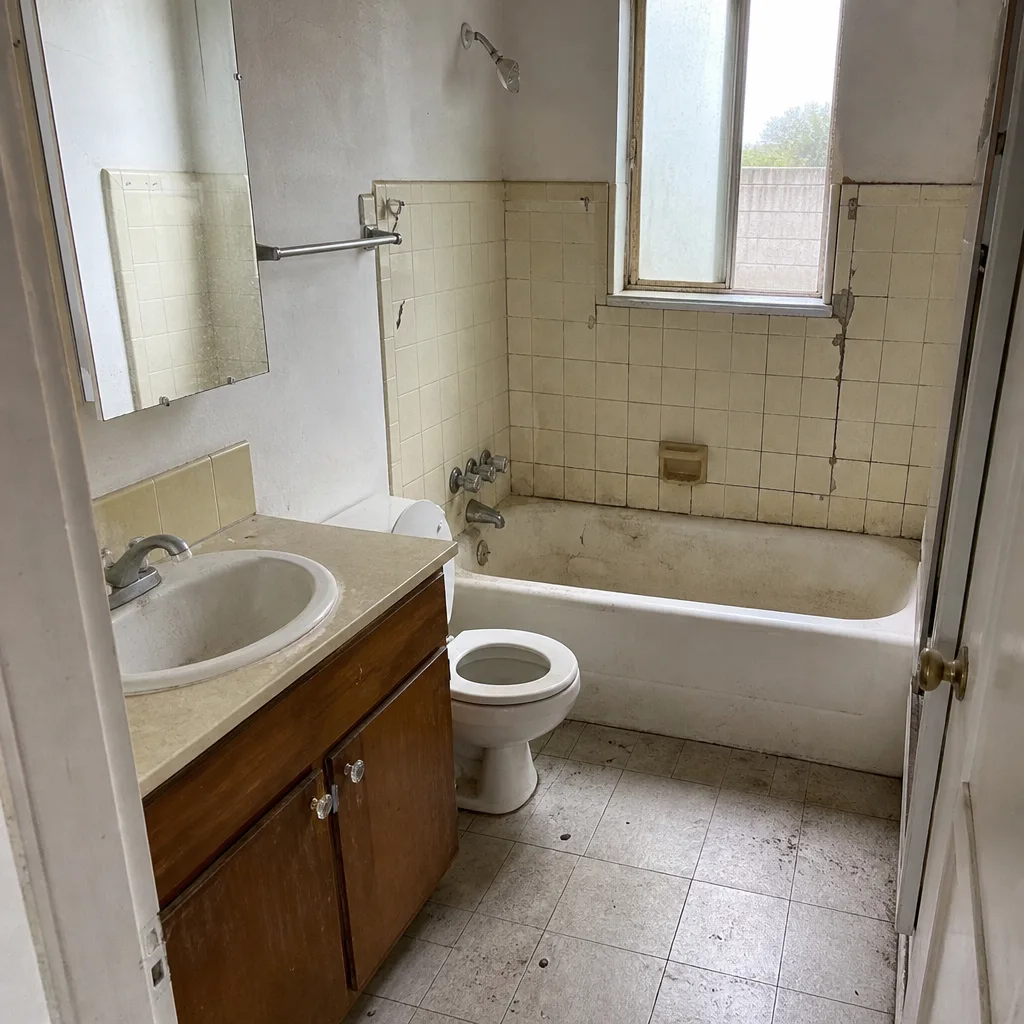 Before
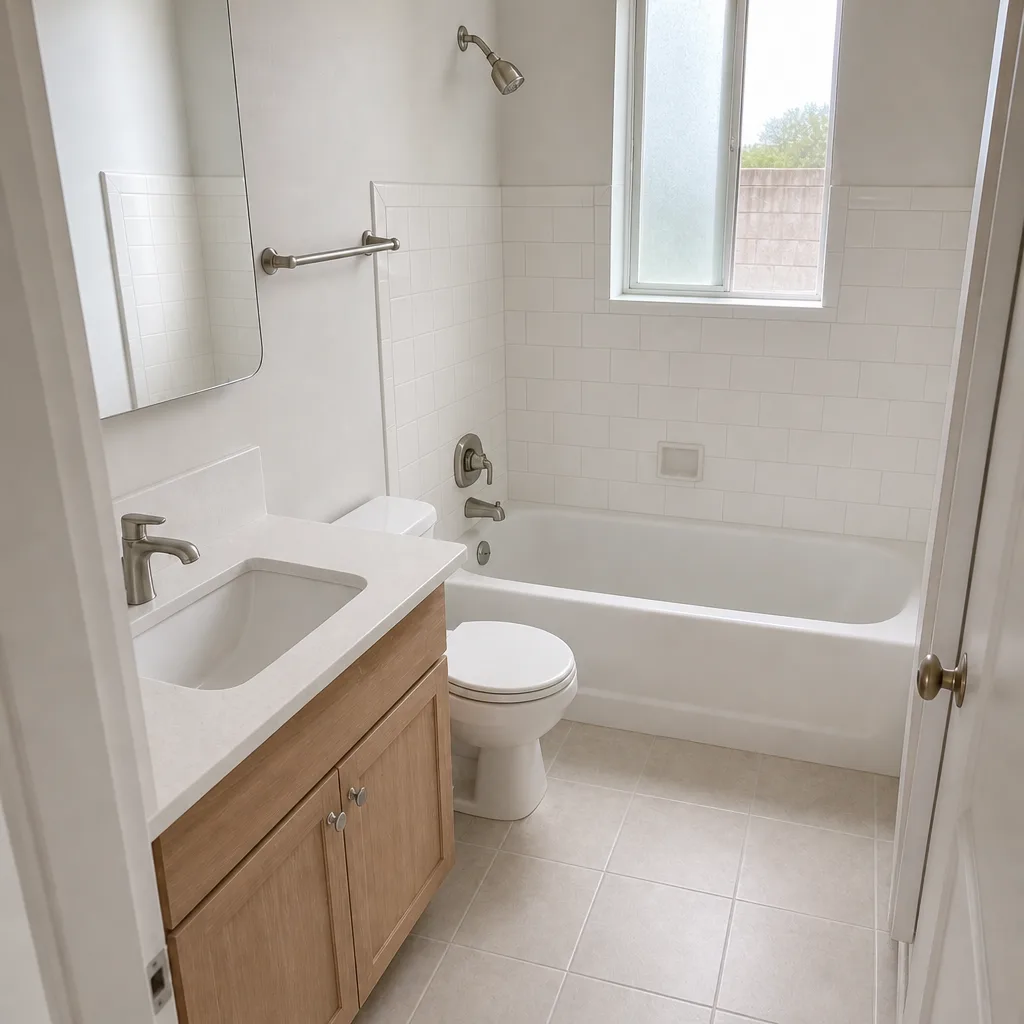 After
Replacement Cost & What’s Included
We quote installed price, not parts price. That number covers the part, the labor to remove and dispose of the old one, any substrate repair the tear-off uncovers, and a written line-item description of exactly what’s being done. Nothing appears on the invoice that wasn’t on the written price.
| Scope | Los Angeles Price Range |
|---|---|
| Roof repair (flashing, seam, fastener, component) | $470 – $2,125 |
| Tile roof repair | $710 – $2,950 |
| Full roof replacement | $9,440 – $23,600 |
| Metal roof installation | $17,700 – $47,200 |
What drives the range: the scope of the repair (one component versus a full field), the substrate condition under the failed part, the pitch of the roof, and whether the correct part is an in-stock OEM piece or a documented aftermarket match with a longer lead time. If you see a number in the write-up that’s higher once work starts, it’s a change order – we don’t do those. If a failed repair surfaces inside the guarantee period, we come back and correct it at no charge under the 365-Day Done Right Promise.
DIY or Call Us?
Here’s the honest split. You can safely check for water stains on the ceiling, note the age of the assembly from original paperwork, clean debris out of gutters from the ground, and measure the failed component from a ladder that’s properly set and stable. What you should not do is climb onto a pitched roof to reseal a seam, replace a flashing, or work a fastener pattern at height.
Roof work at height is the single biggest cause of serious injury on residential maintenance, and it’s compounded when the surface is wet from marine-layer moisture. Roofing failures at the joint are also where DIY goes wrong most often: a reseal that looks tight from above can conceal a failed connection underneath, and you’ll find out about it the next time it rains. If the assembly is showing more than one of the failure signs above, call us first – (844) 343-6681 gets a live person, 24/7, not a voicemail. We’ll give you a written price before any work begins.
FAQs
Expect ten to fifteen years for most assemblies in Los Angeles, with the shorter end of that range in coastal neighborhoods where damp and salt air drive fastener corrosion, and the slightly longer end in the drier inland valleys. The components that fail first are fasteners, flashing joints, and any seam at a pitch transition – inspect those yearly and the assembly lives toward the longer number.
Yes, in most cases. If the failure is confined to a flashing, a seam, or a handful of fasteners, a targeted repair at $470 to $2,125 handles it. If more than two failure signs show up on the same section, or the substrate under the part is degraded, replacement is the more economical way to avoid paying twice. We’ll tell you which it is after inspection, in writing.
A component repair is a single-visit job for most Los Angeles homes. A full CGI-compatible roof replacement is a multi-day project that depends on roof size, pitch, and how much substrate needs repair once the old assembly is off. We give you the schedule in writing with the price so there’s no guesswork about how long you’ll have a crew on site.
We source from documented manufacturers with real spec sheets and real warranties – the same roster we use across every project, including GAF, CertainTeed, and Owens Corning roof products. If the CGI part is OEM and available, we match it. If it’s discontinued, we find the aftermarket equivalent and show you the manufacturer documentation so you know what’s going on your roof. We don’t stock parts and don’t carry inventory on a truck – each part is drawn for your specific job. We also handle KraftMaid, Cambria, and Silestone for owners addressing other parts of the home at the same time.
Whether it’s a single flashing on a Los Angeles roof or a full assembly replacement, our process is the same: background-checked, uniformed technicians, a written price before work starts, and the 365-Day Done Right Promise on the finished work. Bradford Remodeling Co Los Angeles operates as an independently owned and operated member of the Garrison Partners family, held to The Garrison Standard. Call (844) 343-6681 for a free estimate.
Written by the team at Bradford Remodeling Co Los Angeles, serving Los Angeles and nearby areas.