
Free written scope consultation - allowances, timeline, and change-order rules on paper before a single trade is scheduled
Boxabl Driveway & Pavers: The Los Angeles Owner’s Guide
We install Boxabl-compatible driveway and paver assemblies across Los Angeles, and the typical installed range runs $8,260 to $21,240 for a paver driveway, $5,310 to $14,160 for concrete, and $4,130 to $10,620 for asphalt. Sealing, which most Los Angeles owners end up needing far sooner than they expect, runs $295 to $825. Every job starts with a written price before any work begins, and every completed driveway carries our 365-Day Done Right Promise.
Owners usually discover the problem in the same three ways. First, a paver lifts at the edge of the Boxabl pad after a hard rain, exposing the bedding sand. Second, a hairline crack opens along the seam where the driveway meets the foundation slab and widens over a single summer. Third, an HOA letter arrives about standing water or a settled apron at the garage door threshold. By the time any of those show up, the substrate underneath has been moving for a while.
We’re an independent service provider. Bradford Remodeling Co Los Angeles is not affiliated with Boxabl, and we don’t manufacture or stock Boxabl parts. What we do is install and replace the exterior hardscape that a Boxabl unit sits on, to a documented spec.
Key Takeaways
- Installed paver driveways in Los Angeles run $8,260 to $21,240; concrete runs $5,310 to $14,160.
- Boxabl’s slab edge and utility stub locations set the grading and border constraints, so a generic driveway plan often fails inspection.
- Los Angeles clay soils and Santa Ana wind-driven dust are the two biggest causes of premature paver settlement here.
- Every project gets a written price up front and the 365-Day Done Right Promise in writing at close.
- Call (844) 343-6681 for a free estimate.
Which Boxabl Models This Applies To
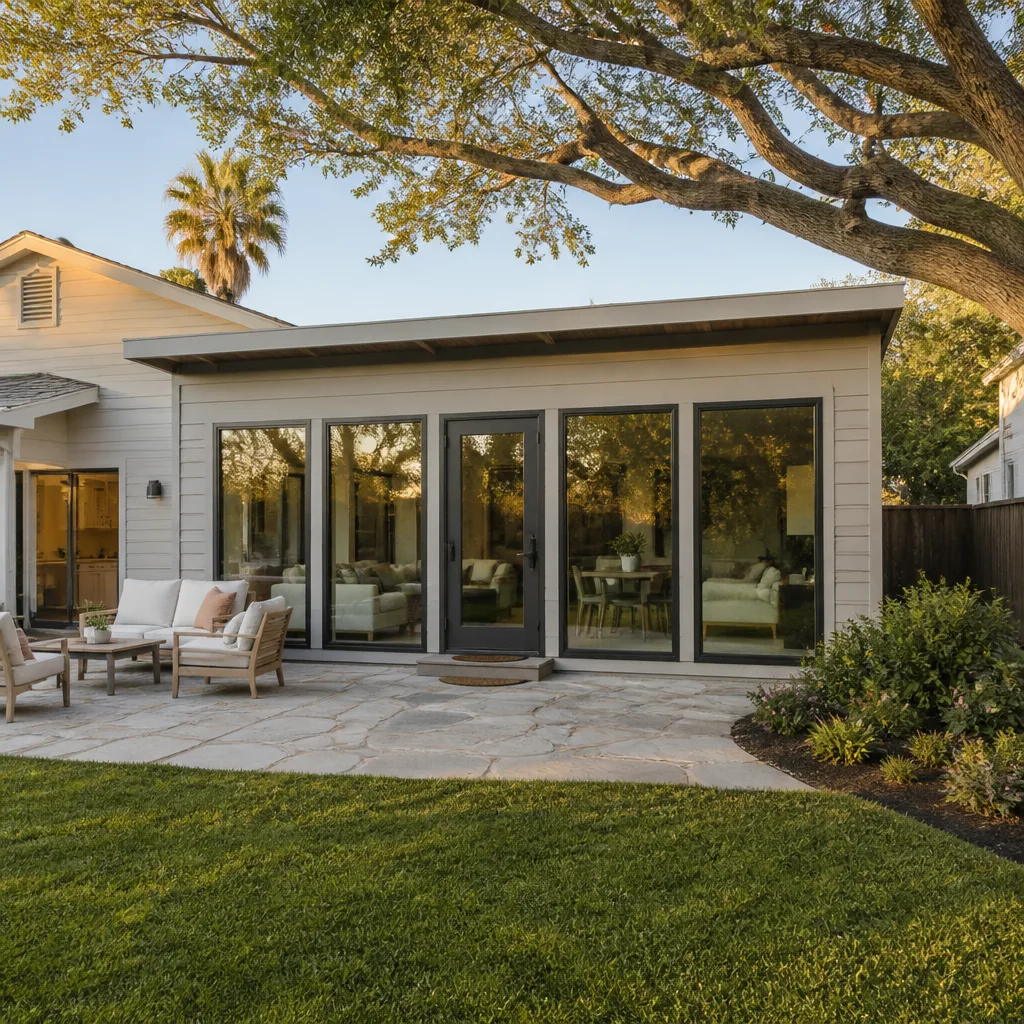
Boxabl builds to a repeating panel system, and that matters for hardscape more than most owners realize. The unit ships on a steel base frame, and the base frame’s bearing points are what the driveway surface has to accommodate. Wheels and leveling pads sit at fixed intervals along the frame, so the driveway apron, the slope away from the door, and the transition strip all have to be laid out around those points. Get that wrong and you get a paver that rocks underfoot within a season.
In practical terms, we apply this guide to the Casita and to any Boxabl panel-built unit placed on a prepared pad or slab. To pin down your own configuration, check three things: the stamped plate on the unit’s base frame (it carries the model designation), the physical width of the pad at the door threshold, and the location of the utility stub-outs, which is where the driveway border has to stop. Photograph all three and bring the photos to the estimate.
On the OEM-versus-aftermarket question, there’s no such thing as a “Boxabl paver.” Boxabl doesn’t manufacture pavers or driveway surface. What’s proprietary is the load point layout and the entry threshold height. That means the correct decision isn’t OEM versus aftermarket; it’s whether your installer reads the frame layout correctly. We work from a documented roster of hardscape manufacturers, including Belgard and Unilock, so the unit pavers we set carry manufacturer specs and warranties that sit behind our own 365-Day Done Right Promise. If a contractor tells you there’s a “Boxabl replacement paver,” ask them to show you the part number.
Styles & brands we work with
- Kitchen remodeling
- Bathroom remodeling
- Home additions & ADU
- Roofing
- Windows & doors
- Driveway & pavers
- Fence
Signs Your Boxabl Driveway & Pavers Is Failing
Los Angeles weather is gentle on hardscape in most ways and brutal in two: expansive clay soil and long dry spells followed by concentrated rain. Here’s what we see, and what’s actually behind each symptom.
- Pavers rocking or “walking” underfoot. The bedding sand under the paver has migrated or washed out. This is usually a drainage problem, not a paver problem, and the fix belongs in the base layer.
- Cracks that track from the slab edge outward. The driveway was poured or laid tight against the Boxabl base frame without a proper expansion joint. Thermal movement has nowhere to go, so the surface cracks.
- Standing water at the garage door threshold. The apron has settled below the surrounding grade, or the slope was set too shallow from the start. In Los Angeles, this is the single most common cause of HOA complaints and the most common cause of threshold water intrusion.
- Weed growth in the joints and sand loss between pavers. Polymeric sand has failed. Wind-driven grit from the Sepulveda Basin and the Santa Monica foothills scours joints faster than most owners expect.
- Spalling or surface flaking on concrete. Freeze-thaw isn’t the culprit here; poor mix consolidation and sulfate attack from clay soil are. Once spalling starts at the surface, patching buys you months, not years.
If you’re seeing more than two of these at once, the base is almost certainly compromised, and a surface repair will not hold.
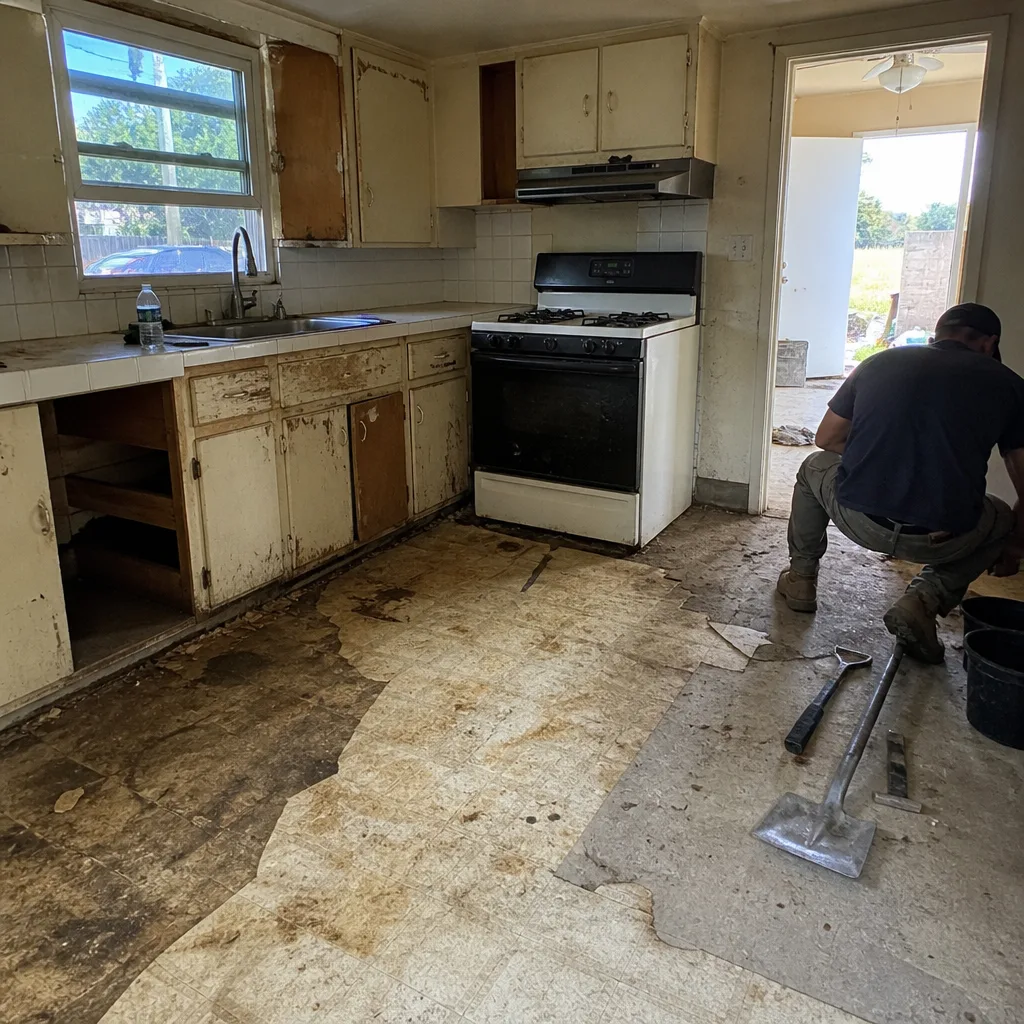
See the difference
 Before
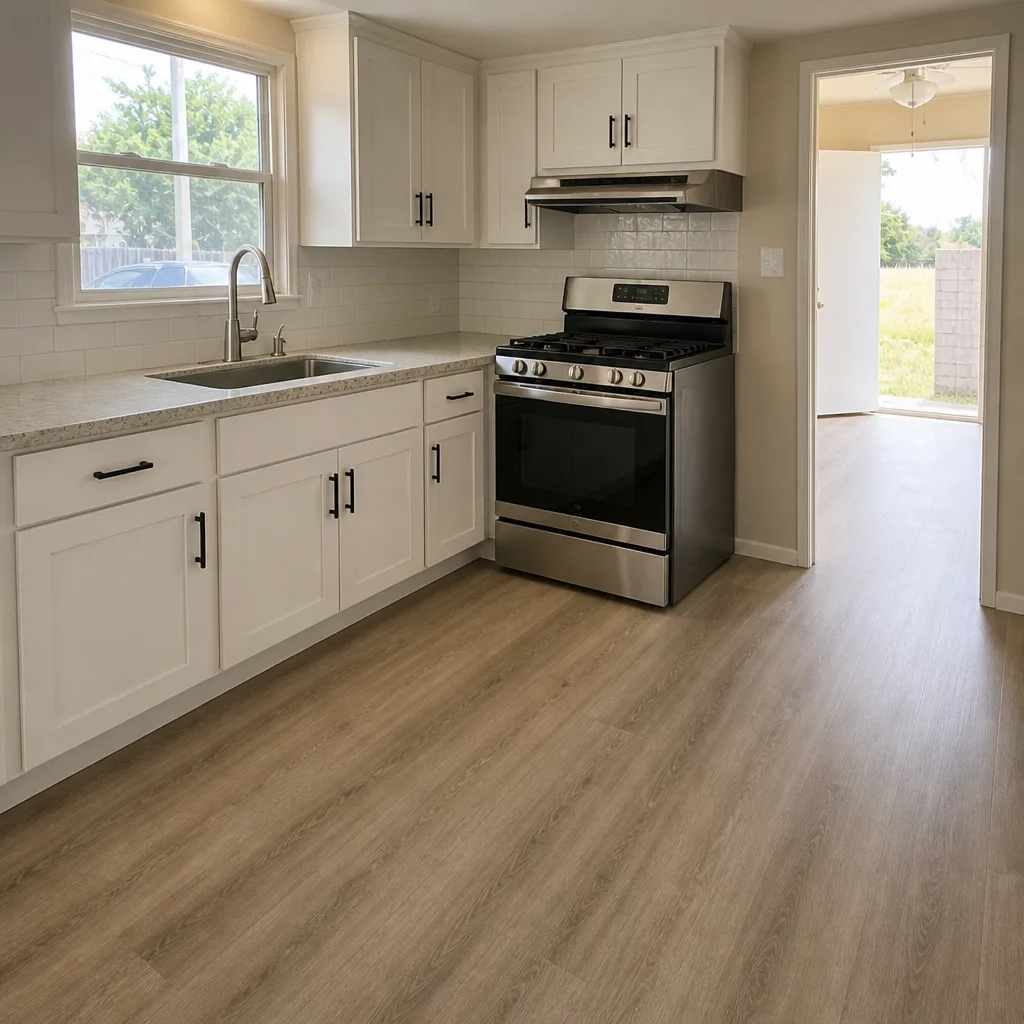 After
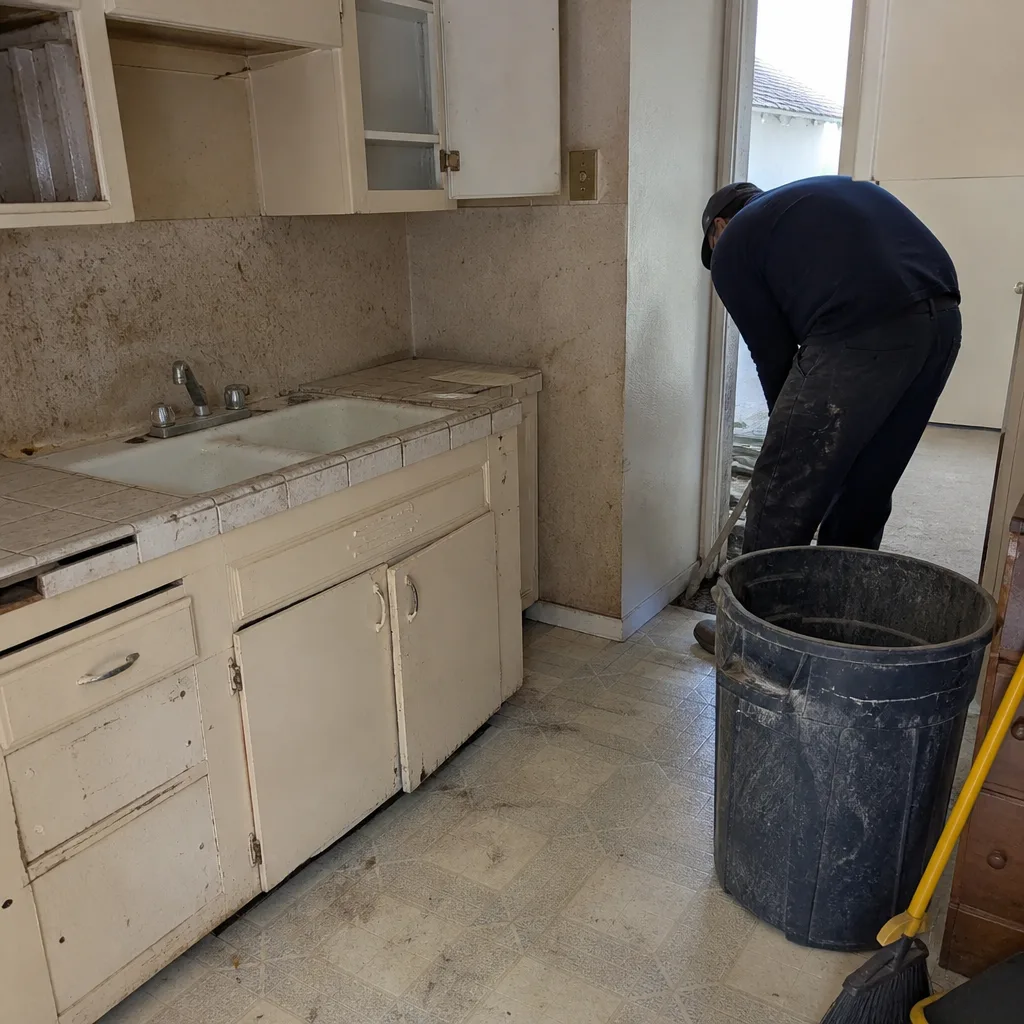 Before
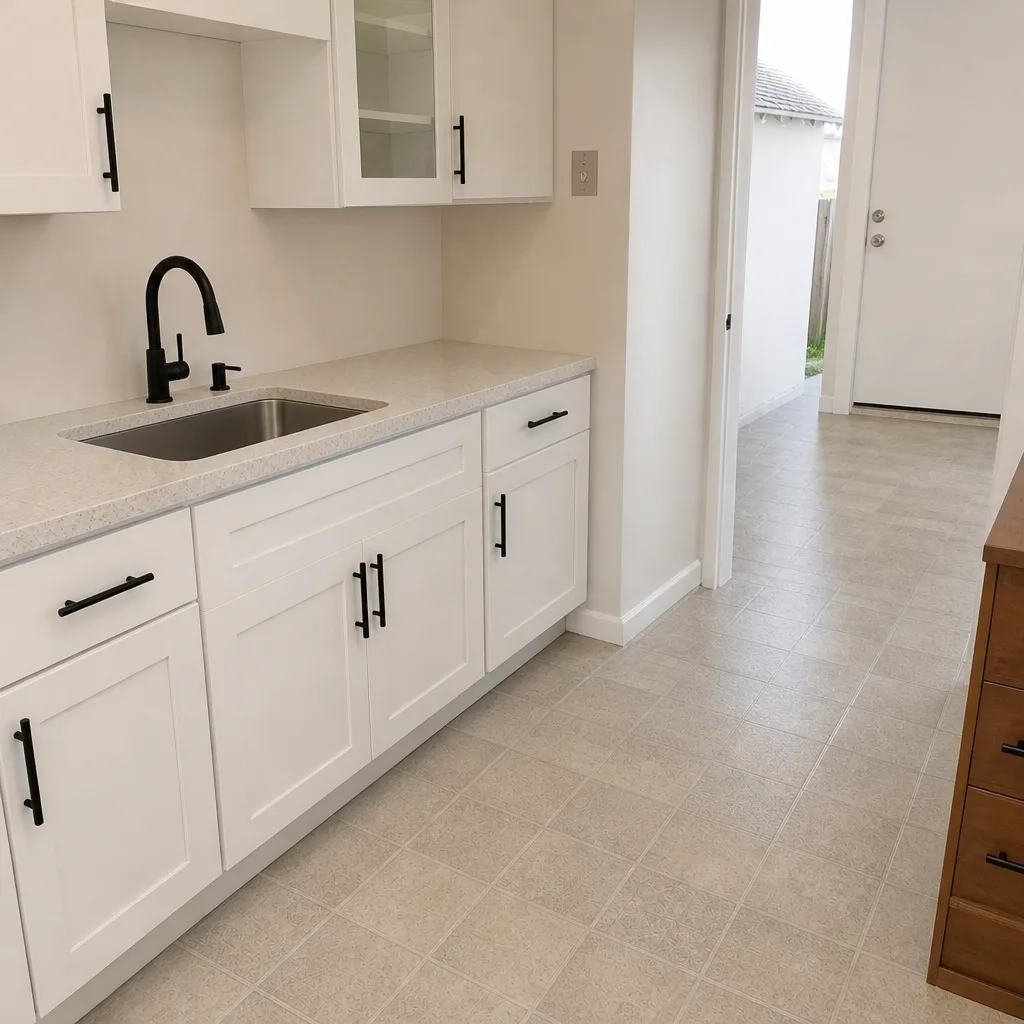 After
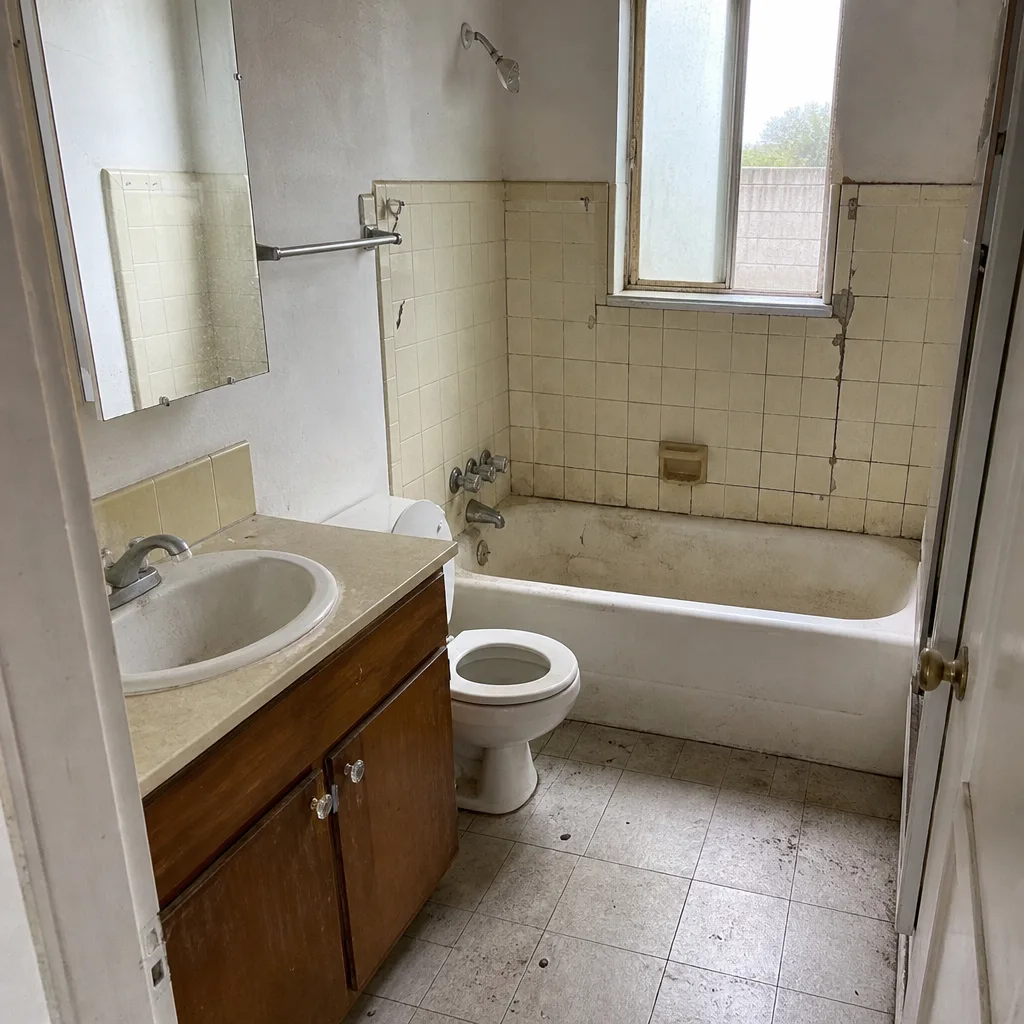 Before
 After
Replacement Cost & What’s Included
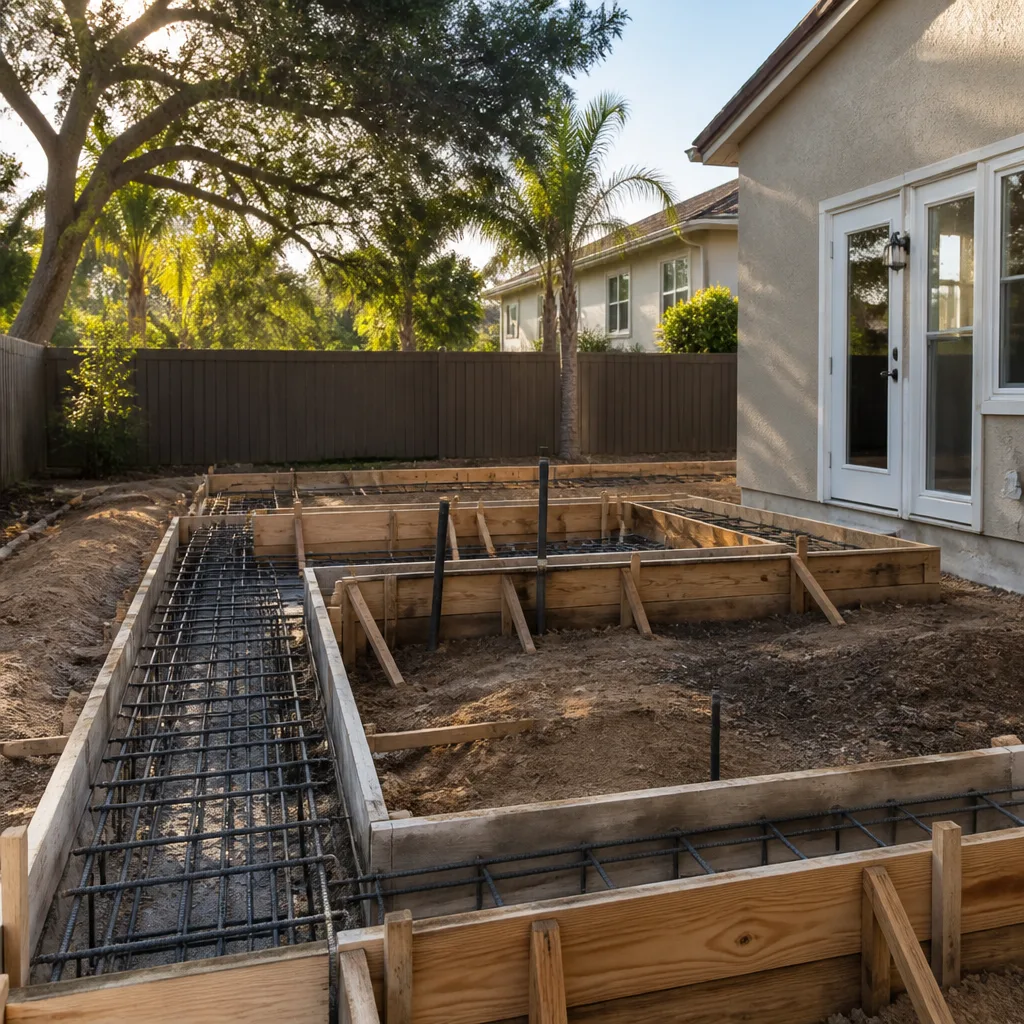
Here are the installed ranges we quote in Los Angeles. These are complete installed prices, materials and labor, not per-square-foot teasers.
| Scope | Installed Range (Los Angeles) |
|---|---|
| Paver driveway installation | $8,260 – $21,240 |
| Concrete driveway installation | $5,310 – $14,160 |
| Asphalt driveway paving | $4,130 – $10,620 |
| Driveway replacement (remove and redo) | $5,900 – $16,520 |
| Driveway sealing | $295 – $825 |
| Paver patio installation | $4,130 – $12,980 |
What moves you up the range: substrate removal and re-compaction, clay soil remediation, a retaining curb to hold an active slope, and a longer border run around utility stub-outs. What keeps you at the low end: a flat site, a sound existing base, and a straightforward rectangle. Every quote is written, line-itemed, and fixed before a tool comes out. No numbers move at the door. The 365-Day Done Right Promise covers the full year from project close: if the driveway fails within that window, a paver heaves or a joint opens, we come back and correct it at no charge. Call (844) 343-6681 for a free estimate.
DIY or Call Us?
Some driveway and paver work is honest DIY territory. Laying a paver border on a sound, flat base, re-sanding joints, and applying sealer are all within reach for a homeowner with a weekend and a plate compactor. East of the 405, plenty of owners do exactly that on their own patios.
Where it goes wrong is the base layer and the load points. A Boxabl unit concentrates substantial weight at the base frame bearing points, and the driveway apron under those points has to be compacted to spec and sloped correctly or it will fail. We’ve seen owners pull a settled paver and re-bed it into sand, and it looks perfect for six months. Then the next heavy winter rains arrive and the whole run lifts again, because the clay under it was never remediated. Concrete work carries its own risk: mixing, finishing, and curing aren’t forgiving, and a bad pour means demolition, not repair. That’s not a scare tactic, it’s just what the sequence looks like.
If you’d describe your situation as “it keeps coming back,” skip the DIY round and let us look at the base. Our technicians have up to 22 years of experience. Call (844) 343-6681 and we’ll walk the site.
FAQs
A correctly installed paver driveway on a properly compacted and drained base should last 25 to 30 years, and a concrete driveway 30 to 40 years. The failure you’ll actually see first in Los Angeles is base settlement from clay movement, not paver deterioration, and that can show up inside 3 to 5 years on a bad base. Call (844) 343-6681 for an exact quote on your site; estimates are free.
Sometimes. A single settled paver on a sound base can be lifted, re-bedded, and re-sanded. So can a short run of failed joints. But if the cracks track from the slab edge, the apron has dropped at the threshold, or the surface is spalling, the problem is the base or the slab interface and a surface repair will not hold through a rainy season. Call (844) 343-6681 and we’ll tell you honestly which side of that line you’re on.
A paver driveway in Los Angeles typically runs 3 to 5 working days, longer if we’re removing and re-compacting a failed base. Concrete needs 5 to 7 days, plus 28 days of full curing before heavy vehicle loads. We schedule to the real calendar, not the optimistic one, so you’ll have the dates in writing before the crew arrives.
We work from a documented roster of name-brand hardscape manufacturers, including Belgard and Unilock, so every paver and every concrete spec carries a manufacturer warranty alongside ours. We don’t source grey-market or unbranded product to hit a price. If a material isn’t on the documented list, we don’t install it, and the specification is written into your quote before work starts. Our own work sits under the 365-Day Done Right Promise, and we return at no charge if it fails inside that year. The 365-Day Done Right Promise is a full-year written guarantee on completed work, and every homeowner holds the signed document at job close, along with a clean site and a written scope. Call (844) 343-6681 to schedule your free estimate.
Written by the team at Bradford Remodeling Co Los Angeles, serving Los Angeles and nearby areas.