Free written scope consultation - allowances, timeline, and change-order rules on paper before a single trade is scheduled
Boral Home Additions & ADU: The Los Angeles Owner’s Guide
If you’re building a Boral-clad addition or ADU in Los Angeles, a complete project typically runs $53,100 to $153,400 for a home addition and $106,200 to $259,600 for a detached ADU, priced from a written scope before anyone swings a hammer. We’re an independent contractor, not affiliated with Boral, and we install to the manufacturer’s published specs. Owners usually land here after a callback: a stucco or trim detail at the new-to-old junction has pulled, cracked, or let water in months after the crew packed up. The symptom shows up long after the mud dried.
Key Takeaways
- Additions in Los Angeles: $53,100 – $153,400 installed. Detached ADUs: $106,200 – $259,600. Written price before work starts, no exceptions.
- Boral’s material families (cladding, trim, block, roof tile) each carry their own spec sheet. Matching the wrong one to your assembly is the most common owner mistake.
- A failed junction or flashing is a fix. A failed framing or waterproofing layer under it is a rebuild. We itemize which one you’re facing before quoting.
- Every completed project carries the 365-Day Done Right Promise. If the work doesn’t hold, we come back and correct it at no charge.
Which Boral Models This Applies To
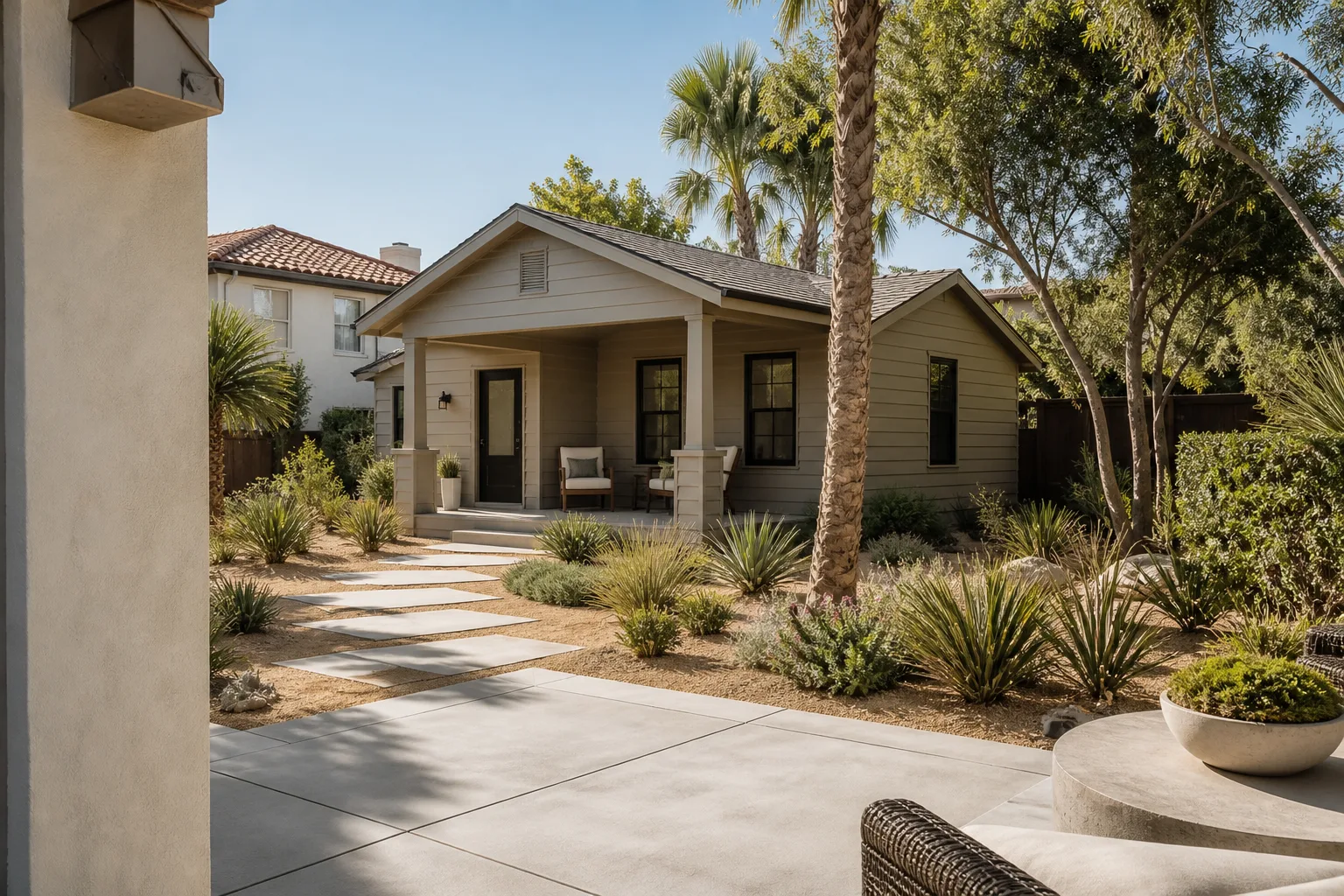
Boral’s product lines for a Los Angeles addition or ADU fall into a few distinct families: exterior cladding and trim, wall block and masonry veneer, and roof tile. Each family has its own published spec sheet, and each spec sheet tells you the minimum substrate, the fastener schedule, and the allowable joint gap. That detail is where jobs go wrong. A trim profile specified over a 3/4-inch substrate won’t perform the same over a 1/2-inch sheathing, and the installation manual is the only authority that settles it.
To identify what you’re working with, start at the accessory. Pull a sample of the existing trim or cladding edge and read the back-stamp letters and numbers molded into the piece. Check the packaging of any leftover material on site, and pull the original construction documents or the material datasheet from Boral’s own library. If none of that survives, measure in three places and match against the manufacturer’s current profile chart. The right fit is only right if the series designation matches, not just the approximate width.
On OEM versus aftermarket equivalents: for Boral cladding and trim, the OEM piece exists for a reason. It matches the profile, the thermal movement spec, and the manufacturer’s own warranty terms. A generic aftermarket match can be within a millimeter on the tape and still fail at the joint because the material flexes on a different curve under the Los Angeles sun. For non-structural trim and accessories, a documented quality equivalent from a brand we stock is often fine. For structural or weather-barrier components, we specify OEM or nothing.
Styles & brands we work with
- Kitchen remodeling
- Bathroom remodeling
- Home additions & ADU
- Roofing
- Windows & doors
- Driveway & pavers
- Fence
Signs Your Boral Home Additions & ADU Is Failing
The failure you’re chasing usually announces itself through one of five symptoms. Here’s what each one is actually telling you.
- A crack opening at the new-to-old junction. The original structure and the new addition settle at different rates. A rigid joint detail can’t absorb that movement, so it cracks. Left open, water drives in behind the trim or stucco and starts rotting the substrate.
- Discoloration or chalky streaks on Boral cladding after two Los Angeles summers. Chalking is the surface breaking down under UV. It’s cosmetic early, but it means the finish system isn’t performing as specified. The cause is normally a spec mismatch between the piece and the coating schedule, or missing the prep step on install.
- Soft spots or a hollow sound when you tap the wall. Water has reached the sheathing or framing behind the cladding. This one doesn’t stop on its own. It spreads.
- Trim pieces pulling away from the wall. Fastener failure or movement. In Boral trim over Los Angeles’s temperature swings, the joint gap needs room to breathe. If the installer crowned or butt-tightened without the specified gap, the piece has nowhere to go except out.
- Roof tile slipping, cracked, or shedding on the addition. Underlayment has likely failed. If the underlayment goes, the tile has no water barrier below it, and that’s a rebuild of the roof section, not a patch of a few pieces.
Los Angeles adds its own pressure to all five. The marine layer off the coast pushes humidity into wall assemblies through the cooler months, then summer UV and heat bake the exterior dry. That wet-dry cycling is what finds the marginal detail. A joint that would have held in a steady climate opens here.
See the difference
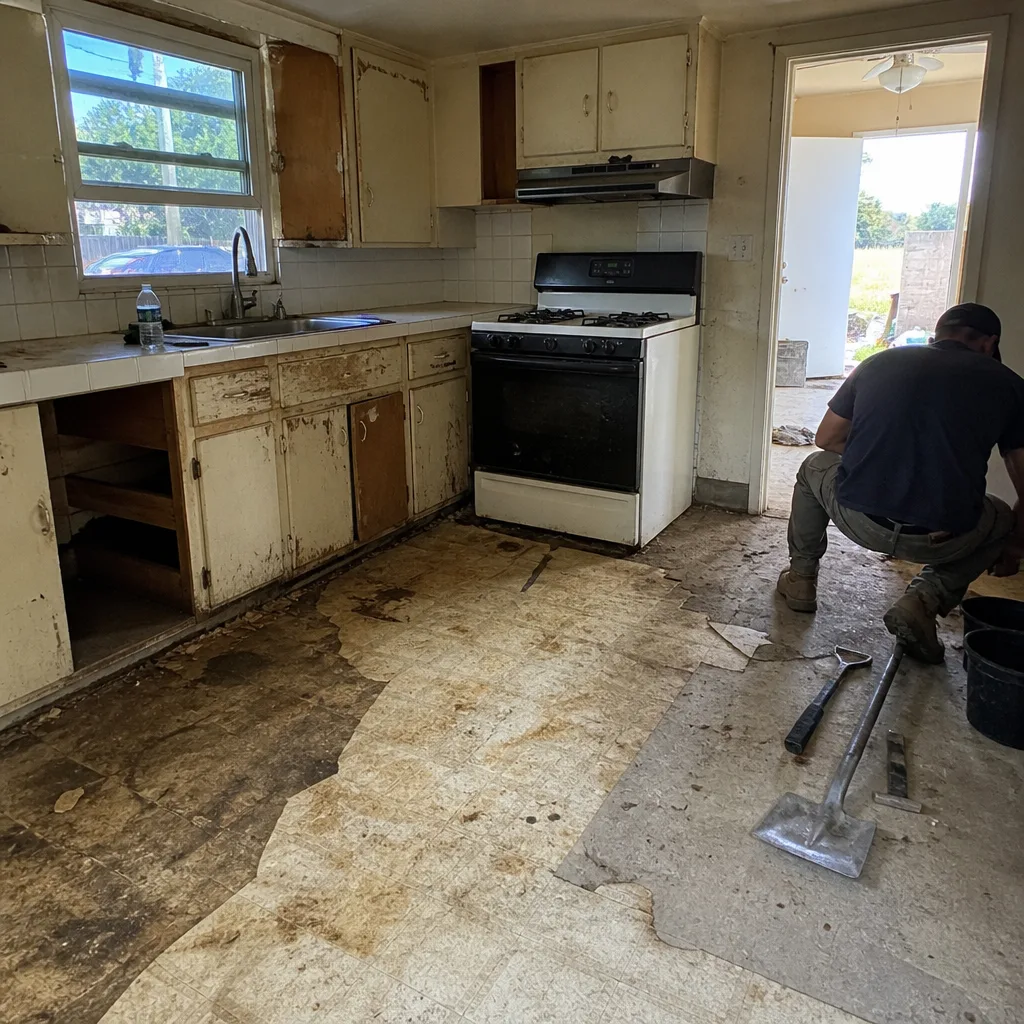 Before
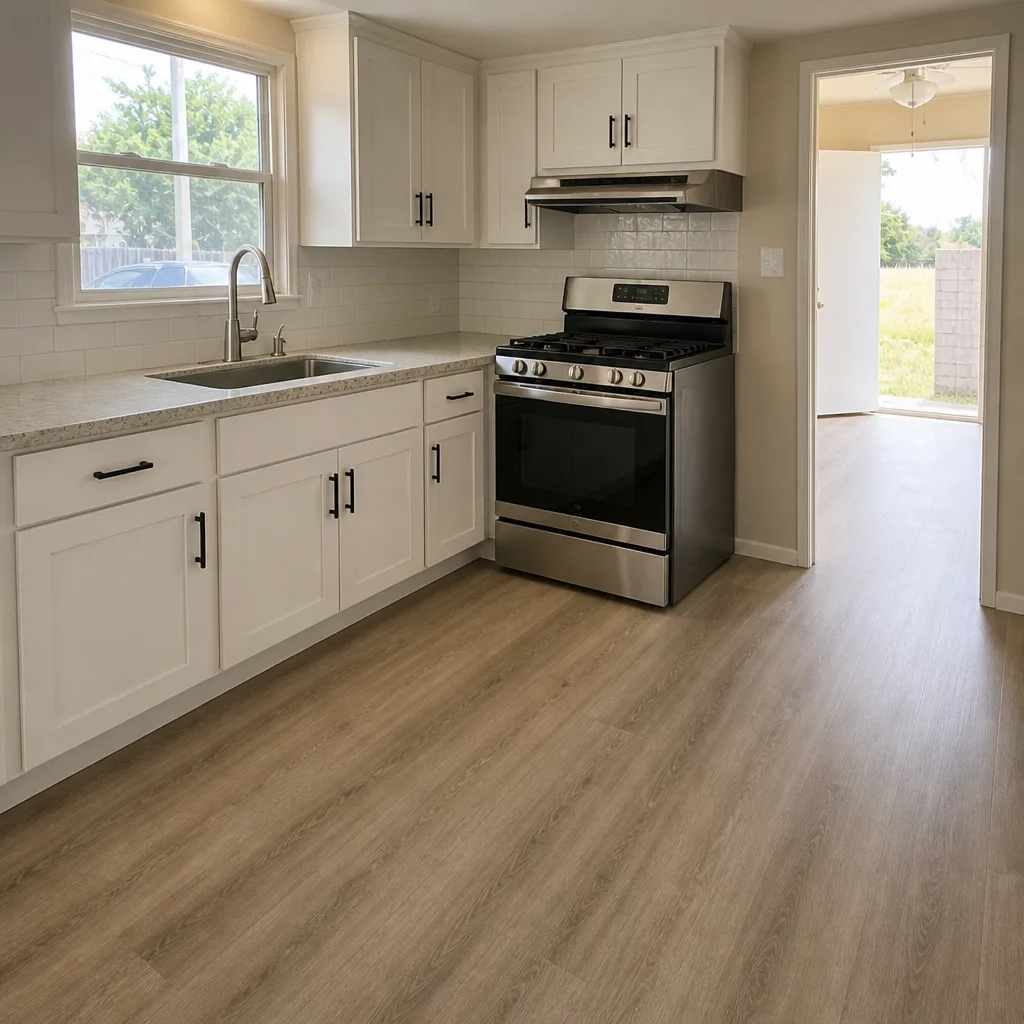 After
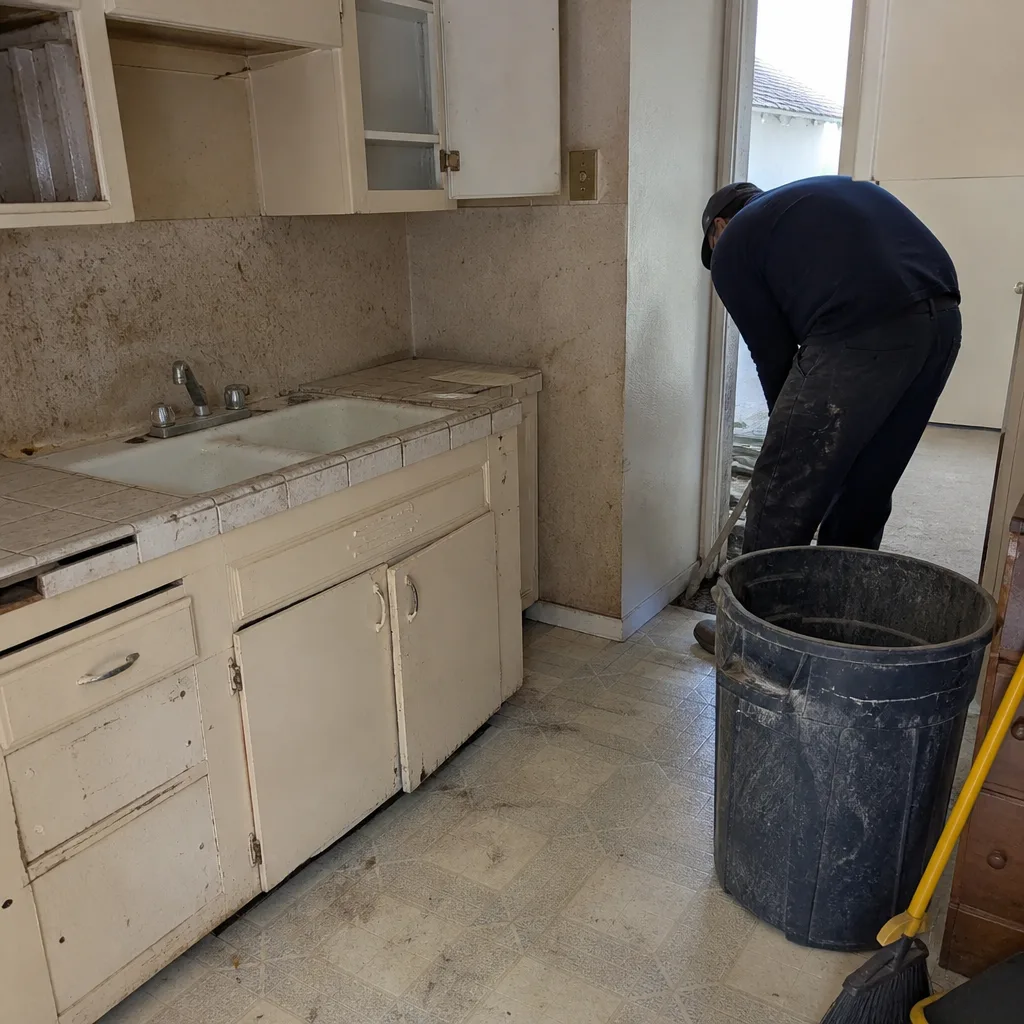 Before
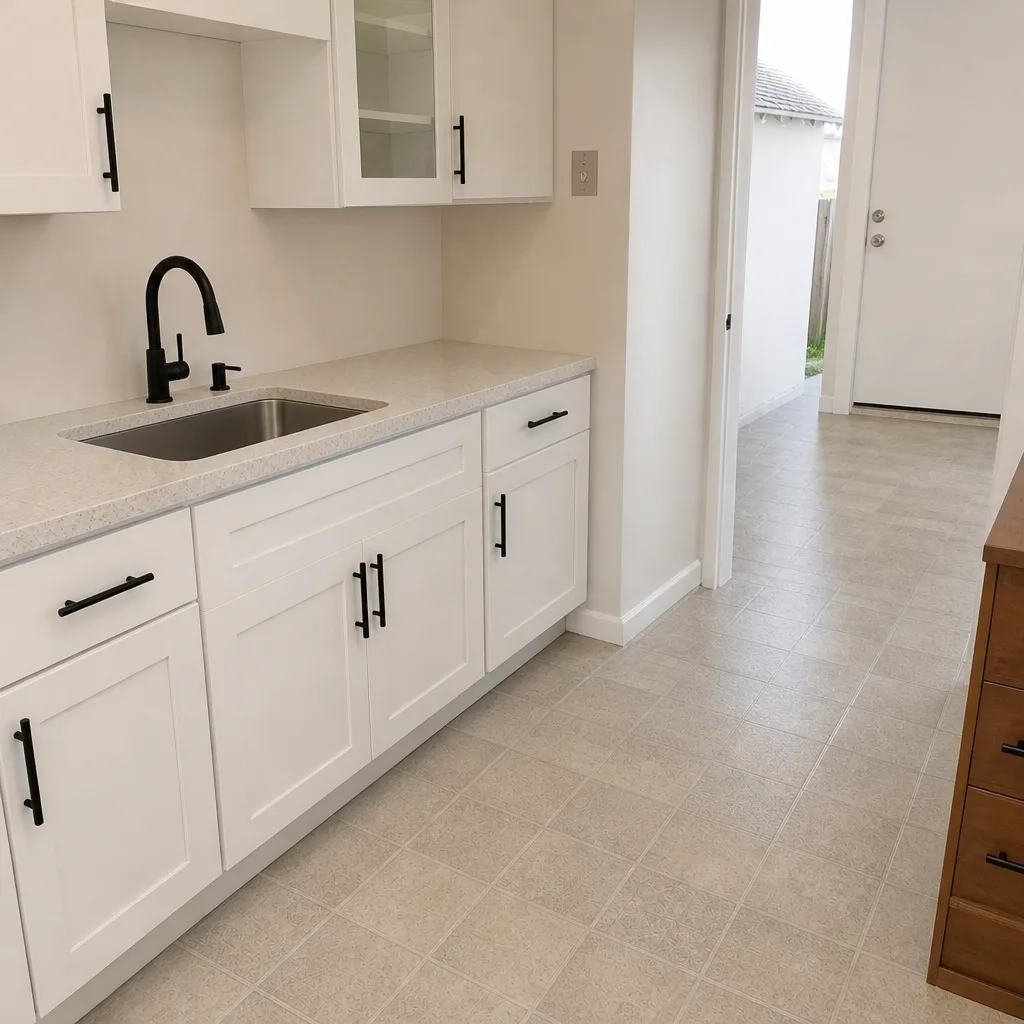 After
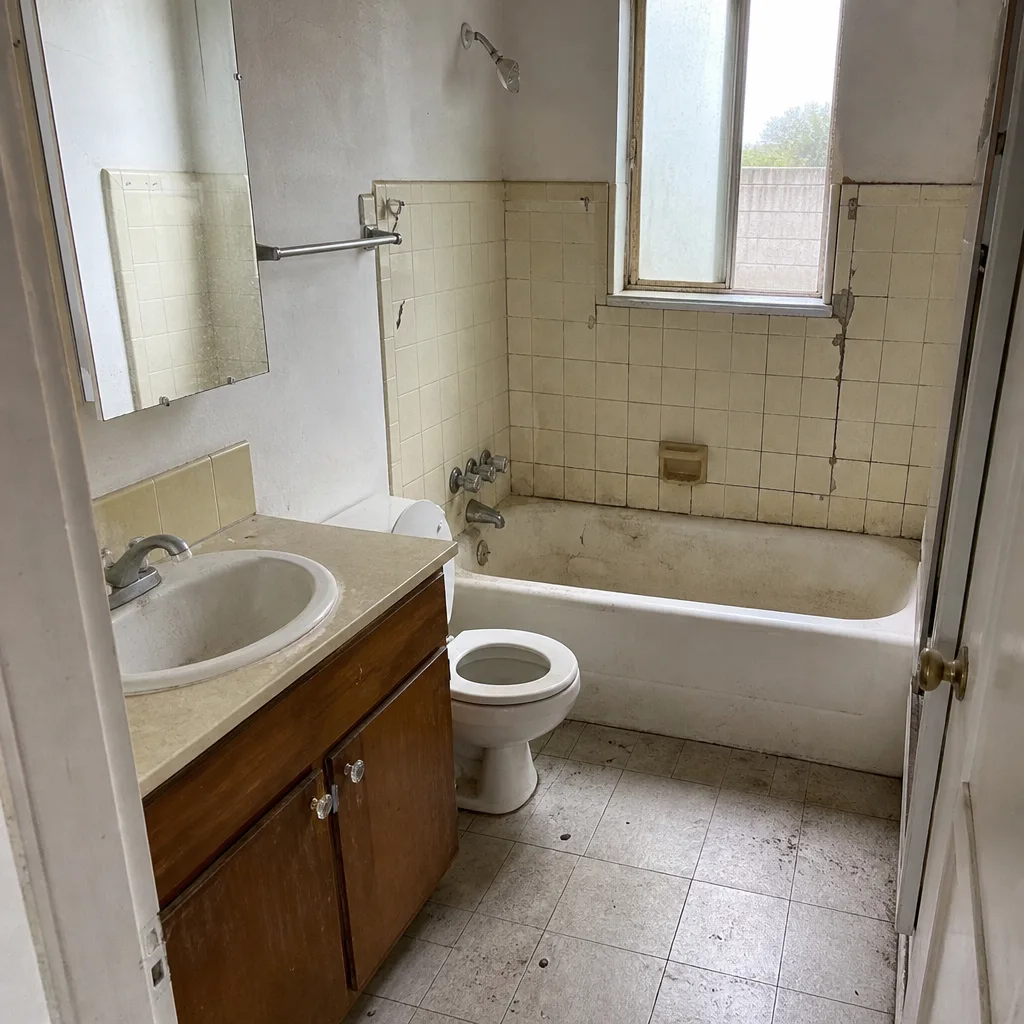 Before
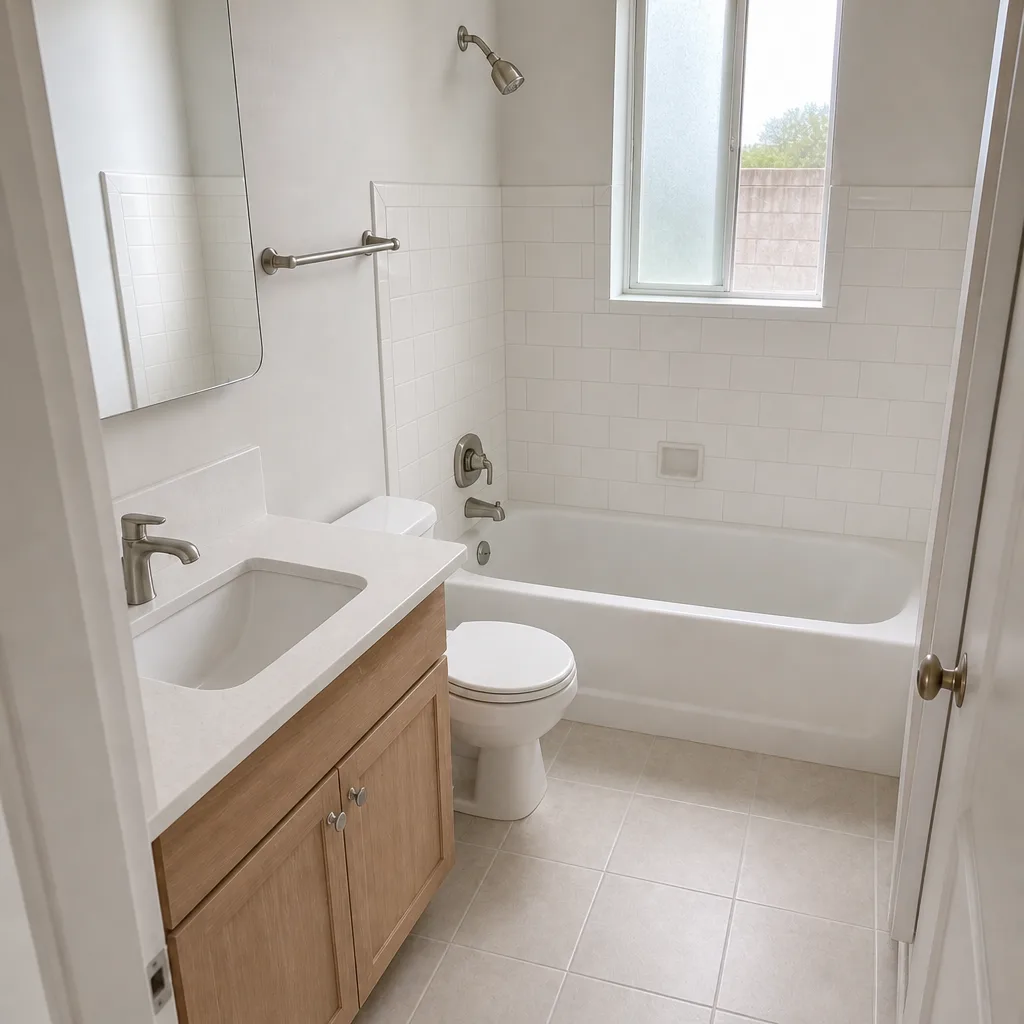 After
Replacement Cost & What’s Included
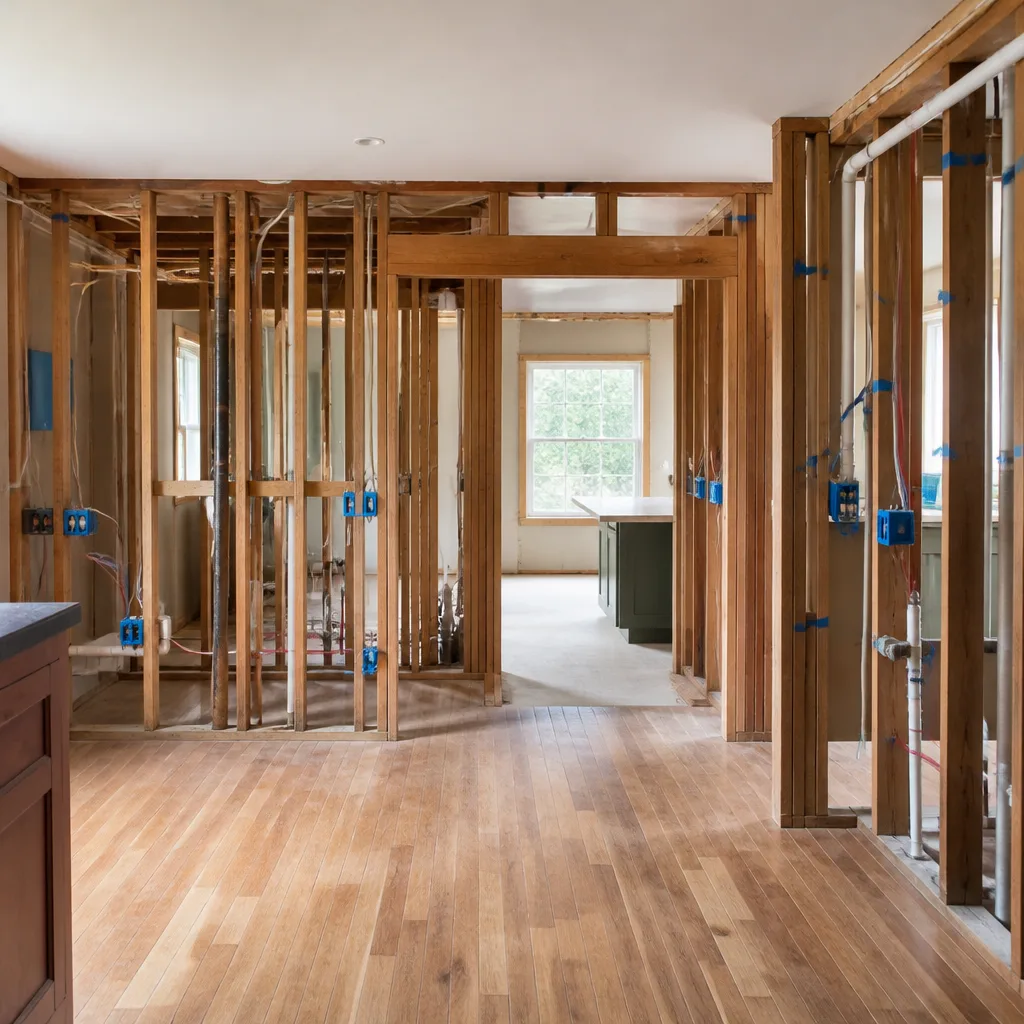
An addition in Los Angeles runs $53,100 to $153,400 installed, and a detached ADU runs $106,200 to $259,600. That’s a wide range because it reflects real scope: a bump-out with a shared wall costs a fraction of a full detached unit with its own foundation, utilities, and roof.
- Sample line-item: addition framing and shell, $26,000 – $68,000 depending on square footage and foundation type
- Boral cladding and trim install, quoted per spec sheet, from a written line item (never bundled and hidden)
- Roof section and underlayment, $9,440 – $23,600 where a new roof meets the existing
- Interior rough-in, finish, and final inspection, carried as its own lines
What drives the number: whether the ADU needs a new foundation or can tie into an existing slab, whether the unit needs its own electrical service, and how much of the existing wall the new section touches. A unit that shares fewer walls costs more from the ground up. That’s why the written quote itemizes before the first tool comes out: you see the price for each line, and the number doesn’t move at the door. If the work fails within the 365-Day Done Right Promise window, we return and correct it at no charge.
DIY or Call Us?
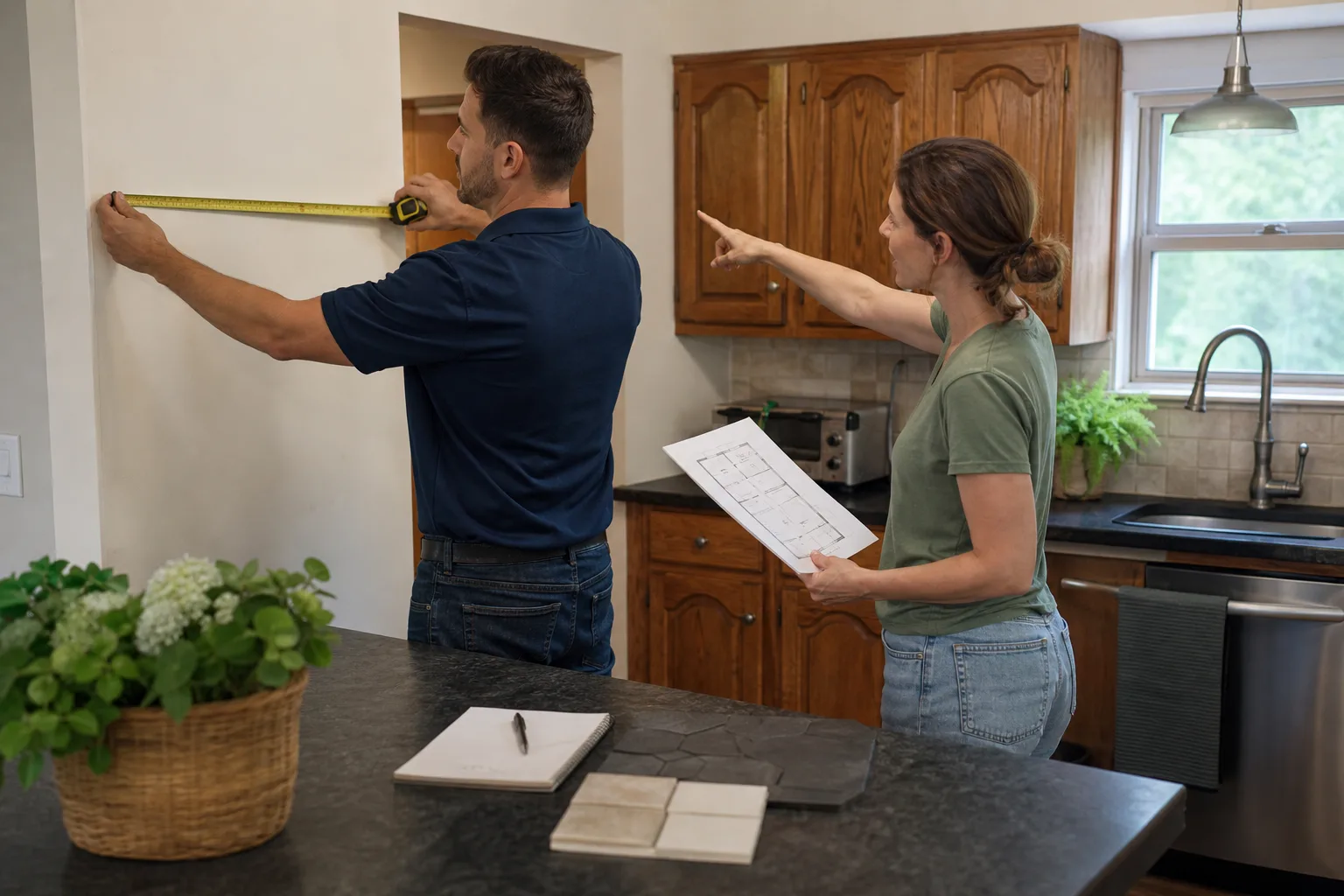
You can safely do a few things. Tap along the interior wall for hollow spots and note where they are. Photograph the crack, the chalking, and the back-stamp on any exposed material. Check whether water is coming in at the junction during a rain and where. Then measure, write the numbers down, and stop there.
The parts you shouldn’t touch yourself are the structural and water-barrier ones. Pulling cladding to inspect the sheathing means opening the weather envelope, and if it’s put back wrong, you’ve traded a small leak for a wall system that has to be rebuilt. Roof work on an addition is the same story: the fall hazard is real, and an underlayment mistake hides behind the tile for years. For any of that, call a contractor who’ll do it to the spec and put the guarantee in writing. When you’re ready, call (844) 343-6681 for a free estimate, and a live person will pick up.
FAQs
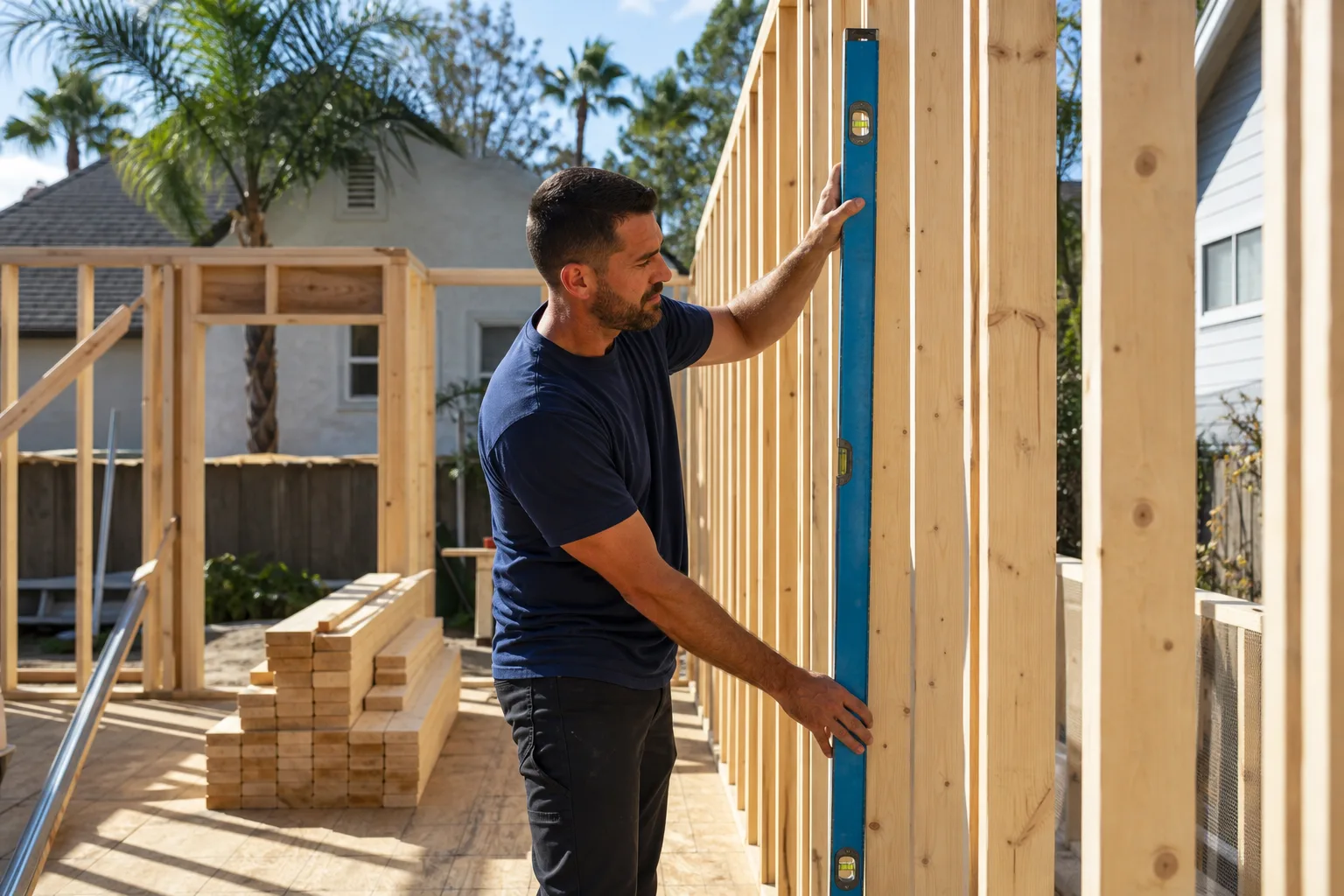
Boral’s exterior cladding and trim are engineered to hold their finish for decades under proper installation, but the lifespan depends far more on the assembly under them than on the material itself. In Los Angeles, the marine layer and UV cycling test the water barrier and the joint details first. The fiber-cement and trim pieces routinely outlast the flashing and the joint seals around them, and that’s what fails on a typical ten to twenty year timeline. Call (844) 343-6681 for an exact quote. Estimates are free.
Sometimes yes. A cracked joint at the new-to-old junction or a single pulled trim piece is a repair, and we quote it as one. But if the sheathing or underlayment behind the cladding has gone soft, patching the surface just buries the real problem. We open it, look at the substrate (the surface under the finish), and tell you which you’re facing before you spend a dollar. Call (844) 343-6681 for a free estimate and we’ll give you the honest answer.
A repair on a small section of cladding or a couple of trim pieces is typically a day of work. A full section replacement or a roof underlayment repair on an addition runs several days to a couple of weeks, depending on access and how much has to come off to get to the substrate. We give you a written schedule with the quote, and we don’t move it without telling you. Call (844) 343-6681 for an exact quote.
We match your piece to Boral’s published spec sheet and profile, then order the OEM piece or the documented equivalent for non-structural trim. We don’t claim to stock Boral parts or carry them on a truck. We confirm the match against the original profile chart and your back-stamp before ordering, and you get the line item and lead time in writing. Call (844) 343-6681 for a free estimate.
Bradford Remodeling Co Los Angeles installs Boral-clad additions and ADUs to the manufacturer’s spec, and we also work with KraftMaid, Cambria, and Silestone on the interior side. Every project gets a written price before work starts and the 365-Day Done Right Promise on completion. Call (844) 343-6681 to schedule your free estimate.
Written by the team at Bradford Remodeling Co Los Angeles, serving Los Angeles and nearby areas.