Free written scope consultation - allowances, timeline, and change-order rules on paper before a single trade is scheduled
Therma-Tru Home Additions & ADU: The Los Angeles Owner’s Guide
The short answer: If you’re planning a home addition or ADU on a Los Angeles property and want Therma-Tru entry doors specified into the build, expect an installed home addition to run $53,100 – $153,400 and a full ADU to run $106,200 – $259,600, with garage conversions at $35,400 – $94,400. These are planned construction projects, not same-day repairs. Therma-Tru doesn’t make additions or ADUs; it makes the fiberglass and steel entry and patio door systems that most of our additions in Los Angeles actually use, and that’s the piece this page covers.
Owners usually arrive here after the door on an existing addition starts misbehaving. The slab sticks in summer, the frame swells after a wet winter, the hinge screws won’t hold, or the sill rots where it meets the threshold. That’s when the questions start: is this a Therma-Tru part I can match, or is the whole unit due for replacement?
Which Therma-Tru Models This Applies To
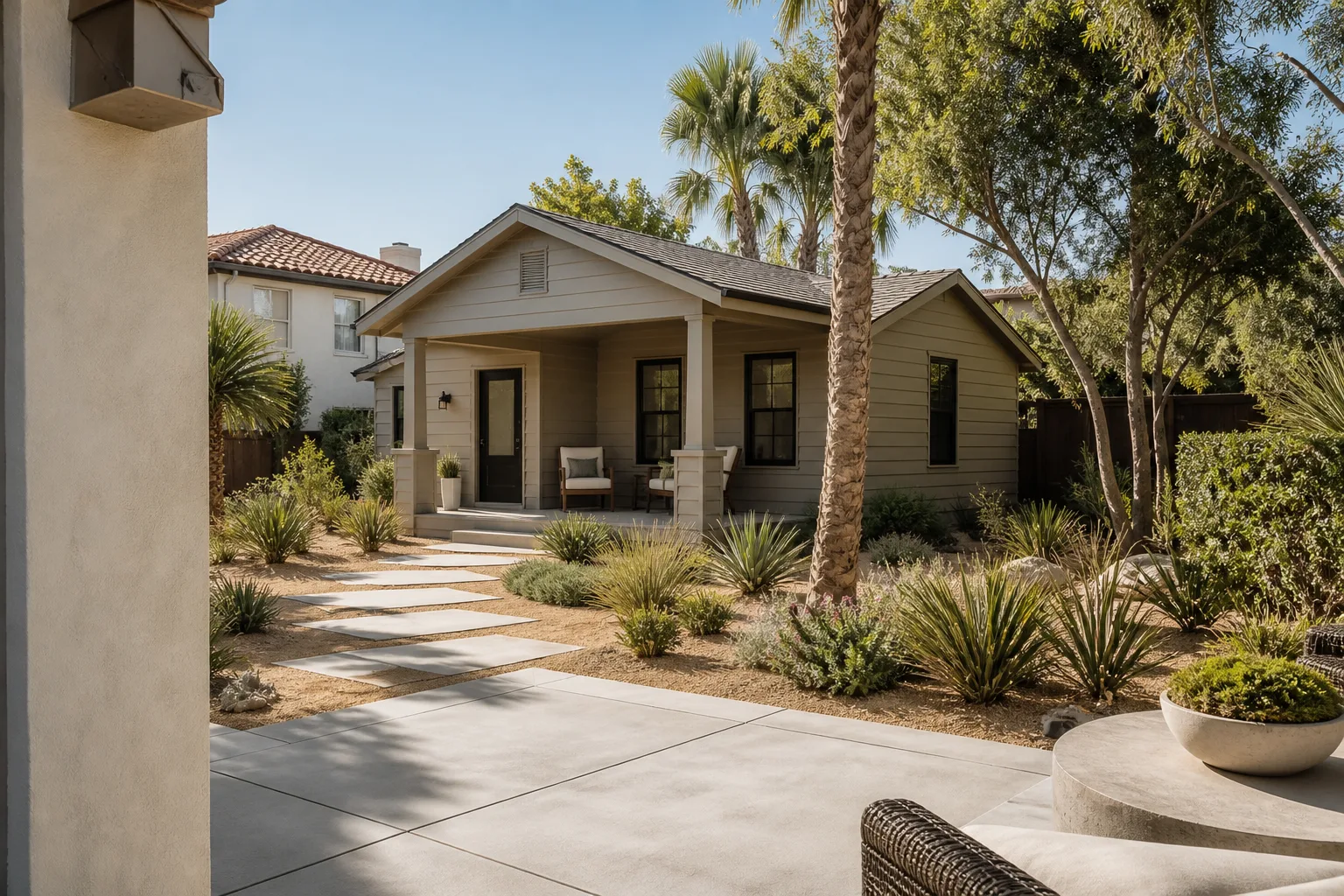
Therma-Tru’s residential line splits into fiberglass and steel systems, and the part you need depends entirely on which line and series you own. The Classic-Craft line (Smooth-Star, American Style, Canvas) is the most common on Los Angeles additions because fiberglass handles sun and dry heat without the denting steel takes. Fiber-Classic is the mid-tier fiberglass line. Profile and Trademark are steel systems, more common on older conversions and interior-adjacent doors.
Find the label first. Therma-Tru stamps a sticker on the hinge-side jamb of most units, and on the top of the slab on some series. If the label is gone, measure the slab width and height to the nearest 1/16 inch and note the hinge configuration (left- or right-hand inswing, outswing). The gotcha: door slabs and frames are sold as matched sets within a series. A Classic-Craft slab won’t drop into a Fiber-Classic frame cleanly, and the hinge prep and lock bore spacing differ. Buy the wrong one and you’ll fight it for an afternoon.
OEM versus aftermarket: for hinges, sills, sweeps, and weatherstripping, quality aftermarket equivalents are fine and often identical to what Therma-Tru ships. For the slab itself, glass inserts, and multi-point lock hardware, stay OEM. Specs and warranties are traceable that way, which matters if something fails inside the guarantee window.
Styles & brands we work with
- Kitchen remodeling
- Bathroom remodeling
- Home additions & ADU
- Roofing
- Windows & doors
- Driveway & pavers
- Fence
Signs Your Therma-Tru Home Additions & ADU Is Failing
- The door drags or sticks seasonally. The frame is swelling or the hinges have lost adjustment. In Los Angeles this shows up hardest in the San Fernando Valley, where summer heat and winter rain push wood-composite jambs through a wide expansion cycle.
- Screws won’t tighten in the hinge jamb. The jamb material has softened or stripped. Fiberglass jambs hold up better than wood, but a jamb that’s been wet is a jamb that’s done.
- The sill or threshold is soft, cracked, or stained. Water is getting past the door and sitting. This is the failure we see most on additions where the door faces the weather and the flashing wasn’t stepped correctly at install.
- Daylight or a draft shows at the corners. Weatherstripping has compressed or the door is out of square in the opening. A warped slab or a settled frame both look like this.
- Glass seals fog or weep between panes. The insulated glass unit has lost its seal. It’s a replacement part, not a full-door job, but it must match the series and glass size.
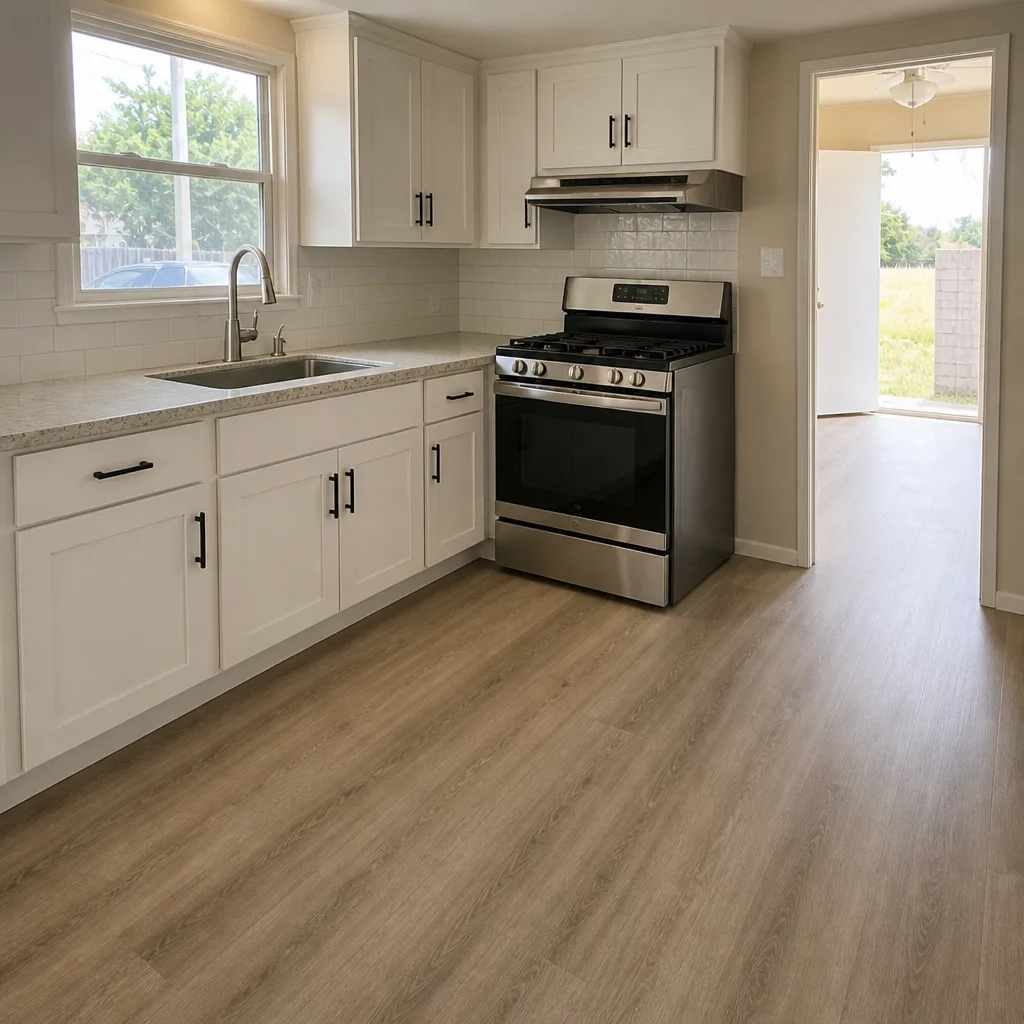
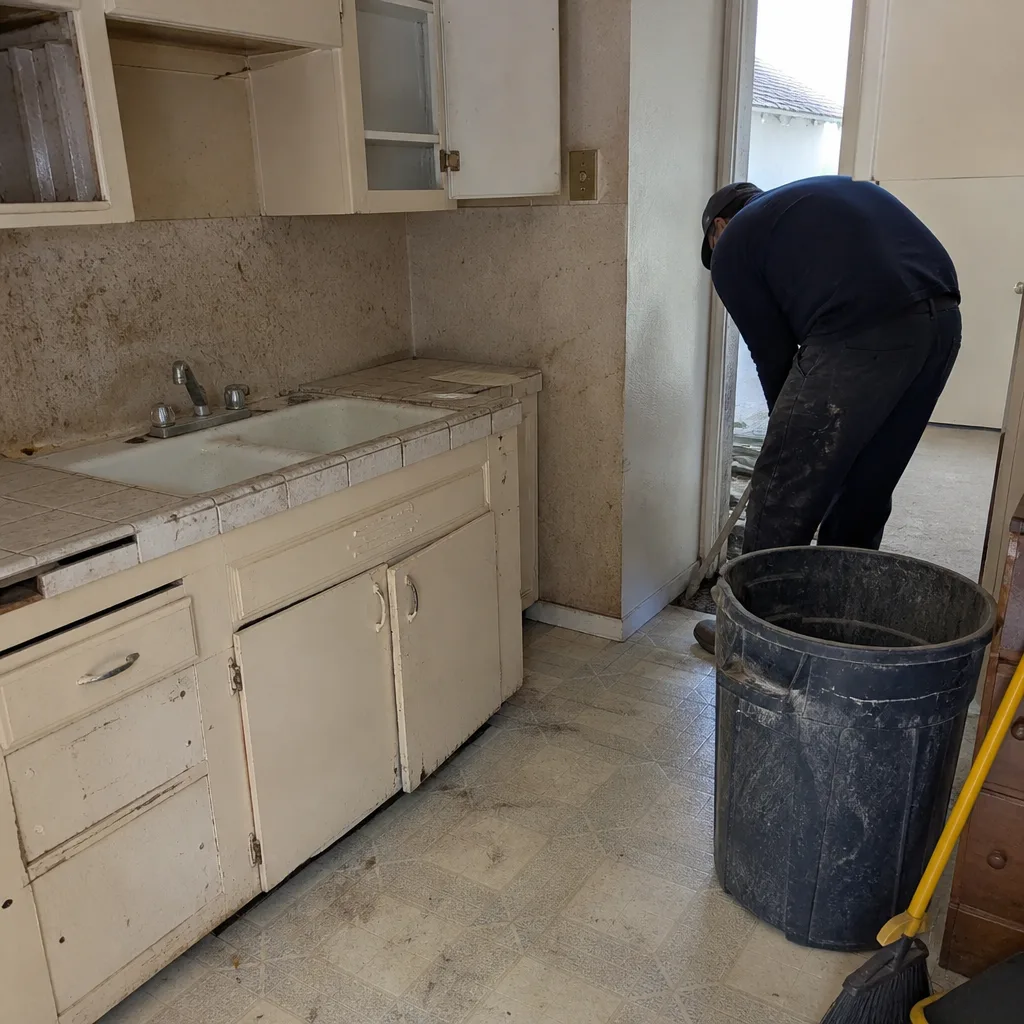
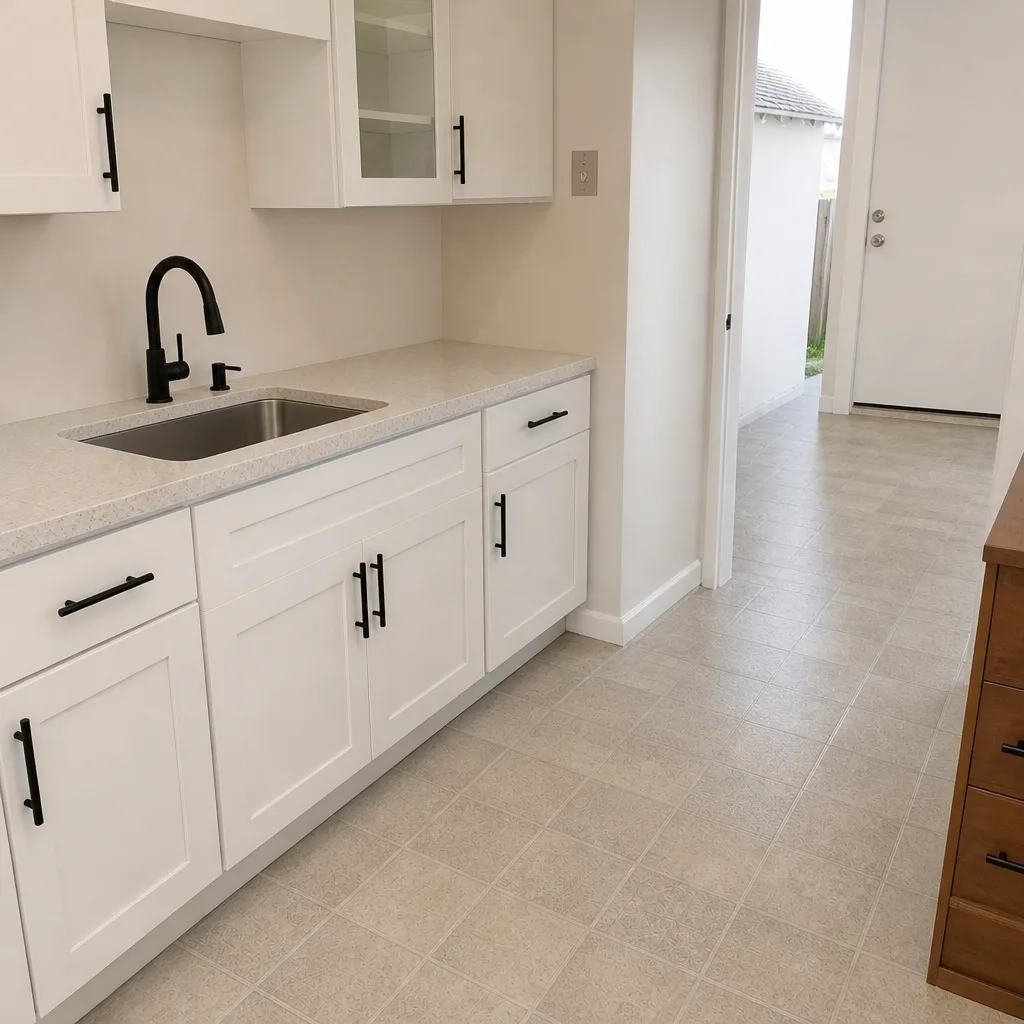
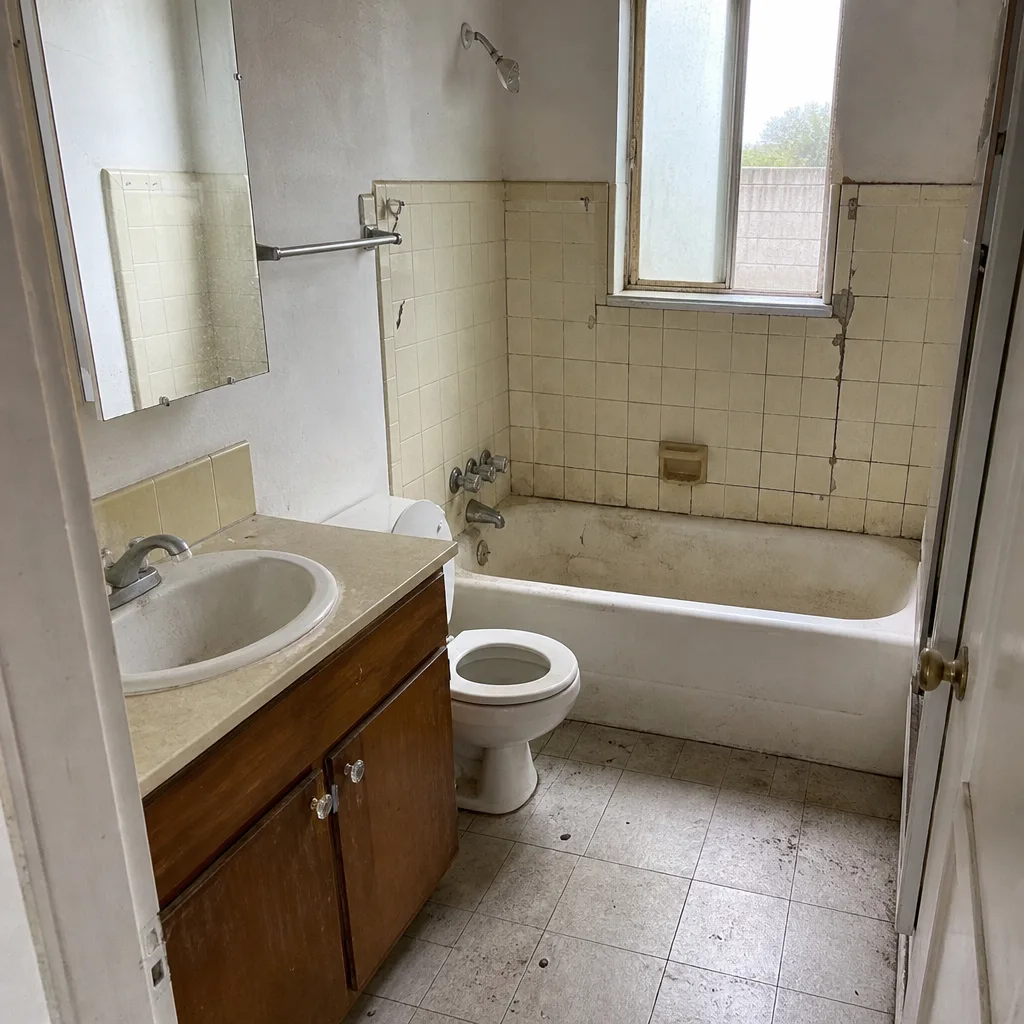
See the difference
 Before
 After
 Before
 After
 Before
 After
Replacement Cost & What’s Included
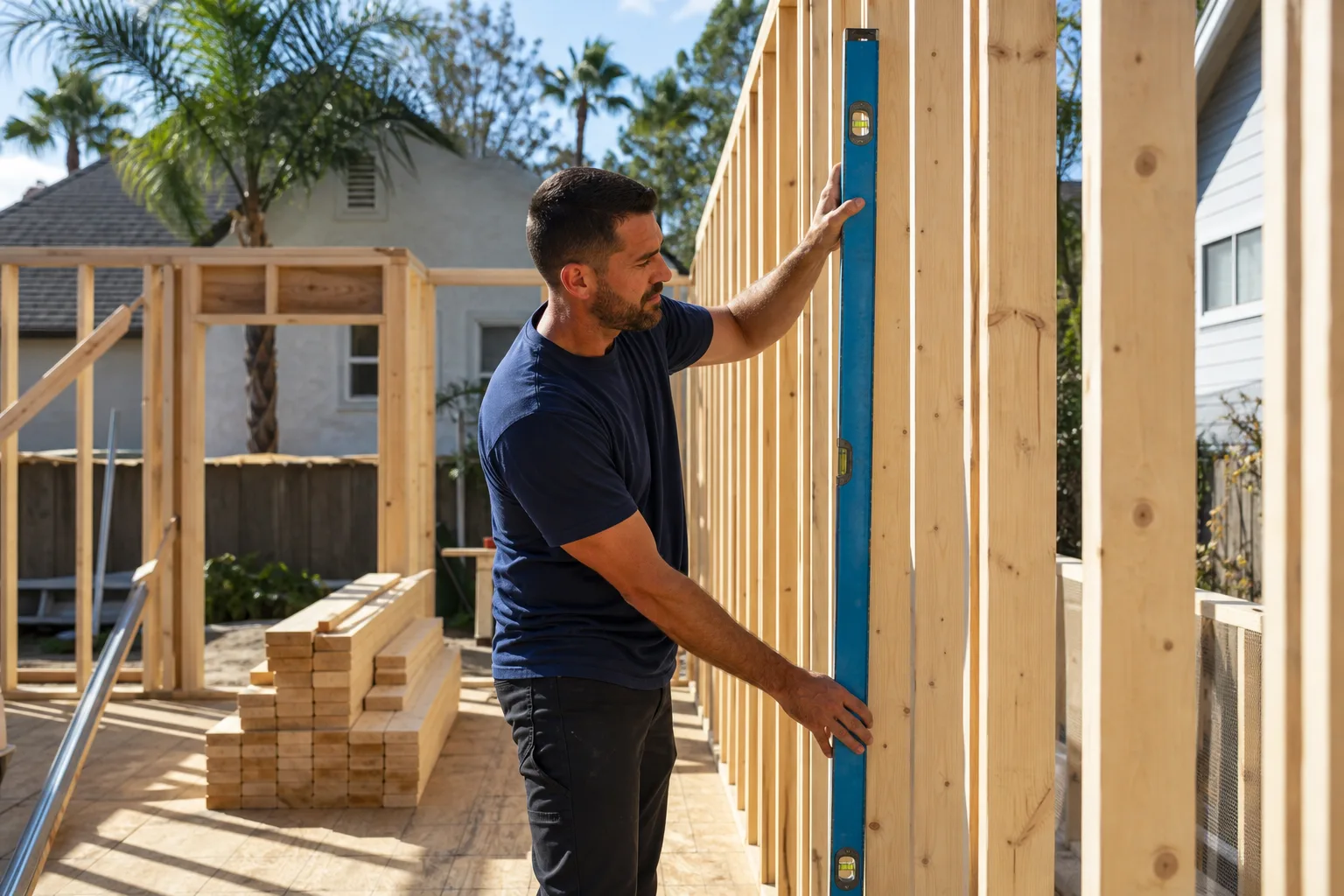
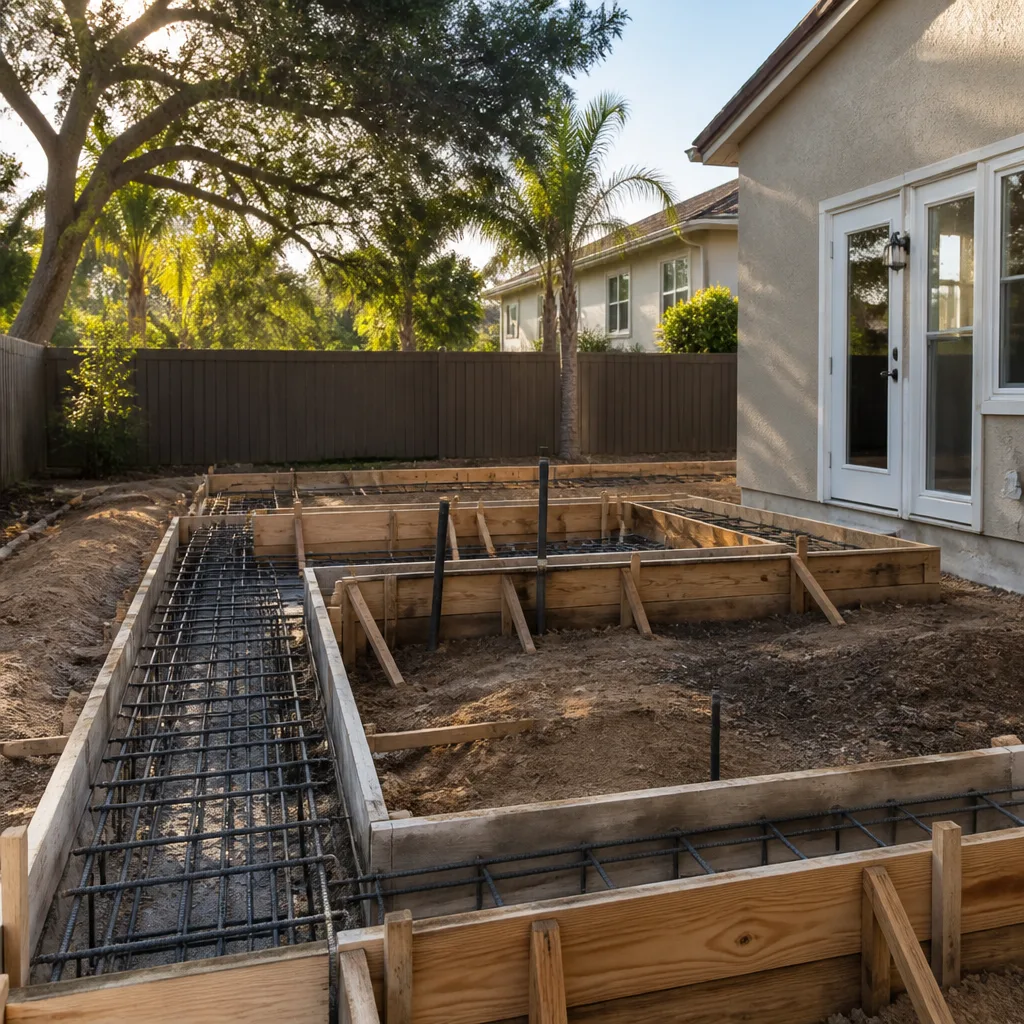
For additions and ADU work where the door is part of the scope, the lead range is $53,100 – $153,400 for a home addition and $106,200 – $259,600 for a full ADU. A garage conversion runs $35,400 – $94,400. Those numbers include the door system specification, framing, flashing, finish, permits pulled and inspections passed, and cleanup, because an addition is a build, not a part swap.
What drives the range: square footage, foundation type (slab versus raised on a hillside lot), whether utilities need re-routing, and the door and finish package. A fiberglass Therma-Tru entry door costs more than a stock steel unit but less than a custom wood door, and it holds up better against Los Angeles sun. You’ll get a written line-item price before any work starts, and every completed project carries the 365-Day Done Right Promise. If the work fails inside that year, we come back and correct it at no charge.
DIY or Call Us?
Here’s the honest split. You can safely check the label on your door, measure the slab to the nearest 1/16 inch, test the hinges for play, and look for daylight or water staining at the sill. That’s diagnosis, and it’s useful.
What we don’t recommend: pulling and resetting the door yourself on an addition, or trying to reflash a threshold you’re not sure was flashed right in the first place. If the sill is soft, water is already inside the wall, and a new door over a bad flashing detail just moves the problem. We’ve walked into Los Angeles additions where a homeowner rehung a door three times and the real issue was a settled frame and a roof-to-doorwater path. If you’re at the point of pulling screws, stop and call (844) 343-6681. A live person answers around the clock.
Bradford Remodeling Co Los Angeles is an independent remodeling contractor and is not affiliated with Therma-Tru. We also work with KraftMaid, Cambria, and Silestone on the finish side of these projects.
FAQs
How long does a Therma-Tru entry door last on a Los Angeles addition? A fiberglass Therma-Tru door in Los Angeles typically holds for 20 to 30 years if the flashing was done right and the sill stays dry. Steel doors run shorter in coastal air where salt exposure speeds corrosion. The door itself usually outlasts the jamb and threshold, which is why sill and hinge-jamb failures come up first. Call (844) 343-6681 for a free estimate on a replacement or an addition that includes a new door.
Can the door be repaired instead of replaced? Sometimes. New hinges, a new sweep, fresh weatherstripping, and a replacement glass unit are all fixable on the existing door. But a soft sill, a water-damaged hinge jamb, or a slab that’s out of square in the opening calls for replacement, because patching those over a bad frame won’t hold. We’ll tell you which side of that line you’re on before any work starts.
How long does the swap take? A single door replacement on an existing opening typically runs a day to a day and a half once the correct part is on site. On a new addition or ADU, the door installs within the framing and finishing schedule of the larger project, so it’s measured in weeks alongside everything else, not days. There’s no same-day claim here; an addition is planned construction and we treat it that way.
How do you source the Therma-Tru part? We spec the part by series, slab dimensions, and hinge and lock configuration, then order from the manufacturer or an authorized supplier so the spec is documented and the warranty stays intact. No guessing at a photo on a website. Before any material is ordered, you get a written price covering the part and the labor, and that price doesn’t move at the door. Call (844) 343-6681 to schedule your free estimate.
Written by the team at Bradford Remodeling Co Los Angeles, serving Los Angeles and nearby areas.