
Free written scope consultation - allowances, timeline, and change-order rules on paper before a single trade is scheduled
Schluter Driveway & Pavers: The Los Angeles Owner’s Guide
Schluter driveway and paver installations in Los Angeles typically run $8,260 to $21,240 for a paver driveway, and Schluter profiles and edge restraints are installed as part of that scope. A failed profile, a loose paver, or an edge piece that has come off the paving doesn’t make a driveway unsafe to use, so we schedule these jobs with a written price inside a normal, planned window rather than promising same-day arrival. The part that failed is usually found the plain way: you’re walking to the car, a paver rocks under your heel, or a metal edge strip that used to sit flush now stands a quarter inch proud of the pavers. In Los Angeles, the failure arrives on a schedule that fits our weather – two or three dry seasons of a 40-degree-plus swing between afternoon heat and cool nights, and the sand joints open and let water under the edge piece that holds the paver course against the driveway apron.
What fails first is almost never the paver itself. It’s the restraint. Schluter’s paving profiles and edging act as the vertical keeper for the perimeter of the paving, and they only work while the substrate under them stays compacted and drained. When it doesn’t, the profile lifts, the pavers spread, and the joint sand washes out into the landscape strip or the gutter. If you’re pricing the planter or patio side of the project too, our paver patio installation page covers the same restraint logic.
Which Schluter Models This Applies To
Schluter’s paving and edging families are sold as separate series, and the part you need has to match the series AND the paving thickness. The most common pairing is a profile intended for 2-inch (50 mm) and thinner paving, with a small set of part numbers covering 2-3/8-inch (60 mm) material. If your driveway uses standard 2-3/8-inch pavers and you buy the 2-inch profile because it’s what the shelf had, the profile sits below the paver face and the manufacturer’s edge detail is void – no amount of caulk or sand hides that. Measure the paver. Measure the profile pocket. They must be within about 1/8 inch.
Identifying the right part: the profile has a stamped or printed series code along the back face, along with a lot number. Photograph that code and the paver’s actual edge thickness, and that pair of facts is enough to match it. If the code is worn off, measure the offset from the paver face to the anchor leg.
OEM vs aftermarket: for Schluter specifically, aftermarket “compatible” edging is a real false economy on a driveway. The paver profiles are engineered around a specific anchor-leg geometry and a specific stainless or coated finish that behaves a certain way in coastal and inland heat cycles. We specify the manufacturer part, match it to your paving thickness, and put that part number on the written price before we order. We don’t keep parts in stock and nothing rides on a truck; we source the correct profile per job with its documented spec attached.
We’re an independent service provider working with Schluter materials – not Schluter, Inc., and not affiliated with them. Our team installs Schluter systems alongside the documented brands on our approved list, which also includes KraftMaid, Cambria, and Silestone on the interior side.
Styles & brands we work with
- Kitchen remodeling
- Bathroom remodeling
- Home additions & ADU
- Roofing
- Windows & doors
- Driveway & pavers
- Fence
Signs Your Schluter Driveway & Pavers Is Failing
- The edge profile stands proud of the paver face. The substrate under the anchor leg has settled or washed out, so the profile’s vertical position is no longer being held by compacted base – the paving profile is doing the job the base was supposed to share.
- Pavers along the perimeter rock when you step on them. Sand has washed from the joints over two or three seasons, the pavers lose lateral confinement, and the edge profile that was supposed to be the last line of restraint has nothing left to restrain.
- A visible gap between the profile and the first paver course. This is restrained-spalling: the profile’s anchor leg has moved, so the paver is no longer pinned against a vertical stop, and the gap opens every hot afternoon and closes every cool night.
- Rust, coating blister, or white streaking on the profile face. The finish has broken down. On a driveway this matters because the profile is exposed to salt, sun, and the occasional LA rain squall, and a broken coating speeds up undercutting at the anchor.
- Water pooling against the house-side edge and staining the concrete apron dull dark. The edge detail isn’t shedding water anymore. The cause is the profile’s elevation, not the paver – if the profile stands tall, water runs back under the paving instead of off it.
The LA-specific piece: our inland neighborhoods swing from the low 50s to above 90 within a single day. That thermal cycling works the perimeter restraint harder than driving on the paving does. In the San Fernando Valley and the east side, we regularly see profile failures on driveways that are only five or six seasons old – the paver faces are fine, the edge detail isn’t.
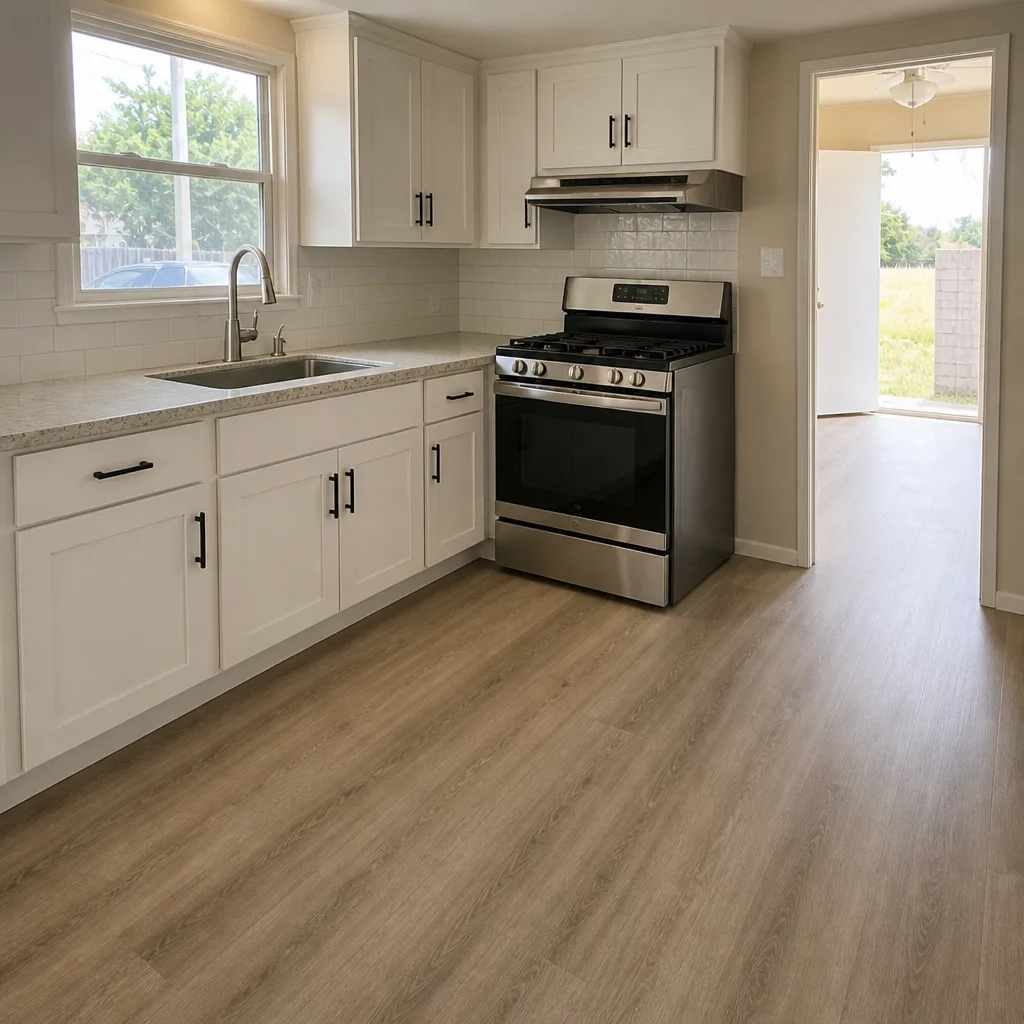
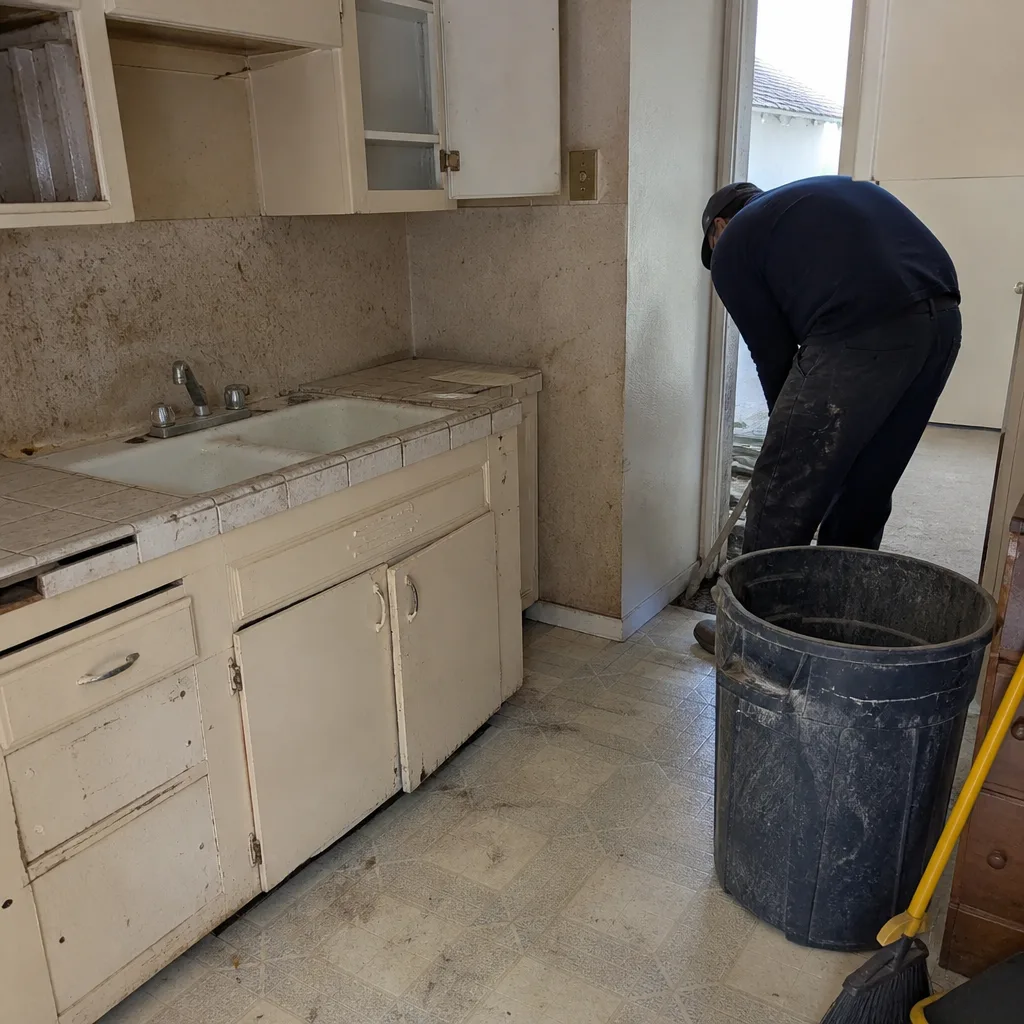
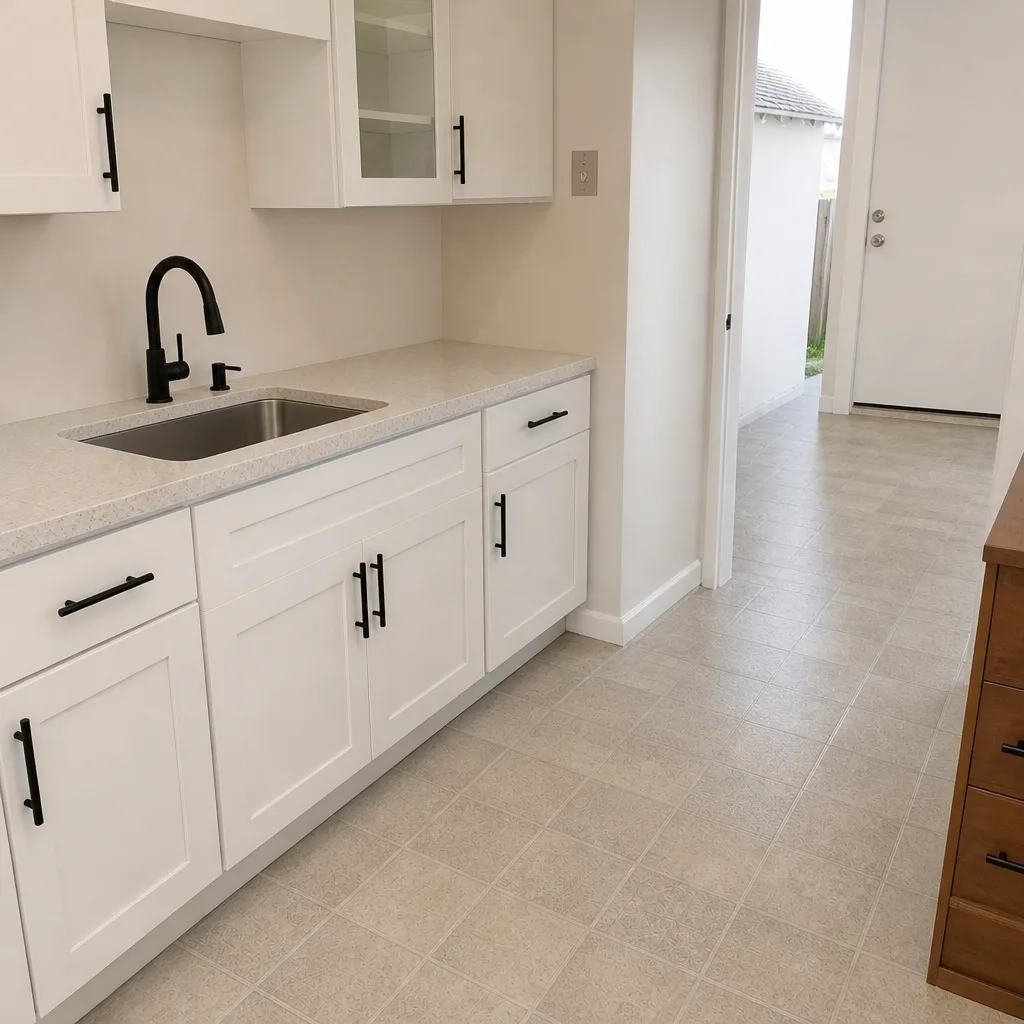
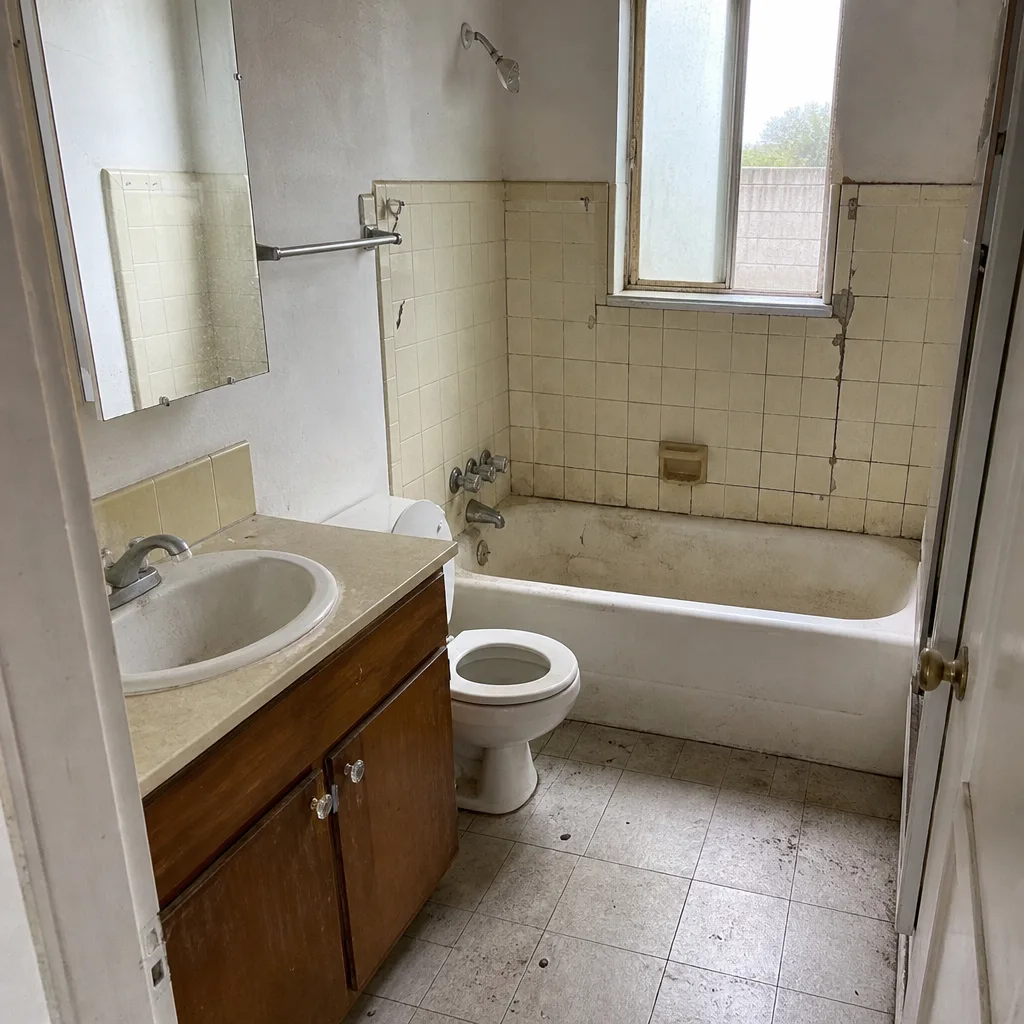
See the difference
 Before
 After
 Before
 After
 Before
 After
Replacement Cost & What’s Included
Here’s the honest split. The Schluter profile itself is a small line item. What you’re paying for is the restraint reset and the perimeter paving work around it, because the profile only holds when the substrate under it is right.
| Line item | Los Angeles range |
|---|---|
| Paver driveway installation (full scope, profile included) | $8,260 – $21,240 |
| Driveway replacement | $5,900 – $16,520 |
| Driveway sealing (protects joints after the fix) | $295 – $825 |
| Paver patio installation (same restraint logic, back yard) | $4,130 – $12,980 |
What drives the range: how many linear feet of perimeter are affected, whether the base under the profile can be edge-compacted in place or has to be lifted and recompacted, and whether the fix ties into a driveway replacement. A single failed edge run along one side of a driveway is at the low end. A full perimeter reset on a driveway that’s also due for replacement takes you toward the top. Concrete driveways, if you’re comparing, run $5,310 to $14,160, and asphalt $4,130 to $10,620 – useful numbers to have when the profile quote comes back and you’re deciding whether to reset the paving or replace it.
Everything we do is covered by the 365-Day Done Right Promise: a full-year written guarantee on the work. If the profile or the paving around it fails inside that window, we come back and correct it at no charge. The guarantee term is on the written price before we start, and you keep a signed copy at close-out.
DIY or Call Us?
What an owner can safely do: identify the profile series code, measure the paver thickness, photograph the failure, and clear loose sand and debris away from the joint for a closer look. That’s it. What goes wrong when you go further: the anchor leg is set under compacted base, and resetting it means lifting the perimeter pavers, recompacting the base in a narrow trench with a plate compactor, and re-setting the profile to the correct elevation relative to the paver face. Hand-tamping in a 6-inch strip doesn’t get there. The profile lifts again inside a season, and you’ve paid for the pavers twice. There’s also the base-drainage question – a driveway edge that pools water is a drainage design issue, not a caulk issue.
The plainest advice: check and measure on your own, then have us quote it. Call (844) 343-6681 for a written, line-item price before any work starts. A live person answers, 24 hours a day. No numbers that move at the door.
FAQs
A correctly installed profile matched to the right paver thickness typically holds for the life of the paving – 15 to 25 years – but in Los Angeles our daily thermal swing means the practical failure point is the base under the anchor leg, not the profile itself. Most of the failures we see inland show up between season 5 and season 8, and the fix is usually a base and elevation reset, not a new part. Call (844) 343-6681 for an exact quote – estimates are free.
Sometimes. If the series code is legible, the coating is intact, and the failure is that the anchor leg has settled, we can lift the perimeter pavers, recompact the base, and reset the existing profile. If the coating is blistered or the profile has corroded through at the anchor, it has to be replaced – a compromised anchor leg that gets reset will fail again inside a season. We tell you which one you have before we quote.
A single run of perimeter profile on a standard two-car driveway is usually a one-day job for demo, base correction, profile reset, paver re-lay, and joint sand. A full perimeter reset on a driveway that also needs the paving re-laid runs two to three days, and a full driveway replacement that includes the profile runs three to five. The duration goes on the written scope and doesn’t change mid-job unless you ask us to add work.
Per job, matched to your paving thickness and the series code from your existing profile – we don’t carry parts on a truck and we don’t stock profile locally, because thickness and series mismatches are the single most common cause of a repeat failure. We confirm the spec, order the correct manufacturer part, and put the part number on the written price before work starts. If you have the old profile in hand, photograph the code on the back face and we can match from that.
Call Bradford Remodeling Co Los Angeles at (844) 343-6681 for a free estimate. Our technicians have up to 22 years of experience. You’ll get a written price before any work starts, background-checked and uniformed technicians on the job, and the 365-Day Done Right Promise behind the finished work. Live person on the phone, 24/7.
Written by the team at Bradford Remodeling Co Los Angeles, serving Los Angeles and nearby areas.