Free written scope consultation - allowances, timeline, and change-order rules on paper before a single trade is scheduled
Styles & brands we work with
- Kitchen remodeling
- Bathroom remodeling
- Home additions & ADU
- Roofing
- Windows & doors
- Driveway & pavers
- Fence
See the difference
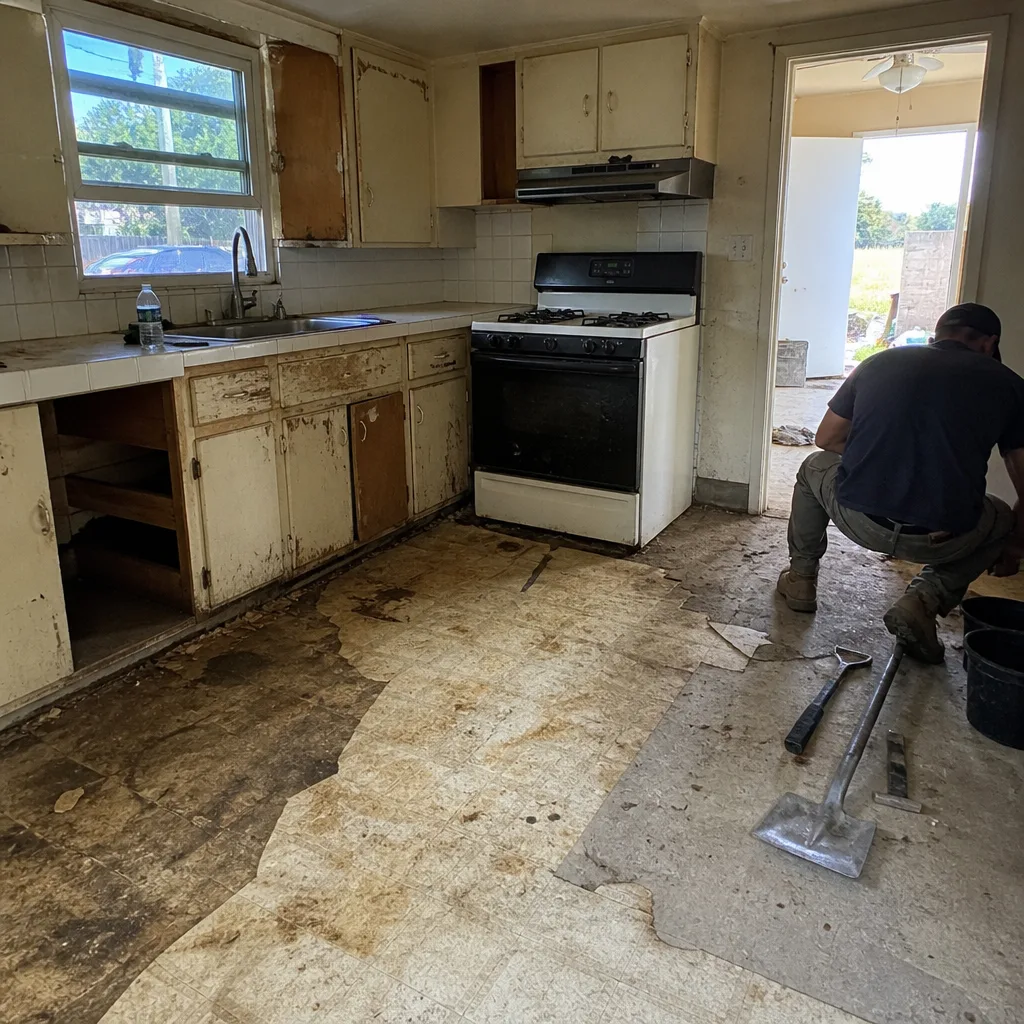 Before
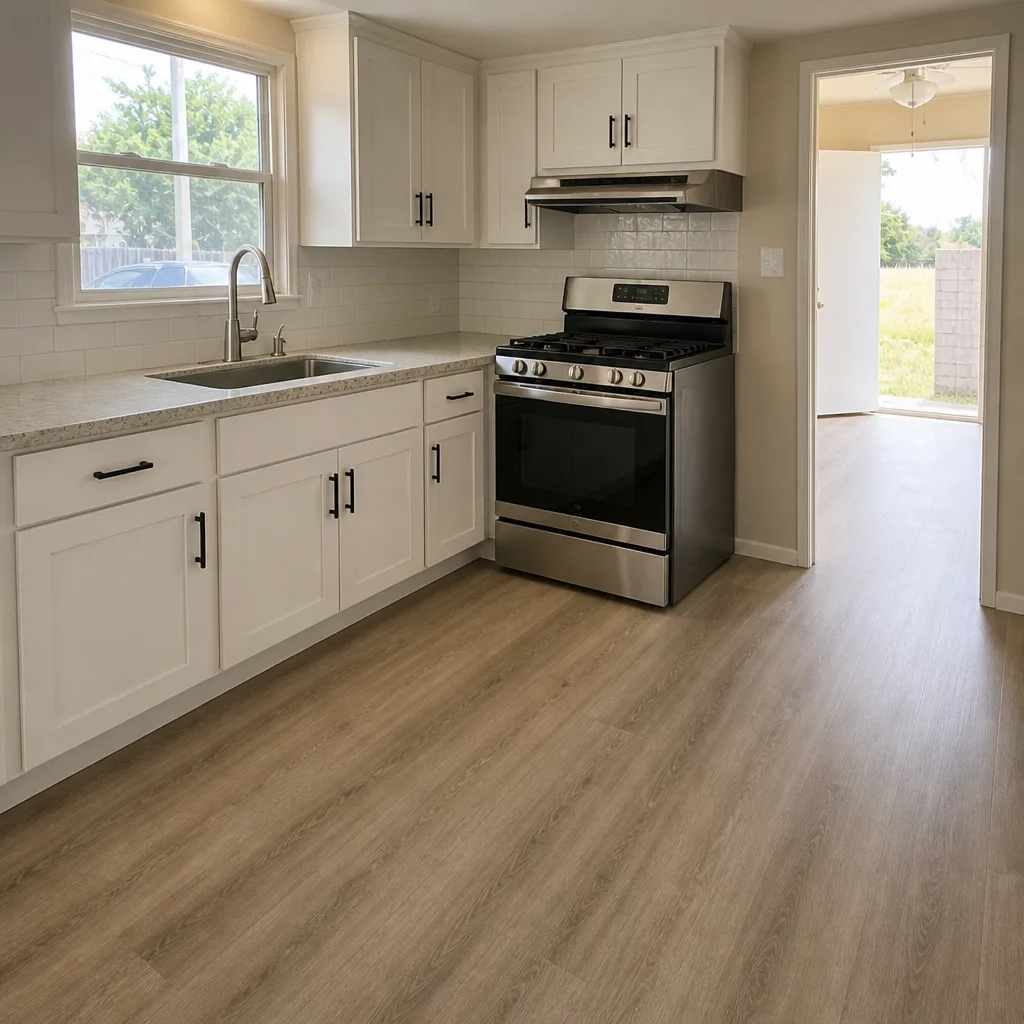 After
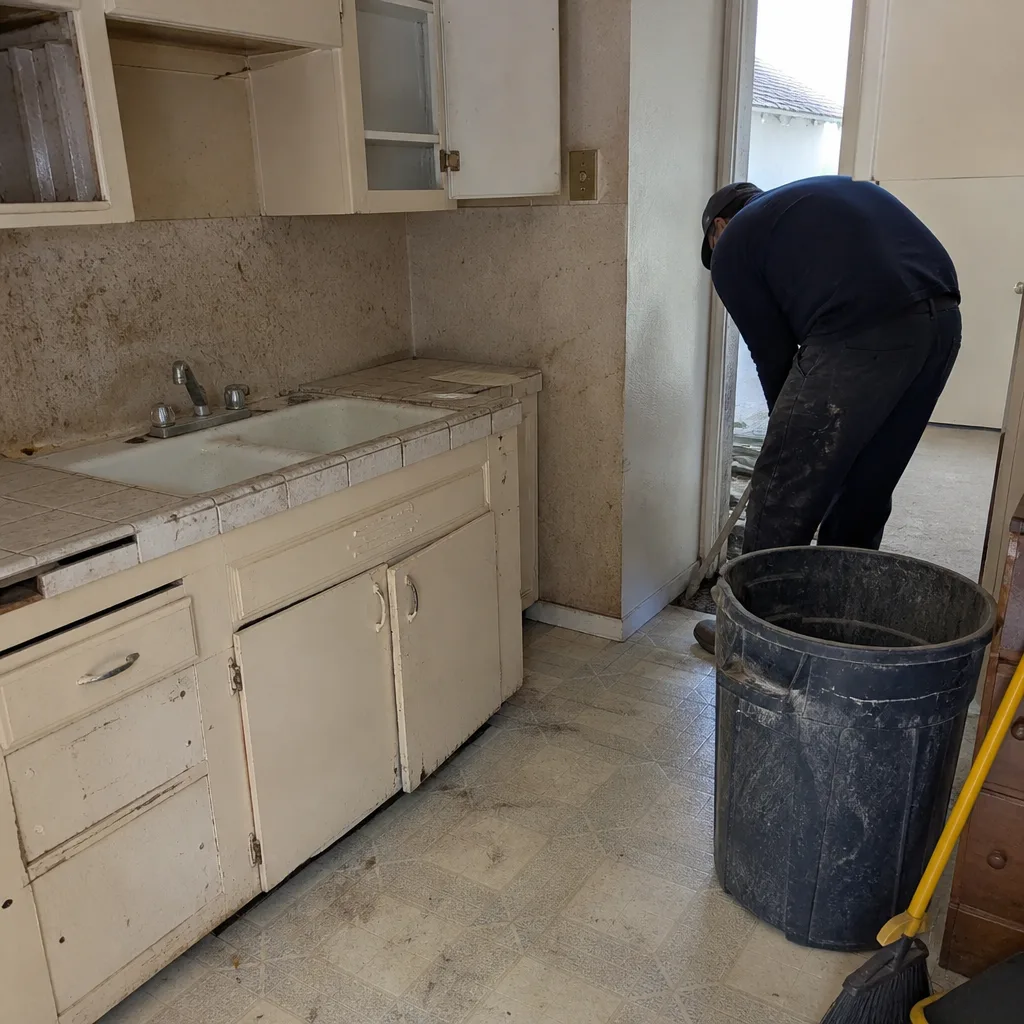 Before
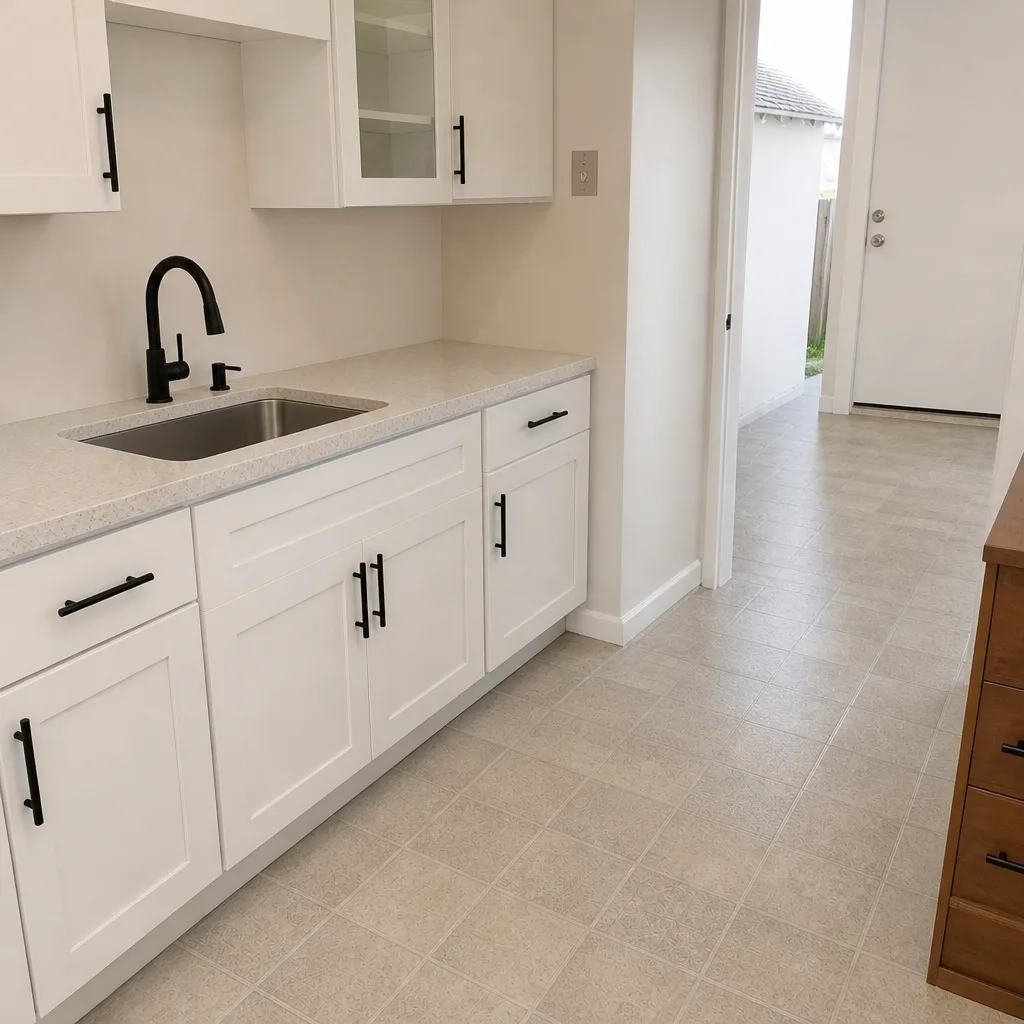 After
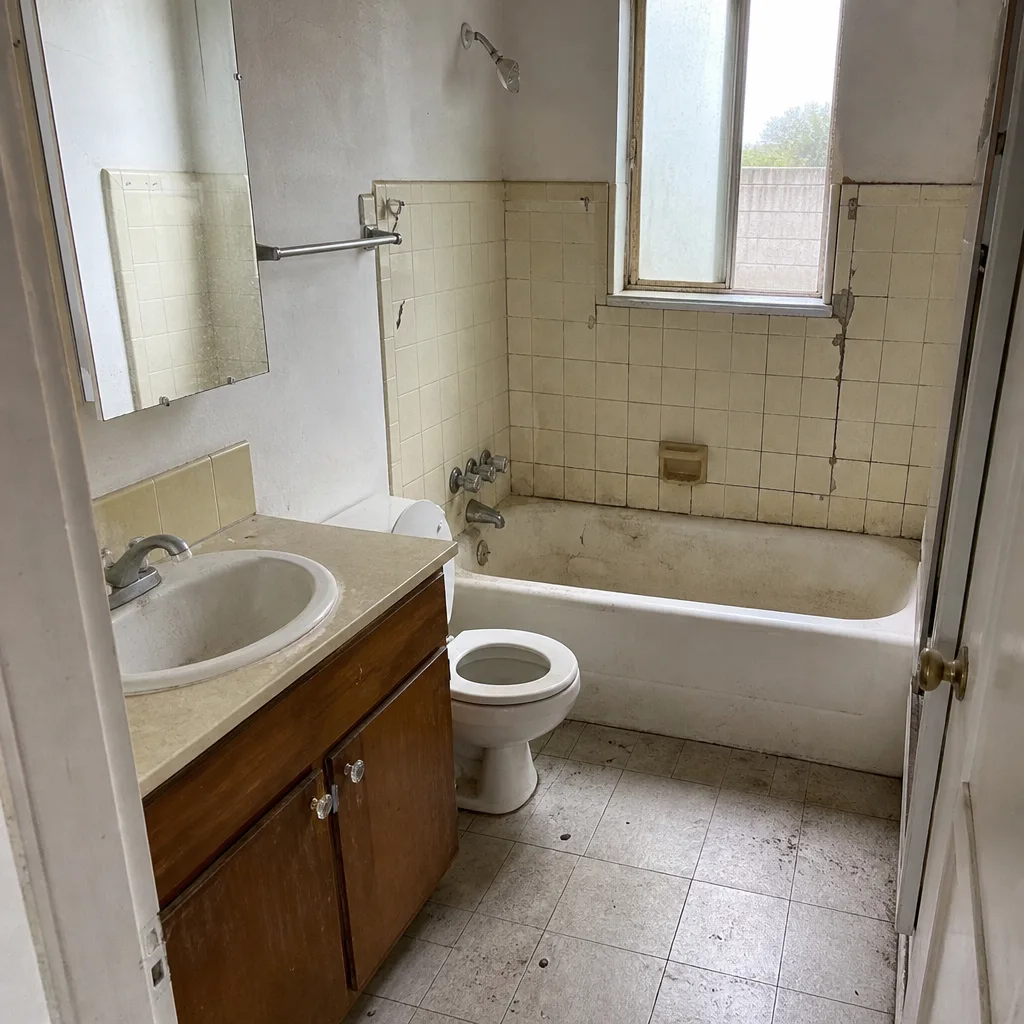 Before
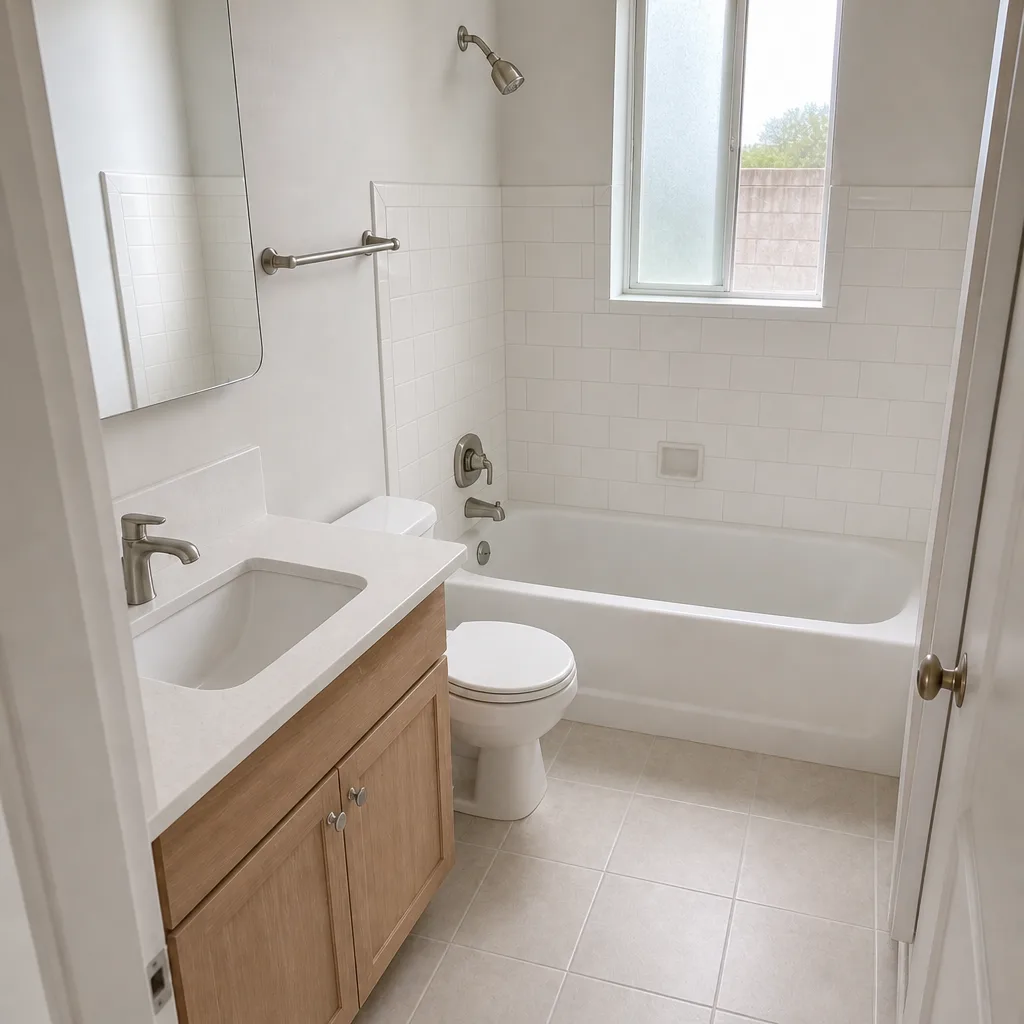 After
ADU Rules and Requirements in Los Angeles: What LADBS Actually Checks Before Your Application Moves
California state law gives Los Angeles homeowners a legal right to build an ADU, but that right only guarantees you a review – not a permit. The short answer: your project is “ministerial,” meaning LADBS can’t deny it for policy reasons, but the department can still hold your application incomplete until it clears the local checklist. On a flat Valley lot that list is short. On a Hollywood Hills slope or in a 1960s Koreatown dingbat, it can require a geotechnical report, a shear-wall evaluation, or a lead survey before the plan-check clock even starts. Call (844) 343-6681 and we’ll tell you which bucket your property falls into before you spend a dollar on drawings.
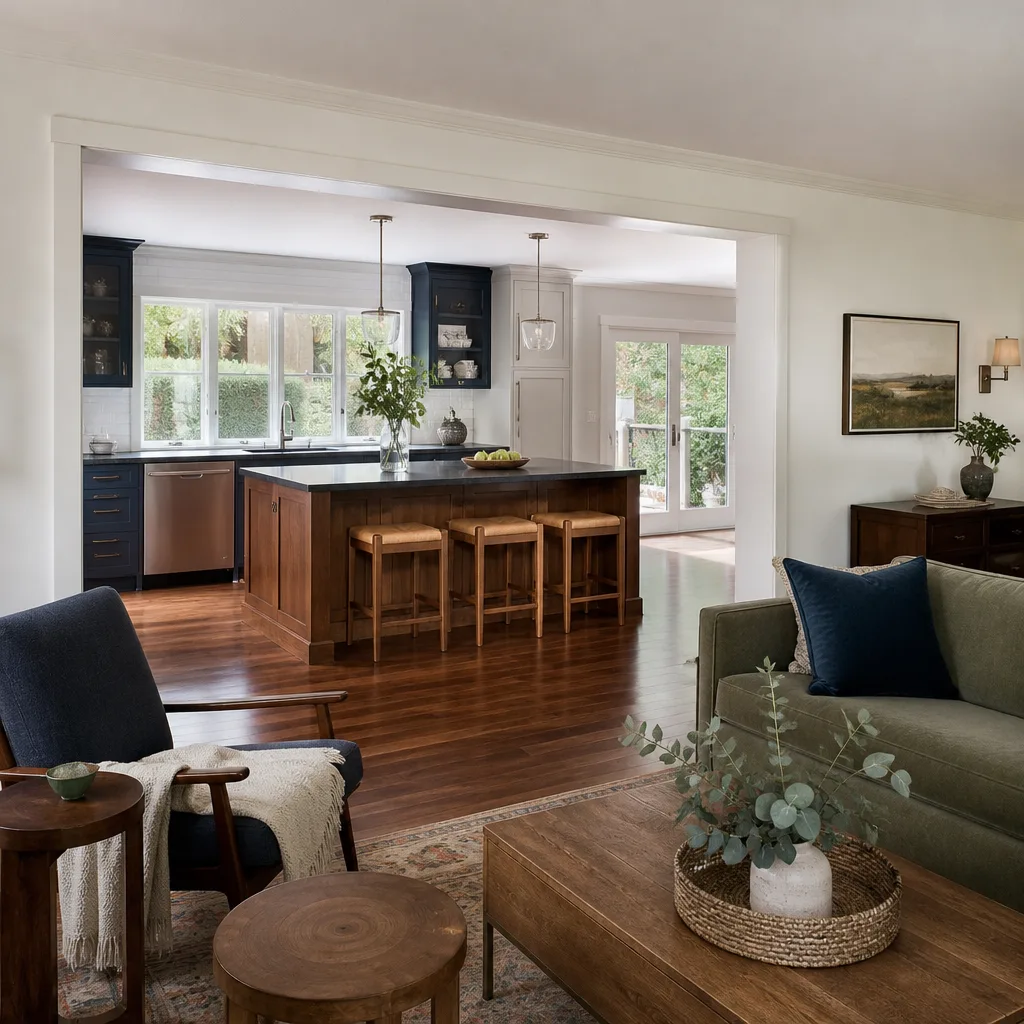
Why LA ADU Projects Split Into Two Very Different Tracks
AB 68 and SB 9 loosened the statewide rules on size, setback, and owner-occupancy. What they didn’t do is override local site conditions. Los Angeles sits on an active seismic zone layered over some of the oldest residential fabric in the country – 1920s Spanish Colonial and Craftsman bungalows in Mid-City and the Eastside, postwar stucco tracts across the Valley, and those mid-century dingbats with tuck-under carports through Koreatown and Hollywood.
That history matters because LADBS reviews the ADU against the primary structure and the parcel, not just the new square footage. Two homeowners can submit the same 800-square-foot detached unit and get completely different completeness letters. One sails through. The other gets flagged for a soils report because the lot is in a Hillside Area, or for a soft-story question because the main building is a wood-frame apartment from 1968.
The LADBS Completeness Checklist: Where State Rights Meet Local Reality
Ministerial approval means the city can’t say no just because neighbors object. It does not mean the plan reviewer skips the site. LADBS will mark an application incomplete – pausing the statutory review clock – when the file is missing studies the site triggers. The common ones:
- Geotechnical report. Required on hillside lots, steep grades, and areas with known slope instability. A soils engineer stamps it; without it, the application doesn’t move.
- Lead and asbestos survey. Any structure built before 1978 that will be altered or demolished needs testing before permit issuance – this catches a lot of older garages being converted.
- Soft-story evaluation. If the primary building is a 1960s-70s wood-frame structure subject to the city’s mandatory Soft-Story Ordinance, adding an ADU raises the question of whether the retrofit is complete. An unfinished retrofit can complicate both financing and occupancy sign-off.
- Slope-density and grading review. Steep parcels face separate scrutiny on excavation volume and drainage.
None of this is a denial. It’s a gate. The homeowners who lose months are the ones who submitted before checking which gate applied to them.
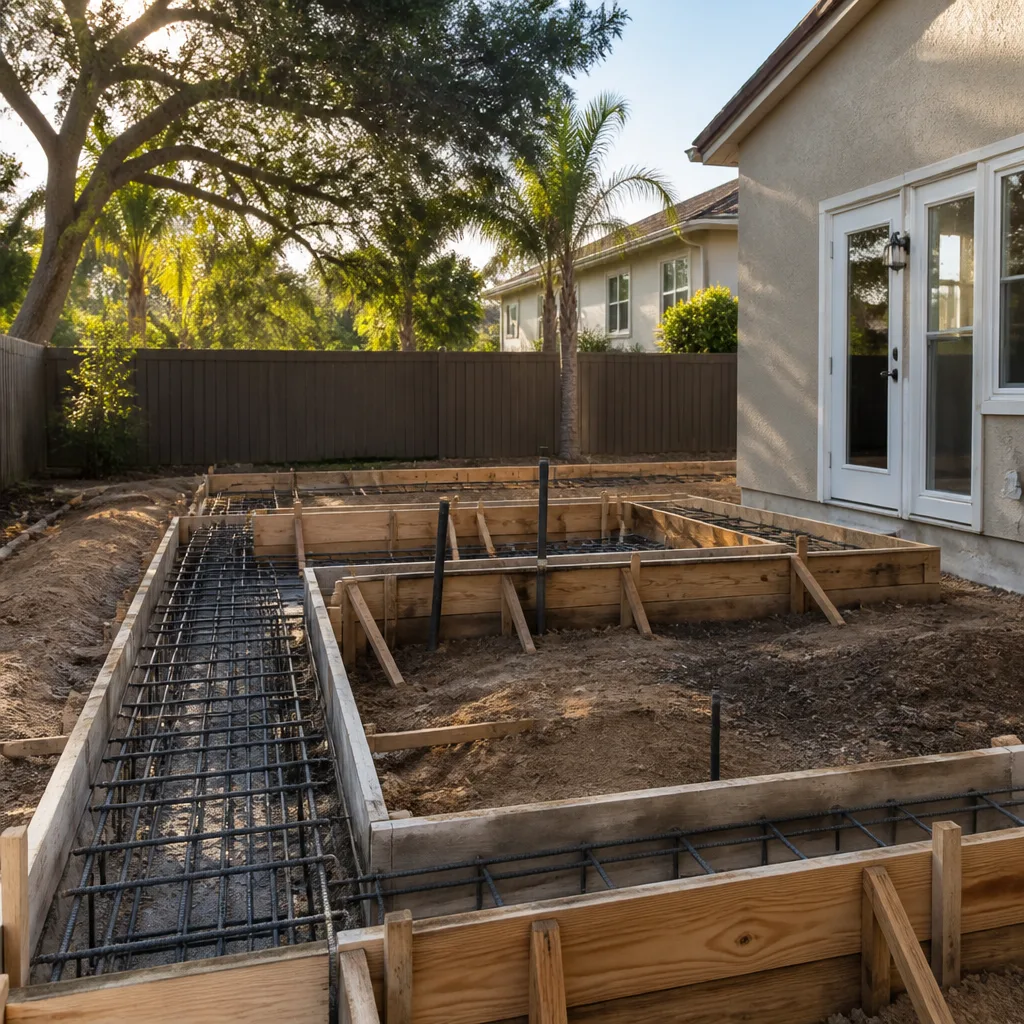
Hillside Lots: Where the Same ADU Gets Harder
An ADU on a steep Hollywood Hills or Santa Monica Mountains parcel is not the flatland project with a different address. Los Angeles’s hillside ordinance can impose lower height limits and tighter setbacks than the same unit would face on a Valley lot, and a cantilevered design over a slope needs a soils engineer’s wet stamp before it’s buildable. Excavation for a “basement” level on a hillside triggers geotechnical review and slope-density analysis that a flat parcel never sees.
Long dry summers also work against these lots. Expansive clay soil moves with the seasons, and the rare heavy winter rain is what exposes grading and drainage failures. We plan drainage on hillside ADUs before we plan finishes, because retrofitting it after the fact is the expensive version. If you’re weighing an ADU against adding square footage to the main house, our home page lays out both paths, and the Los Angeles service area page covers how we scope projects across the city.
What an ADU Actually Costs in Los Angeles
State law sets the rules; the market sets the price. Here are the ranges we work from in Los Angeles, and every one of them gets firmed into a written price before work starts.
| Project | Typical Range |
|---|---|
| ADU Construction (full build) | $106,200 – $259,600 |
| Garage Conversion to ADU | $35,400 – $94,400 |
| Home Addition (comparison) | $53,100 – $153,400 |
| Kitchen Remodel (if part of the plan) | $16,520 – $53,100 |
| Bathroom Remodel | $10,620 – $33,040 |
Fire-hardening is the line item most homeowners don’t budget for and the one that catches people in the hills. ADUs in Very High Fire Hazard Severity Zones must meet Chapter 7A, which means ignition-resistant exterior materials – James Hardie fiber cement siding, fire-rated soffit vents, rated exterior doors – are code requirements, not upgrades. We specify the exact manufacturer and product line in the written contract, so when an insurer or the inspector asks for proof of compliance, you have documentation in hand rather than a verbal promise.
Common Local Scenarios We Walk Into
The Koreatown dingbat. A 1964 four-unit with tuck-under parking. The owner wants to convert a garage stall into a studio ADU. Before anything else we check whether the soft-story retrofit is complete, because an open retrofit order on the primary building stalls the ADU at occupancy.
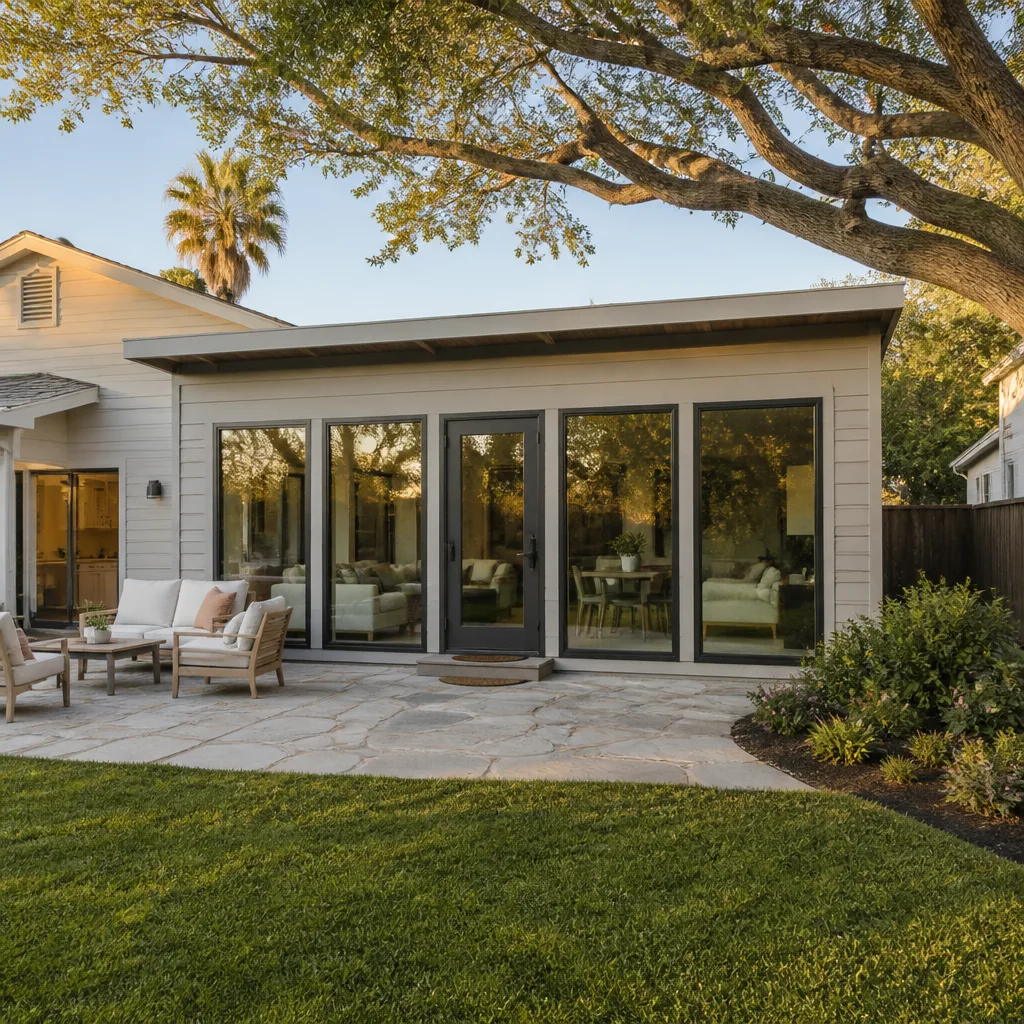
The Mid-City bungalow with a detached garage. A 1926 Craftsman with a stand-alone garage. Clean lot, flat grade, but the garage predates 1978, so a lead and asbestos survey comes first. Straightforward once that’s done.
The Hollywood Hills cantilever. A post-and-beam home on a steep parcel. Geotechnical report, soils engineer’s stamp on the foundation design, and hillside height limits that shrink the footprint from what the owner sketched. The good news: state law still protects the unit’s right to be built.
The Valley tract home. Postwar stucco, flat lot, no special overlays. Usually the fastest track through LADBS, with fewer studies and a shorter completeness review.
Whichever scenario is yours, Bradford Remodeling Co Los Angeles handles the LADBS submittal alongside the build, and our technicians bring up to 22 years of experience to reading a completeness letter before it costs you a month.
What The Garrison Standard Puts in Writing
Every Bradford project runs on The Garrison Standard: a written price before any work begins, background-checked and uniformed technicians on every job, and a live person answering the phone 24 hours a day. When the project closes, you hold a signed written guarantee – the 365-Day Done Right Promise. If the work fails inside that year, we return and correct it at no charge. On an ADU, that covers the things you can’t see once the drywall goes up: the rough-in, the shear connections, the drainage behind the siding.
We work from a documented roster of name-brand materials – James Hardie exteriors, KraftMaid and Wellborn cabinetry, Cambria surfaces – so every specification is traceable to a manufacturer with its own warranty standing behind ours.
FAQs
Not always, but you do on most hillside parcels and any lot with a steep grade or known slope instability. LADBS will flag the application incomplete until a soils engineer stamps the report, so it’s worth knowing before you commission drawings. If you’re on a Hollywood Hills or Santa Monica Mountains slope, call (844) 343-6681 and we’ll help you find out early.
The city can’t deny a qualifying ADU for policy reasons – state law makes approval ministerial – but it can hold your application incomplete for missing local studies like a lead survey, soft-story evaluation, or geotechnical report. The denial that never happens is the political one; the delay that does happen is the completeness letter. A written scope from us maps which studies your parcel triggers before submittal.
Yes, if your primary building is a 1960s-70s wood-frame structure subject to the city’s mandatory retrofit. An incomplete soft-story retrofit can complicate financing and occupancy sign-off on the new ADU, so we check the retrofit status first. Call (844) 343-6681 for a straight answer on whether it applies to your building.
Chapter 7A fire-hardening materials – ignition-resistant siding, fire-rated soffit vents, and rated exterior doors – are code-required in Very High Fire Hazard Severity Zones, so they add to the exterior line rather than sitting as optional upgrades. We name the exact manufacturer and product line in the written contract, giving you documentation for permitting and insurance. Free estimates are available; call (844) 343-6681.
Get Your ADU on the Right Track
If you’d rather have it looked at than guess which LADBS checklist applies to your parcel, Bradford Remodeling Co Los Angeles offers a no-pressure assessment in Los Angeles – call (844) 343-6681 for a free estimate and a written price you can hold us to.
Written by the team at Bradford Remodeling Co Los Angeles, serving Los Angeles, CA.