Last updated November 17, 2026
Free written scope consultation - allowances, timeline, and change-order rules on paper before a single trade is scheduled
How Long Does Home Remodeling Take? Timelines and What to Expect
LADBS over-the-counter plan check for a standard kitchen remodel averaged 6 to 10 weeks in 2024. That number appears in no national “how long does remodeling take” article, yet it’s the first thing that sets your move-out date. In Los Angeles, permits, material lead times, and the order your trades work don’t follow the national script. This guide gives you the real Los Angeles numbers with the reasons behind them, so you can build a schedule that holds up to reality instead of hope.
Quick Answer
Most home remodels take 3 to 7 months from signed contract to final inspection in Los Angeles. That total breaks down into plan check (4 to 10 weeks depending on scope), material lead times (2 to 12 weeks), active construction (3 to 16 weeks), and final inspection (1 to 3 weeks). Structural work, additions, and ADUs run longer; cosmetic refreshes run shorter. The single biggest cause of overrun is not construction speed but permit and sequencing delays that nobody planned for.
Styles & brands we work with
- Kitchen remodeling
- Bathroom remodeling
- Home additions & ADU
- Roofing
- Windows & doors
- Driveway & pavers
- Fence
Table of Contents
- LADBS Permit Timelines by Project Type
- The Subcontractor Sequencing Rule
- Material Lead Times That Still Run Long
- What a Written Project Schedule Should Contain
- Completion Date vs. Legal Occupancy Date
- Los Angeles Climate and Code Realities
- Common Mistakes to Avoid
- When to Call a Professional
LADBS Permit Timelines by Project Type
Every timeline below starts at permit submission, not at the moment you sign a contract. We’ve watched homeowners plan their move-out around a design date only to discover the plan-check clock hadn’t started yet. Here’s what we see in Los Angeles across the four project types we quote most.
- Bathroom remodel (no structural): 3 to 6 weeks over-the-counter. Most hallway baths route through OTC review if plumbing fixtures stay in place and only the wet-wall layout changes slightly.
- Kitchen remodel (non-structural): 6 to 10 weeks. Angeleno kitchens often trigger a second round when the examiner catches a missing Title 24 energy compliance report for the new range hood or window changes.
- Structural work (header removal, wall relocation): 8 to 14 weeks. Requires a stamped structural letter from a California-licensed engineer, which typically adds 2 to 3 weeks before LADBS even sees the plans.
- ADU (accessory dwelling unit): 10 to 20 weeks. Los Angeles has streamlined ADU review since 2020, but grading, drainage, and Sanitation Bureau review each run on their own clock, and they don’t always sync.
Two things speed up plan check in Los Angeles: an accurate site plan drawn to scale, and a contractor who’s submitted to the same LADBS counter before. A misplaced property line is the most common cause of a denial, and it costs 2 to 4 weeks to reset. When you request a quote from us, the price covers permit coordination and revision cycles, not a “we’ll see what happens” clause.
The Subcontractor Sequencing Rule Most Homeowners Learn the Hard Way
Electrical rough-in must precede insulation. Insulation must precede drywall. Drywall must precede cabinetry. Every trade sits in a chain, and a one-day slip at the front of that chain becomes a two-week delay by the end. We’ve seen a single missed inspection on a Tuesday push a kitchen handoff from the first week of June into the third.
Here’s the order your trades actually run in a typical Los Angeles kitchen or bath:
- Demolition and debris haul-out (2 to 4 days).
- Structural and framing changes (3 to 7 days), with a city inspection before walls close.
- Plumbing rough-in (2 to 3 days). A vent stack relocation often adds a day.
- Electrical rough-in (2 to 4 days). This is where delays usually start because the electrician needs the framing final first.
- HVAC modifications (1 to 2 days) if ductwork moves.
- Rough-in inspection (the sequence checkpoint – the city inspects electrical, plumbing, and framing before anything is covered).
- Insulation and drywall (4 to 8 days).
- Tile, cabinetry, countertops, fixtures (2 to 3 weeks).
- Paint, trim, and final touches (1 to 2 weeks).
- Final inspection (scheduled after every trade is signed off).
When a schedule breaks, it usually breaks at step 4. The electrician is held up because the framing inspection hasn’t passed, and drywall can’t start until the rough-in passes. That’s why we publish a schedule with milestone dates and confirm the inspection slot before the trade shows up, not after. It’s also why our General Contractor in Los Angeles service runs on written sequencing rather than verbal “we’ll get there” promises.
Material Lead Times That Still Run Long
Cabinet and window lead times have eased since 2022, but they haven’t returned to pre-2020 levels. Here’s what we’re seeing on Los Angeles jobs right now, and why it matters to book these items before demolition starts.
- Custom cabinetry (KraftMaid, Wellborn): 6 to 10 weeks for custom, 3 to 4 weeks for semi-custom. KraftMaid’s semi-custom line has run closer to 6 weeks in recent quarters.
- Windows and doors (Therma-Tru, James Hardie exterior): 4 to 8 weeks. Wood-look fiberglass Therma-Tru doors run near the high end.
- Engineered lumber (LVL headers, floor joists): 3 to 5 weeks. Structural LVL must be ordered after the engineer’s stamp but before demolition, which forces a 4-week gap in the schedule if planned poorly.
- Tile and stone (Cambria, Caesarstone, Schluter substrates): 2 to 4 weeks. Cambria quartz slabs go through a fabricator, not a lumber yard, so add a week for the cut and polish.
- Fixtures (Kohler, Moen, Toto, Grohe): 1 to 3 weeks for stock, 4 to 6 for special order.
Ordering early is the single most reliable way to protect a schedule. We lock the cabinet order the same week the permit clears, then set demolition to follow within days. The alternative – demo first, order second – routinely costs 6 weeks. If you’re ready to price a kitchen, our Kitchen Remodeling in Los Angeles service covers both the permit coordination and the material-order schedule in one written scope.
What a Written Project Schedule Should Contain
Ask for the schedule in writing before you sign. A proper schedule is not a one-page “6 to 8 weeks” line; it’s a milestone map with dates, owners, and inspection slots. Here’s what ours contain, and what to look for on any contractor’s:
- Plan check start date and target approval date, with a note on revision cycles if LADBS comes back with comments.
- Material order dates for cabinetry, windows, countertops, and fixtures, tied to the approval date, not the demolition date.
- Demolition date, which should never be set before long-lead materials are ordered.
- Rough-in inspection target, which is the true “no turning back” milestone because trades stack behind it.
- Drywall start and finish dates.
- Cabinet delivery and install dates.
- Countertop template and install dates – quoting a date range is fine, quoting a single day is a red flag because slab fabrication depends on the fabricator’s queue.
- Final inspection scheduling window, plus a clean-up and walkthrough date.
Which milestones are contractually binding? In a well-built contract, the total duration and written price are binding; most interior milestones are “target” dates that adjust with inspections and material arrivals. Ask the contractor which dates carry remedies and which are best-effort, and get the answer in writing. Our written price is fixed before any tool comes out, and the scope names which milestones are firm.
Completion Date vs. Legal Occupancy Date
Here’s the distinction most schedules get wrong: “completion” is when the last coat of paint dries. “Legal occupancy” is when the building department signs the final inspection and, if applicable, issues the certificate of occupancy for the scope. On a kitchen remodel with no change of use, final inspection typically runs 1 to 3 weeks after the last trade finishes, depending on LADBS scheduling. On a structural addition or ADU, final inspection and the certificate of occupancy can run 3 to 6 weeks apart, and you can’t legally move in before both.
Ask the contractor to show you the final inspection clause in the contract. If it says “substantial completion,” find out what “substantial” means. If it says “final inspection passed and certificate of occupancy issued,” you’re holding the paperwork that matters. Our 365-Day Done Right Promise runs from the date the work is signed off, not the date the last invoice is paid – so if something fails inside that window, we come back and correct it at no charge. That’s what “squared away” means at close: a clean site, documented scope, and a signed written guarantee in your hand.
Los Angeles Climate and Code Realities That Move Timelines
Los Angeles isn’t a national-average market, and the timeline reflects it. Three local factors push dates in ways a general guide won’t mention:
- Title 24 energy compliance: California’s energy code requires a Title 24 report anytime you replace a window, alter a slider, or modify a range hood. Missing it is the most common kitchen-plan-check delay we see, adding 2 to 3 weeks.
- Seismic retrofit triggers: If your remodel touches a shear wall or an exterior wall, LADBS may require a soft-story or cripple-wall retrofit as part of the permit. That adds 2 to 6 weeks and real cost.
- Coastal and hillside review: Properties in the Coastal Zone (Santa Monica, Pacific Palisades, Venice) and hillside areas (Hollywood Hills, Sherman Oaks) face extra review layers that can add 4 to 8 weeks.
- Fire zone and ADU grading: In the Very High Fire Hazard Severity Zones (parts of the Santa Monica Mountains, Porter Ranch), exterior material requirements and brush-clearance review change the schedule.
We factor each of these into the written scope before quoting. A landlord in Echo Park with a 1930s bungalow faces a different code track than a new build in Porter Ranch. Our Bathroom Remodeling in Los Angeles service quotes for that difference up front rather than surprising you mid-job.
Common Mistakes to Avoid
- Ordering cabinets after demolition. Demolition-first feels efficient but forces a 6-week gap while cabinets are built. Order on permit clearance, not demo day.
- Assuming the contractor’s “completion” is your move-in date. Final inspection and, on additions, the certificate of occupancy run after visual completion. Build 2 to 6 weeks into your move-out plan.
- Skipping the Title 24 report on a kitchen or window job. Los Angeles plan check bounces the whole package. Add 2 to 3 weeks and the cost of the report.
- Treating inspection dates as guaranteed. LADBS inspector availability varies by district. Build a 3 to 5 day buffer around every inspection in the schedule.
- Accepting a verbal schedule. If the dates are not in writing, they are not enforceable, and your leverage is gone the day the first subcontractor walks in.
- Forgetting your condo HOA (if you’re in one). HOAs in Koreatown, Century City, and Westwood routinely require 2 to 4 weeks to approve a remodel application, and their timeline runs parallel to LADBS – not before it.
- Ignoring the GC’s own final inspection responsibility. A contractor who says “call the city yourself” is telling you something. The GC runs the final inspection; you hold the paperwork.
See the difference
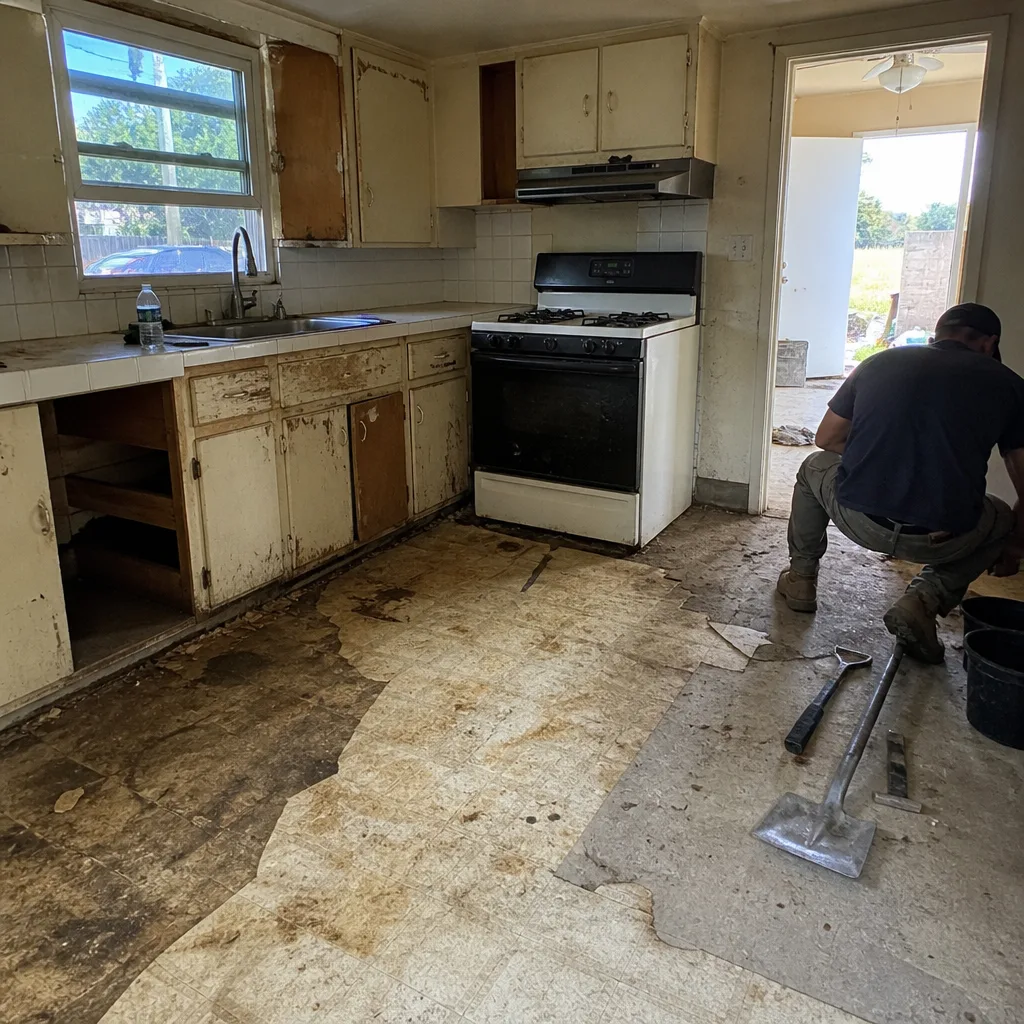 Before
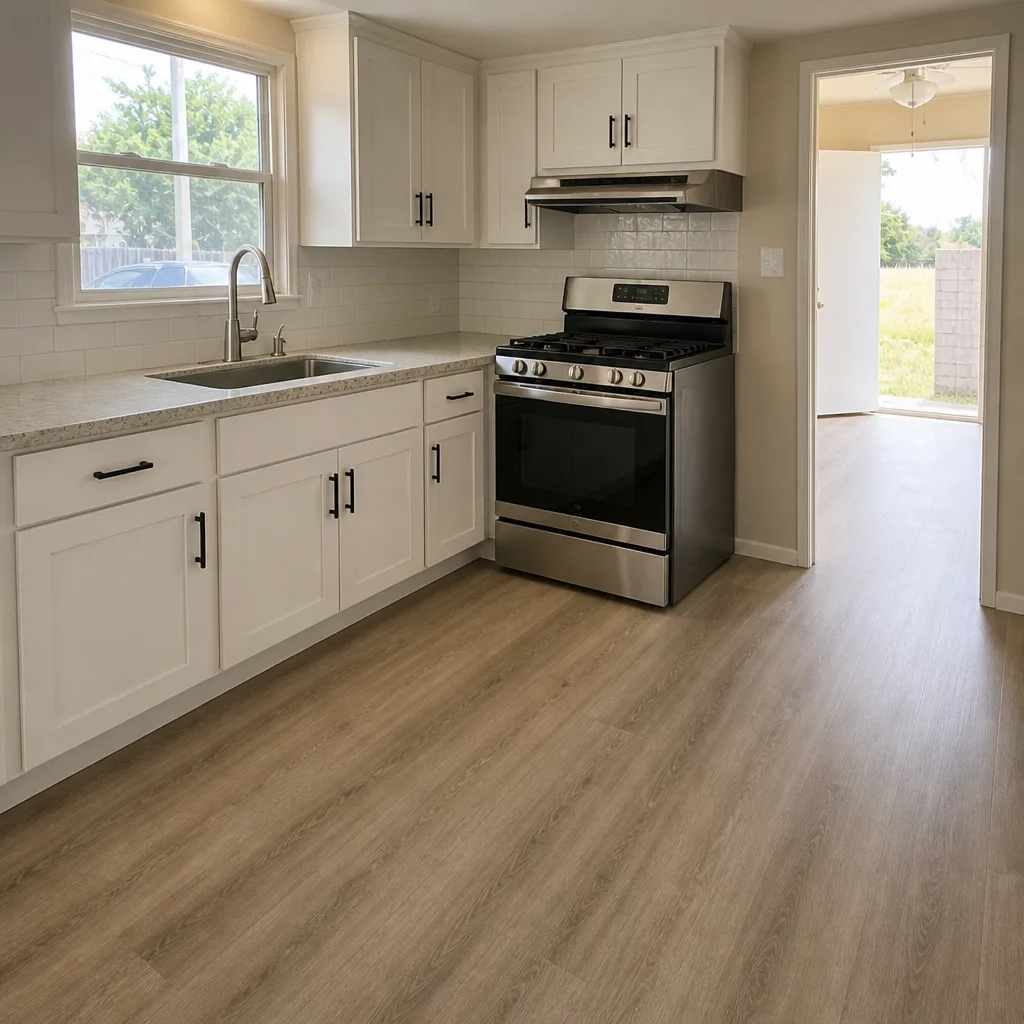 After
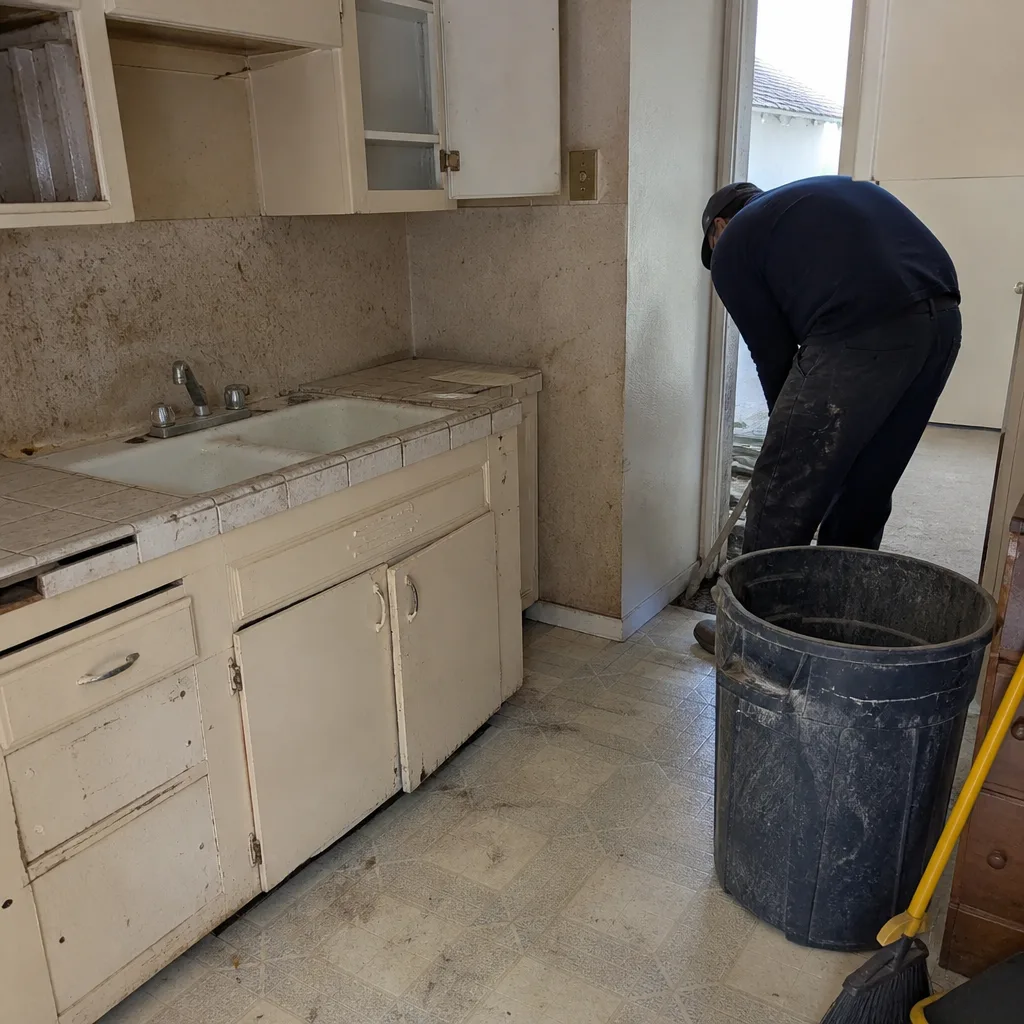 Before
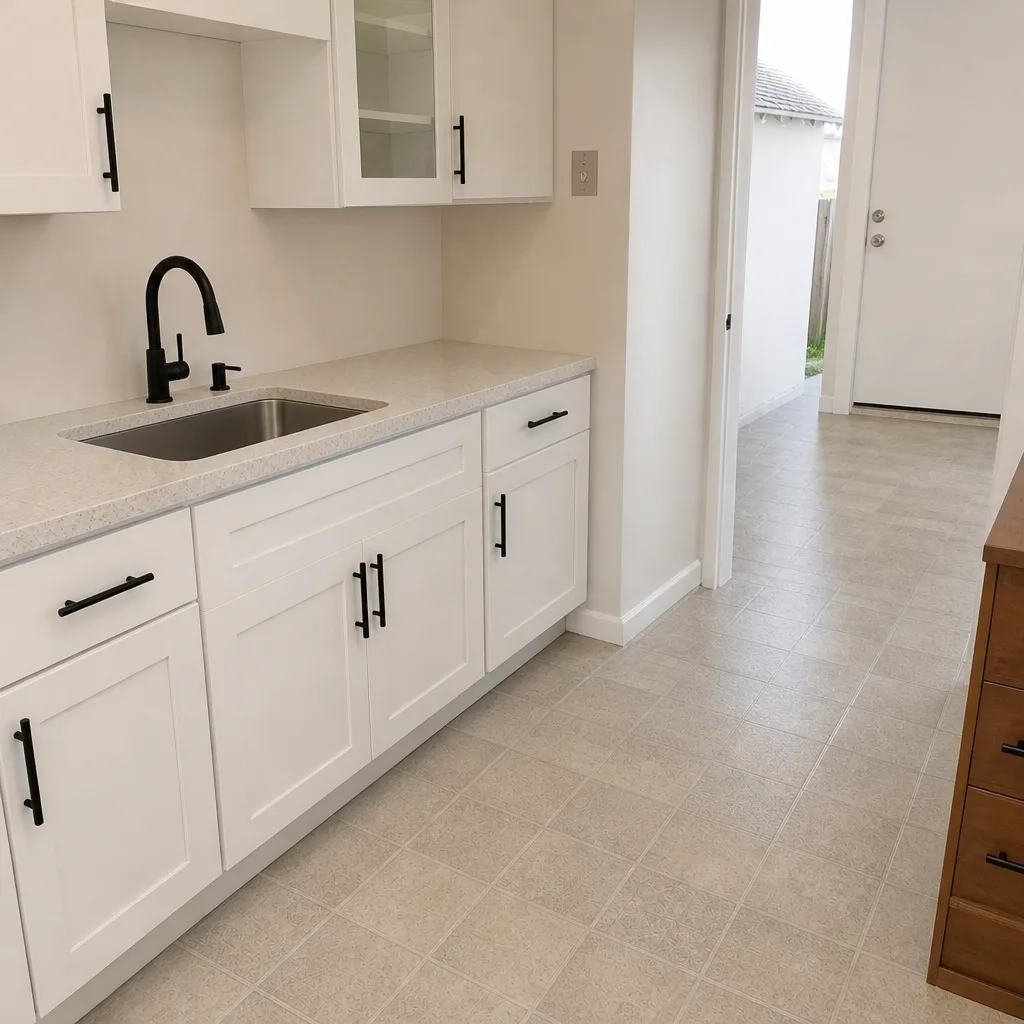 After
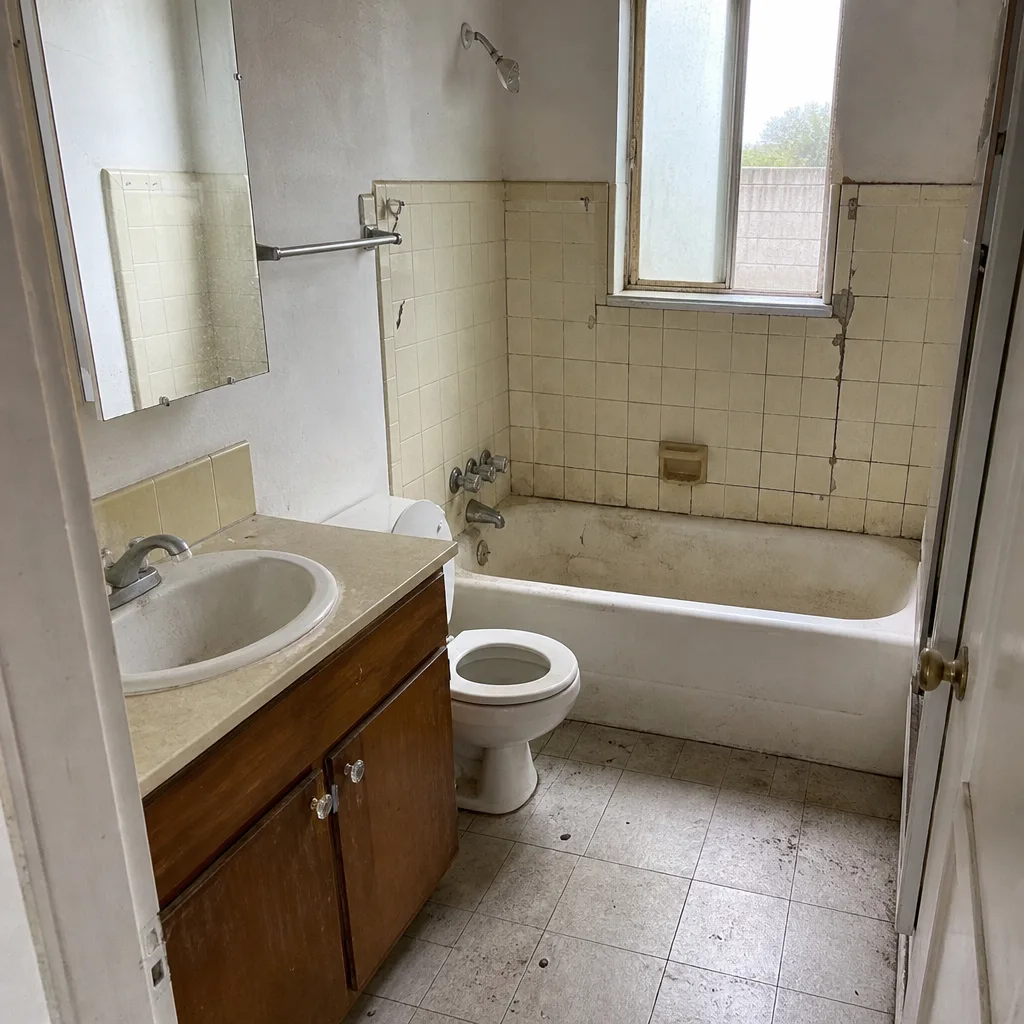 Before
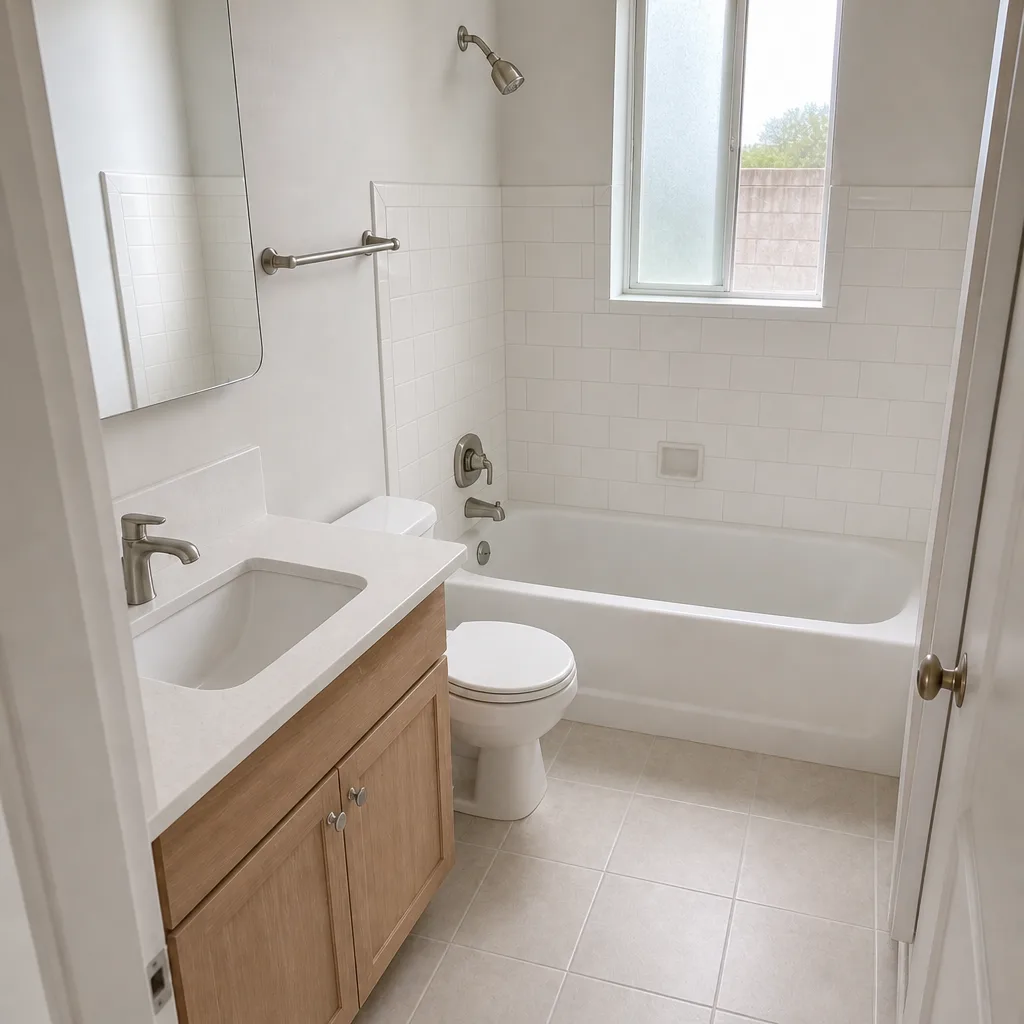 After
When to Call a Professional
Call a general contractor when your project touches a permit, a bearing wall, a wet wall, or any load path – or when the sequence has already slipped and the trades are waiting on each other. If your kitchen or bath remodel has sat for 6 weeks with no inspection on the horizon, that schedule is broken and needs a written reset. If you’re pricing a whole-home project across more than one room, sequencing gets exponentially harder and worth a professional set of dates. We hold the Garrison Standard: written price before work starts, live-person phone coverage 24/7, background-checked and uniformed technicians on every job, and a 365-Day Done Right Promise on every completed project – because the timber behind every guarantee is the schedule it hangs on. Bradford Remodeling Co Los Angeles offers free estimates in Los Angeles – call (844) 343-6681 to schedule yours.
Frequently Asked Questions
A kitchen remodel in Los Angeles typically takes 4 to 6 months from signed contract to final inspection, including 6 to 10 weeks of LADBS plan check, 6 to 10 weeks of cabinet lead time (partly parallel), and 6 to 10 weeks of active construction. Call (844) 343-6681 for an exact written schedule – estimates are free.
Contractors quote different timelines because they price different scopes. One bid may not include permit coordination, Title 24 reports, or final inspection; another may include all three. Ask for a written schedule naming every milestone and ask which dates are firm, then compare like with like. Call (844) 343-6681 for a written, line-item scope and schedule.
Yes. Any bathroom remodel that moves plumbing, electrical, or structural framing requires an LADBS permit, and even cosmetic-only jobs should be checked with the city to stay compliant. Unpermitted bath work surfaces at resale in Los Angeles, and buyers’ inspectors find it. Call (844) 343-6681 to schedule a free in-home walkthrough.
LADBS final inspection typically schedules 3 to 10 business days after the last trade signs off, depending on your district. On additions and ADUs, the certificate of occupancy can run 3 to 6 weeks after that. Don’t book movers until the final inspection is on the calendar. Call (844) 343-6681 to plan your close-out date in writing.
No. Demolition before permit issuance is a stop-work risk in Los Angeles, and it voids the inspection sequence you paid for. Even small bath and kitchen jobs carry real city exposure. The safe rule: permit in hand, inspection path in writing, then demolition. Call (844) 343-6681 to get the permit coordination bundled into your written price.
In our experience, a Los Angeles kitchen remodel runs $65,000 to $180,000 depending on size, layout changes, and finish level, and a bathroom remodel runs $18,000 to $65,000. These are market ranges, not quotes – a written, line-item price on your scope is the only real answer. Call (844) 343-6681 for a free estimate with no numbers that move at the door.
The Bottom Line
Overruns follow a pattern: permit wait time, material lead time, and subcontractor sequencing, in that order. In Los Angeles those three variables run measurably different from the national average – LADBS kitchen plan check alone runs 6 to 10 weeks, and Title 24 compliance adds another layer most guides skip. Ask for a written schedule with milestone dates and know which ones are firm. Order long-lead materials before demolition. Keep “completion” and “legal occupancy” as two separate dates. And when you want a written price, a written schedule, and a written guarantee in one place, that’s the job we’re built for. See our Bradford Remodeling Co Los Angeles home to start with a free in-person estimate – call (844) 343-6681.
Written by the team at Bradford Remodeling Co Los Angeles.