Last updated November 17, 2026
Free written scope consultation - allowances, timeline, and change-order rules on paper before a single trade is scheduled
How Long Does Bathroom Remodeling Take? Timelines and What to Expect
A cosmetic bathroom refresh takes 5 to 7 days. A full gut-and-rebuild with a permit takes 4 to 8 weeks. And the homeowners who end up trapped in a 16-week bathroom remodel almost always hired a contractor who quoted them 4 weeks – because nobody asked to see a written schedule before signing.
That gap between the quoted number and the real number is the whole story. It comes down to four variables most contractors never put in writing: permit routing, fixture lead times, trade availability, and inspection scheduling. This guide walks you through a real phase-by-phase breakdown for a Los Angeles bathroom remodel, so you can read a contractor’s schedule and verify it before the first hammer swings, not after the walls are open.
Quick Answer
A standard full bathroom remodel takes 4 to 8 weeks of active construction once permits are in hand, and 6 to 12 weeks total from signed contract to final inspection. A cosmetic refresh (paint, fixtures, vanity swap, no moving plumbing) runs 5 to 7 days. The single biggest reason timelines slip in Los Angeles is the inspection hold: LADBS scheduling can add 3 to 10 business days per inspection, and a contractor who doesn’t plan for it will hand you a schedule that was never honest.
Styles & brands we work with
- Kitchen remodeling
- Bathroom remodeling
- Home additions & ADU
- Roofing
- Windows & doors
- Driveway & pavers
- Fence
Table of Contents
- The Four Variables That Actually Control Your Timeline
- Phase-by-Phase Breakdown: What Happens and When
- The Inspection Hold: The Most Honest Signal of a Contractor
- Fixture and Tile Lead Times You Must Confirm Before Demo
- How to Read a Written Project Schedule
- Payment-to-Milestone: When to Release Final Payment
- Common Mistakes to Avoid
- When to Call a Professional
The Four Variables That Actually Control Your Timeline
Most bathroom remodel timelines get quoted as a single number – “three weeks” – as if construction runs on a stopwatch. It doesn’t. Your actual schedule is determined by four moving parts, and a contractor who can’t explain all four to you in plain terms is guessing.
1. Permit routing. If you’re moving a drain, relocating a toilet, adding a circuit, or changing the footprint, you need a building permit through the Los Angeles Department of Building and Safety. A “like-for-like” fixture swap usually doesn’t. That single distinction alone can swing your project by two to four weeks. A contractor who says “you don’t need a permit for this” without walking the scope is either being casual with code or doesn’t know LA code.
2. Fixture lead times. A vanity, a freestanding tub, a specific tile SKU – these are ordered, not pulled from a shelf. Lead times on imported tile and specialty tubs run 2 to 6 weeks. If your contractor starts demo before the tub is in the warehouse, you’re remodeling around an empty corner for a month.
3. Trade availability. A bathroom touches five trades: demolition, plumbing, electrical, tile, and finish carpentry. In Los Angeles, quality tile setters book out 2 to 3 weeks. If your contractor doesn’t have a confirmed tile sub locked before demo, the schedule has a hole in it.
4. Inspection scheduling. This is the one nobody explains. LADBS inspection hold time runs 3 to 10 business days depending on load, and a proper bathroom needs two to three inspections: rough-in (framing, plumbing, electrical before walls close), then a final. A contractor who knows the process books the rough inspection the day demo starts, not the day the drywall goes up.
When any one of these four variables is mismanaged, the project doesn’t slip by a day. It slips by a week – and the slips stack.
Phase-by-Phase Breakdown: What Happens and When
Here’s what a realistic schedule looks like for a full bathroom remodel in Los Angeles, permits included. Print this and hold your contractor to it.
- Pre-construction (before demo): 1 to 2 weeks. Permits pulled, materials ordered, tile and fixtures confirmed in hand or with a confirmed delivery date. Nothing starts until this phase is closed out.
- Demolition: 1 day for a standard hall bath, 2 days if you’re pulling a tub and hitting structural surprises. This is where a contractor learns what’s behind the wall – old plumbing, water damage, or a hidden vent stack that changes everything.
- Rough-in plumbing and electrical: 2 to 3 days. New supply lines, drain relocation, GFCI outlets, exhaust fan wiring, and shower valve rough-in. This must be photographed and inspected before anything closes up.
- Rough inspection hold: 3 to 10 business days, depending on LADBS load. This is the phase most timelines lie about. A good contractor schedules the inspection the same day the rough-in is done, so the hold overlaps with a waterproofing cure.
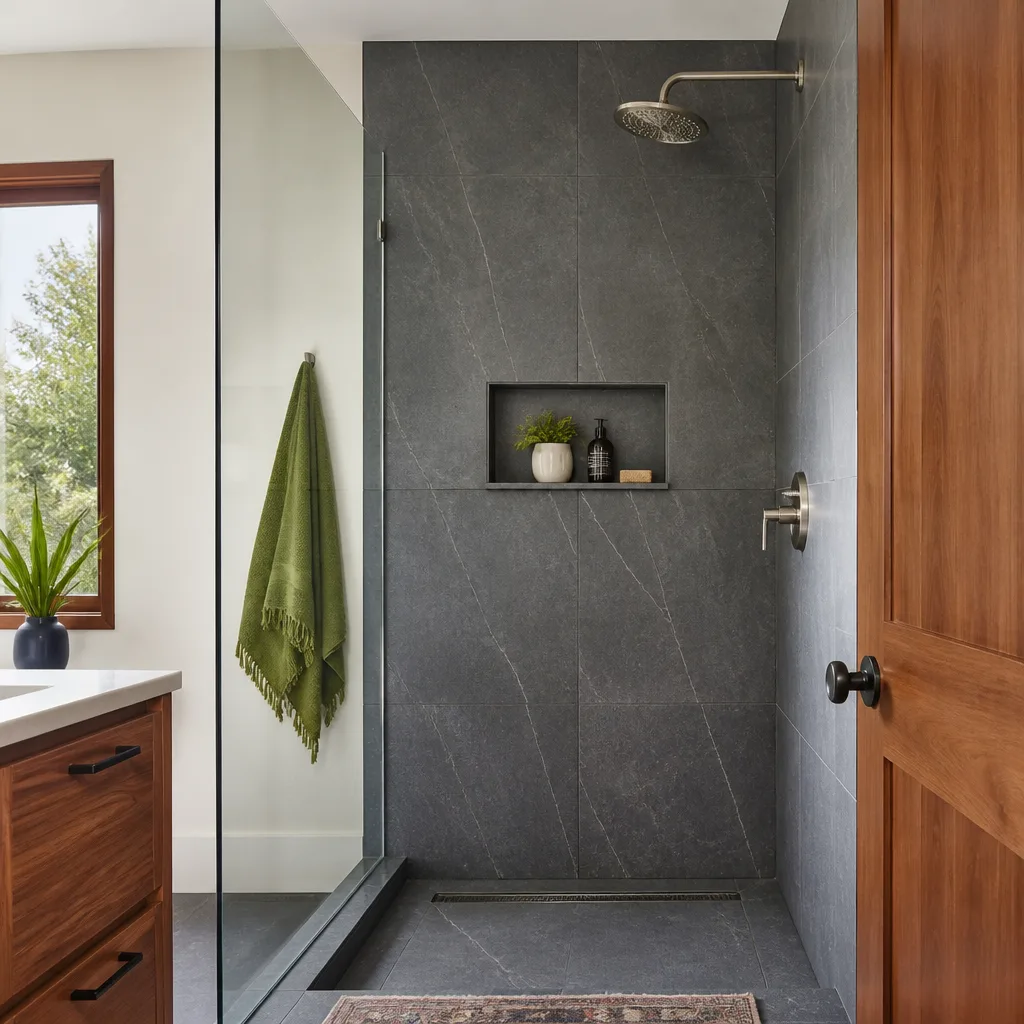
- Waterproofing and cure time: 24 to 72 hours minimum. If your shower uses a bonded membrane system (we use Schluter for wet areas), the membrane and thinset need to fully cure before tile goes down. Rushing this is the single most common cause of shower leaks two years later.
- Tile set: 3 to 5 days for floor and shower walls, plus a 24 to 48-hour grout cure before sealing. A large-format tile or a herringbone pattern adds a day.
- Fixture installation: 2 days. Vanity, toilet, shower trim, faucets, lighting, and towel bars. This is where a mismatched fixture (a Grohe valve with a non-compatible trim kit, for example) stops the job cold. Verify compatibility in pre-construction, not on install day.
- Final inspection and closeout: 3 to 10 business days for the final inspection, plus a walkthrough, punch list, and a clean site handoff.
Add it up honestly: 4 to 8 weeks of active work, 6 to 12 weeks calendar time once permits and inspections are counted. Anything under 4 weeks for a full gut with plumbing moved is either not permitted or not realistic.
If you’re planning a larger whole-home project around the bathroom, our guide to general contracting in Los Angeles covers how bathroom work sequences into a broader renovation.
The Inspection Hold: The Most Honest Signal of a Contractor
Here’s the tell. Ask a contractor: “When do you schedule the rough inspection – the day the rough-in is done, or the day after?” If they say “the day after,” they’re reacting. If they say “the same day,” they’ve done this before in Los Angeles and they know LADBS waits.
The inspection hold isn’t waste. A well-run project uses it. While the rough inspection is pending, the crew is behind the wall with waterproofing, setting the substrate (the backer board the tile bonds to), and prepping the tile layout. Genuinely tight jobs overlap the hold with productive work. Badly run jobs idle – the crew stands around, the schedule stretches, and you pay for the gap either in time or in a change order.
Two things to check on any schedule you’re handed:
- Are inspections named by date? A real schedule lists “Rough inspection: target Tuesday of week 3.” A schedule that says “inspection to follow rough-in” is a placeholder, not a plan.
- Are permits actually pulled? In Los Angeles, unpermitted bathroom work can complicate a future sale and can fail at your own inspection when you go to sell. Ask for the permit number, and confirm it in the LADBS system before demo.
We’ve been inside enough Los Angeles bathrooms to know the answer to one question before we walk out: did the previous contractor pull a permit? A stall shower built without a waterproofing inspection almost always leaks into the ceiling below by year three. That’s not a scare tactic; it’s the pattern.
Fixture and Tile Lead Times You Must Confirm Before Demo
The rule is simple and it’s the one most timely remodels break: nothing goes into demo until every fixture and tile order has a confirmed delivery date. Not an estimate. A date.
Here’s where lead times bite in Los Angeles:
- Freestanding tubs: 2 to 5 weeks on many acrylic models, longer on cast iron or certain imported designs. If your tub ships from overseas, add customs time.
- Specialty tile: Zellige, marble mosaic, and imported porcelain run 2 to 6 weeks. A custom-order SKU can go 8.
- Vanity and cabinetry: 3 to 6 weeks on semi-custom lines like KraftMaid and Wellborn. Stock vanities are next-day, but they won’t fit a non-standard alcove.
- Shower valves and trim: Usually 2 to 5 days for name-brand fixtures like Grohe or Moen, but only if the trim kit is compatible with the valve body. A mismatch means a re-order and a lost week.
This is where a documented brand roster matters. When a contractor works with established lines – KraftMaid, Wellborn, Cambria, Kohler, Moen, Schluter systems for wet areas – the specs are traceable. You can call the manufacturer and confirm lead time yourself. When the contractor specs an off-brand that nobody stocks, you’re the one waiting.
In our experience, the fastest way to kill a good bathroom remodel is to let a homeowner fall in love with a tile they saw on a trip to Italy with no U.S. distributor. Order the tile first. Then build the schedule around it.
How to Read a Written Project Schedule
A written schedule is a document. It should look like one. Here’s what to scan for before you sign anything.
- Start and end dates, in writing. Not “three weeks.” Actual dates on a calendar with a start date and a completion date. If the schedule can’t state a date, it’s not a schedule.
- Phase durations, listed. Demo, rough-in, waterproofing cure, tile, fixtures, inspection. Every phase with a number of days attached. If a phase says “TBD,” it’s a hole.
- Float time, identified. Good schedules build in float – deliberate buffer between phases so a one-day slip doesn’t cascade. Float is healthy. What’s not healthy is “float” that’s actually the contractor’s overbooking. Ask: “Is the float time built into this phase, or is this a gap where your crew is on another job?” A candid contractor answers without flinching.
- Trade confirmations. Named subs or verified availability. “Tile: confirmed for Week 4” beats “Tile: scheduled” every time.
- Inspection dates, penciled in. Rough and final, with target dates. If your contractor can tell you when LADBS is likely to come out, they’ve done this before.
If you’re also updating the space next door while you’re at it, our kitchen remodeling in Los Angeles guide covers how a kitchen schedule is coordinated when both rooms are done at once.
The Garrison Standard exists precisely so this isn’t a negotiation. Every Bradford Remodeling Co Los Angeles project carries a written price before work starts and a written schedule you can hold us to. It’s not a sales pitch; it’s the document. That’s the point.
Payment-to-Milestone: When to Release Final Payment
The most reliable protection you have against a slow or stalled job is a payment schedule tied to milestones, not dates. If your contractor asks for 50% up front with the rest due “when we’re done,” you’ve just handed over your leverage.
A realistic payment schedule looks like this:
- Deposit: 10% to 20% at signing, to reserve the schedule and lock material orders.
- Second payment: 30% to 40% at the start of rough-in, once demo is complete and the permit is verified.
- Third payment: 25% to 30% at tile completion, after rough inspection has passed and before fixtures go in.
- Final payment: 10% to 15% released only after the final inspection passes and the punch list is signed off.
That final payment is your last piece of leverage. Hold it. Do not release it because the contractor asks for a “good faith draw.” Release it when the inspection is passed, the site is clean, and the written warranty is in your hand. The 365-Day Done Right Promise is the warranty Bradford Remodeling Co Los Angeles puts on every completed project – a full year of coverage in writing, and if the work fails inside that window, we come back and correct it at no charge. But it only means something if you held back the final draw until close.
Also confirm what’s covered by that written price. A “squared away” close means: clean site, documented scope, signed guarantee, and a punch list closed out with nothing left open. Get all four before that final check clears.
Common Mistakes to Avoid
- Starting demo before materials arrive. If your tile or tub isn’t in the warehouse, don’t pull the walls down. In Los Angeles, we regularly see homeowners two weeks into an empty bathroom waiting for a tile shipment, paying for a hotel.
- Accepting a verbal schedule. “About three weeks” isn’t a commitment. Get dates. The homeowners who end up in a 16-week remodel almost always accepted a verbal timeline.
- Skipping permit verification. An unpermitted bathroom can stall a future sale and can fail at inspection. Ask for the permit number and confirm it with LADBS before demo. We’ve walked into Los Angeles bathrooms where the previous shower had no waterproofing inspection – and the ceiling below was the evidence.
- Choosing a moldy or old valve that hasn’t been verified for compatibility. A Grohe valve with a mismatched trim kit stops install day cold. Verify compatibility in pre-construction.
- Releasing final payment before the final inspection passes. Once the money leaves your hand, your leverage goes with it. Hold the final draw until inspection, punch list closeout, and the written guarantee are all in front of you.
- Ignoring waterproofing cure time. Twenty-four to seventy-two hours is not negotiable. A membrane installed today cannot be tiled tomorrow. Contractors who skip the cure are the ones you call back in two years.
- Booking tile before confirming the tile setter. Good setters in Los Angeles book two to three weeks out. A confirmed tile order without a confirmed tile sub is half a plan.
When to Call a Professional
Call a contractor when the scope involves moving plumbing, relocating a toilet or drain, adding an electrical circuit, or changing the bathroom footprint. Those scopes need a permit, a rough inspection, and a trades-qualified crew. Call us sooner rather than later when you’re scheduling the work around a hard deadline – a closing date, a family move, or a rental turnover – because our scheduling team needs lead time to lock in permits, trades, and material orders before anything starts. And call us when a prior bathroom has to be corrected: a shower that leaks, a floor that wasn’t waterproofed, or a permit that was never pulled. Bradford Remodeling Co Los Angeles offers free estimates in Los Angeles – call (844) 343-6681 to schedule one. We’ll bring a written price and a written schedule to the walkthrough, and everything in The Garrison Standard gets documented before we start.
See the difference
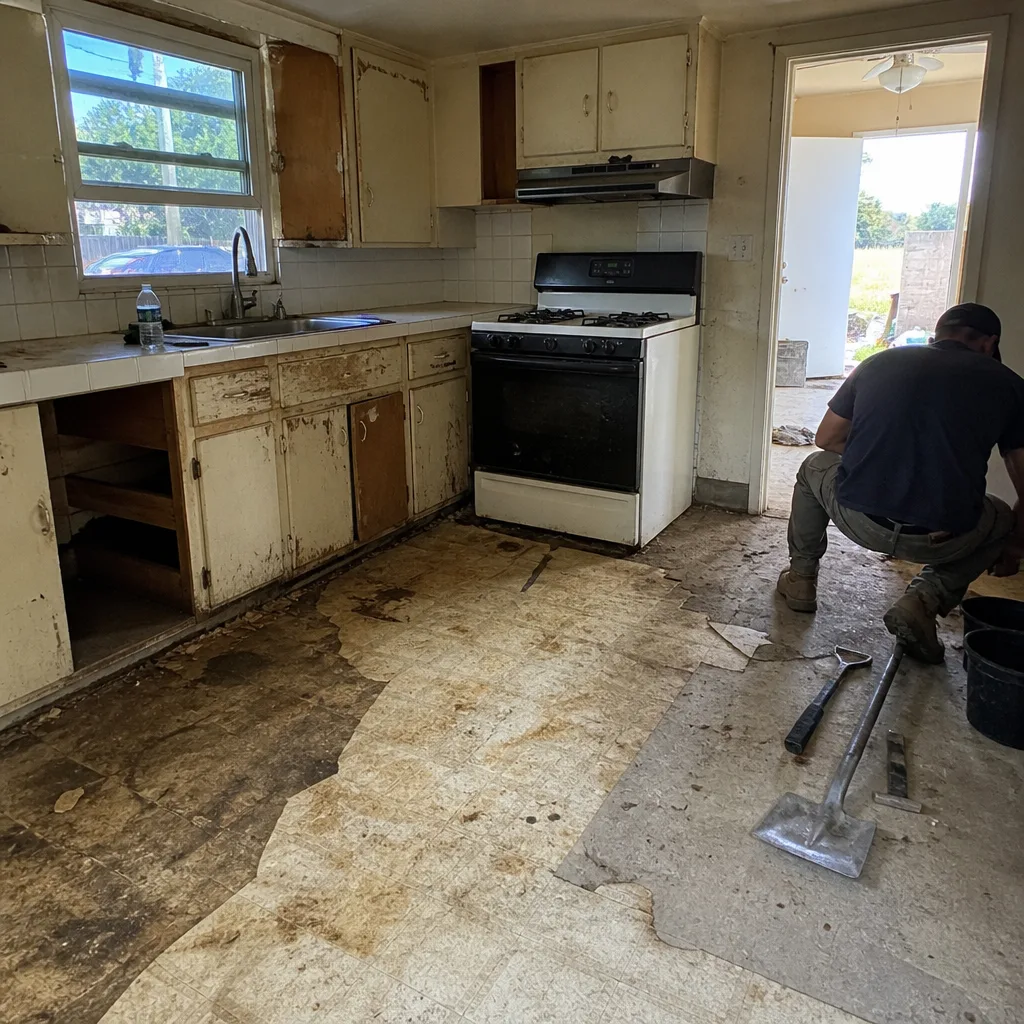 Before
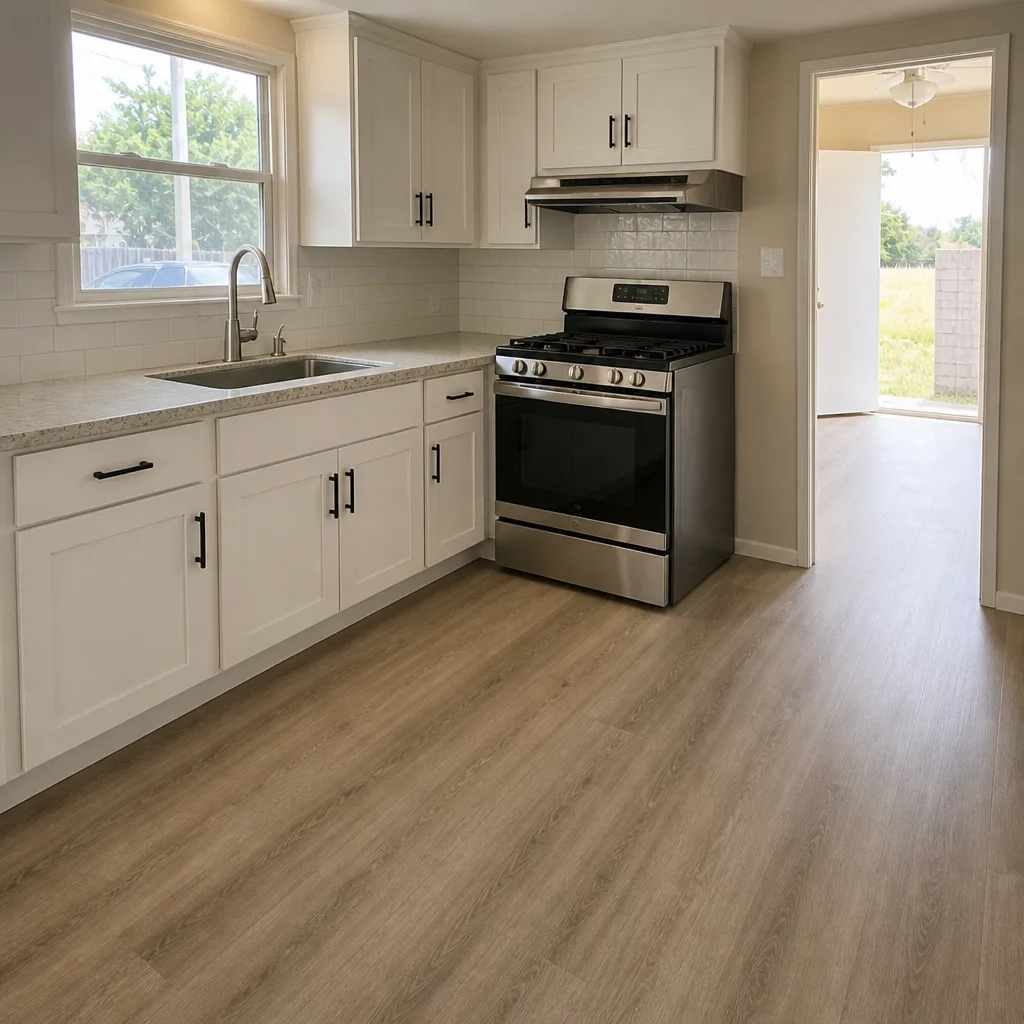 After
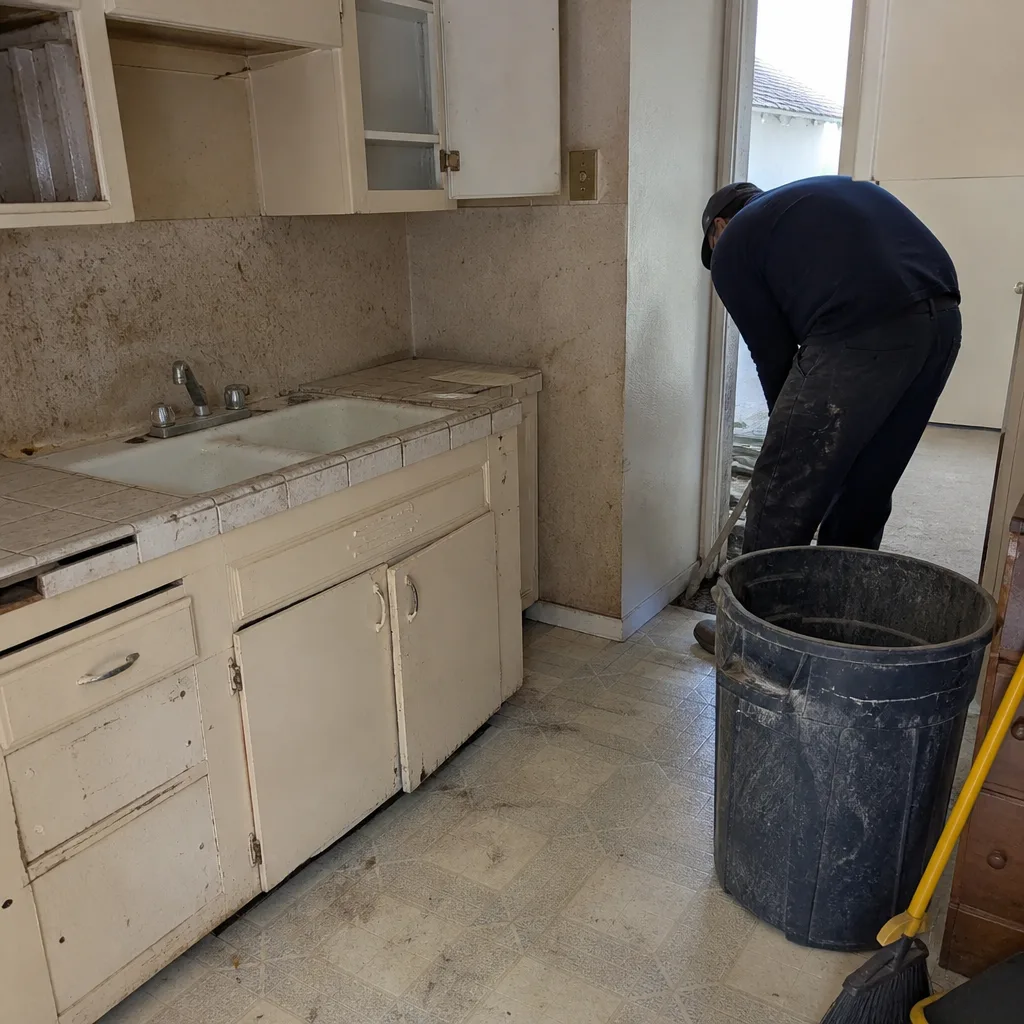 Before
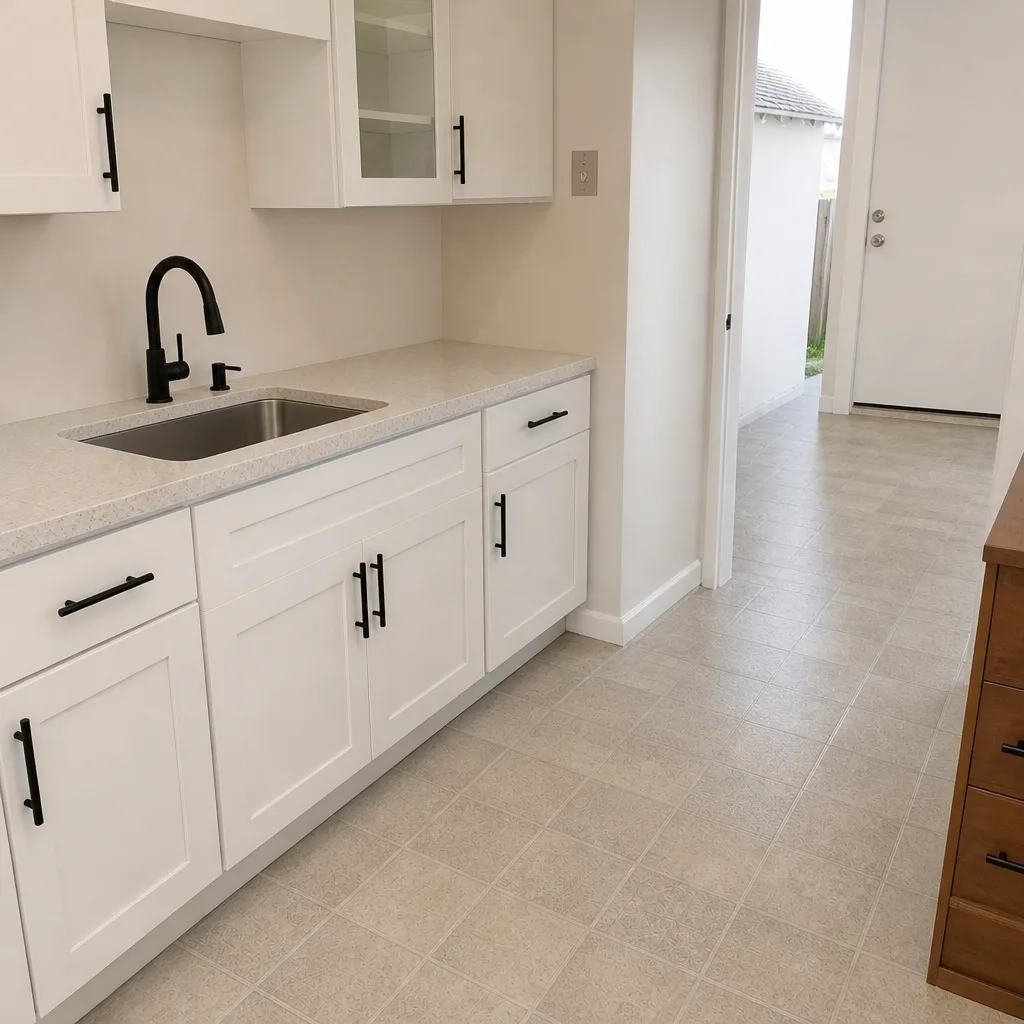 After
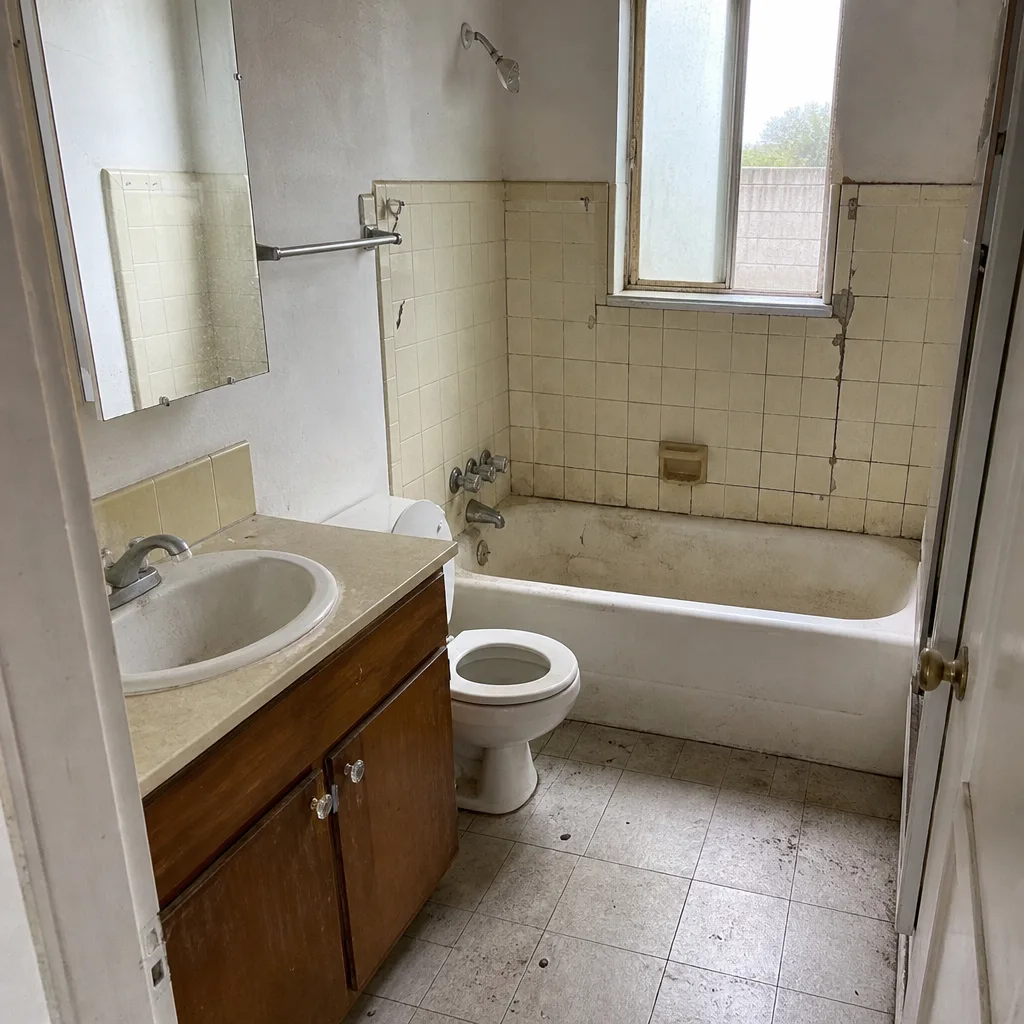 Before
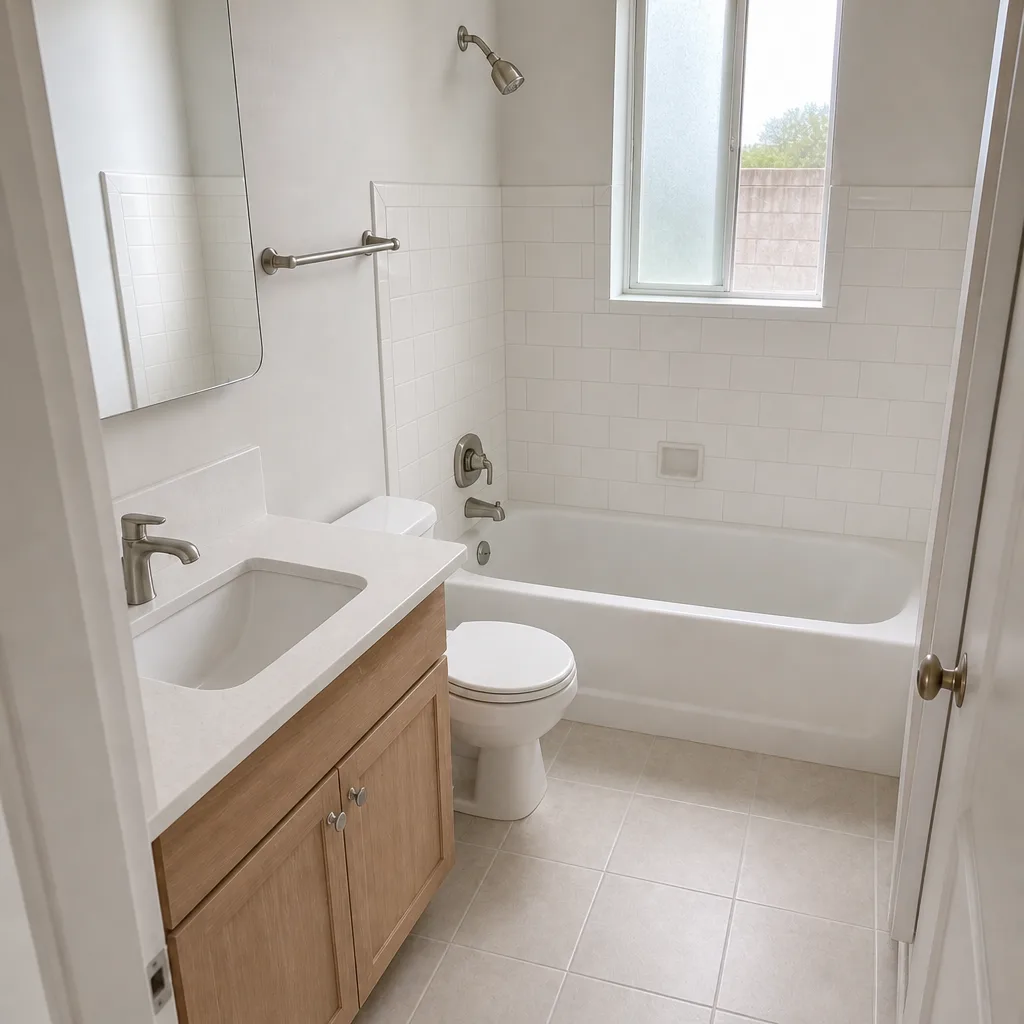 After
Frequently Asked Questions
A typical full bathroom remodel in Los Angeles takes 4 to 8 weeks of active work and 6 to 12 weeks calendar time from contract to final inspection, once permits and LADBS inspection holds are counted. Cosmetic refreshes with no plumbing movement run 5 to 7 days. Call (844) 343-6681 for an exact timeline based on your scope – estimates are free.
The 16-week remodel is almost always a job where the contractor quoted 4 weeks verbally and didn’t disclose the inspection hold, material lead times, or trade availability. The schedule was never real. Any of those three slipping by a week – sometimes stacking – turns a 4-week quote into 16 weeks of calendar time. A written, phase-by-phase schedule prevents this. Call (844) 343-6681 to see what a written schedule looks like.
You need a permit if you’re moving plumbing, relocating a drain or toilet, adding or changing electrical circuits, or altering the layout. A straight like-for-like fixture swap usually does not require a permit. Confirm with LADBS before demo begins – an unpermitted bathroom complicates a future sale and can fail inspection. Call (844) 343-6681 and we’ll tell you in plain terms whether your scope needs a permit.
LADBS inspection scheduling in Los Angeles typically takes 3 to 10 business days depending on the department’s load. A well-run project schedules the rough inspection the same day rough-in is complete so the hold overlaps with waterproofing cure. If your contractor can’t name a target inspection date, they haven’t done this enough times. Call (844) 343-6681 for a schedule with inspection dates named.
Rarely – and any contractor who says yes is skipping pre-construction, which is where honest timelines are built. Permits, material orders, and trade locks need one to two weeks minimum for a full bathroom. A cosmetic refresh can move faster if no permit is required. Call (844) 343-6681 to schedule a free estimate and we’ll tell you the earliest real start date we can defend in writing.
Every Bradford Remodeling Co Los Angeles project carries the 365-Day Done Right Promise: if the work fails within the full-year guarantee period, we come back and correct it at no charge. The guarantee is in writing, in your hand, at close. Call (844) 343-6681 for the terms before you sign anything – ours or anyone else’s.
The Bottom Line
A bathroom remodel takes 4 to 8 weeks of active work and 6 to 12 weeks calendar time in Los Angeles – and the difference between a clean job and a 16-week nightmare is almost always a written schedule nobody asked to see. Demand four things: a written price before work starts, a phase-by-phase schedule with inspection dates, confirmed material delivery dates before demo, and a payment schedule tied to milestones (final draw after the final inspection passes). Bradford Remodeling Co Los Angeles brings all four to the walkthrough, backed by The Garrison Standard and the 365-Day Done Right Promise. For a broader look at our work, see our bathroom remodeling in Los Angeles page, our kitchen remodeling services, and our Bradford Remodeling Co Los Angeles home. Call (844) 343-6681 today for your free estimate.
Written by the team at Bradford Remodeling Co Los Angeles.