
Free written scope consultation - allowances, timeline, and change-order rules on paper before a single trade is scheduled
James Hardie Home Additions & ADU: The Los Angeles Owner’s Guide
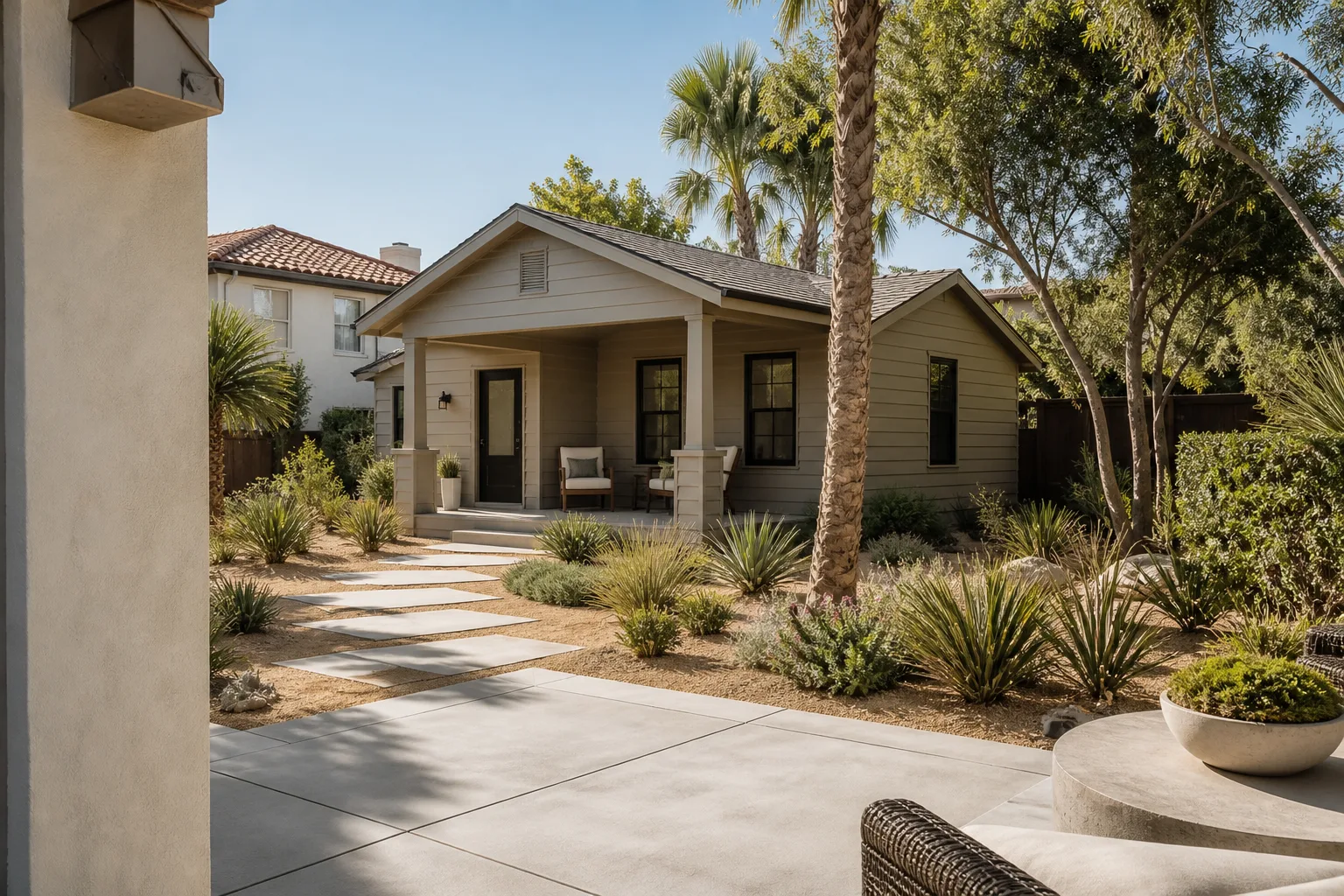
We install James Hardie-clad home additions and ADUs for Los Angeles homeowners, and a typical project runs $53,100 – $153,400 for an addition and $106,200 – $259,600 for a detached ADU. That is a planned construction timeline, not same-day, and the number you get from us is in writing before any work starts. Most owners don’t arrive at “James Hardie siding failure” all at once. They start noticing a soft spot under a window on the new wing. Then a chalky white powder on the paint near the corner boards. Then a plaque-scale edge lifting off the substrate above the patio door. By the time they call, the question is simple: is the cladding on this addition actually protecting the structure, or is it hiding rot?
Bradford Remodeling is an independent contractor and not affiliated with James Hardie. We work with the product and its documented specs every week in Los Angeles.
Key Takeaways
- James Hardie fiber cement holds up in Los Angeles heat and sun, but the failure points are usually at the joints, penetrations, and cladding-to-flashing interfaces, not the field of the board.
- Additions and ADUs are where we see the most mistakes: a second-story wall meeting a new roof, a sunroom-to-house tie-in, or a converted garage wall where the original flashing was never redone.
- Installed cost for a James Hardie-clad addition in Los Angeles runs $53,100 – $153,400; an ADU runs $106,200 – $259,600.
- Every completed project carries the 365-Day Done Right Promise: a full-year written guarantee, and if the work fails inside that window we come back and correct it at no charge.
Which James Hardie Models This Applies To
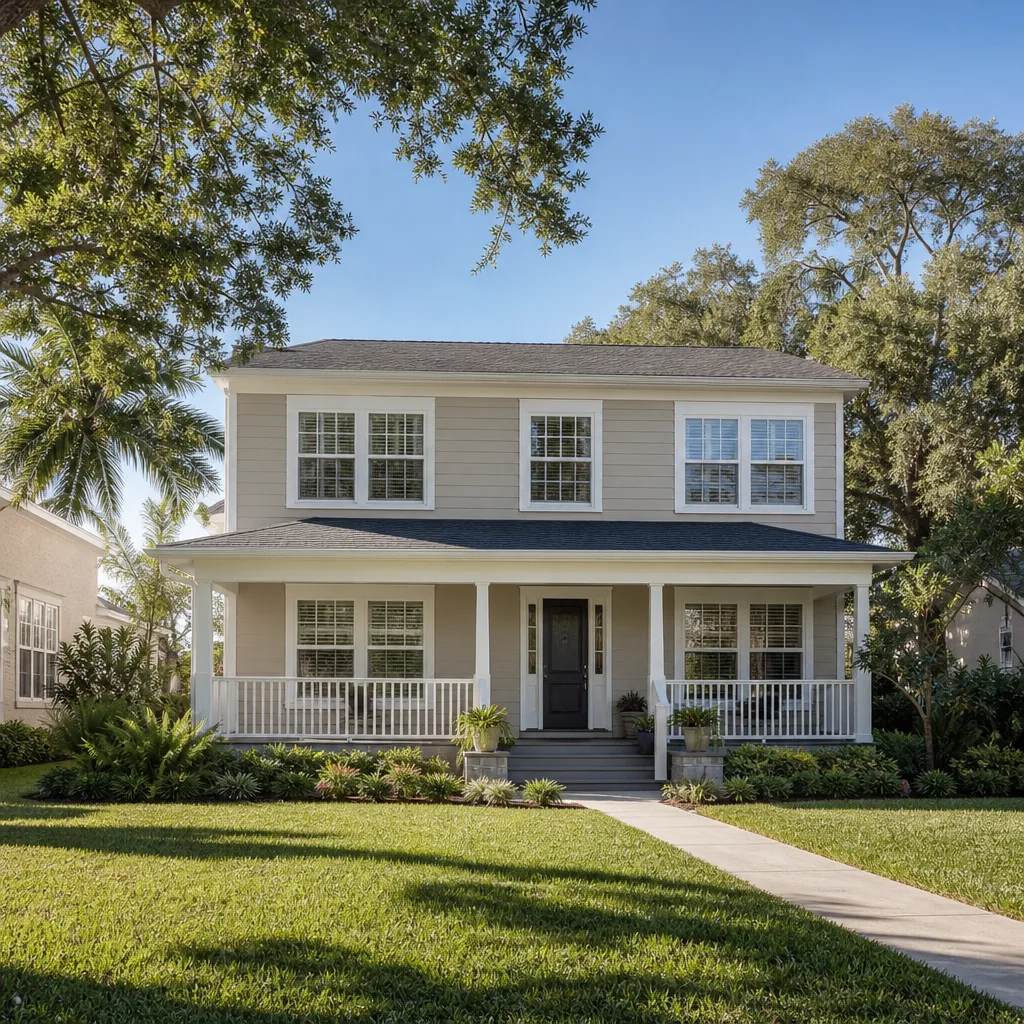
This is not a part with a serial number; it’s a cladding system, and the “model” question is really about product line and profile. James Hardie’s primary lines in residential work are HardiePlank lap siding, HardiePanel vertical siding, HardieShingle, and the Artisan line with its beaded and v-groove look. Each comes in ColorPlus factory finish (pre-finished) or primed-only. The primed boards are the ones that fail first in Los Angeles, because they rely on the field paint job to seal them and that coat weathers off in three to five years on a sun-facing wall.
To identify what you have, check three things. First, the back of a board at an exposed edge: Hardie boards are stamped with the product name and sometimes a date. Second, the thickness. HardiePlank is commonly 5/16 inch; if your addition has thinner board, it’s not Hardie. Third, the profile. Lap boards have a visible overlap; panel is flat sheet with a batten or reveal; shingle has a stepped shingle edge.
The OEM-versus-aftermarket decision is real here. For a repair or a partial replacement, matching the original board matters because a color and texture mismatch on a sun-facing wall will show. For a full addition or ADU exterior, we specify the documented line and finish in the written scope so the spec is traceable. We don’t stock parts and we don’t carry boards on a truck; we order to the project.
Styles & brands we work with
- Kitchen remodeling
- Bathroom remodeling
- Home additions & ADU
- Roofing
- Windows & doors
- Driveway & pavers
- Fence
Signs Your James Hardie Home Additions & ADU Is Failing
Fiber cement doesn’t rot the way wood siding does, so the failure usually starts behind it or at the seams. Here’s what Los Angeles owners describe when they call.
- White chalky powder on the paint. That’s efflorescence and paint chalking, usually a sign of moisture moving through the board from a failed caulk joint or a flashing gap at a window head.
- Lifted or wavy board above a door or window. Water gets behind the cladding at the penetration, swells the substrate, and the board above it starts to cup. This is the most common failure we see on additions where the new wall meets an old opening.
- Caulk lines cracking every 18 months. Caulk failure at butt joints isn’t cosmetic; it’s the first breach. On a Los Angeles west-facing wall, the sun plus the daily heat-cool cycle dries out standard caulk fast if it wasn’t the correct grade.
- Soft spots or dark staining at the bottom of a wall. That points to rot in the sheathing behind the board, usually where a new addition wall meets the ground or a slab edge with no clearance.
- Paint peeling in sheets instead of flaking. That usually means the board was installed primed-only and painted without a proper primer coat, so the finish never bonded.
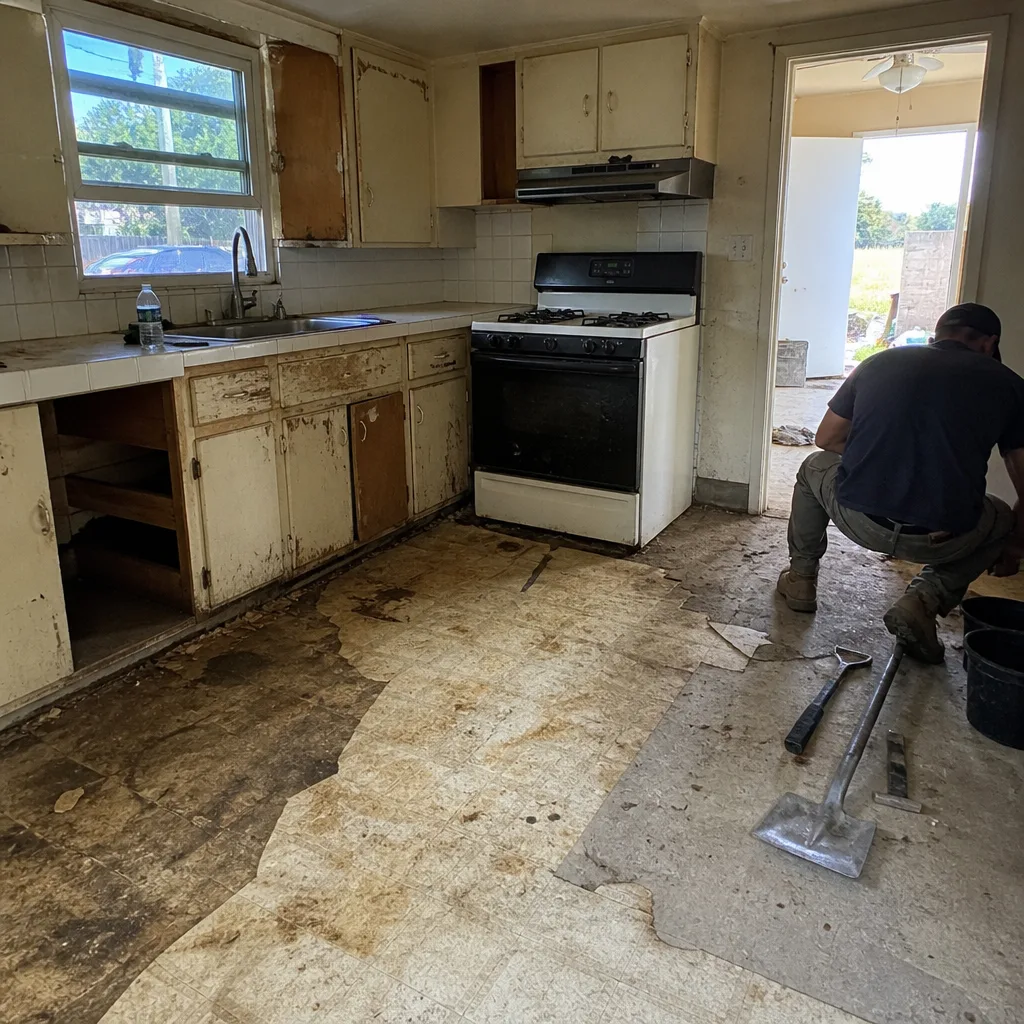
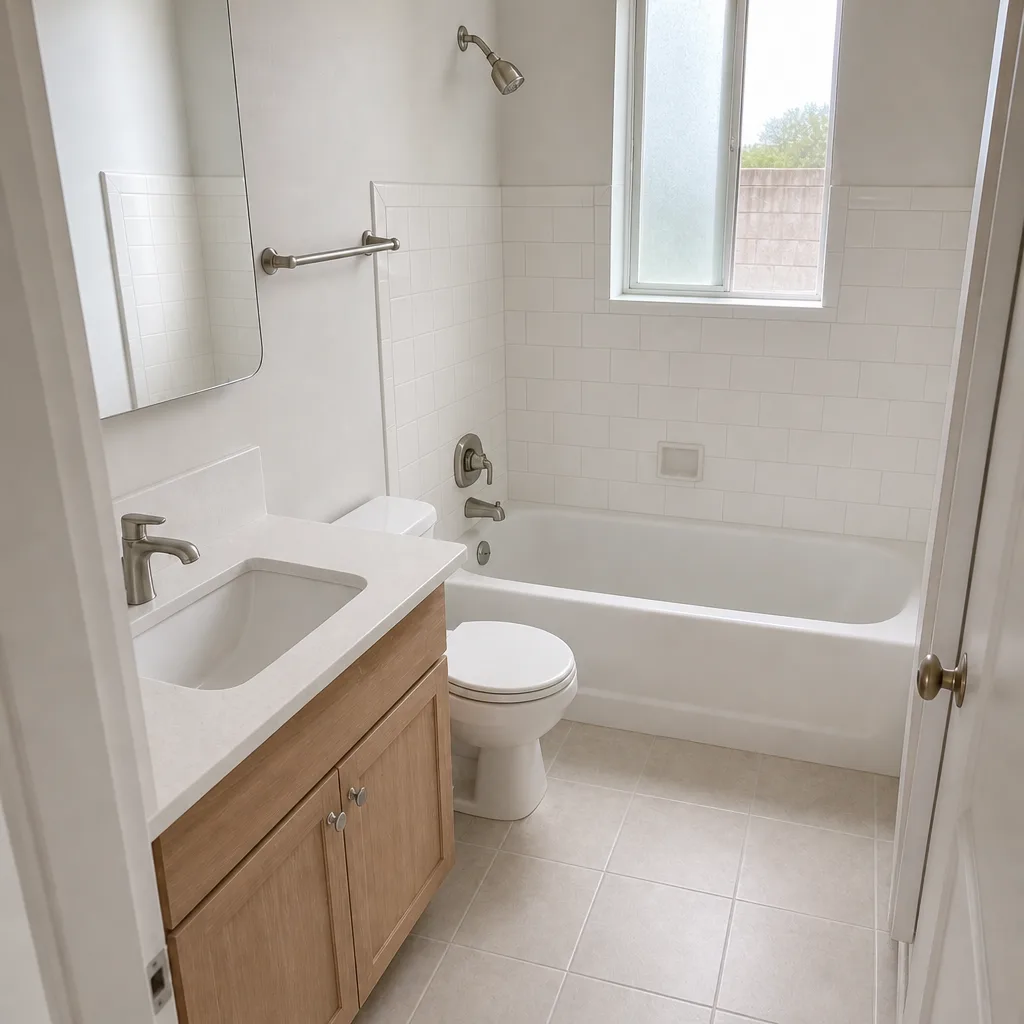
See the difference
 Before
 After
 Before
 After
 Before
 After
Replacement Cost & What’s Included
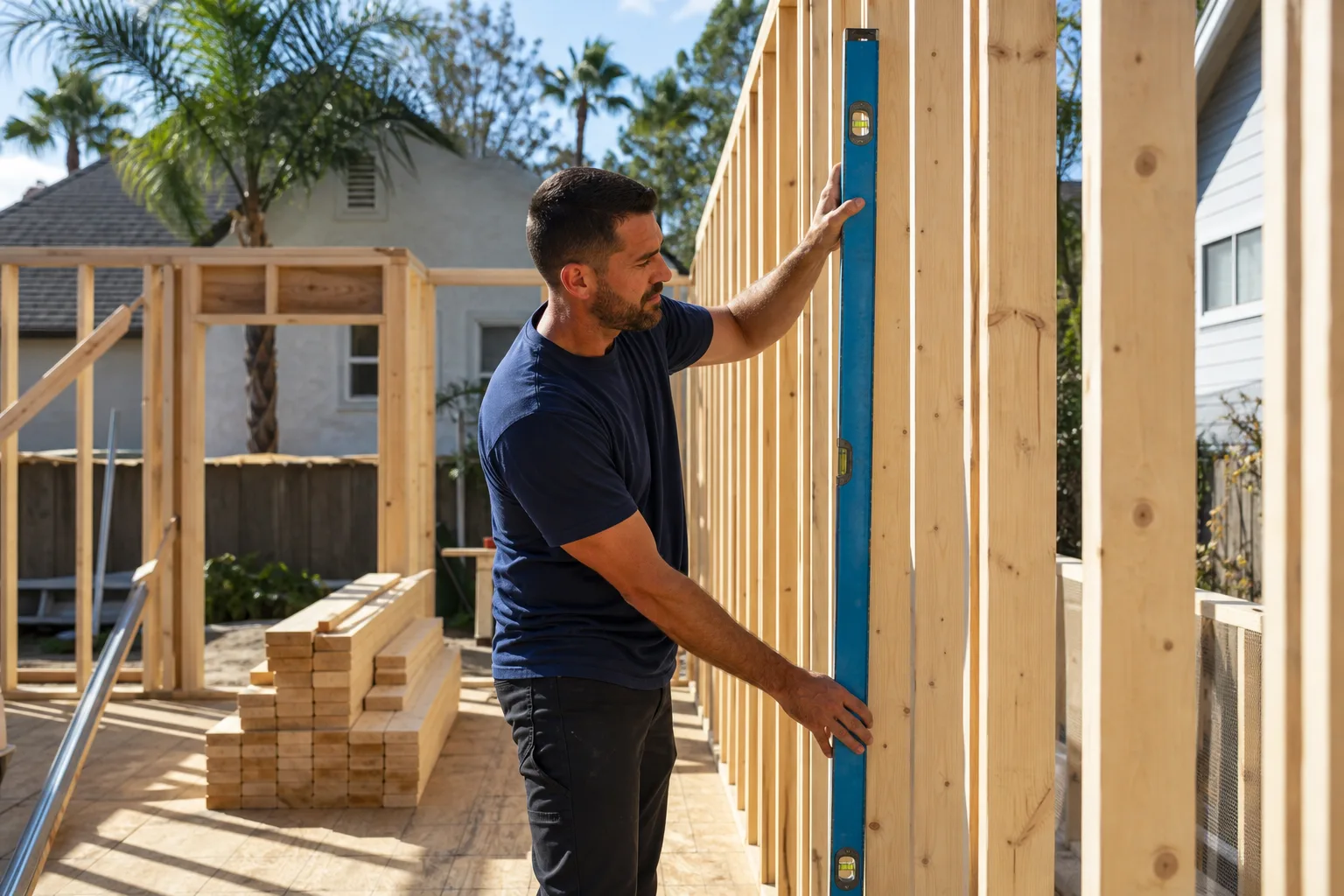
A James Hardie-clad addition in Los Angeles runs $53,100 – $153,400. A detached ADU runs $106,200 – $259,600. A garage conversion, which is where a lot of owners start, runs $35,400 – $94,400. The number you get from us is a written price before any work starts, and it doesn’t move at the door.
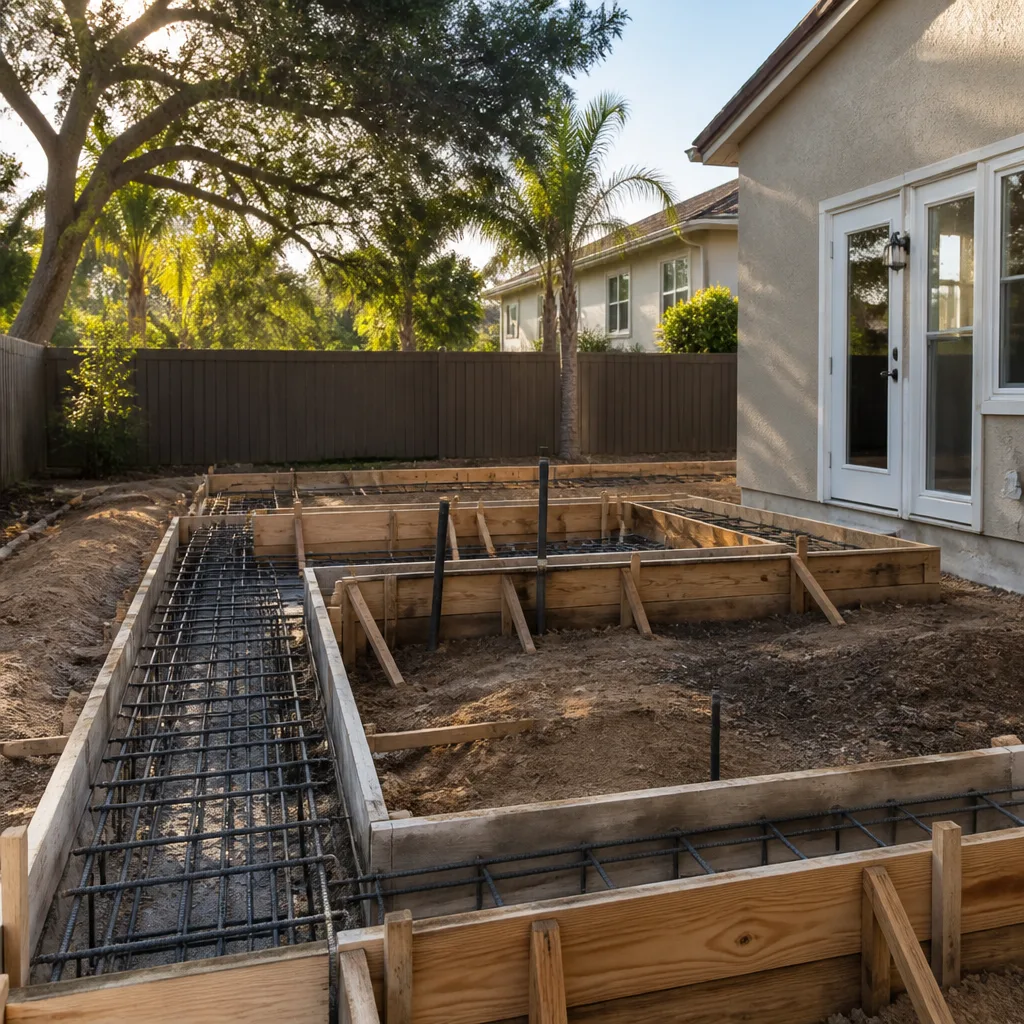
What drives the range: footprint size, whether the addition needs a new foundation or ties into the existing one, roof complexity, number of windows and doors, and whether the cladding is ColorPlus pre-finished or primed-and-field-painted. A small sunroom on an existing slab sits at the bottom. A two-story primary suite with a new roofline sits at the top. James Hardie boards are a line item we price by piece, not a vague “siding” allowance.
Every completed project carries the 365-Day Done Right Promise: a full-year written guarantee. If the work fails inside that window, we return and correct it at no charge. The guarantee is signed and handed over at close, along with the documented scope and a clean site.
DIY or Call Us?
You can safely check a few things yourself. Look at the back of an exposed board for the stamp. Run a hand along the caulk lines at every window and corner. Take photos of any staining or soft spot. Measure the thickness at a gap edge. That’s diagnosis, and it’s worth doing before you call.
Where DIY goes wrong: replacing a board on a second-story wall, re-flashing at an addition-to-house tie-in, or resealing a penetration. Getting water management wrong there is how a $400 repair becomes a $4,000 rot rebuild. And any work at height on a Los Angeles addition has a real fall risk; that’s not a scare tactic, it’s the reason we put trained crews on scaffolding.
If the failure is at a joint, a penetration, or a wall-to-roof interface, it’s time to call. Call (844) 343-6681 for a free estimate. A live person answers around the clock, not a voicemail queue. We also work with KraftMaid, Cambria, and Silestone when the project moves inside.
FAQs
James Hardie’s published finish warranty on ColorPlus runs 15 years, and the board itself is rated for decades when installed correctly. In Los Angeles, the real limit is the caulk and flashing, not the board: those are the first things to fail, often within five to seven years on a sun-facing wall.
Often yes. If one or two boards at a penetration have cupped, we can replace those boards and redo the flashing without touching the rest of the wall. If the rot has reached the sheathing, the repair grows. A free estimate tells you which one you have.
A board-and-flashing repair on an addition is usually a one-to-three-day job. A full reclad of an addition is a one-to-two-week job depending on square footage and access. An ADU build runs months, not days. We put the schedule in writing with the price.
We order James Hardie boards and trim to the project spec, matched to the product line and finish in the written scope. We don’t stock parts and we don’t carry boards on a truck, so the spec is traceable to the manufacturer and the finish matches the wall. Call (844) 343-6681 for an exact quote; estimates are free.
Written by the team at Bradford Remodeling Co Los Angeles, serving Los Angeles and nearby areas.