
Free written scope consultation - allowances, timeline, and change-order rules on paper before a single trade is scheduled
James Hardie Fence Installation: The Los Angeles Owner’s Guide
Installing a James Hardie fence in Los Angeles typically runs $4,130 to $10,620 for materials and labor combined, depending on linear footage, height, and how much ground prep your yard needs. We schedule these installations on a planned basis, usually within one to three weeks of an approved written quote. The range reflects real Los Angeles conditions: clay-heavy soils in the hills, strict setback rules near the property line, and sun that punishes anything not rated for sustained UV.
Owners usually don’t discover a fence problem all at once. It starts with a gate that drags, a post that rocks when you lean on it, or a panel that’s started to cup along one edge. On James Hardie fiber cement products, the failure is rarely the board itself. It’s what’s underneath: the substrate, the fasteners, or the footing. This guide covers what to expect, what to check, and where the real money goes. Bradford Remodeling Co Los Angeles is an independent contractor and is not affiliated with James Hardie.
Which James Hardie Models This Applies To
James Hardie fence products are fiber cement, sold most commonly under HardiePlank and HardiePanel lines. For fencing applications, the relevant products are typically the smooth and textured 5/16-inch and 1/4-inch panel thicknesses and select HardiePlank lap siding repurposed for privacy fencing. The product label on the back of each board lists the series, thickness, and finish. If you’re matching existing boards, measure the thickness with a caliper at the edge, not the face; face texture adds up to 1/16 inch of variance that will throw off your match.
HardiePlank comes in primed and prefinished (ColorPlus) versions. ColorPlus is factory-coated and carries a longer finish warranty than field-painted board. For a Los Angeles fence, prefinished board typically holds color two to three times longer than field-painted primed board in direct sun, which is a real financial difference over the life of the fence. On the OEM-versus-aftermarket question: fiber cement is a commodity product with dozens of manufacturers, but James Hardie’s specific board profile and texture signature don’t always match aftermarket equivalents precisely. If you’re replacing panels on an existing fence, matching the original board brand and series avoids visible seams and substrate mismatches.
Styles & brands we work with
- Kitchen remodeling
- Bathroom remodeling
- Home additions & ADU
- Roofing
- Windows & doors
- Driveway & pavers
- Fence
Signs Your James Hardie Fence Installation Is Failing
- Posts that rock or lean. Undermined footings – either from poor soil compaction or the concrete setting short of the frost line (not a concern in Los Angeles). More often, the post was set in soil without concrete, or concrete was mixed too dry. In hillside neighborhoods with expansive clay, we see this within five to seven years.
- Board edges cupping or delaminating. Fiber cement that wasn’t back-primed at the cut edges absorbs moisture and swells. In Los Angeles’s dry climate, the swelling-contraction cycle is less frequent than in humid regions, but the Santa Ana wind season followed by winter rain creates a punishing cycle. Cut edges must be sealed at install.
- Fastener rust streaks. Standard galvanized nails fail in coastal-influenced Los Angeles air within a few years. Stainless or hot-dipped galvanized is the correct spec. Rust streaks on the board face usually mean the original installer used the wrong fastener.
- Gate sag or drag. Gate hardware takes high cycle loads. Hinges rated for a lighter board sag under fiber cement weight, which runs heavy per square foot compared to wood. Gate posts also need deeper, larger footings than panel posts.
- Visible gaps at panel seams. Gaps open when the substrate racks or the framing dries out and shrinks. If you can see daylight through a seam, the frame has moved and the board attachment has loosened.
See the difference
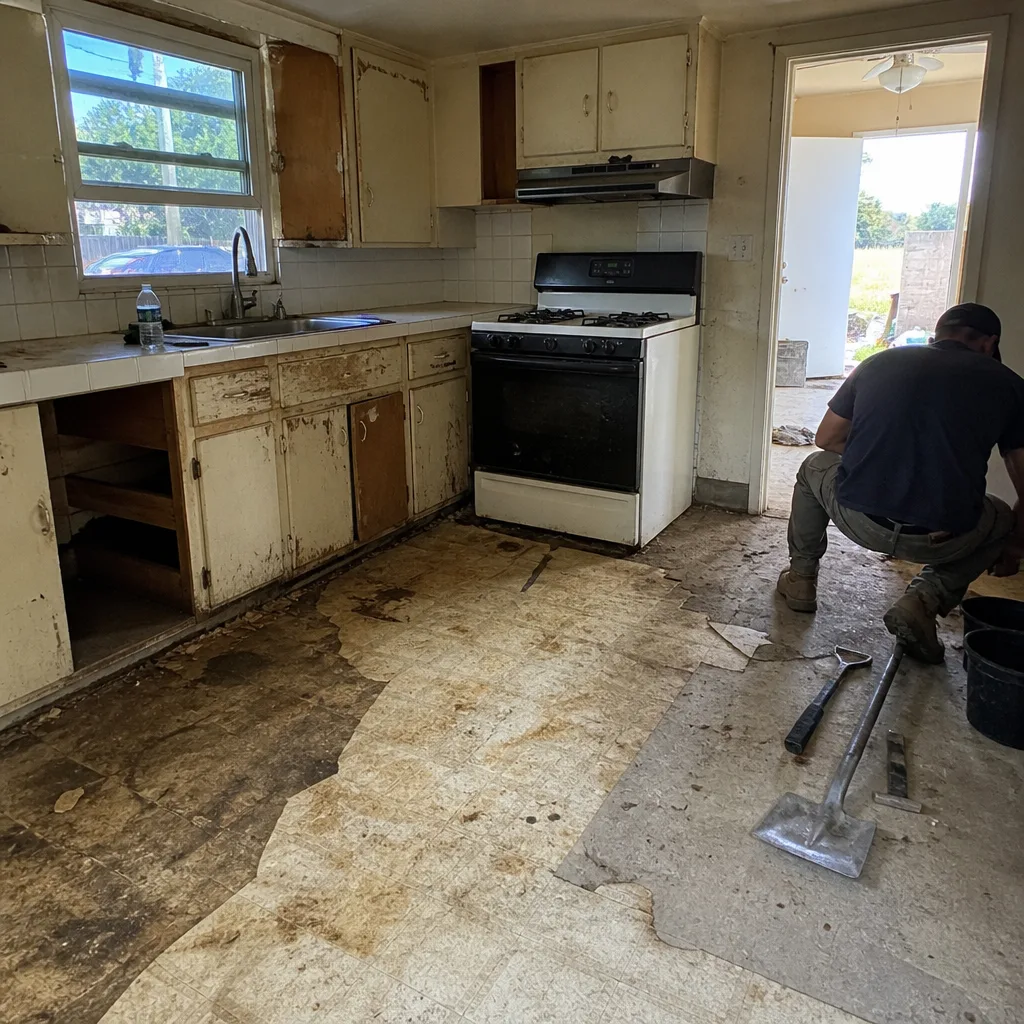 Before
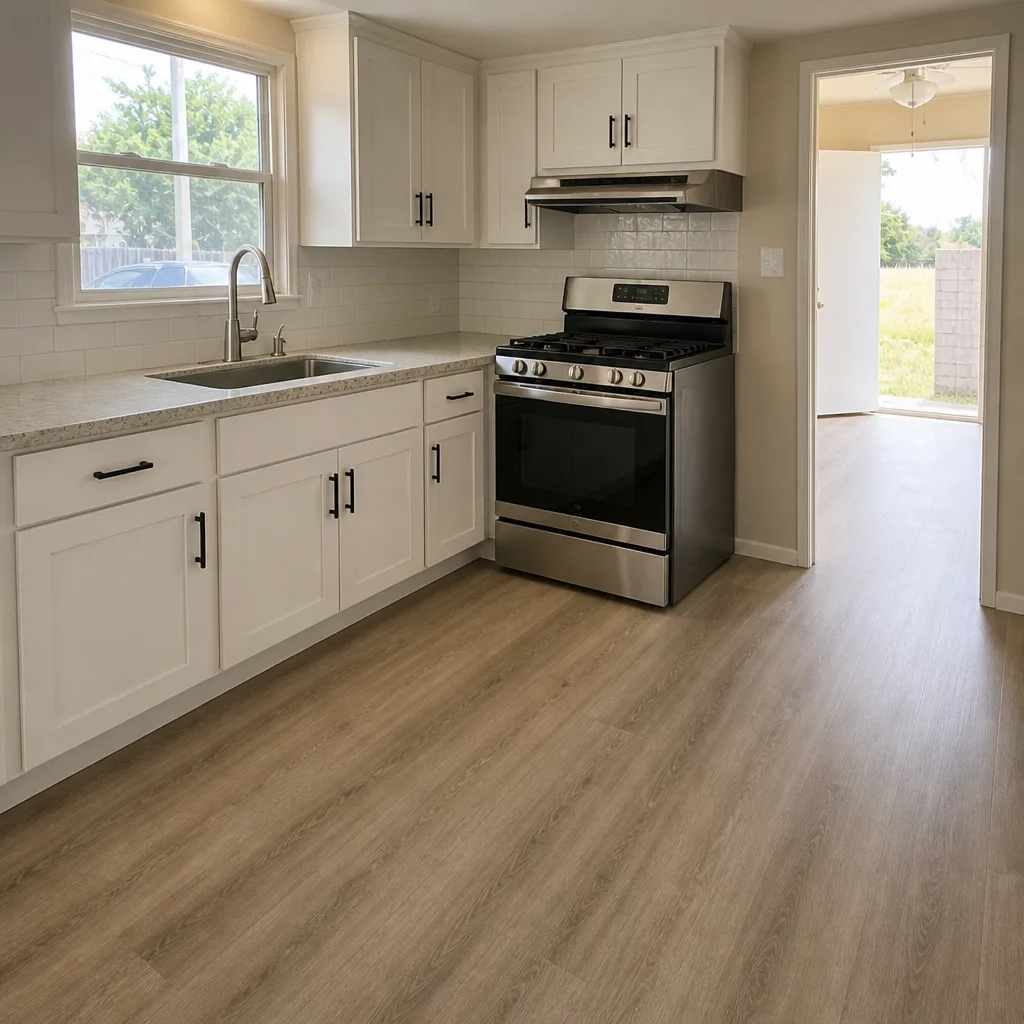 After
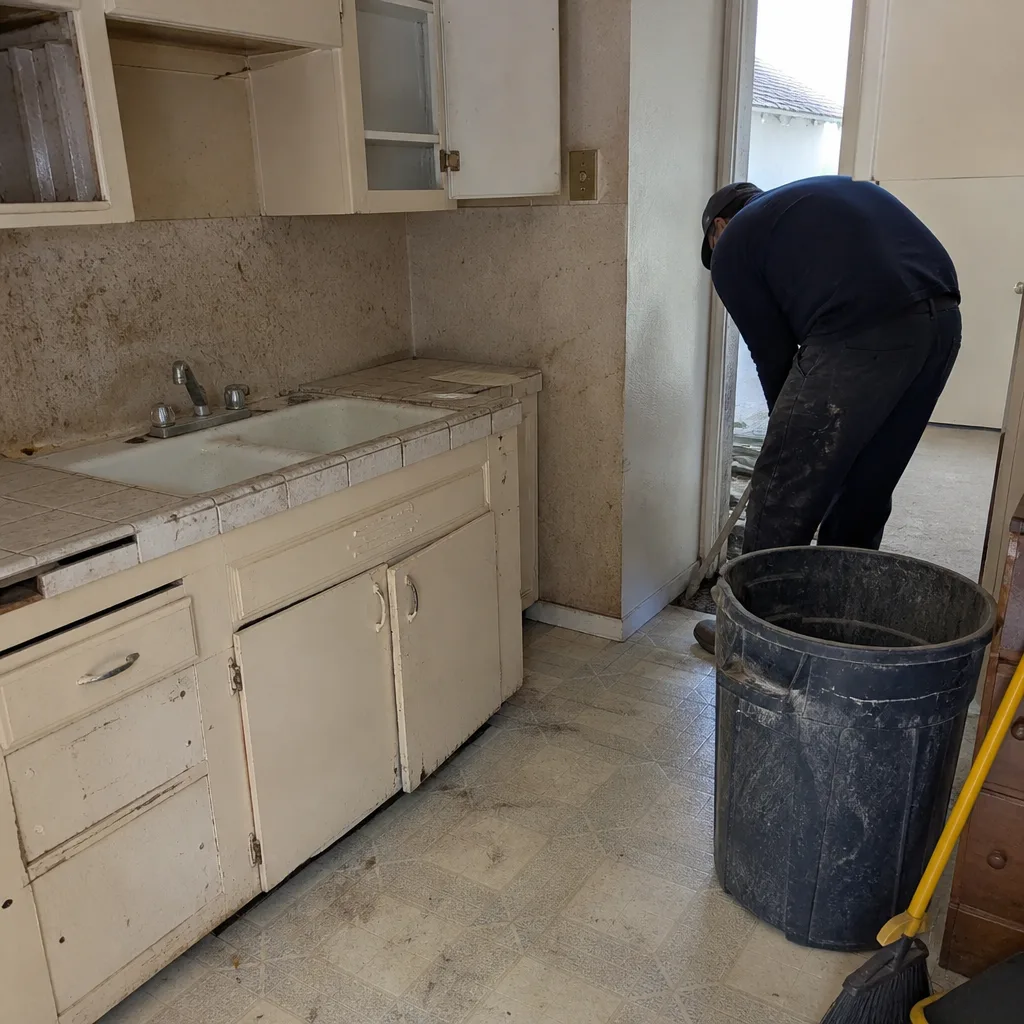 Before
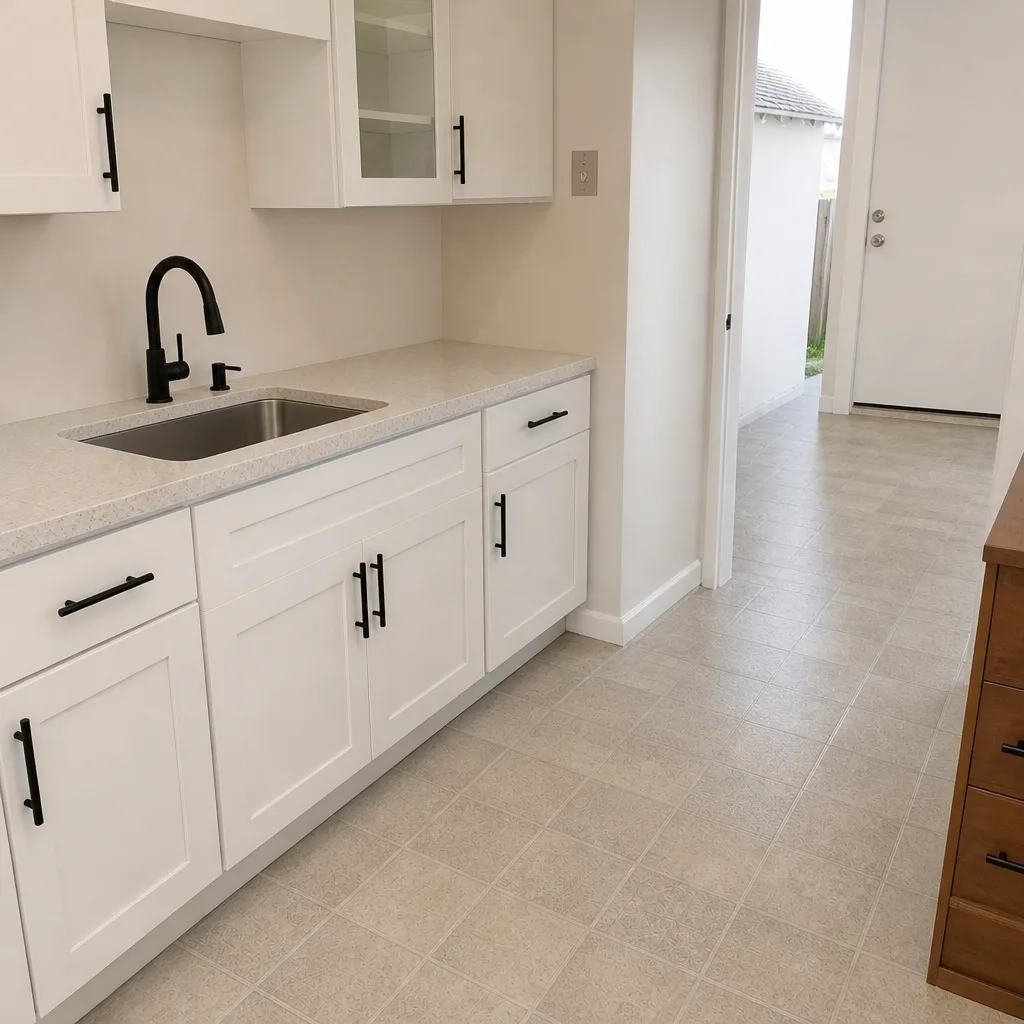 After
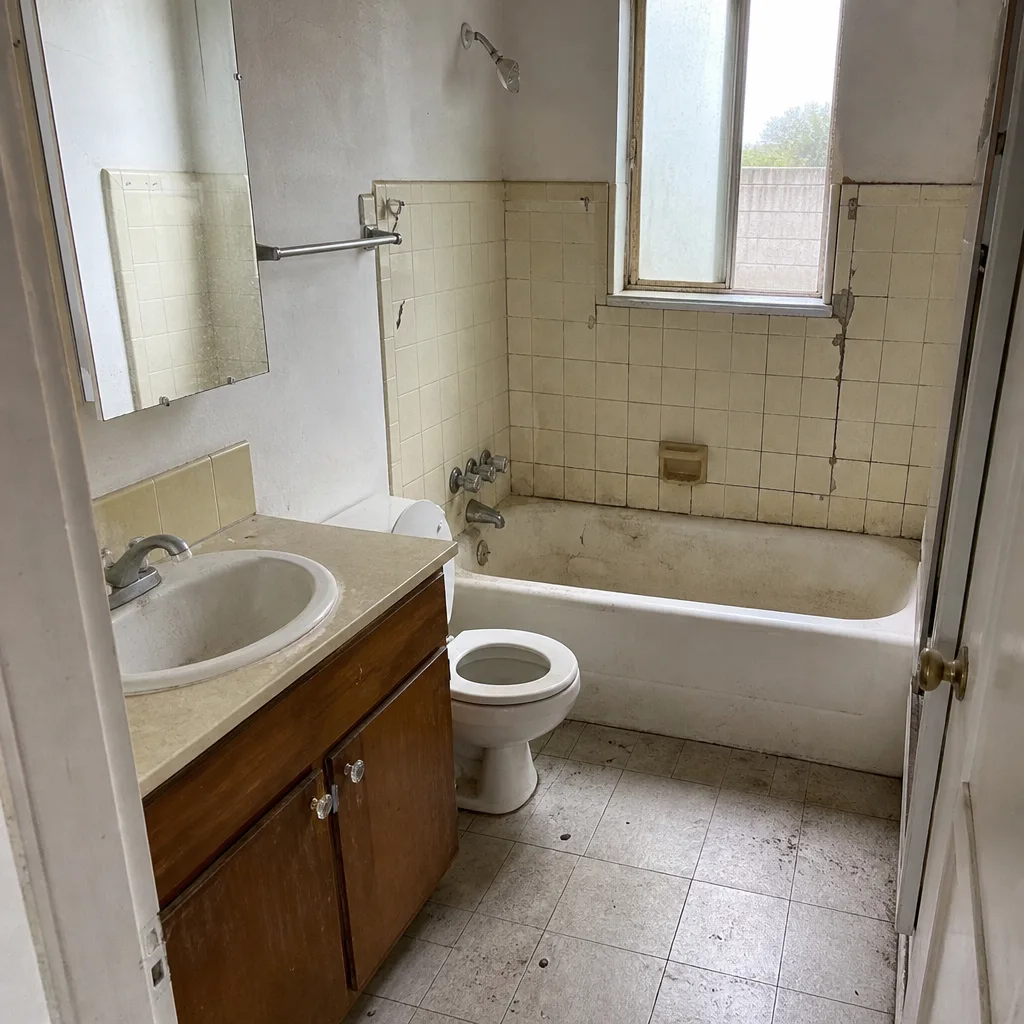 Before
 After
Replacement Cost & What’s Included
James Hardie fence installation in Los Angeles runs $4,130 to $10,620 installed. What drives the number: linear footage (most residential privacy fences run 80 to 200 linear feet), height (6-foot is standard, 8-foot adds roughly 20 to 30 percent), substrate condition, gate count, and soil conditions. Hillside properties with rocky or compacted soil require more footing labor.
The written quote breaks out board material, substrate and hardware, footing labor, and cleanup. Nothing moves at the door. Every project carries our 365-Day Done Right Promise: if the installation fails within a full year, we return and correct it at no charge. Bradford Remodeling Co Los Angeles also installs KraftMaid, Cambria, and Silestone products elsewhere in the home, so the same documented-brand standard applies to your fence.
DIY or Call Us?
You can safely inspect your own fence: check post stability by pushing on each post, look for rust streaks, measure board thickness, and photograph any delamination or gaps. What you shouldn’t do is try to reset a post footing or pull and re-set fiber cement panels yourself. Post extraction requires digging out a concrete plug that, on a properly installed fence, can weigh 300 pounds or more and sits within inches of the property line. And fiber cement board is heavy and brittle; cut edges that aren’t sealed correctly will fail within a season. Call (844) 343-6681 to schedule a free estimate and get a written line-item price.
FAQs
How long does a James Hardie fence last in Los Angeles? A properly installed James Hardie fence lasts 20 to 30 years in Los Angeles conditions. The board itself is rated for that range. The variables that shorten it are footing quality, fastener grade, and whether cut edges were sealed. Fastener rust is the most common early failure, usually within five to eight years.
Can I repair instead of replacing the whole fence? Sometimes. Individual failed posts can be replaced if the surrounding framing is sound, and isolated delaminated panels can be swapped. If more than a third of the posts are unstable or the framing has racked, full replacement costs less than repeated repairs. Call (844) 343-6681 for an assessment, and estimates are free.
How long does the swap take? A typical 100-linear-foot residential fence installs in two to four days, weather permitting. Hillside jobs or fences with multiple gates can run four to six days. We give you the schedule in the written quote before work starts.
How do you source the James Hardie product? Through documented supplier channels that carry manufacturer specification sheets and warranty terms. We don’t stock parts and don’t carry inventory on trucks; every job is sourced to order against the written spec. That keeps the material traceable and the warranty intact.
Will the price change once work starts? No. Bradford Remodeling Co Los Angeles gives a written price before any work begins, and that price stands. If we discover an unexpected footing problem we can’t see until we dig, we tell you in writing before proceeding, never after.
Written by the team at Bradford Remodeling Co Los Angeles, serving Los Angeles and nearby areas.
Call (844) 343-6681 to schedule your free estimate. Bradford Remodeling Co Los Angeles is a member of the Garrison Partners family, independently owned and operated, and held to The Garrison Standard: a written price before any work starts, background-checked and uniformed technicians, live-person phone coverage 24/7, and the 365-Day Done Right Promise standing behind every completed project.