
Free written scope consultation - allowances, timeline, and change-order rules on paper before a single trade is scheduled
Tuff Shed Home Additions & ADU: The Los Angeles Owner’s Guide
Tuff Shed doesn’t build home additions or ADUs, and that’s the fork in the road most Los Angeles owners hit after buying a shed for a different job. If you’re pricing an addition or an ADU on a lot where a Tuff Shed already sits, our team attaches code-compliant additions and ADUs to existing structures, and the installed cost runs $53,100 – $153,400 for a home addition and $106,200 – $259,600 for a full ADU. You’ll know it’s time to call when the shed footings are shifting, the door framing has racked, or the county asks for engineering you don’t have.
We’re an independent service provider, not affiliated with Tuff Shed. What we handle is the transition: taking a licensed shed and making it the foundation of something permitted, inspected, and built to Los Angeles building code.
Key Takeaways
- A Tuff Shed is a pre-built structure, not an ADU-ready shell. Converting one to habitable space requires permits, engineering, and new footings in most Los Angeles cases.
- Home additions run $53,100 – $153,400 installed; ADUs run $106,200 – $259,600; garage conversions run $35,400 – $94,400.
- Every project gets a written price before work begins and the 365-Day Done Right Promise on the finished work.
Which Tuff Shed Models This Applies To
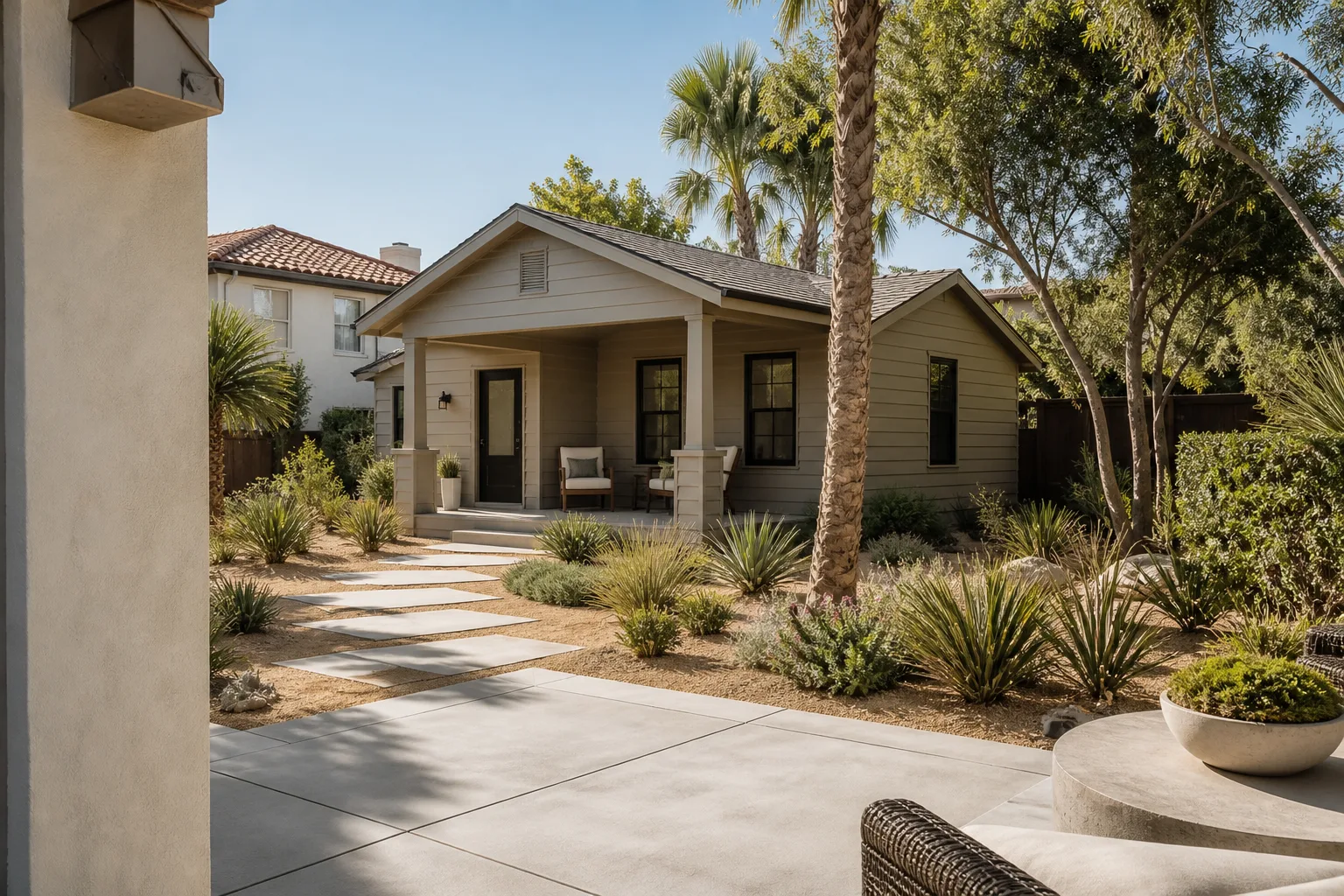
Tuff Shed builds shed lines in different construction families, and where you land on that map determines whether an addition or ADU is even realistic to build off the shell. The Premier and Premier Pro lines use heavier framing and come standard with a taller wall height than the basic Tahoe or Durango lines, which matters because habitable space needs a minimum ceiling height that most base shed models don’t hit. If you’re standing in a Tahoe, the wall height alone usually rules out a straight conversion.
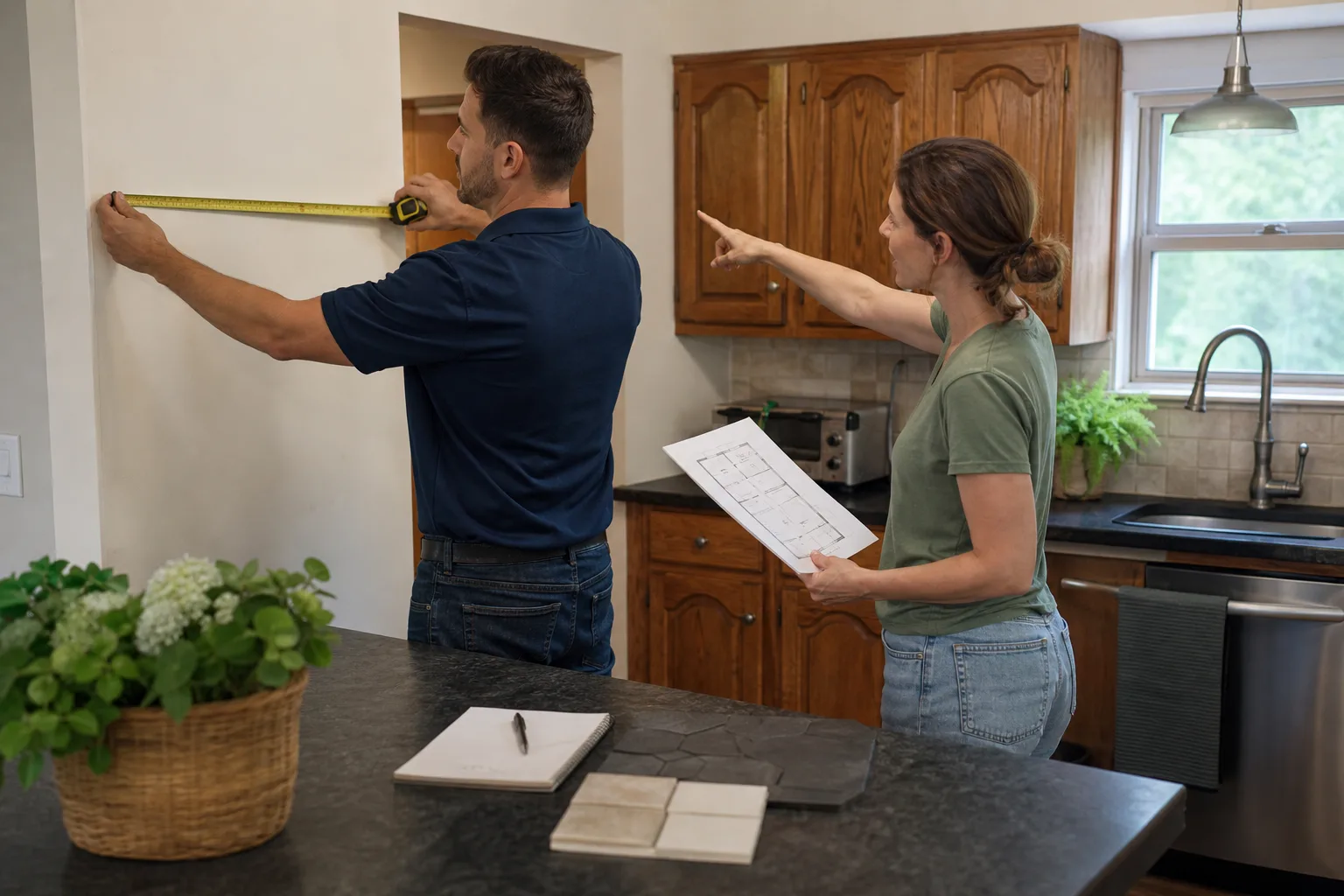
Here’s the gotcha most owners miss: Tuff Shed model numbers stamped on the plans and the sticker inside the door don’t tell you what the county needs to see. Los Angeles County wants engineered plans keyed to the actual footings and framing as built, not the spec sheet from the purchase. That means a site visit and field measurements before anyone can quote an addition or ADU with confidence. The shed’s own documentation becomes a starting reference, not a blueprint.
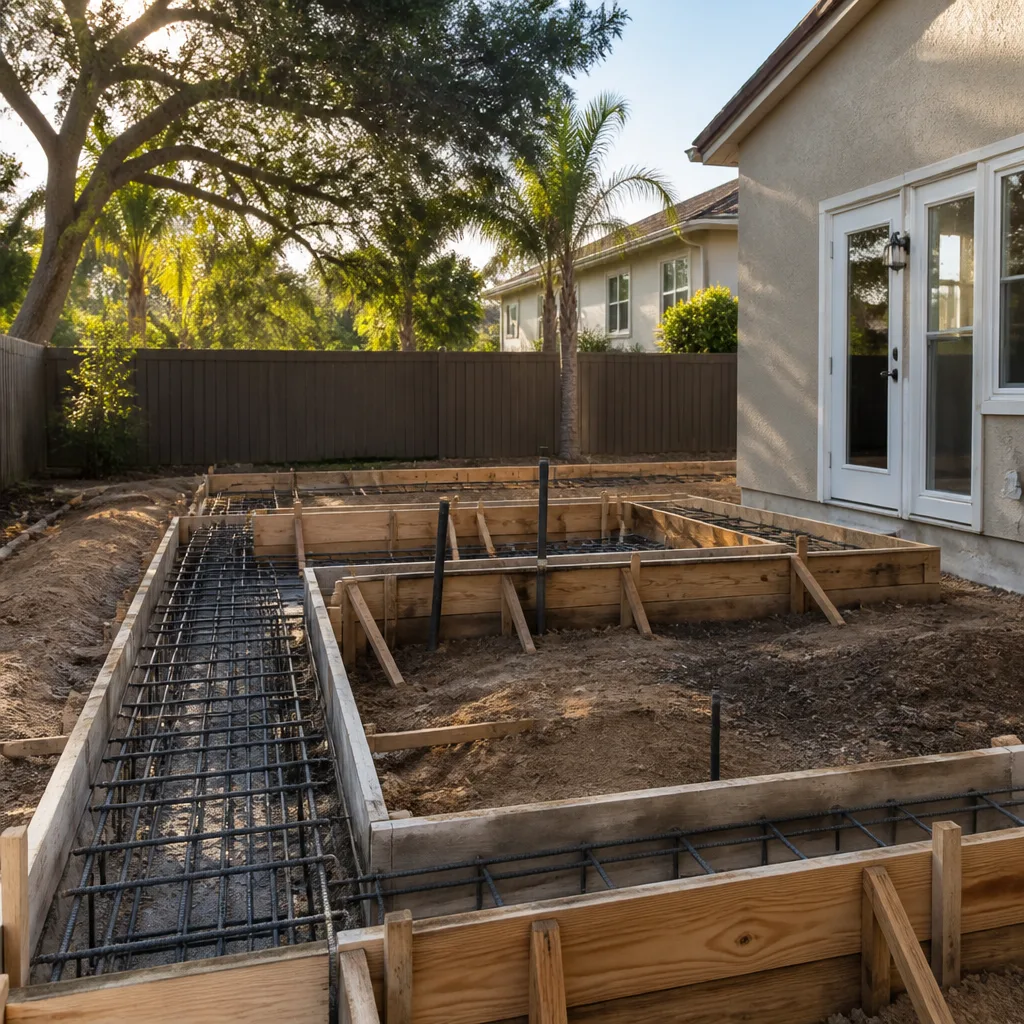
On the OEM-versus-aftermarket question, additions and ADUs don’t have a drop-in part. You’re not swapping a Tuff Shed component for a factory match. You’re deciding whether to build on the existing slab, sister new framing to the shed’s, or demo and pour fresh footings. Our crews make that call after measuring the slab thickness, checking for anchor bolts, and reading the soil conditions at your site, since Los Angeles lots vary sharply from hillside to flatland.
Styles & brands we work with
- Kitchen remodeling
- Bathroom remodeling
- Home additions & ADU
- Roofing
- Windows & doors
- Driveway & pavers
- Fence
Signs Your Tuff Shed Home Additions & ADU Is Failing
These are the symptoms that show up on Los Angeles properties where a shed is being counted on for more than it was built for:
- Shifted or cracked footings. Shed slabs are often poured for a light structure, not habitable load. When the slab cracks or lifts, the whole shell racks and door frames go out of square.
- Racked door framing. If the man door drags, sticks, or won’t latch, the structure is moving. That’s usually a footing or framing issue, not a hinge problem.
- Water intrusion at the wall base. Los Angeles rain is episodic but intense, and shed base plates often sit close to grade. Wicking shows up as soft drywall or stained interior walls.
- Roof sag over long spans. Longer Tuff Shed models use rafters sized for storage loads, not for insulation, ceiling finishes, or the weight of a conditioned space above.
- Permit or inspection stop-work. The county flags unpermitted habitable use. This is the most common failure point, and it halts everything until engineering and permits are sorted.
Each of these is fixable. None of them is a cheap patch. The honest answer is that the shed tells you something is wrong before the county does, and the earlier you catch it, the less the correction costs.
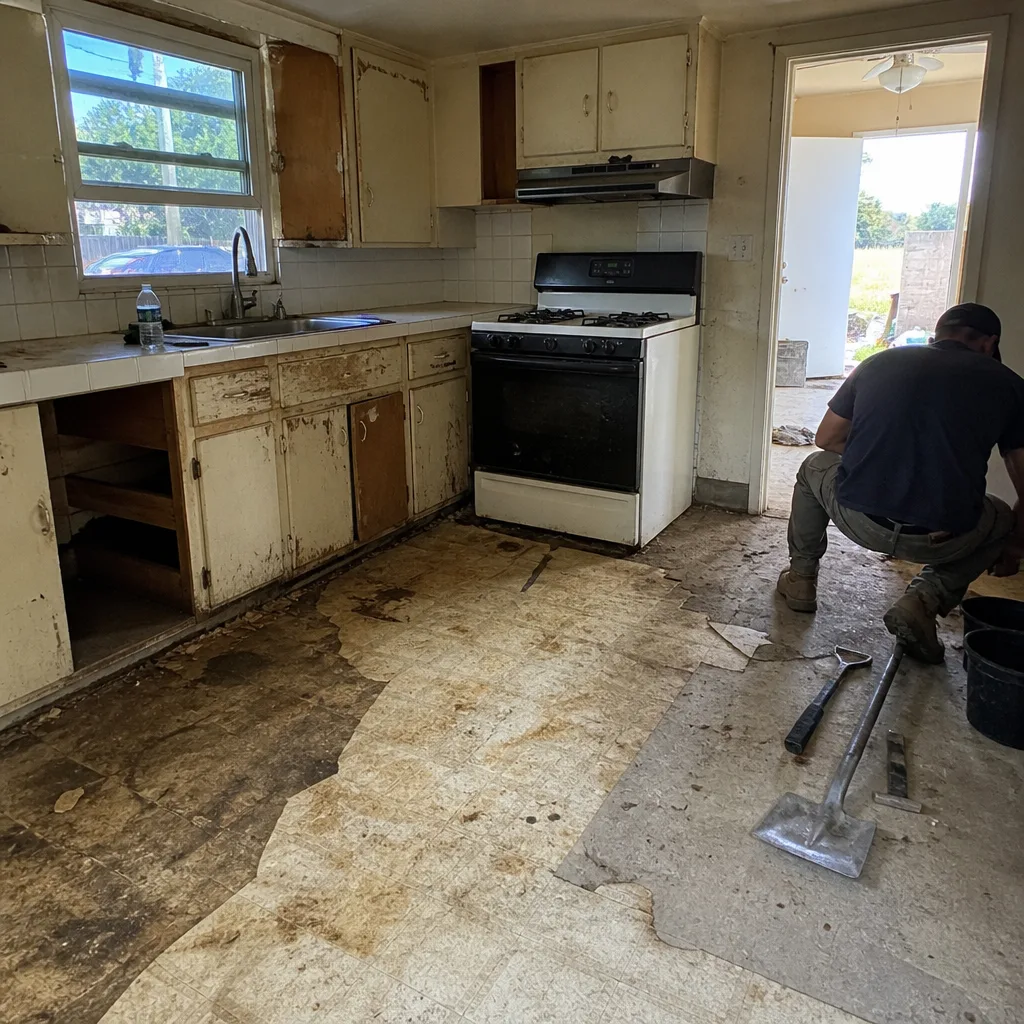
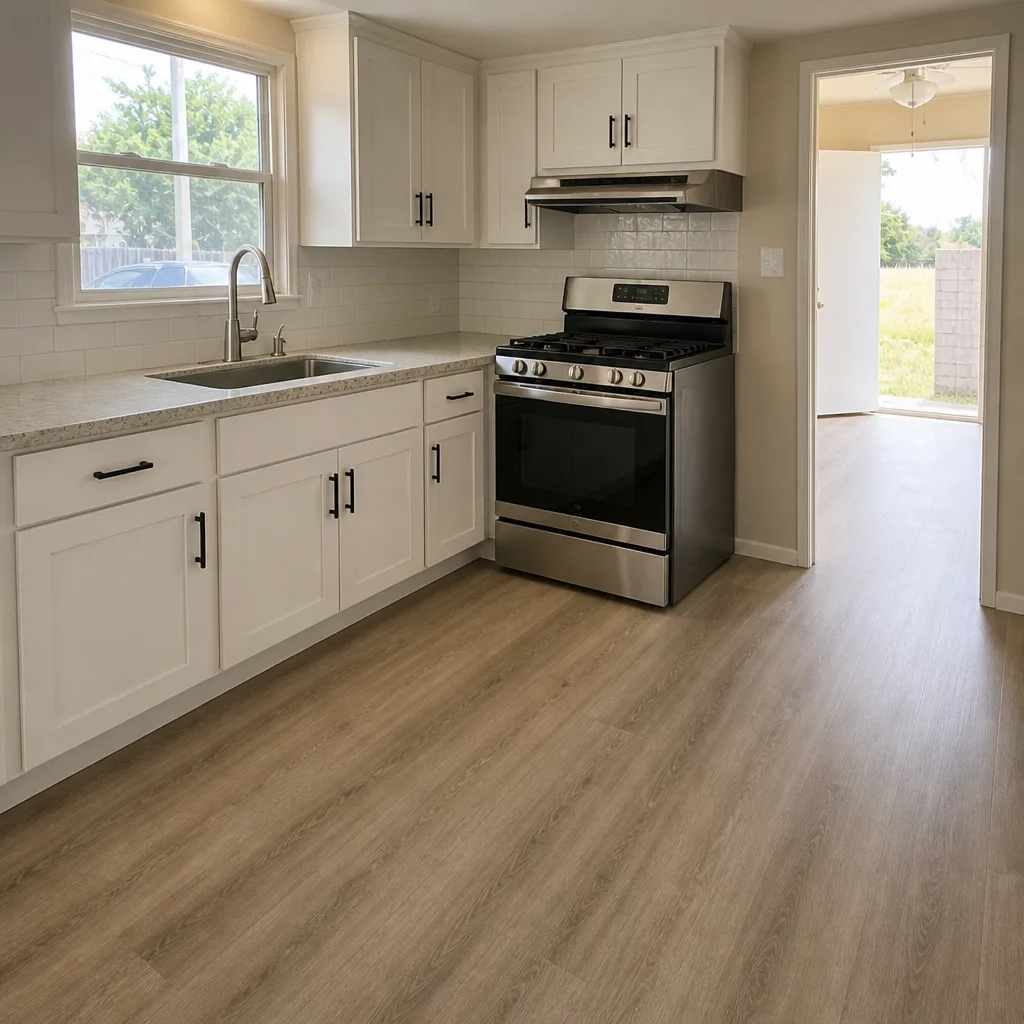
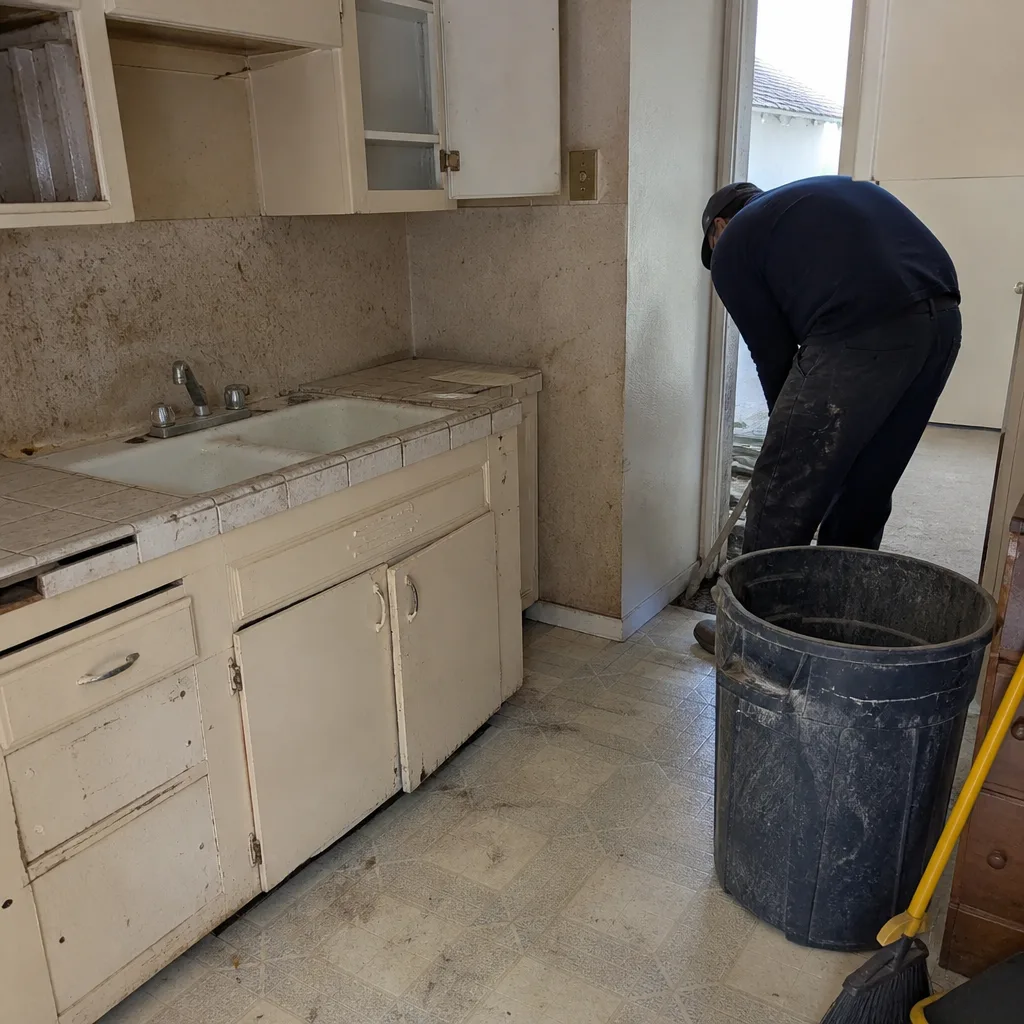
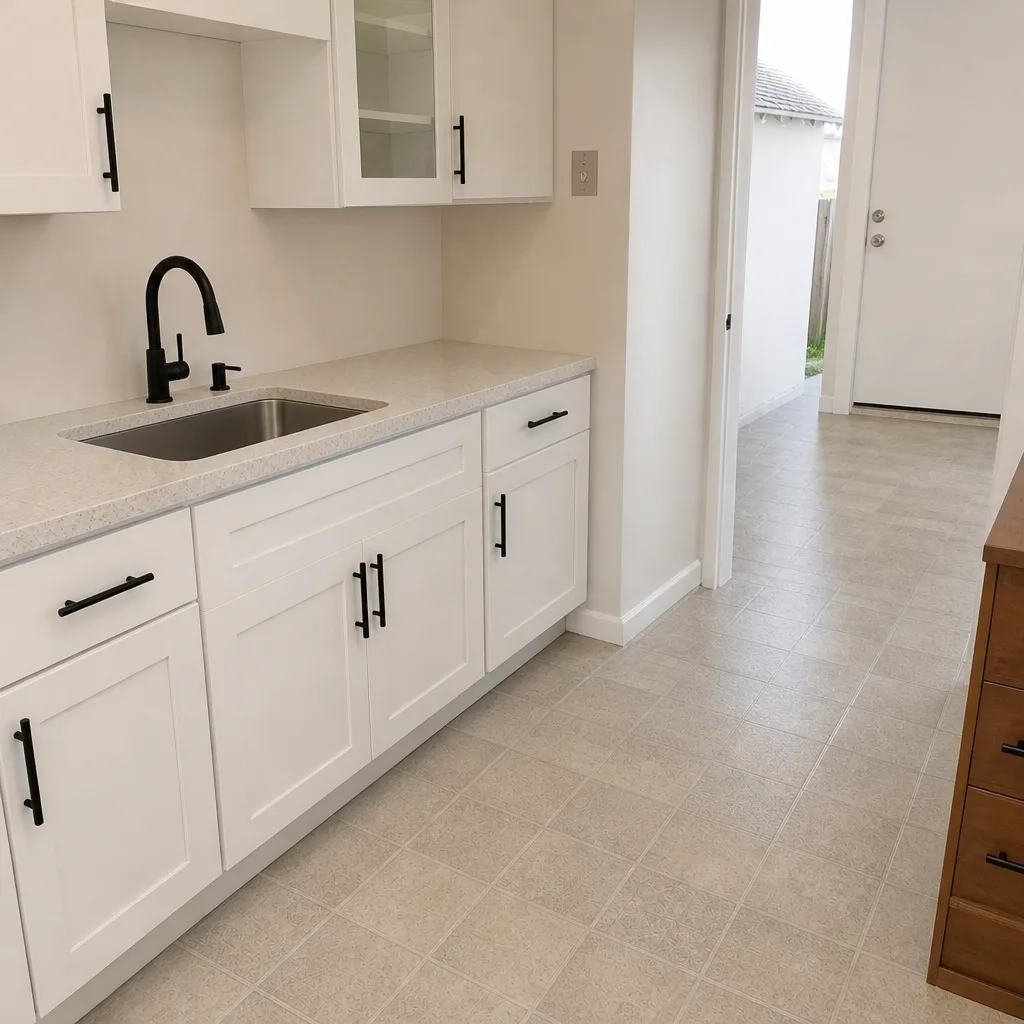
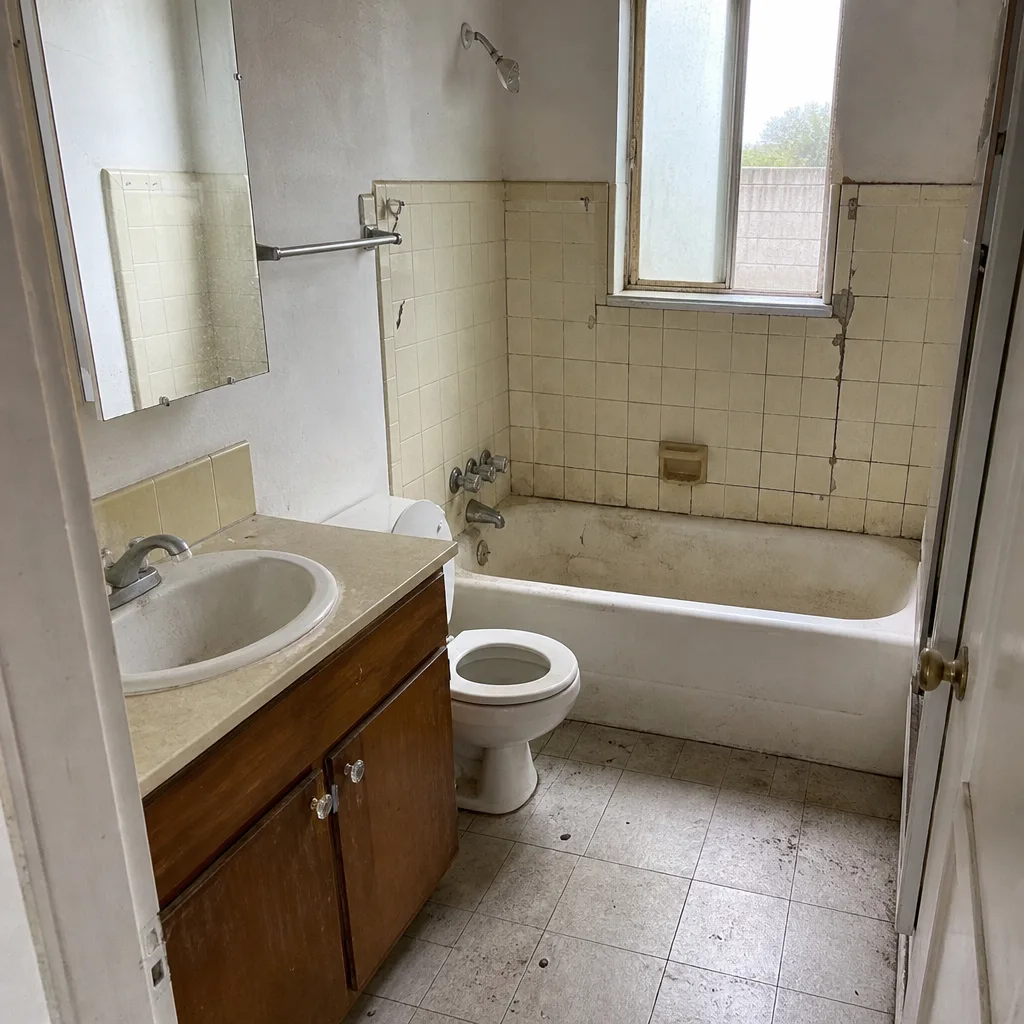
See the difference
 Before
 After
 Before
 After
 Before
 After
Replacement Cost & What’s Included
Here’s what an addition or ADU project runs in Los Angeles, installed, with materials and labor in the same number:
| Project | Installed Price Range |
|---|---|
| Home Addition | $53,100 – $153,400 |
| ADU Construction | $106,200 – $259,600 |
| Garage Conversion | $35,400 – $94,400 |
What drives the range: foundation type (slab versus raised or pier), whether the existing shed can stay or gets demolished, utility runs for water, sewer, and electrical, and the finish level inside. A habitable ADU needs a kitchen, bath, and HVAC, and those carry real cost. An attached addition that ties into your existing home’s systems can land lower on the range because it shares utilities.
Every price is written before work begins. You get the number in writing, the scope itemized, and no figures that move at the door. When the work is done, it’s covered by the 365-Day Done Right Promise: if anything fails within a full year, we come back and correct it at no charge.
DIY or Call Us?
You can safely walk the property and document what you have: measure the shed footprint, photograph the slab and any cracks, check the door for racking, note the model sticker. That’s useful information and it makes the first conversation faster.
What you can’t do yourself is the structural and permitting work. Attaching habitable space to an existing structure, framing new load paths, running electrical and plumbing under permit, and passing Los Angeles County inspections are all work that requires a licensed contractor and stamped engineering. Cutting corners here doesn’t fail quietly. It fails at resale, at inspection, or both. If you’re looking at a shed and wondering whether it can become an ADU, the honest answer is: call us at (844) 343-6681 and we’ll tell you what’s realistic. Estimates are free.
FAQs
How long will a Tuff Shed-based ADU last? A permitted, engineered ADU built to Los Angeles code will hold up for decades with normal maintenance, because the footings, framing, and envelope are built for habitable use. The shed shell itself was never rated for that load or lifespan, which is why the conversion or new build matters.
Can I repair a failing shed instead of replacing it with an addition? Sometimes. If the framing is sound and the slab hasn’t moved, a repair can get you a few more years of storage use. But if you’re trying to make it habitable, repair doesn’t get you to code. Call (844) 343-6681 and we’ll walk the site with you and tell you which path is honest.
How long does an addition or ADU take? An ADU typically runs several months from permit to final inspection; an attached addition can run shorter depending on scope. The timeline depends mostly on permitting and inspection scheduling in Los Angeles, not on the build itself. Call for a written scope and a realistic schedule.
How do you source materials? We work from a documented brand roster, including KraftMaid, Cambria, and Silestone, alongside GAF roofing and James Hardie exterior products. Every specification is traceable to the manufacturer, so the materials and their warranties back our own 365-Day Done Right Promise. Call (844) 343-6681 to schedule your free estimate.
Bradford Remodeling Co Los Angeles works to The Garrison Standard: a written price before any work starts, background-checked technicians on every job, a live person on the phone around the clock, and the 365-Day Done Right Promise on the finished work. Call (844) 343-6681 for a free estimate on your Los Angeles addition or ADU.
Written by the team at Bradford Remodeling Co Los Angeles, serving Los Angeles and nearby areas.