
Free written scope consultation - allowances, timeline, and change-order rules on paper before a single trade is scheduled
Mighty Buildings Driveway & Pavers: The Los Angeles Owner’s Guide
We install Mighty Buildings-compatible driveway and paver systems across Los Angeles, and a full paver driveway installation typically runs $8,260 to $21,240 installed, depending on square footage, base depth, and paver type. Because the panels and hardscape on a Mighty Buildings home are set to manufacturer specs rather than standard tract-home dimensions, we match the substrate and edge restraint to the panel interface, not to a generic slab. We’re an independent service provider and not affiliated with Mighty Buildings, so the job is scoped and priced in writing before any tool comes out.
Owners usually notice the problem before they see it fail. Water pools at the panel-to-driveway seam after a rain. A paver lifts or rocks underfoot. The polymeric sand between units washes out faster than it should. Los Angeles isn’t a freeze-thaw market, but our clay-heavy soils in the flats and the clay-to-rock transitions in the hills move seasonally, and a paver bed that was graded to the wrong slope will telegraph that movement within a year or two.
Which Mighty Buildings Models This Applies To
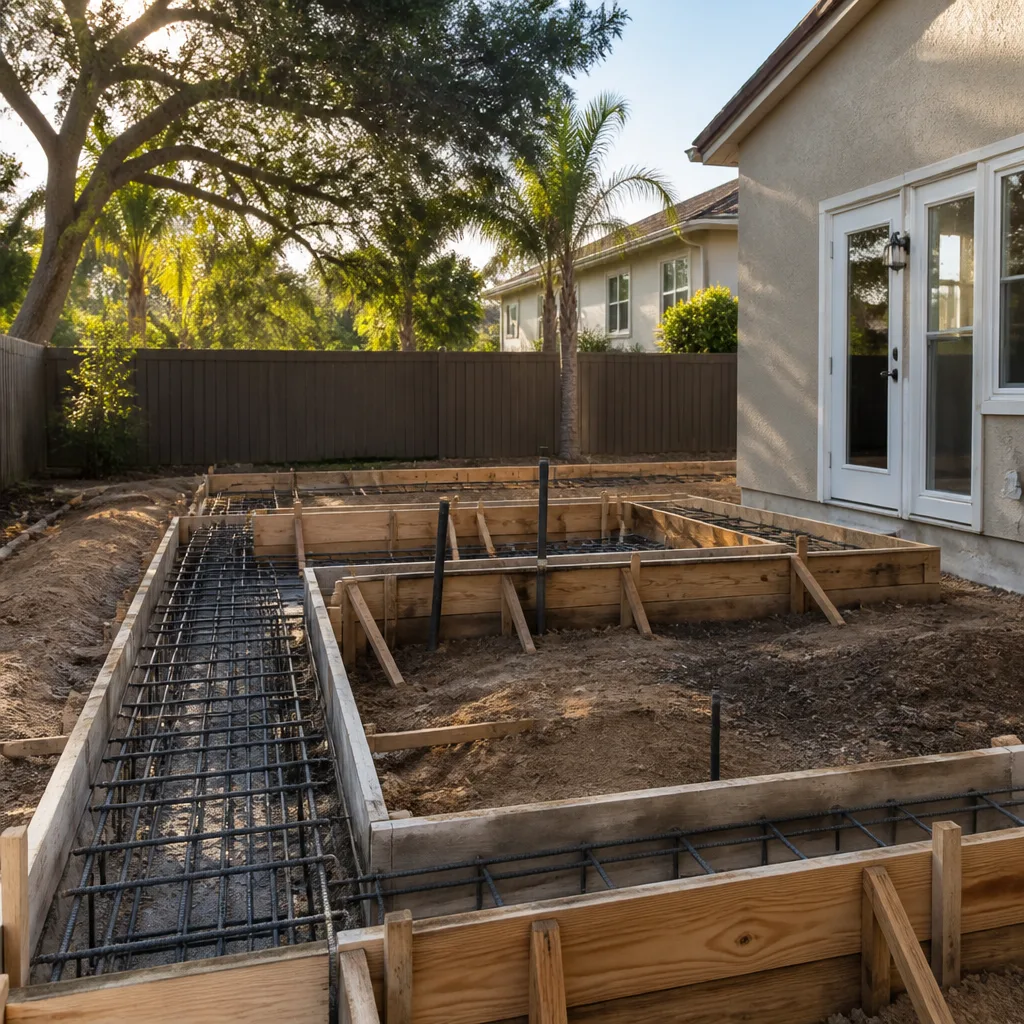
This guide covers the driveway aprons, paver walks, and entry hardscape tied to Mighty Buildings’ panelized and 3D-printed home lines – but the specific detail that matters is the interface where hardscape meets the panel foundation. Mighty Buildings sets its homes on engineered foundations with a defined edge, and the driveway has to be graded away from that edge at the slope the manufacturer specifies. Get that wrong and you’re routing runoff into the panel joint instead of away from it.
To identify what you have, measure three things before you call anyone: the width of the paver field at the garage apron, the distance from the foundation edge to the first course of pavers, and the visible paver thickness (1½-inch, 2-inch, or 2⅜-inch are the common profiles). Then check the original build documents for the paver manufacturer and series. That three-number measurement plus the series is what lets us match a replacement unit that seats flush instead of one that sits a quarter-inch proud and catches a tire.
The OEM-versus-aftermarket call is straightforward on hardscape. There is no proprietary “Mighty Buildings paver” the way there’s a proprietary window or door; the builder sourced a standard series. Matching the unit within spec is what matters, and an equivalent paver from a documented manufacturer like Belgard or Unilock with a published thickness and dimensional tolerance does the job. What we don’t do is guess at the series – because a paver that looks right at the yard can be a half-millimeter off and never lock into the existing field.
Styles & brands we work with
- Kitchen remodeling
- Bathroom remodeling
- Home additions & ADU
- Roofing
- Windows & doors
- Driveway & pavers
- Fence
Signs Your Mighty Buildings Driveway & Pavers Is Failing
- Ponding at the foundation edge. Water sitting against the panel interface after a rain means the bed lost its slope. That’s typically a compacted-base or drainage failure, not a paver failure, and it’s the one signal worth acting on fast in Los Angeles, where a single winter storm can move a lot of water.
- Pavers rocking or lifting underfoot. The base under the unit has settled or washed out. Seasonal soil movement accelerates this, and once one paver rocks, the joint sand migrates and the neighbors go next.
- Sand washing out of the joints. Polymeric sand scouring out in sheets points to a grade issue or a joint that was never filled to the proper depth. It’s also the fastest-failing symptom in our dry, hot summers, where a thin sand joint cures brittle and blows out.
- Heaving or a step-off at the garage apron. A lip where the driveway meets the garage slab is usually a substrate problem. It’s a trip hazard and a water channel at the same time.
- Efflorescence or salt bloom on the surface. White haze that keeps returning after you wash it is moisture moving through the paver from below. That’s a drainage story, not a cleaning story.
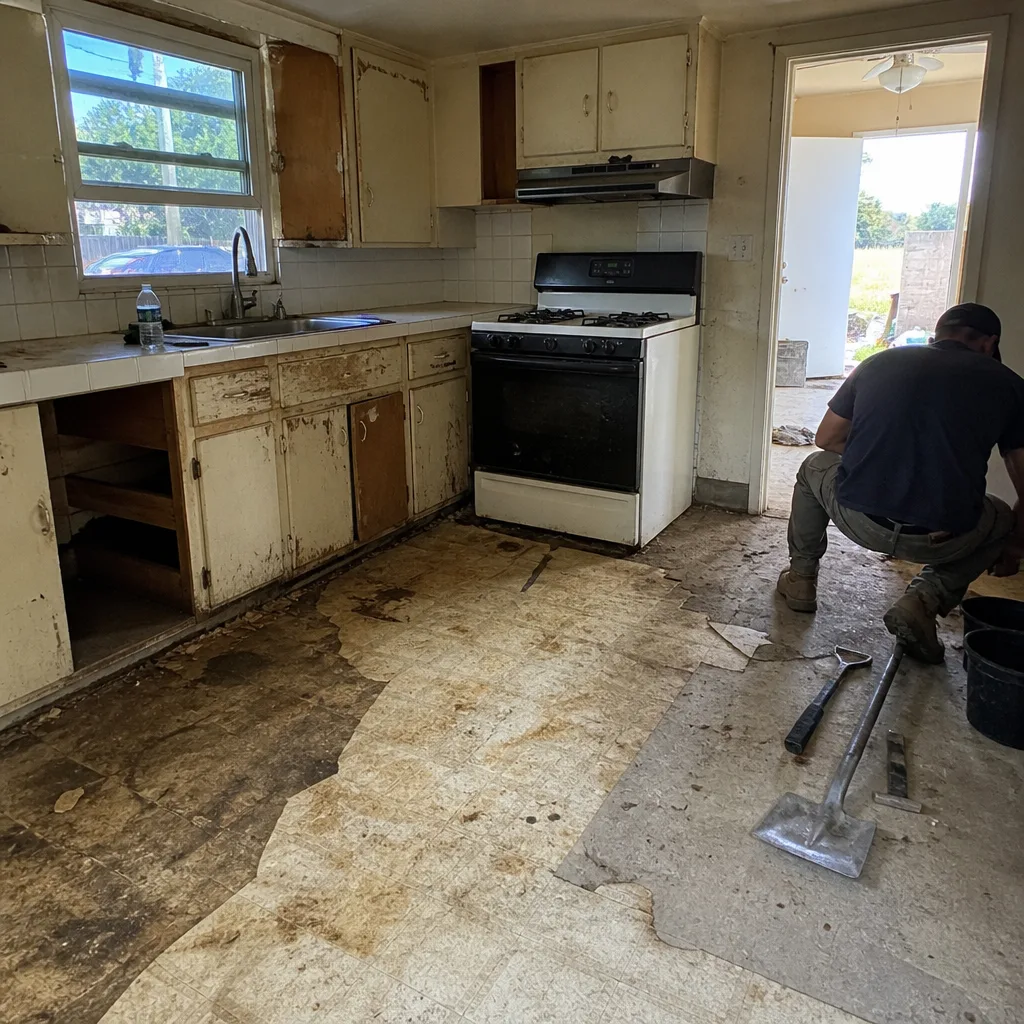
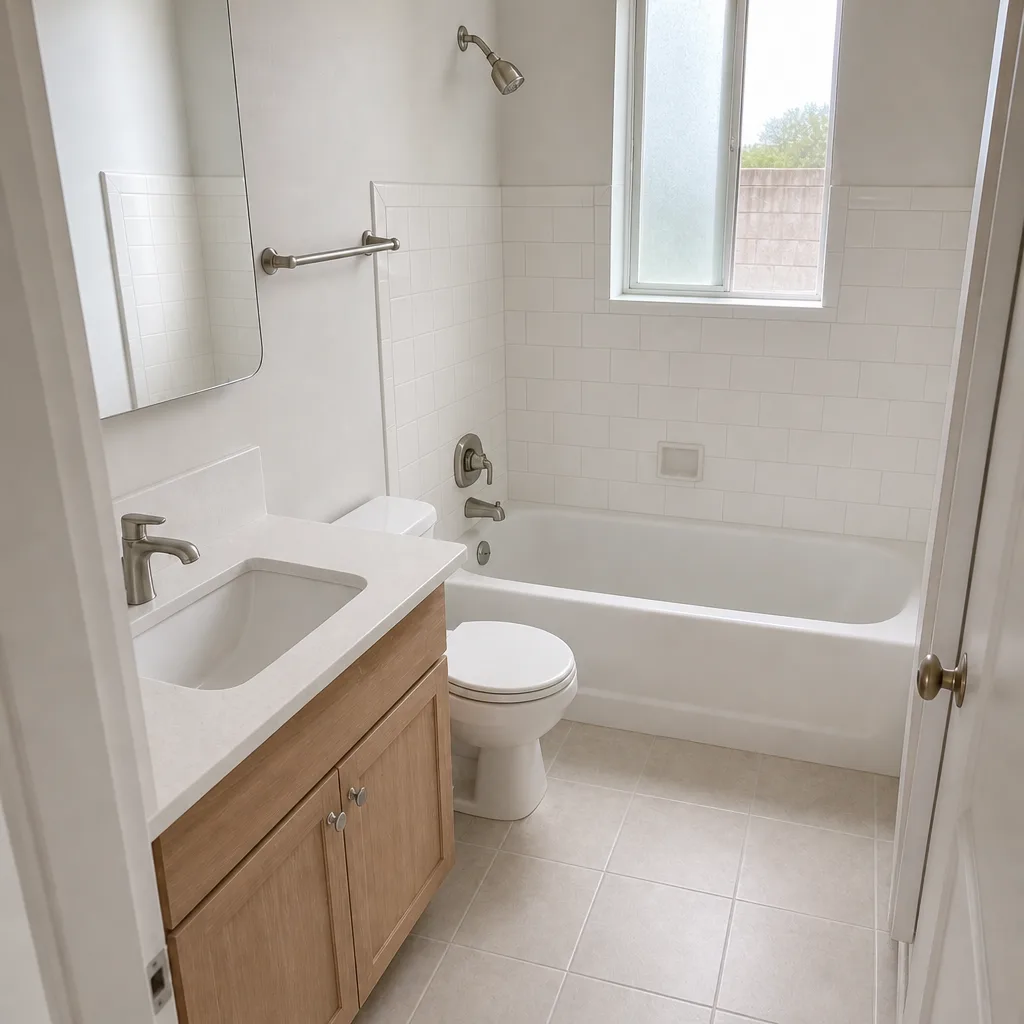
See the difference
 Before
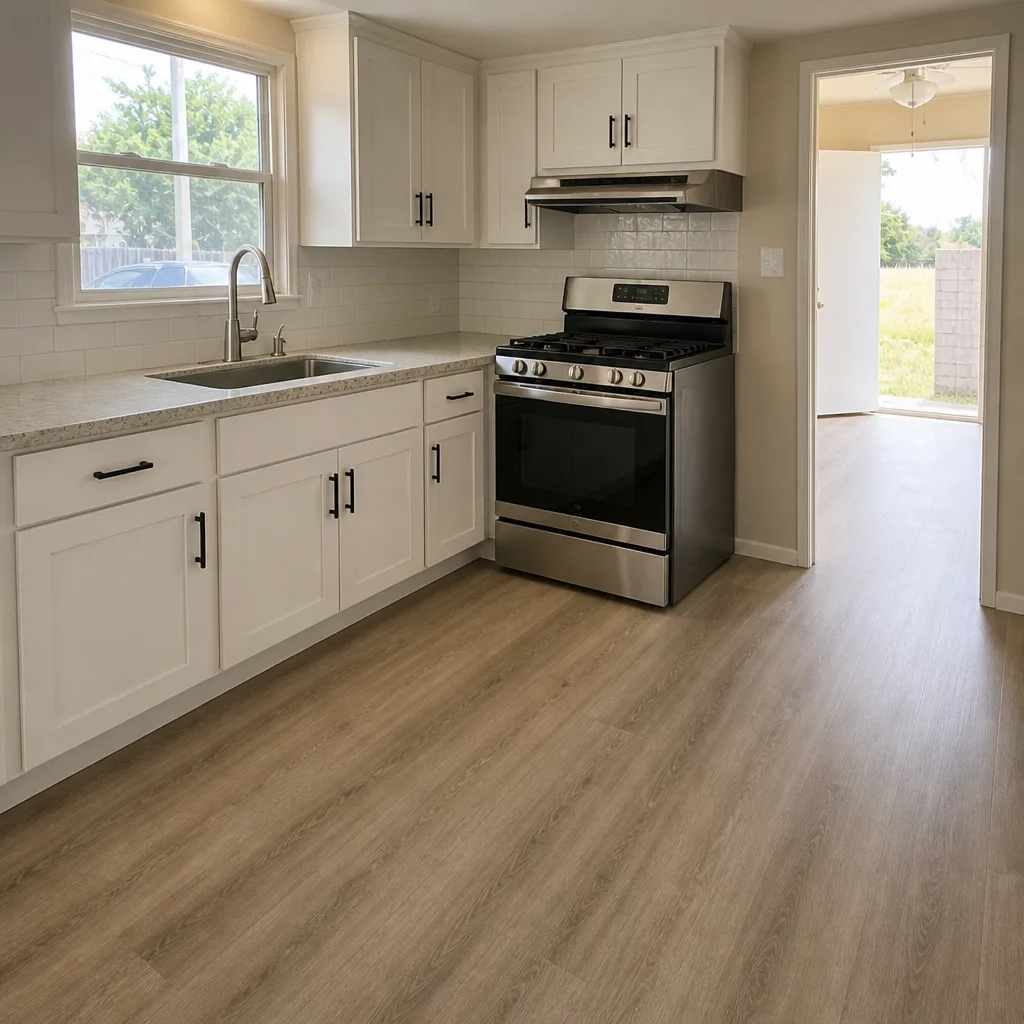 After
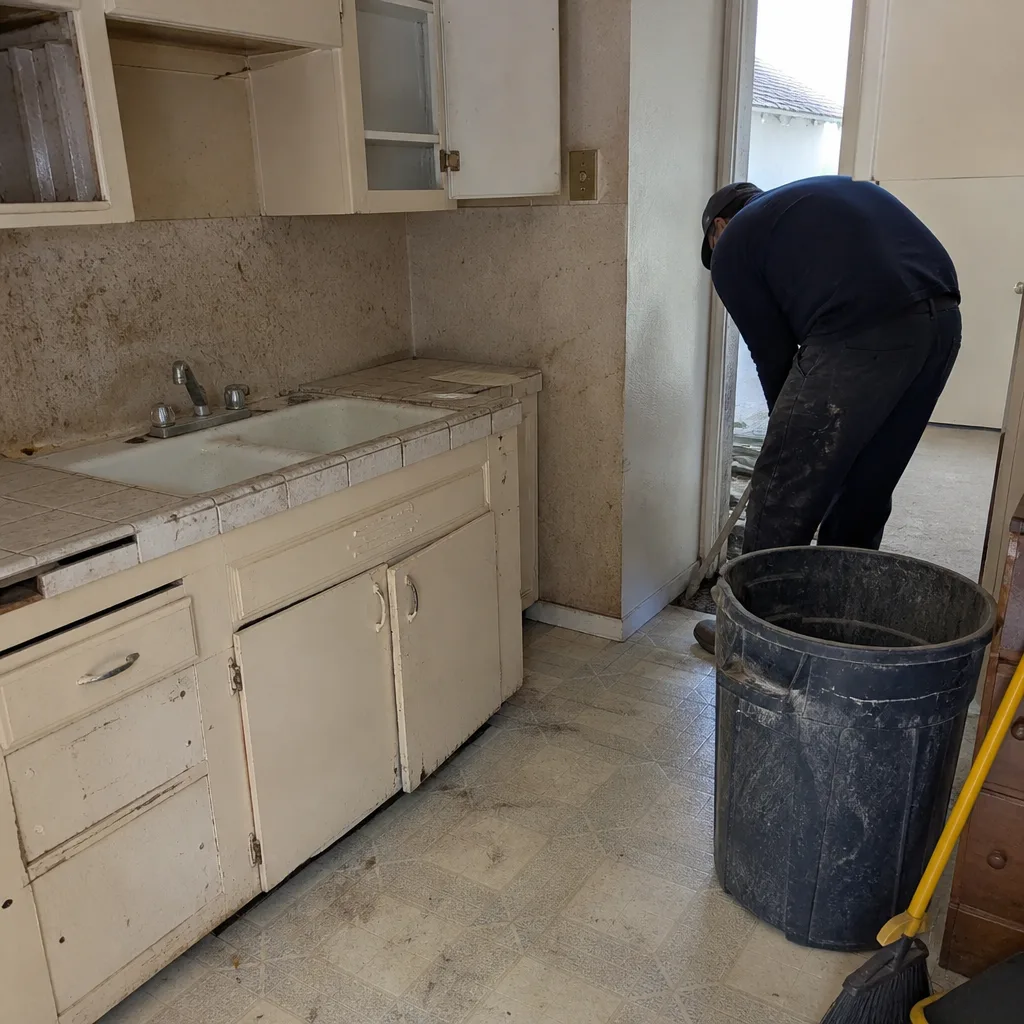 Before
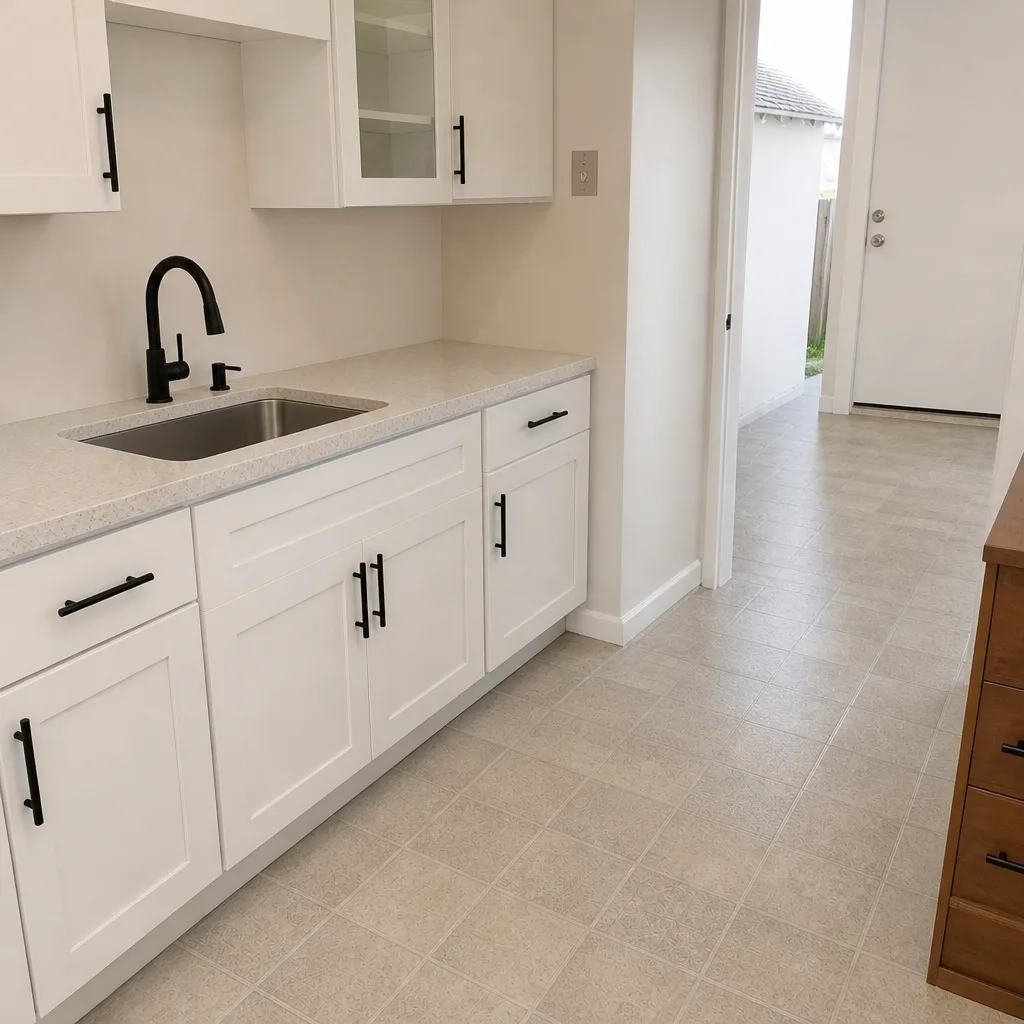 After
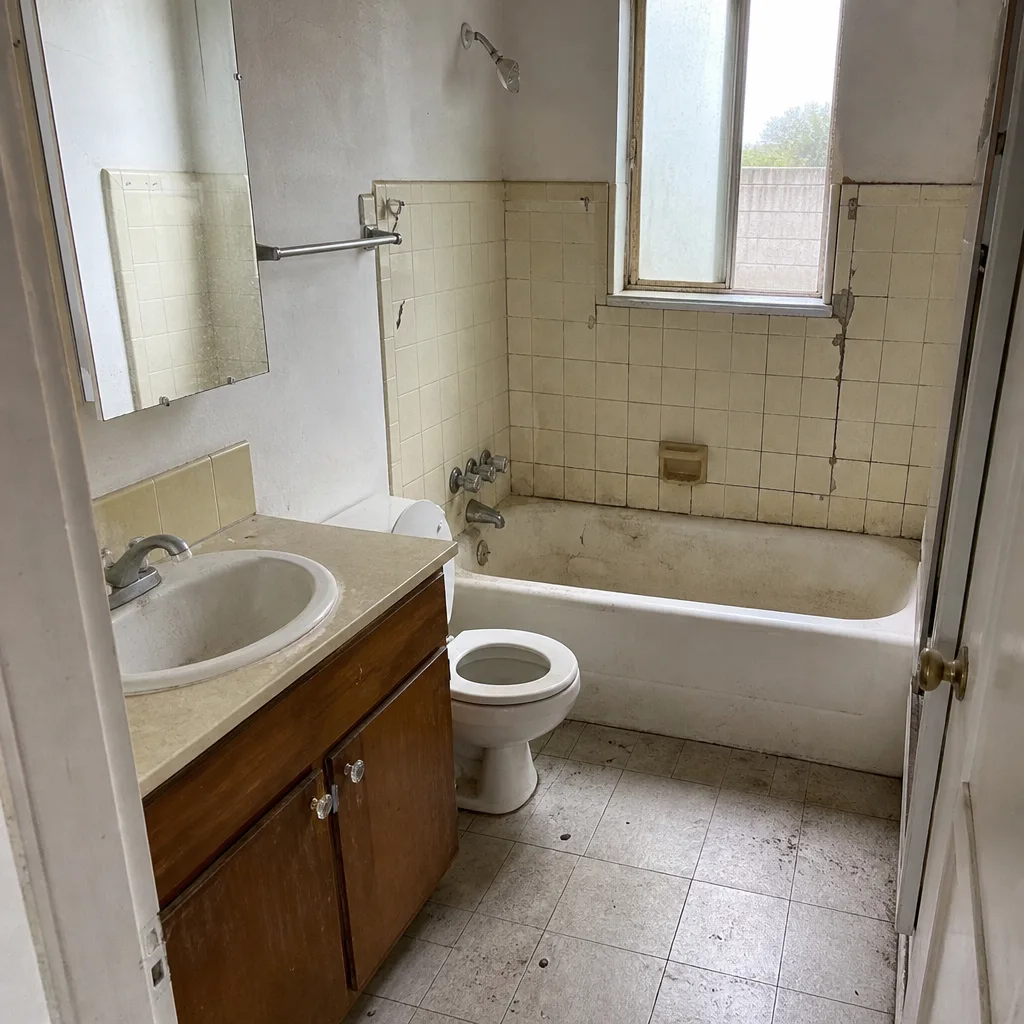 Before
 After
Replacement Cost & What’s Included
Here’s the honest range for Los Angeles, installed. These are market-calibrated numbers, and you get them in writing before we start – the price doesn’t move at the door.
| Scope | Installed Price Range (Los Angeles) |
|---|---|
| Paver driveway installation | $8,260 – $21,240 |
| Driveway replacement | $5,900 – $16,520 |
| Concrete driveway installation | $5,310 – $14,160 |
| Asphalt driveway paving | $4,130 – $10,620 |
| Paver patio installation | $4,130 – $12,980 |
| Driveway sealing | $295 – $825 |
What drives the range: square footage, base depth (a repair over clay needs more compacted base than a repair over stable ground), edge restraint, and whether we’re matching an existing paver field or replacing a section. The number includes removal and haul-off, compacted base, edge restraint, the pavers themselves, joint sand, and cleanup. Every completed project is covered by the 365-Day Done Right Promise – a full-year written guarantee. If the work fails inside that window, we come back and correct it at no charge.
DIY or Call Us?
You can safely check a few things yourself. Measure the paver field and thickness, photograph the failing joint, confirm the paver series from your build documents, and watch where water pools after a rain. That information makes the estimate faster and more accurate. What you can’t safely do yourself is reset a settled base properly – the work that actually fixes the problem lives under the pavers, and a cosmetic top-dressing over a bad base fails within a season. Re-grading near the panel foundation is also not a weekend job; get that slope wrong and you’re pushing water into the panel joint, which is a far more expensive problem than the paver you started with.
We’re the by-the-book contractor for homeowners who’ve been burned by no-shows and surprise invoices. Every price is written before work starts. Technicians are background-checked and uniformed, so you know who’s on your property. A live person answers the phone, 24 hours a day. Call (844) 343-6681 for a free estimate.
FAQs
A properly installed paver driveway over a compacted base holds up for decades, but the realistic service life in Los Angeles depends on the base and drainage more than the pavers. Expect to refresh joint sand every two to four years and address any settling within the first year or two, when it’s cheapest to fix. The pavers themselves rarely fail – the bed under them does.
Often, yes. If the failure is localized – a settling section, a washed-out joint field, a lip at the apron – a sectional repair that resets the base and matches the existing pavers runs far less than a full replacement. We assess whether the base failure is contained or spreading. Call (844) 343-6681 for an exact quote – estimates are free.
A sectional repair can be done in a day or two. A full paver driveway installation typically takes two to five working days, depending on square footage and base prep. You get the schedule in writing before we start. Call (844) 343-6681 to schedule your free estimate.
We match by measurement and series – thickness, dimensional tolerance, and color family – working from documented manufacturer specifications so the replacement seats flush with your existing field. We work with a documented roster of name-brand materials including Belgard and Unilock, alongside brands we install elsewhere like KraftMaid, Cambria, and Silestone. Call (844) 343-6681 and we’ll confirm the match before anything is ordered.
Written by the team at Bradford Remodeling Co Los Angeles, serving Los Angeles and nearby areas.